







For millennia, Sicily has called to us like a siren. It is an island like no other, one of legends and myths. Conjuring both monsters and maidens, Sicily has served as the backdrop to many of the classic stories of antiquity.
On his epic ten-year voyage home from the Trojan War, Odysseus came to Sicily and was kidnapped by Polyphemus the Cyclops, who he blinded in order to escape. From Cyclops’ lair, Odysseus circled Sicily, passing between the clutches of Scylla, a man-eating monster that lived in a cliff-side cave (and who grabbed and gobbled up a few of his crew members), and the whirlpool of Charybdis, thought to be the Straits of Messina.
Today’s Postcards from the Boot will circumnavigate the island, stopping at some of my favorite beaches and coastal towns.
We begin our journey on the northwestern coast in seaside town of Cefalù with its magnificent Norman style cathedral decorated with Byzantine mosaics.
Heading south is the charming harbor town of Castellammare del Golfo, the picturesque village of Scopello, known for its ancient tonnara (tuna fishery), and Zingaro Nature Reserve, a gorgeous protected coastal area with many walking trails.
Perched high above the sea is the medieval town of Erice where you’ll discover the remains of a Norman fort and the Chiesa Matrice (Mother Church) which incorporates elaborate Islamic decorative motifs.
Just south of Erice is one of the most beautiful coastal landscapes in the world: the Salt Flats of Trapani and Paceco. They extend to the salt pans of Marsala and the island of Mozia, once an important Phoenician settlement.
Built upon cliffs that rise dramatically from its bustling port, the town of Sciacca offers stunning views of the sea.
Founded as a Greek colony in the 6th century B.C., Agrigento became one of the leading cities in the Mediterranean world. Its extensive archeological area, the Valley of the Temples, boasts the world’s best preserved Greek temple and many other magnificent Doric remains that still lie intact under today’s fields and orchards.
Less than 10 miles from Agrigento is the Scala dei Turchi, a masterwork crafted by the sea and wind, and one of Sicily’s most impressive natural wonders.
Rounding the southern tip of the island and heading north we encounter Marzamemi, a small seaside village not far from the famous “baroque queen” of Noto. Marzamemi is deliciously colorful and a “must” if you are visiting eastern Sicily.
The great Roman scholar Cicero called Siracusa the “the greatest and most beautiful of all Grecian cities.” Today it still remains completely alluring, most especially its charming historical center, Ortigia, a small island at its tip.
Taormina was an unmissable stop of the Grand Tour, the cultural pilgrimage of nineteenth-century European aristocracy and a must-see for today’s travelers (especially if you enjoyed the series White Lotus). Its Greek theater, which regularly hosts performances, attests to the taste of the ancient Greeks in choosing scenic places to situate their buildings. From there you can see Mount Etna and on clear days you can even see the coast of Calabria. The view is simply breathtaking.
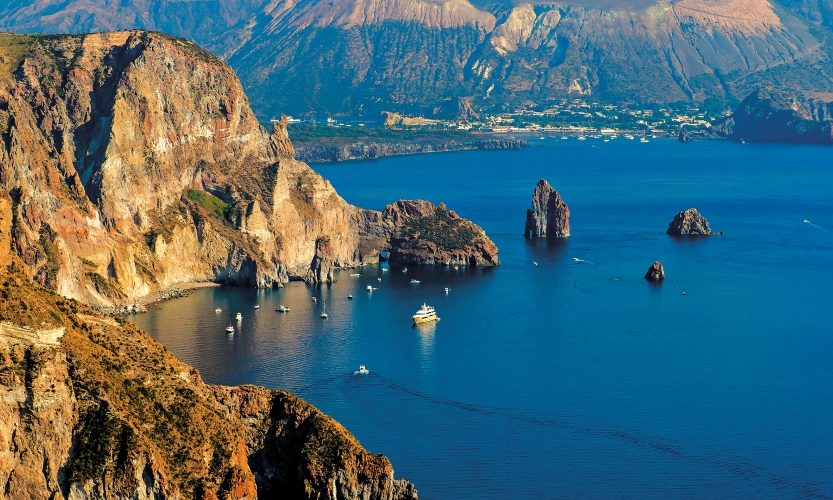
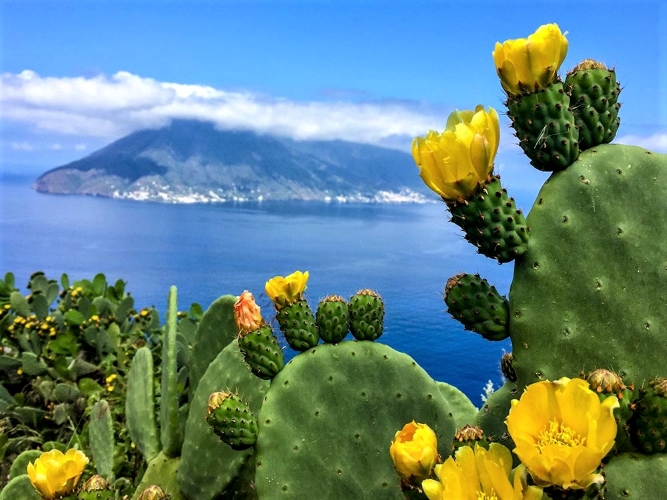
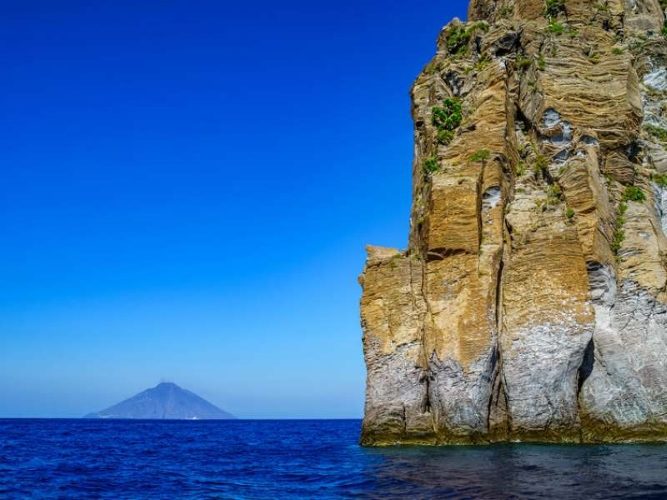
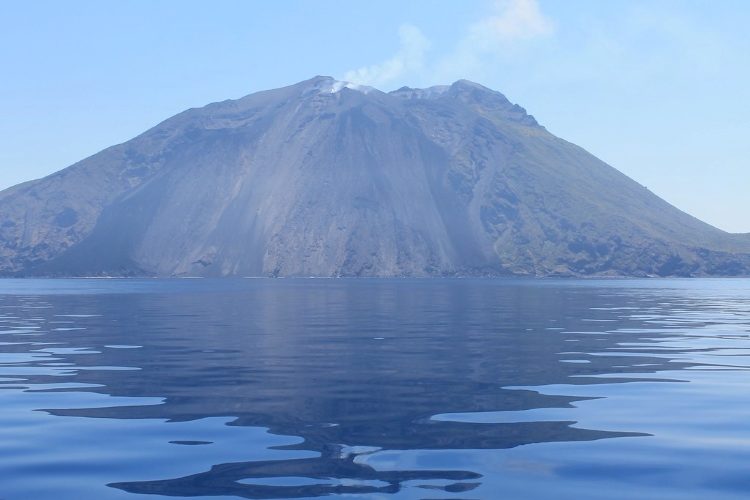
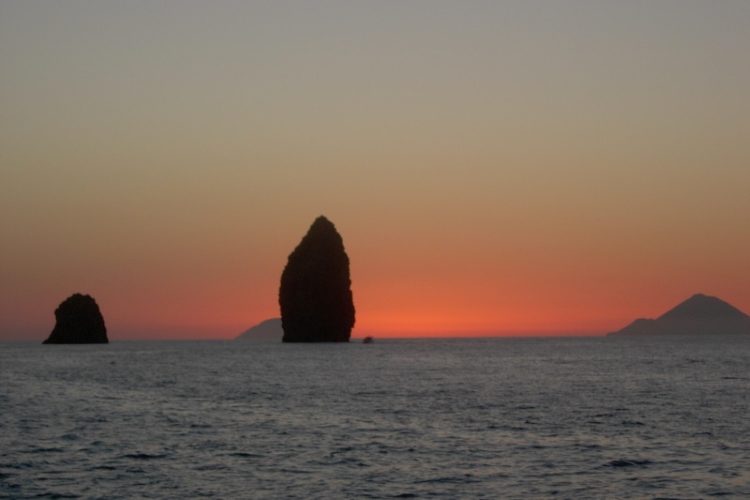
We have reached today’s last stop, the legendary Aeolians, a cluster of seven volcanic islands where Odysseus visited Aeolus, the god of the winds, who lived in a castle protected by a solid bronze wall on the island of Lipari. Residing on the Aeolian Island of Vulcano was Vulcan, the god of fire, responsible for making the weapons of the gods.
I hope you liked today’s “mini odyssey” and that you enjoy the fullness of summer.
Ciao for now e ci vediamo a Settembre (see you in September)!

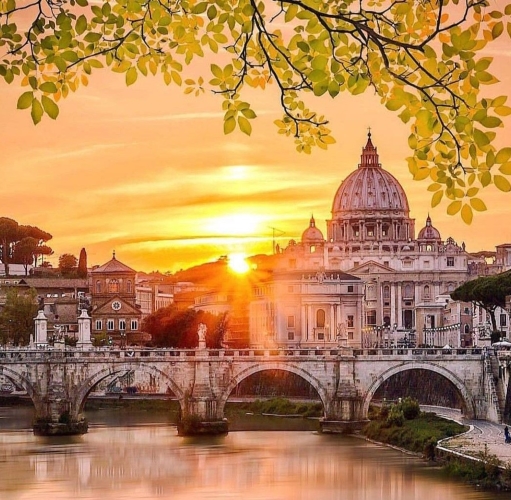
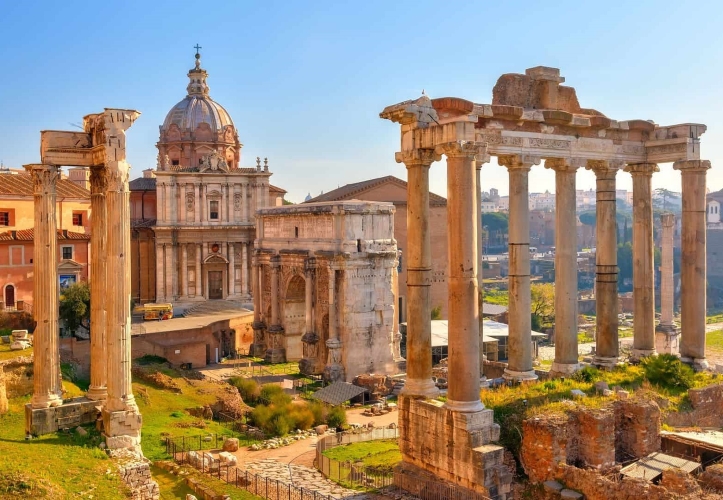
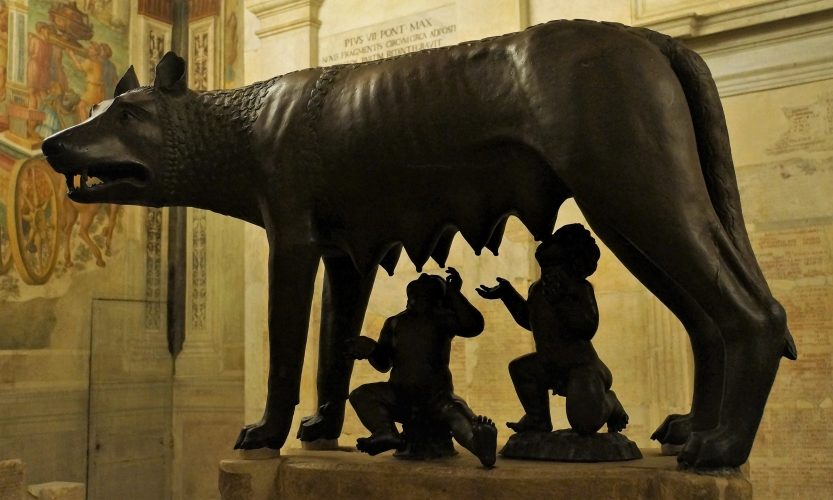
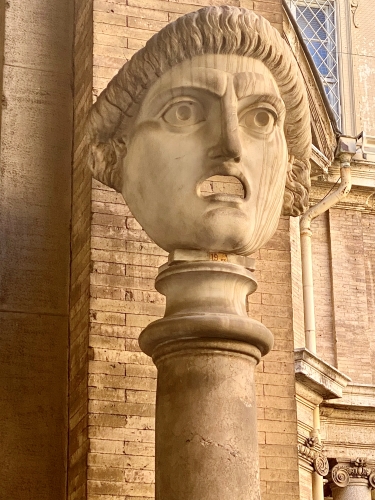
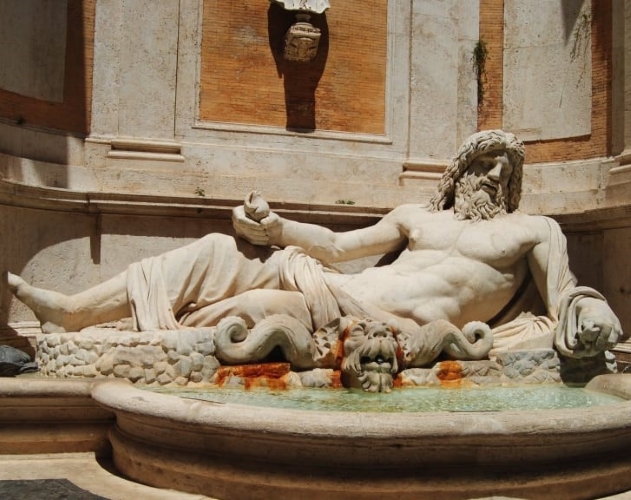
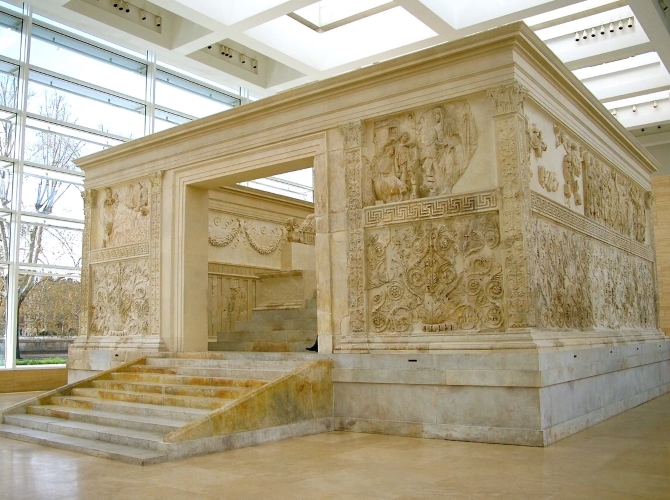
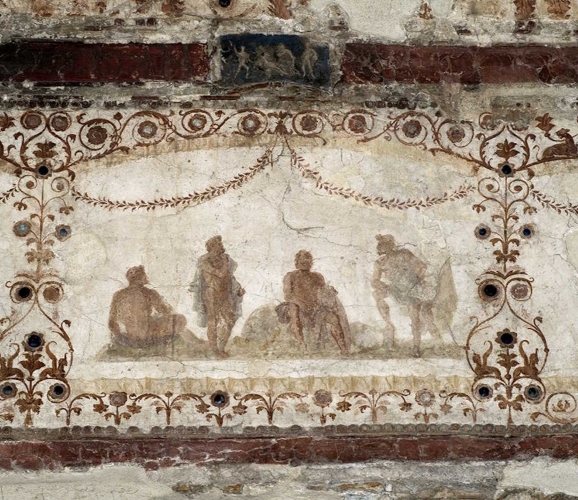
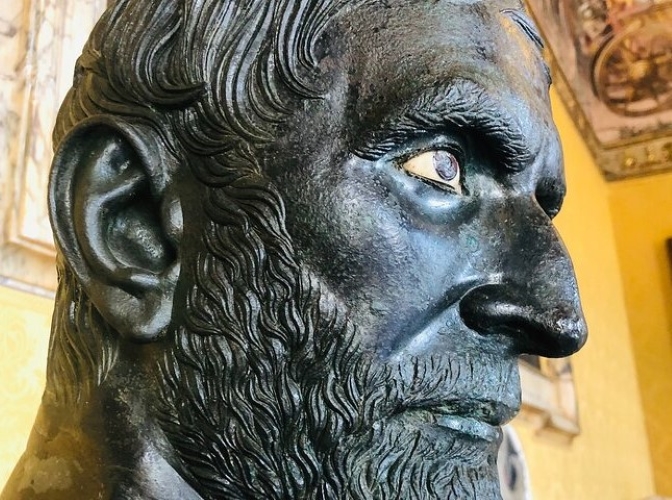
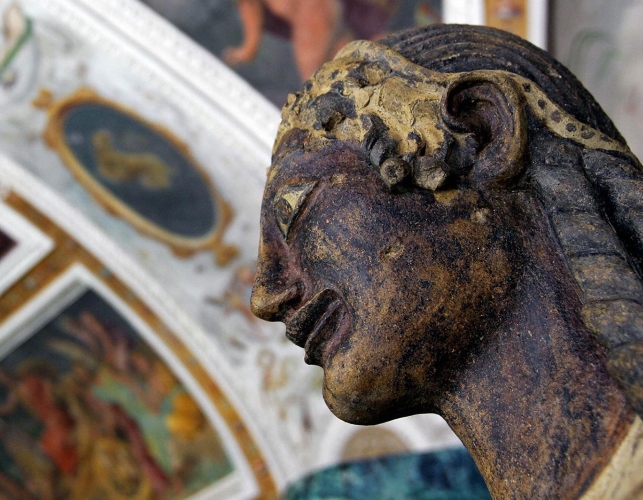
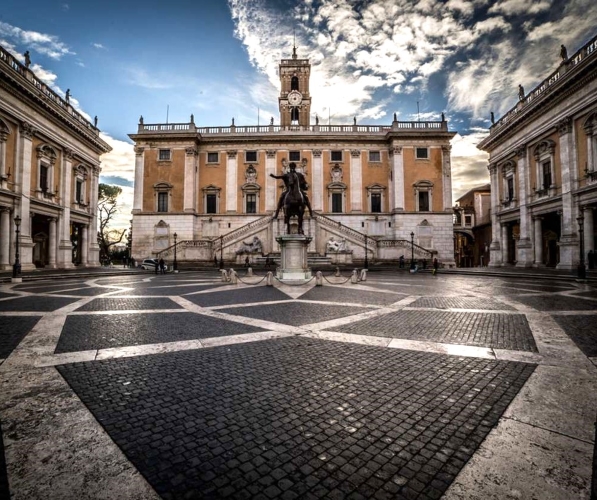
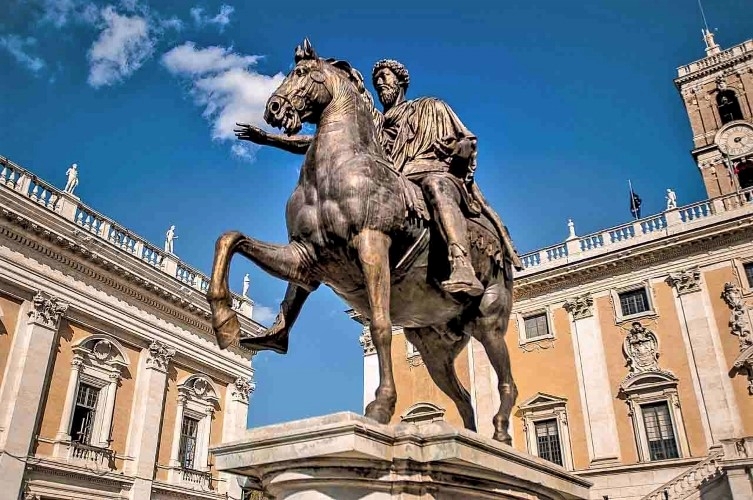
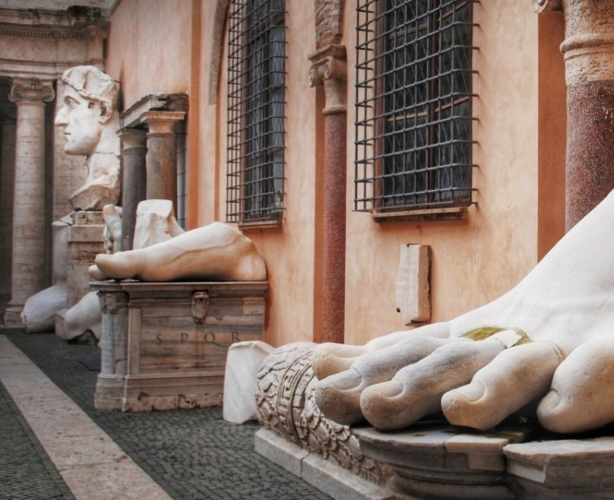
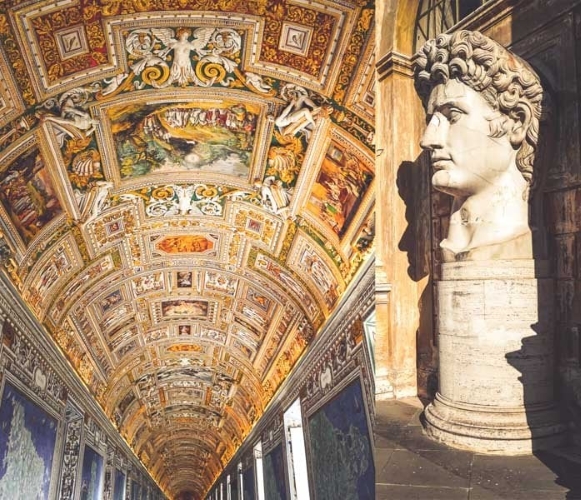
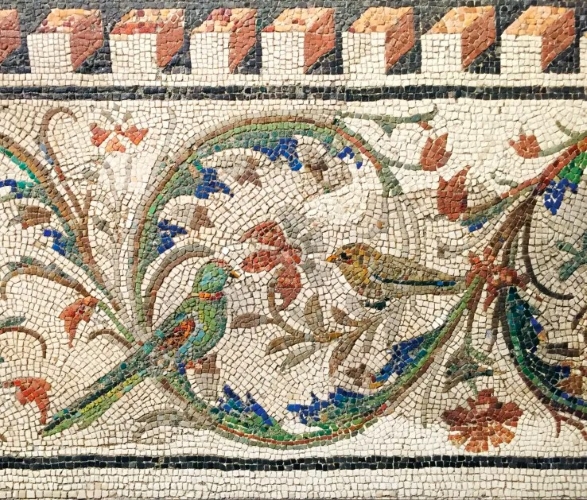

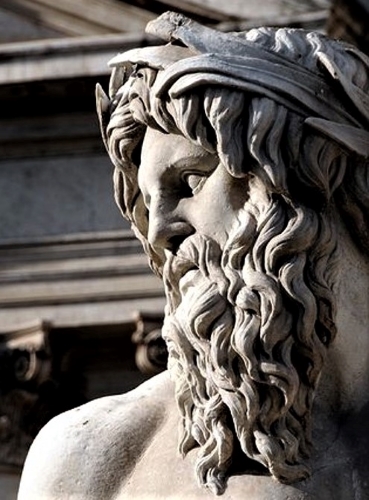
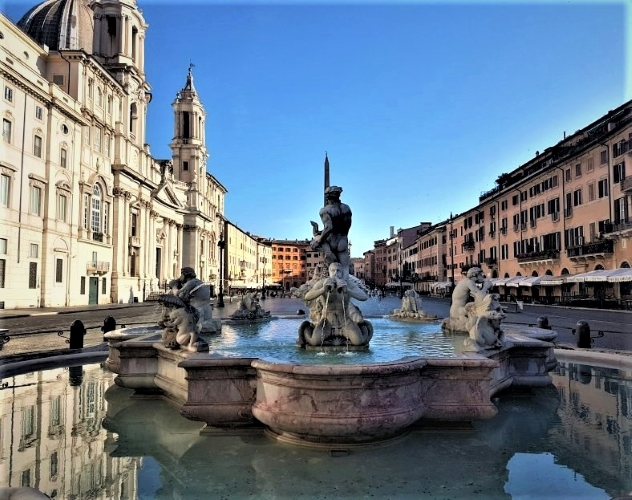
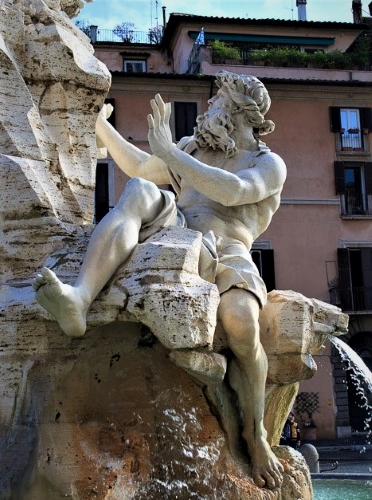
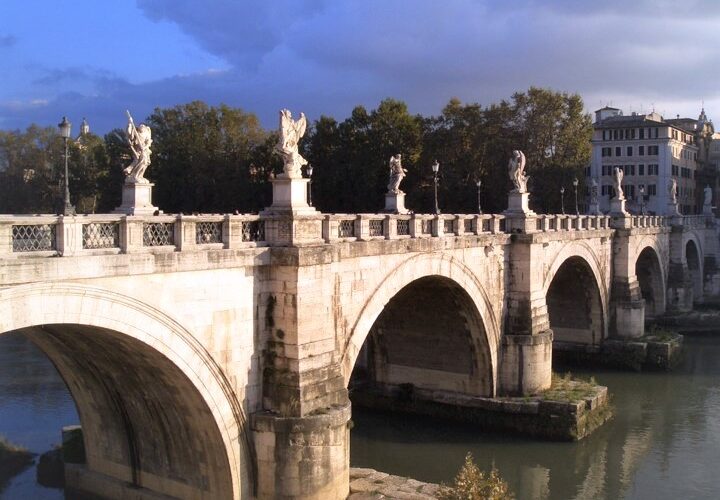
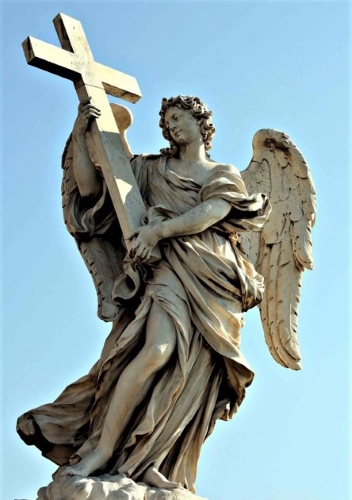


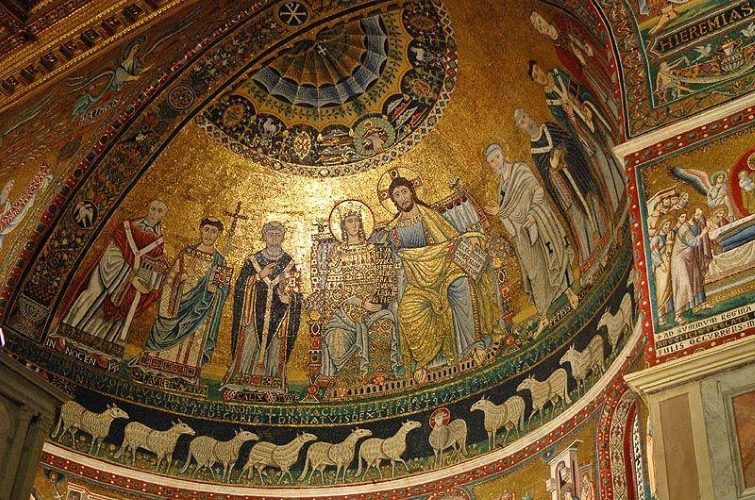
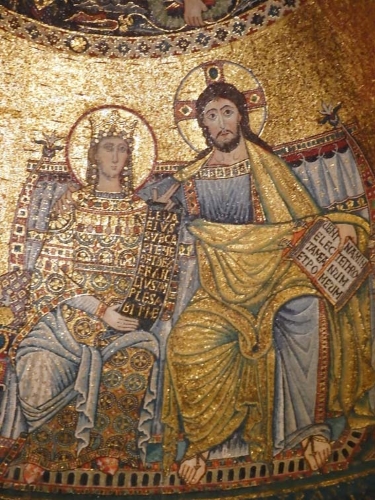
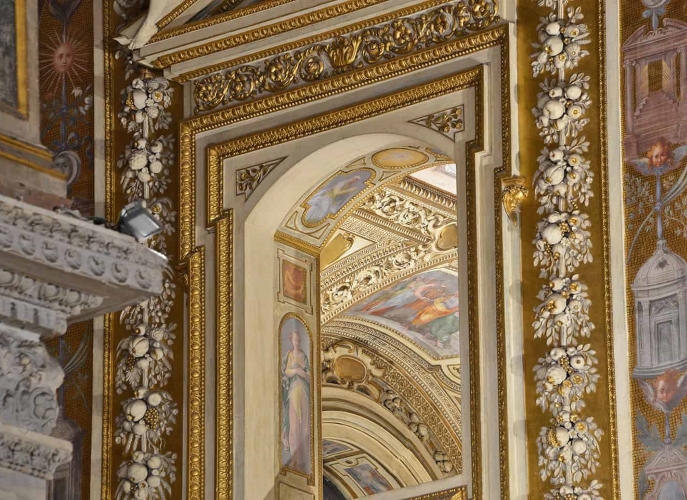
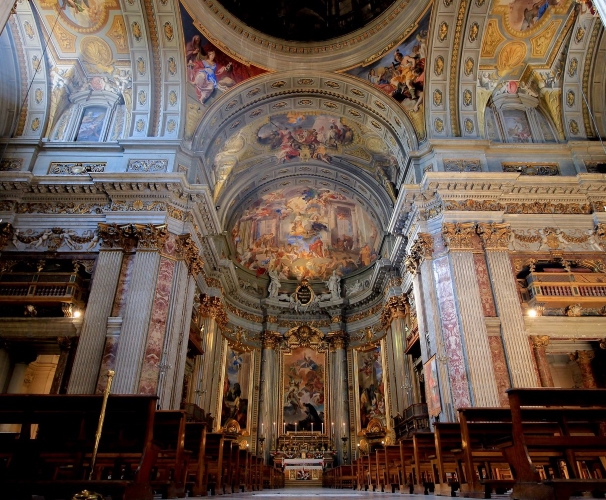
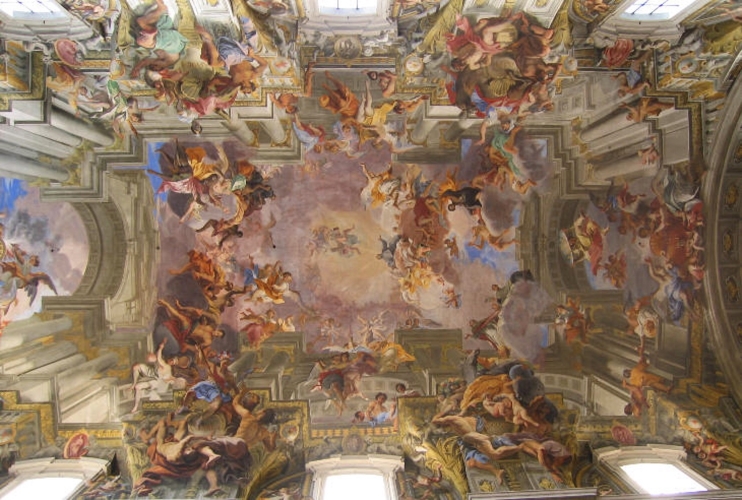
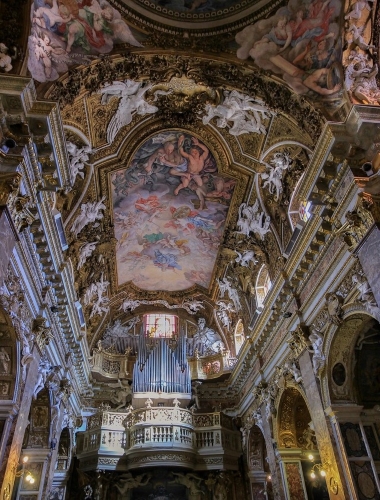
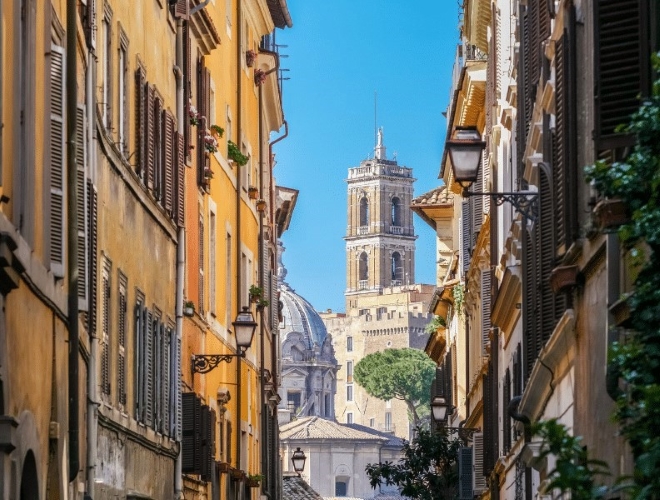
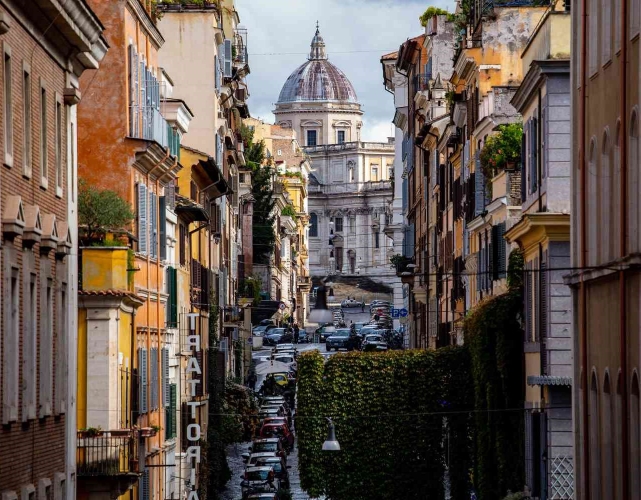
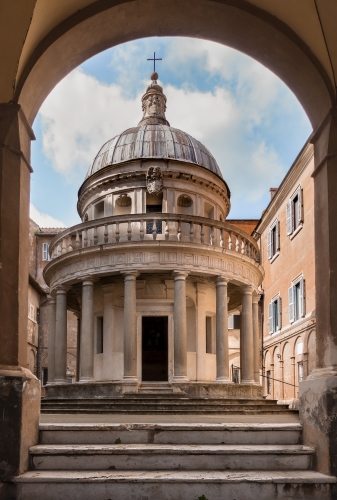
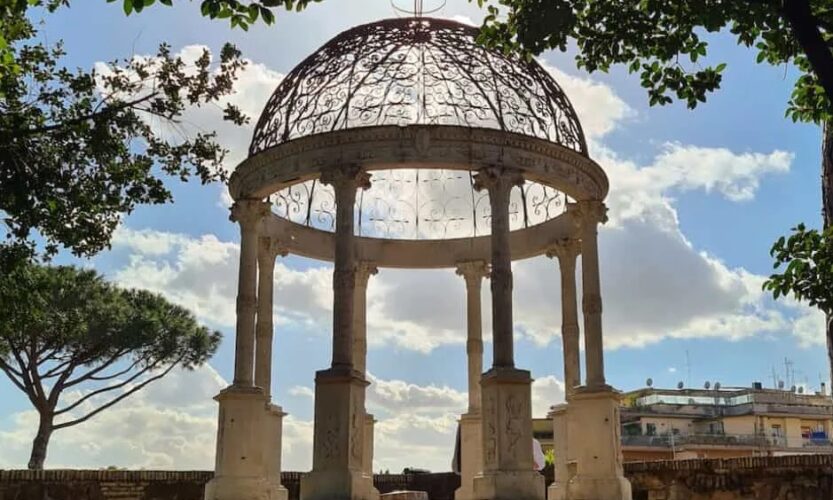
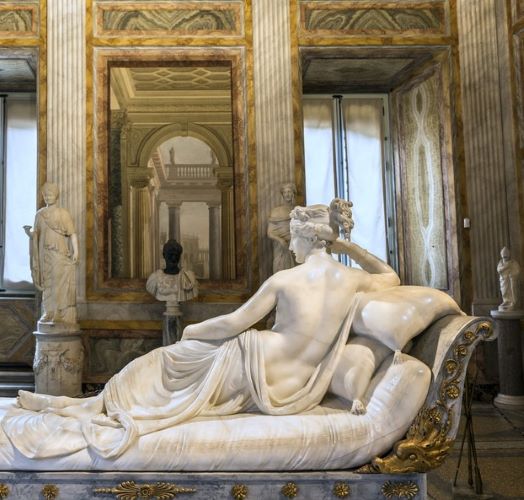
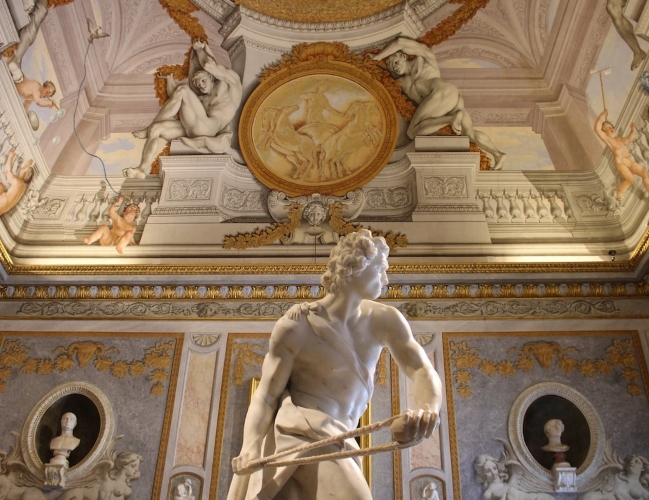
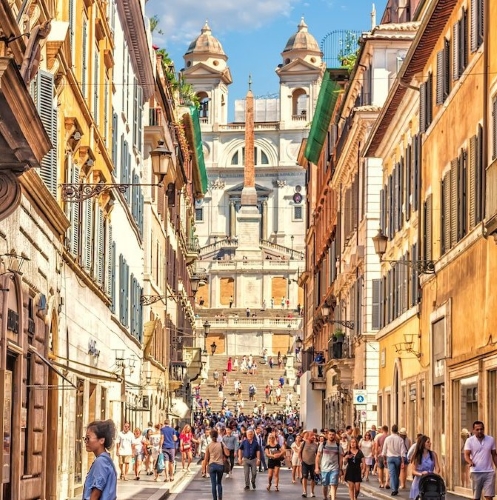
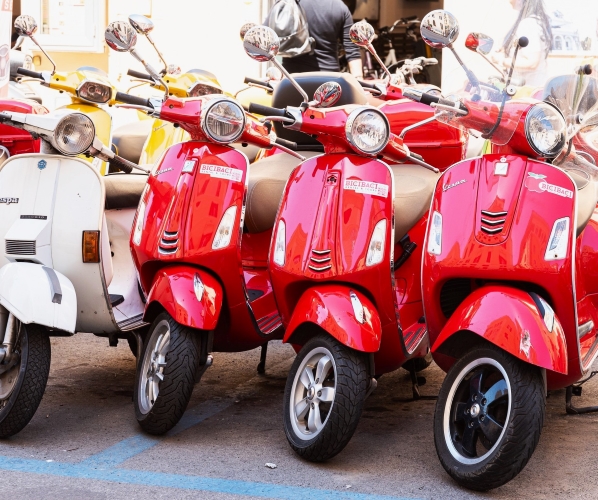
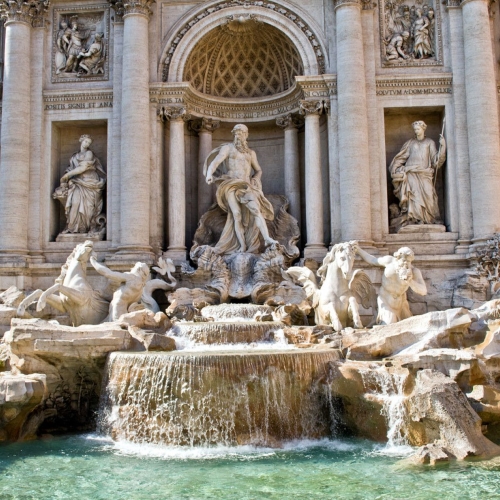
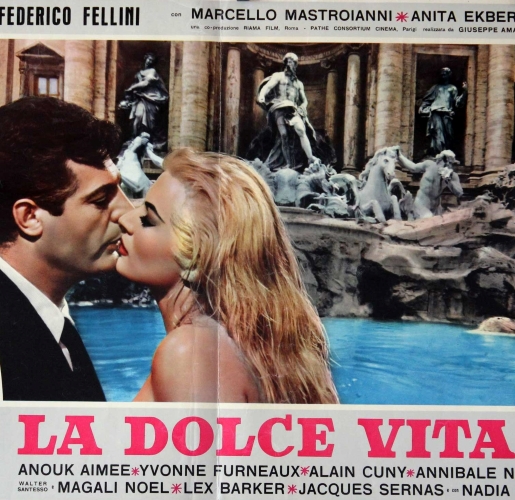
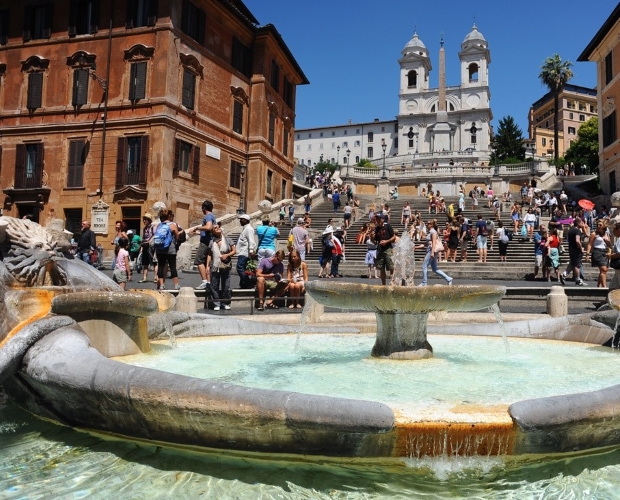
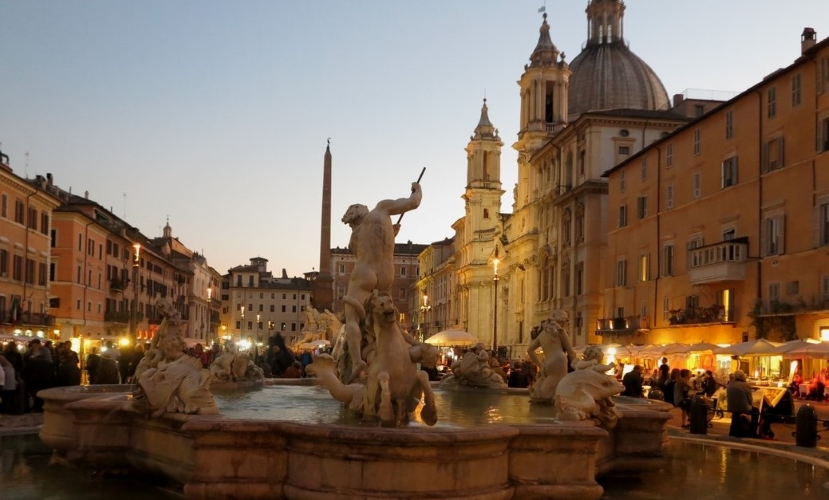
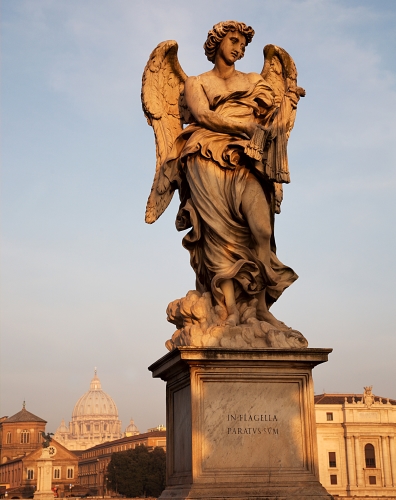
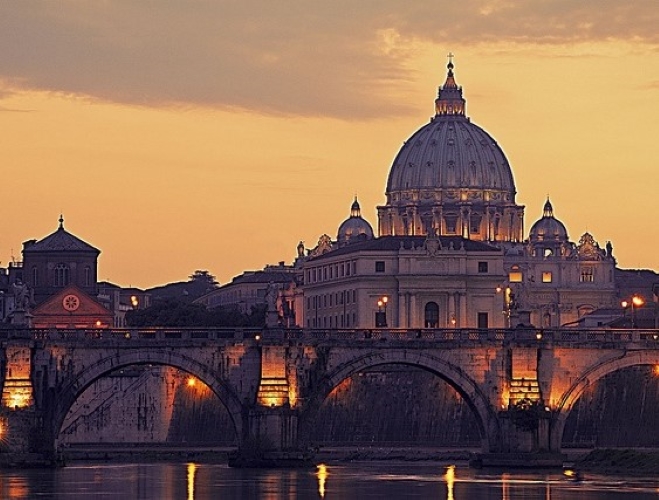
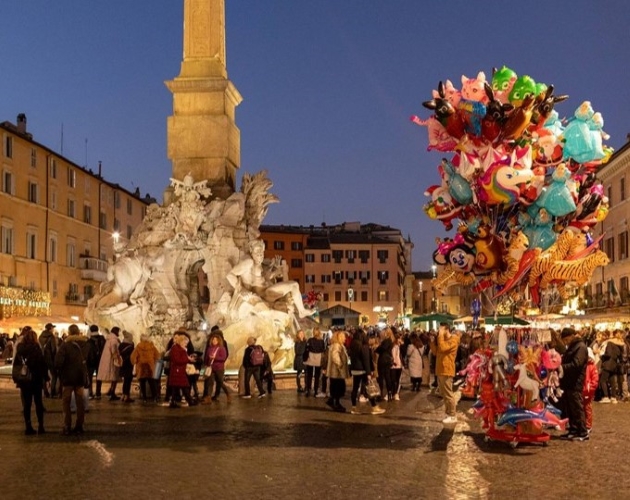
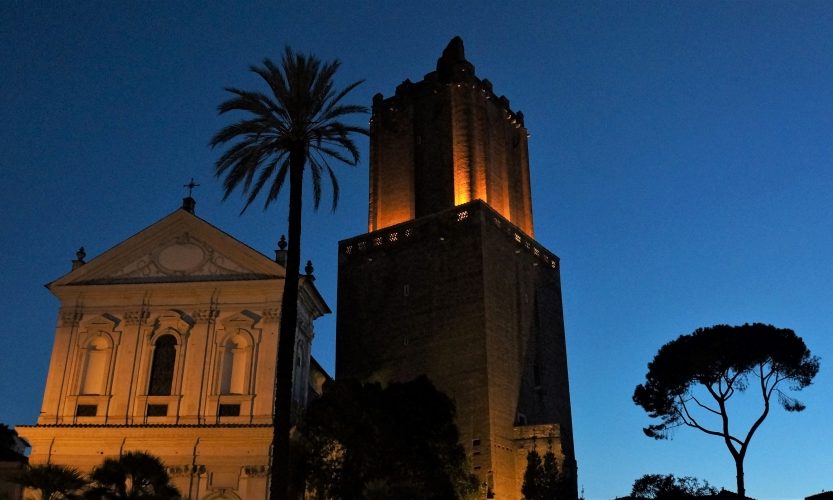
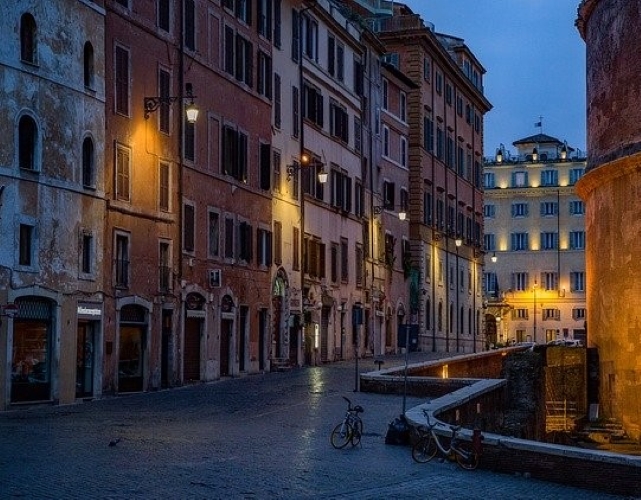
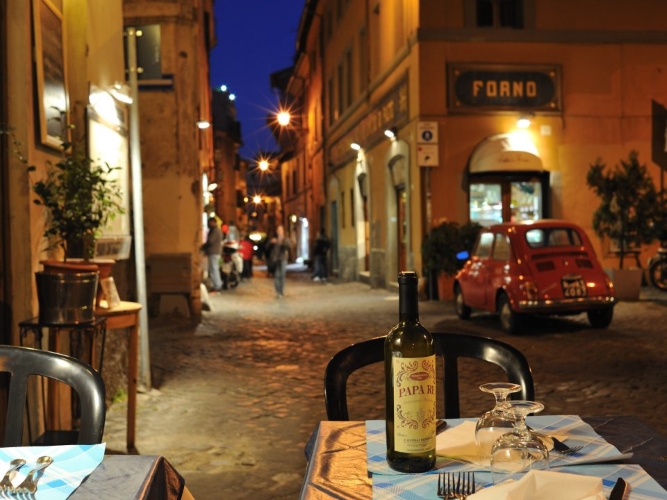
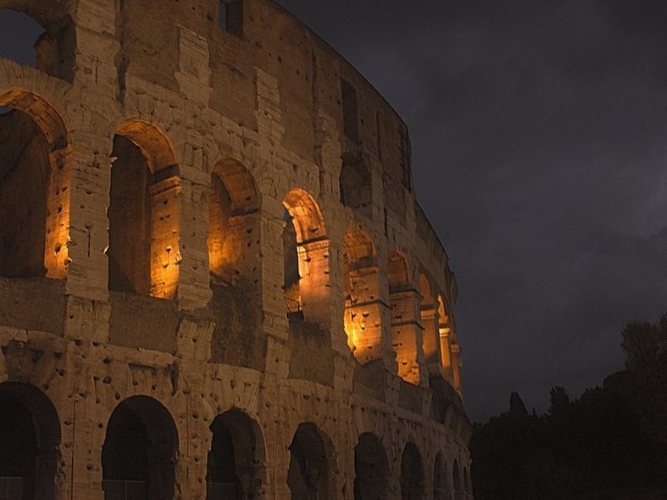
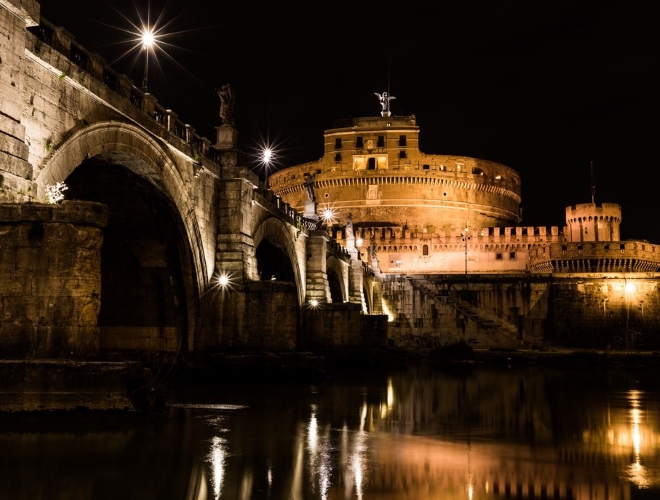
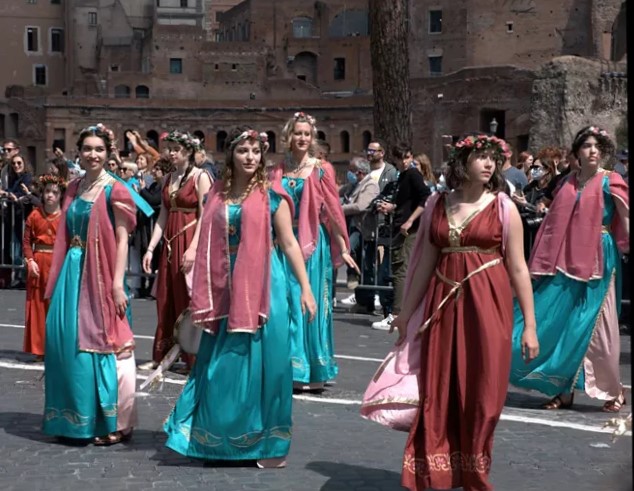
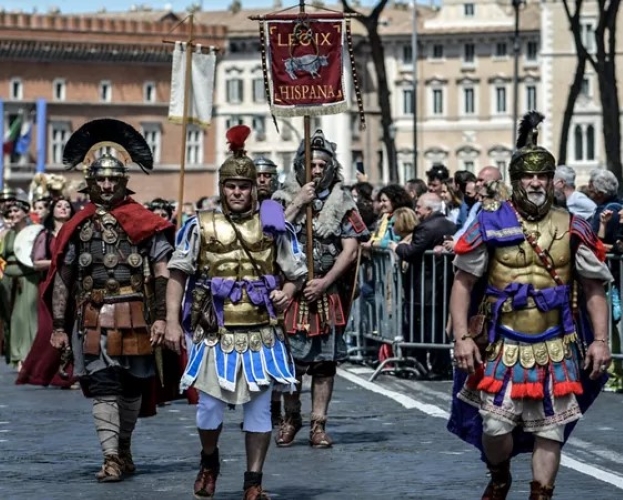
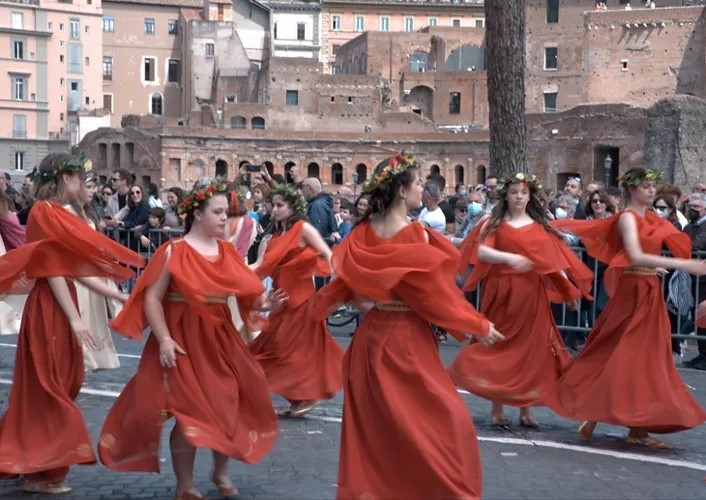
The Eternal City— timeless yet ever-vibrant—commemorates its mythical founding each April 21st marked by elaborate parades, theatrical performances and historical re-enactments showcasing the rituals of ancient Rome. Better known, when in Rome, as Natale di Roma, these special festivities (a 3-day affair) speak to the city’s multi-millennia legacy as a cradle of Western civilization.
Today’s “Postcards” serves as an homage to the singular city of seven hills once known as Caput Mundi—Latin for “head of the world.”
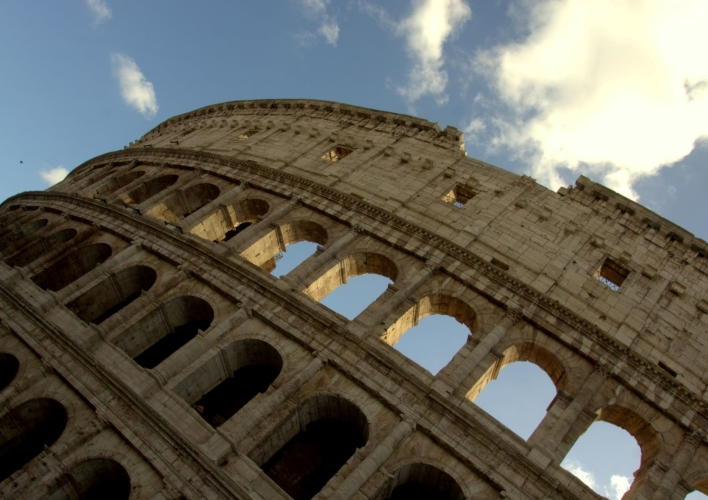
Few civilizations have left as indelible a mark as that of ancient Rome. The streets of the city are paved with history and myth that still invite to take a journey back in time to a civilization whose scale and ambition seem almost superhuman: the imposing grandeur of the Colosseum; aqueducts that snake like arteries; and roads that extend like a sophisticated nervous system, all emanating from Roma.
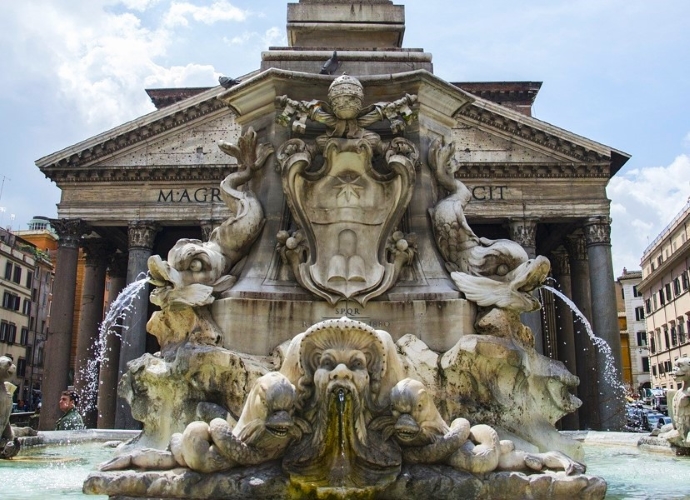
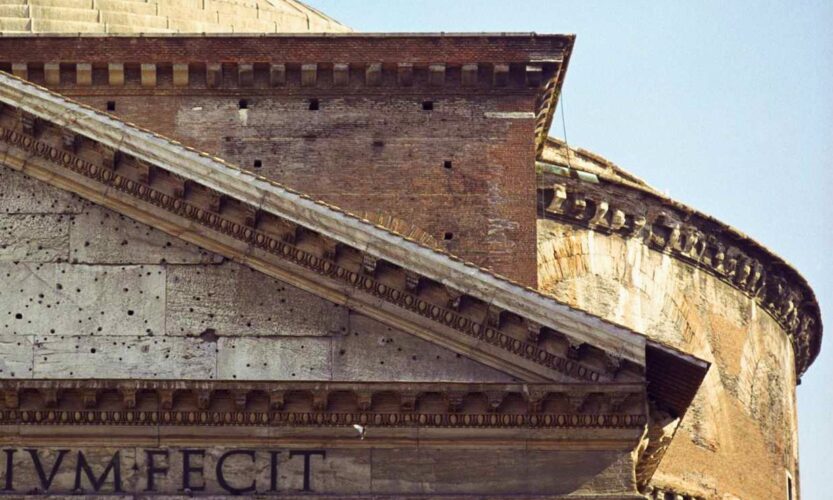
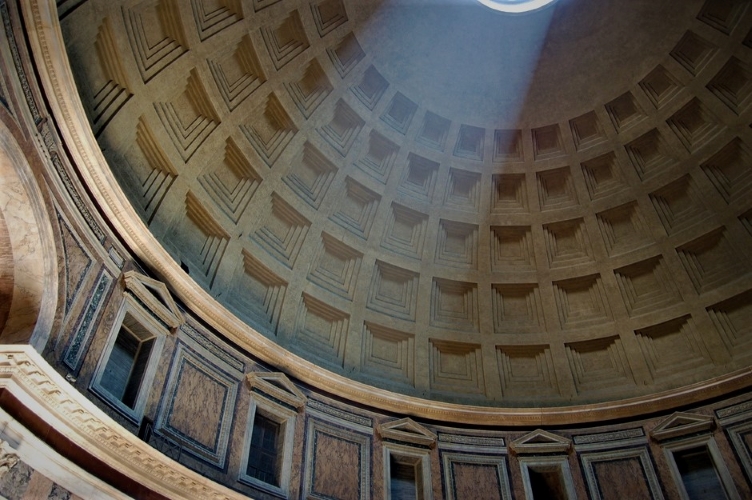
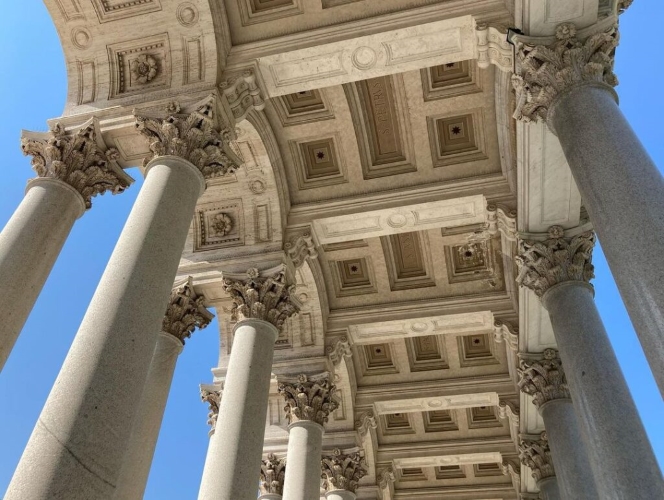
Roman architecture is an eternal wonder. The Pantheon, more than any other structure, transcends its materials to make a statement both of grandeur and grace. It speaks to a civilization whose combined practicality and design genius redefined space and defied time.
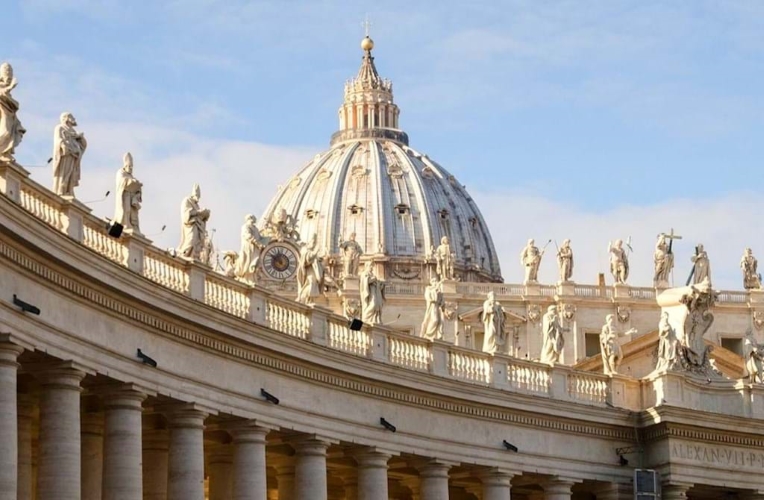
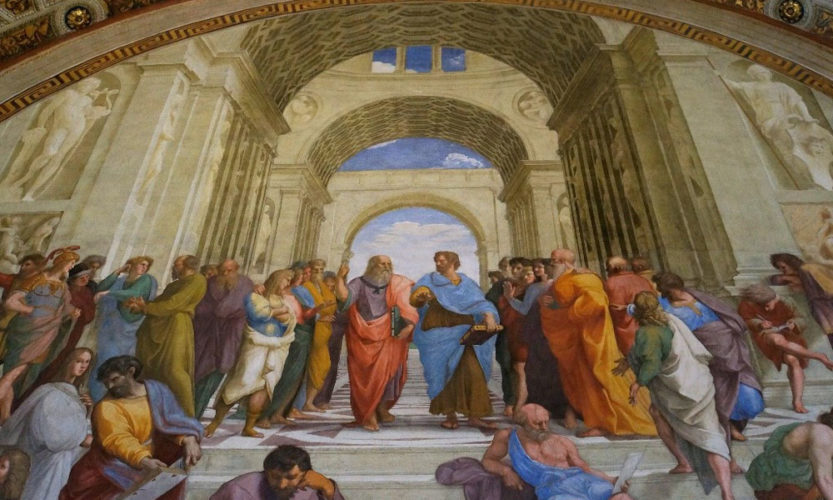
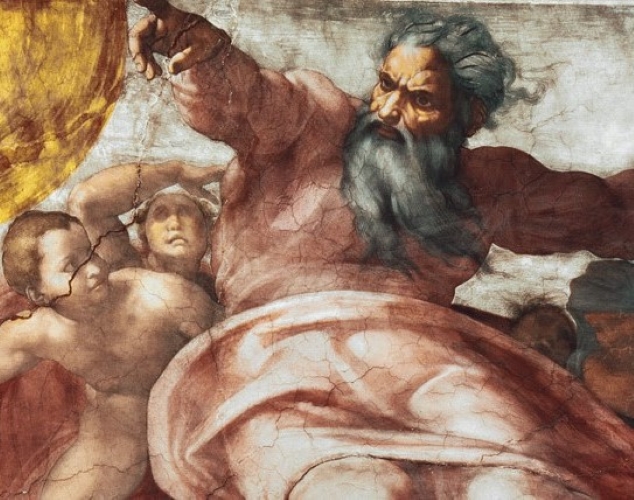
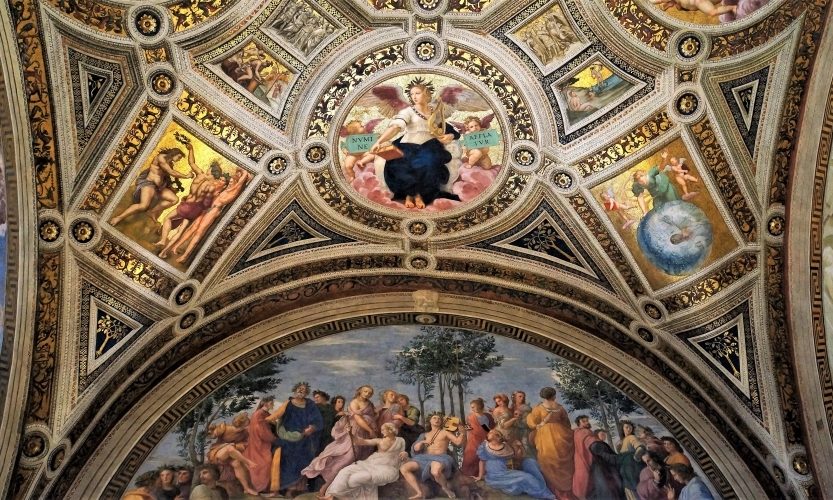
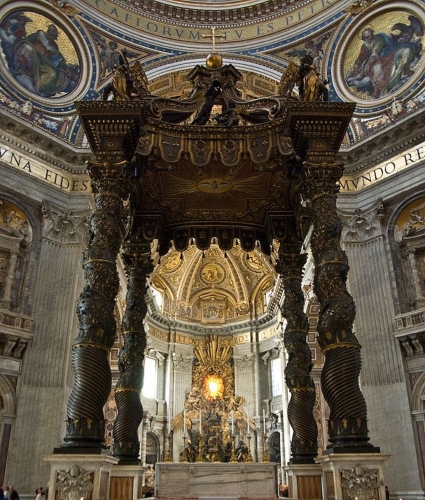
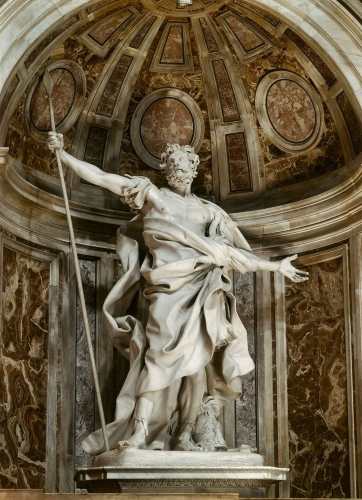
The Rome of Christendom attests to another great history and awe-inspiring spiritual venture. At its center is St Peter’s Basilica, with its double colonnade and an elliptical piazza in front and bordered by palaces and gardens. It is the largest ecclesiastical structure in the world, the fruit of the combined genius of Bramante, Raphael, Michelangelo and Bernini
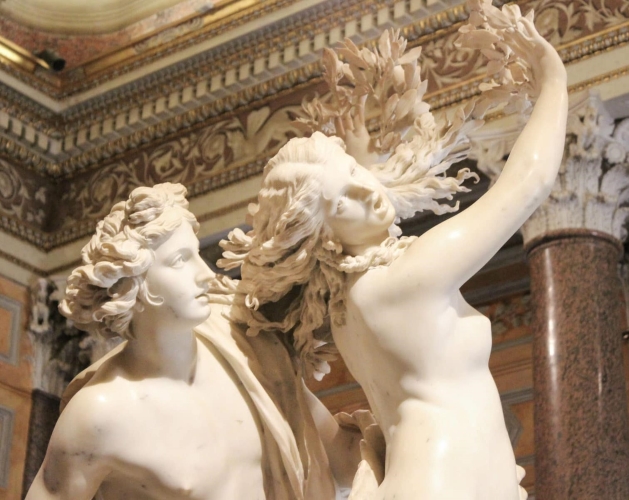
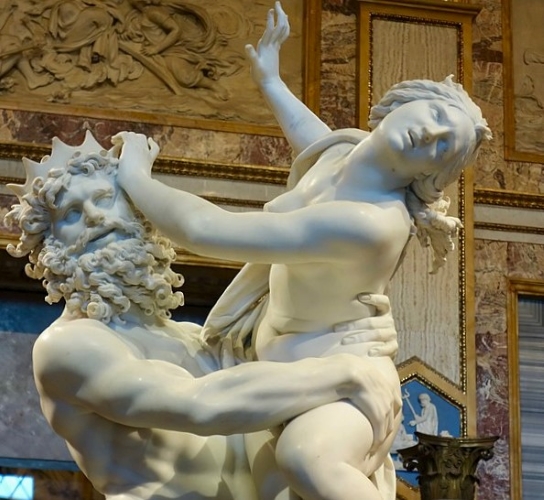
In the seventeenth century, Rome became the ultimate testament to Catholic majesty and triumph as expressed in all the arts. Baroque architects, artists, and urban planners so magnified and invigorated the classical and ecclesiastical traditions of the city that it became for centuries afterward the acknowledged capital of the European art world—not only a magnet for tourists and artists but also a font of inspiration throughout the Western world.
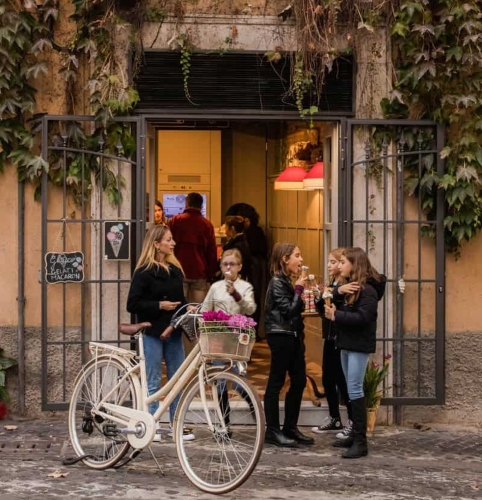
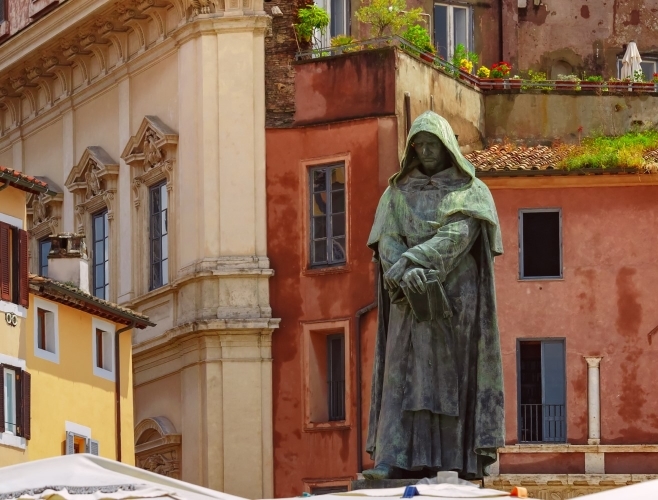
Today Rome’s particular vibrance derives from how the city’s multi-layered illustrious past and fashionable present so harmoniously coexist in its fascinating and varied neighborhoods that attract young and old the world over.
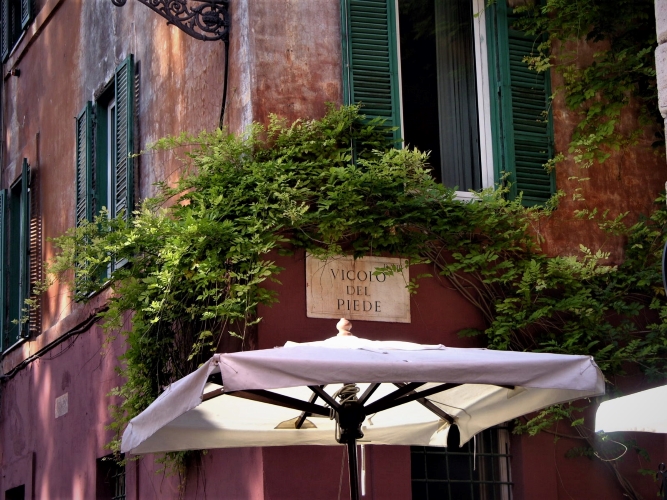
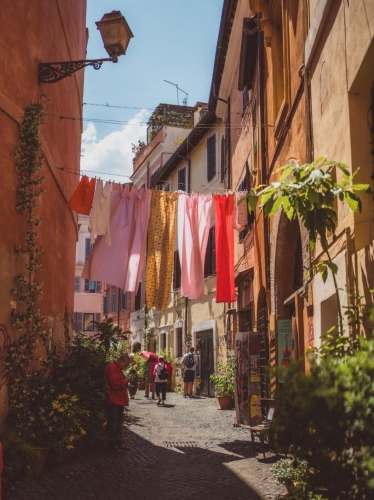
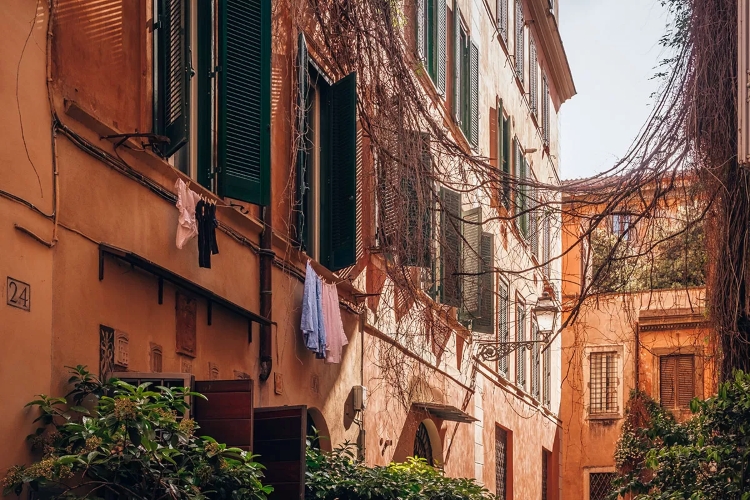
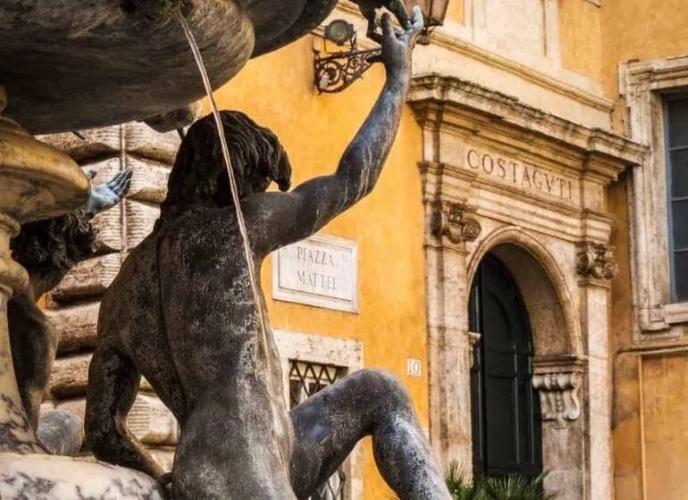
From the Centro Storico areas such as Campo Marzio to Prati and Monti, and from the Trastevere, now one of Rome’s most beautiful and beloved neighborhoods, to the Testaccio, for diehard foodies, Rome hums with a unique vivacity.
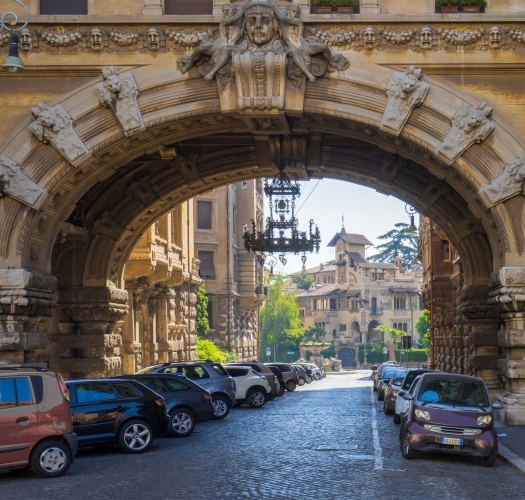
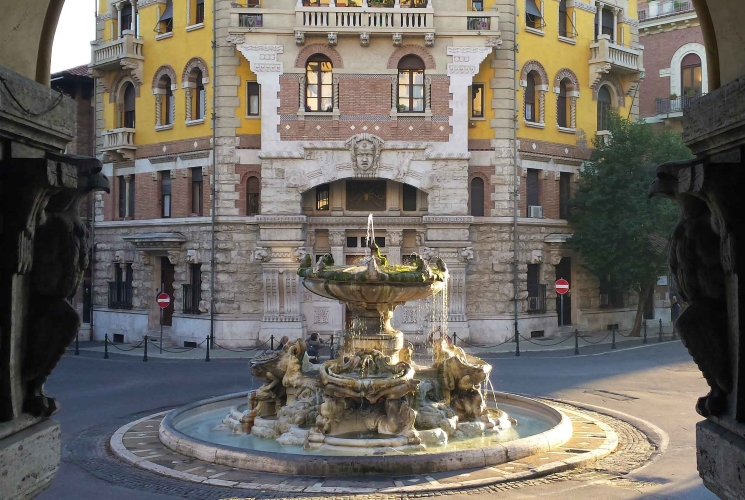
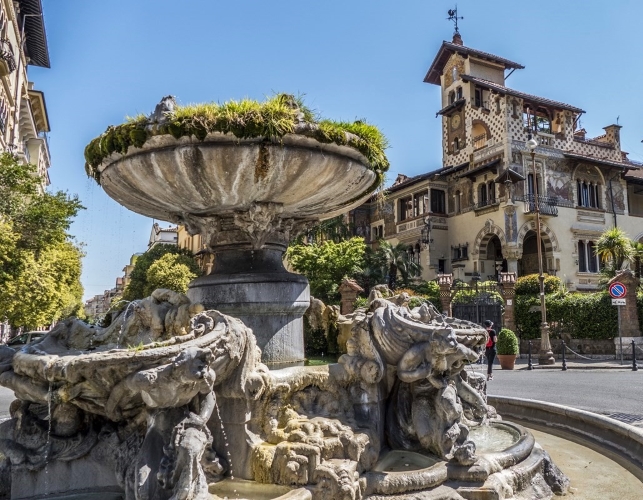
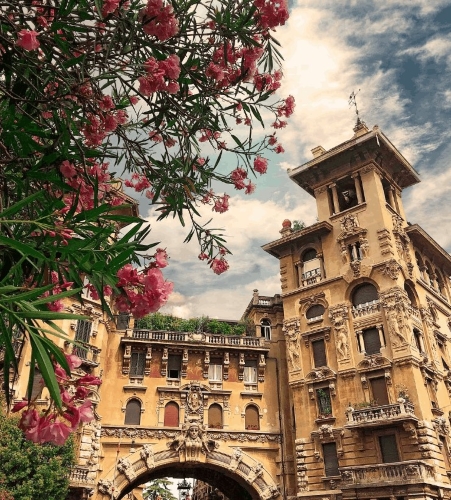
Off the tourist radar is the fantastical Art Nouveau Coppedè District located just north of the city center. Its fountains and villas were designed solely by Gino Coppedè who drew inspiration from ancient Greek, Baroque, Medieval, neoclassical, and Gothic styles—a milestone of eclecticism—well worth an afternoon of exploration.
For the past three decades Natale di Roma has been celebrated by the Gruppo Storico Romano, a historical dramatic society that re-enacts battles, gladiator fights, costumed processions, Roman rituals and displays of ancient theater and dance. The theme of this year’s Natale di Roma festival is Regina Viarum, a reference to the Appian Way—the “queen of roads”— for which Italy is currently seeking UNESCO World Heritage status.
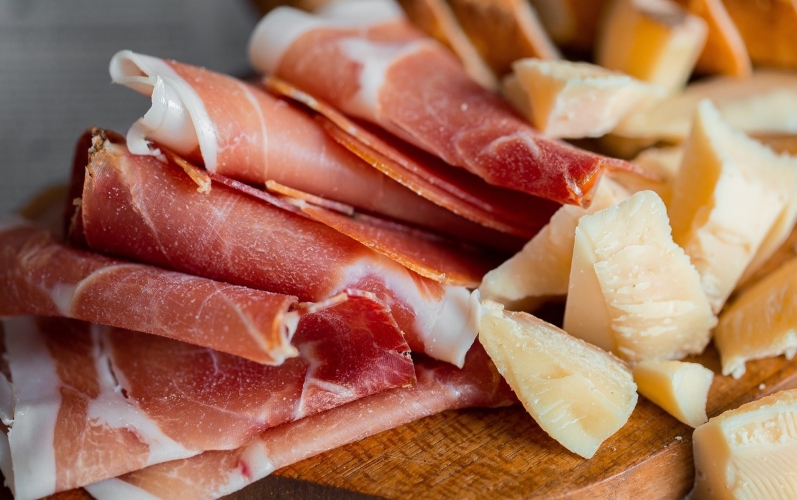
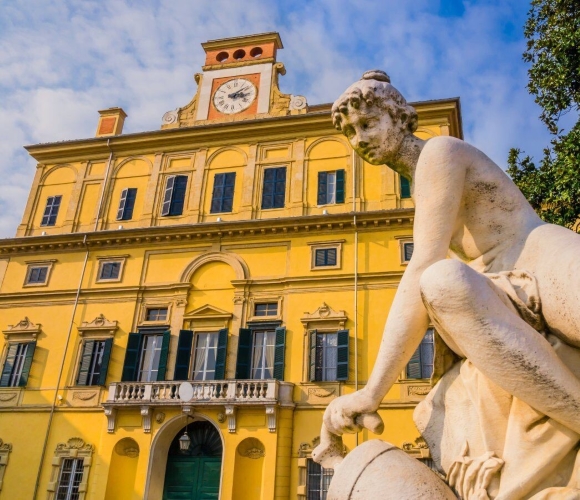
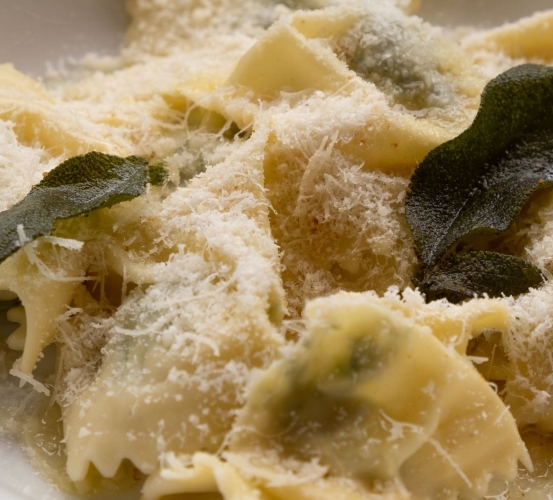
Nestled in Italy’s broad Po valley is the handsome city of Parma, the world’s ham-and-cheese capital, which offers travelers far more than just outstanding gustatory pleasures … there’s far more to Parma than phenomenal ham and cheese!!!
Parma is a city rich with art, culture and a past that reads like a fairy tale. It has beauty, pride and, yes, glorious food!
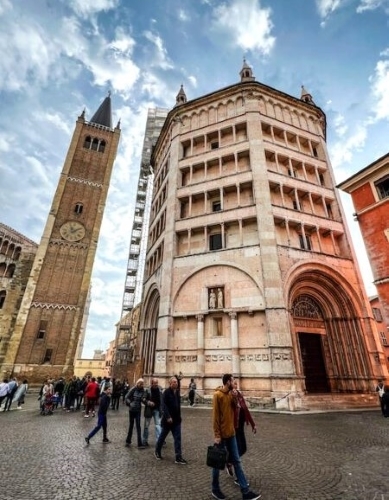
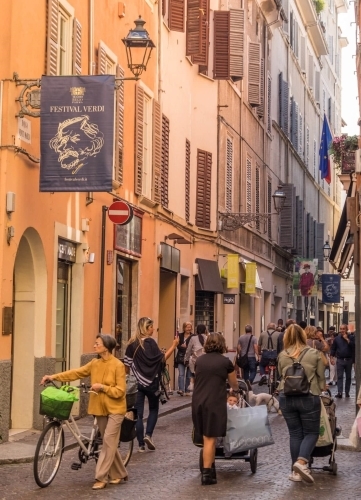
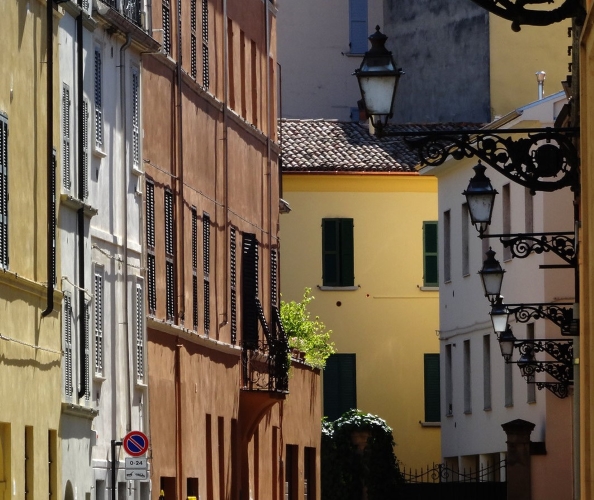
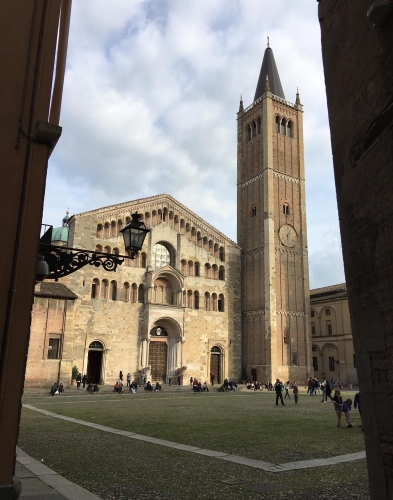
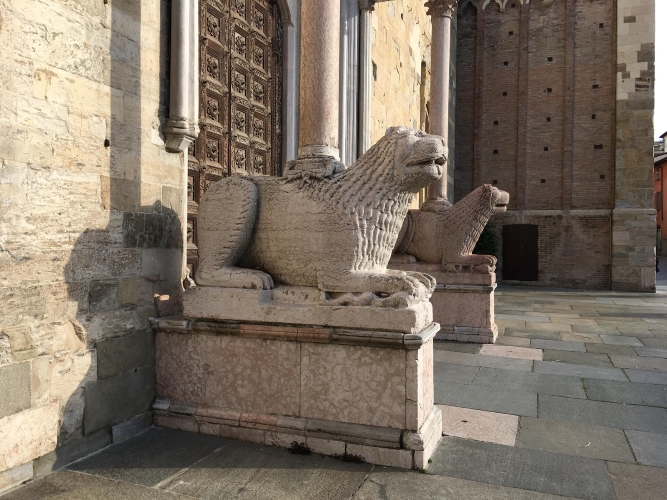
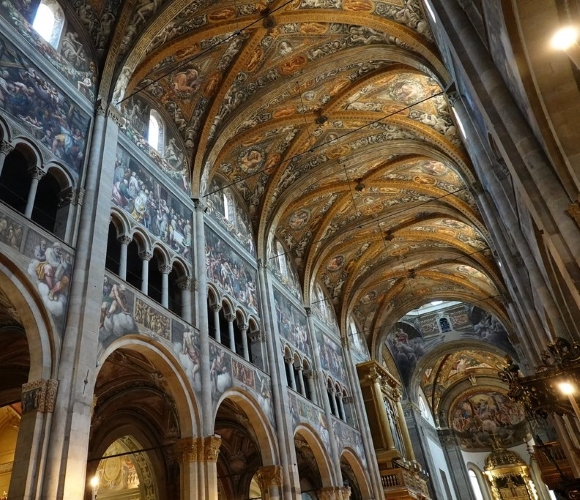
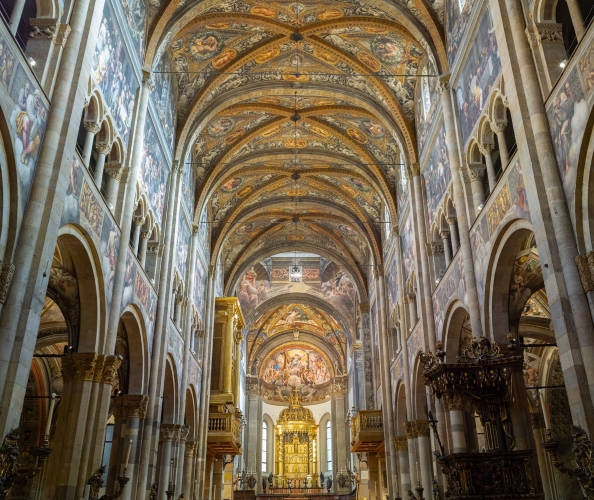
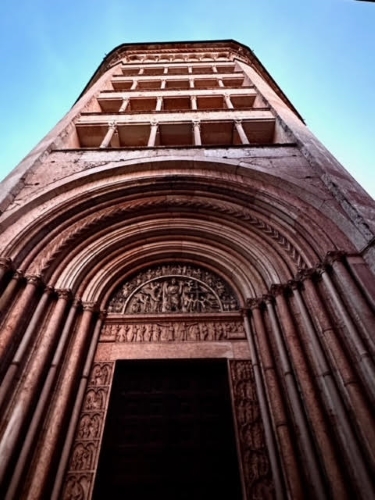
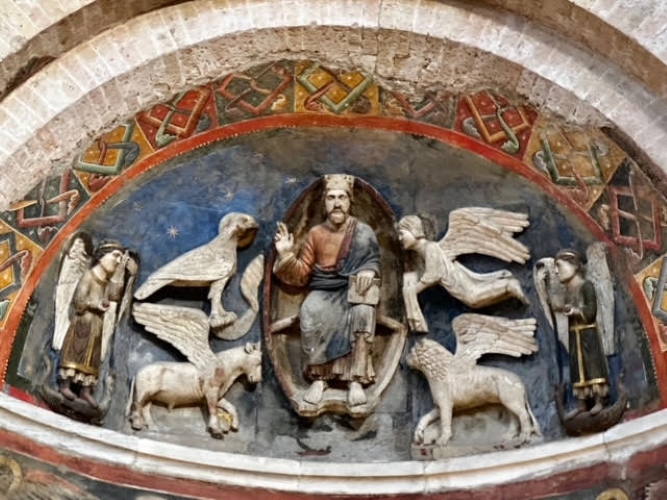
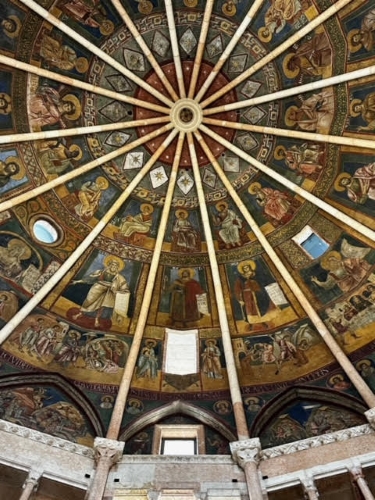
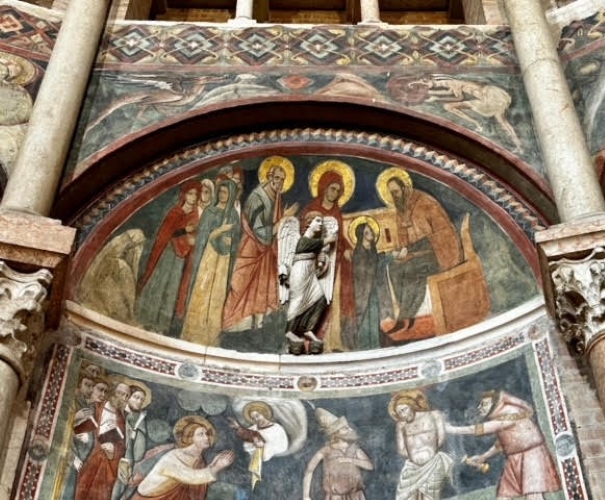
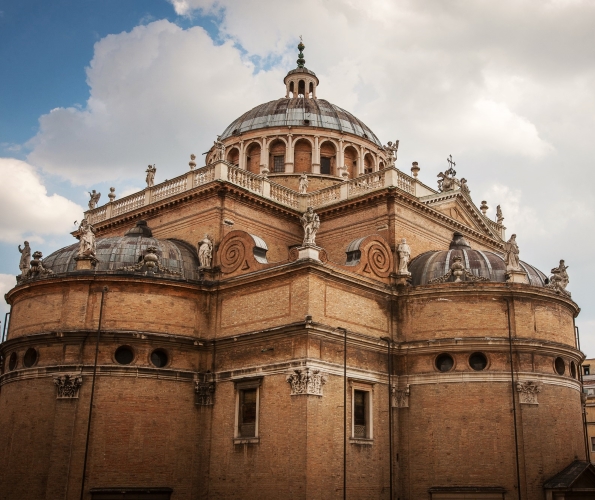
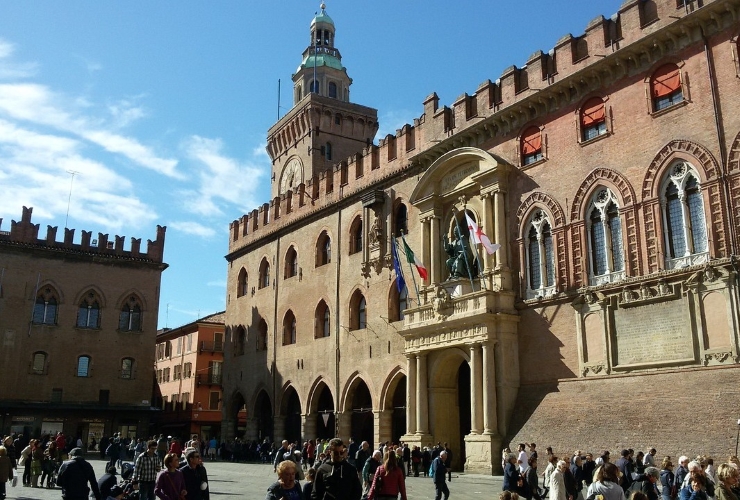
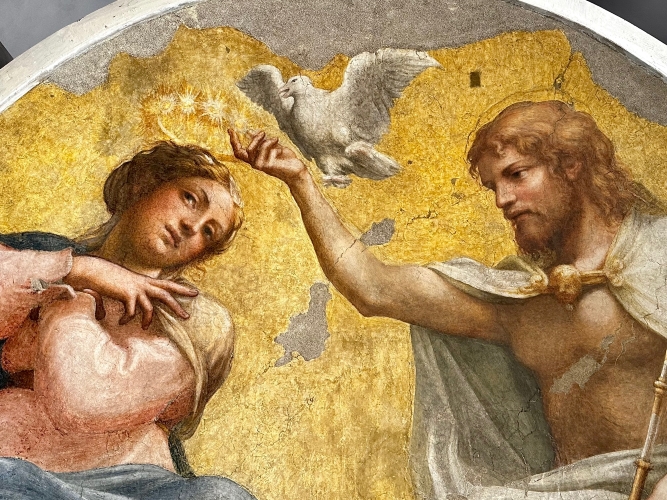
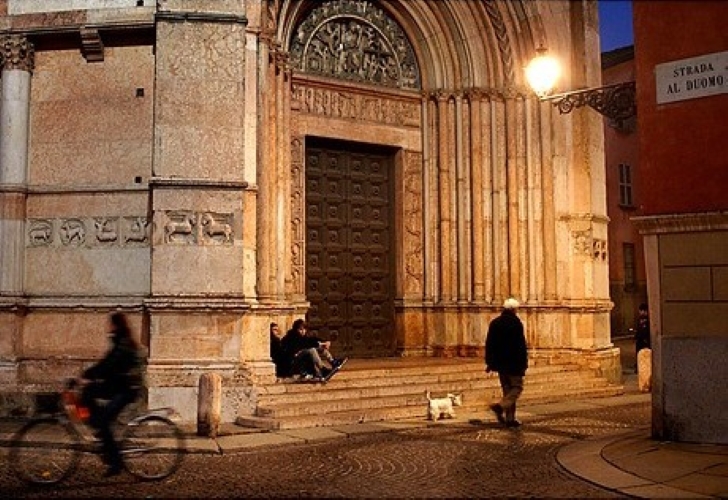
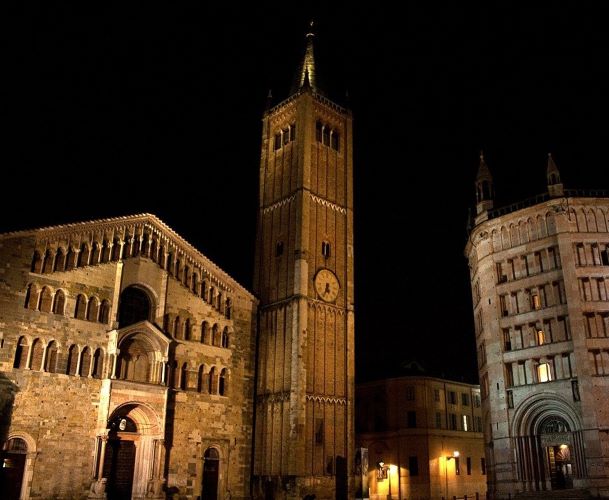
I fell in love with Parma strolling through its narrow flagstone streets last October. The old part of town is a maze of buildings colored in soft yellows and deep ochres. The Piazza Duomo and the Baptistery are fine examples of 11th- and 12th-Century architecture. Two major artists contributed their talents to this remarkable center of religious life: Benedetto Antelami, to the Baptistery pictured below, and Antonio Allegro, better known as Correggio, to the city’s spectacular Santa Maria Assunta Cathedral.
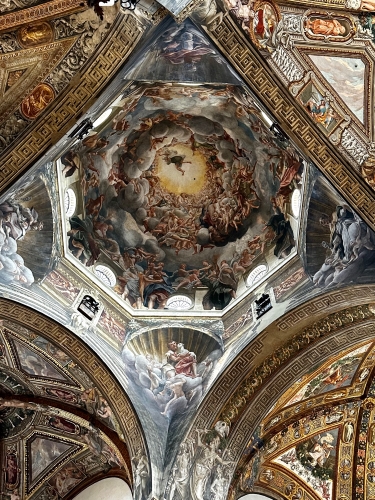
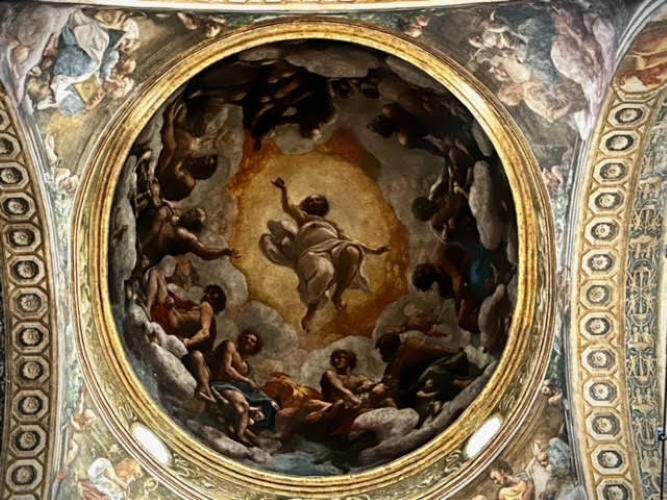
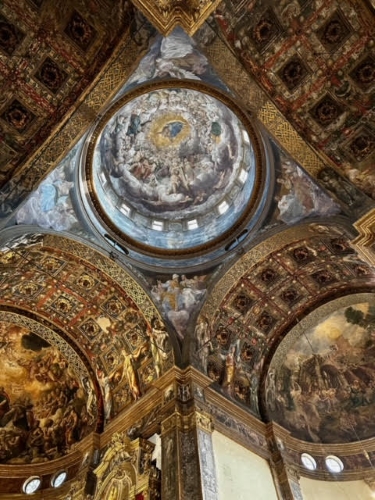
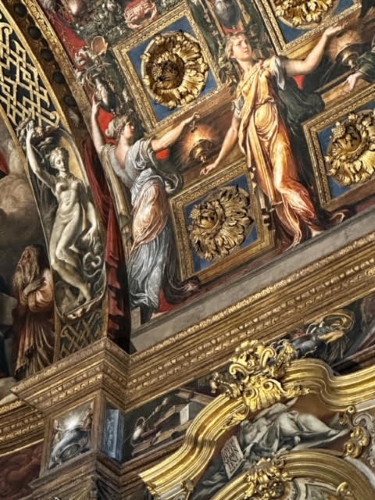
Soaring above the Duomo’s apse is Correggio’s masterpiece, the Assumption of the Virgin (1526-1530). It would become the catalyst for the dramatically-illusionistic, di sotto in su (from the bottom up) ceiling paintings of the 17th-century Baroque period. The cupola is portrayed as the vault of heaven; the figures appear to protrude into the viewer’s space, an audacious and astounding effect at the time.
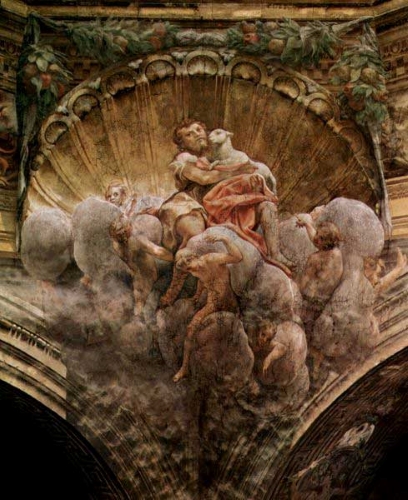
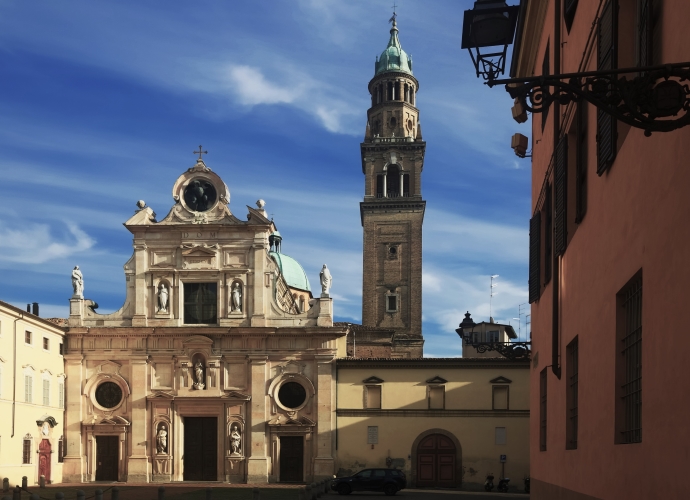
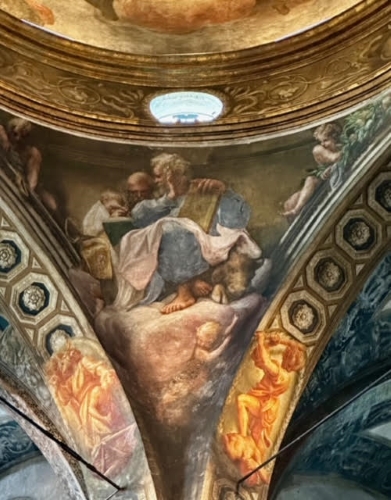
In the Benedictine church of San Giovanni Evangelista, directly behind the Duomo, you can view the cupola fresco and pendentives Correggio painted prior to the Assumption; (1520-1522); these led to his now historical Santa Maria Assunta commission.
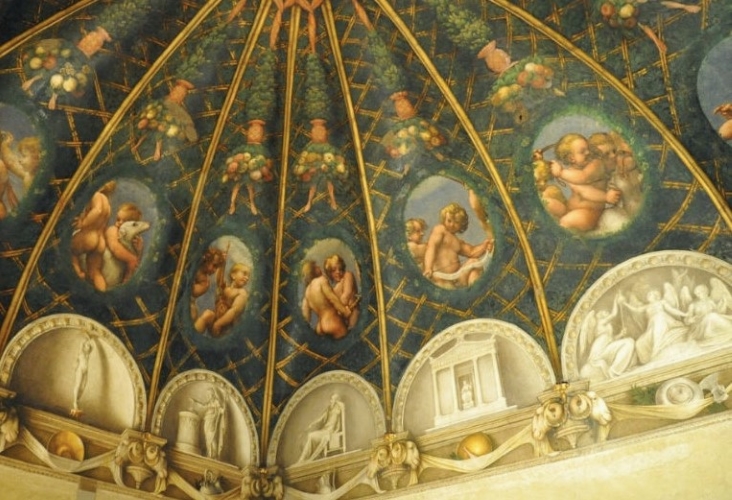
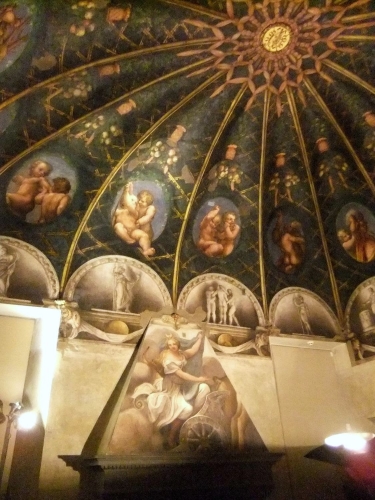
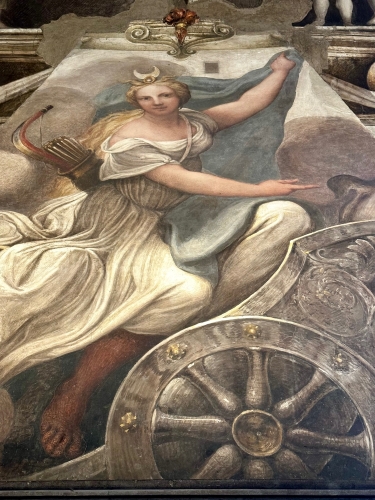
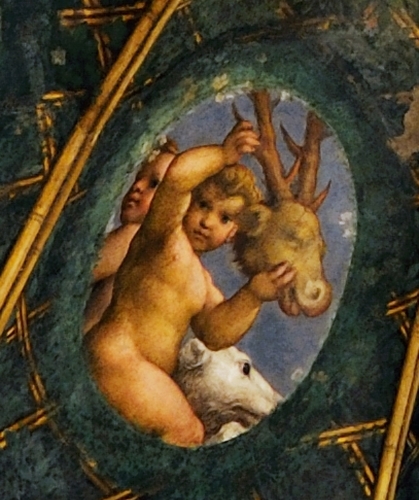
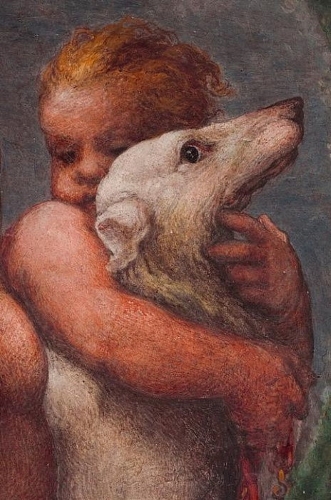
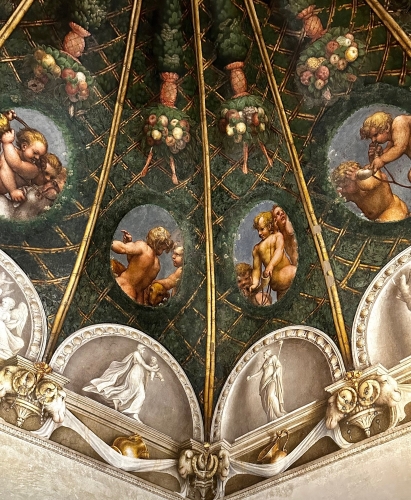
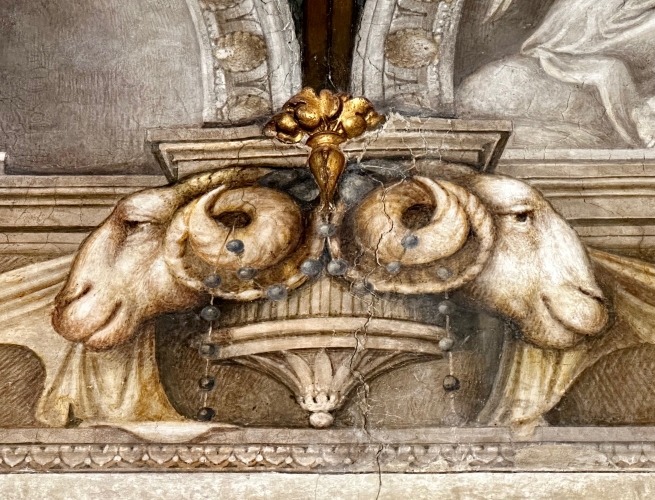
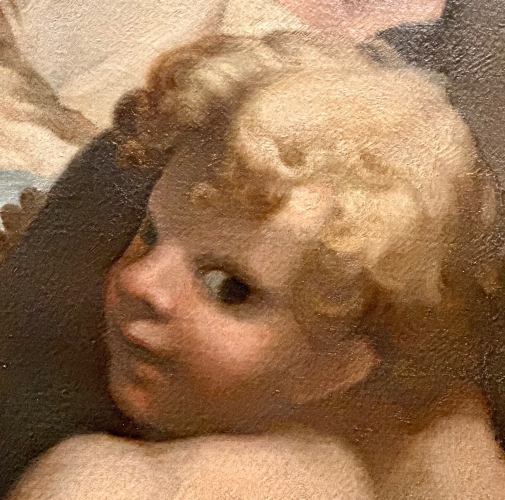
Correggio was born not far from Parma — in the town of, you guessed it, Correggio. His first major commission (completed in 1519) was for a woman, the Abbess Giovanna Piacenza, to decorate the domed ceiling of her private apartment’s sitting room, now called the Camera di San Paolo. Here Correggio painted between the ribs to simulate a pergola with small pierced windows featuring smiling putti and scenes of the hunt. The fireplace is frescoed with a depiction of the goddess Diana. Photos cannot begin capture the impact and intimacy of this truly enchanting room. Trust me, it is jaw-dropping, plus it has the advantage of being off the radar of most tourists.
The frescoes have spurred a debate as to the significance of the iconography of pagan and hunting scenes in a nunnery! The convent was known for the laxity of its rules and had been embroiled, along with its abbess, in various local land disputes.
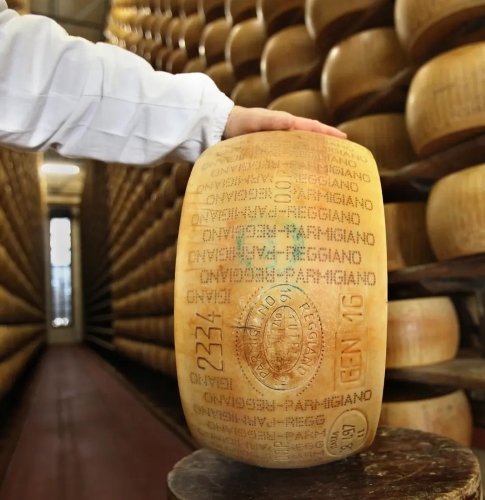
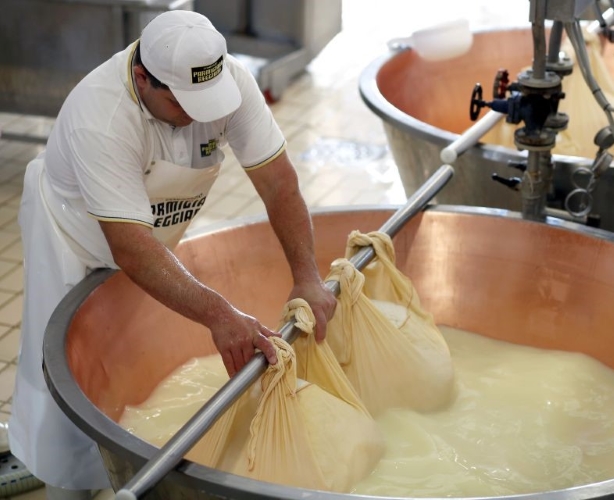
A symbol of “Made in Italy” gastronomy renowned all over the world is Parmigiano Reggiano: a cooked, hard parmesan cheese made from partially skimmed cow’s milk and classified under the protected designation of origin (PDO) category. About 3 million whole cheeses are produced every year; you can take a tour and watch it being made (as well as visit a museum dedicated to this Italian culinary icon).
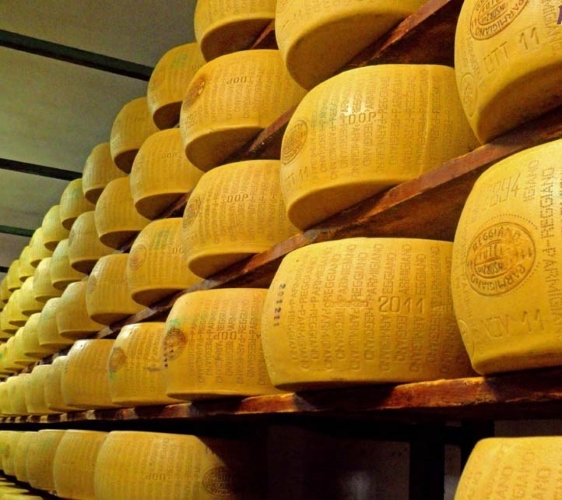
Aged between 12 – 24 months before being sold, whole cheeses are inspected one by one and tested using a special hammer-diapason. The vibrations generated indicate whether or not the cheese is perfectly intact. (A wheel of parmesan weighs about 70 lbs.)
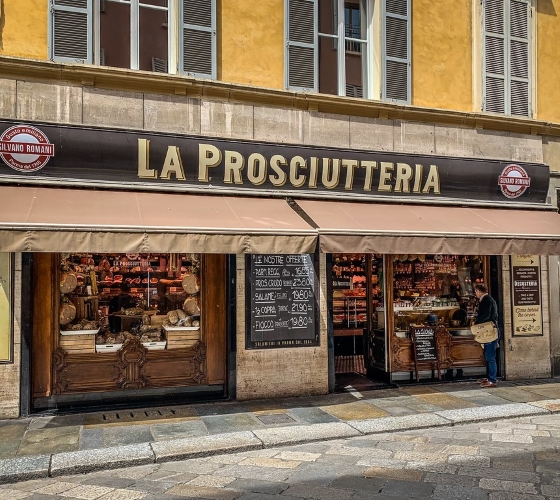
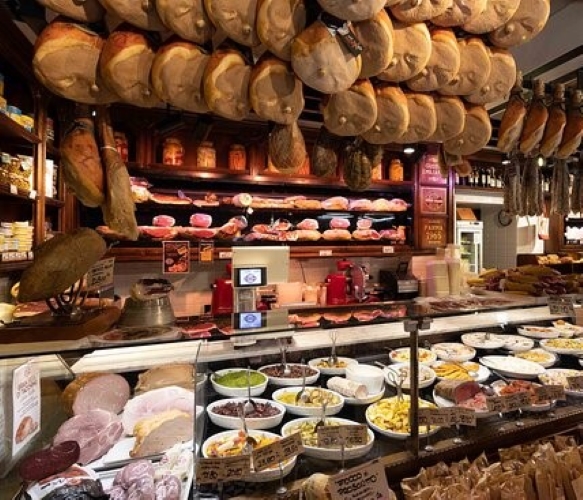
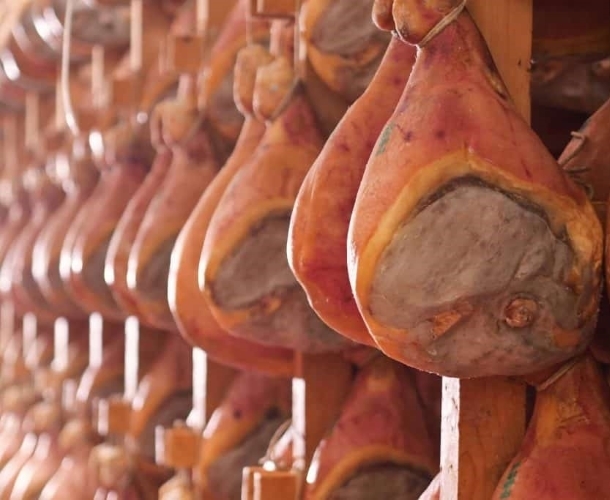
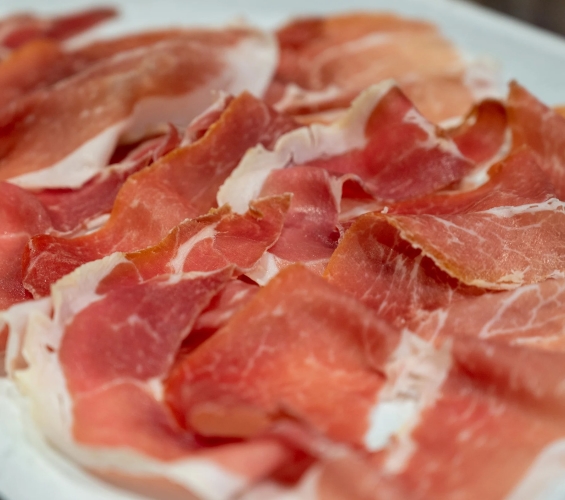
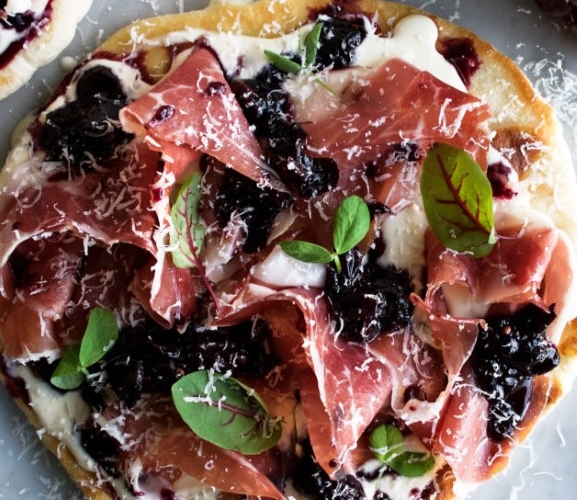
Prosciutto di Parma originated in ancient Roman times when Cato first mentioned the extraordinary flavor of the air-cured ham made around the town of Parma. Prosciutto di Parma can only be produced from pigs born and bred around Parma.The rear haunches of Parma pigs are carefully cured with moist salt so that the ham absorbs only enough to preserve it. The meat becomes tender and the distinctive aroma and flavor of Parma ham emerge.
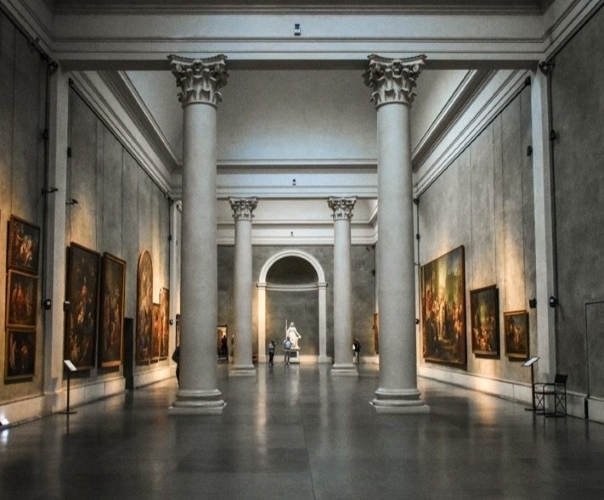
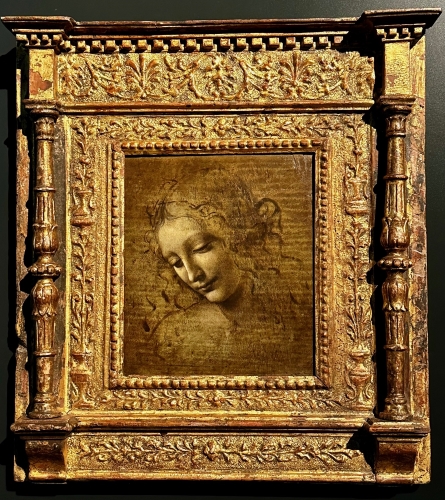
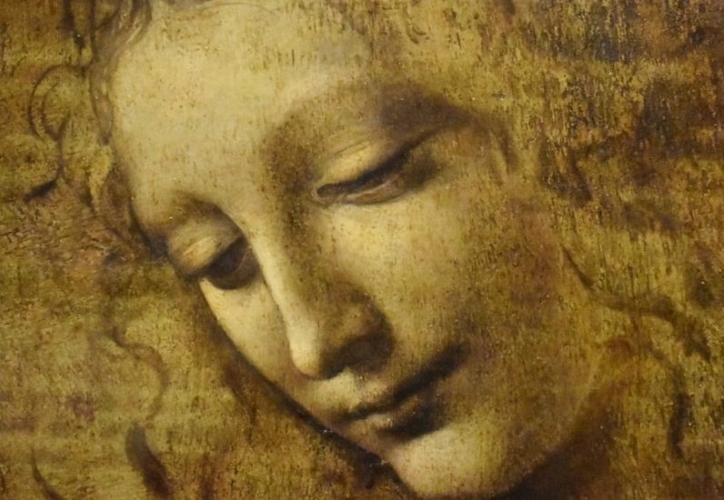
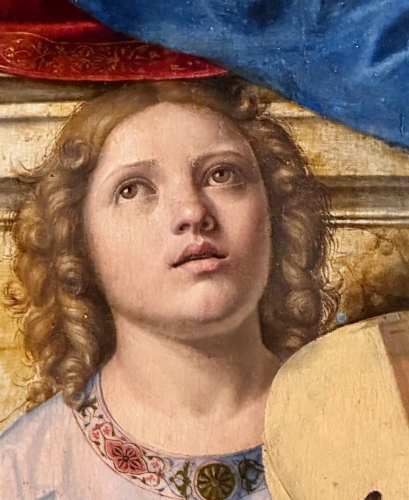
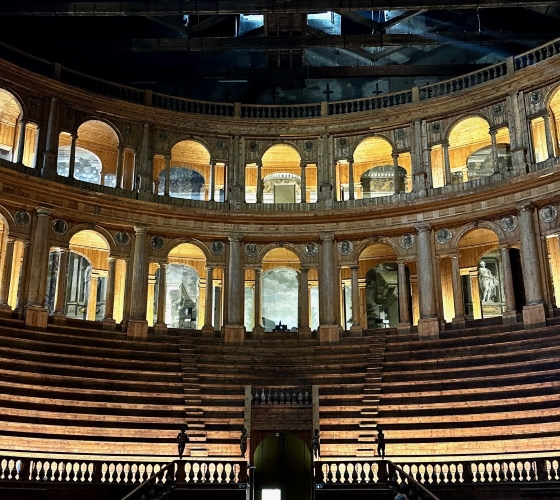
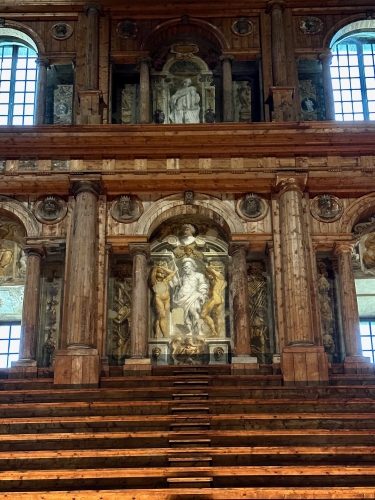
The Galleria Nazionale di Parma has vast collections paintings and antiquities and was established in Renaissance times by the powerful ruling Farnese family. Here you will find marvelous paintings featuring Northern Italian painters and other Renaissance masters including the breathtaking Leonardo da Vinci is known as La Scapigliata meaning “The Lady with Dishevelled Hair.” The museum complex also includes Teatro Farnese built in 1618 and one of the largest Baroque theatres in Europe. It was conceived for the opera-tournament, in honor of the Medici, which never took place.
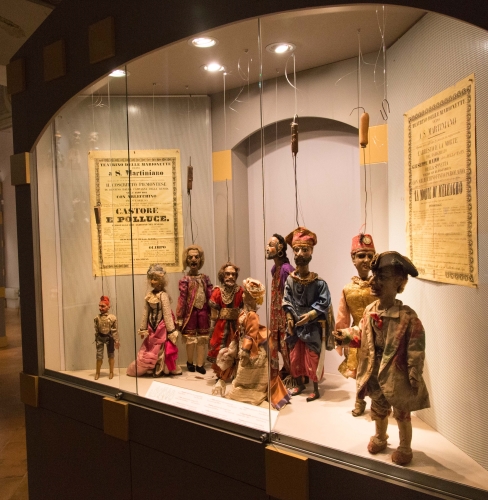
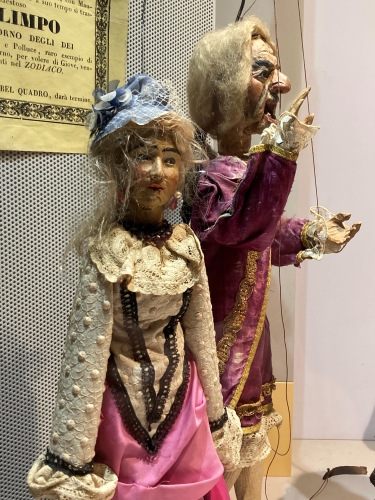
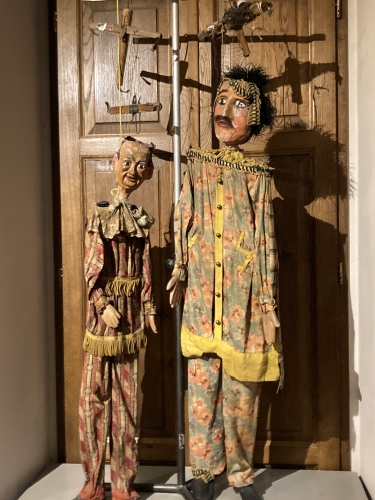
And for those of you who want a break from high culture, there is the quirky Il Castello dei Burattini Museo Giordano Ferrari (The Castle of the Puppets, Museum Giordano Ferrari). All the typical characters from Italian puppet theater are represented — princes and princesses, villains, devils, ghosts, monsters, servants, merchants, workers, society folk, priests and policemen. The faces are amazingly expressive and the elaborate costumes are fascinating.
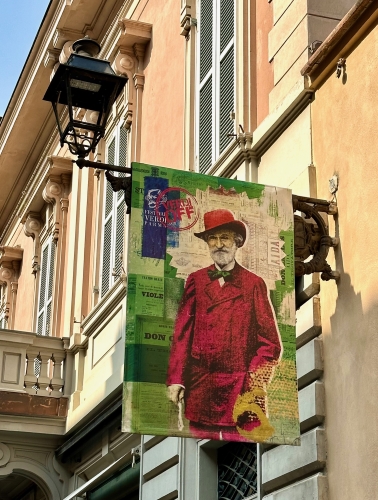
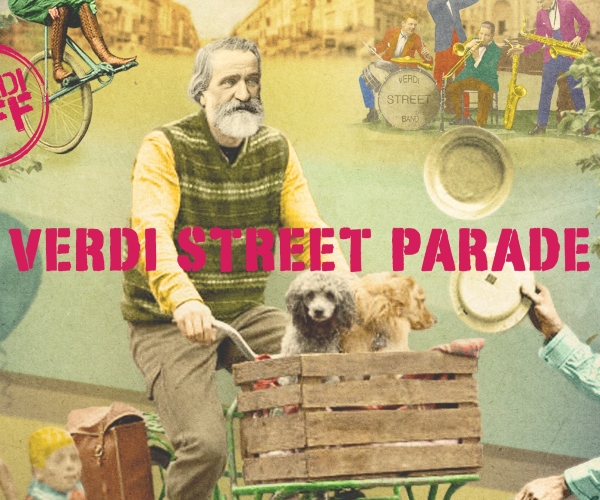
Guiseppe Verdi grew up in the Duchy of Parma and today Parma is also a great city of music. Its annual Verdi Festival was conceived in 2001, the centennial of his death. Each October thousands make the pilgrimage for a multi-week immersion in Verdi’s music and legacy.
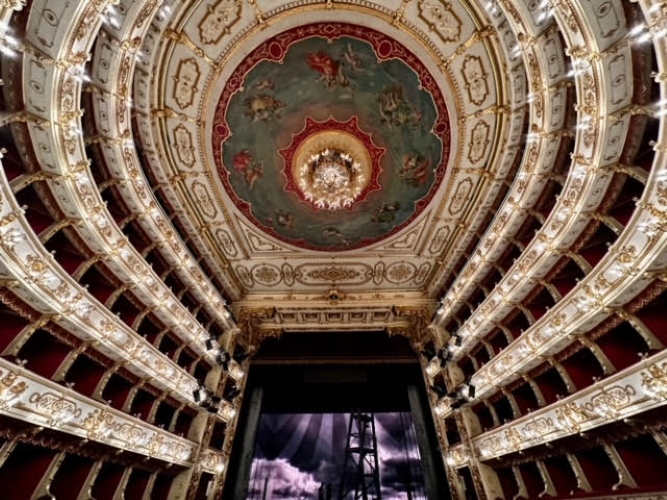
Parma’s Teatro Regio di Parma is renowned among the world’s most famous opera houses for the elegance of its neoclassical style and its near perfect acoustics.
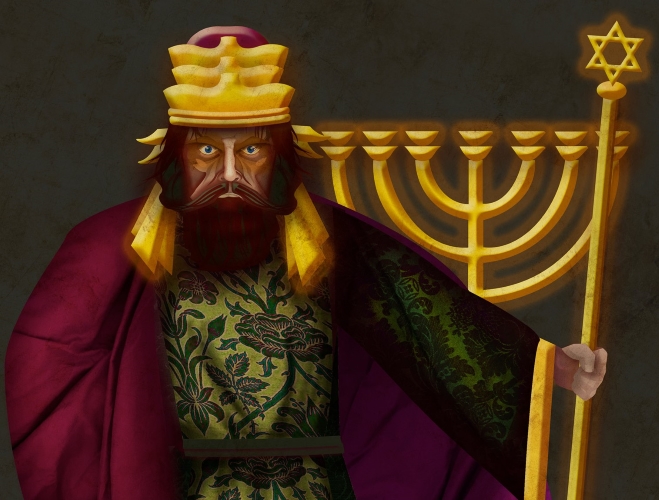
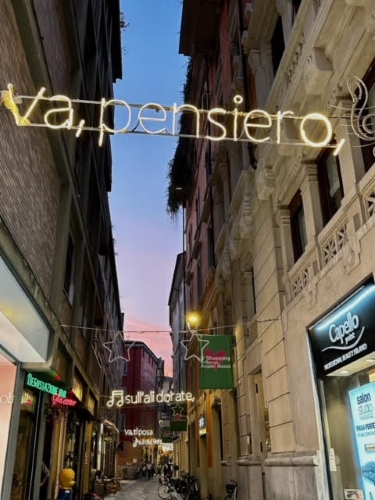
In his career-making opera, Nabucco, about Hebrews in Babylonian exile, Verdi gave voice to the sentiment of longing for a land once known and now lost. Its signature aria “Va, pensiero” (“Go, My Thoughts” … on golden wings) would become the unofficial anthem of the Risorgimento, and even Verdi’s name became a rallying cry for unification.
I hope these Postcards have peaked your interest in discovering the many sensory allures this truly captivating city.
Copyright - Postcards from the Boot.