

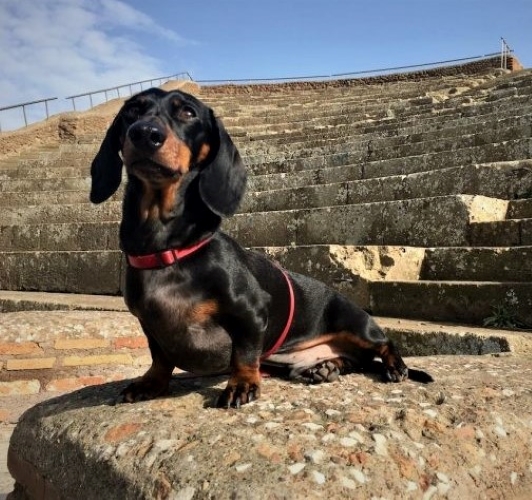
The popular expression “dog days of summer” has exactly zero to do with the effects of intense summer heat on our canine friends. Both ancient and celestial in origin, the phrase was translated from Latin to English about five hundred years ago and has since morphed in meaning—a common tendency when people don’t know the true origin of a phrase and seek some plausible explanation … perhaps it comes from a day when the weather is so hot that dogs lie around panting and acting lifeless and lazy; or a day not fit for a dog; or a day so hot even mad dogs and Englishmen can’t handle it. The phrase lives on but the original meaning has been long forgotten.
During Roman times (and back to the time of the ancient Greeks as well) there was a period when the dog star Sirius, the brightest star in the constellation Canis Major, rose and set with the sun. This phenomenon occurred for about forty days between early July and mid-August. The Romans thought the combination of the brightest light of the day, the sun, and what was normally the brightest star at night, Sirius, was responsible for the most extreme heat of the summer season. The star sometimes seemed to glow with other colors, and they believed its reddish radiance augmented the heat of the sun.
Geminus, a Greek astronomer from Rhodes, in 70 BCE had a more accurate view: “It is generally believed that Sirius produces the heat of the ‘dog days’ but this is an error, for the star merely marks a season of the year when the sun’s heat is at its greatest.”
Still, the contemporary interpretation of “dog days” has a certain resonance, maybe even appeal, especially in non-pandemic times when one could venture to the ball park on a summer afternoon: hot dogs anyone?!

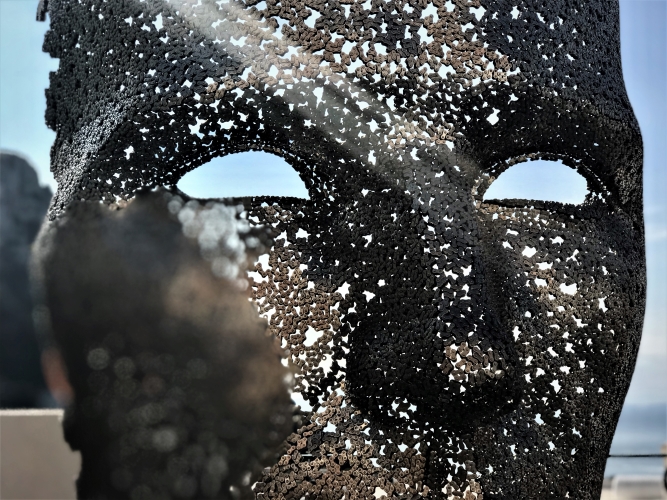
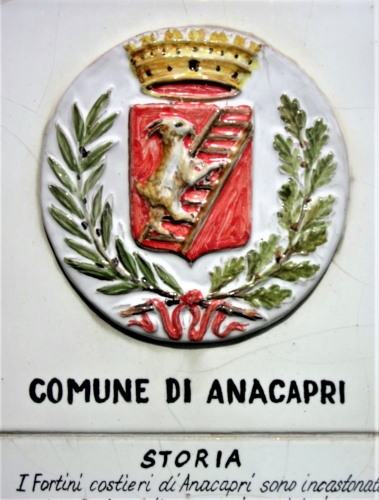
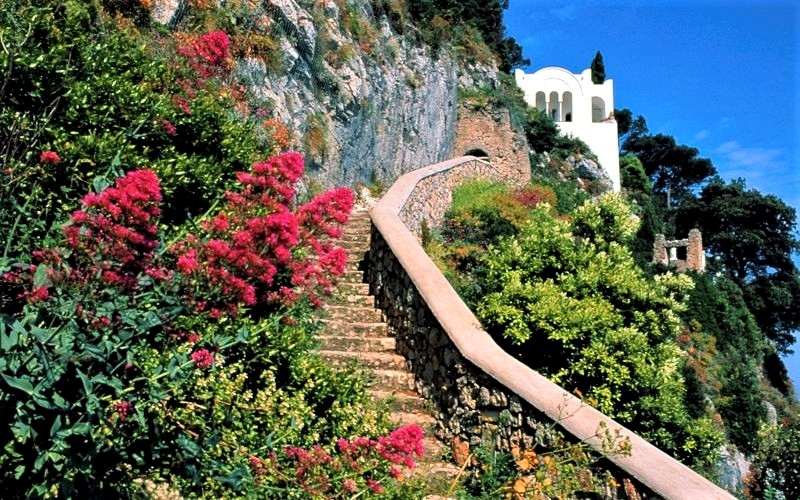
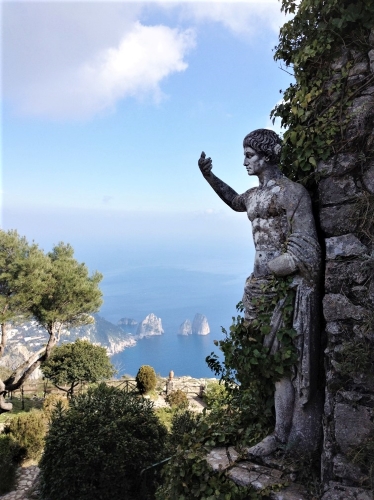
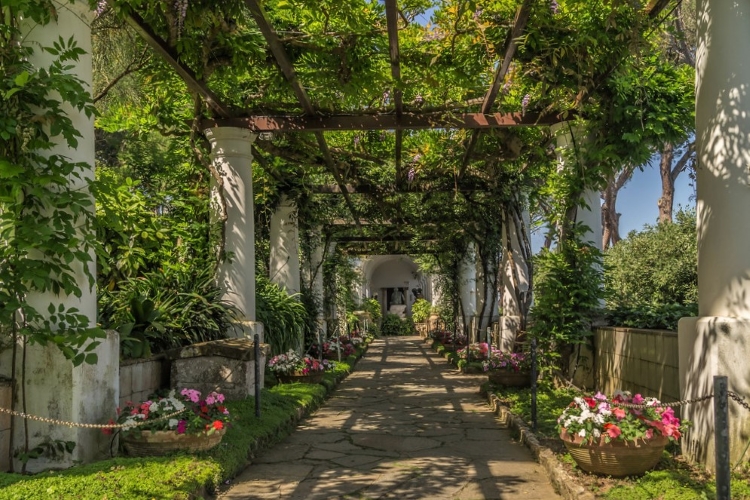
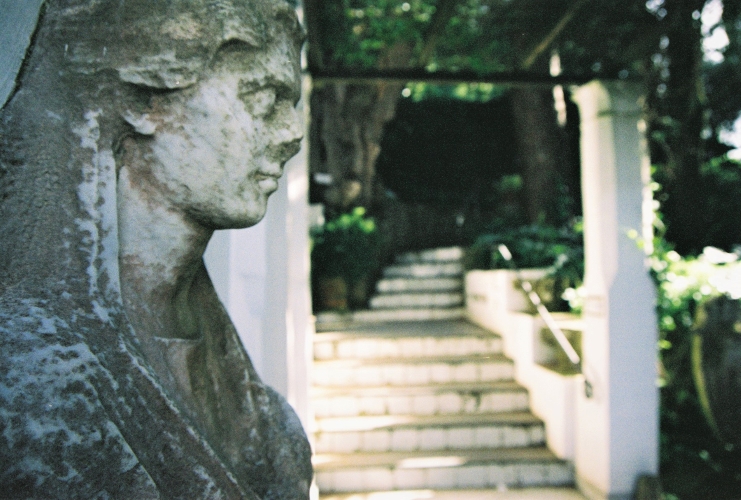
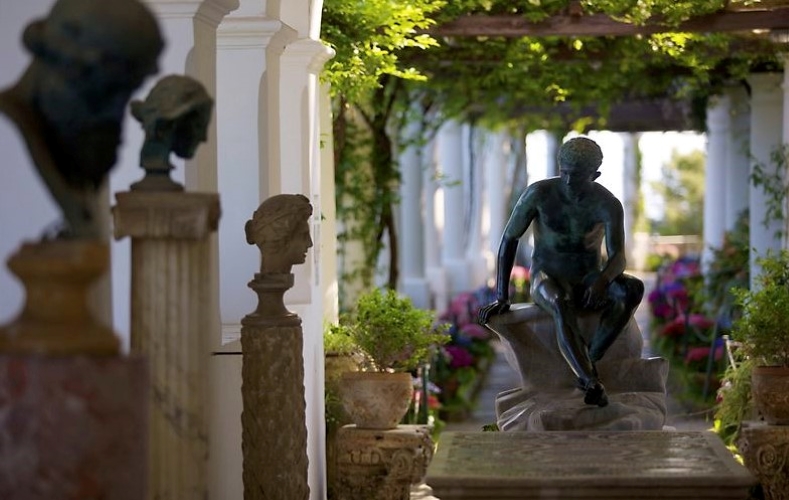
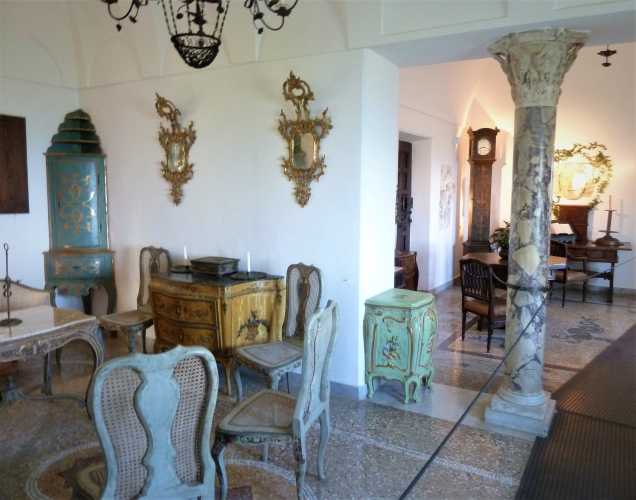
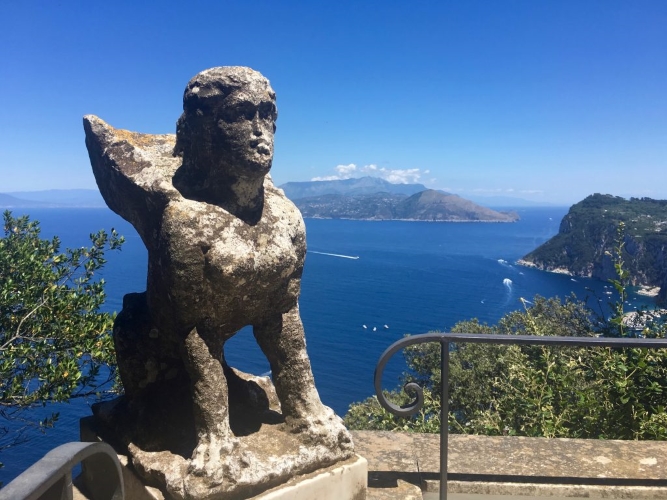
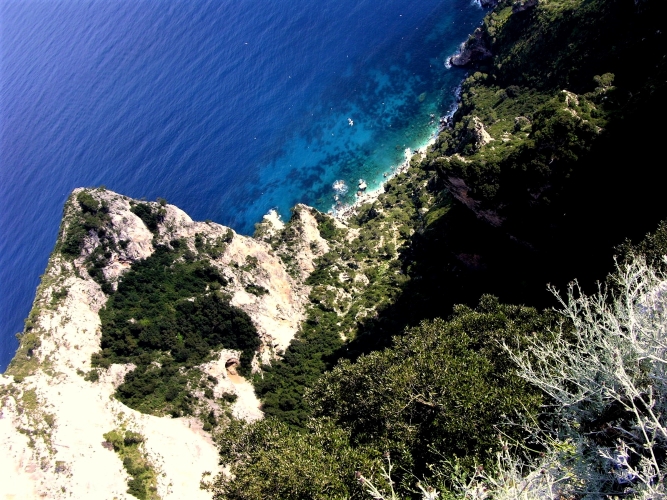
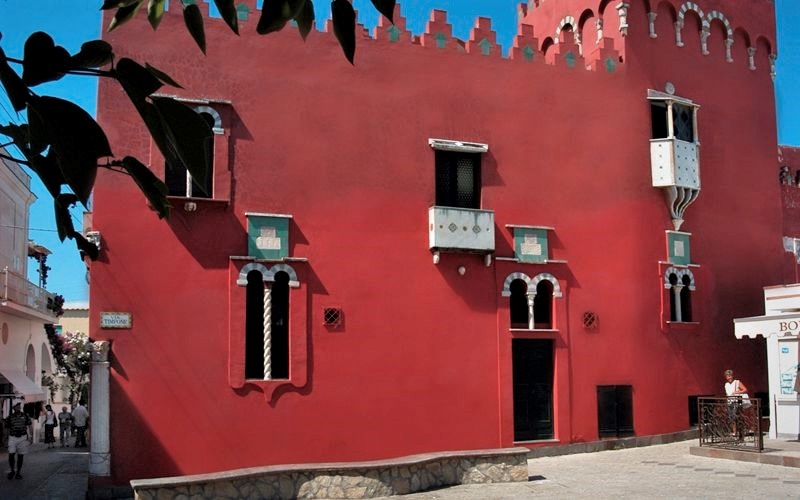
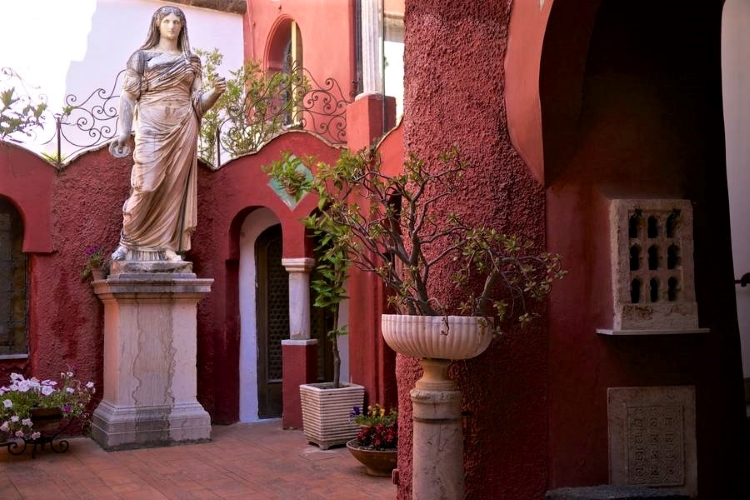
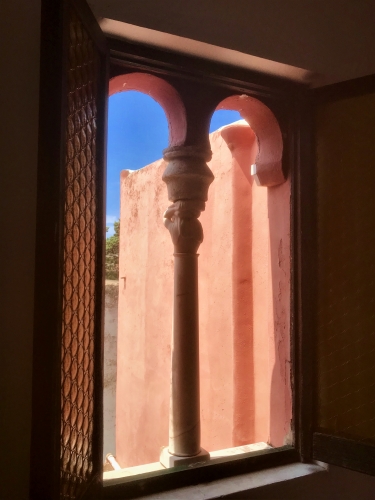
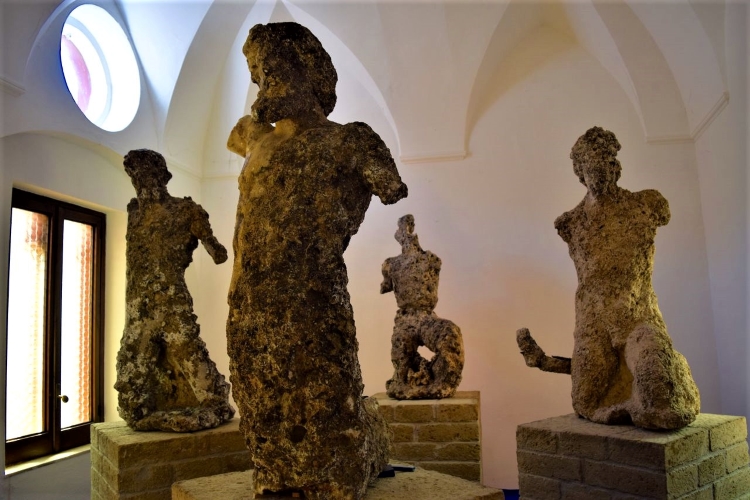
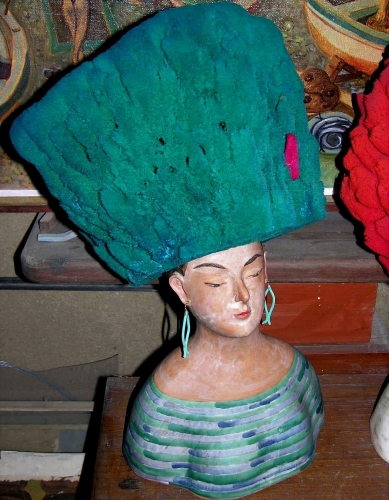
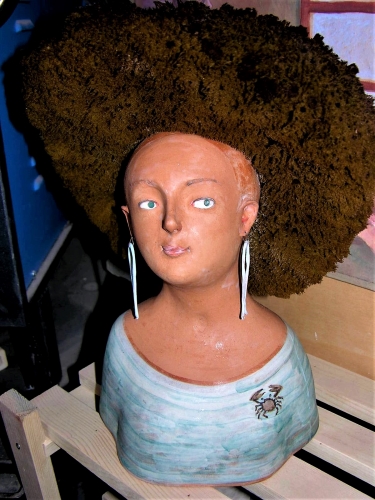
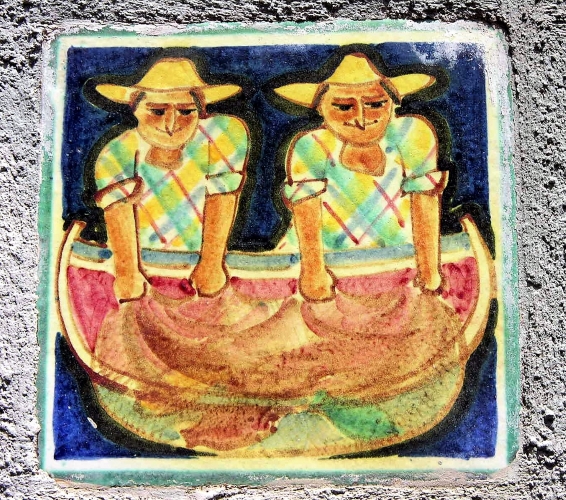
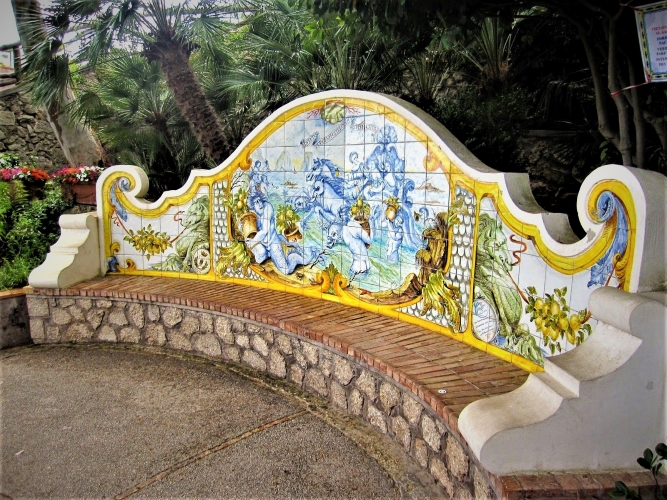
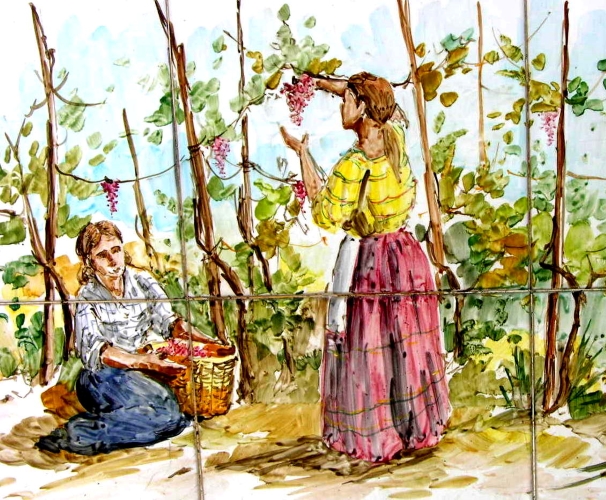
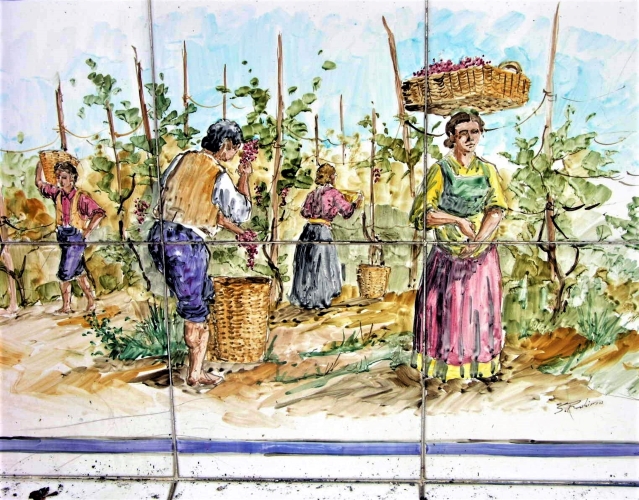
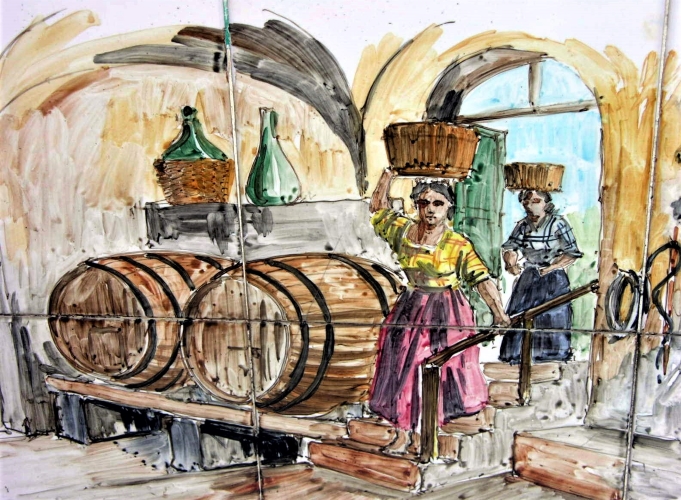
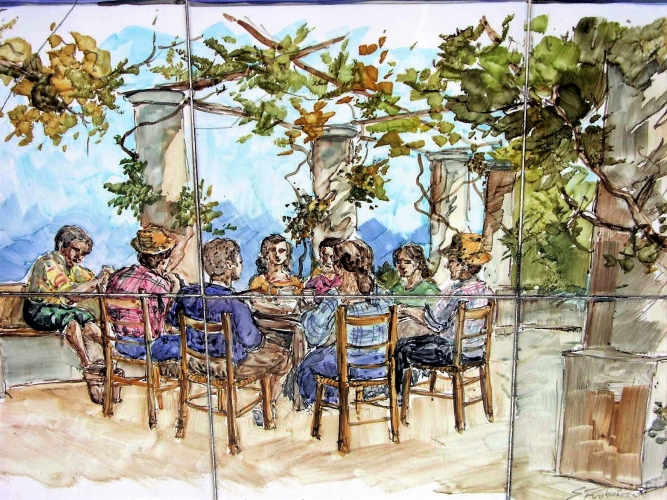
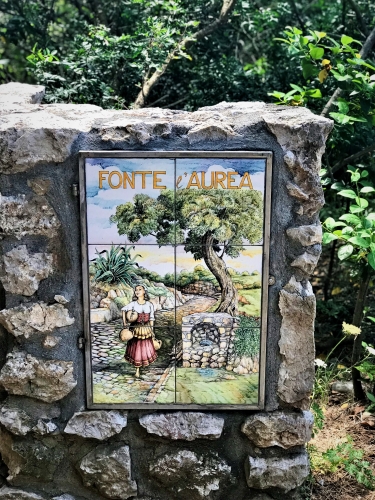
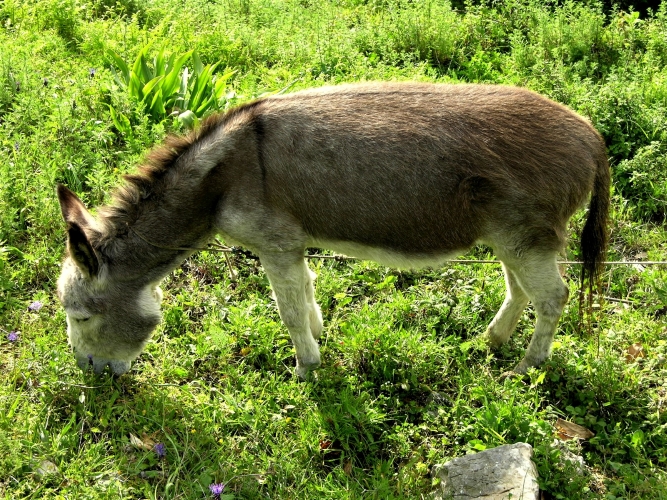
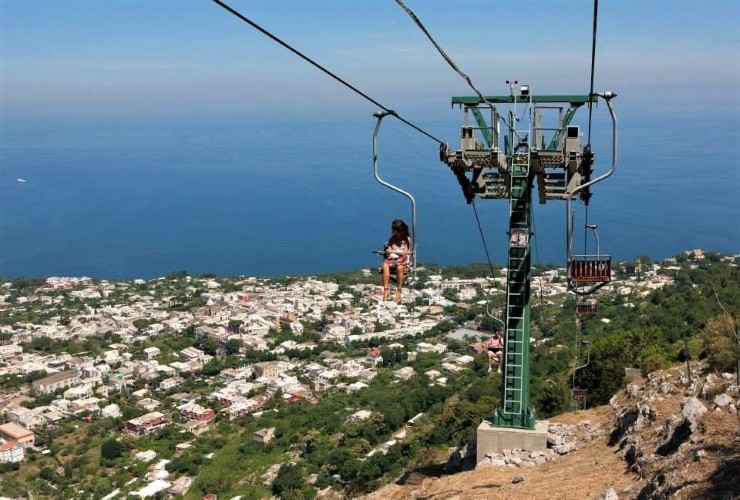
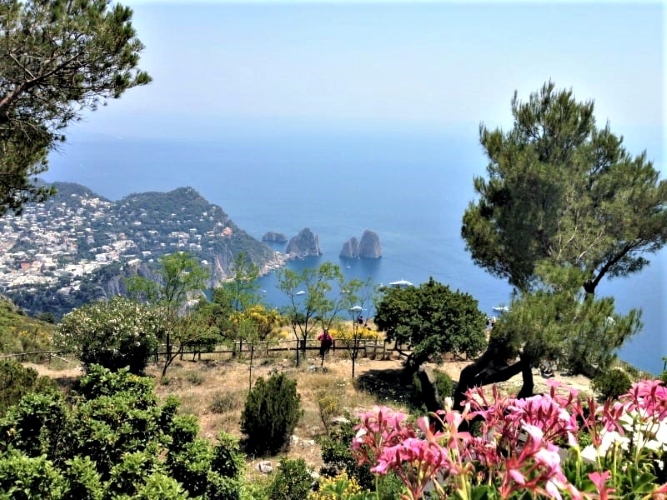
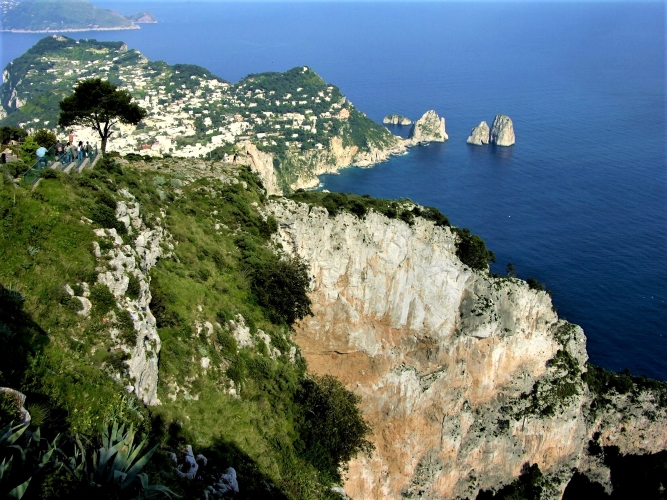

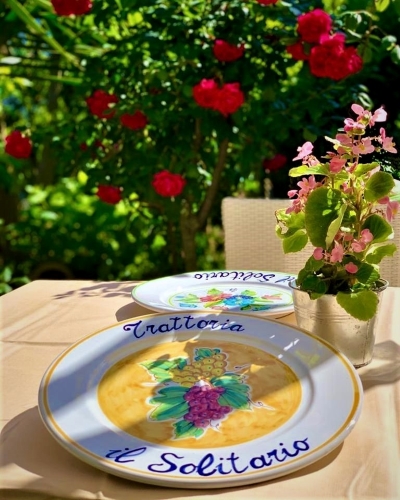
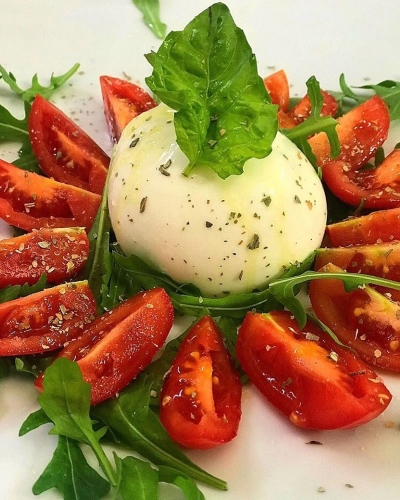
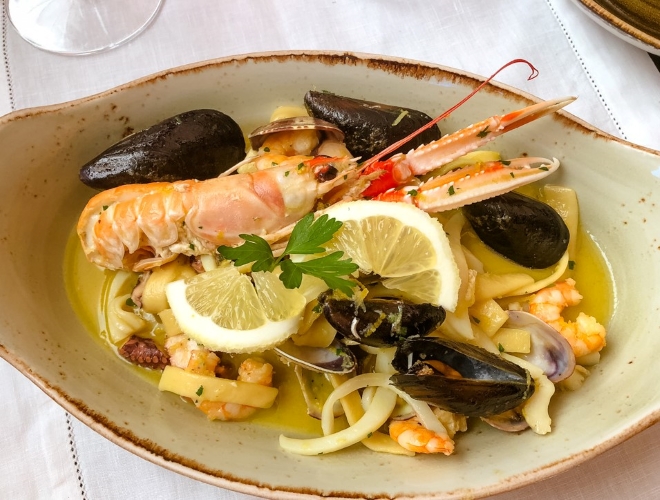
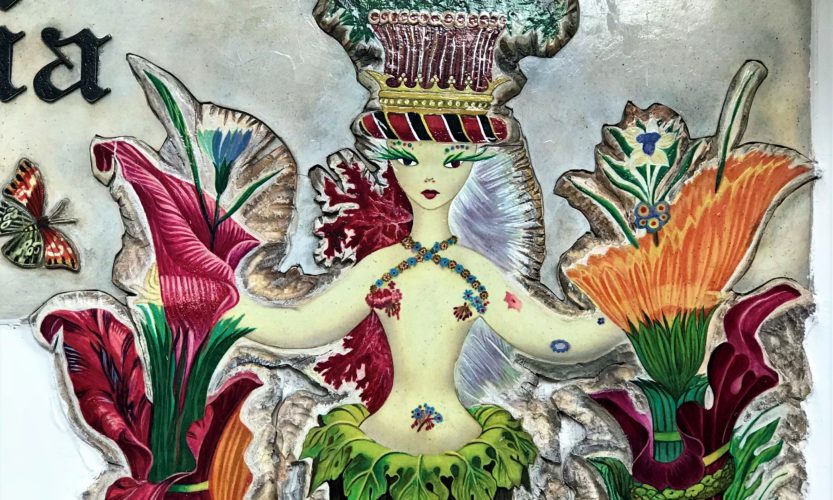
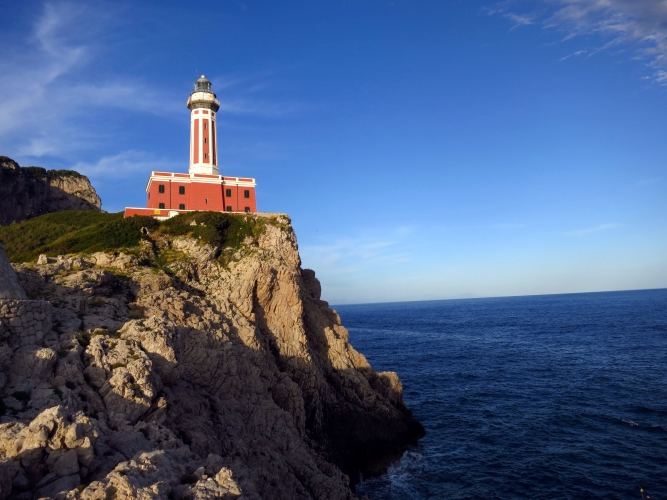
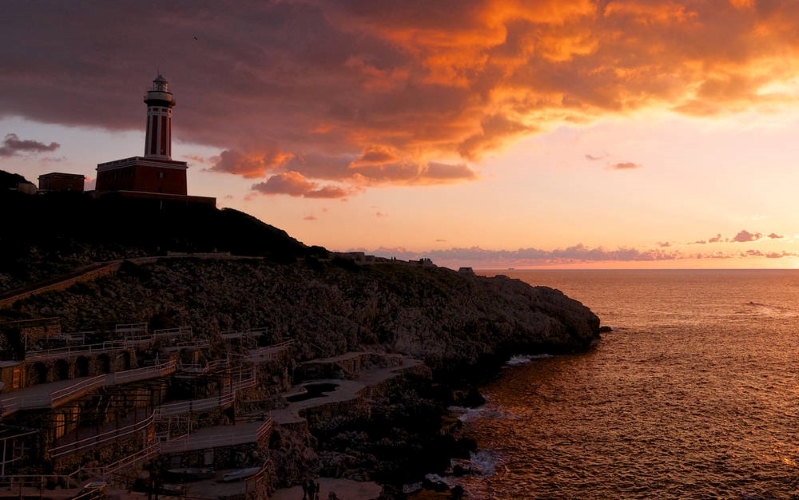
Ah, the Isle of Capri, as in Sinatra’s tune from his “Come Fly with Me” album. A playboy’s and playgirl’s paradise known for its marina, piazzetta of fashionable sidewalk cafes, and “Capri pants” of the ‘50s and early ‘60s—made a fashion sensation by Grace Kelly. But take a public bus just three kilometers to the other side of the figure-eight-shaped island to the higher elevations of Anacapri and you’re in another world. “Ana” is a Greek prefix that means “above” but it could just as well mean “hidden” Capri.
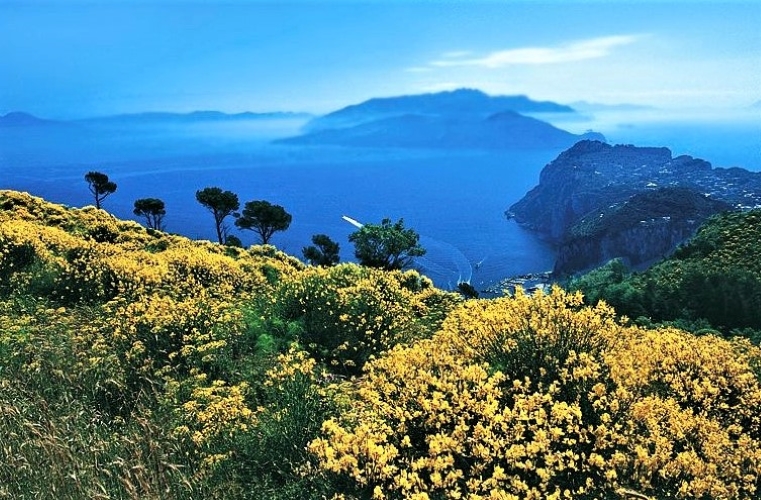
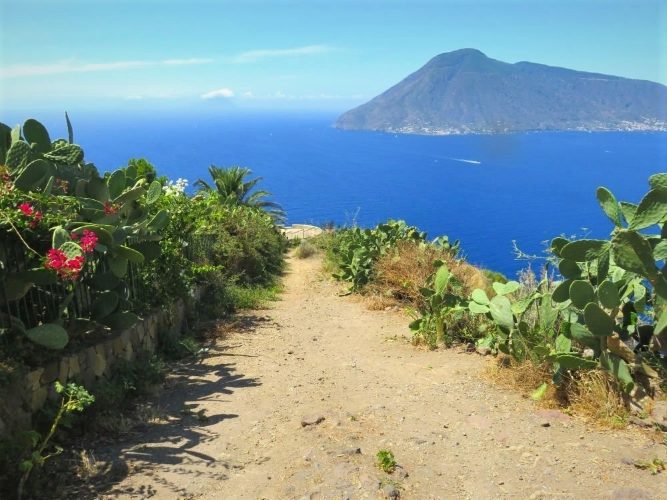
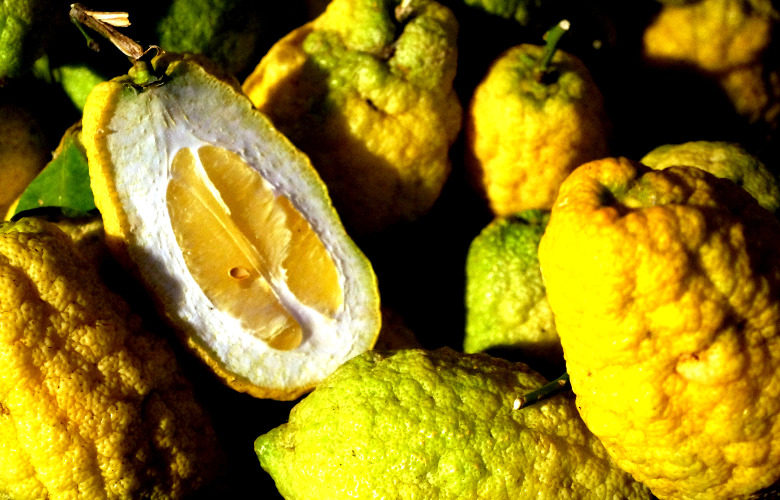
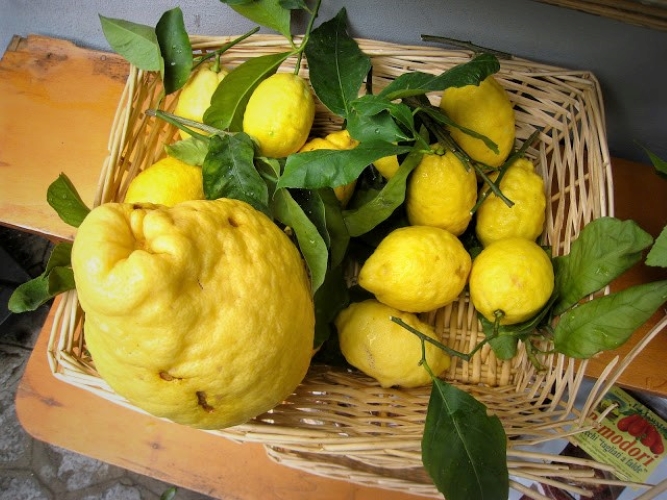
Located on the slopes of Monte Solaro, Anacapri offers walking and backpacking trails that lead to rocky pine-and-brush covered terrain where residents still scratch out vegetable gardens and lemon groves amid the sunlight and fragrances of the Mediterranean.
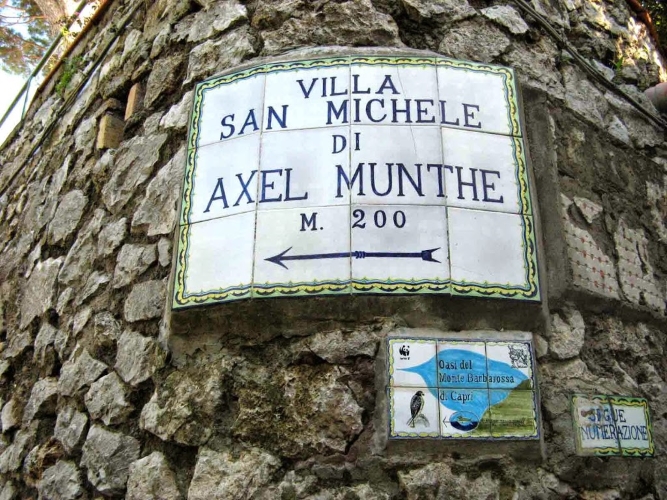
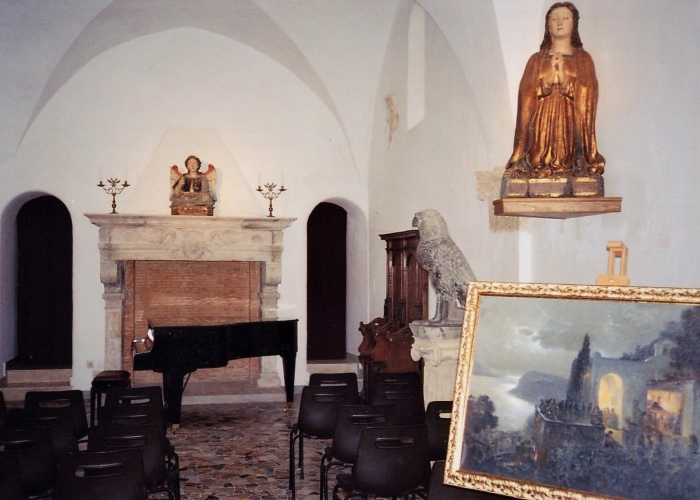
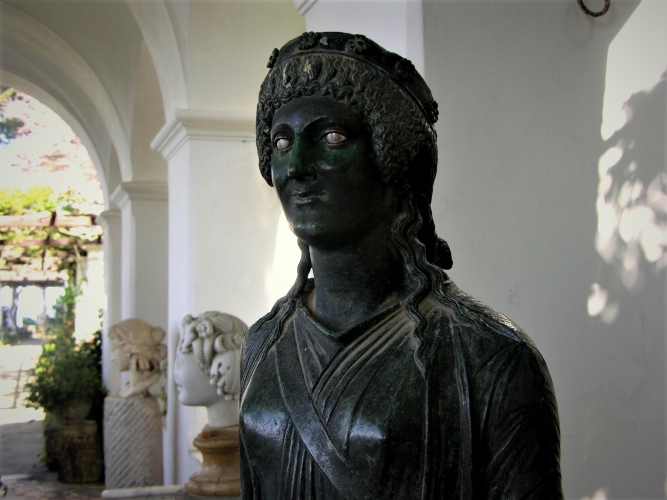
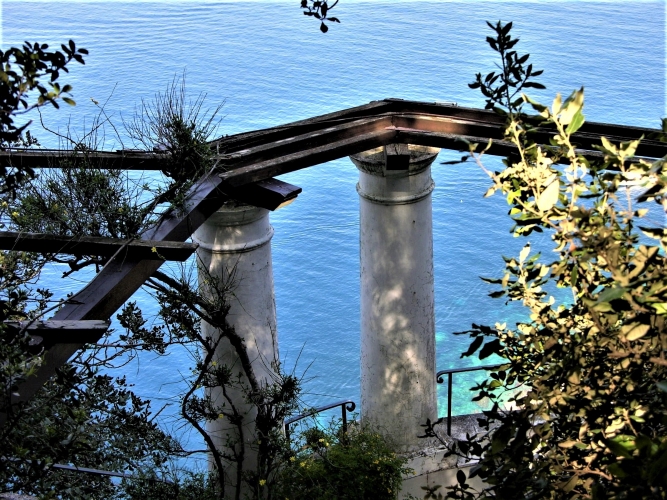
You’ll also find a nineteenth-century architectural beauty: Villa San Michele. Swedish physician Axel Munthe built his villa on the ruins of an ancient chapel dedicated to Saint Michael, with the desire that it be as filled with Mediterranean light as a Greek temple. And indeed it features a loggia, pergolas and columns leading to a magnificent circular viewpoint overlooking the Bay of Naples. Munthe lived there for fifty-six years and created a sanctuary for migrating birds on Barbarossa Mountain. Today the villa remains as it was when he loved and lived in it; you must visit if you have not done so already.
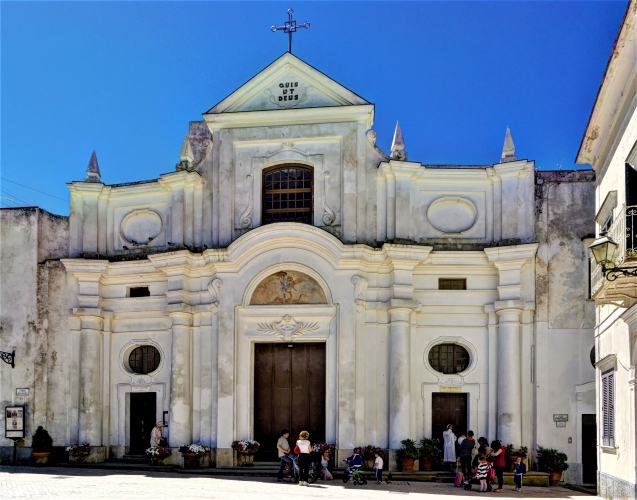
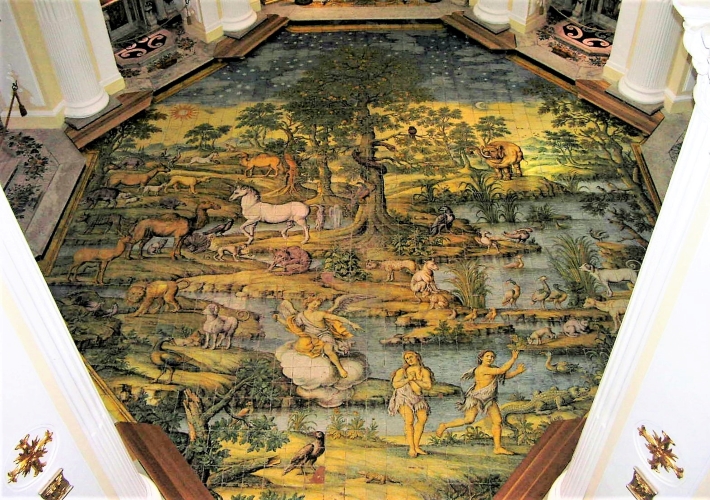
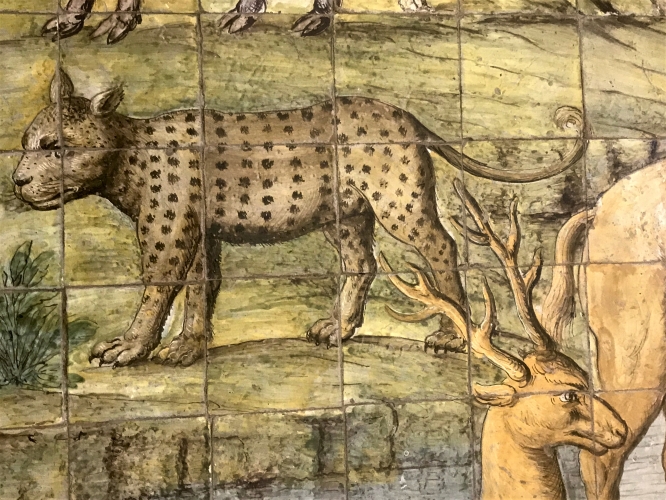
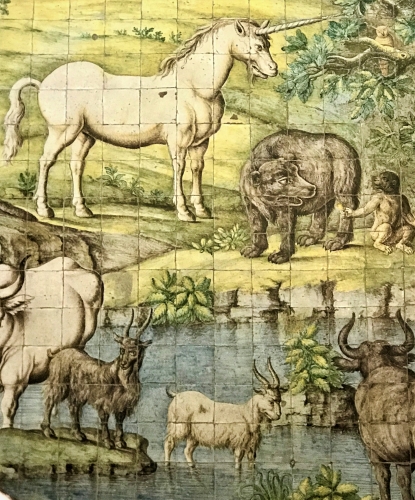
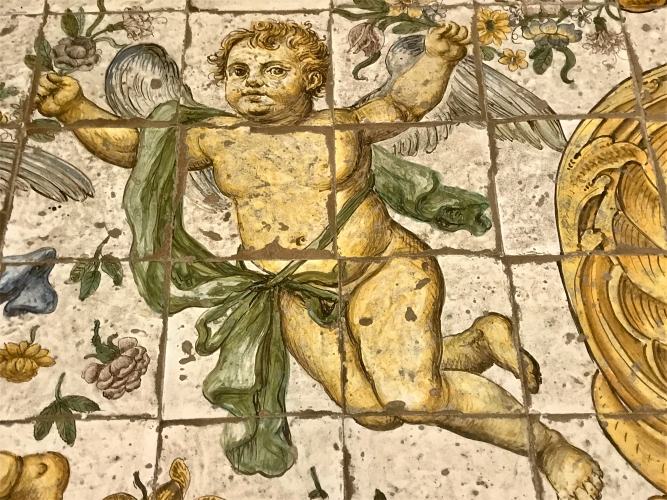
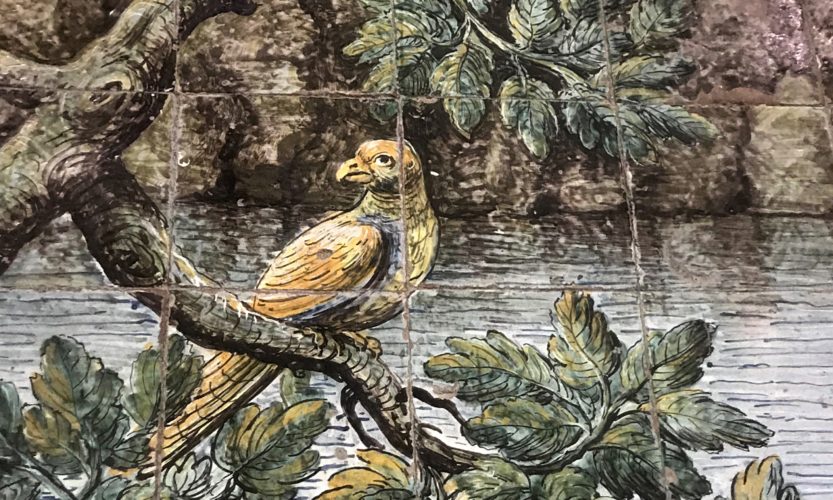
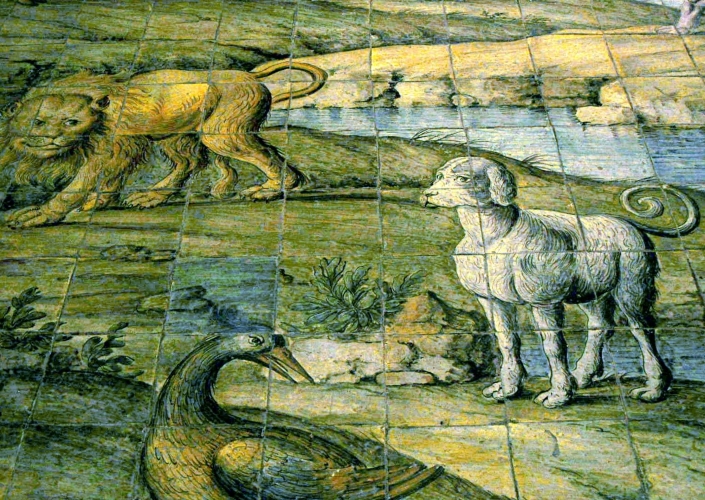
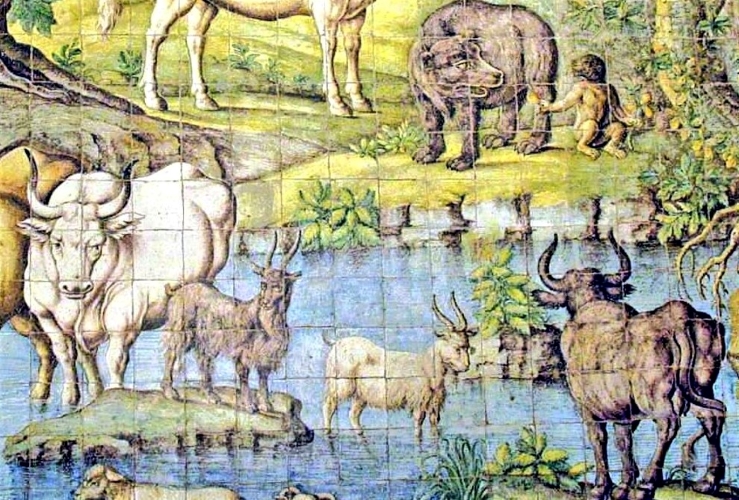
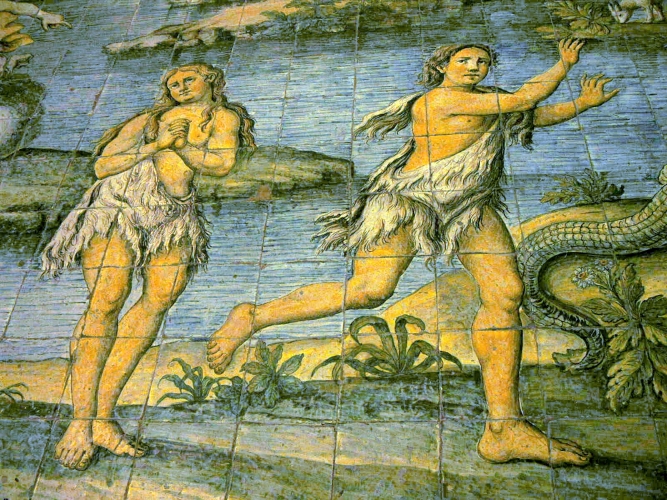
Also not to be missed is the Chiesa Monumentale di San Michele, a jewel of Baroque architecture that’s one of the most delightful small churches in the region. Its simple white exterior keeps its charms modestly hidden inside where you’ll discover a hand-painted majolica tile floor with a splendid representation of the expulsion of Adam and Eve from a luxuriant Garden of Eden.
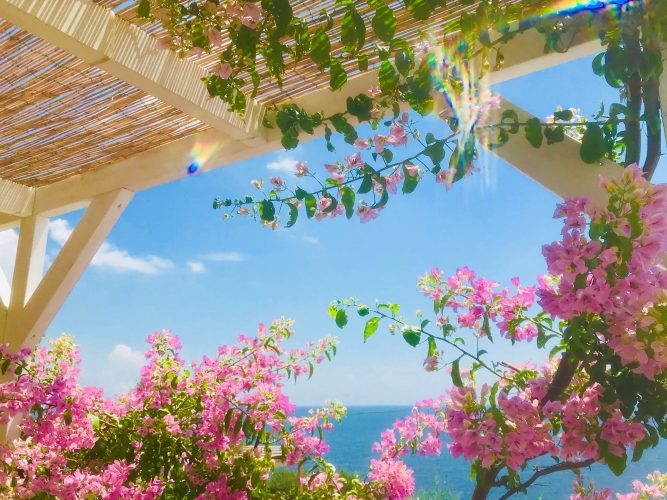
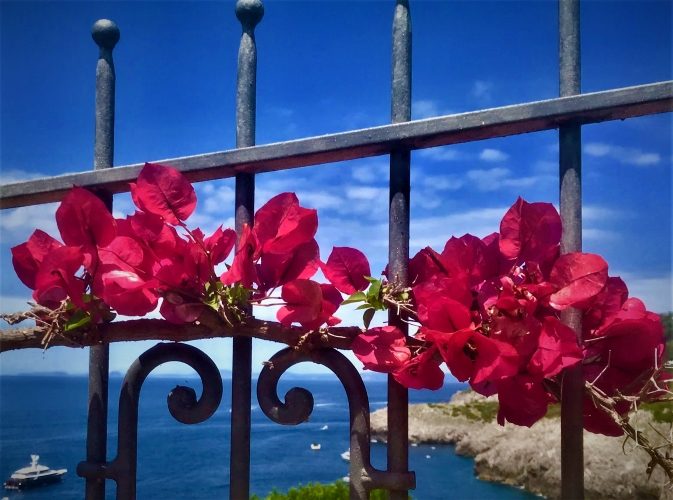
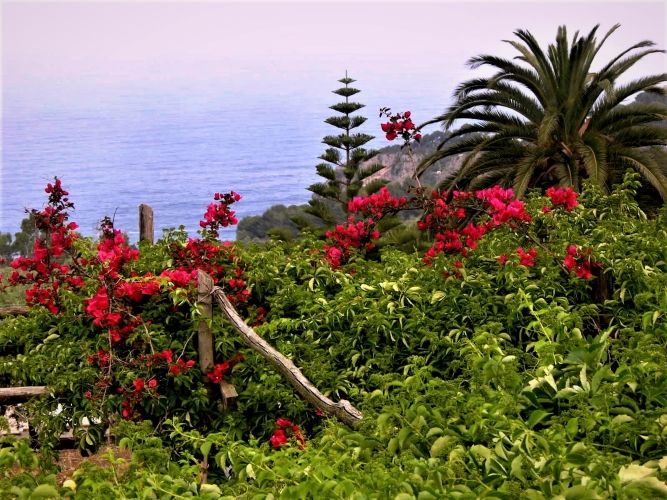
But the walking and picnicking, with views everywhere of Mediterranean macchia and white-walled houses spilling over with bright purple-pink bougainvillea, is for me the joy of Anacapri. And should you continue climbing—or just take the funicular—ah, the views from Monte Solaro!
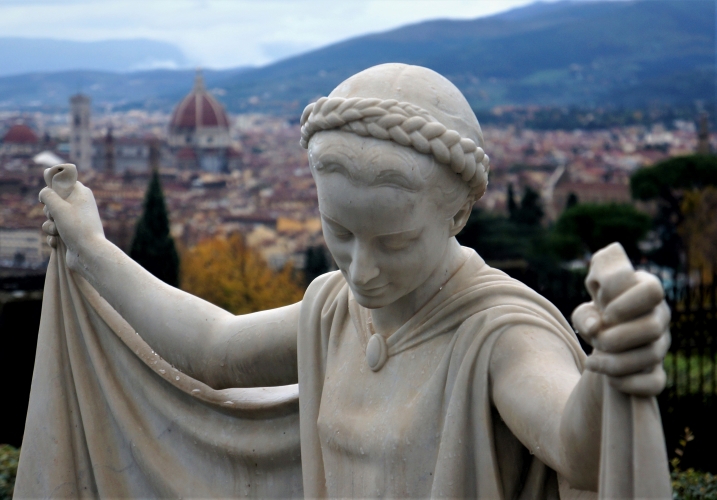
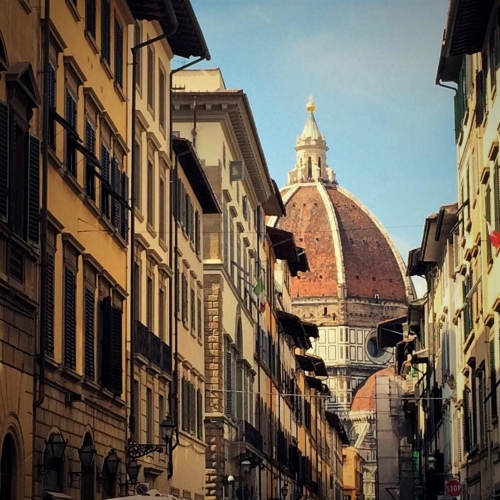
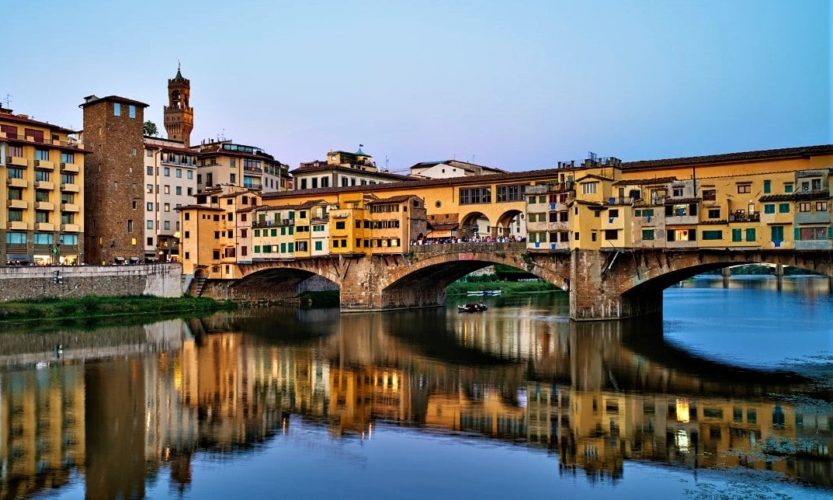
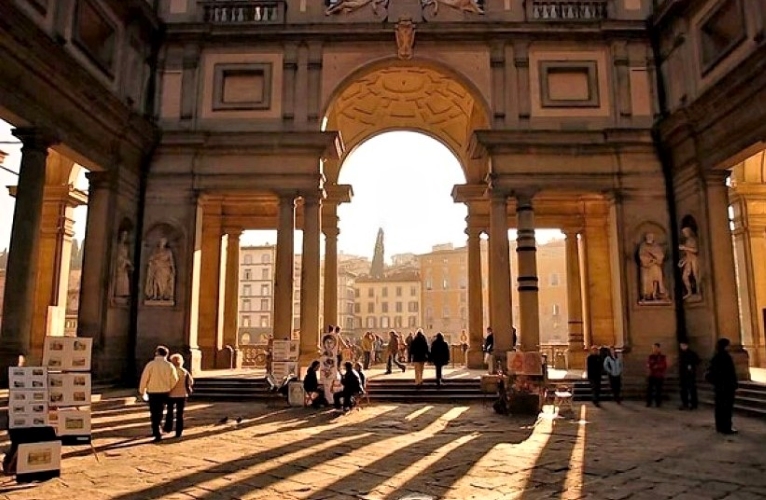
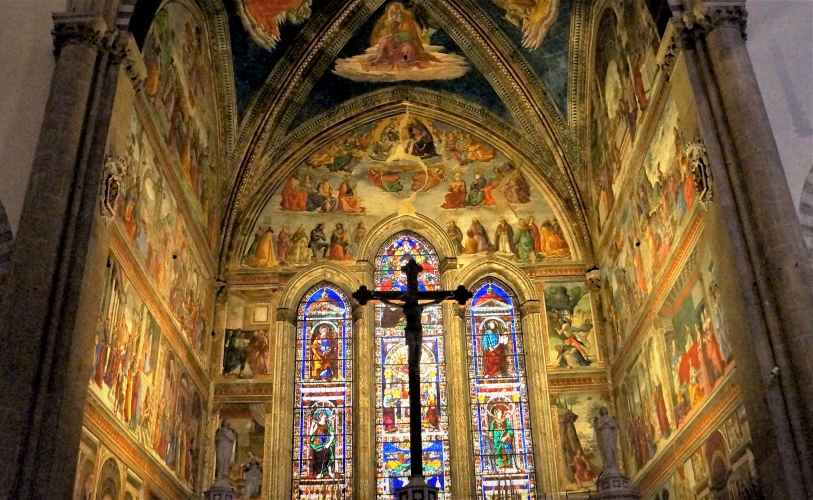
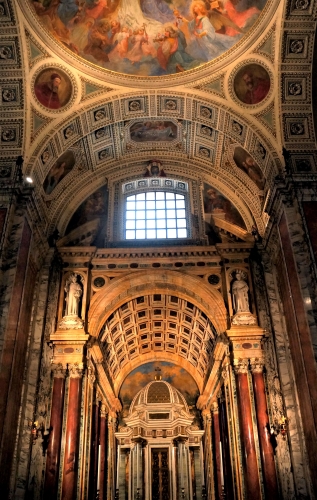
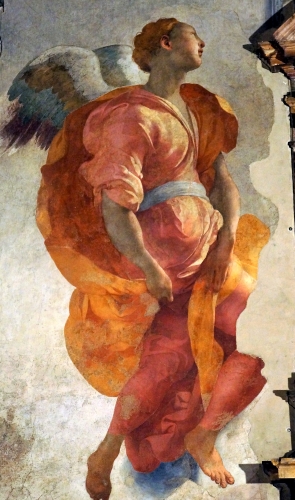
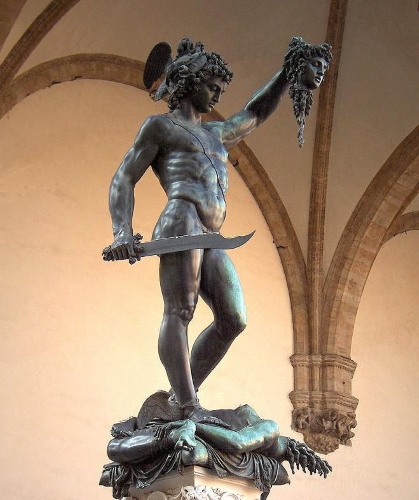
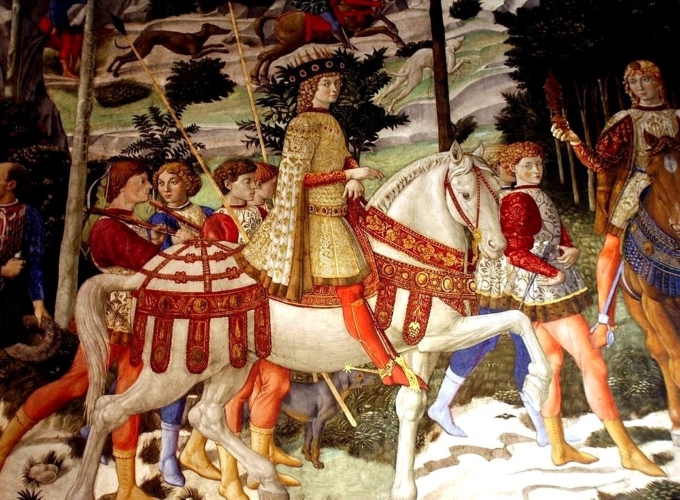
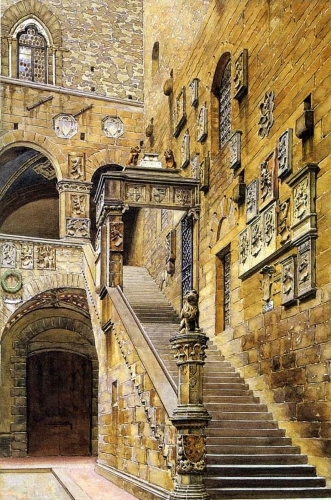
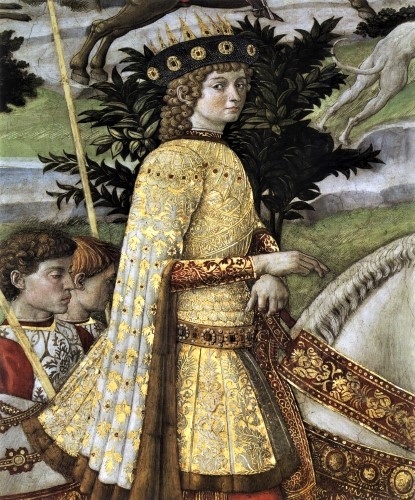
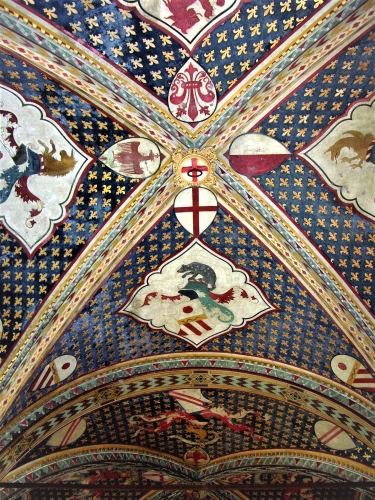
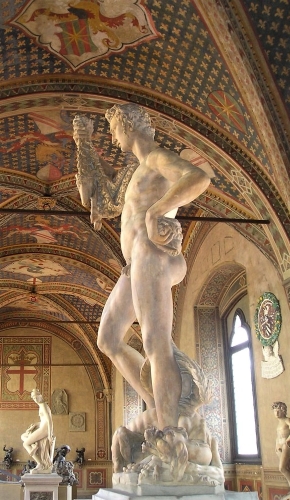
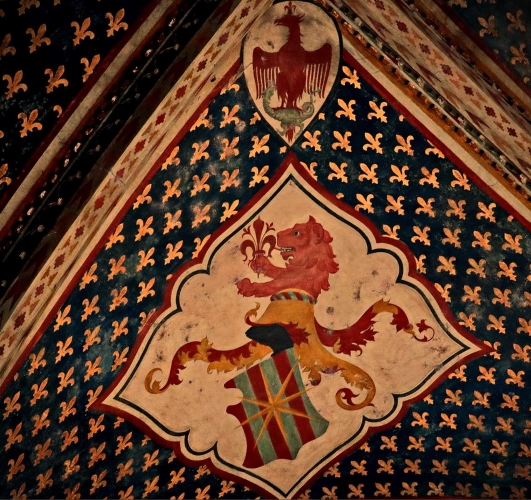
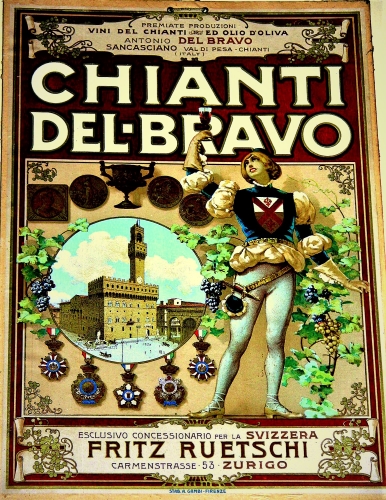
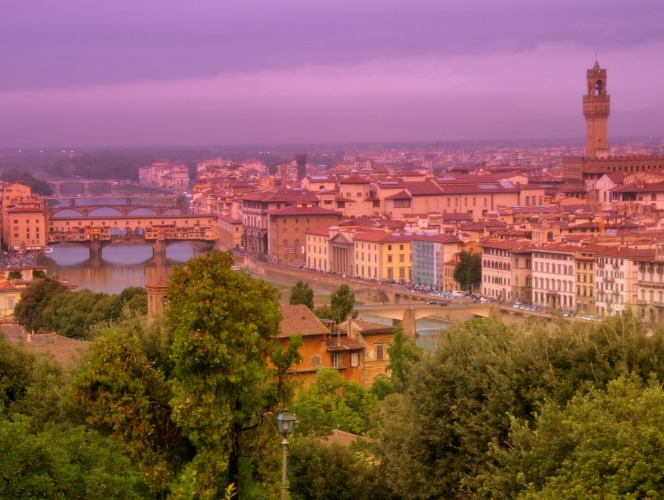
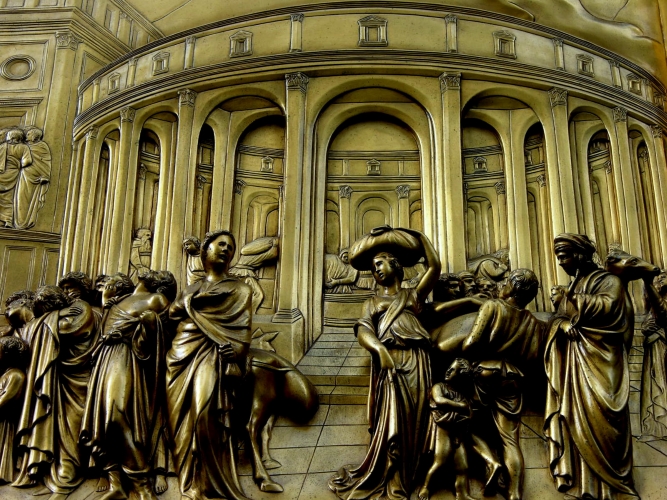
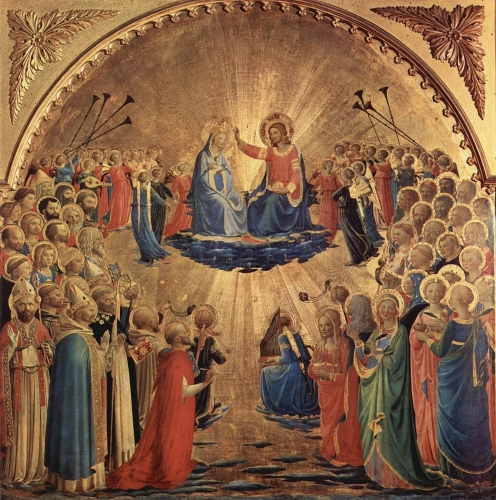
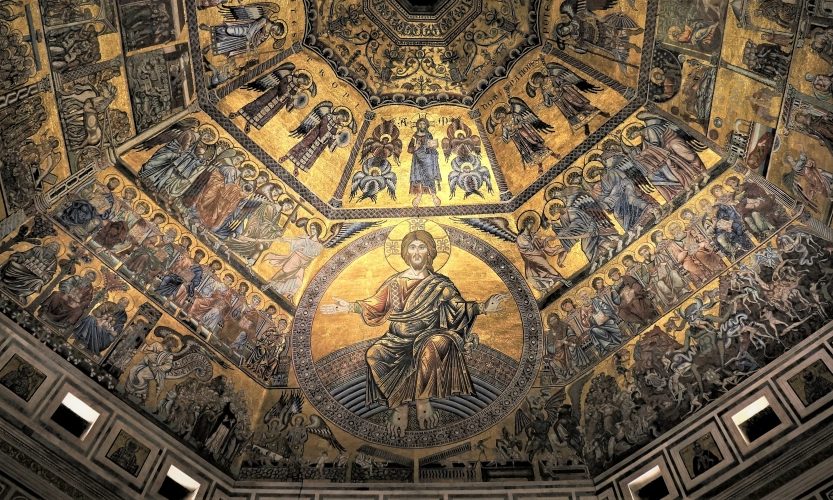
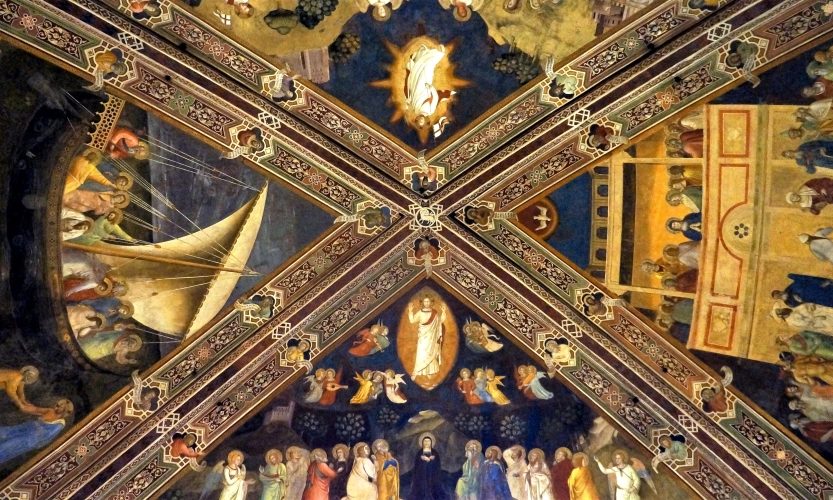
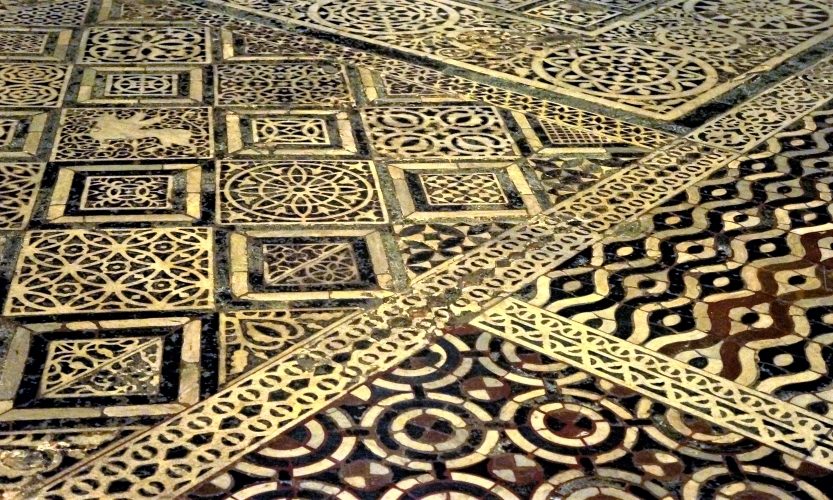
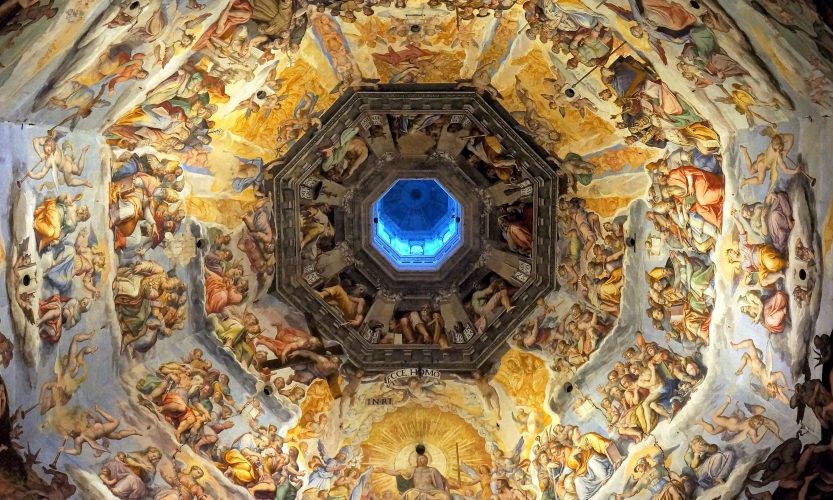
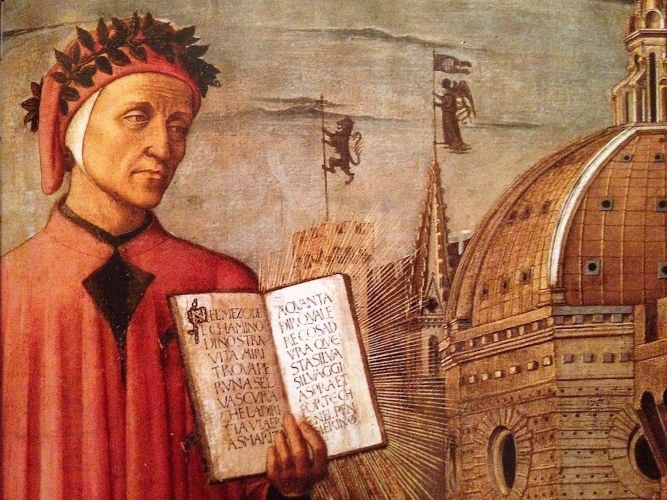
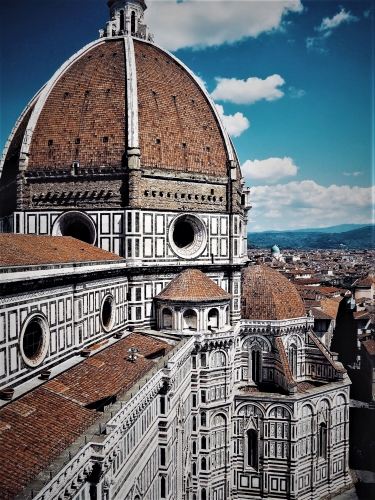
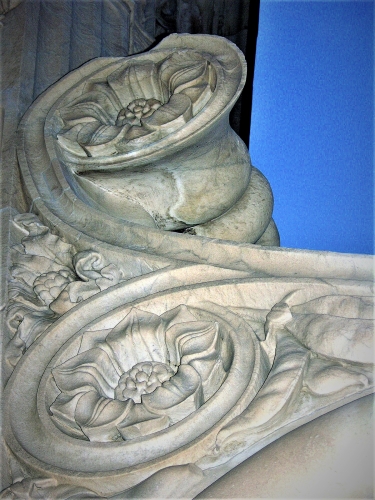
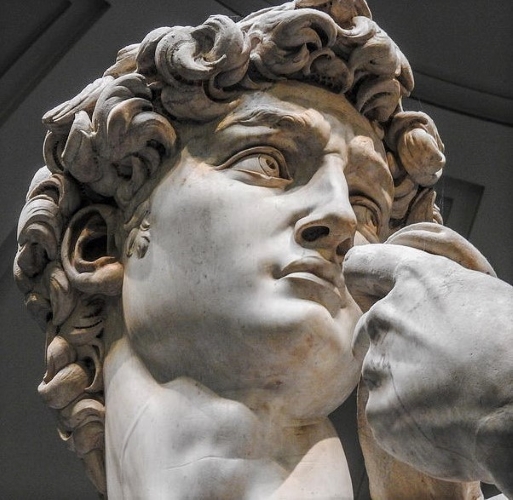
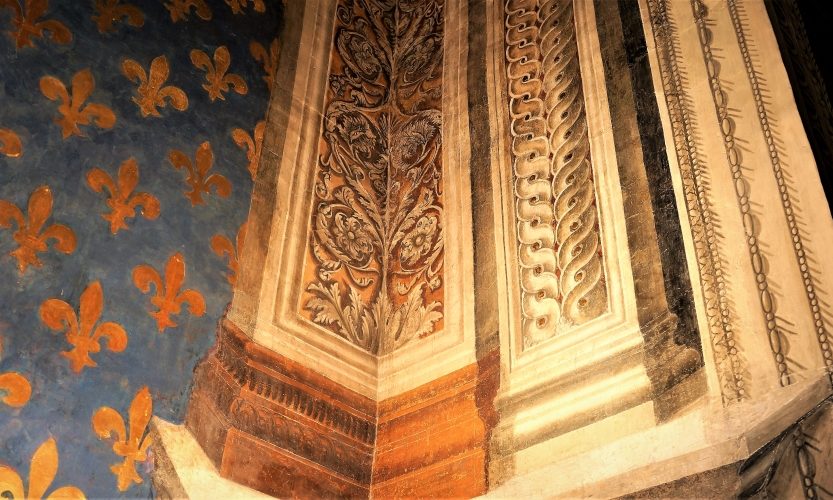
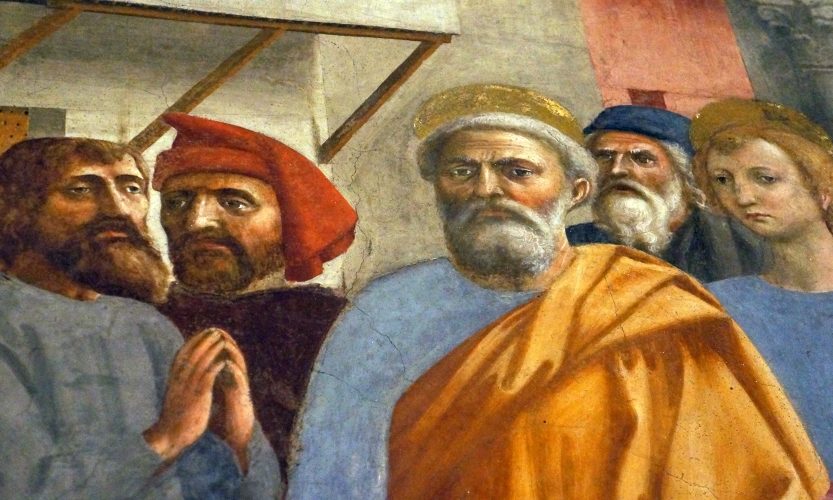
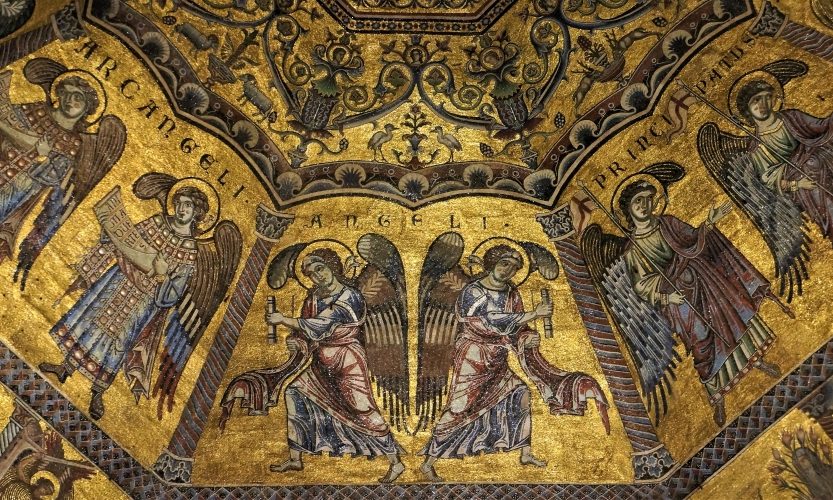
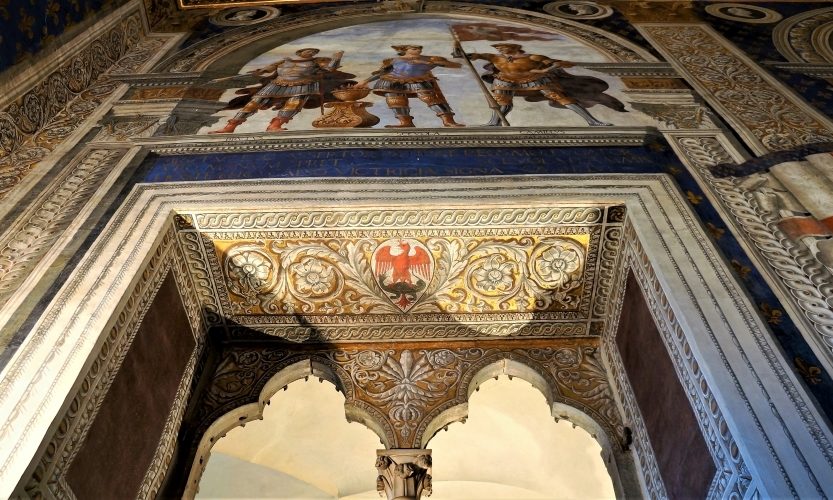
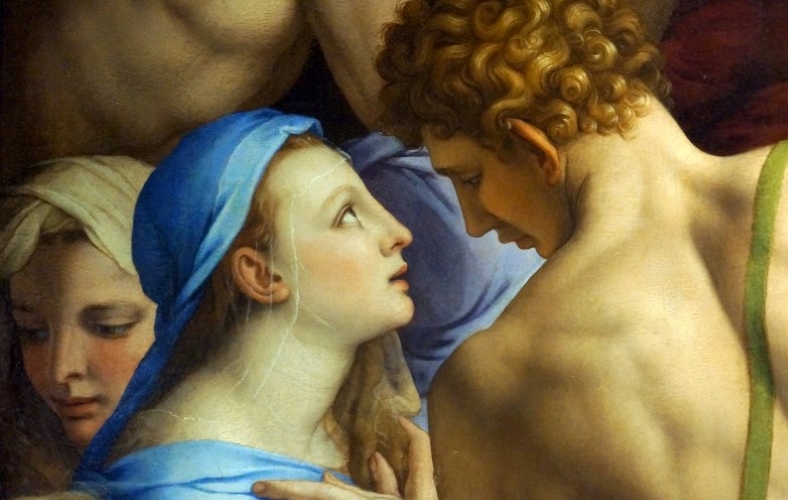
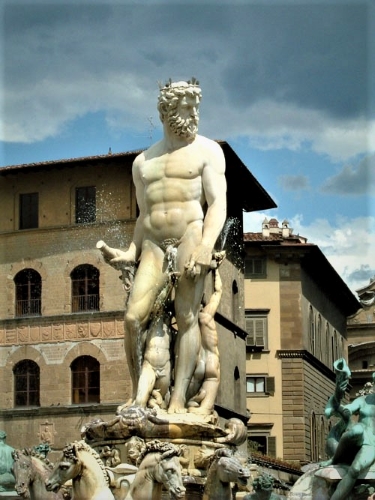
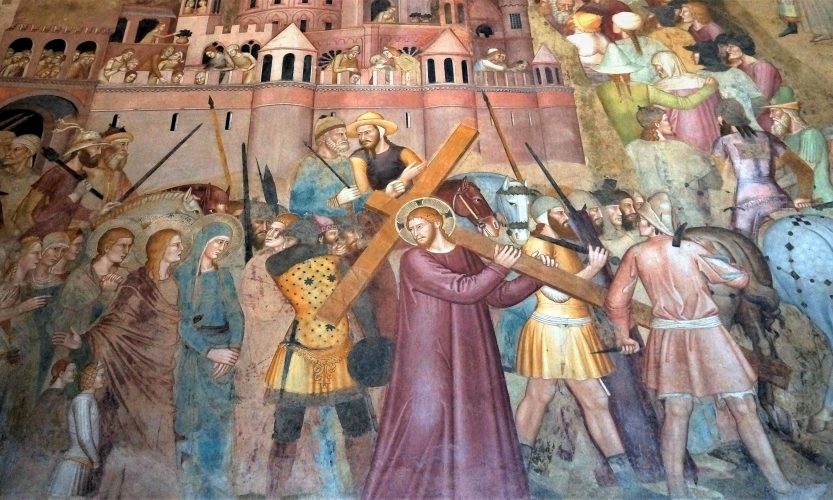
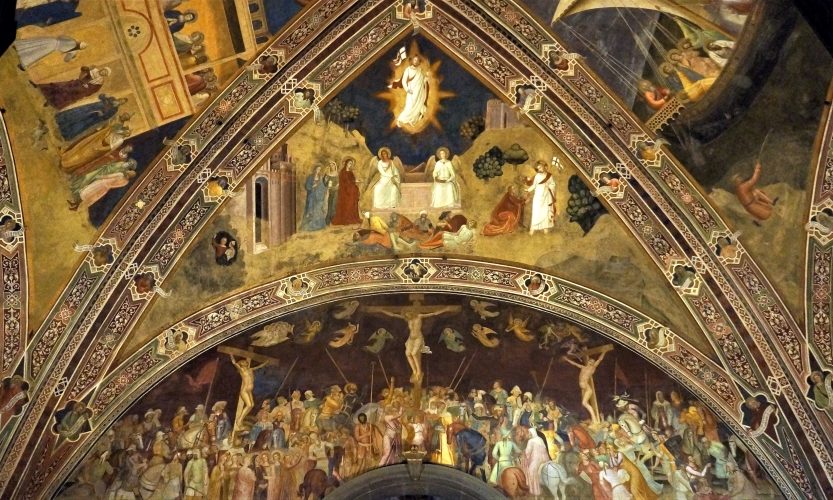
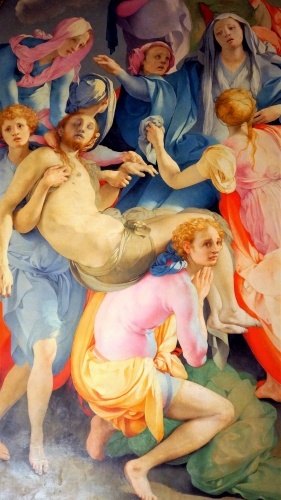
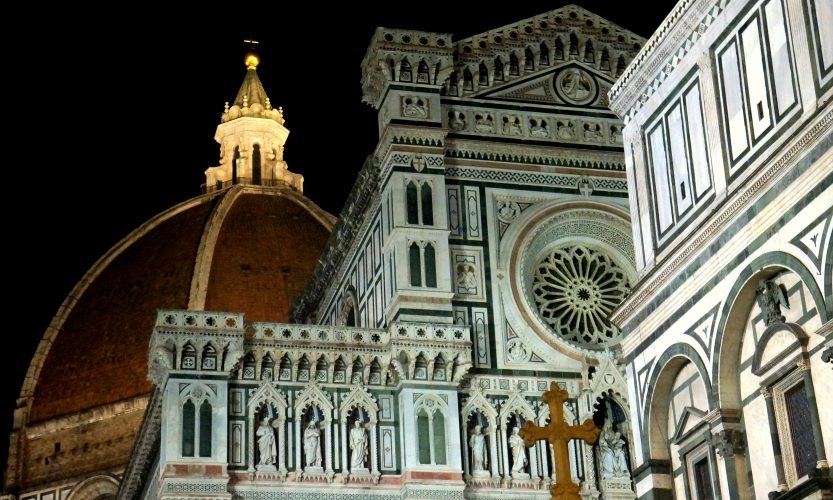
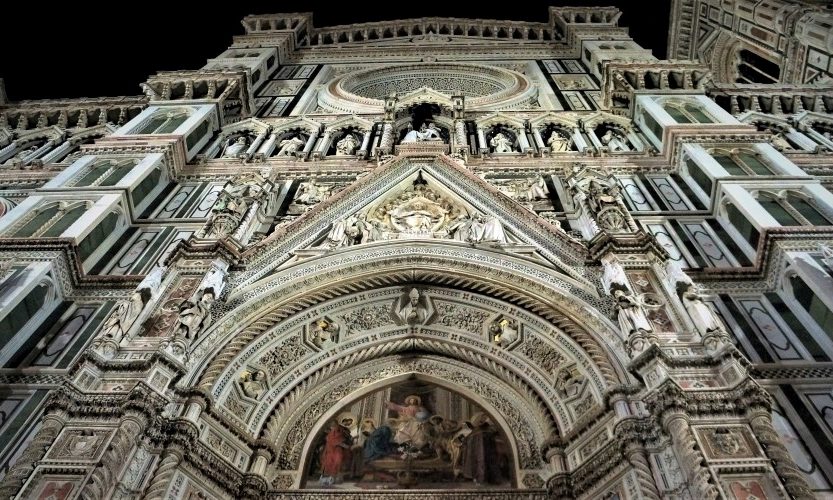
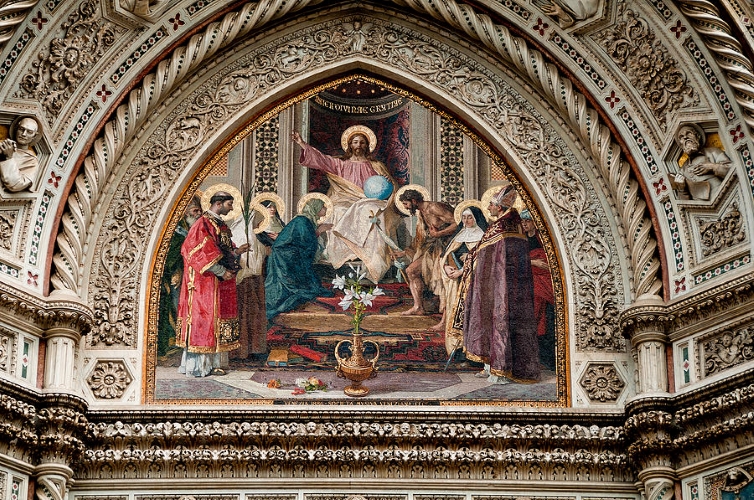
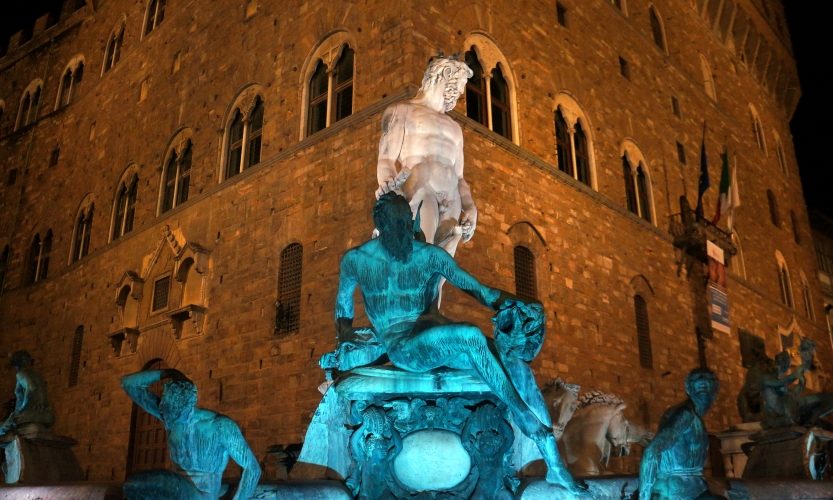
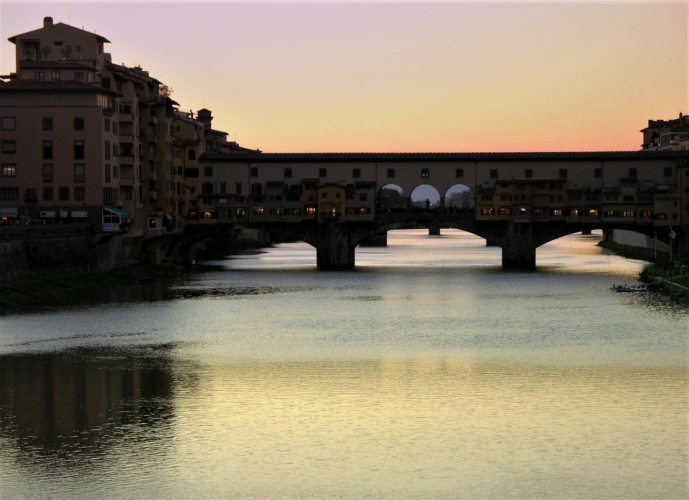
“This is the fairest picture on our planet, the most enchanting to look upon, the most satisfying to the eye and the spirit. To see the sun sink down, drowned on his pink and purple and golden floods, and overwhelm Florence with tides of color that make all the sharp lines dim and faint and turn the solid city to a city of dreams, is a sight to stir the coldest nature, and make a sympathetic one drunk with ecstasy.”
Mark Twain Mark Twain’s Autobiography 1892
“You will begin to wonder what human daring ever achieved anything so magnificent.”
John Ruskin, Mornings in Florence 1875
Florence, and all of Italy, the world’s prayers are with you.
(To subscribe to Postcards from the Boot, click here).


Copyright - Postcards from the Boot.