
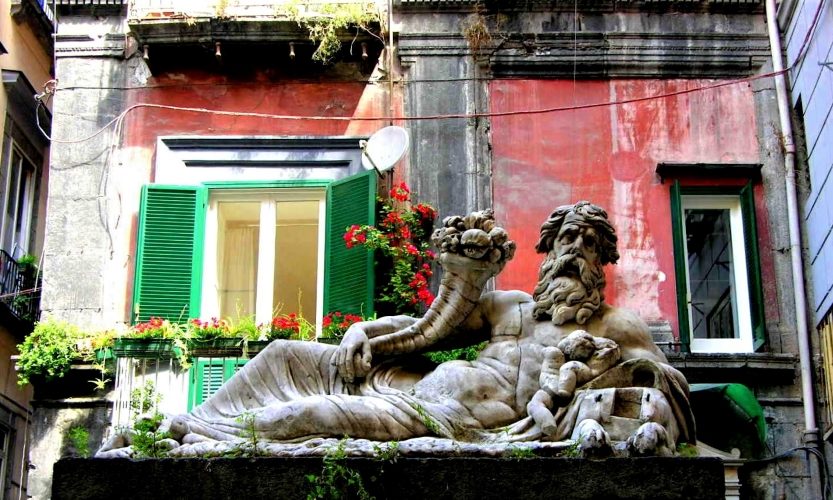
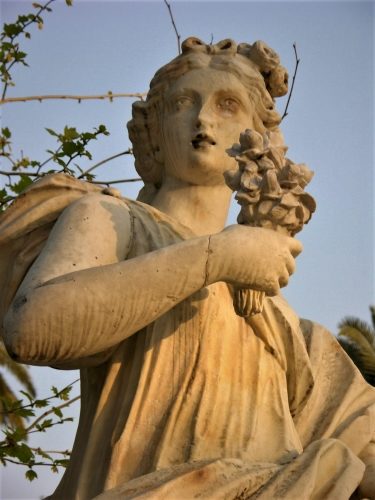
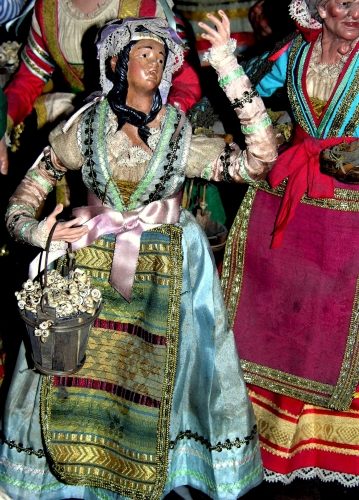
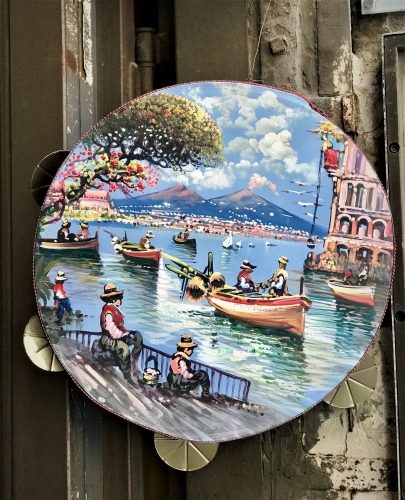
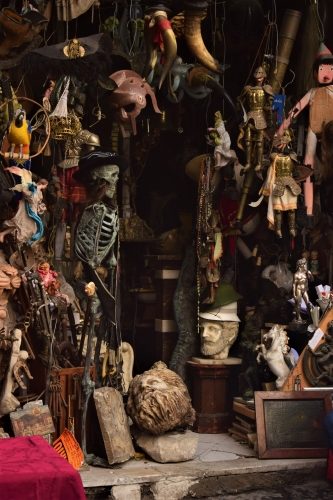
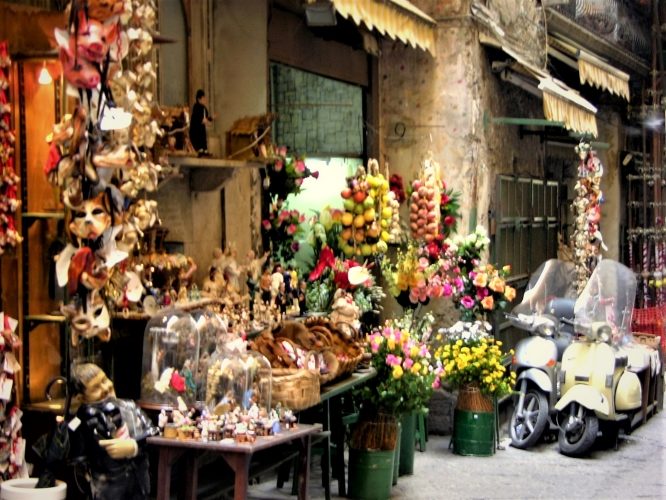
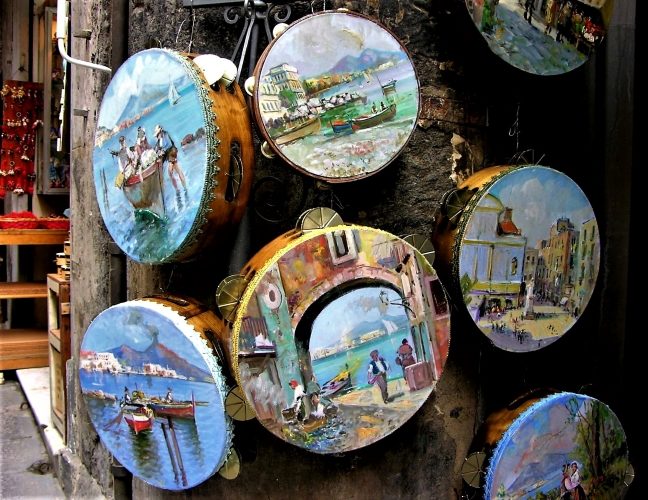
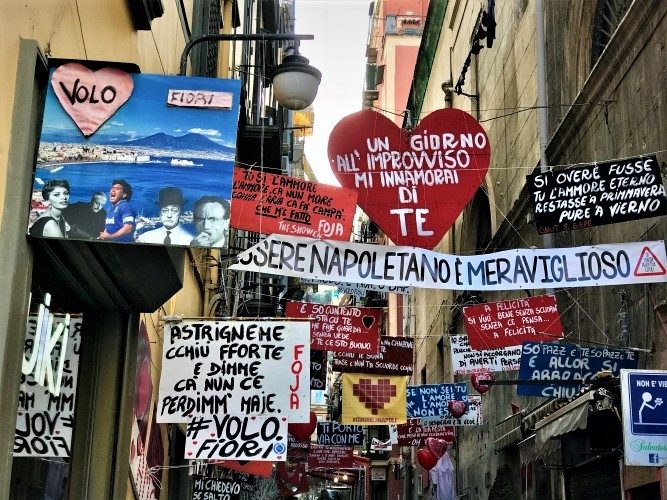
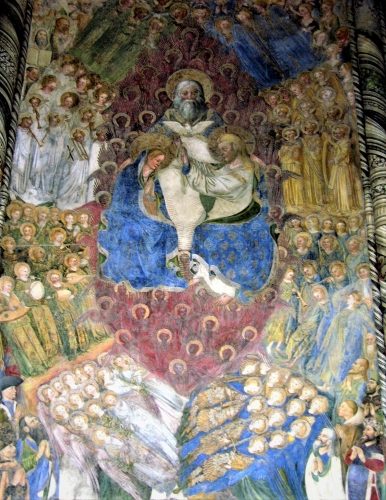
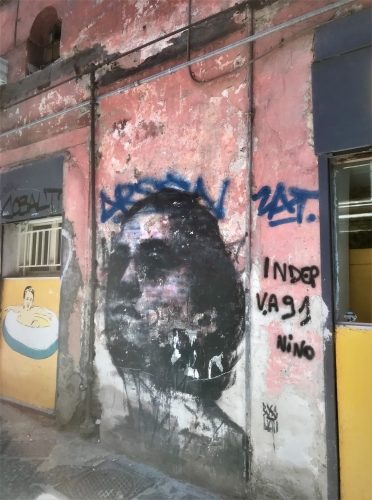
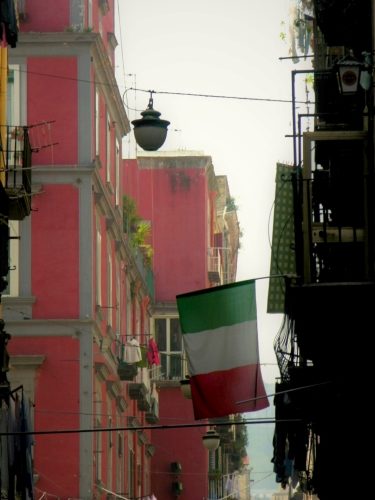
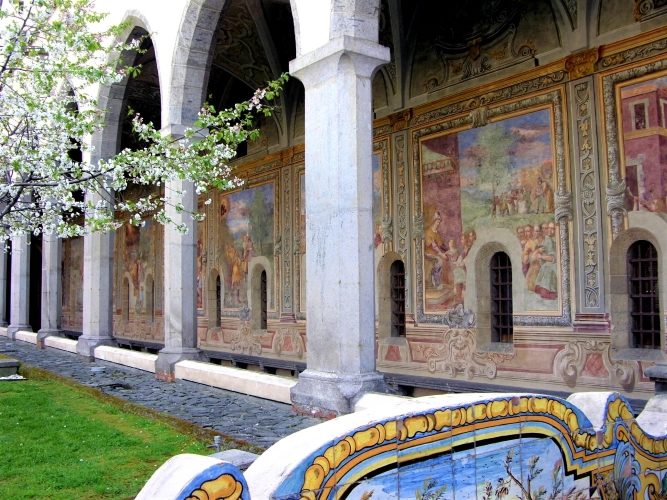
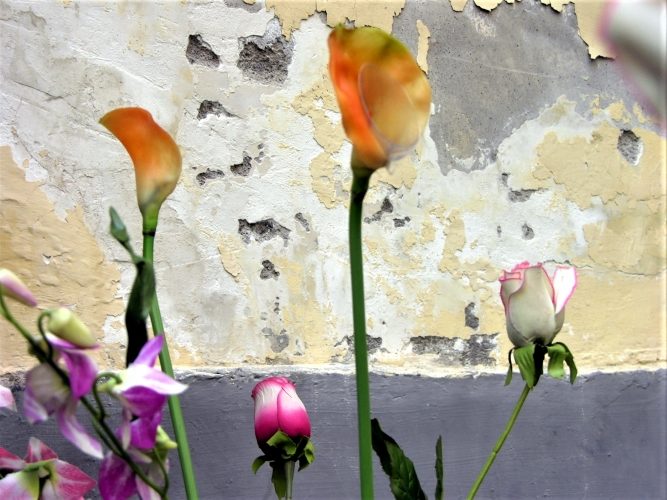

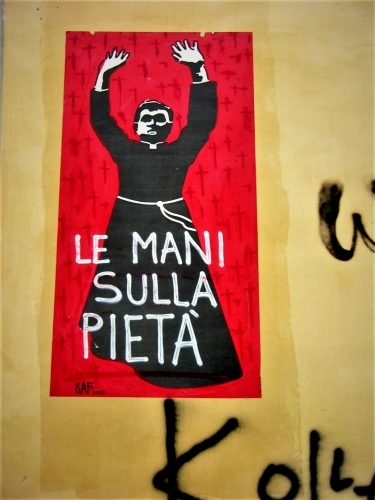
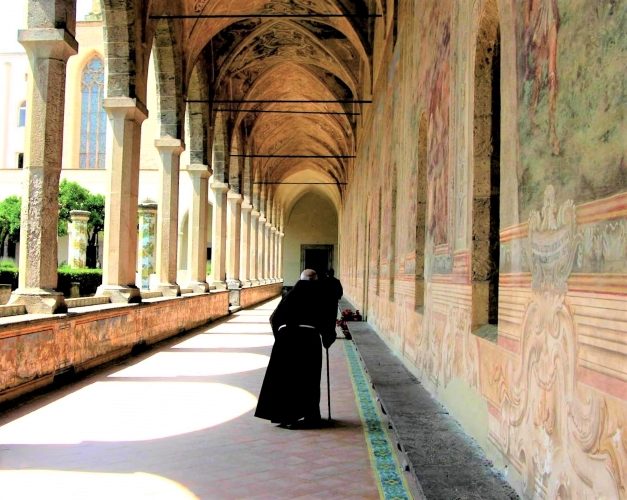
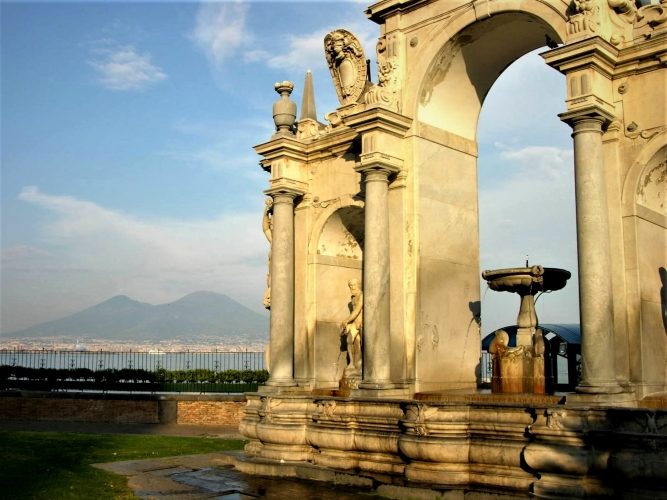
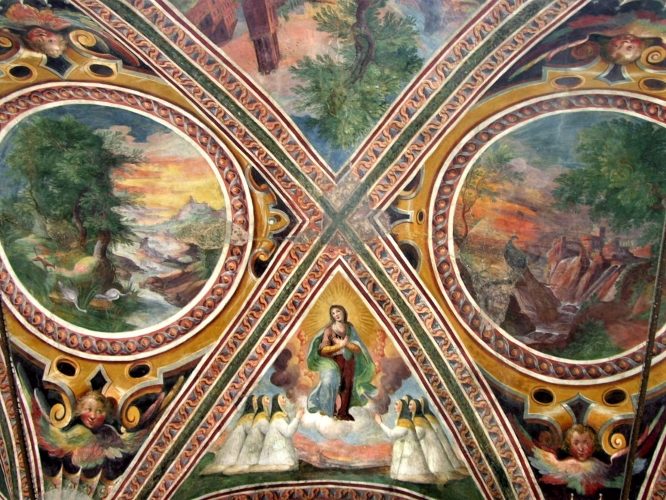
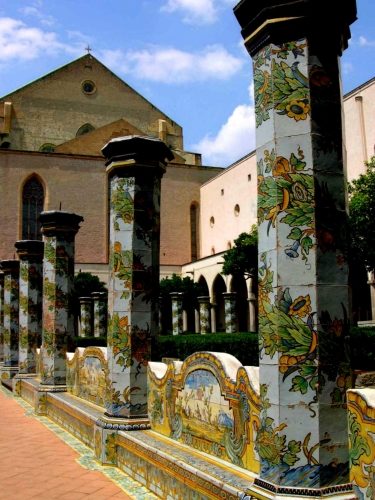
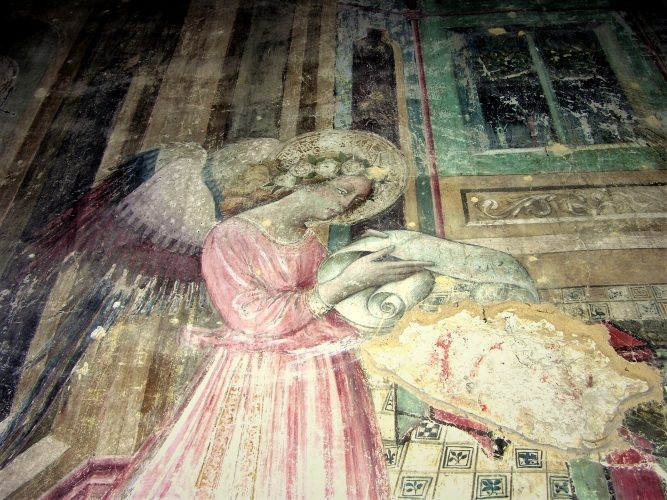
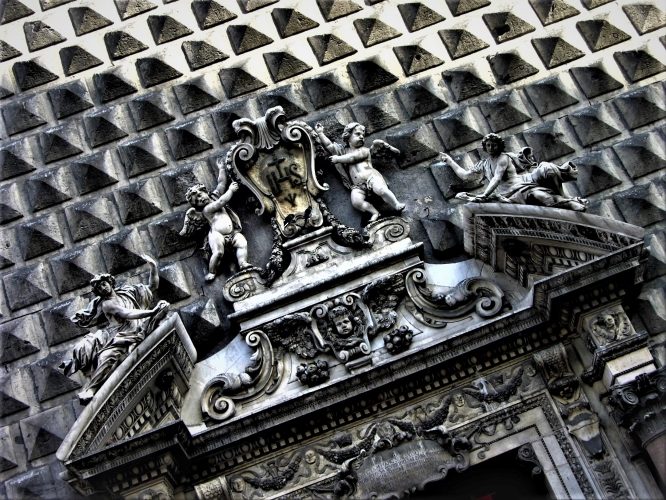
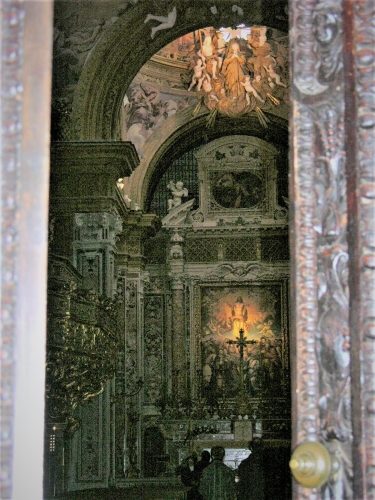
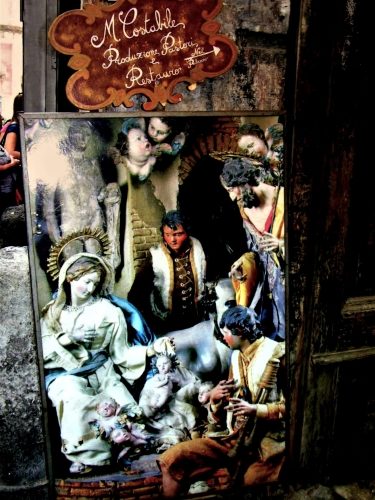
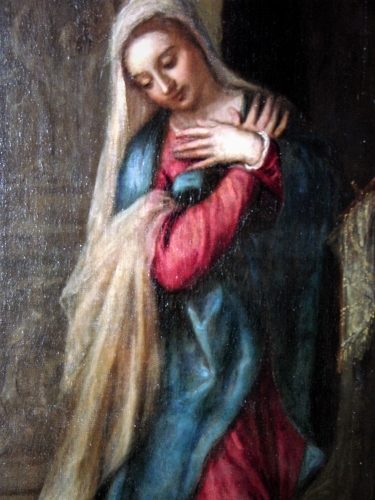
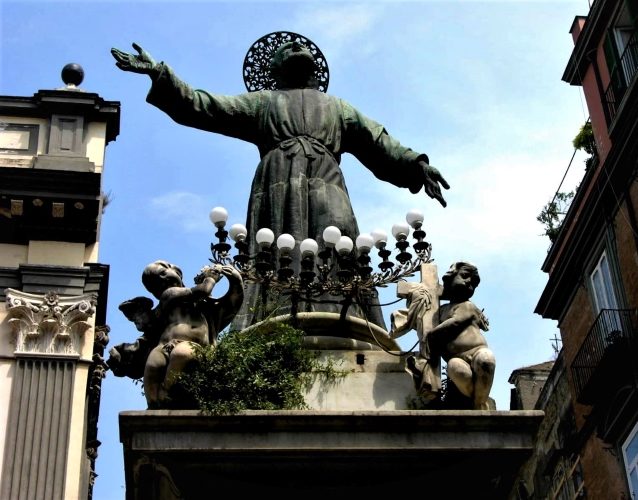
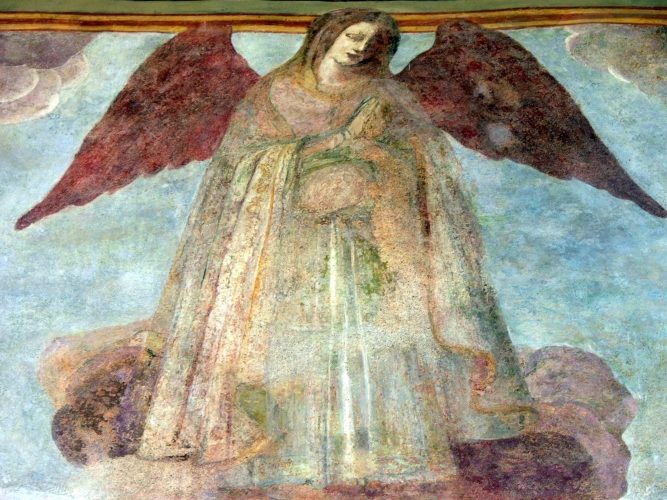
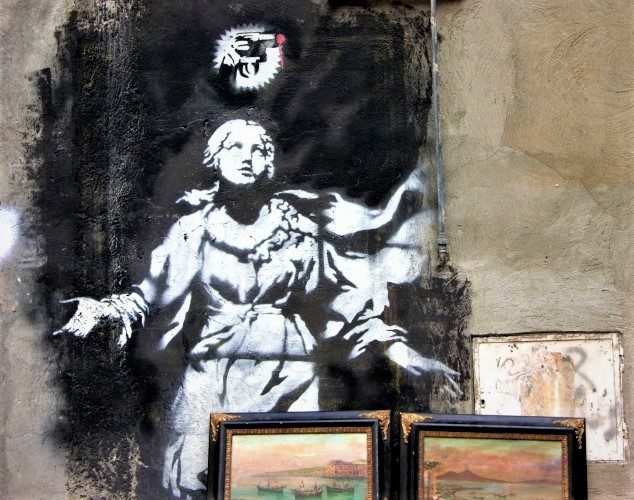
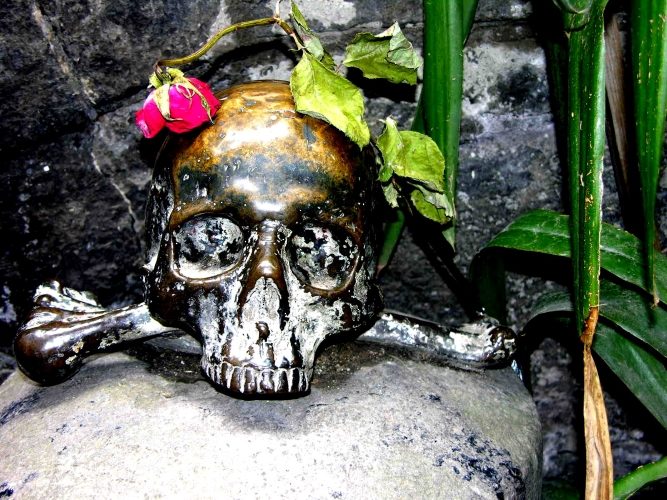
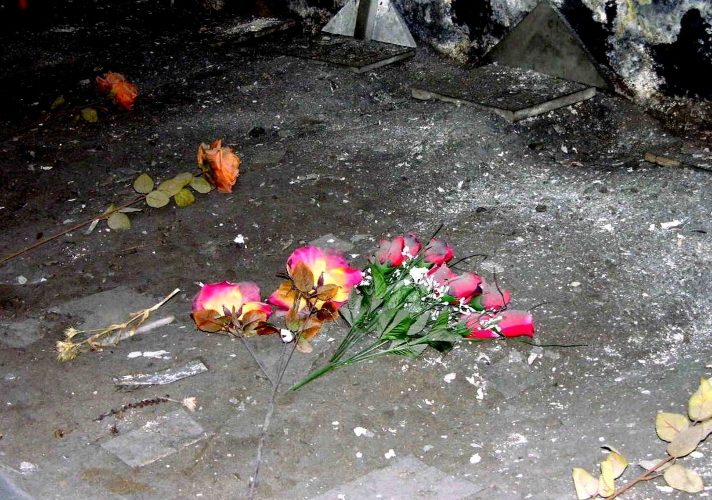
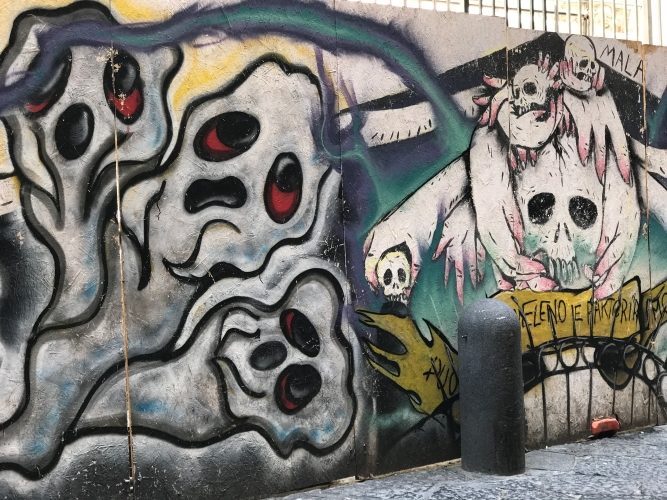
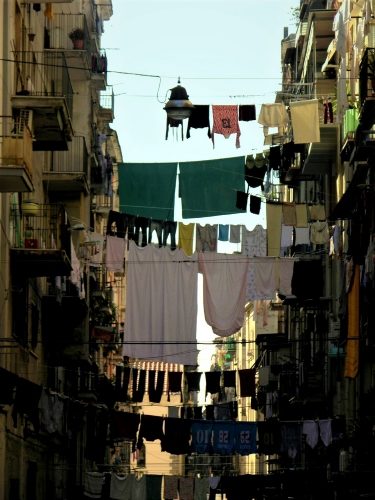
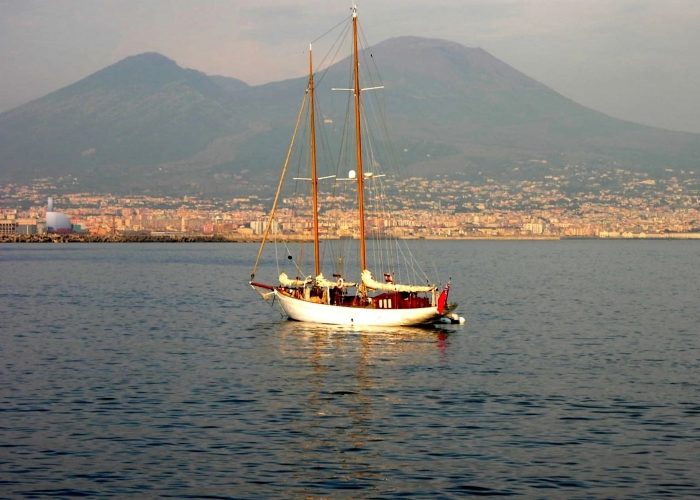
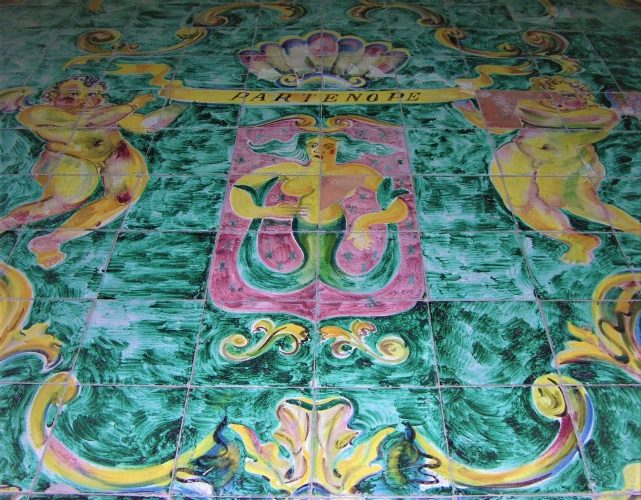
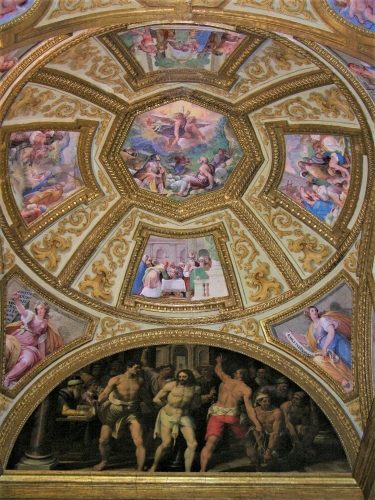
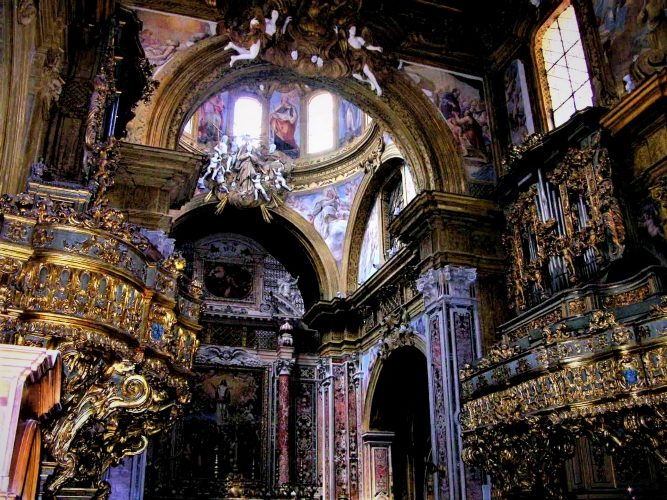
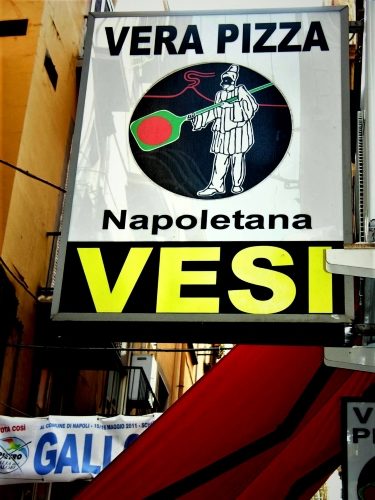
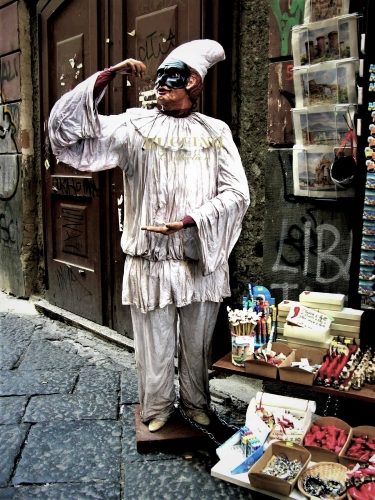
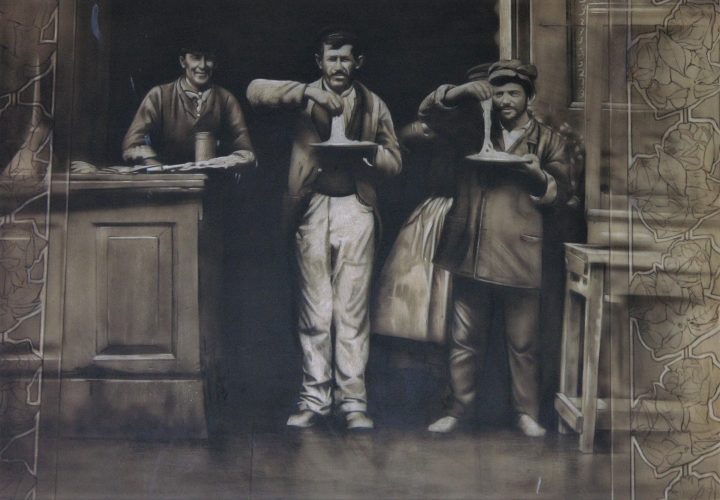
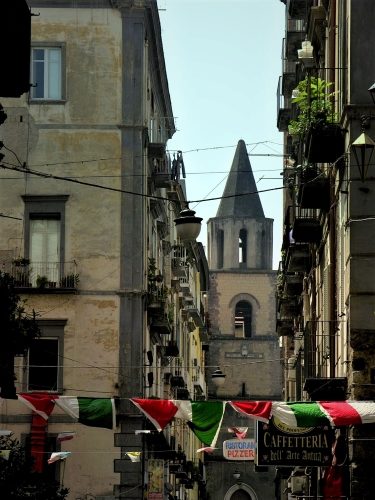
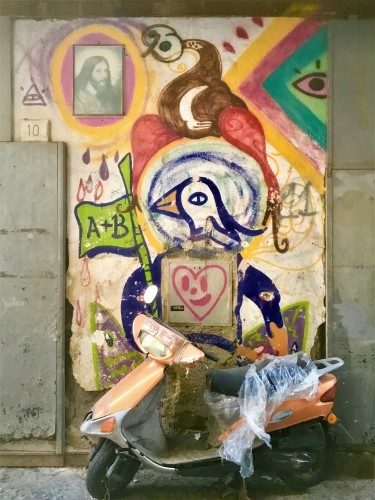
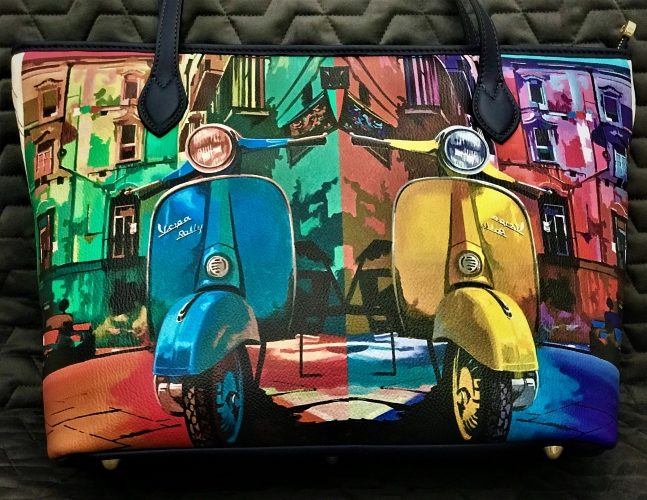
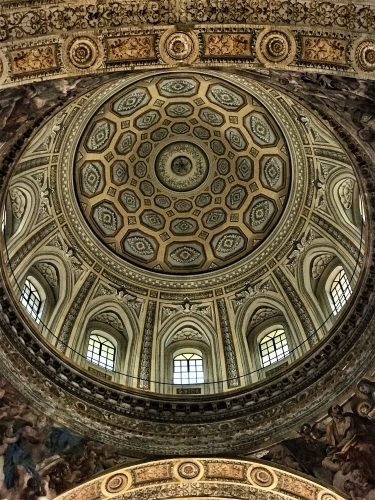
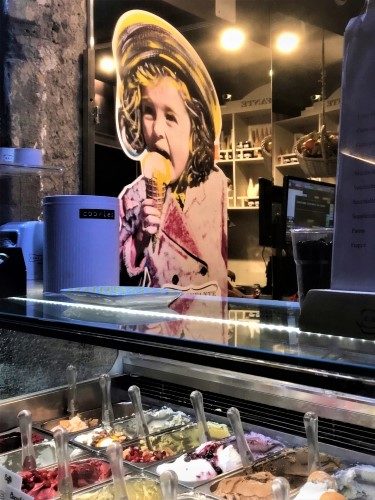
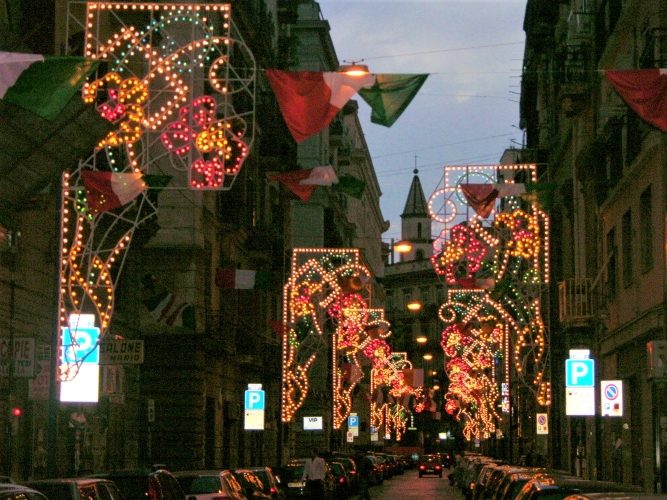
Napoli, full of complexities and contradictions, defies classification and doesn’t enjoy the bucket list reputation of so many Italian cities. Often treated as a pass-through en route to the Amalfi Coast, Naples is seldom explored and its many beguiling layers are overlooked by most travelers. If you do have the time to visit, you won’t be indifferent: you’ll either love it or feel just the opposite. There is no “in between.” You’re either drawn to its paradox of love, loss, sex, religion, superstition, birth and death or you may want to run away from it. For me, I love it. I felt its magnetism immediately — the good, the bad, and even the “brutti” … the ugly.
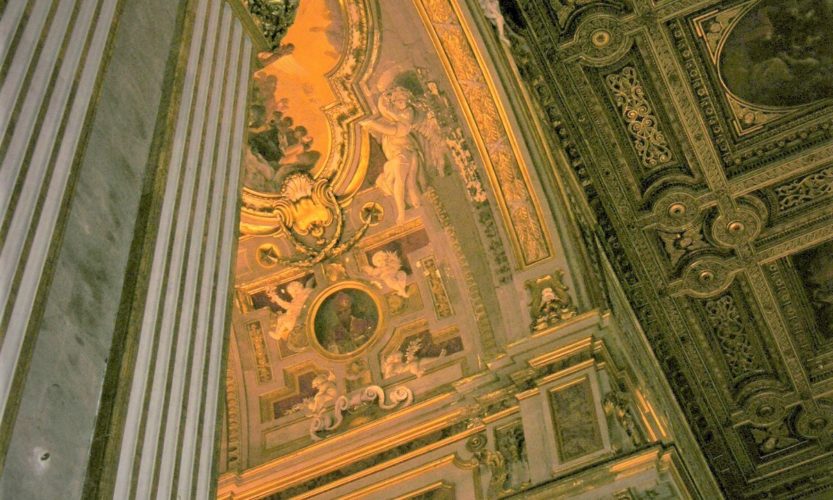
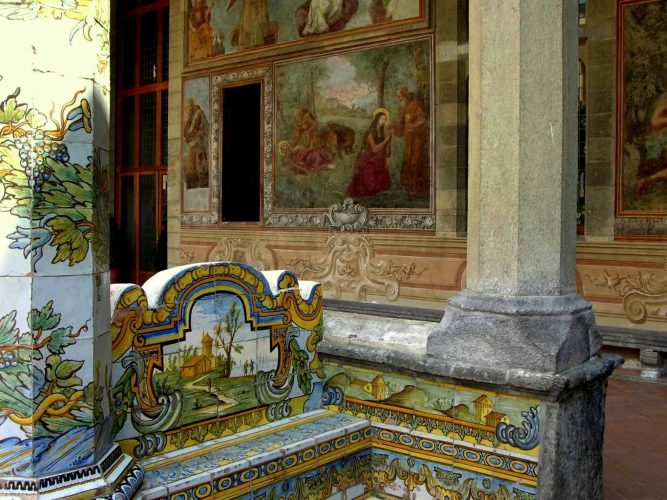
Besides being officially recognized by the EU as the home of pizza (pizza having been recently designated by UNESCO as a cultural treasure), Naples has a rich history and many spectacular Baroque churches. Not always as spiffy as other cities, it offers a veritable feast for the urban photographer. It’s sacred and profane. It’s both Old World and kitsch; camp and hip; seductive and bewildering. It’s chaotic and random; gritty, edgy and operatic. And somehow also pious, and even at times … serene. Napoli throbs with life, exuberance and color.


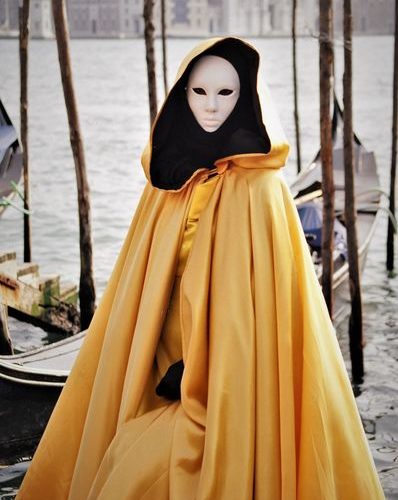
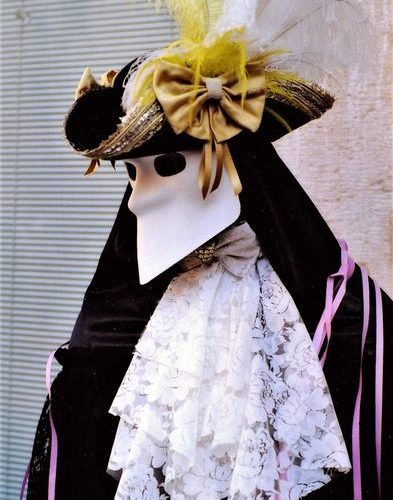
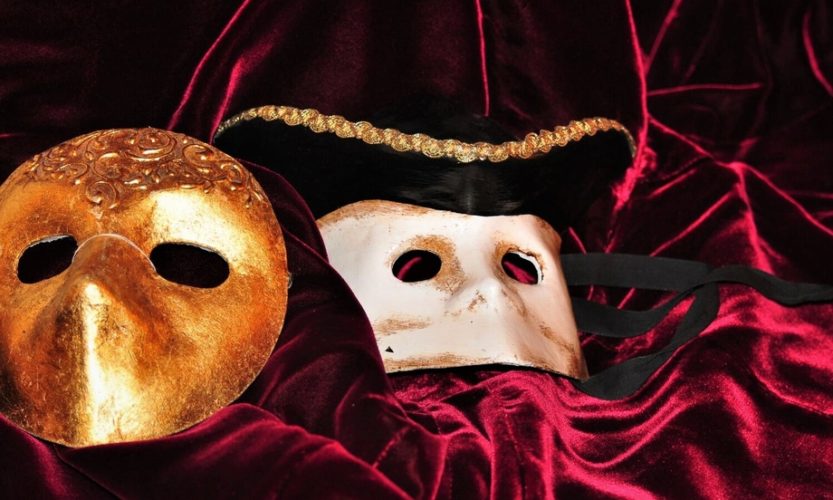
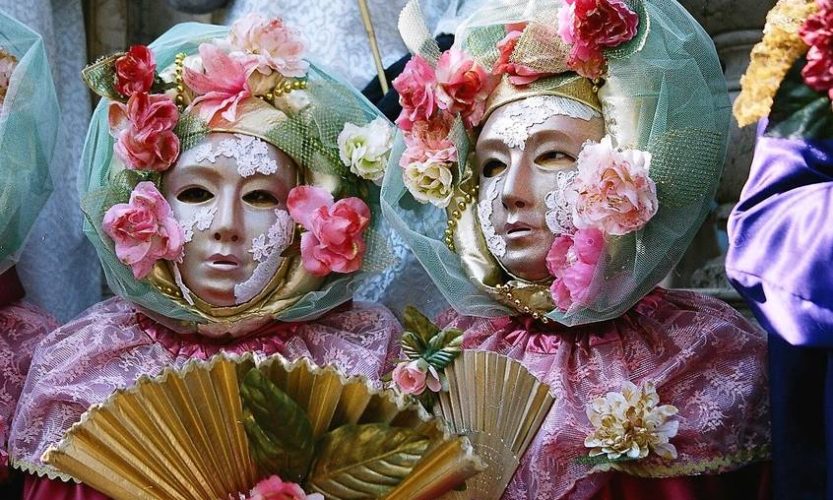
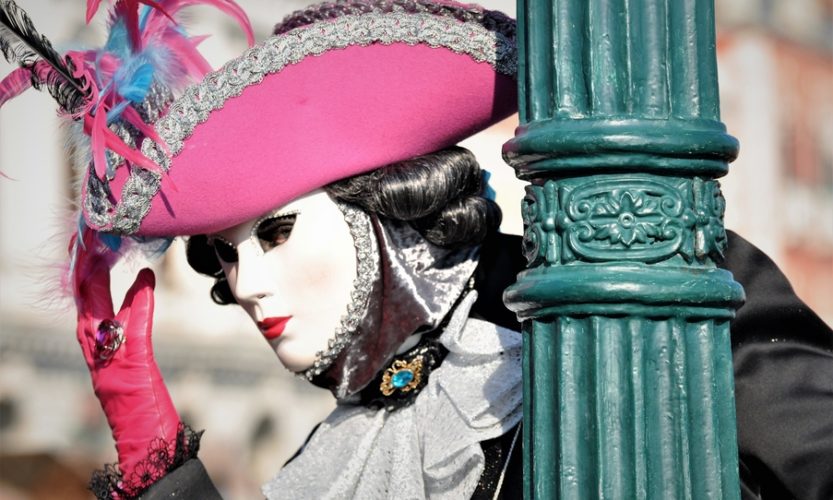
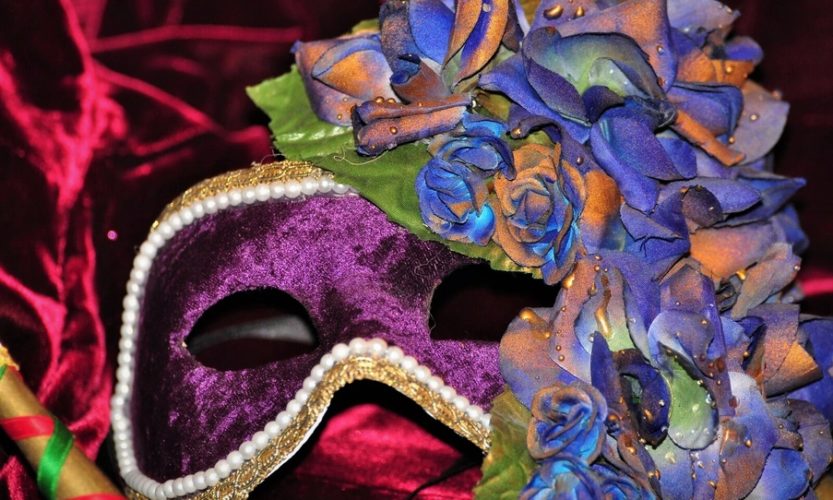
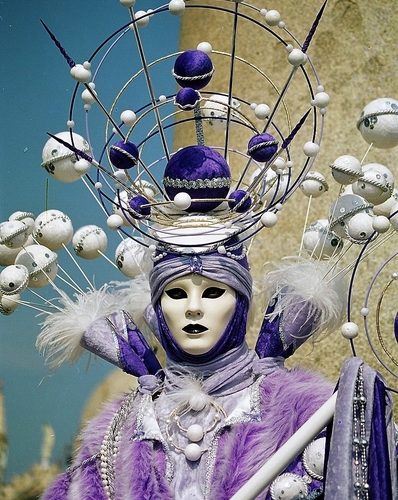
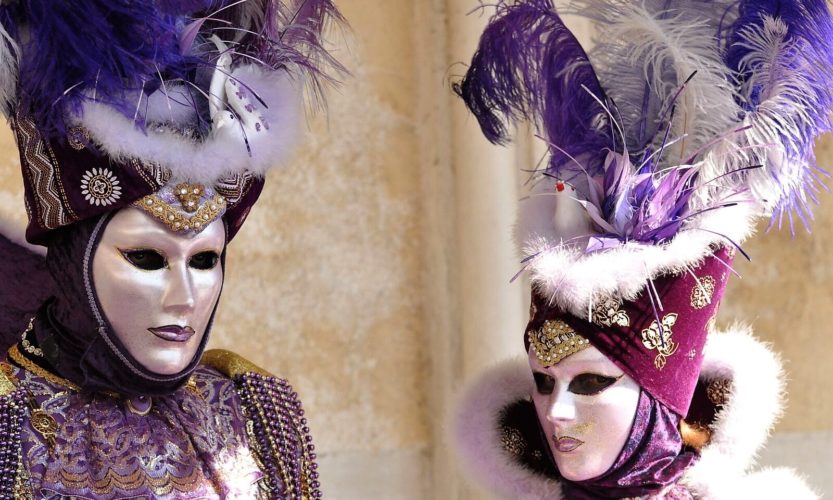

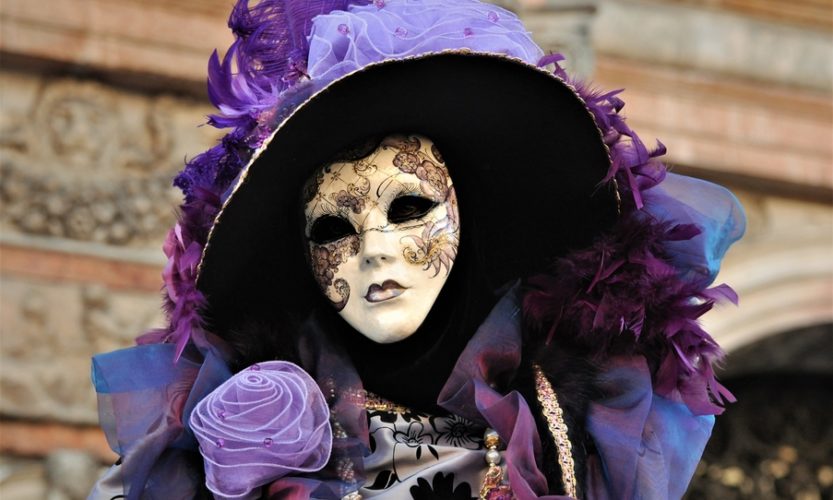
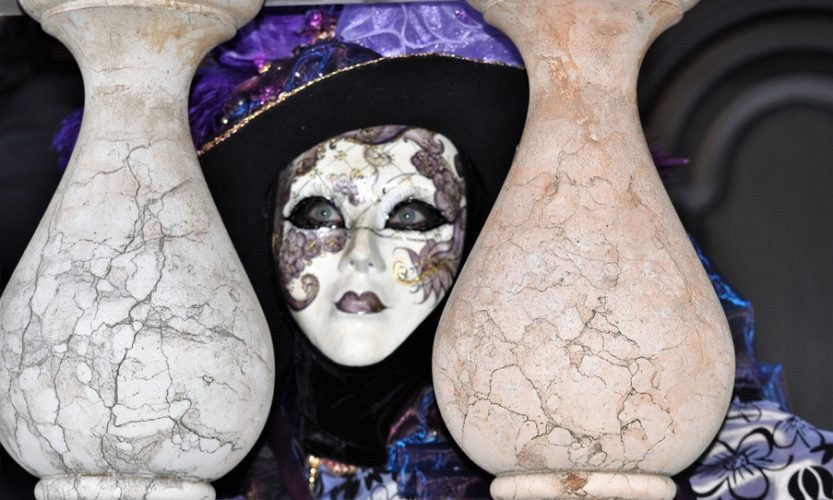
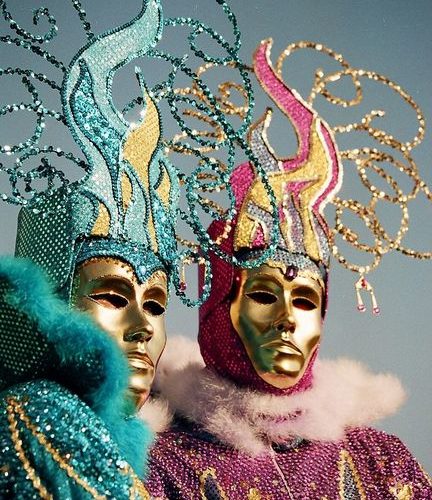
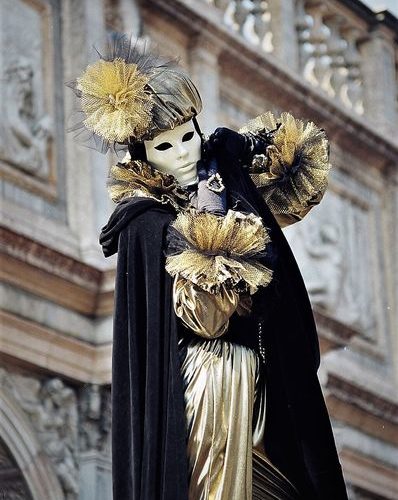
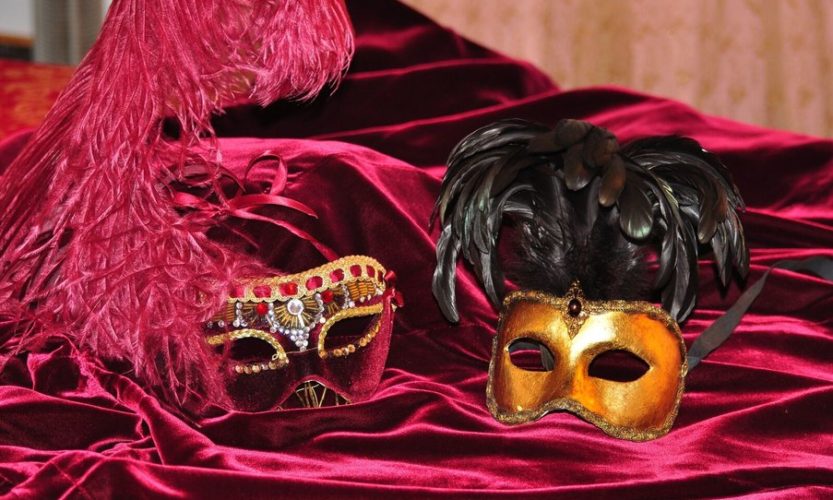
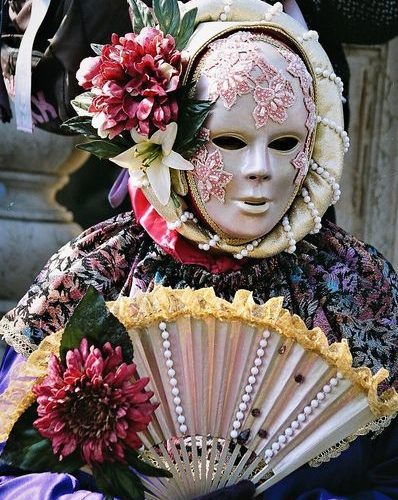
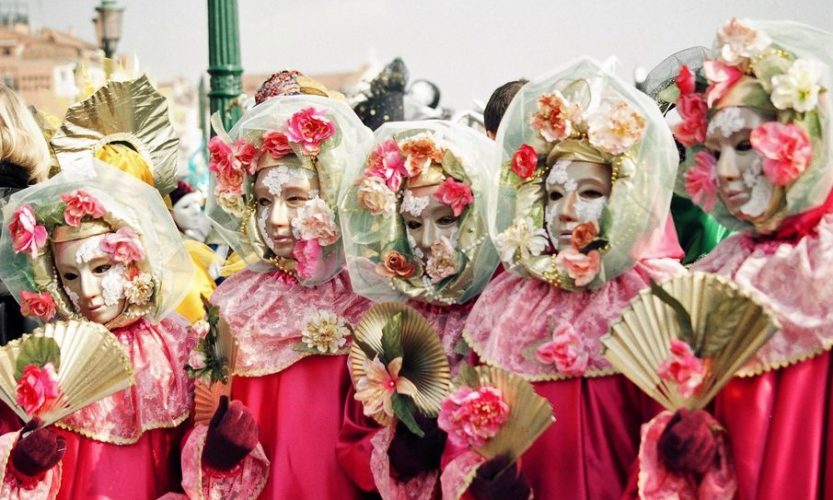
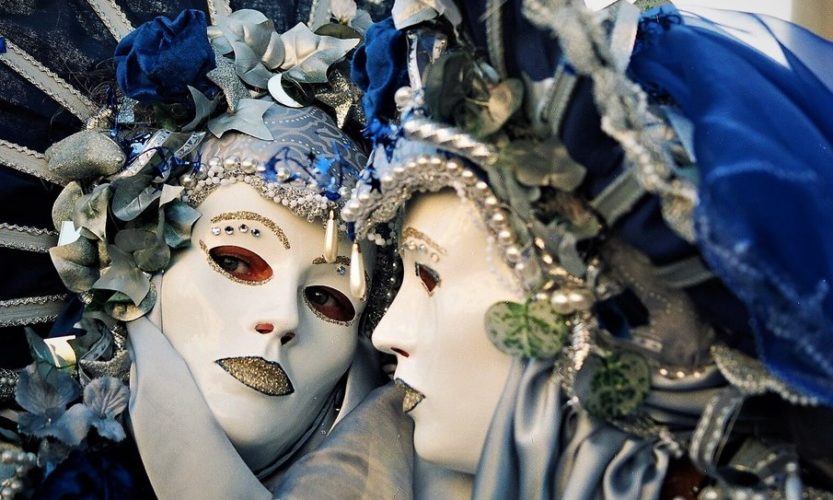
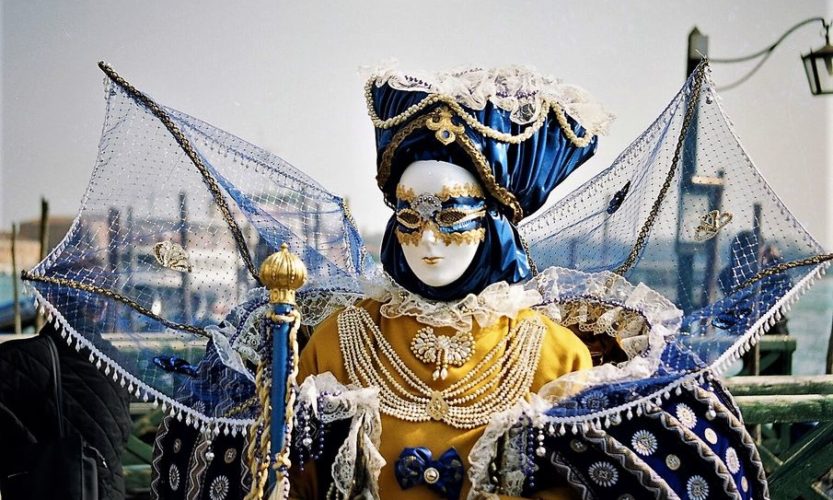
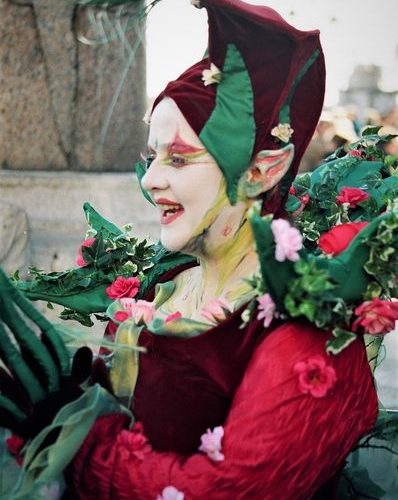
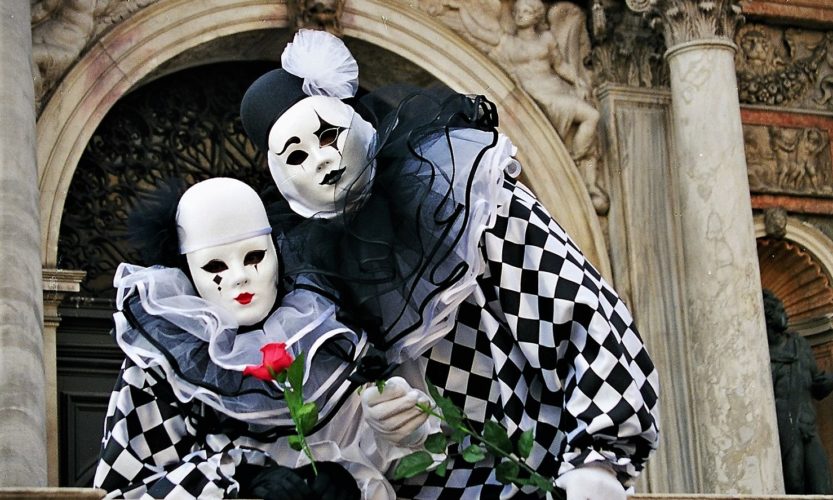
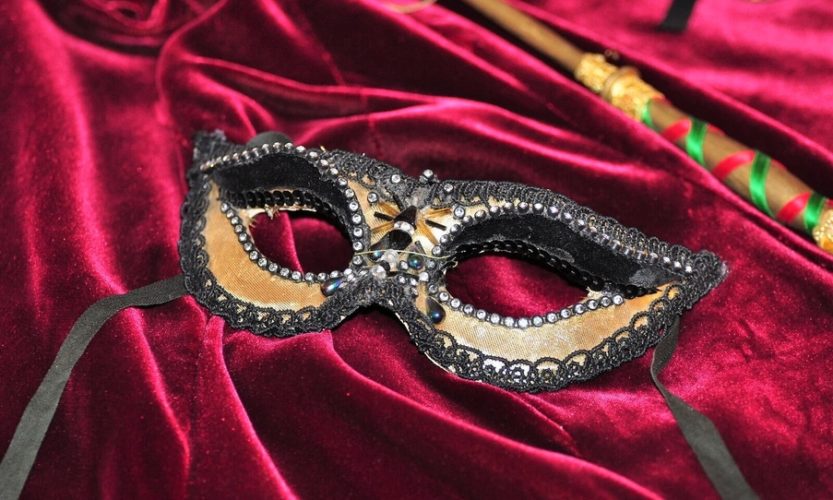

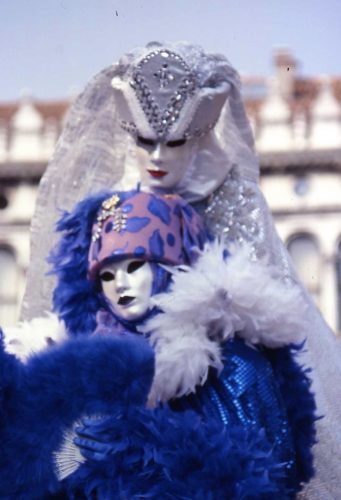
Venice’s pre-Lenten merry-making has inspired many a pithy axiom. For centuries Carnevale sumptuously celebrated the pleasures of the “flesh” both literally and figuratively, with its seductive devil-may-care ambiance. The word carnevale is derived from the Latin noun for “meat” (carnem) and the verb for “remove” (levare). A long ago church edict declared that whoever ate meat during the forty days of Lent could not receive communion on Easter, which was a big deal back in the day (also a clever way to ration meat which could be in short supply during the winter months).
Over the years the celebration of Carnevale expanded and expanded … with its festivities beginning with the Epiphany in January (when the Three Kings visited Jesus) to la settimana grassa (the fat week) leading up to Ash Wednesday. By the end of the Venetian Republic (the late 1700’s) Carnevale lasted, believe it or not, for nearly half the year (!) with merry revelers donning costumes and elaborate maschere (masks) and doing whatever (!) with whomever (!). Each year around this time, you can experience a joyous re-enactment of the original grand old party (about a 10-day affair) … and also partake in a dizzying photographic feast without equal! (All the photographs featured in this post are courtesy of Anita Sanseverino who has been taking dazzling photos of La Bella Italia for decades.)
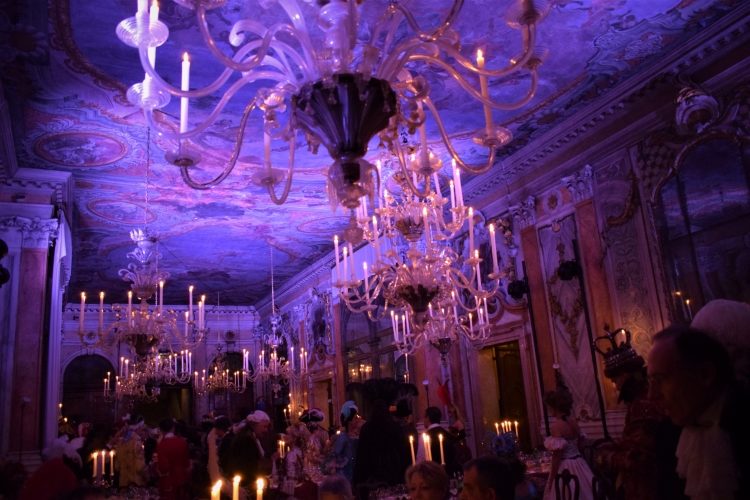
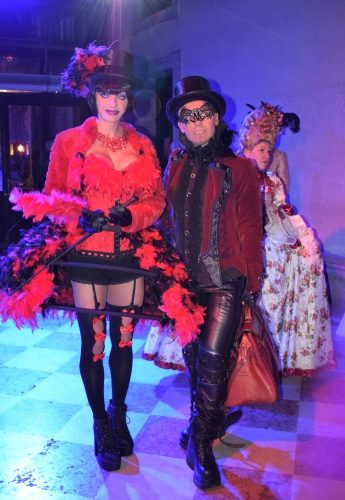
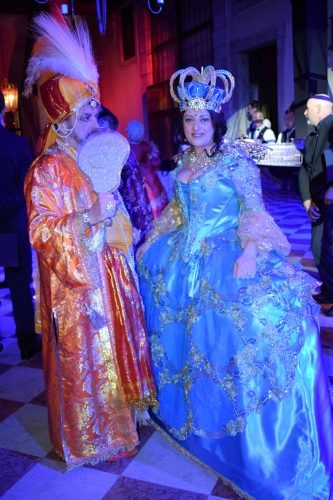
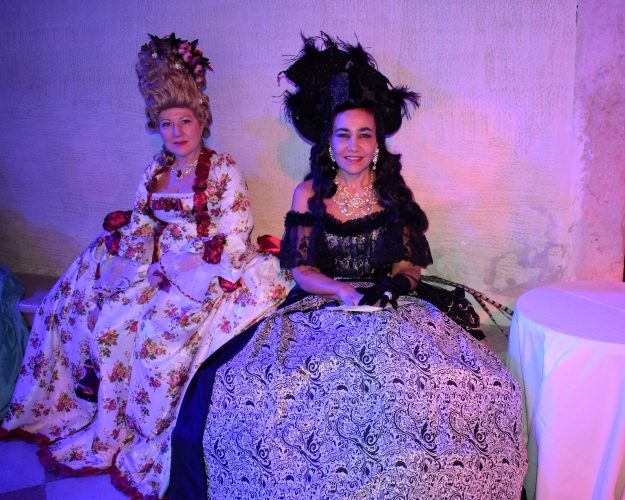
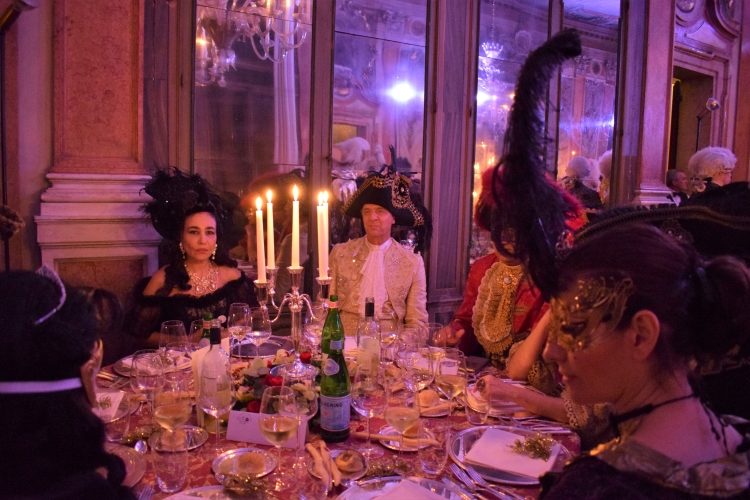
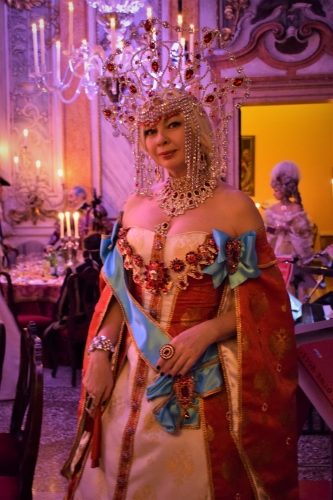
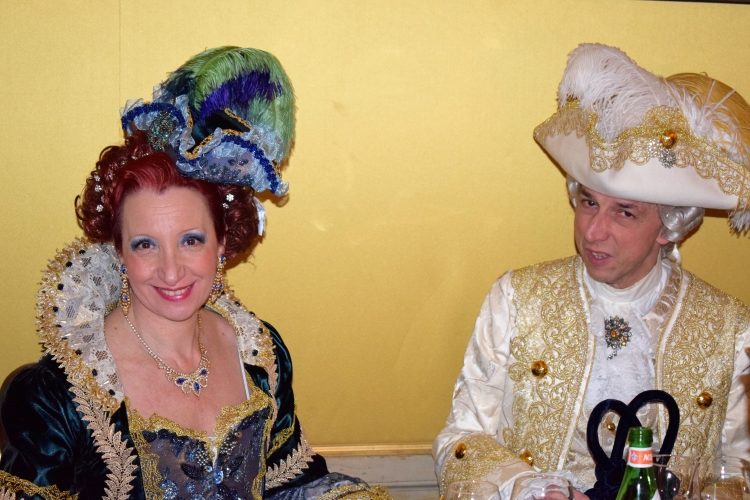
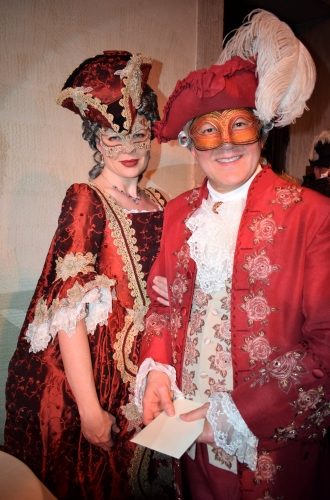
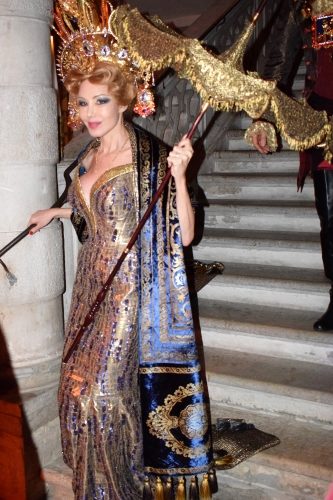
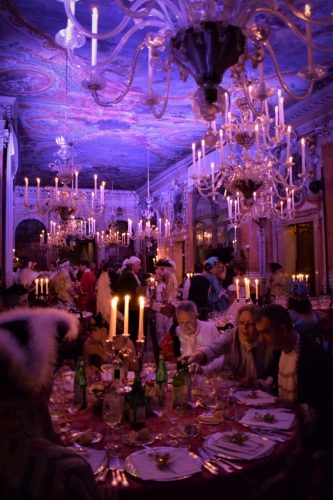
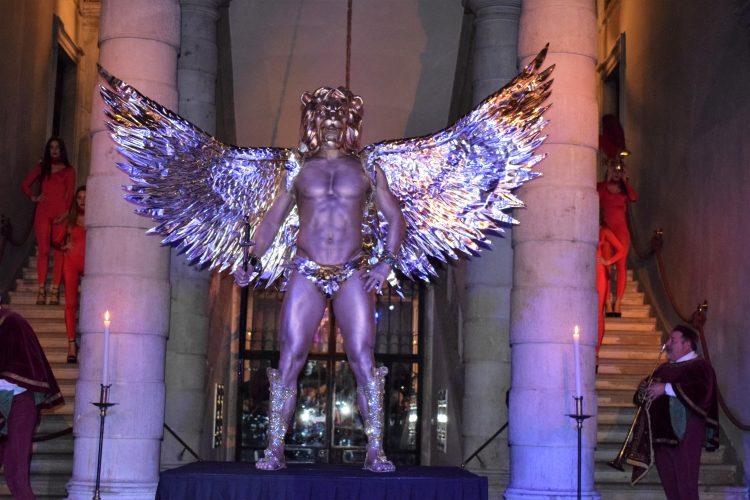
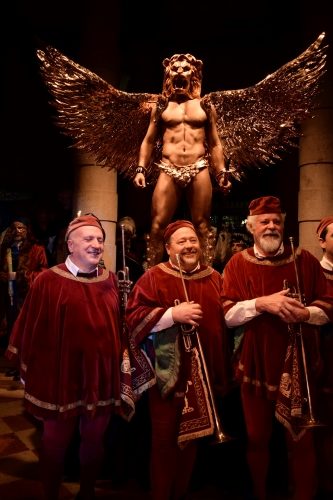
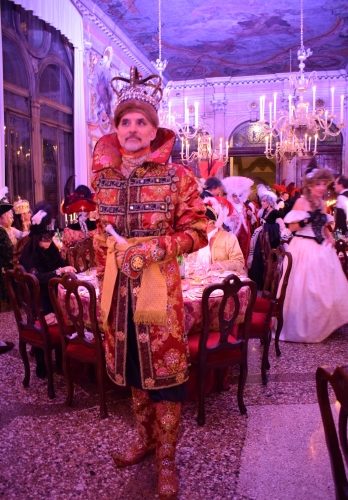
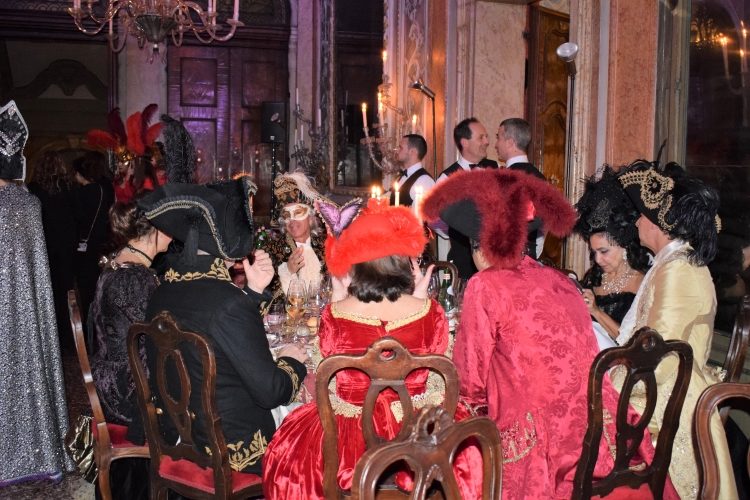
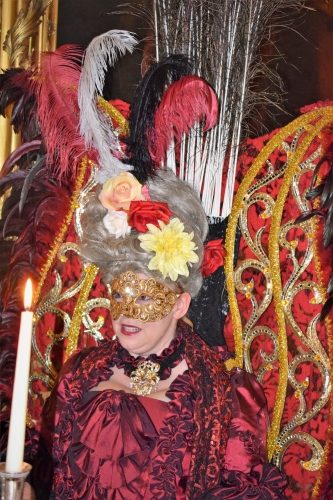
Venice, once an exotic East-meets-West Xanadu, had long been a tourist honeypot by the turn of the 18th century, with Europe’s best courtesans, elegant gambling salons and of course the original grand old party, Carnevale. Most famous of all revelers was Casanova whose infamous seductions were, indeed, an expression of Venetian licentiousness. But then abruptly, Carnevale was kaput. Napoleon, notorious killjoy that he was, decreed an end to all masquerade balls and public festivities when he took Venice as his own in 1797. It was not until 1979 that the pipers piped and revelers once again reveled thanks to many young art students committed to reviving the craft of mask-making.
Nowadays anyone who can afford tickets can party the night away at Venice’s most exclusive private palazzi. The most opulent of the Balls may well be Il Ballo del Doge, once described by Vanity Fair as “the most sumptuous, refined exclusive ball in the world.” You can either create or bring your own costume from home or, better yet, hire sumptuous finery from a Venetian atelier. If you go this route be sure to plan ahead, especially if you have something spectacular or specific in mind. As you might expect, renting a costume can be expensive (800 euros or more). Most important of all, you will need to BYO mask, as they are seldom rented. (All photographs featured in this post are courtesy of Anita Sanseverino who has been taking amazing photos of La Bella Italia for decades.)


Copyright - Postcards from the Boot.