
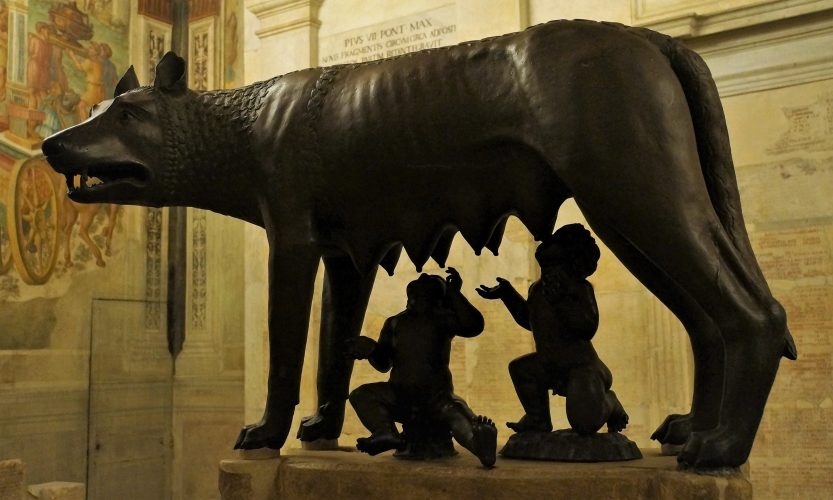
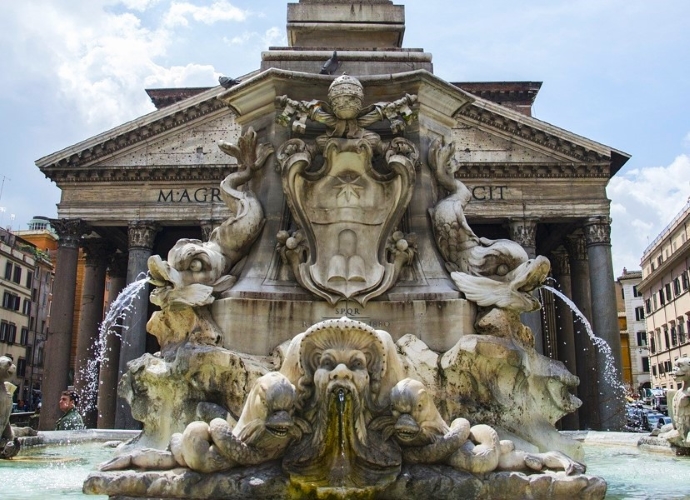
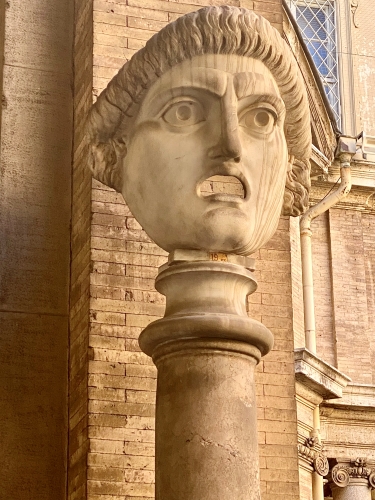
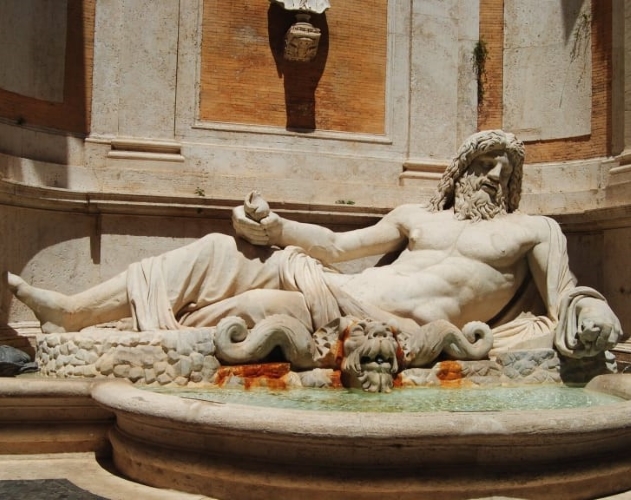
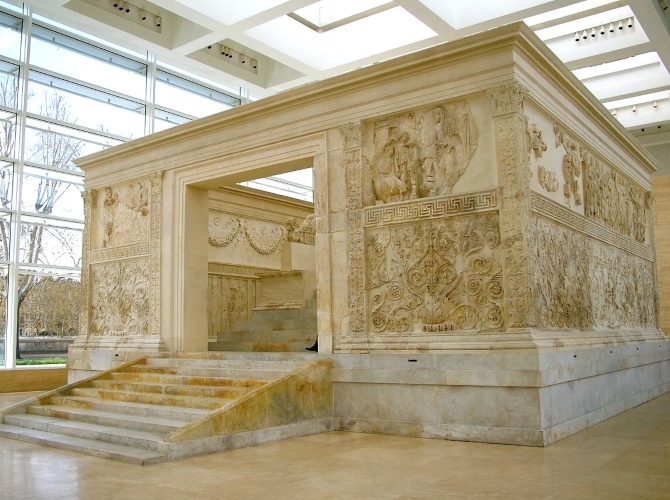
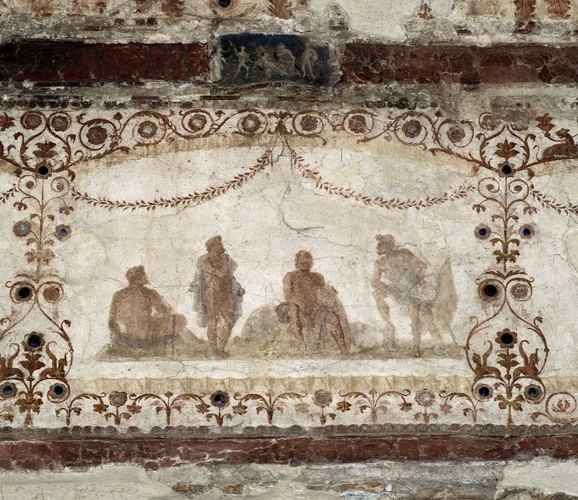
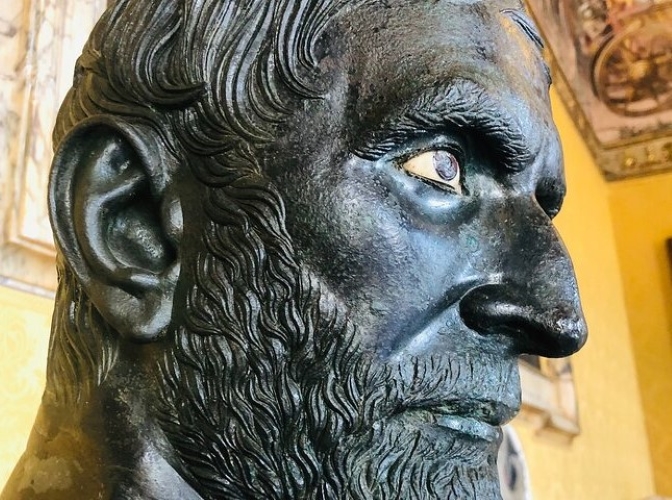
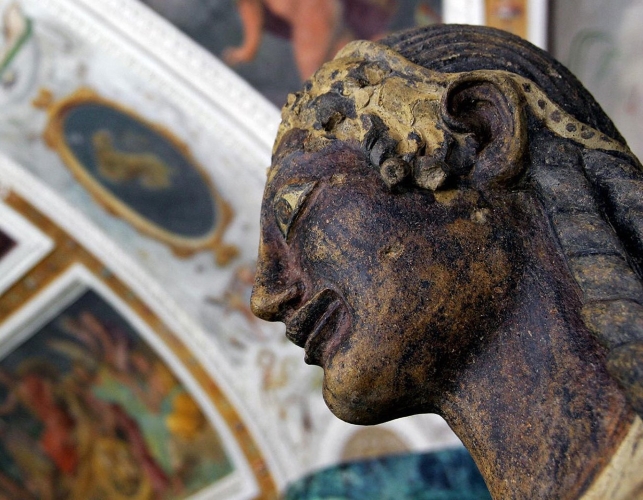
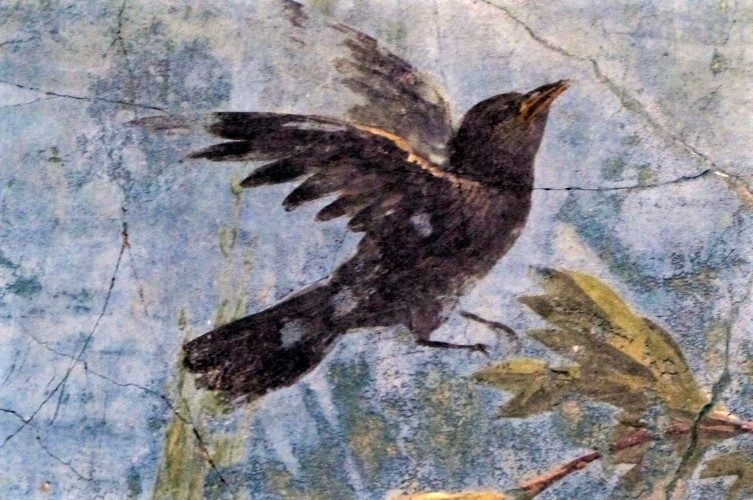
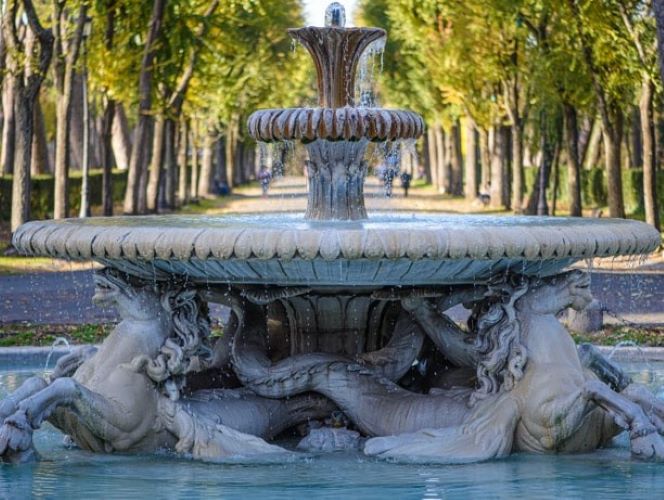
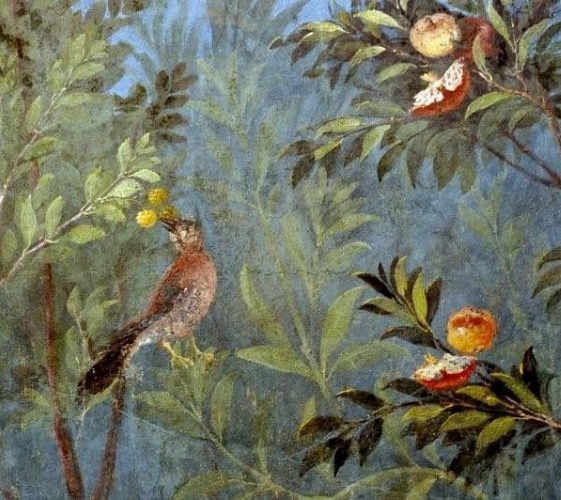
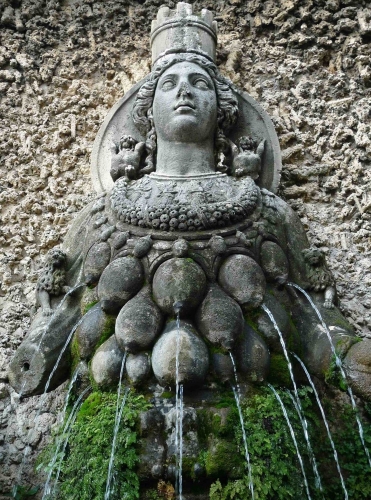
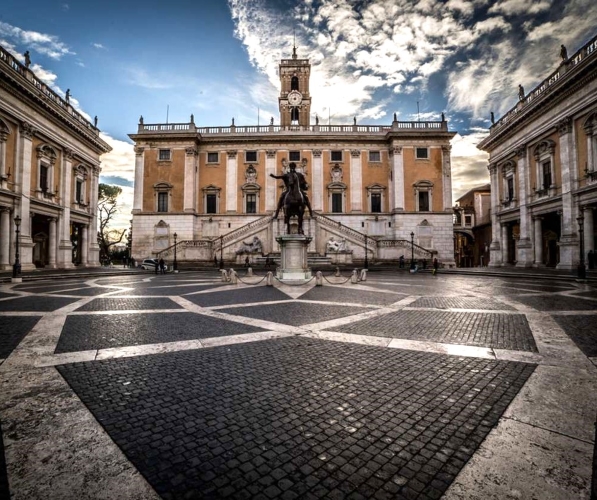
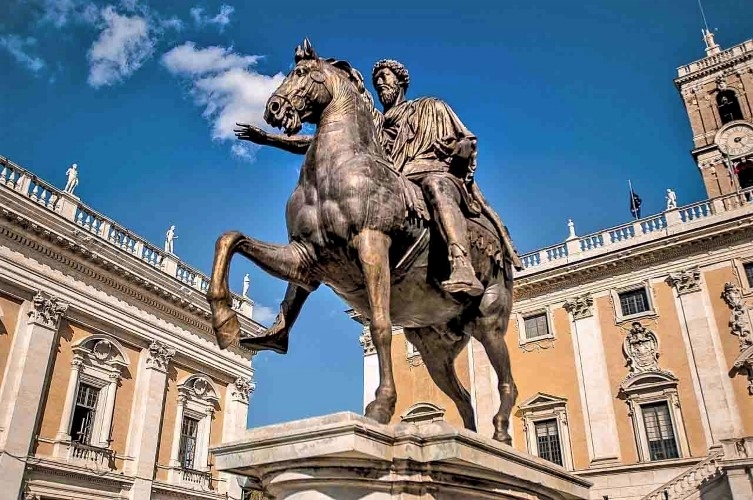
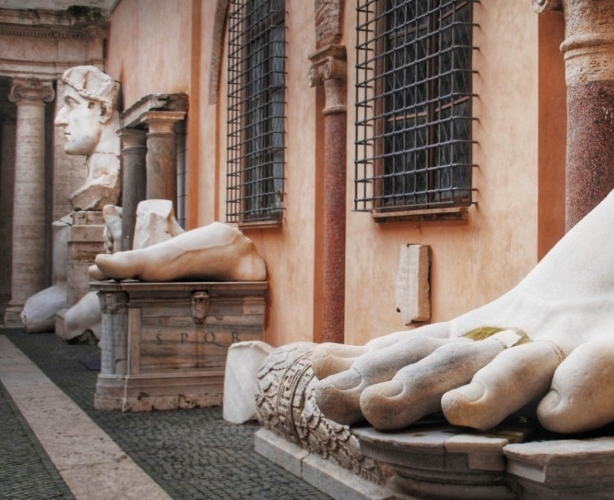
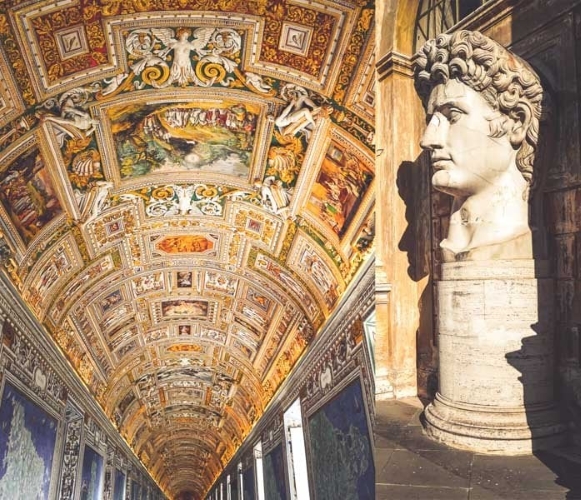
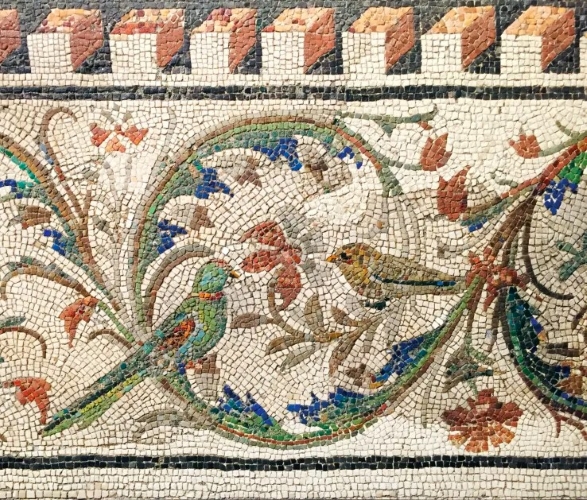

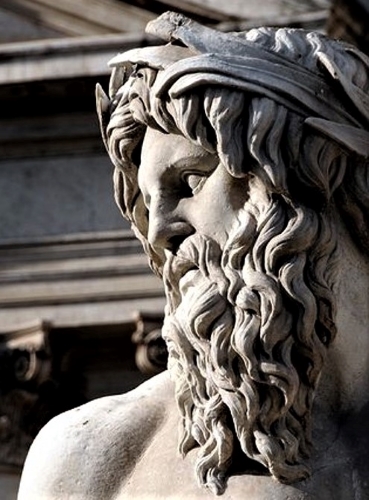
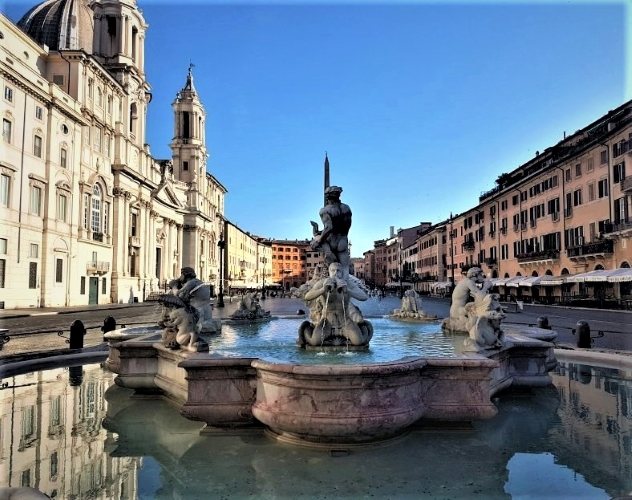
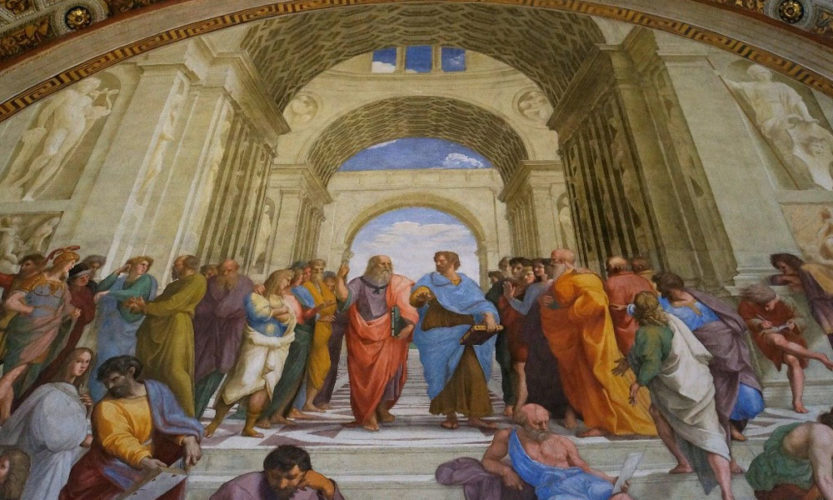
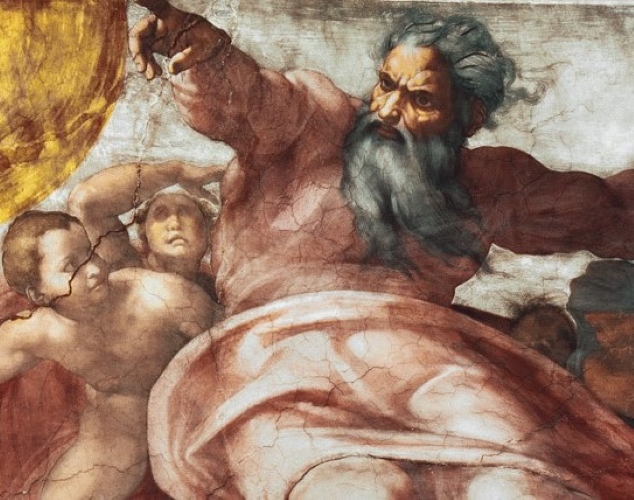
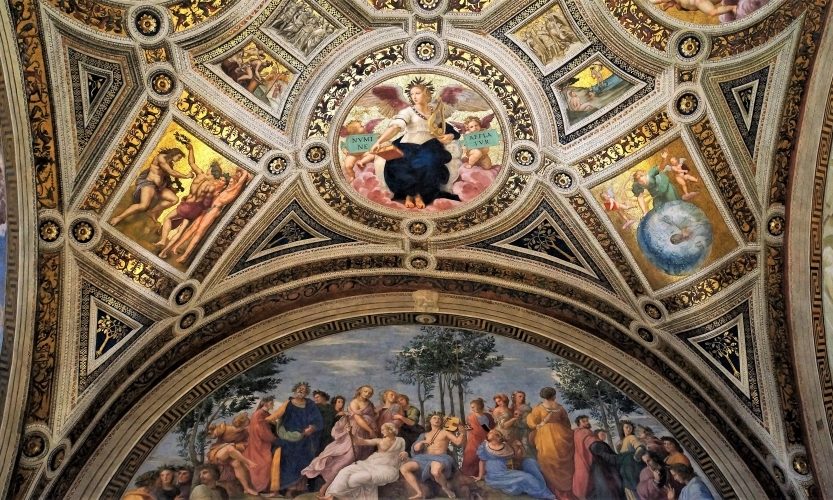


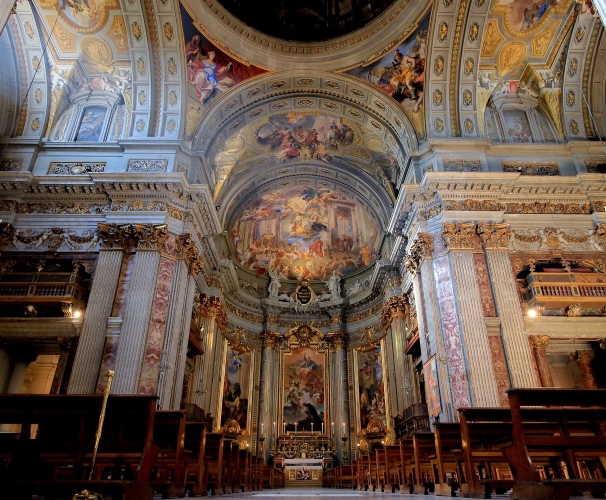
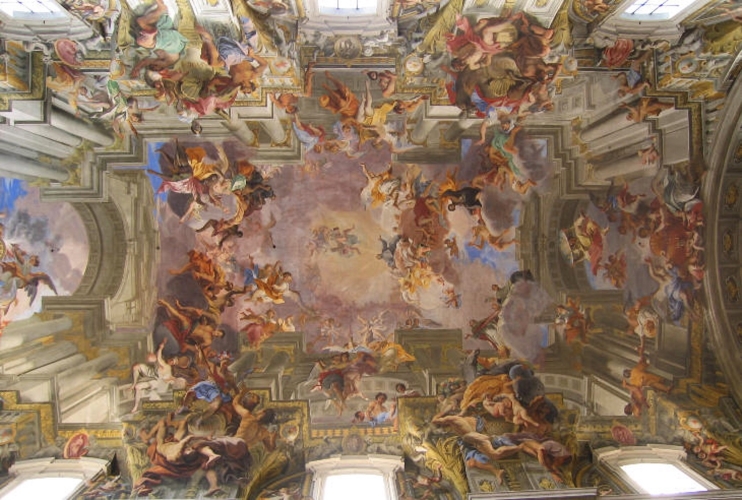
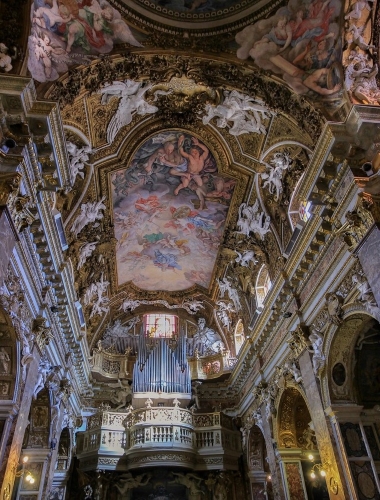
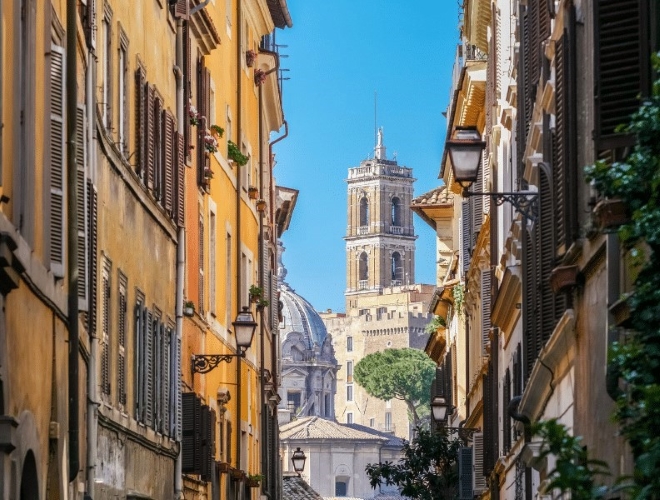
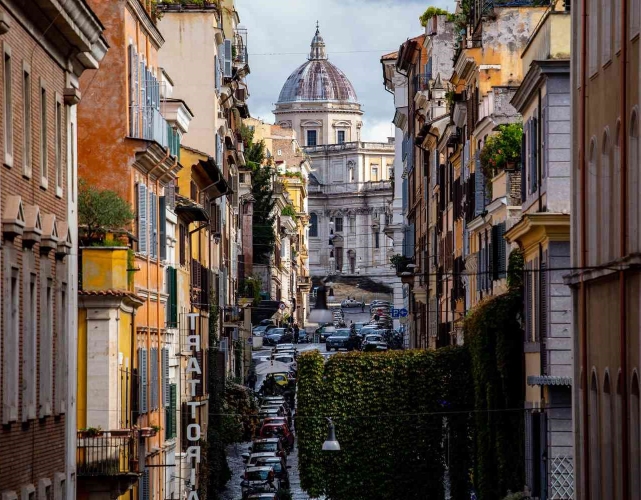
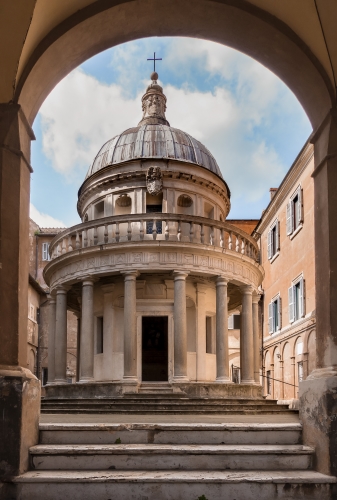
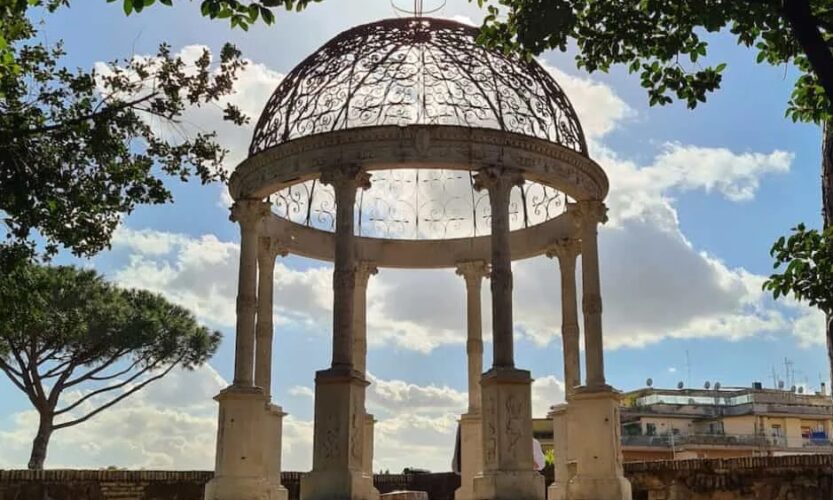
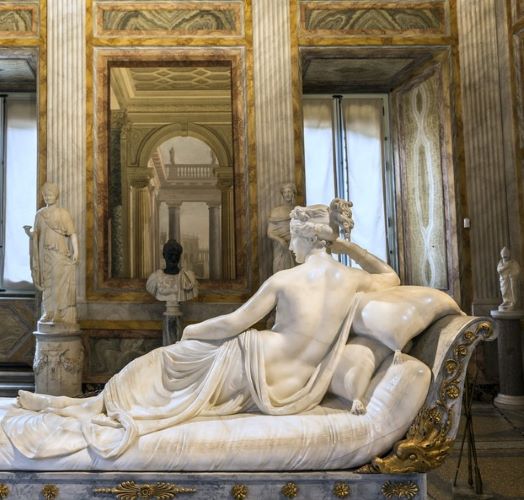
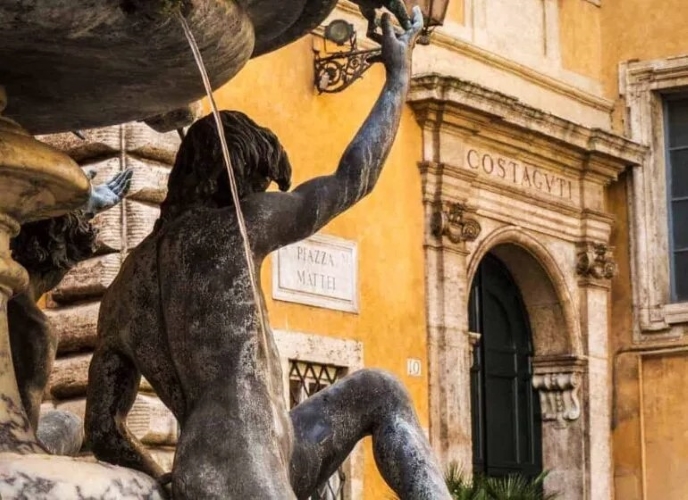
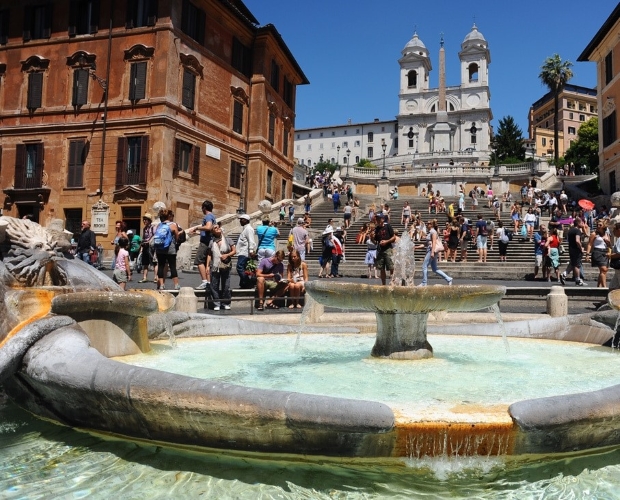
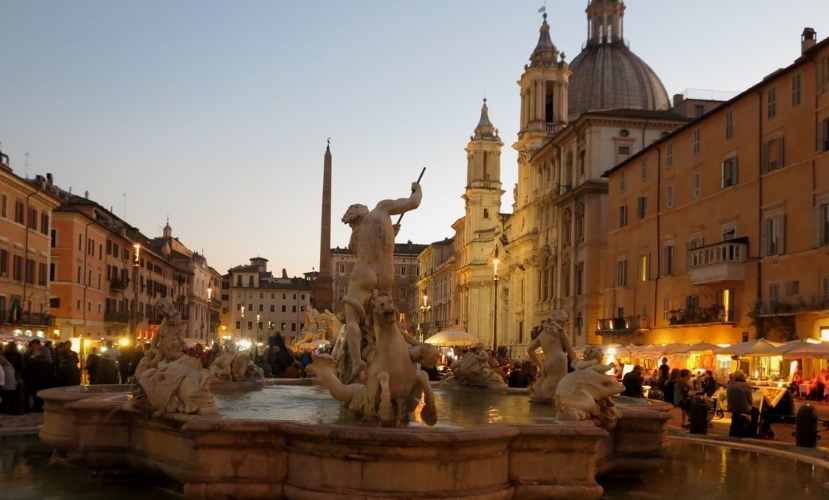
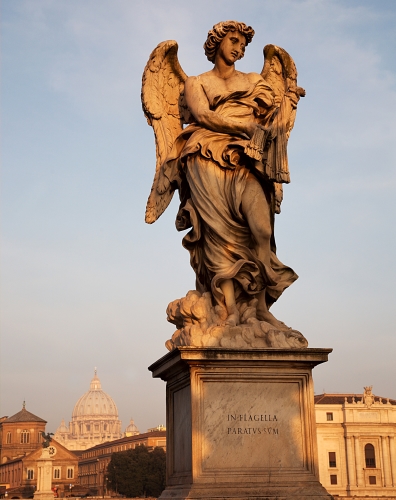
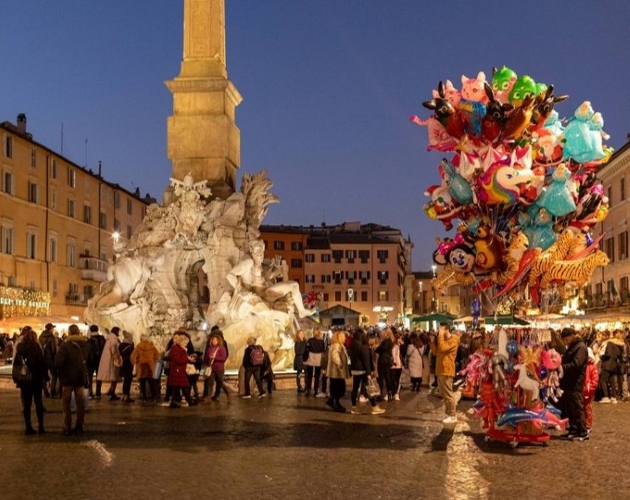
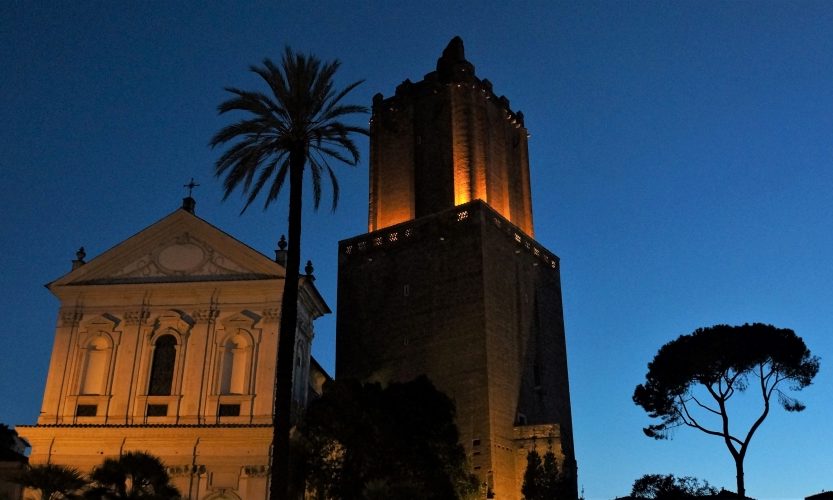
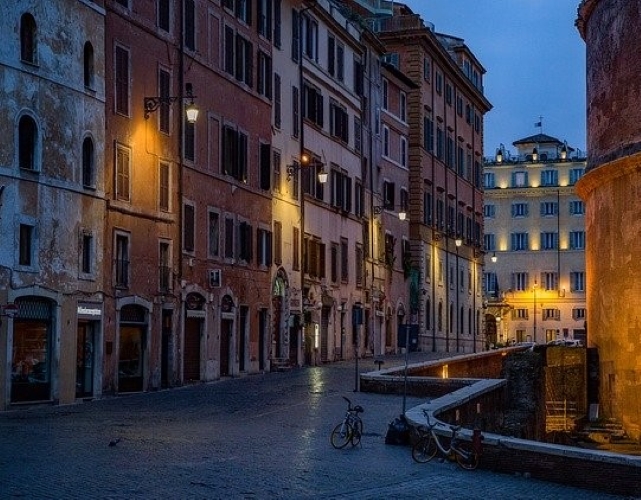
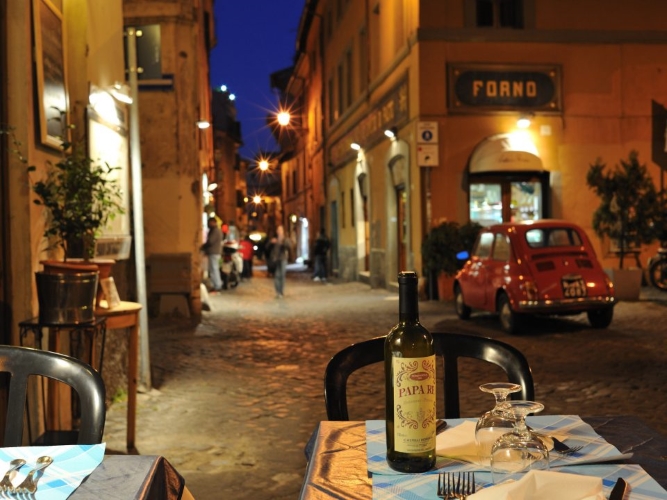
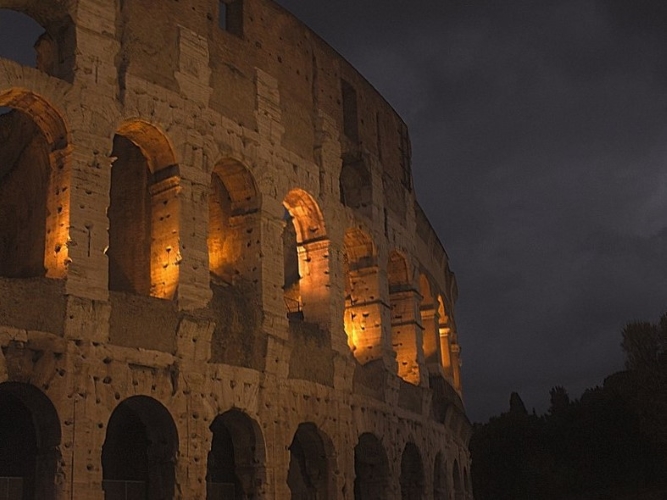
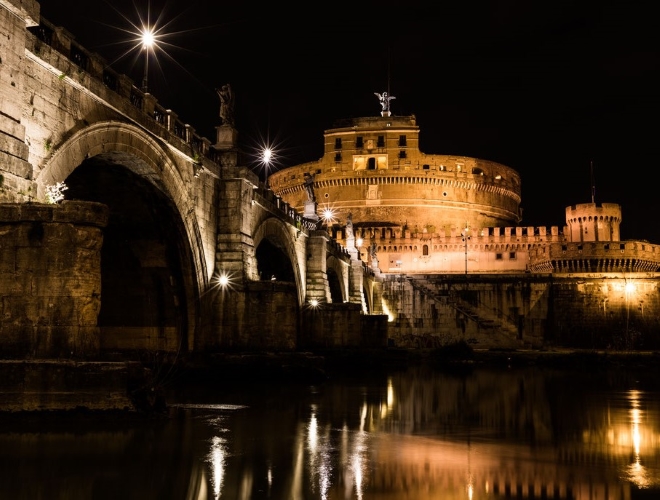
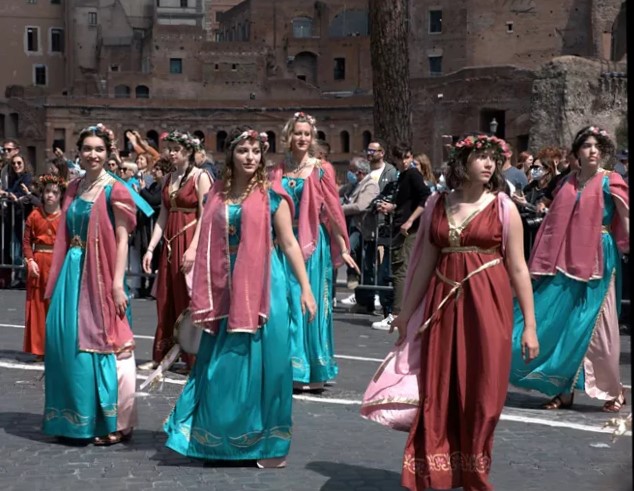
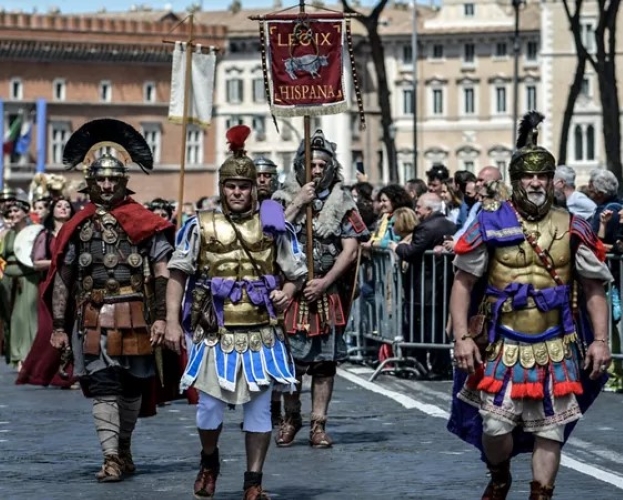
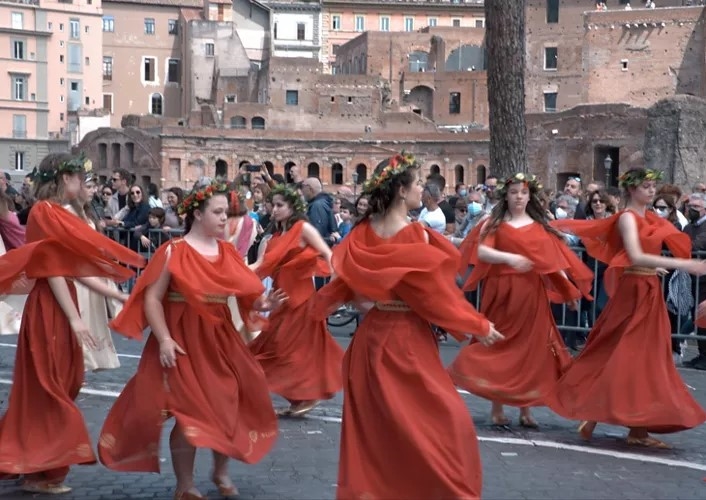
The Eternal City— timeless yet ever-vibrant—commemorates its mythical founding each April 21st marked by elaborate parades, theatrical performances and historical re-enactments showcasing the rituals of ancient Rome. Better known, when in Rome, as Natale di Roma, these special festivities (a 3-day affair) speak to the city’s multi-millennia legacy as a cradle of Western civilization.
Today’s “Postcards” serves as an homage to the singular city of seven hills once known as Caput Mundi—Latin for “head of the world.”
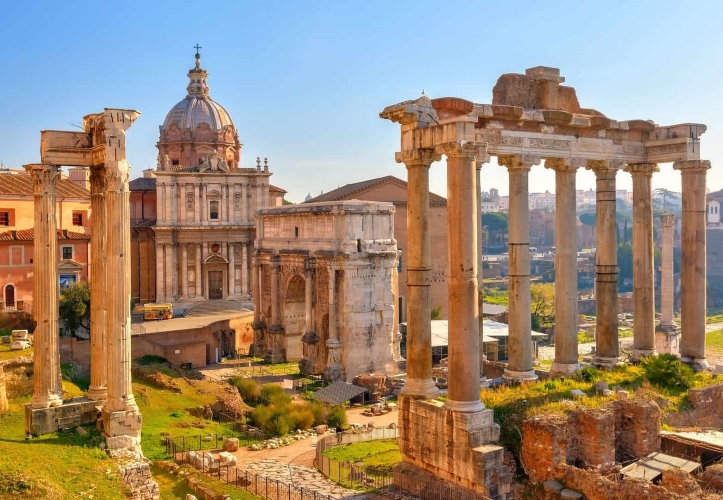
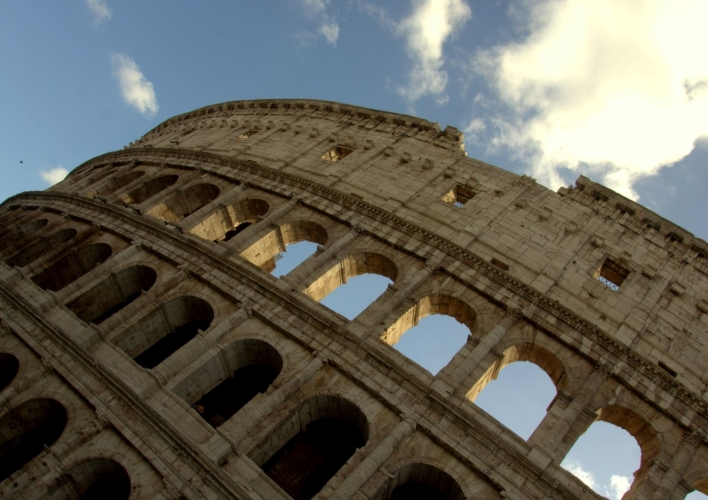
Few civilizations have left as indelible a mark as that of ancient Rome. The streets of the city are paved with history and myth that still invite to take a journey back in time to a civilization whose scale and ambition seem almost superhuman: the imposing grandeur of the Colosseum; aqueducts that snake like arteries; and roads that extend like a sophisticated nervous system, all emanating from Roma.
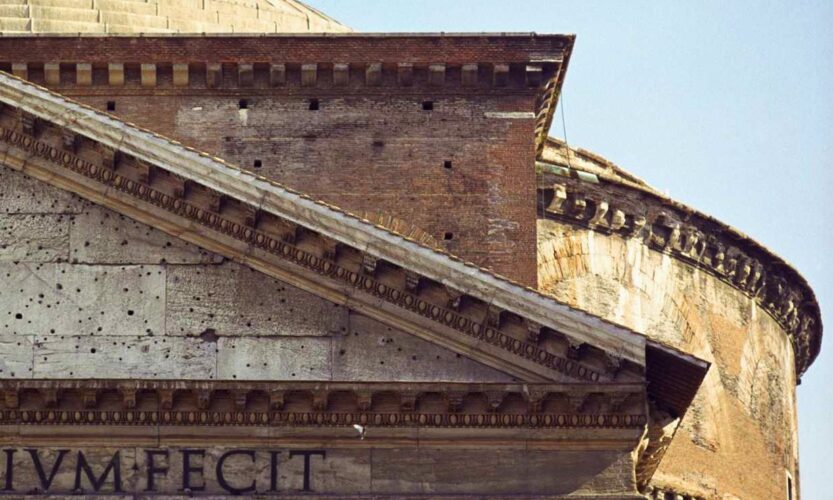
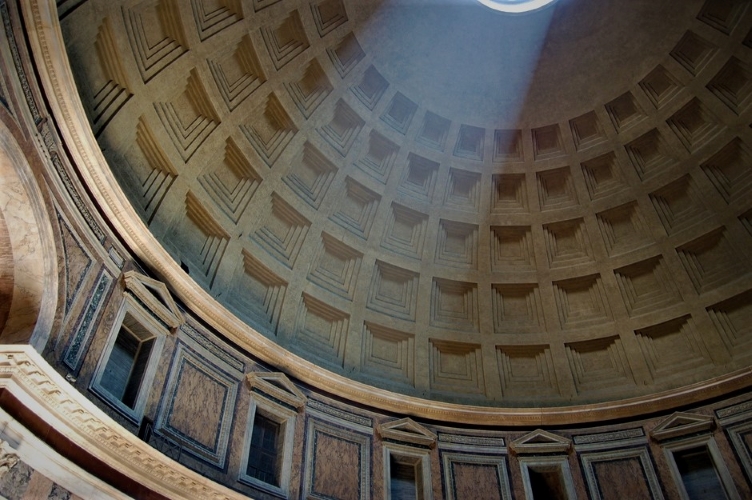
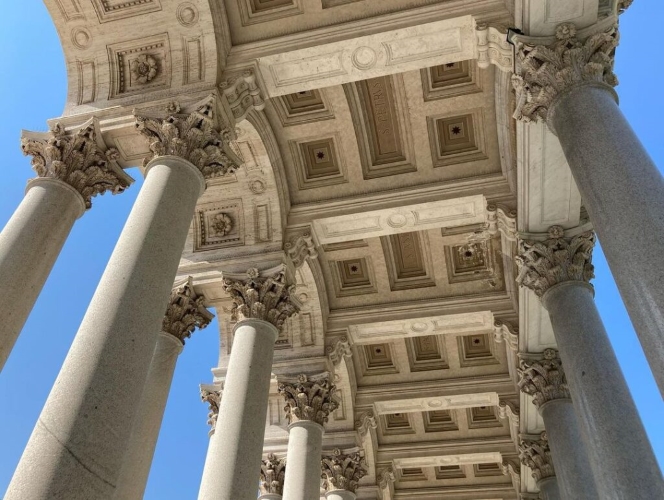
Roman architecture is an eternal wonder. The Pantheon, more than any other structure, transcends its materials to make a statement both of grandeur and grace. It speaks to a civilization whose combined practicality and design genius redefined space and defied time.
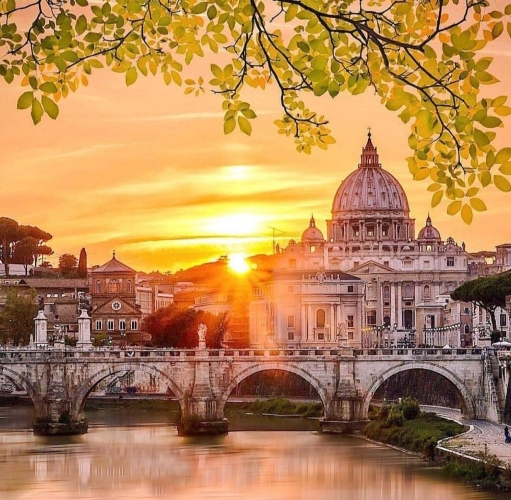
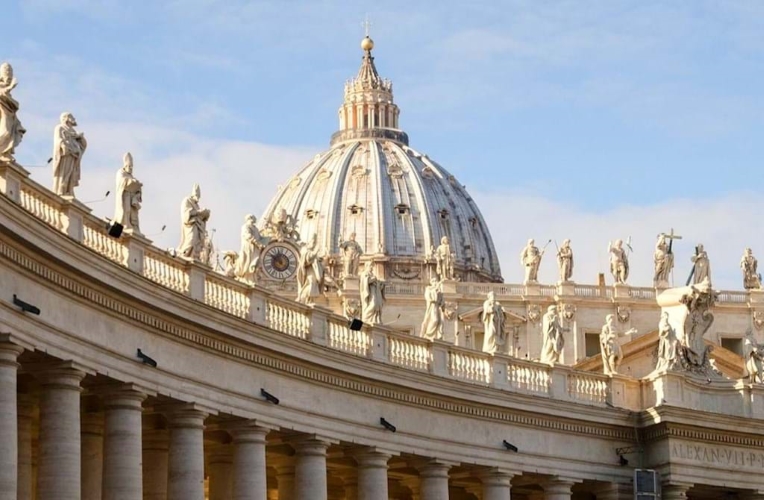
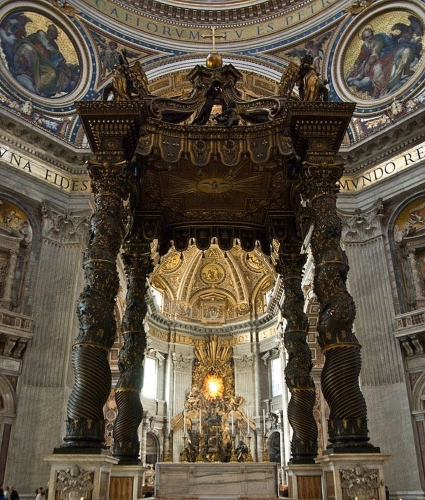
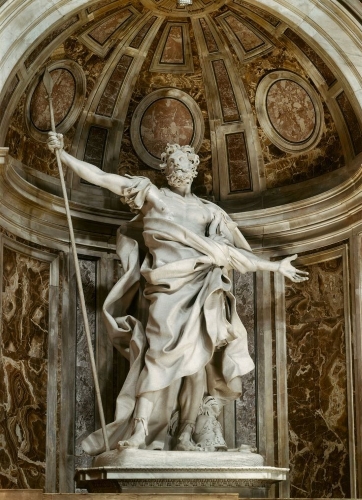
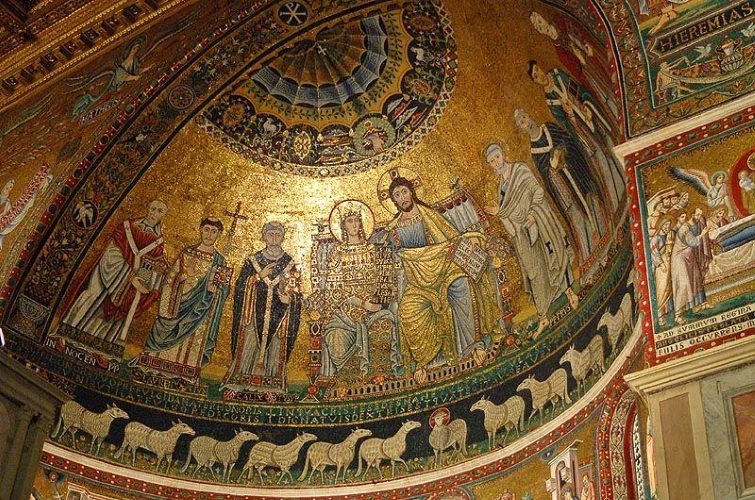
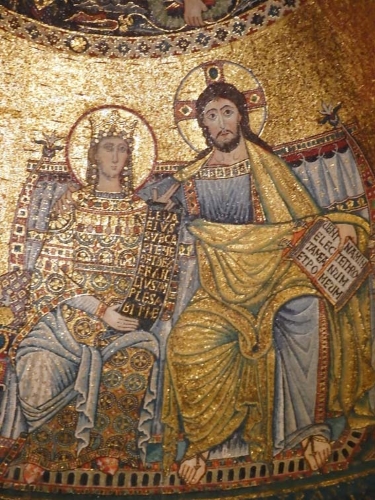
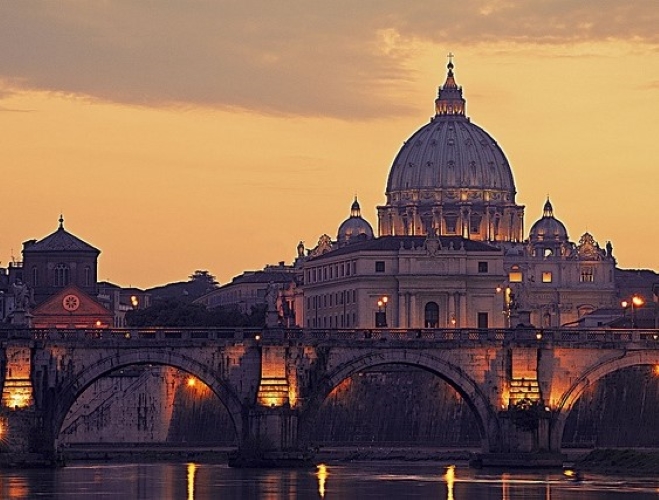
The Rome of Christendom attests to another great history and awe-inspiring spiritual venture. At its center is St Peter’s Basilica, with its double colonnade and an elliptical piazza in front and bordered by palaces and gardens. It is the largest ecclesiastical structure in the world, the fruit of the combined genius of Bramante, Raphael, Michelangelo and Bernini
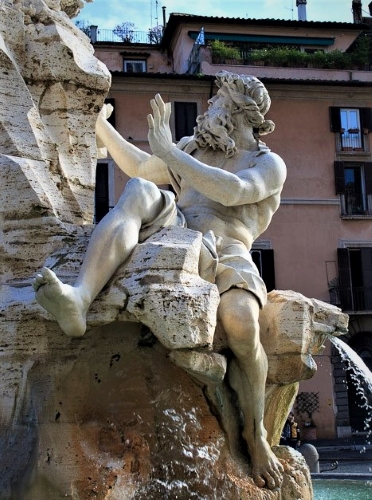
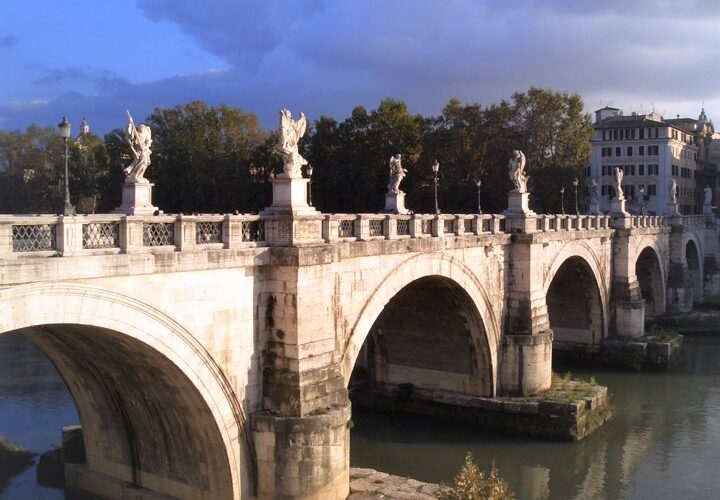
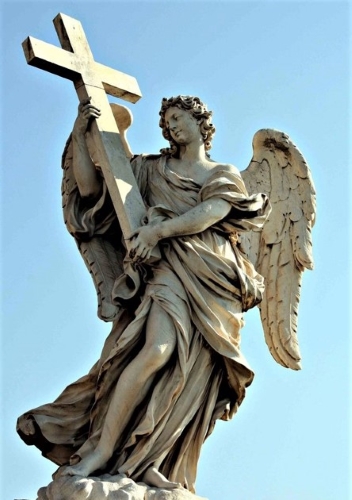
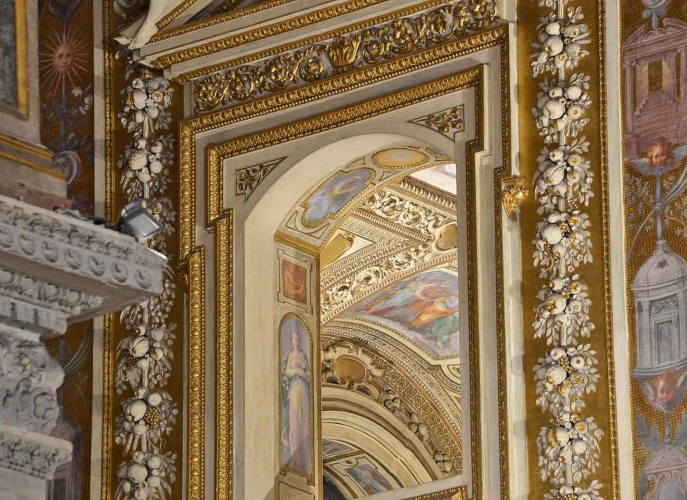
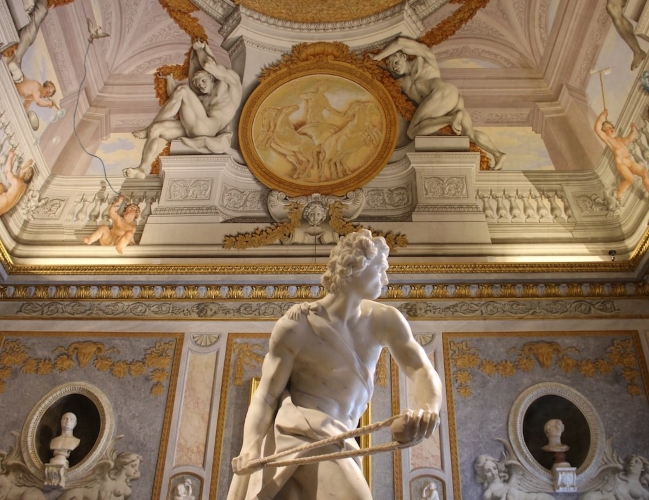
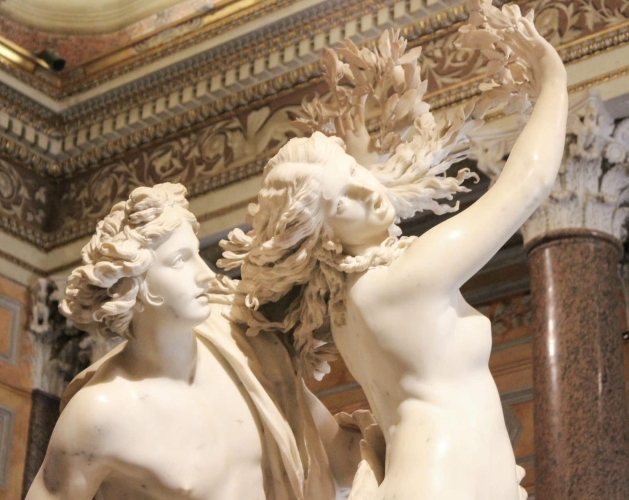
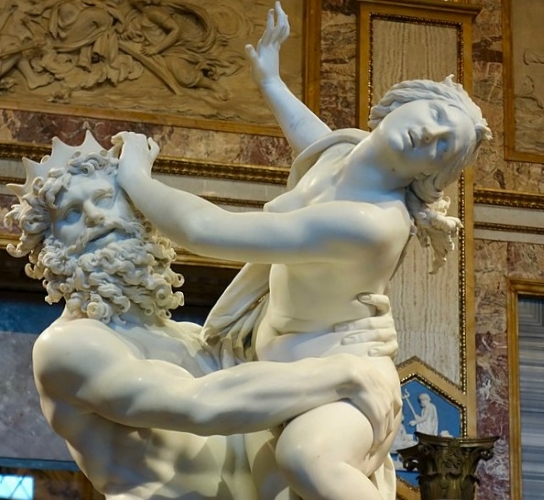
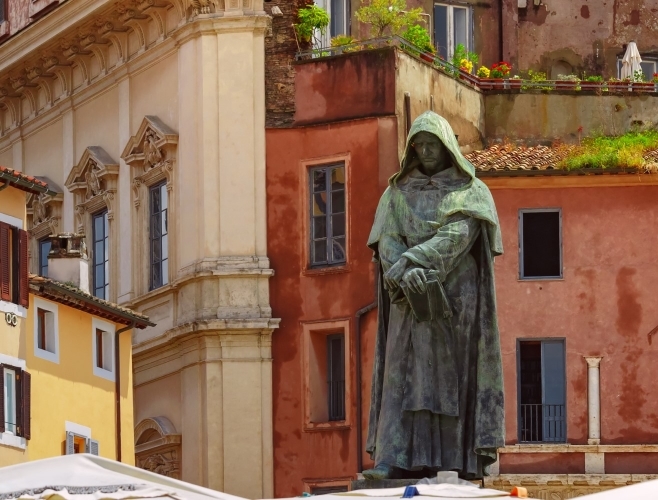
In the seventeenth century, Rome became the ultimate testament to Catholic majesty and triumph as expressed in all the arts. Baroque architects, artists, and urban planners so magnified and invigorated the classical and ecclesiastical traditions of the city that it became for centuries afterward the acknowledged capital of the European art world—not only a magnet for tourists and artists but also a font of inspiration throughout the Western world.
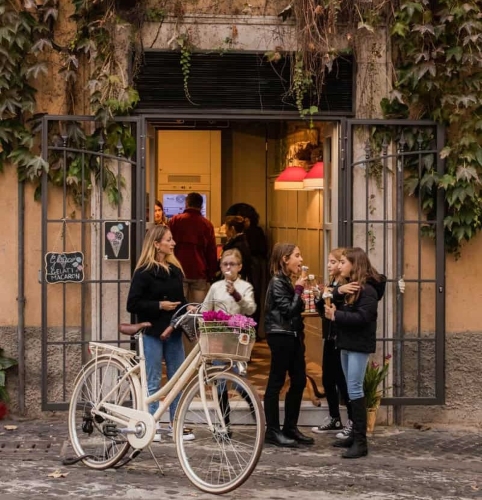
Today Rome’s particular vibrance derives from how the city’s multi-layered illustrious past and fashionable present so harmoniously coexist in its fascinating and varied neighborhoods that attract young and old the world over.
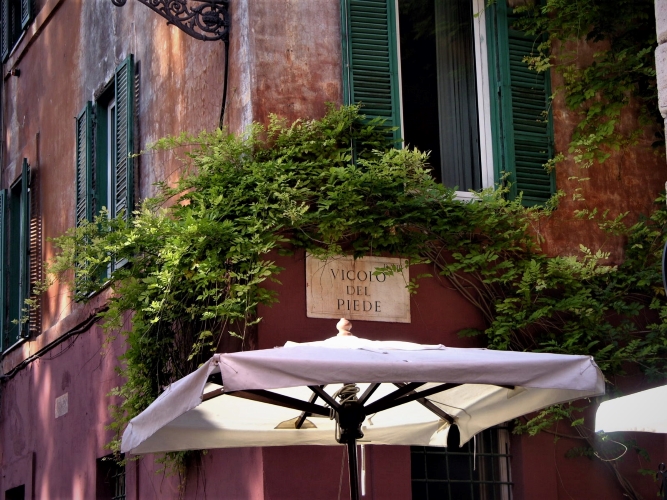
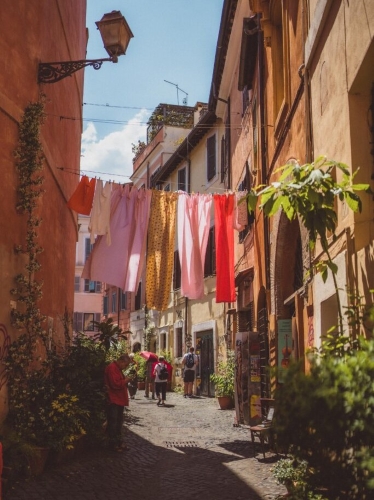
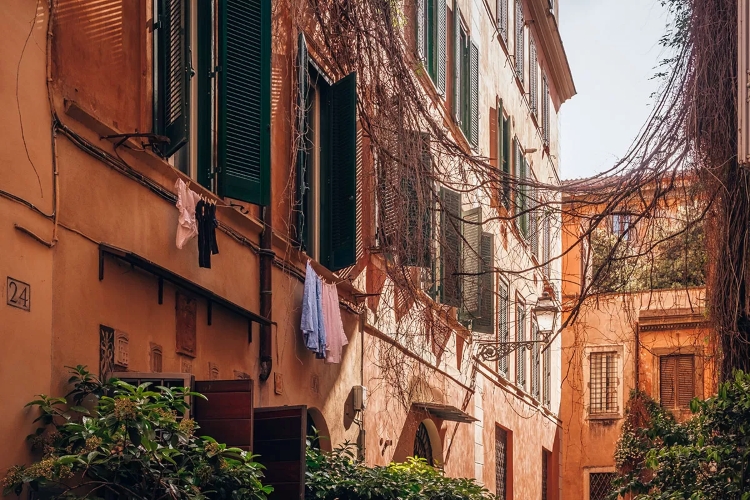
From the Centro Storico areas such as Campo Marzio to Prati and Monti, and from the Trastevere, now one of Rome’s most beautiful and beloved neighborhoods, to the Testaccio, for diehard foodies, Rome hums with a unique vivacity.
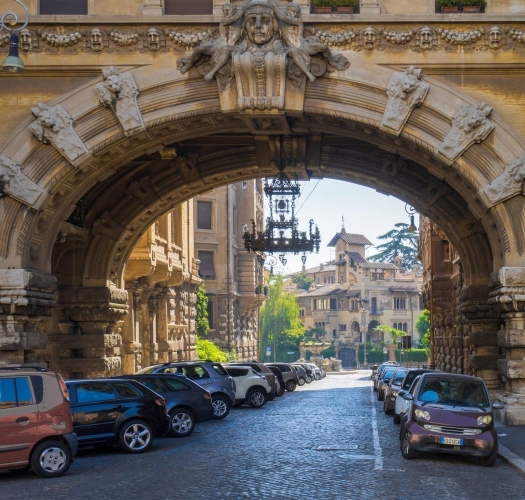
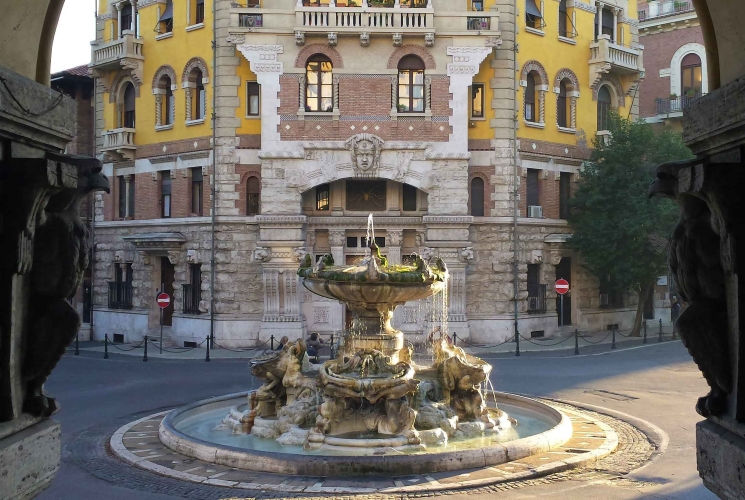
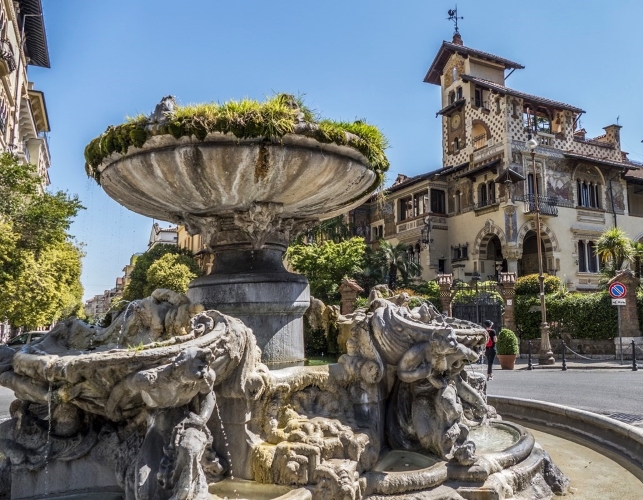
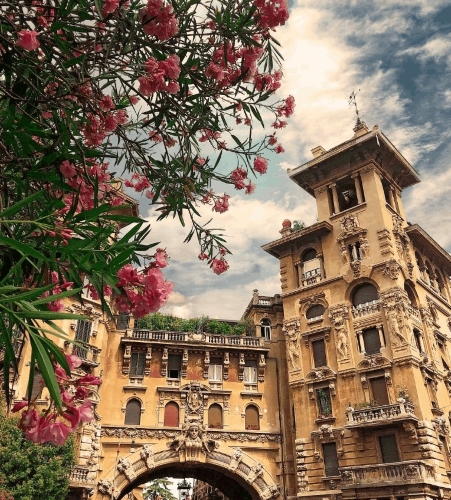
Off the tourist radar is the fantastical Art Nouveau Coppedè District located just north of the city center. Its fountains and villas were designed solely by Gino Coppedè who drew inspiration from ancient Greek, Baroque, Medieval, neoclassical, and Gothic styles—a milestone of eclecticism—well worth an afternoon of exploration.
For the past three decades Natale di Roma has been celebrated by the Gruppo Storico Romano, a historical dramatic society that re-enacts battles, gladiator fights, costumed processions, Roman rituals and displays of ancient theater and dance. The theme of this year’s Natale di Roma festival is Regina Viarum, a reference to the Appian Way—the “queen of roads”— for which Italy is currently seeking UNESCO World Heritage status.

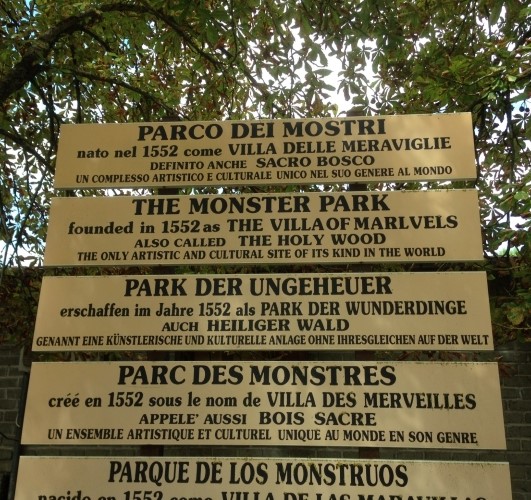
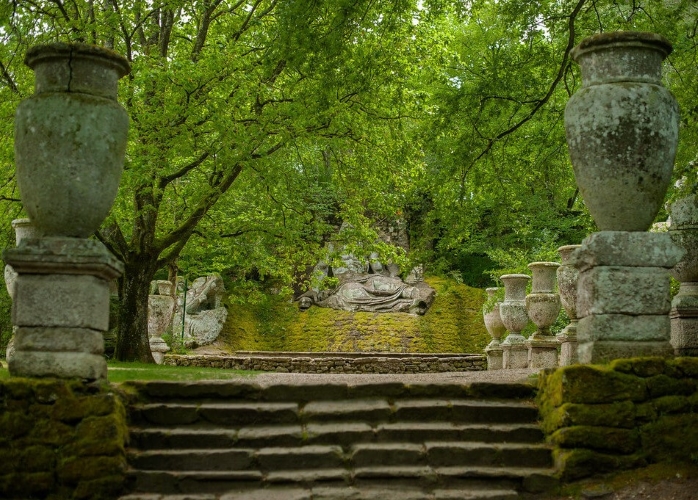
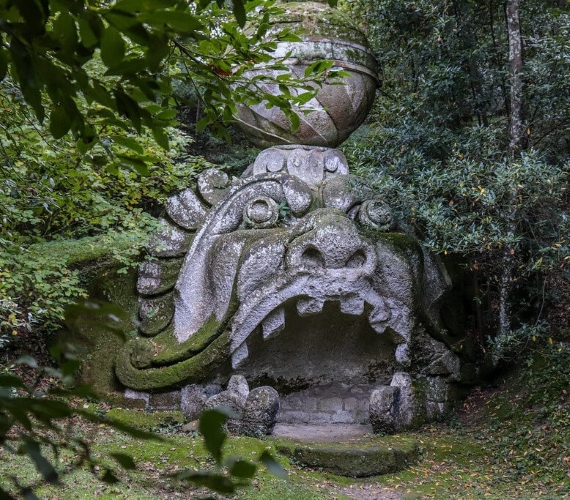
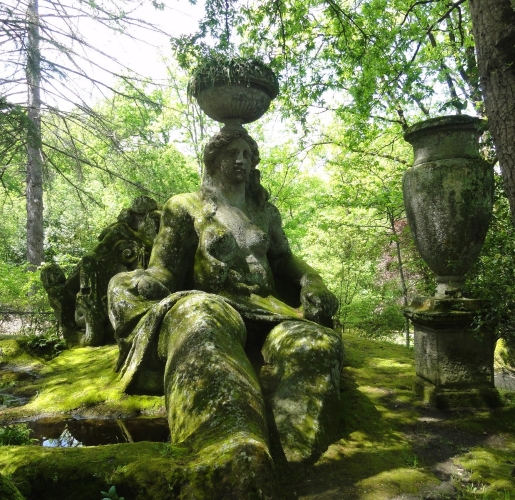
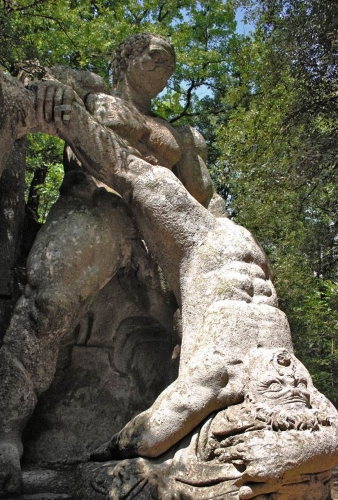
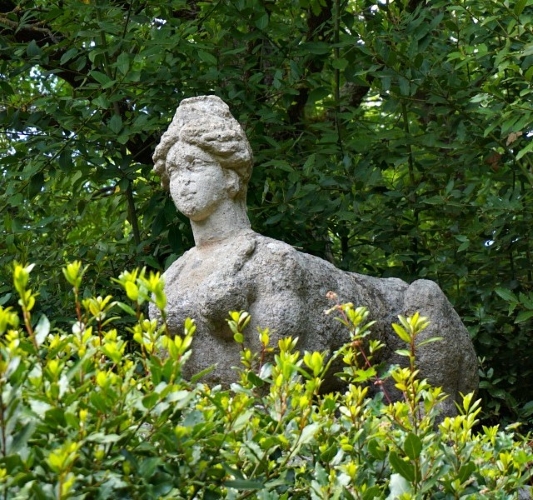
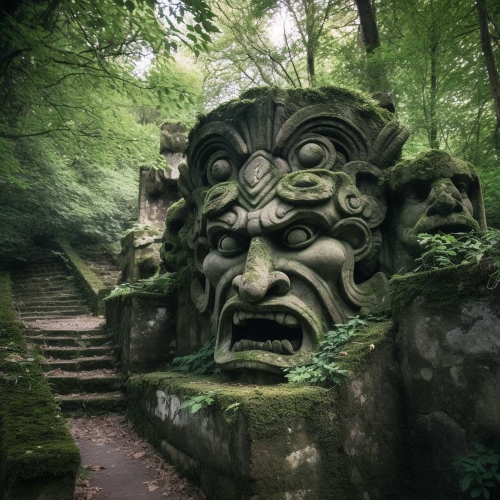
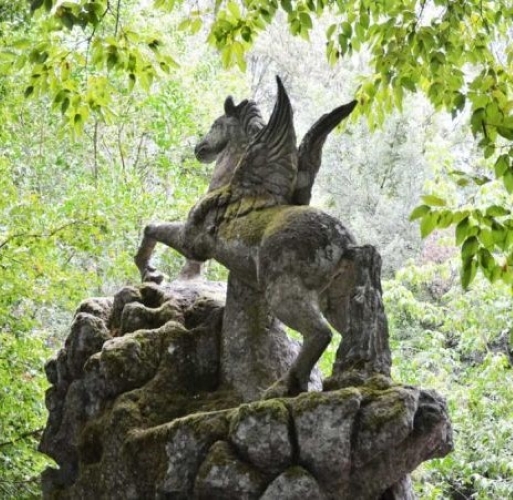
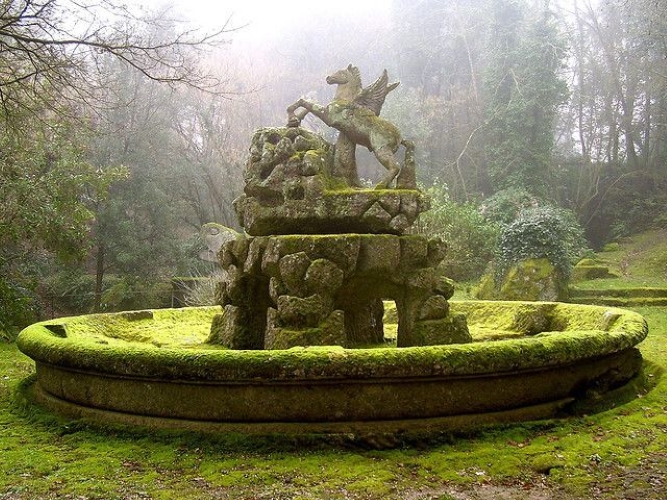
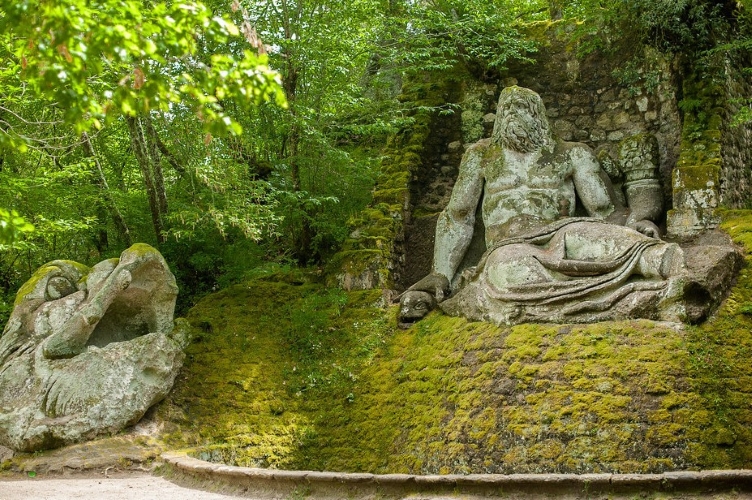
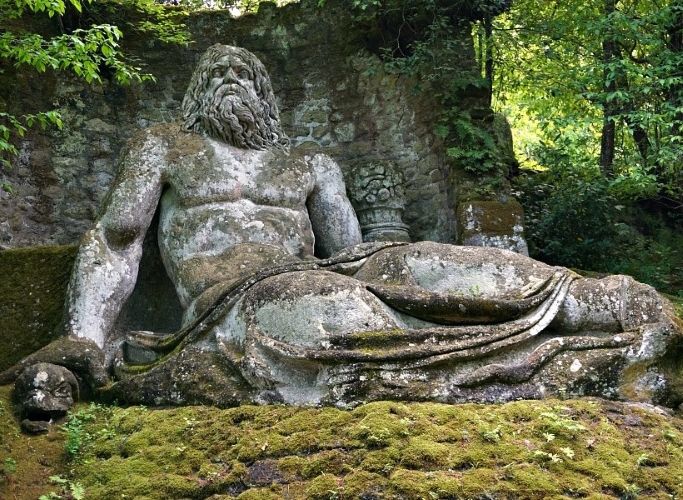
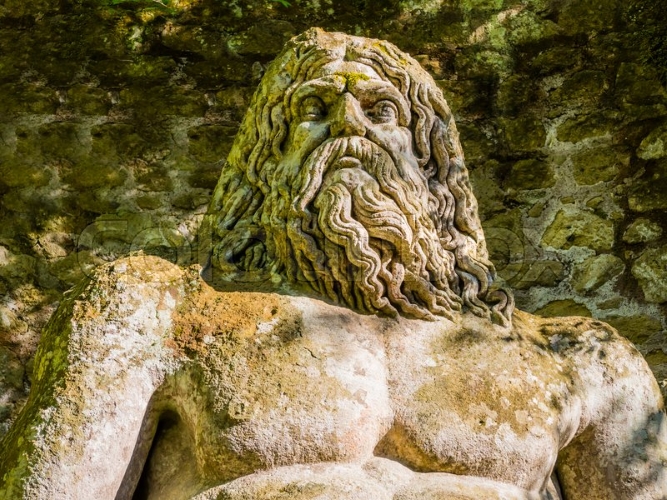
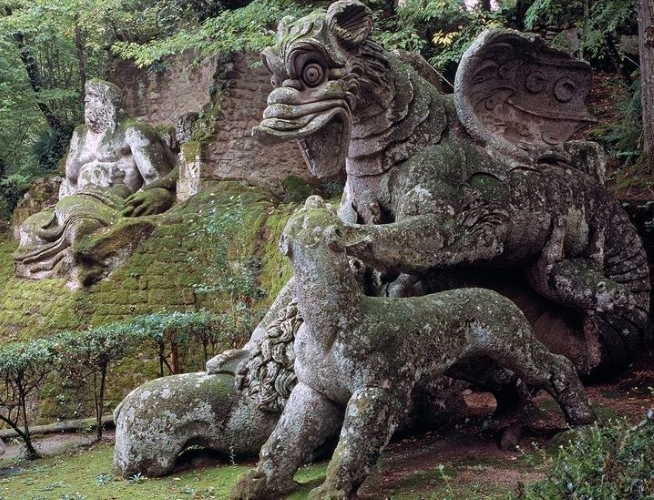
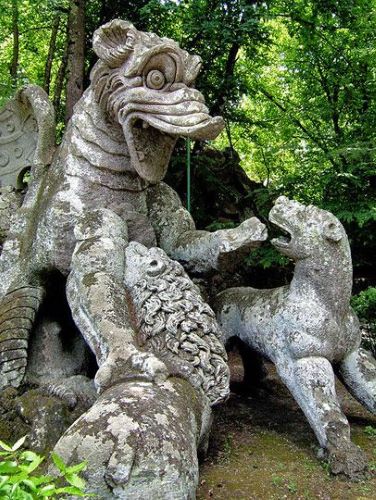
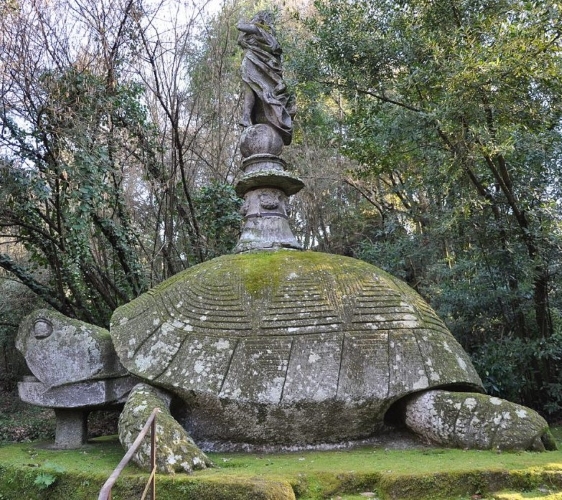
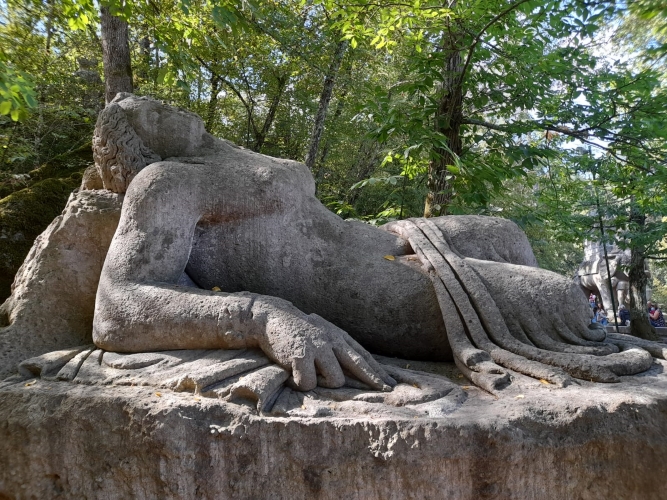
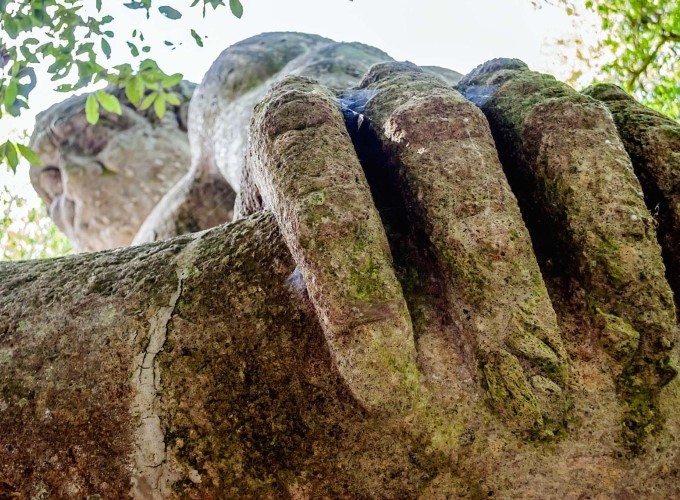
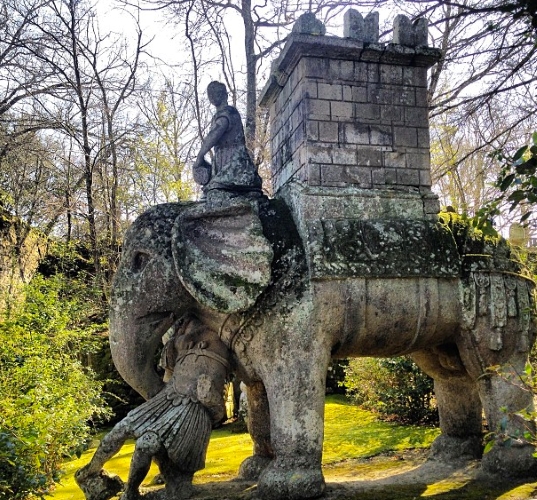
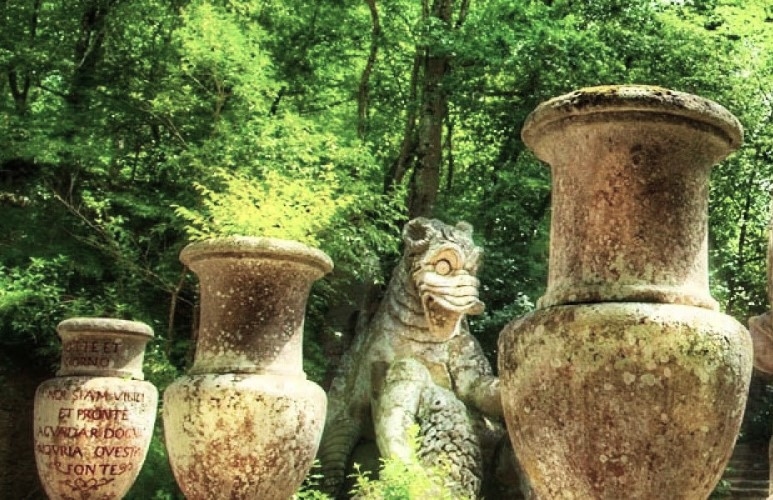
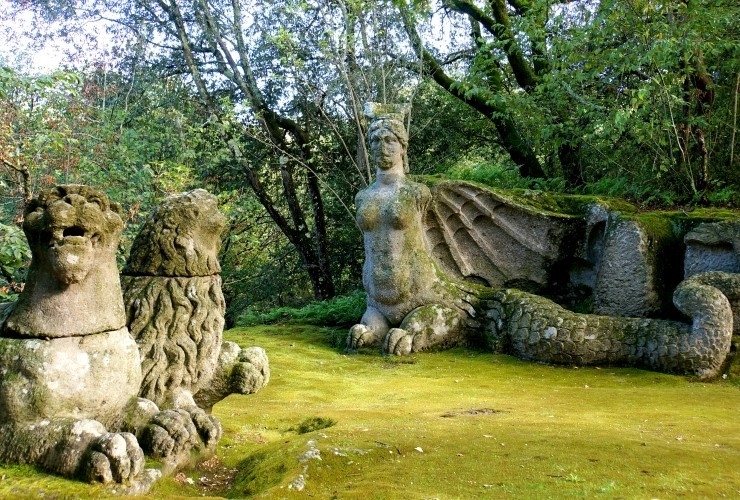
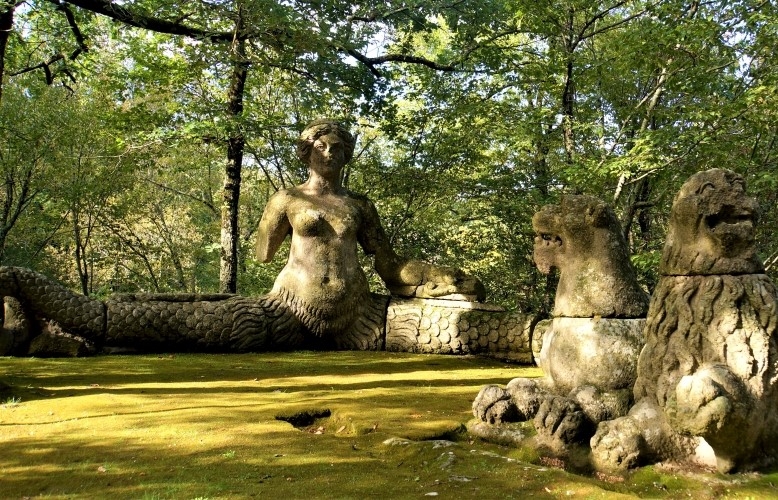
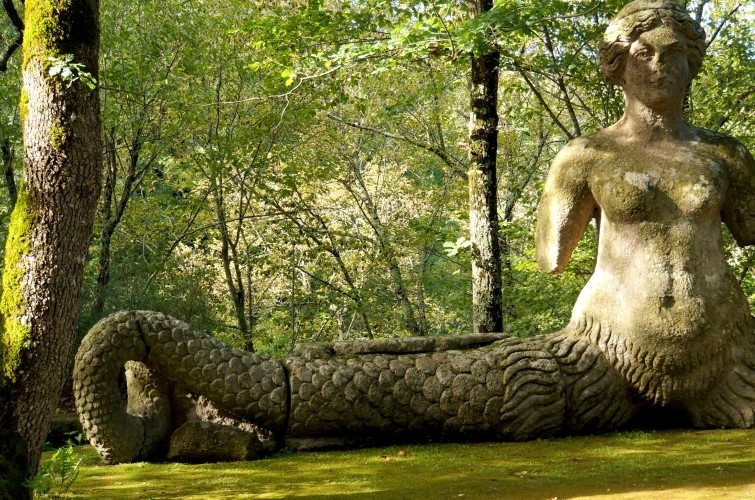
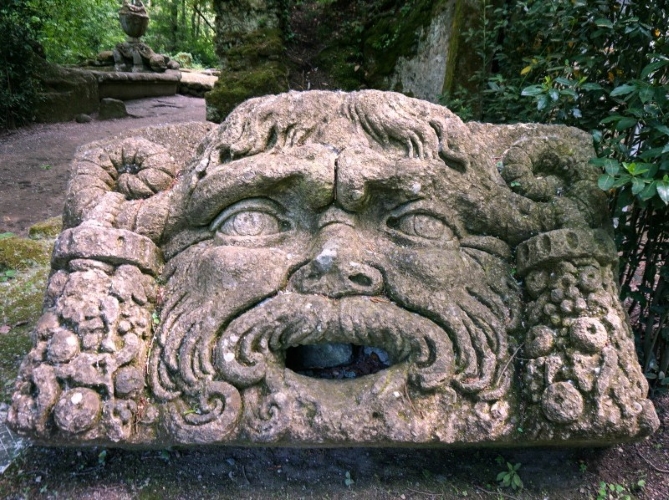
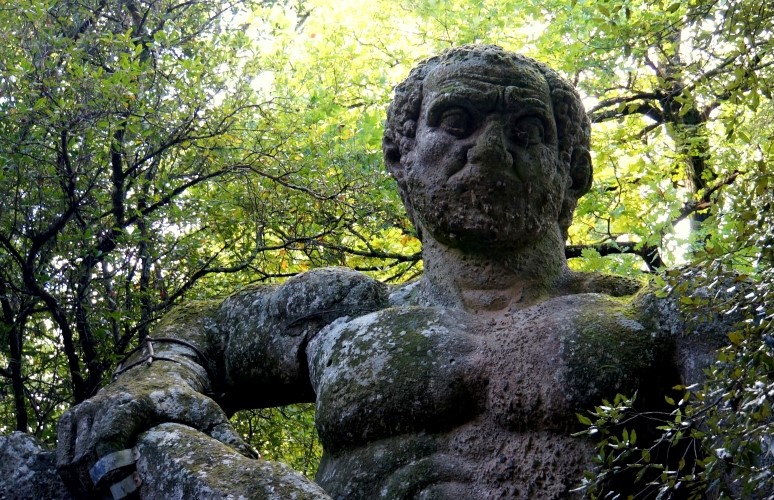
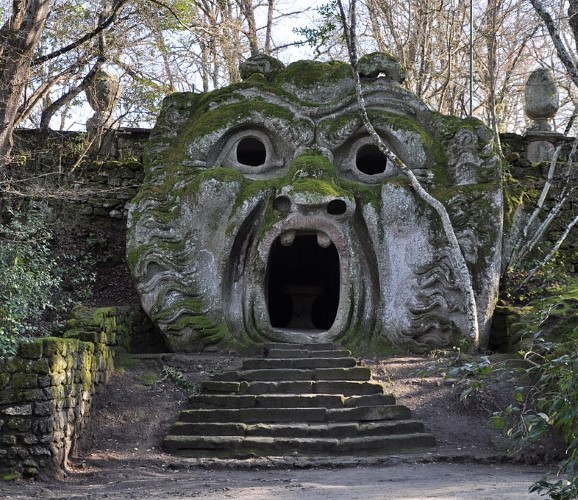
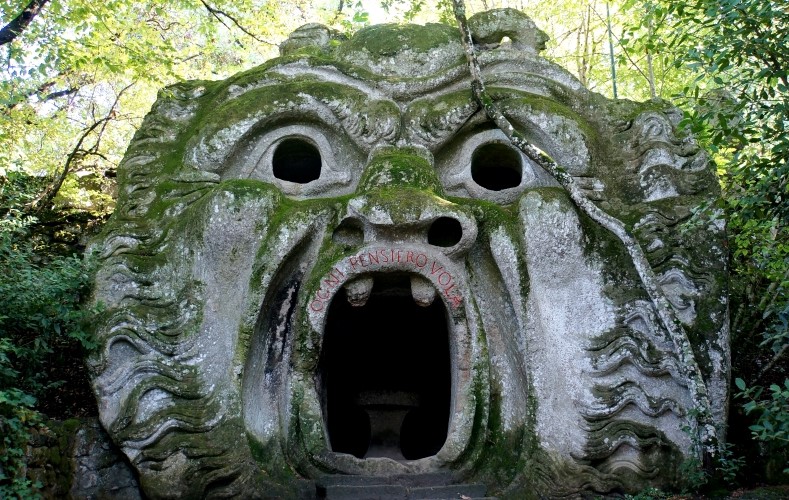
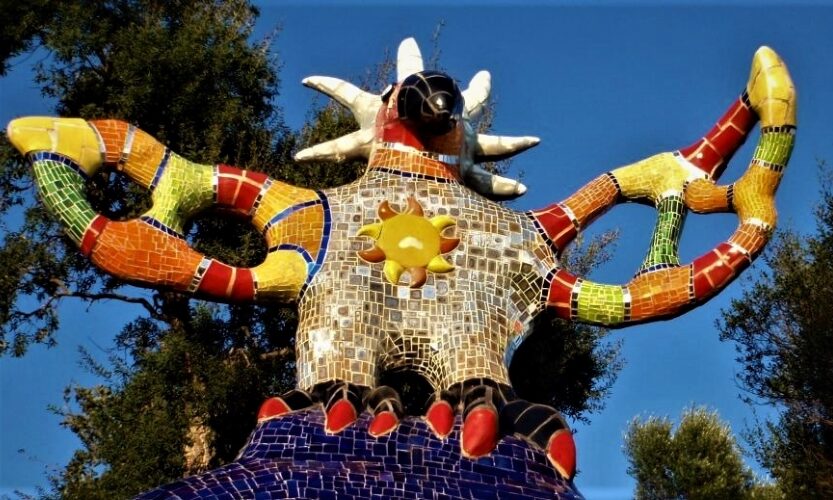
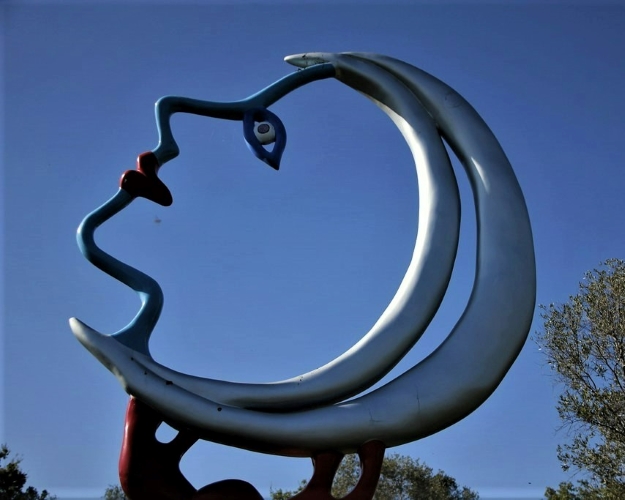
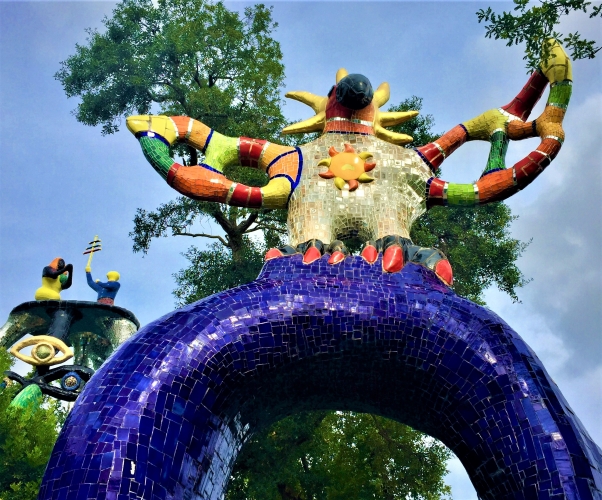
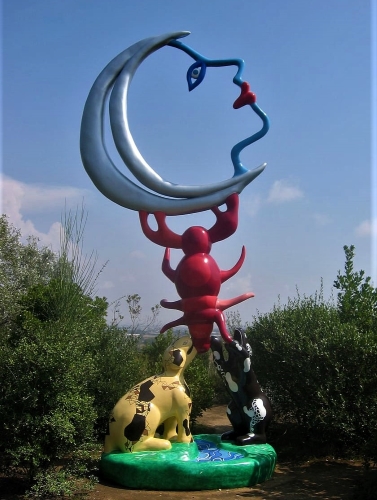
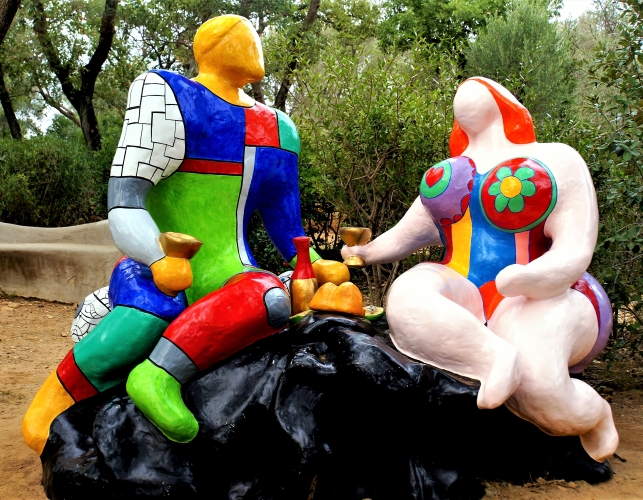
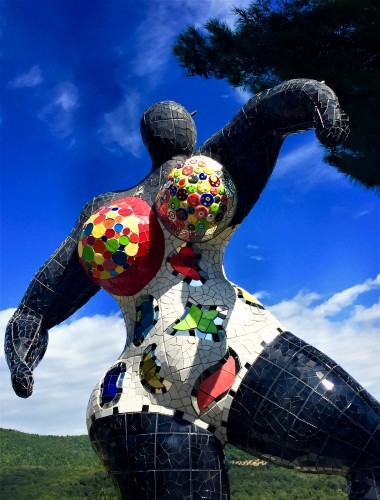
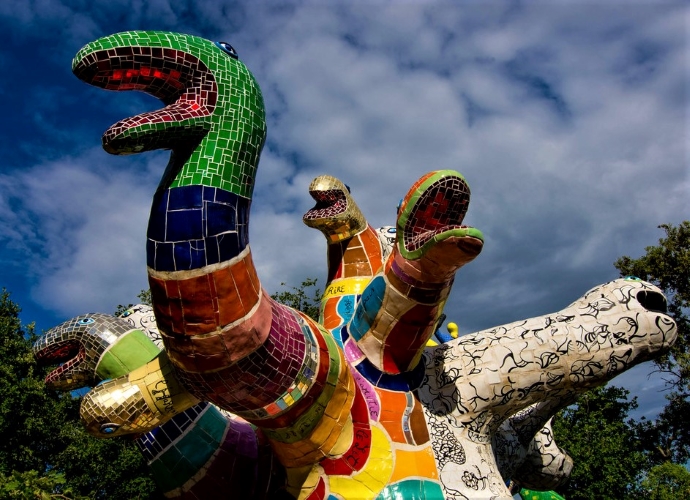
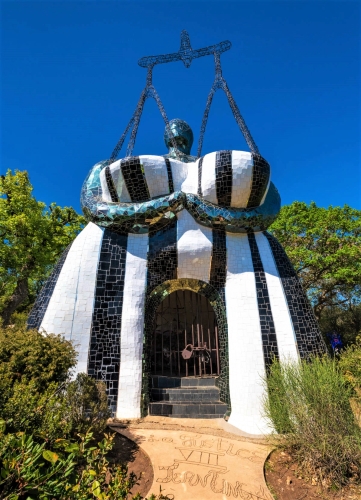
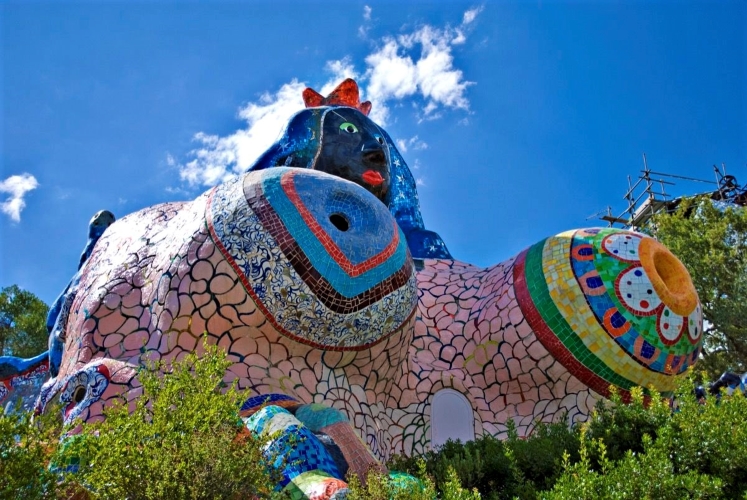
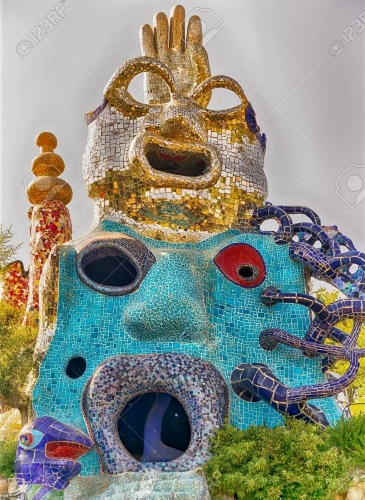
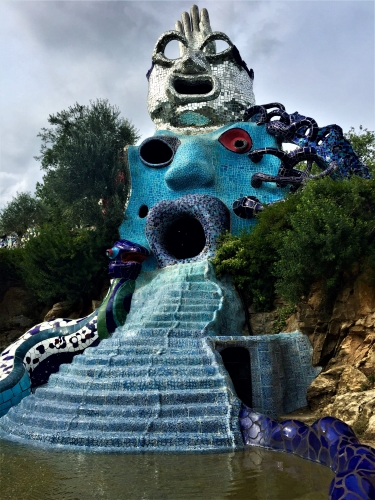
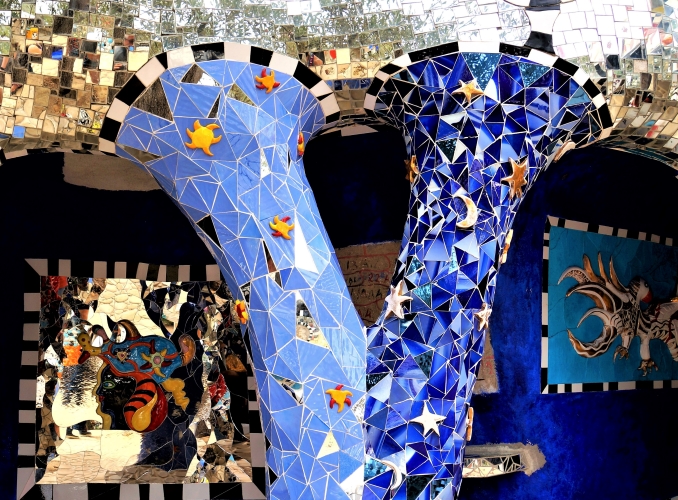
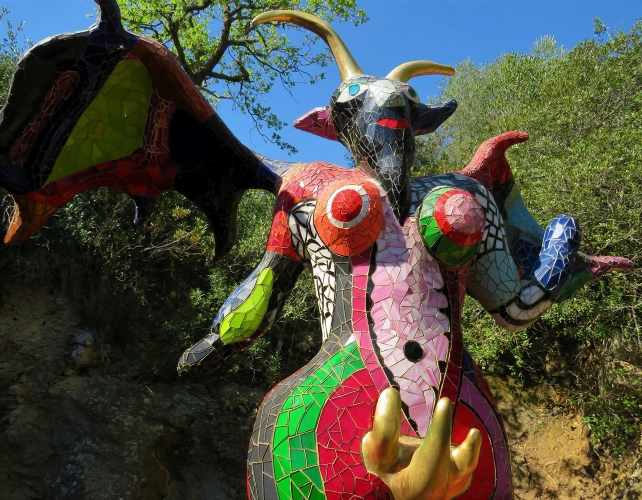
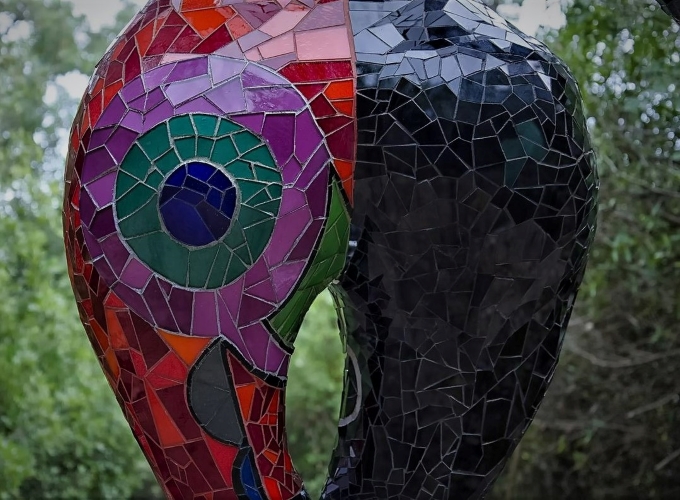
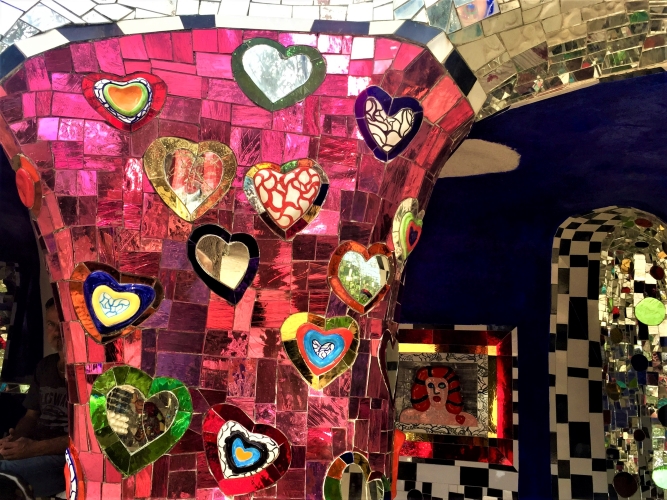
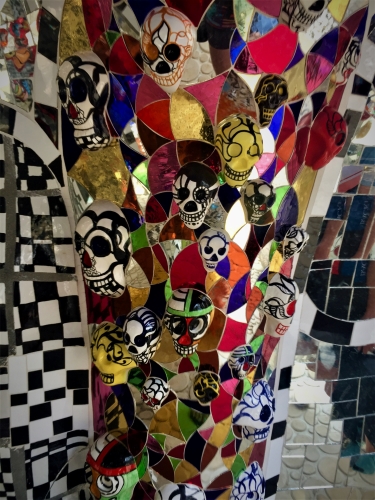
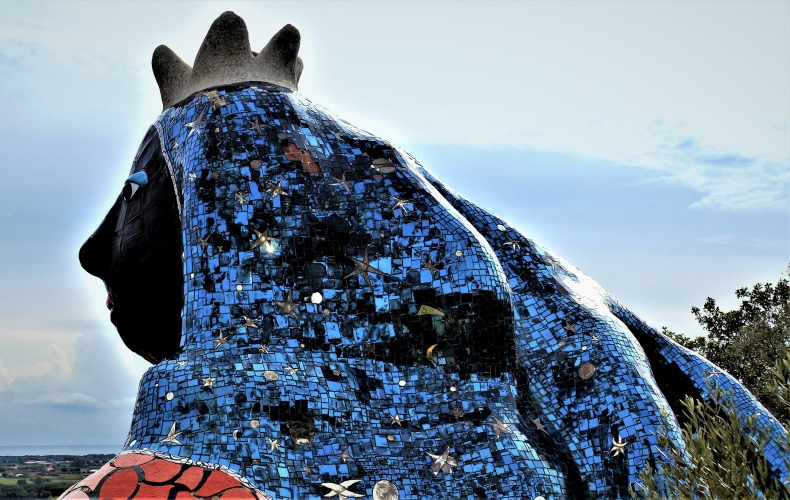
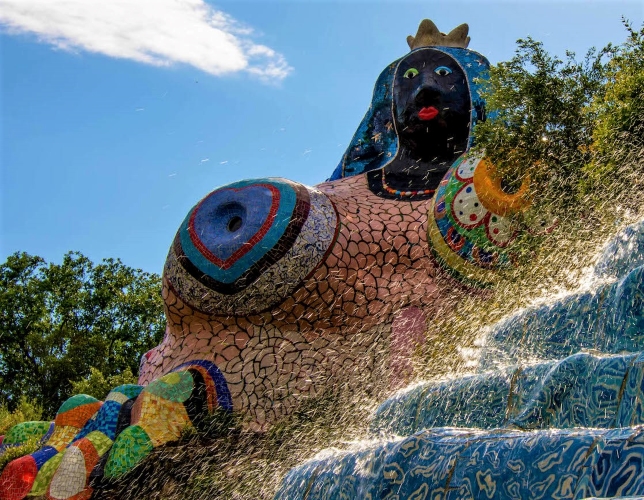
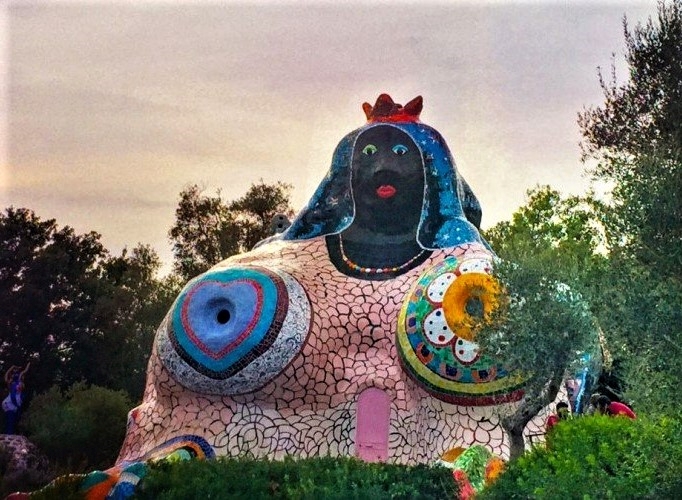
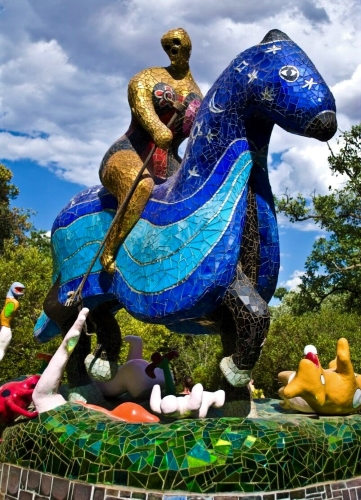
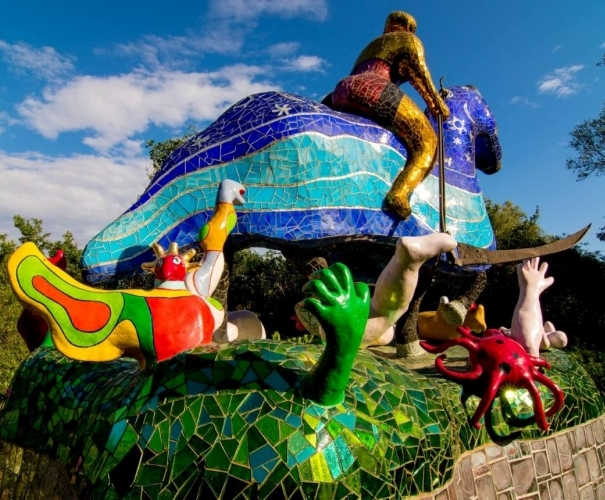
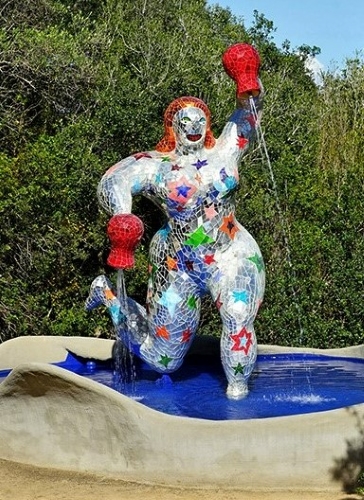
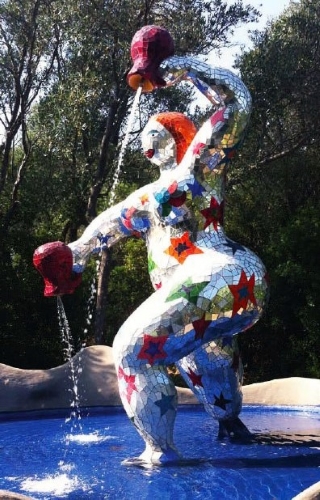
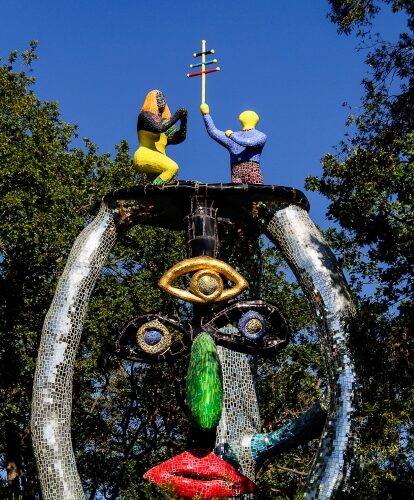
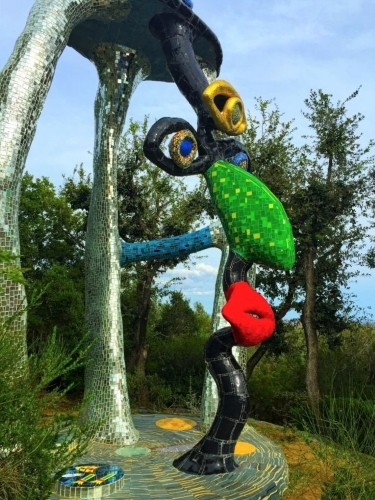
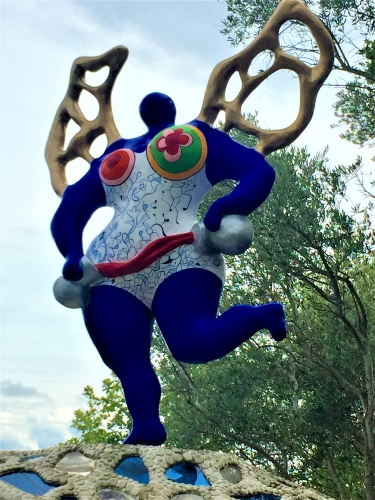
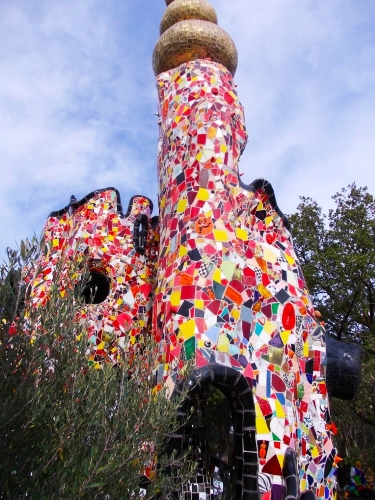
A mysterious fantasy world awaits in the Sacro Bosco di Bomarzo, colloquially known as the Park of the Monsters—a unique garden with dozens of sculptures of otherworldly creatures based upon classical mythology, all immersed in the natural vegetation.
The park was conceived by the eccentric Renaissance prince Pier Francesco Orsini (1523-1585), the lord of Bomarzo, following the premature death of his beloved wife Giulia Farnese as a way to cope with his grief. He was assisted by one of the most famous architects of the period, also one of the designers of the Tivoli Gardens, Pirro Ligorio. The Orsini family symbol was the bear (orso in Italian).
This ”sacred grove” is considered to be the oldest sculpture park in the modern world, with most of the sculptures carved out of the bedrock on site and blocks of local volcanic peperino stone, typical of the region.
In the last century, surrealist Salvadore Dali would be deeply influenced by the gardens. He made short film there, and the park inspired one of his paintings, The Temptation of Saint Anthony.
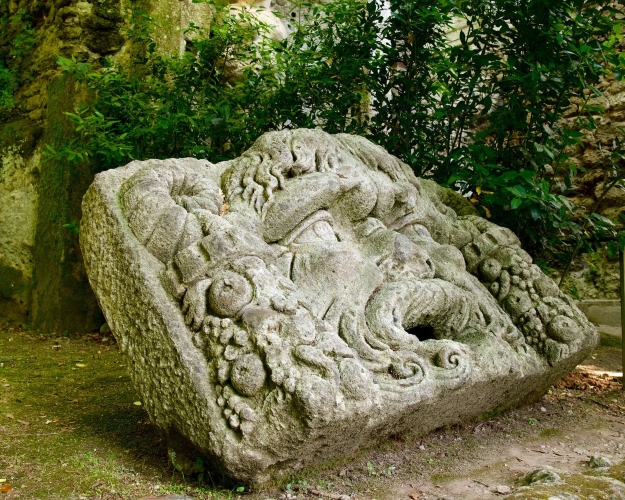
Many have attempted to interpret the garden’s meaning, but to little avail. The mascherone (large mask) rock face, which has become the iconic symbol of the park, bears the inscription Ogni pensiero vola, which means “every thought flies,” so perhaps the intention is for our imaginations to take wing.
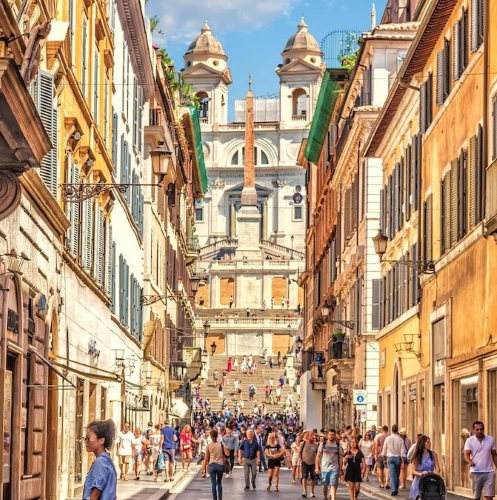
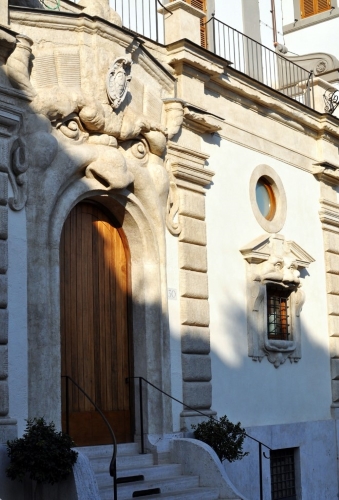
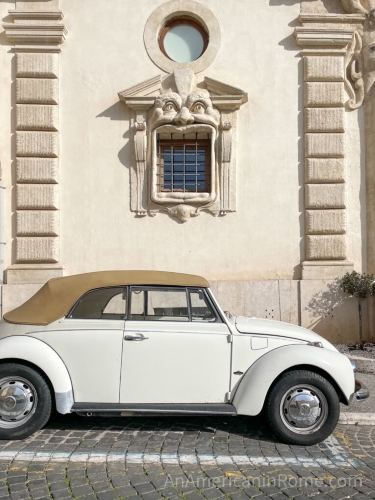
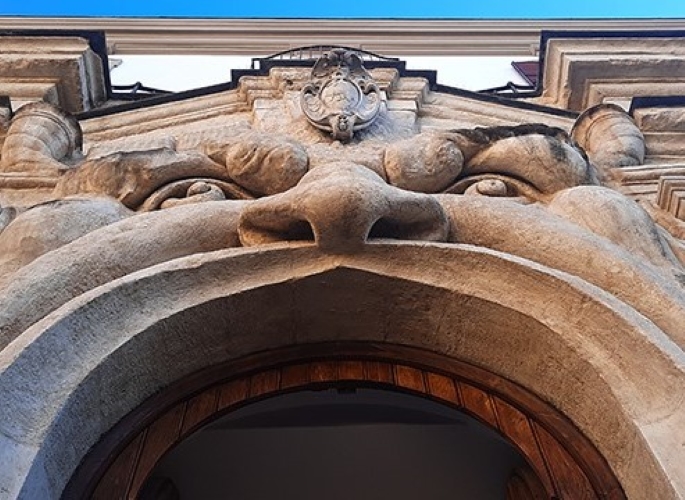
Bomarzo makes for a great day trip by car from Rome. When in Rome you can also check out Palazzo Zuccari, a 16th-century residence located on the Via Gregoriana just off the Spanish Steps. It is known as the “House of Monsters” for the decorations on its doors and windows, inspired by—surprise!—the Gardens of Bomarzo.
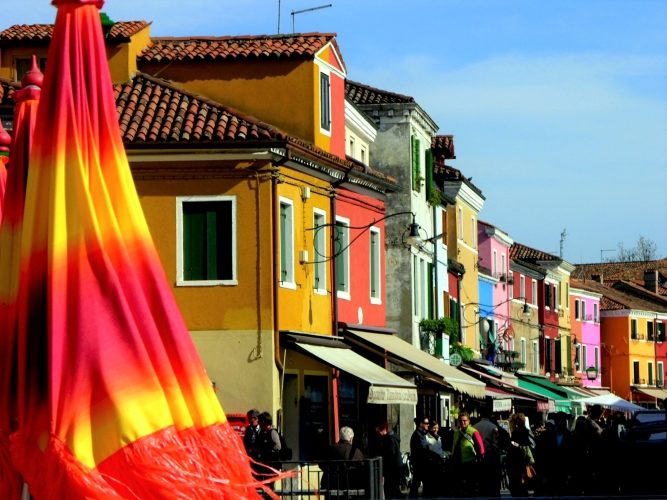
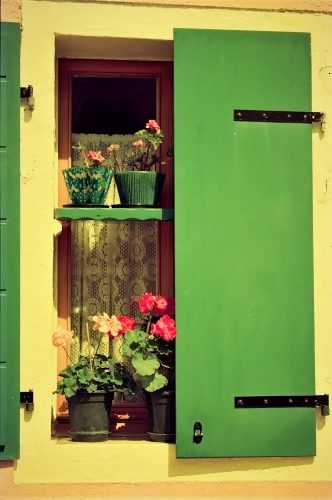
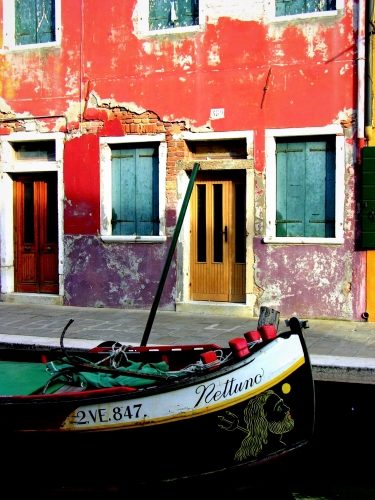
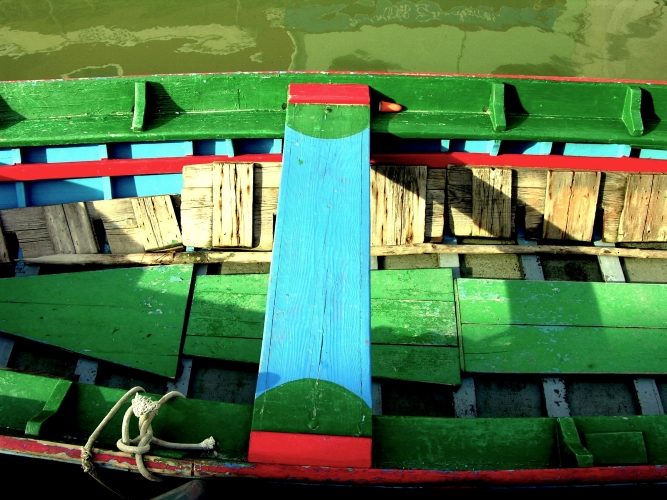
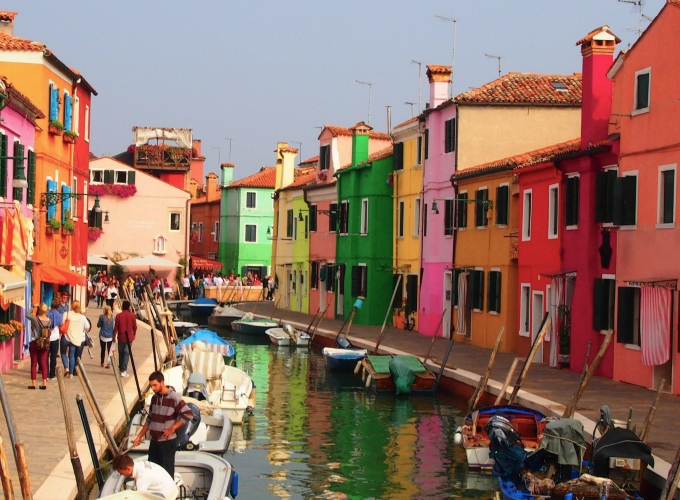
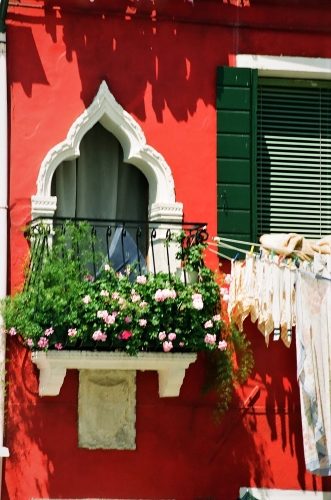
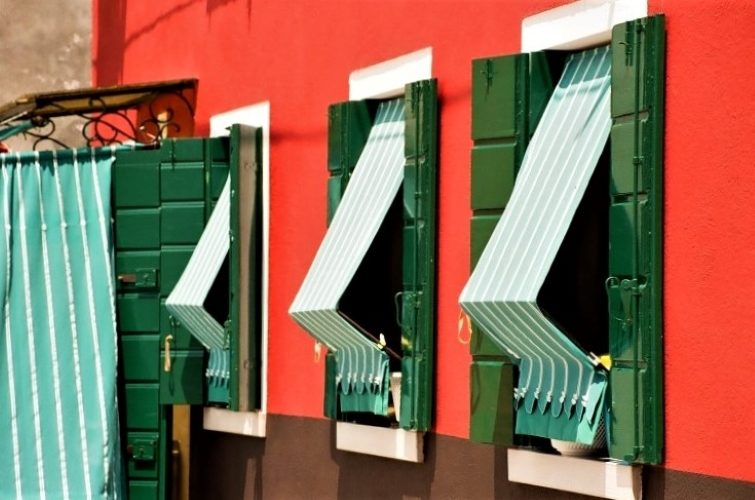
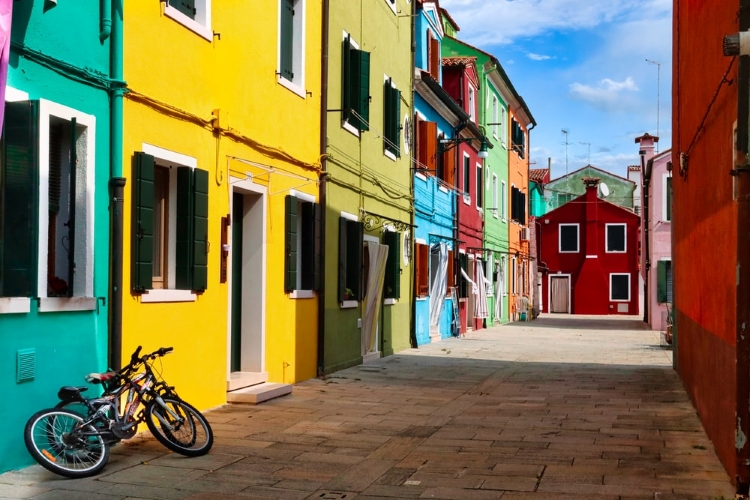
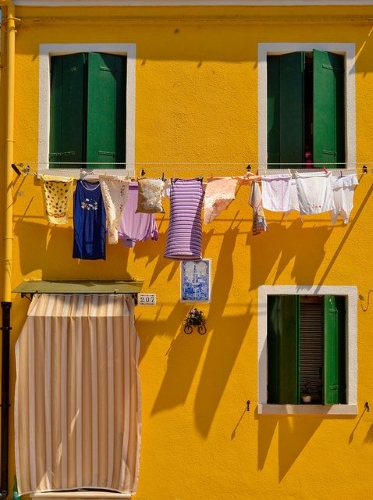
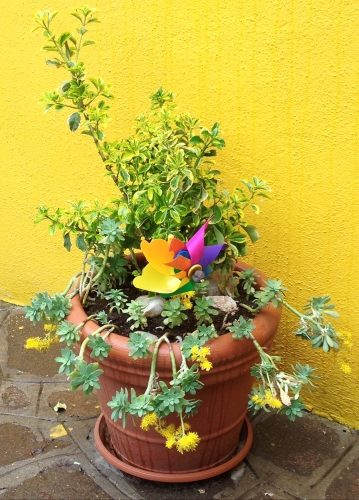
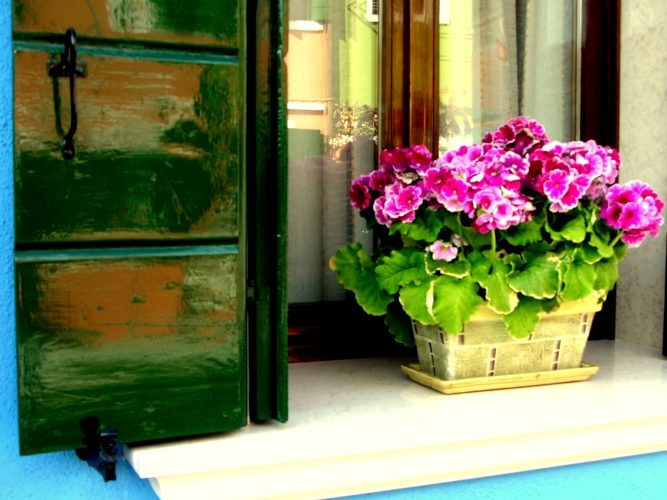
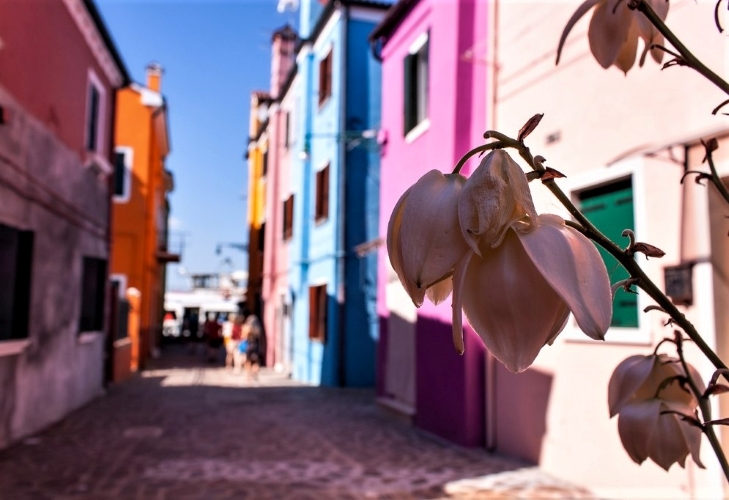
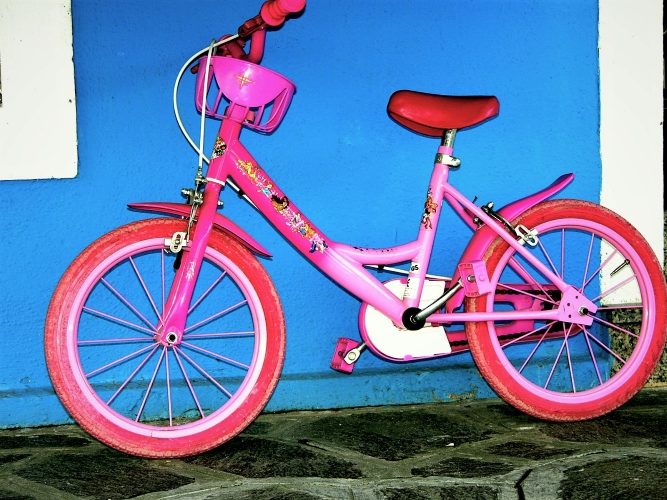
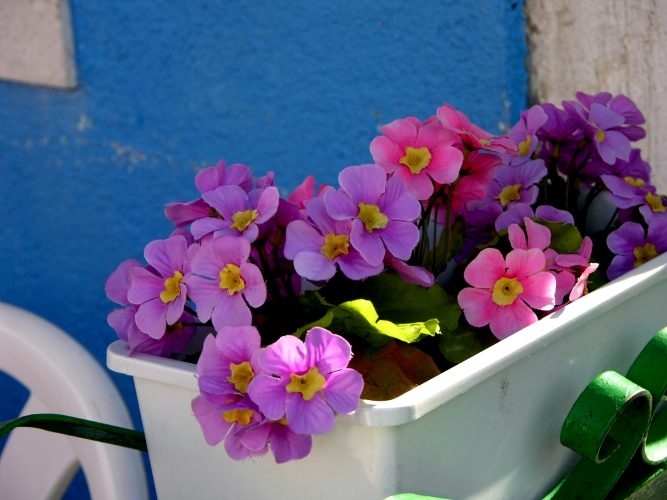
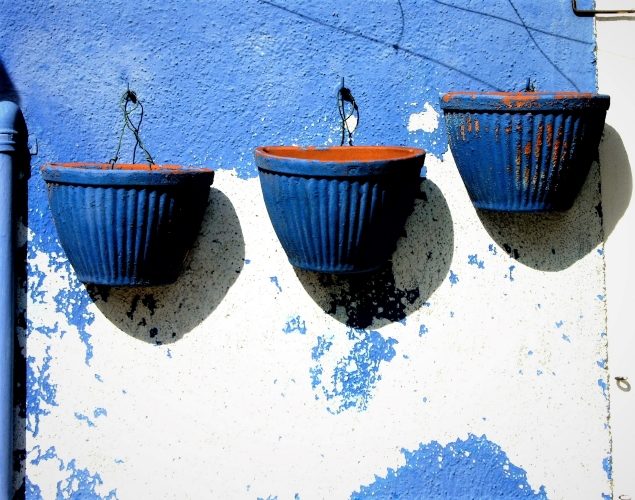
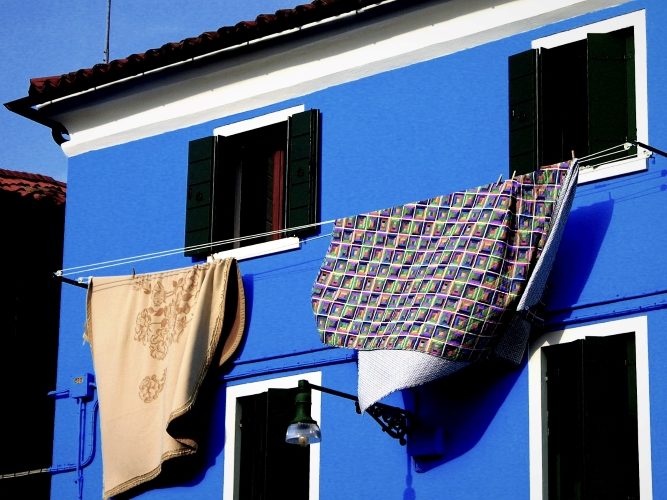
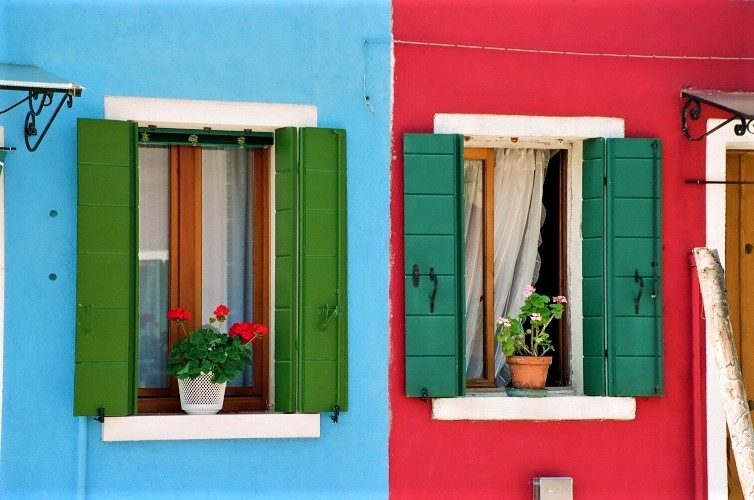
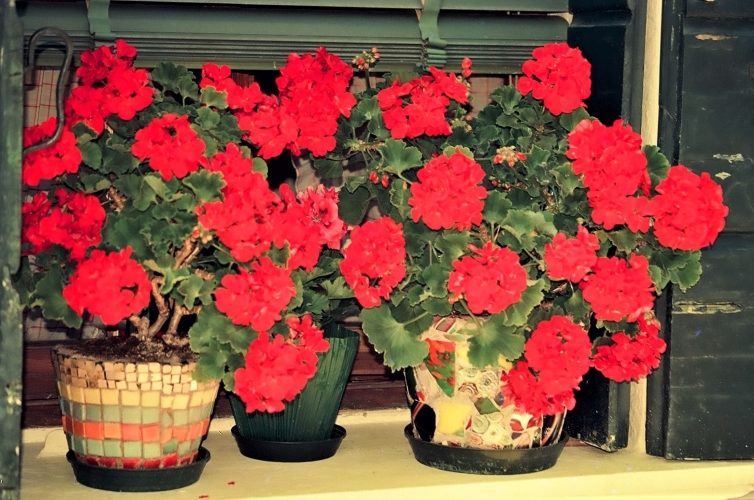
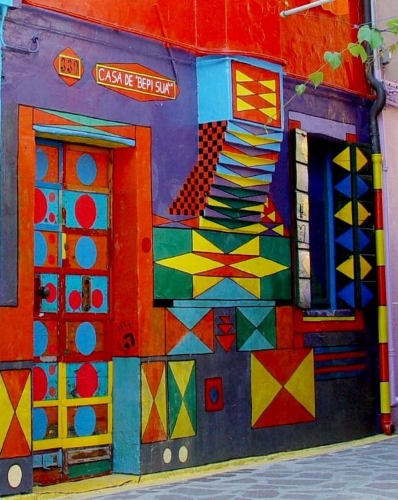
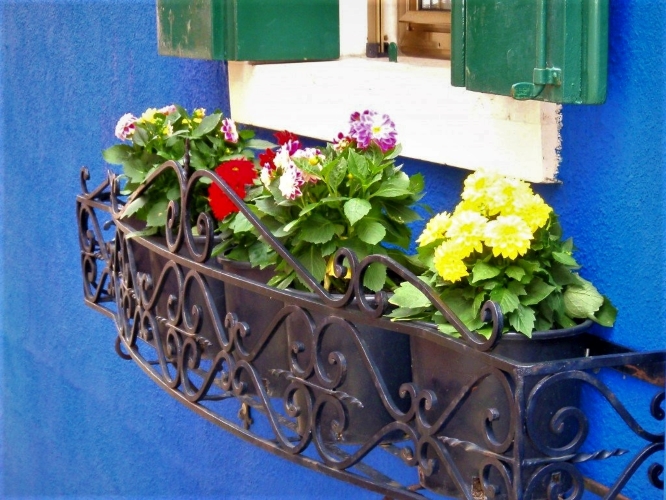
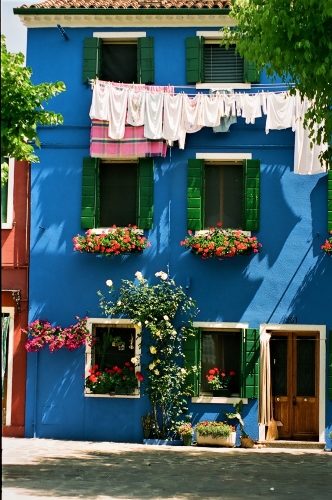
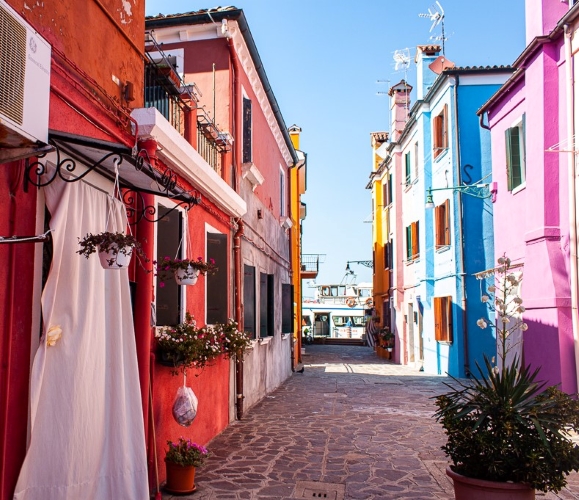
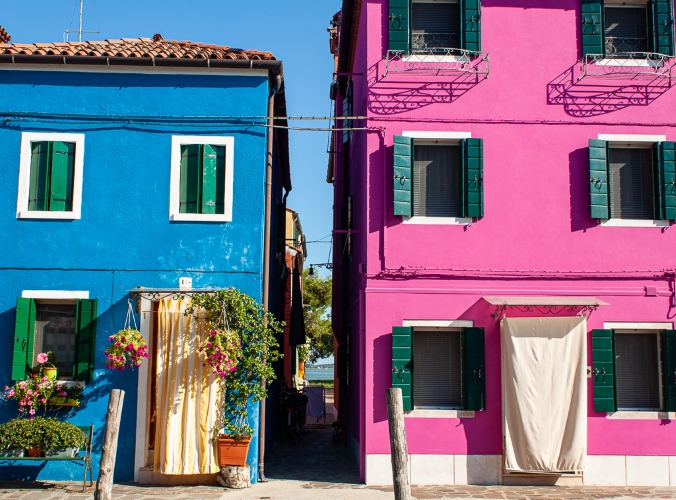
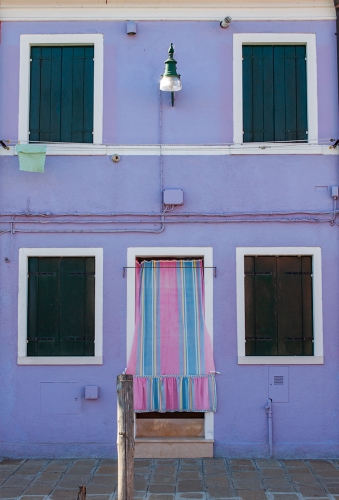
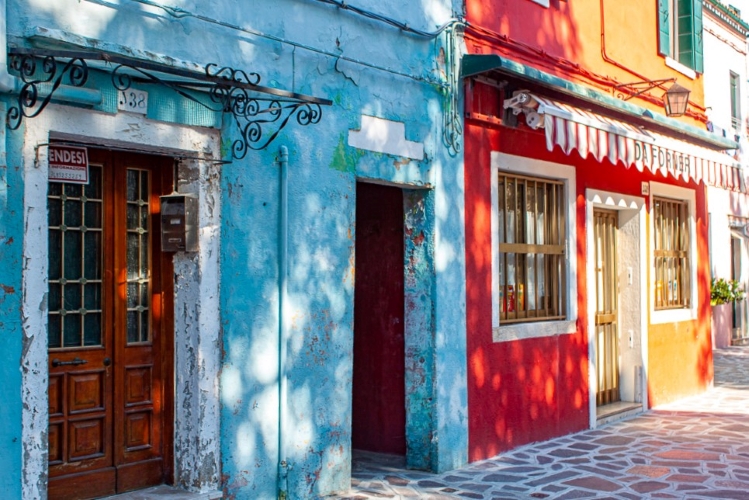
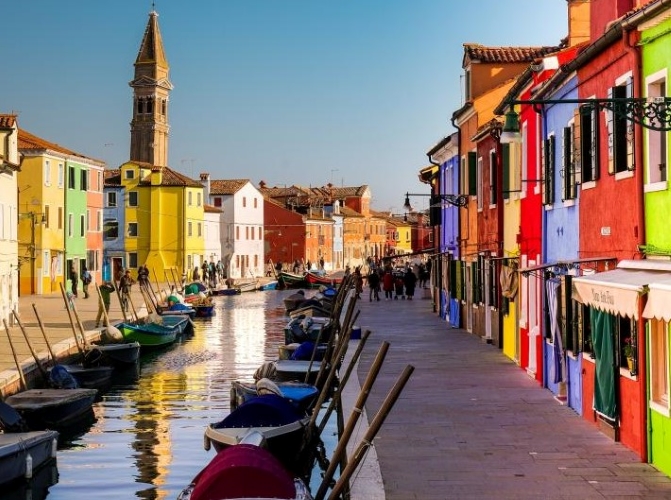
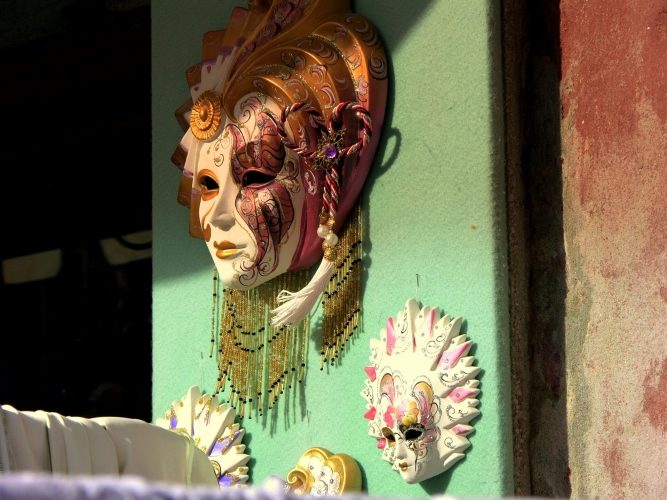
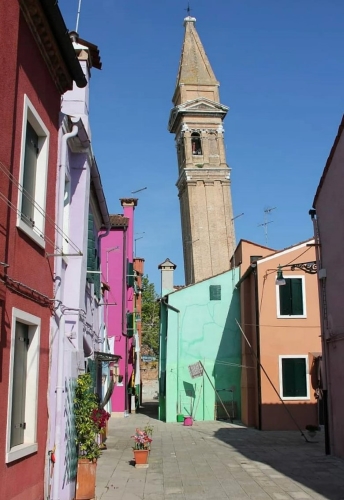
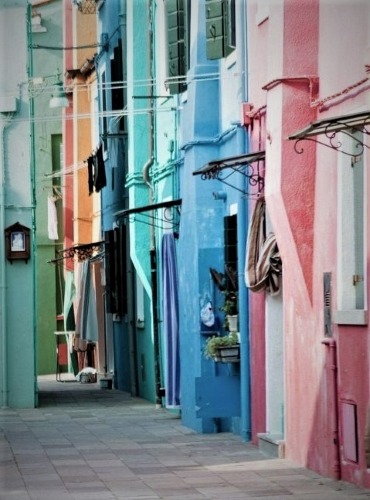
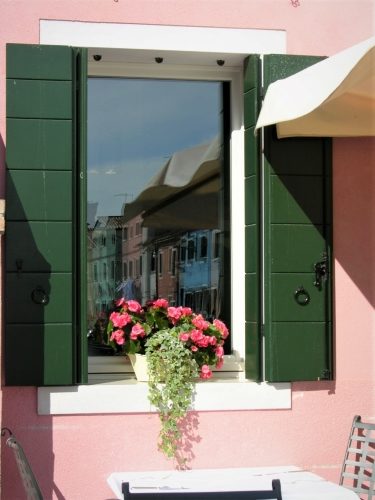
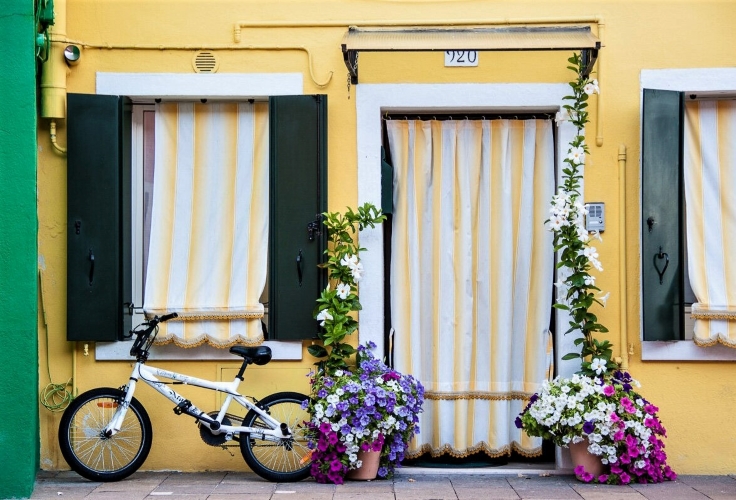
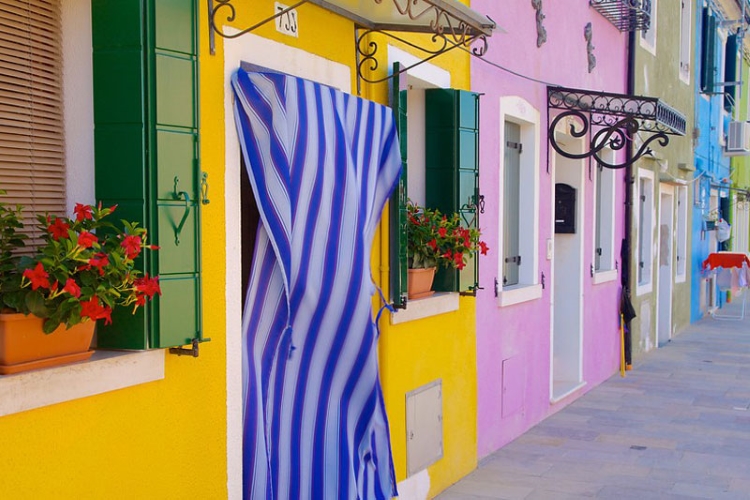
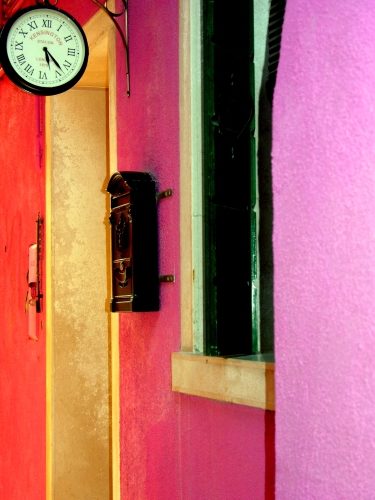
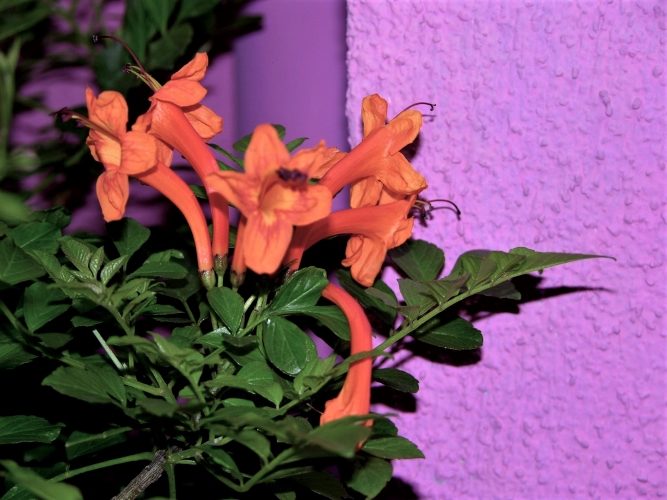
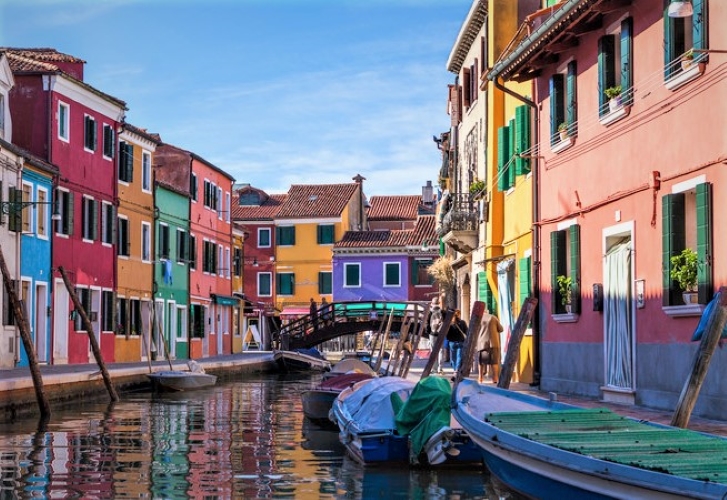
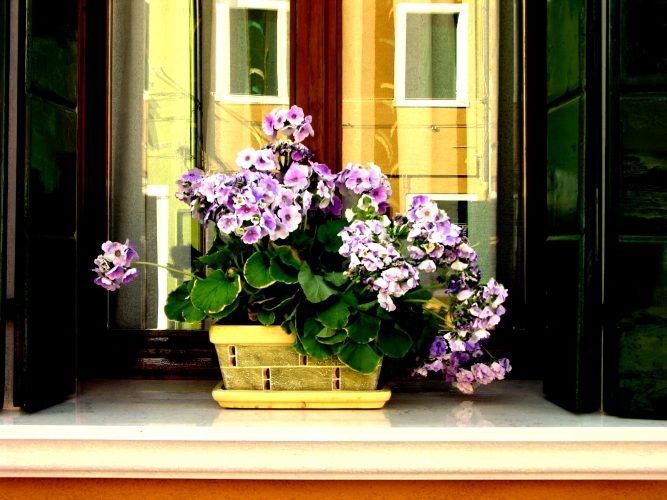
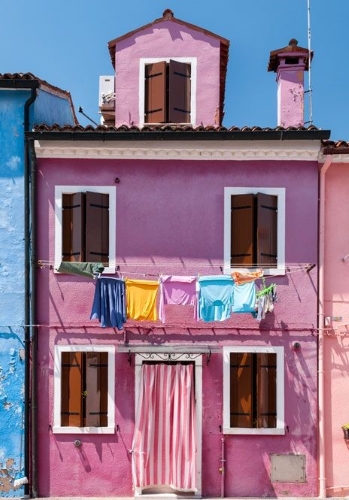
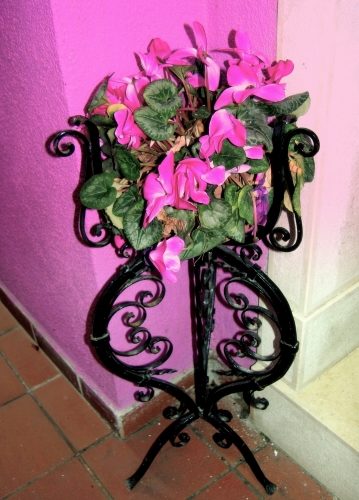
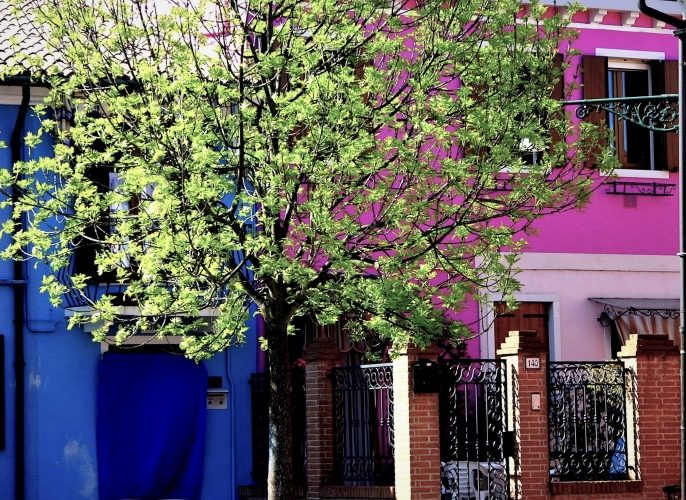
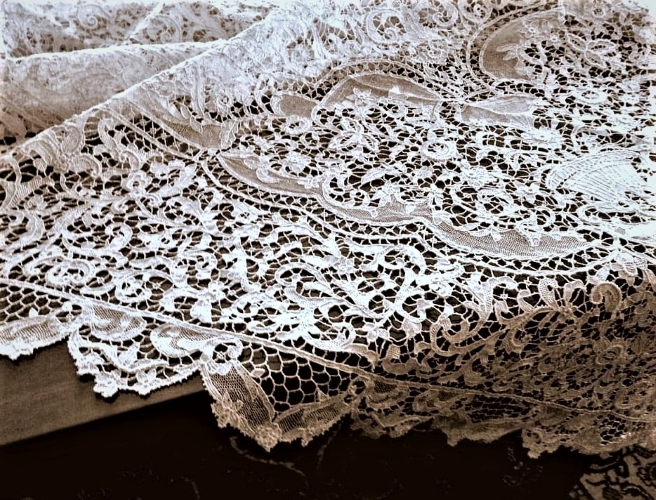
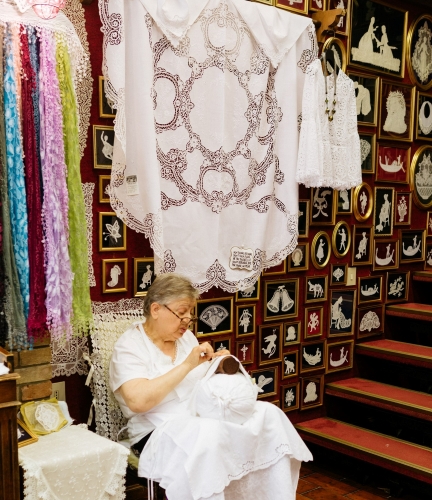
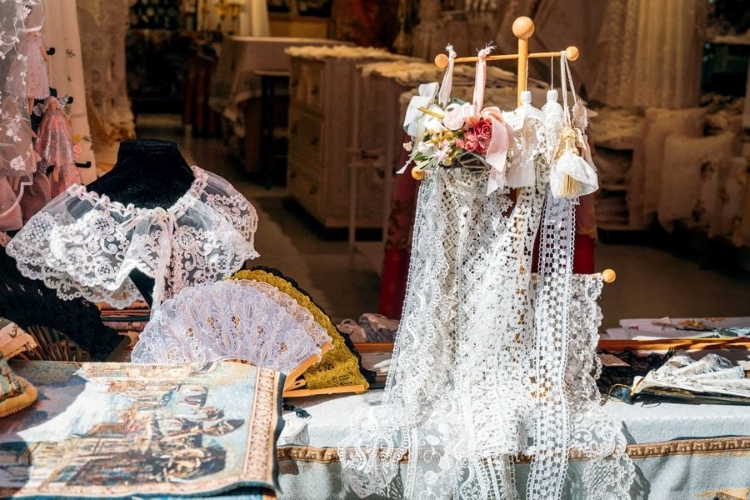
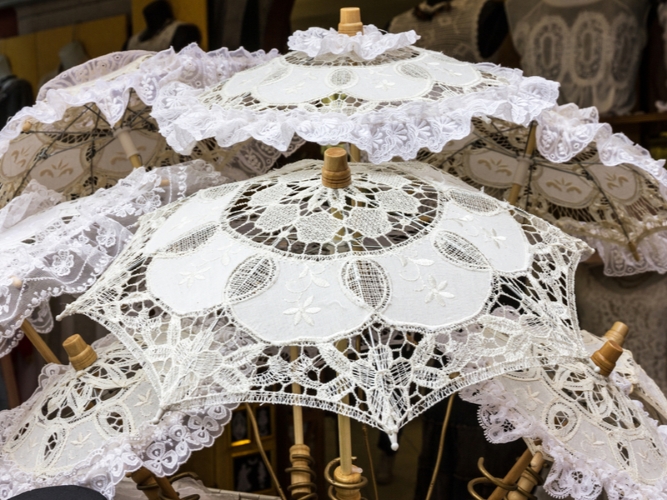
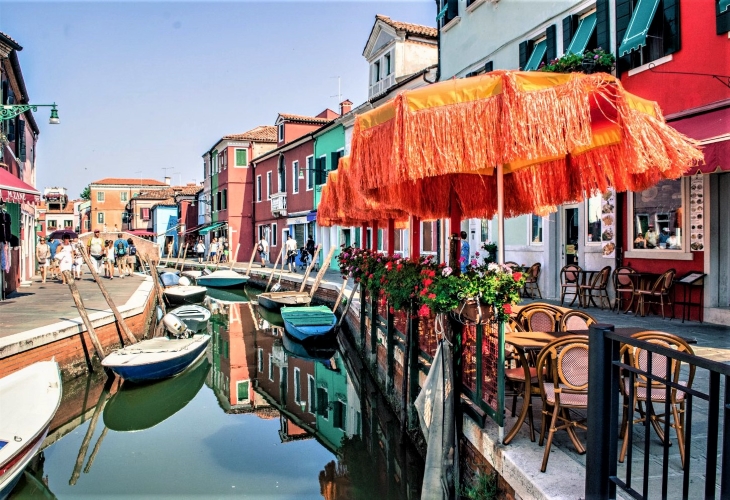
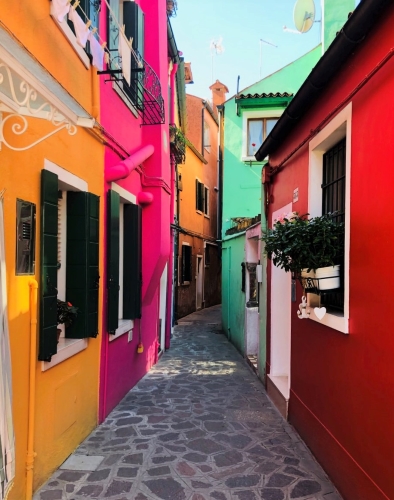
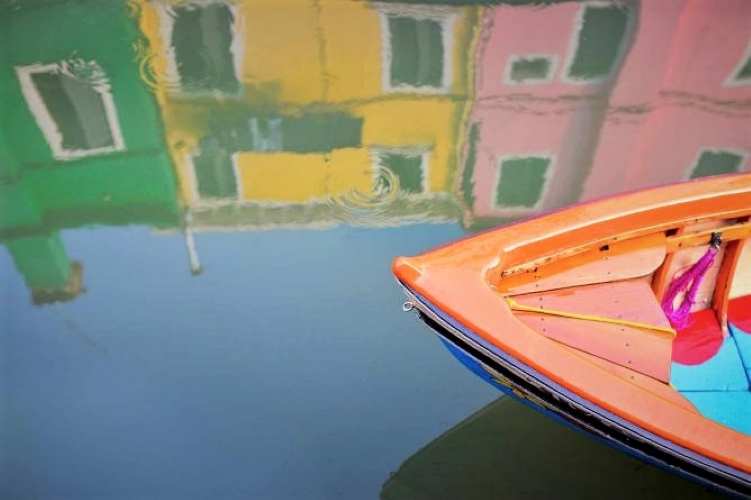
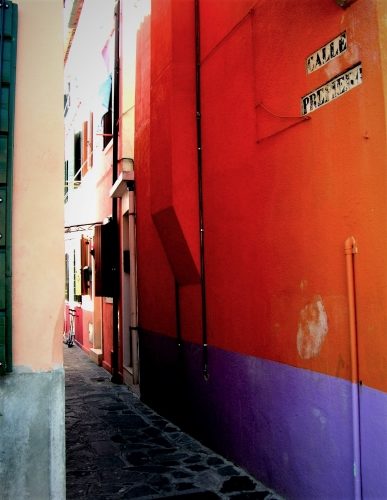
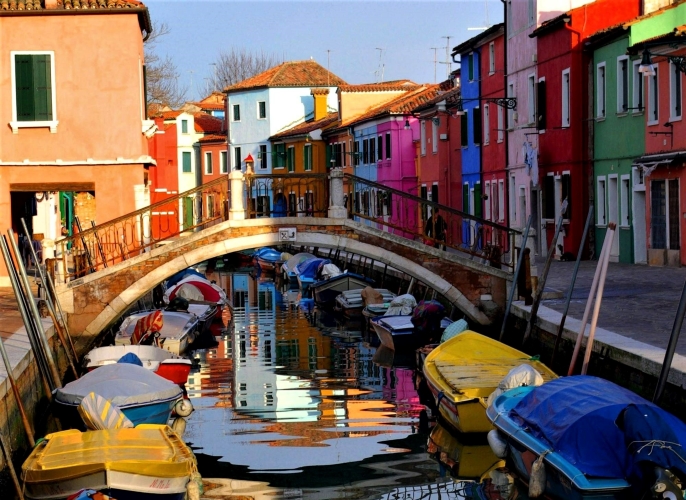
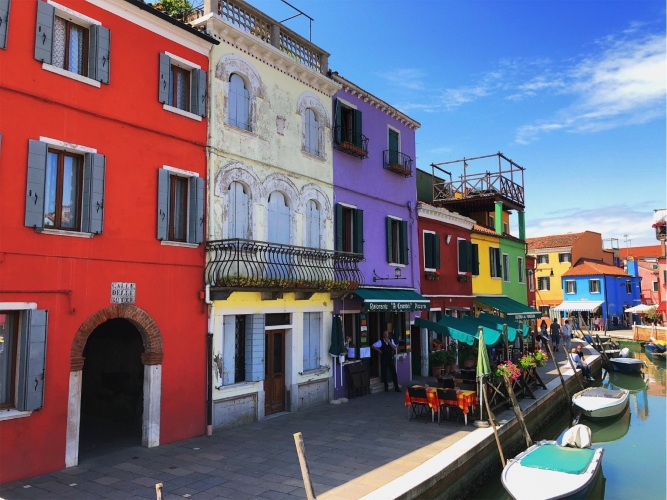
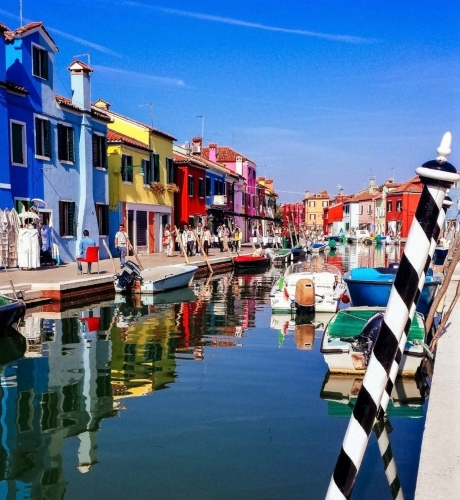
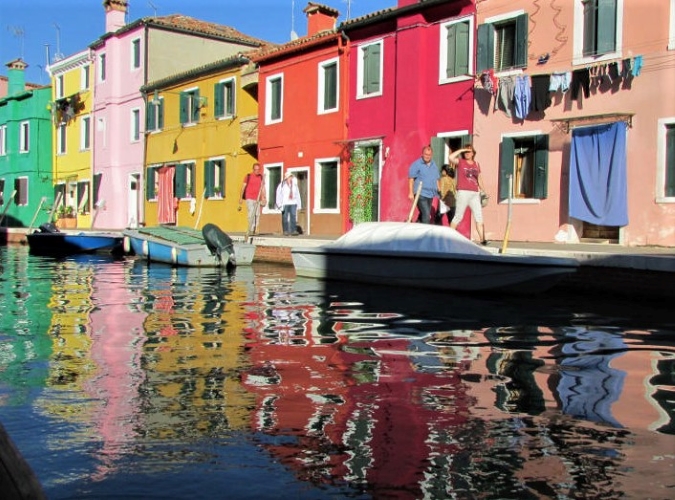
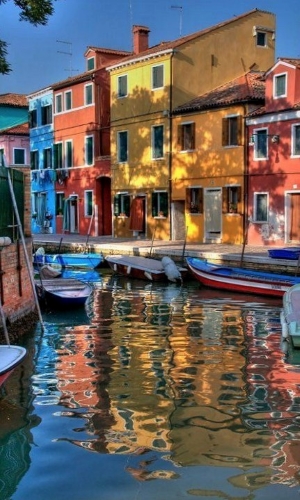
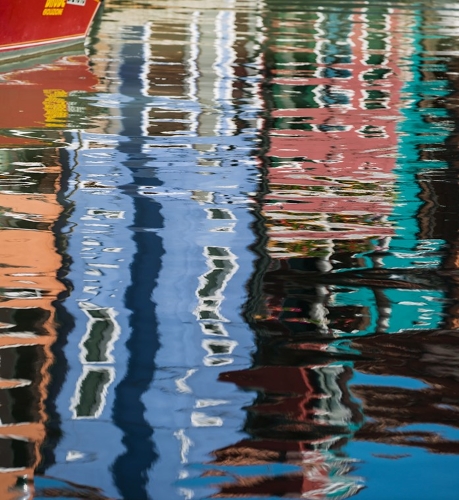
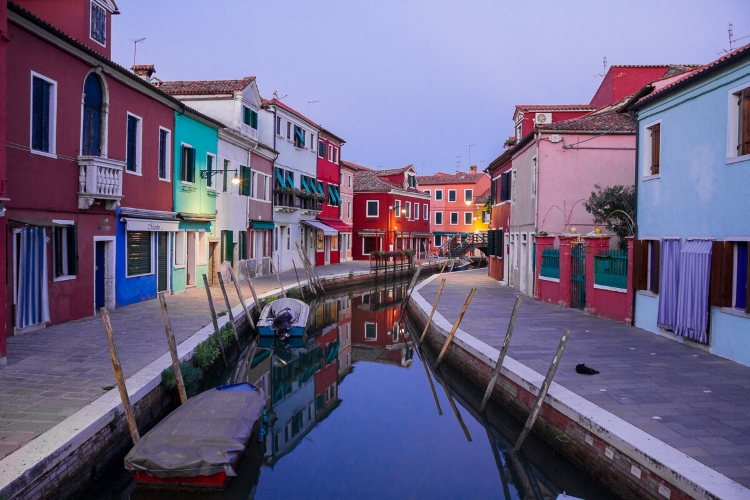
Forty minutes from Murano, world famous for its glass, is the island village of Burano, famous for its lace … and where the dazzling colors of locales like the Caribbean meet the haunting qualities of the Venetian lagoons. Many visitors to Venice, perhaps forgetting one out of confusion with the other, or perhaps due to time constraints, choose to go to Murano and not take the second 40-minute vaporetto journey to its almost-namesake. But those who do are treated to some very yummy eye-candy. Along the canals are charming two-story houses — cherry, pink, chartreuse, azure, tangerine and canary yellow, with contrasting-hued shutters, brightly patterned curtains for doors, window boxes and ceramic pots overflowing with flowers, and some very nicely art-directed clotheslines.
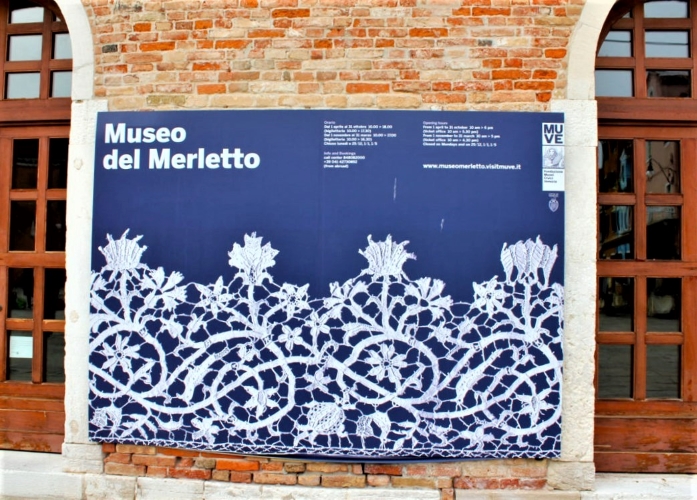
Burano is also famous for its lace known as punto in aria, or “points in the air,” as it is not stitched onto fabric but only onto itself. Demand exploded in the 1600’s and the Venetian government turned lace-making from private production into a lucrative business of the Republic, organizing women into a guild — one of the richest in Venice — and moving most production from Venice to Burano due to the island’s lower costs.
No one really knows how all this exuberance began, but there are, naturally, many stories about the origin of Burano’s vivacious color scheme. One plausible suggestion was that back in the day, painting each house a different color helped define property lines. Another more amusing, though less plausible suggestion is that on days of winter fog or very rough seas, the fishermen could not go fishing and spent their day playing cards and drinking vino. By the evening they were feeling so festive they couldn’t recognize their own houses. So it was decided to paint every house a different color so every wife could be sure the right man would return to the right home after a day on the town.

Copyright - Postcards from the Boot.