
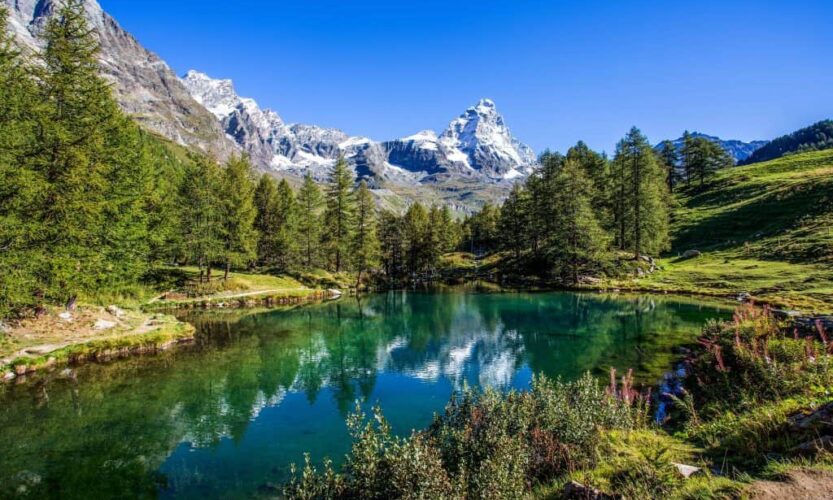
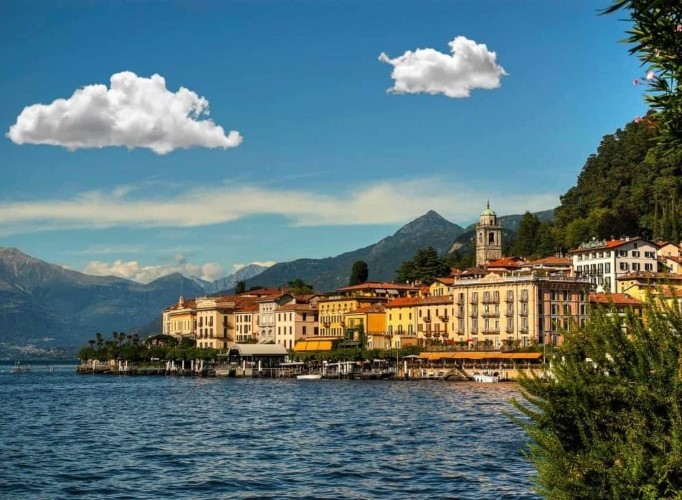
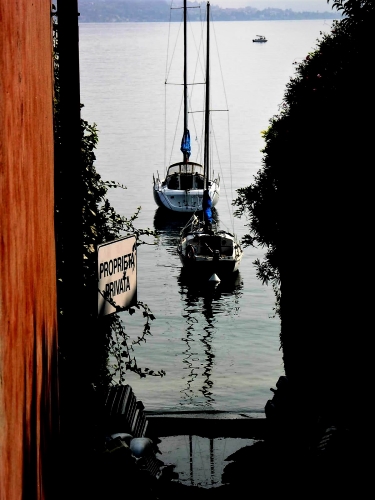
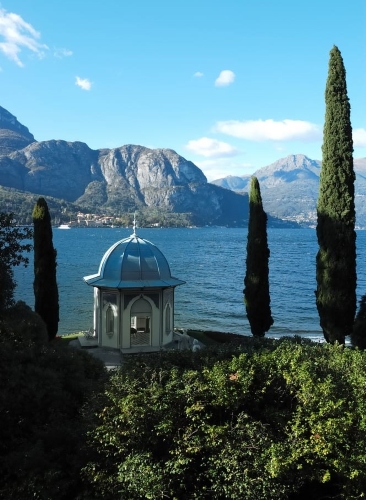
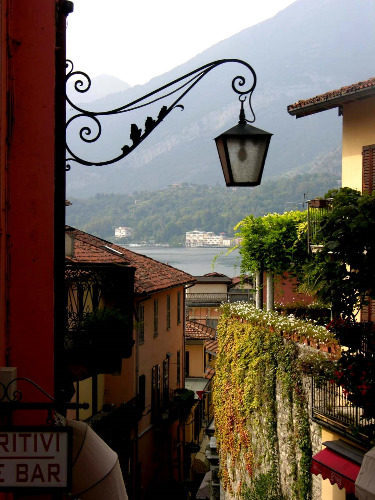
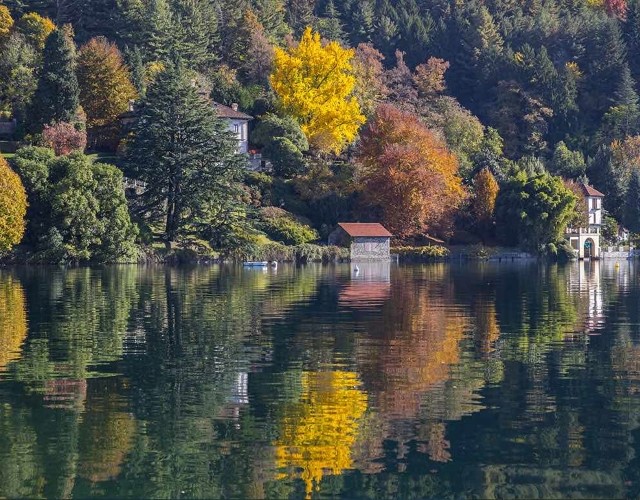
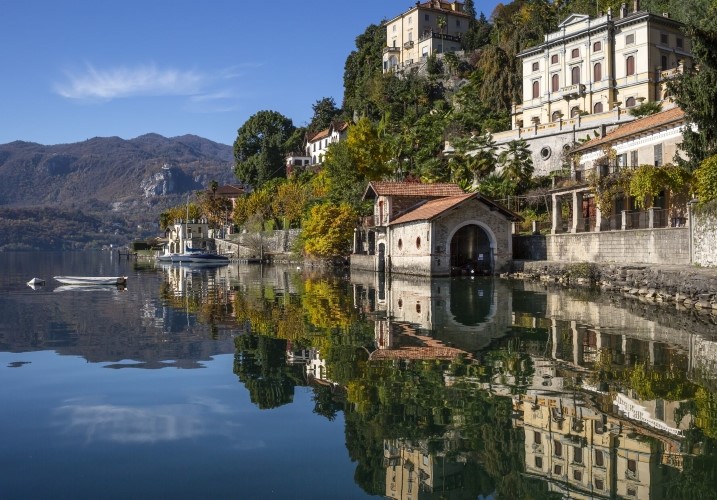
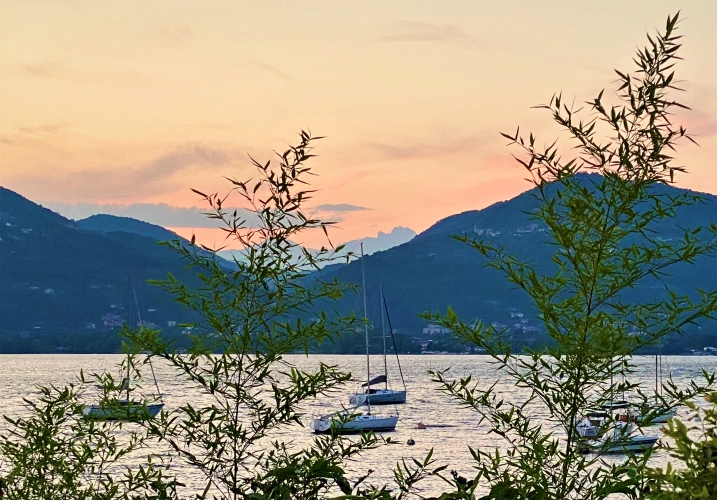
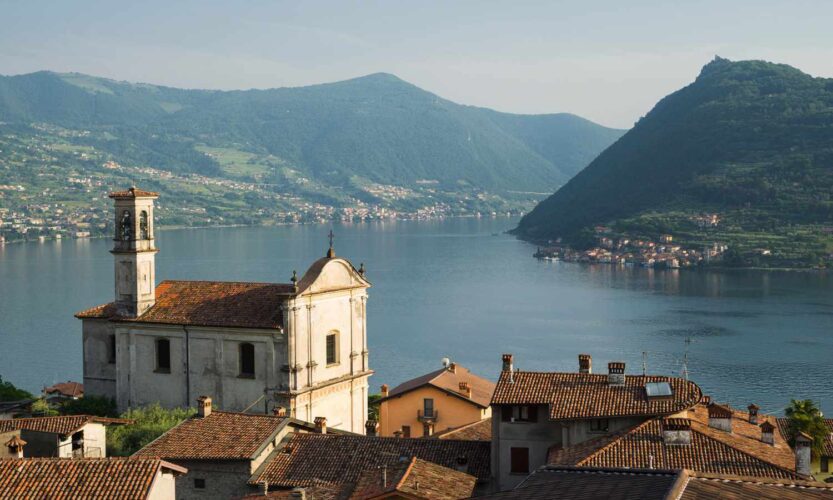
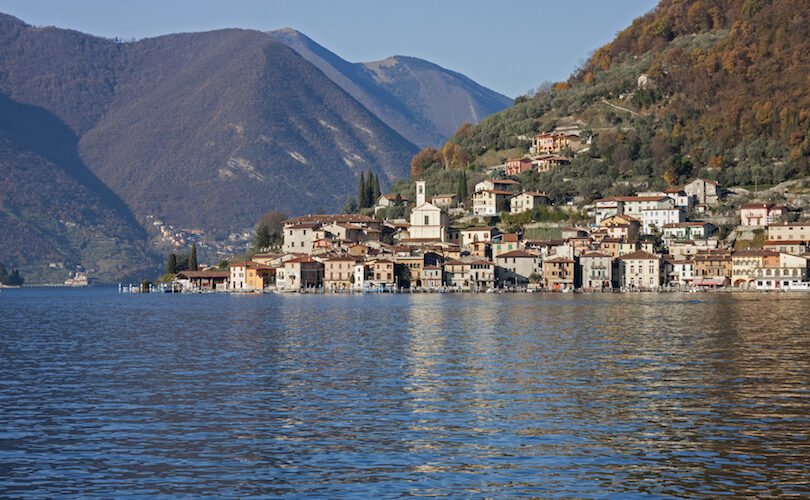
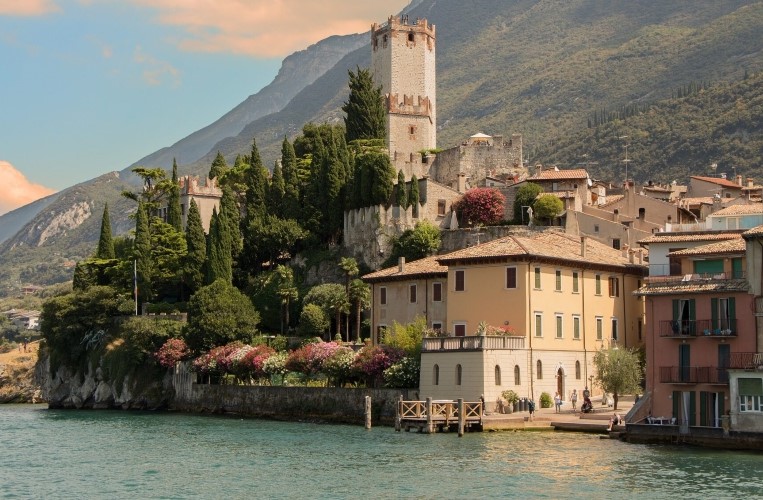
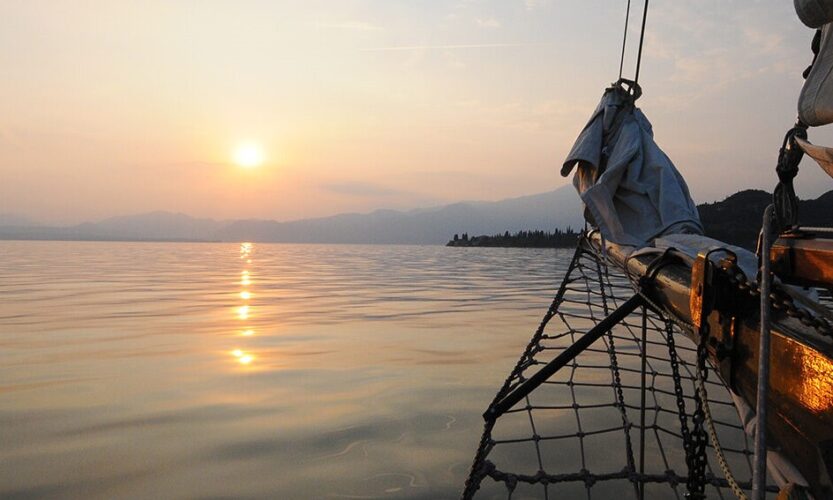
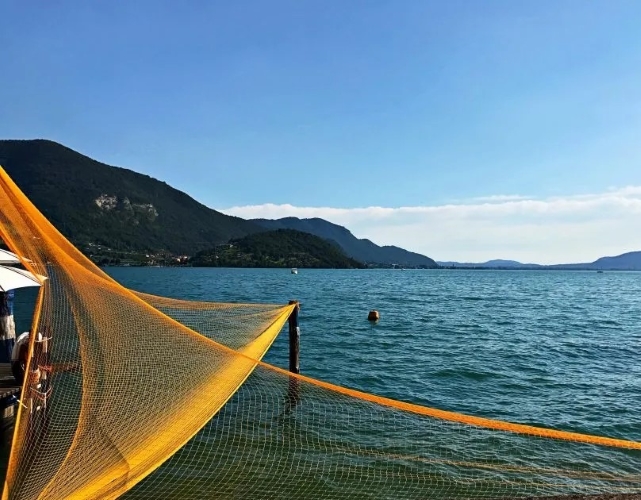
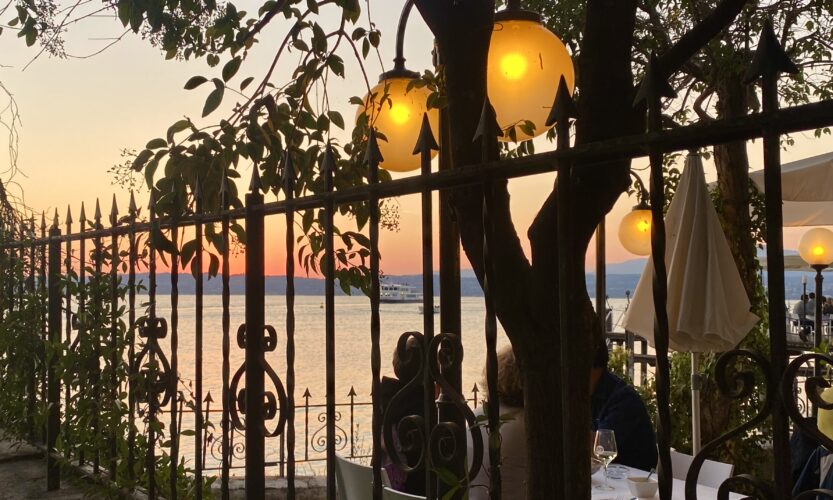
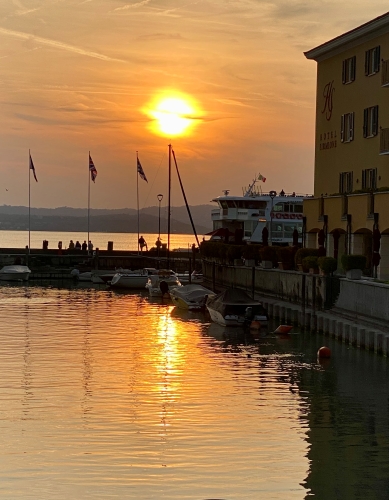
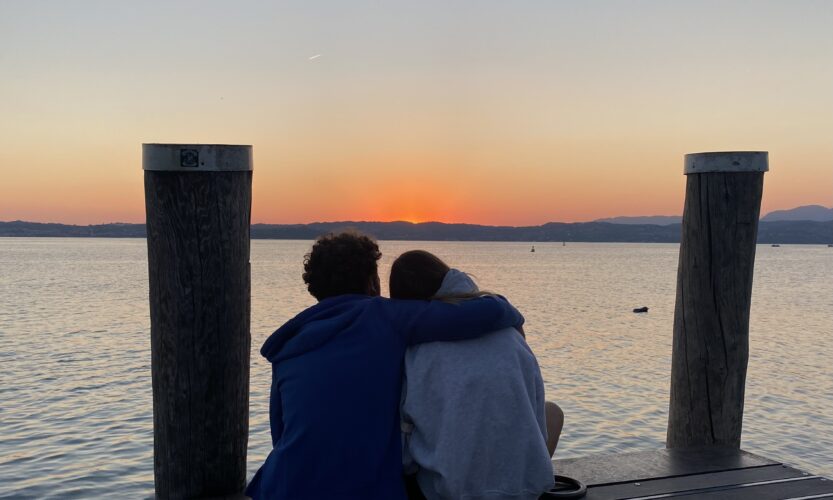
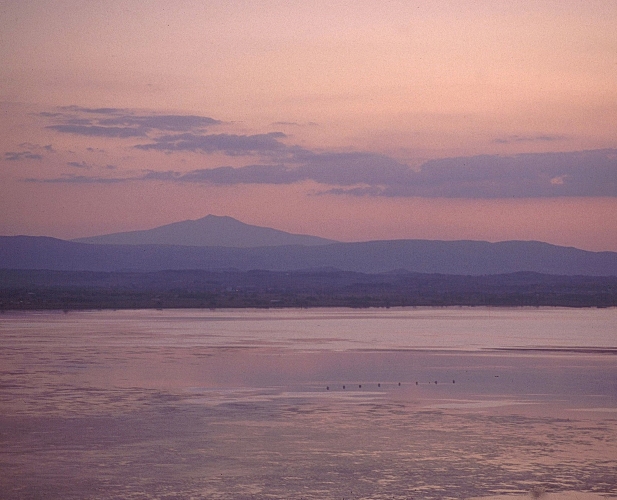
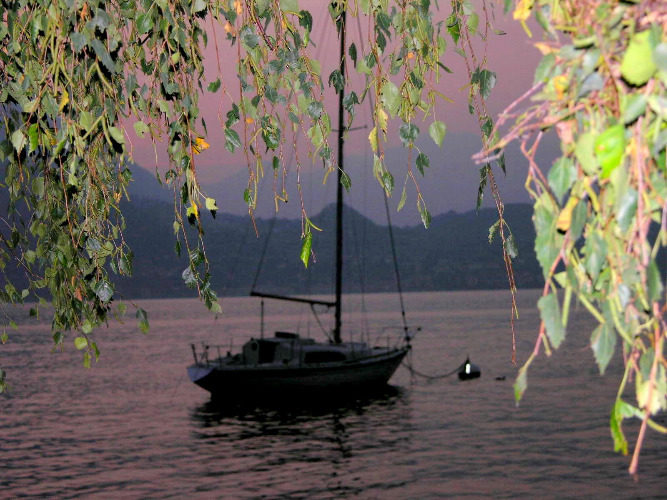
Il Bel Paese … no other county compares with its undulating vineyard-covered hillsides, charming medieval hill towns, 5000 miles of dramatic coastline, and the jutting alpine peaks of the Dolomites in the north. But Italy is also blessed with some of the most alluring lakes, views that will take your breath away.
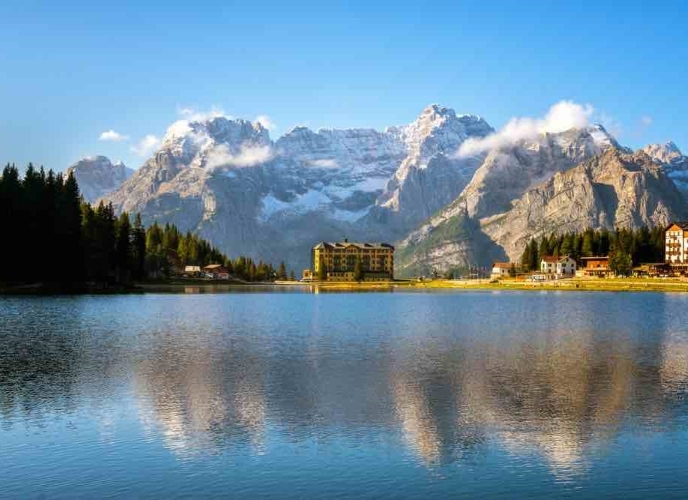
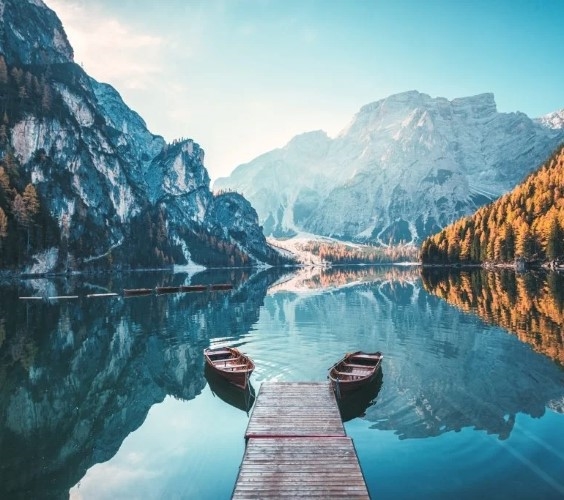
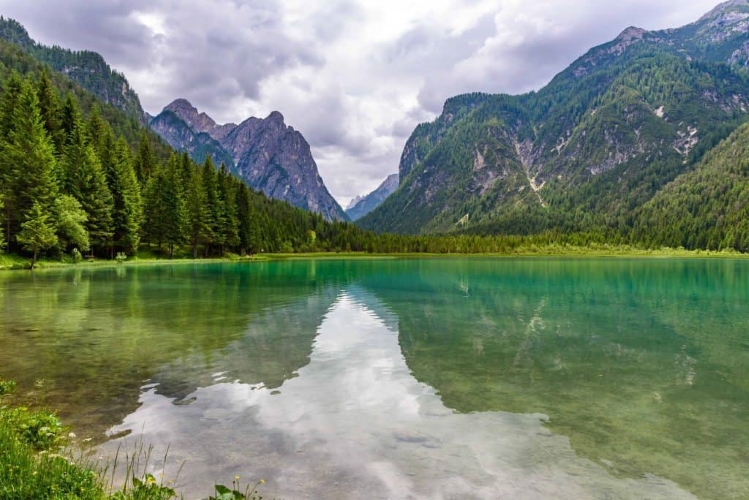
What could be more beautiful than a lake surrounded by snow-capped mountain peaks? The Dolomites are home to some of the most stunning mountain lake scenery in the world.
Here are some of my favorites: Lago di Misurina, not far from Cortina (the formerly grand hotel at the far end of the lake puts me in mind of Wes Anderson’s film “Grand Hotel Budapest” J), Lago di Braies and Lago di Dobbiaco—all of which are easy to visit, no hiking required.
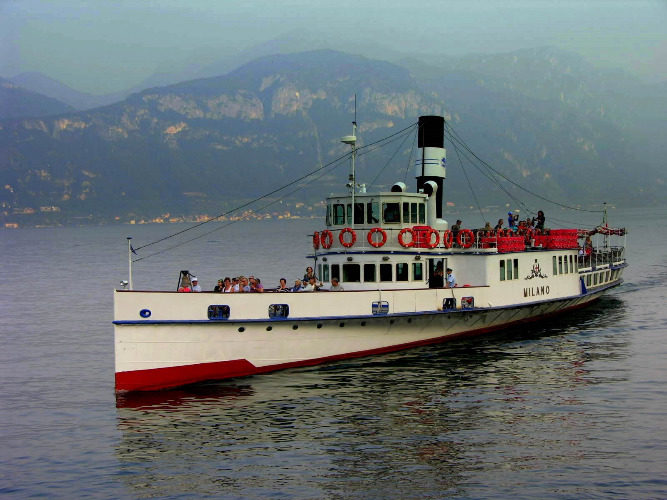
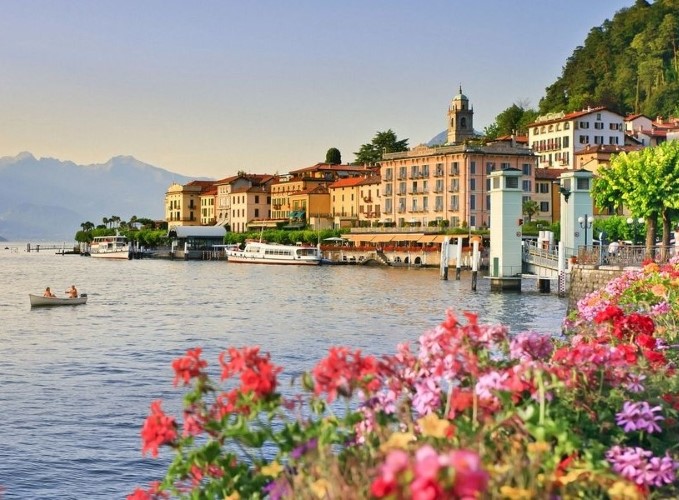
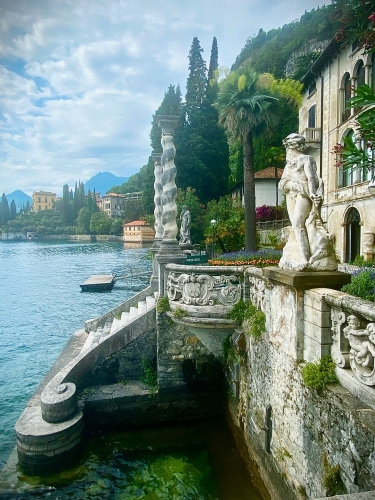
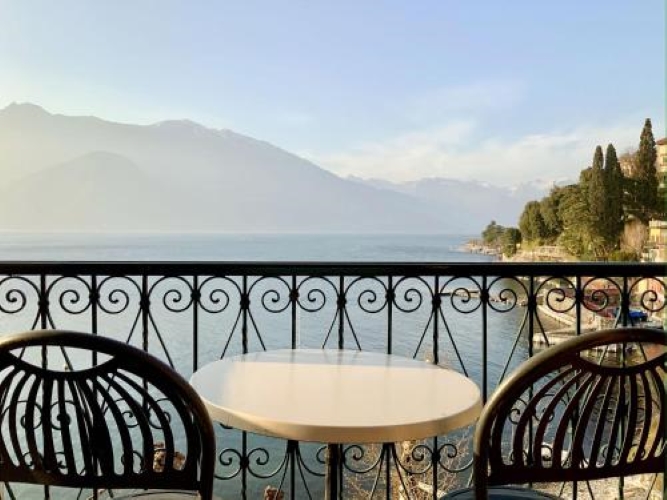
Italy’s most famous lake of all is Lago di Como. Considered to be one of the most beautiful in Europe it is shaped like an upside-down Y with the ever-popular town of Bellagio at the top of the east and west fork.
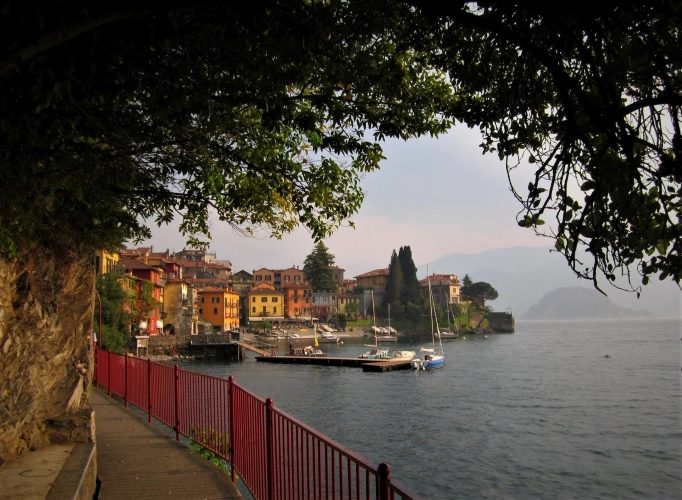
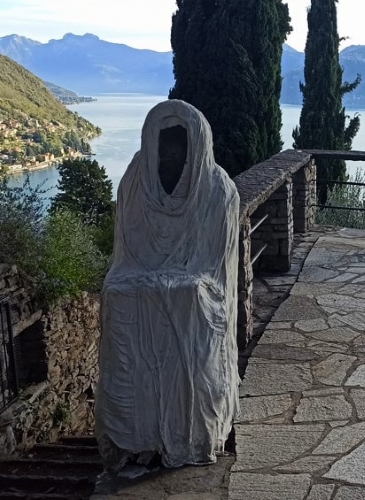
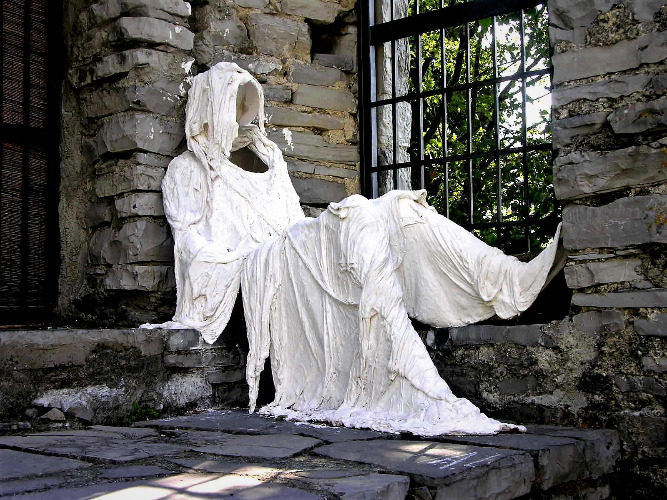
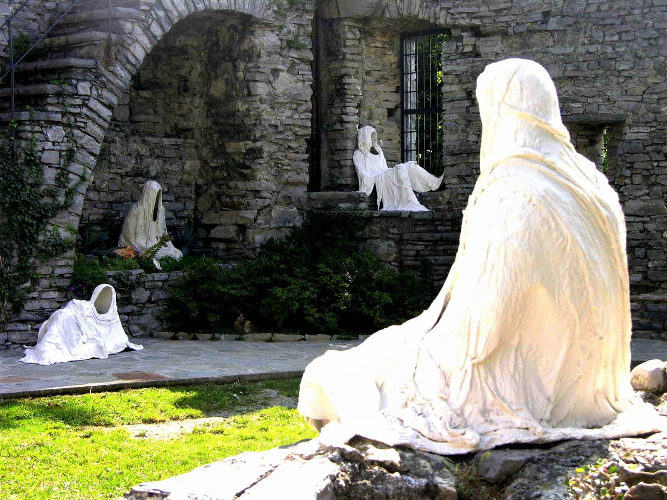
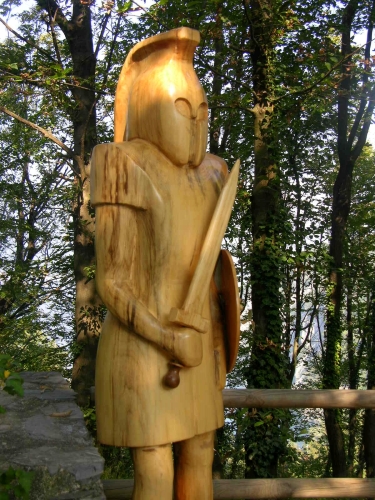
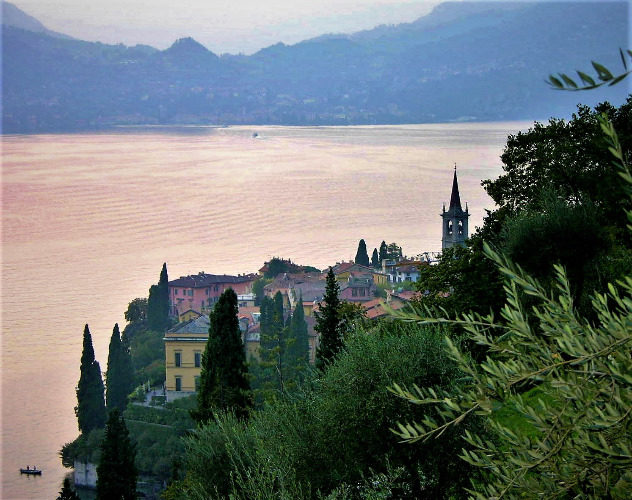
One ferry stop northeast of Bellagio is the charming lakeside town of Varenna.
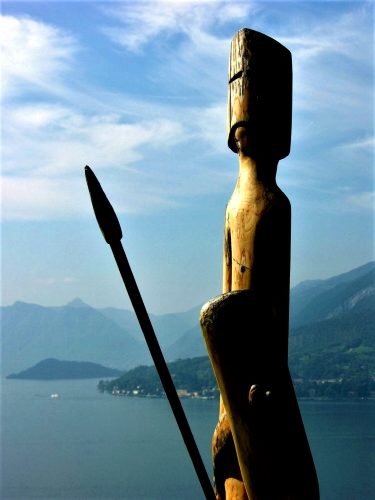
Take a 45-minute hike from town to discover the Castle of Vizio, with its spectral inhabitants, captivating carved figures and splendid vistas.
Lago di Garda is Italy’s largest lake and a favorite of cyclists and sporting enthusiasts. It features many fairy-tale lakeside towns, especially further north.
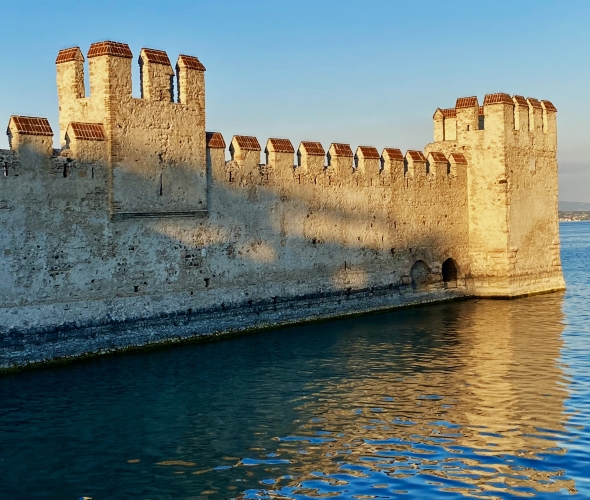
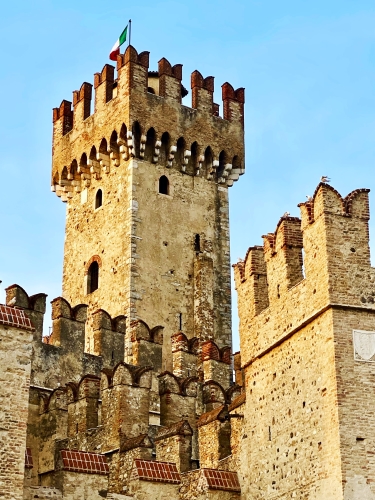
At the southernmost point you’ll find the popular resort town of Sirmione with its iconic medieval castle.
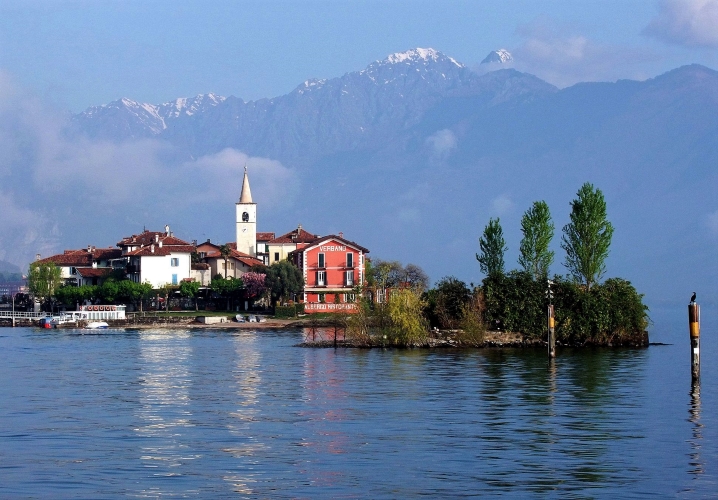
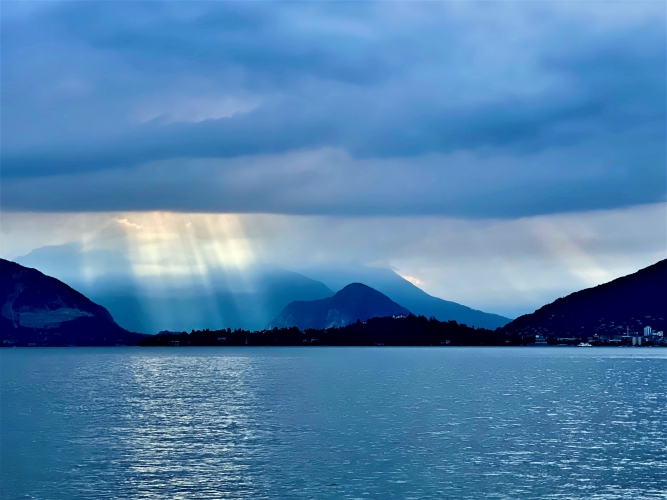
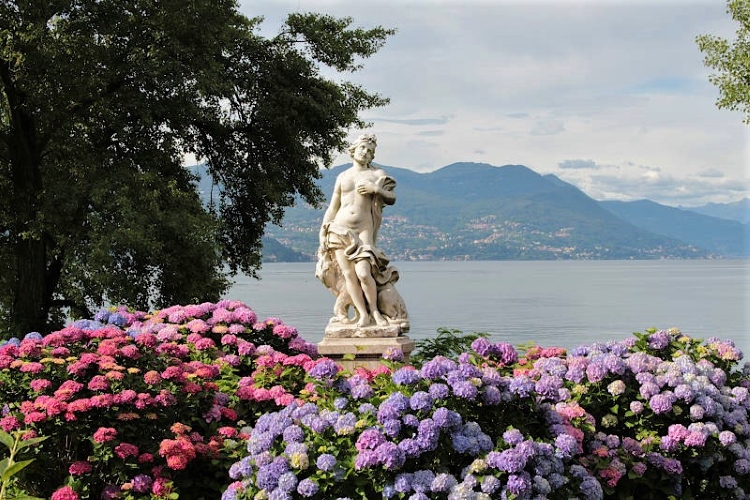
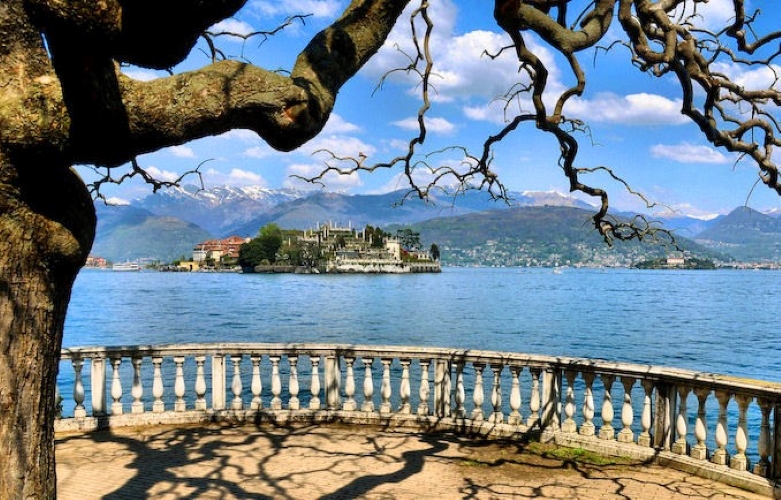
Lake Maggiore, less than an hour from Milan and often overlooked for the glamour of Lake Como, is a favorite of mine with its old-world charm and quiet air of sophistication.
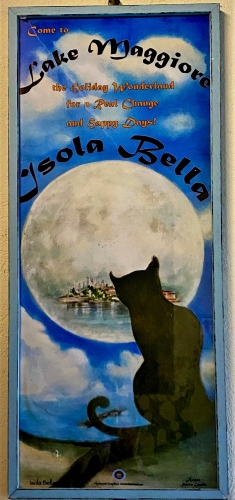
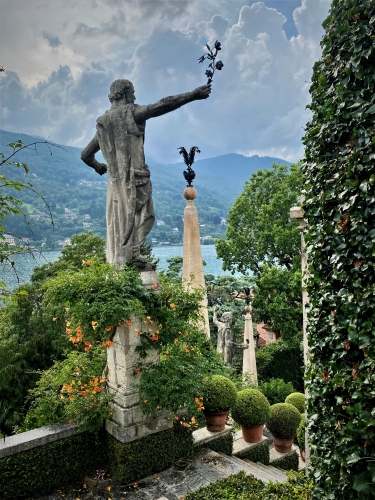
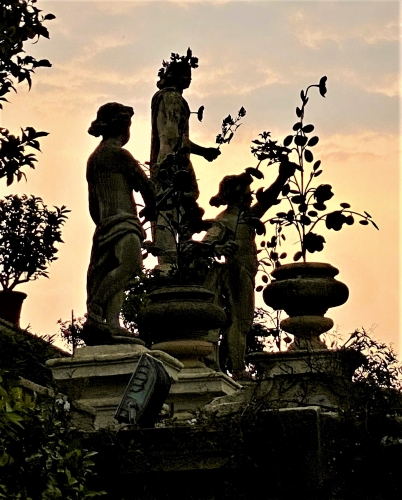
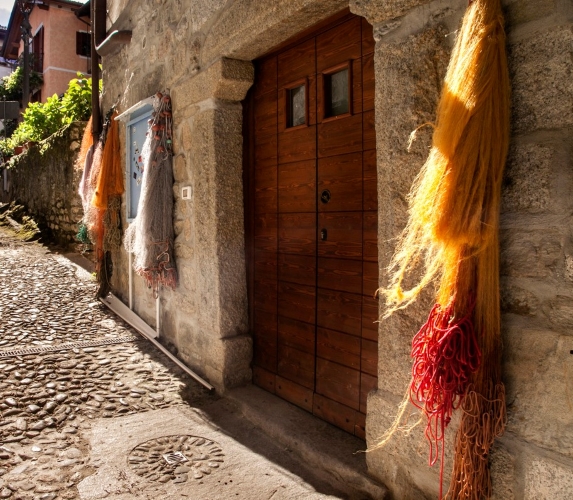
I especially love its beautiful Borromean islands—Isola Bella and Isola dei Pescatori in particular—which you can get to by ferry from the town of Stresa on the lake’s western shore.
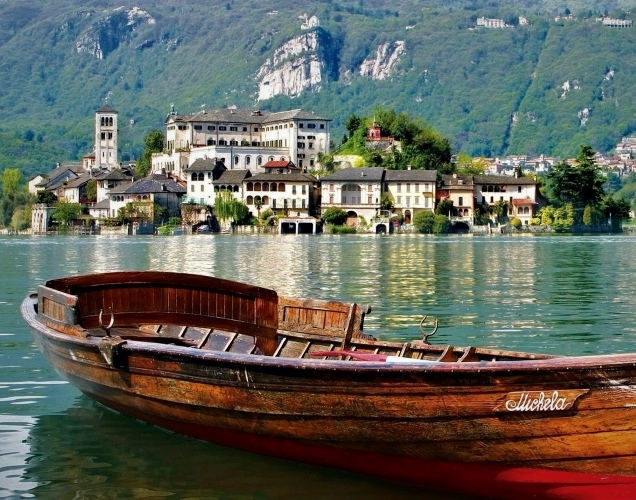
An undiscovered jewel not to be missed west of Lago di Maggiore in Piemonte, is the picture-perfect Lake Orta, which (thankfully) remains one of Italy’s best kept secrets.
Nestled between the northern cities of Bergamo and Brescia in the Franciacorta wine region is Lago d’Iseo with its quaint villages and lovely lakeside promenades.
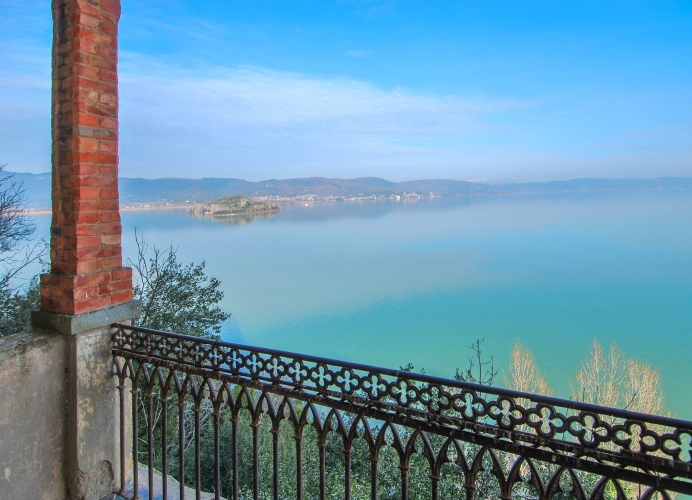
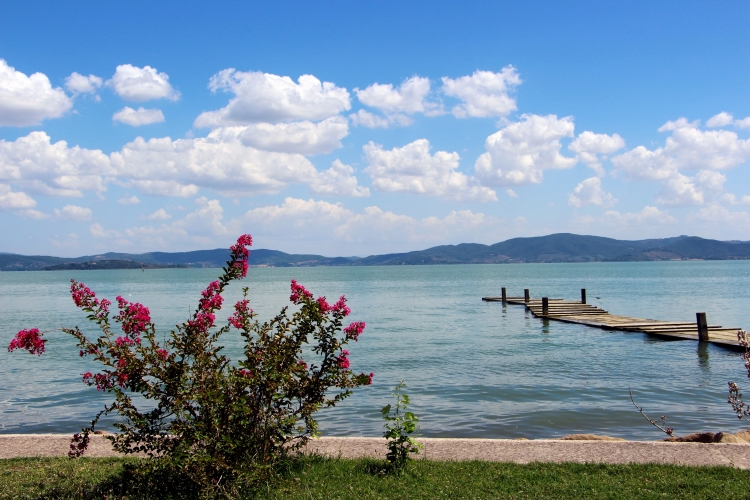
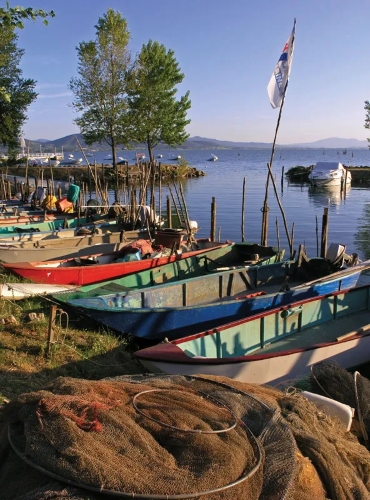
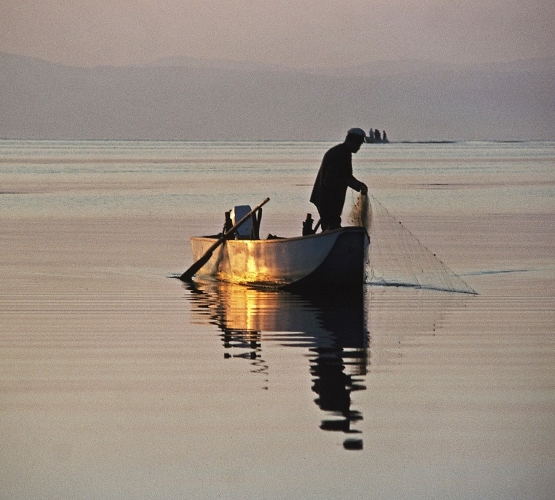
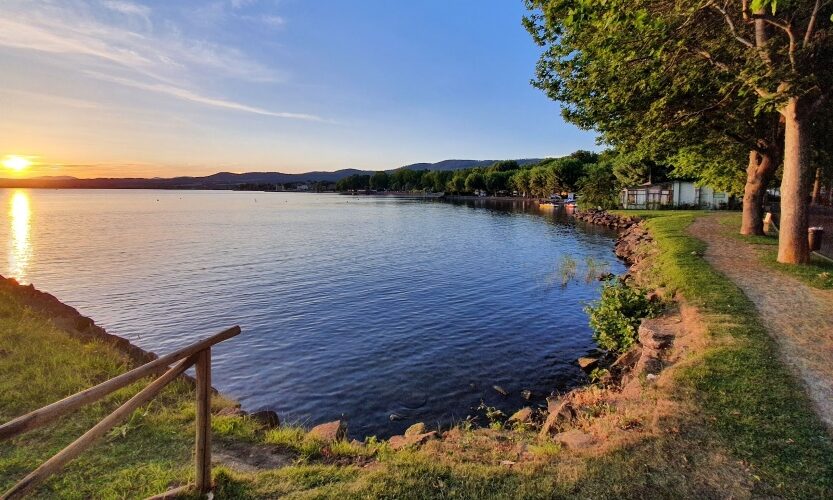
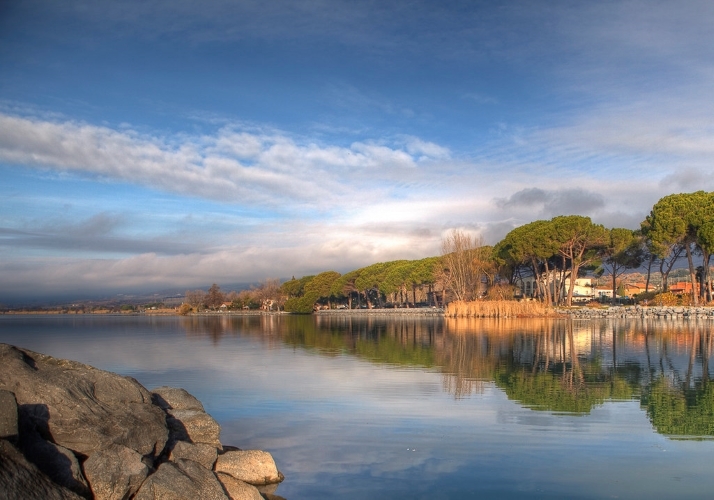
Central Italy is also blessed with three particularly stunning lakes. Lago di Trasimeno is in the green heart of Umbria, amid beds of reeds and white water lilies. It’s shallow and abundant in fish —19 different species — and is home to wild ducks, cormorants, and kingfishers.
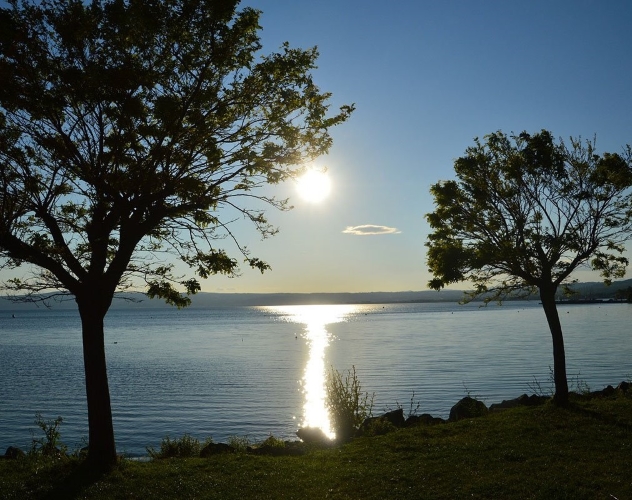
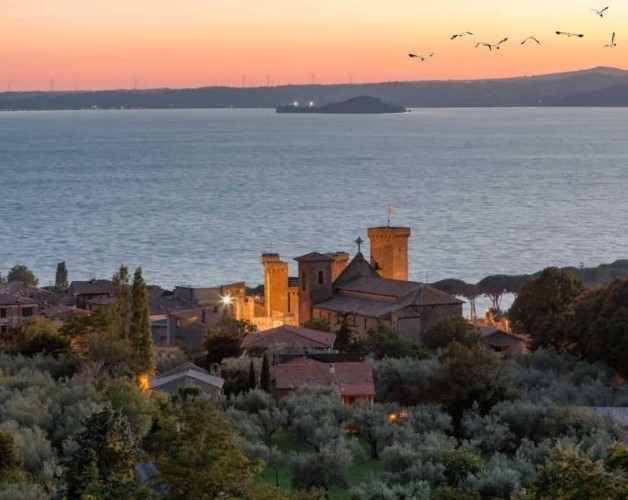
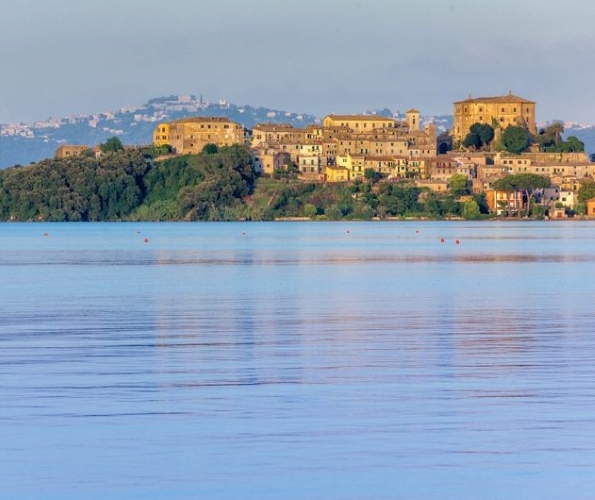
Lazio’s Lake Bolsena is the largest volcanic lake in Europe, formed by a great eruption 370,000 years ago. Encircled by a crown of hills, its shores are dotted with enchanting medieval villages. Rarely overcrowded and abundant with beautiful black volcanic sands and crystal-clear waters, it is a favorite getaway for Italians and bird watchers. (You can reach it easily from Rome or Orvieto.)
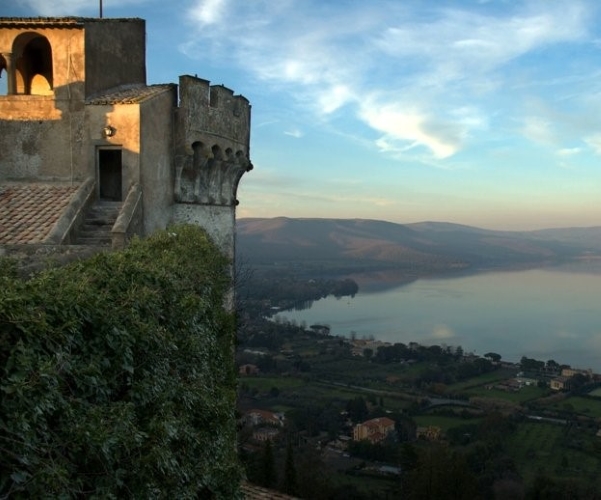
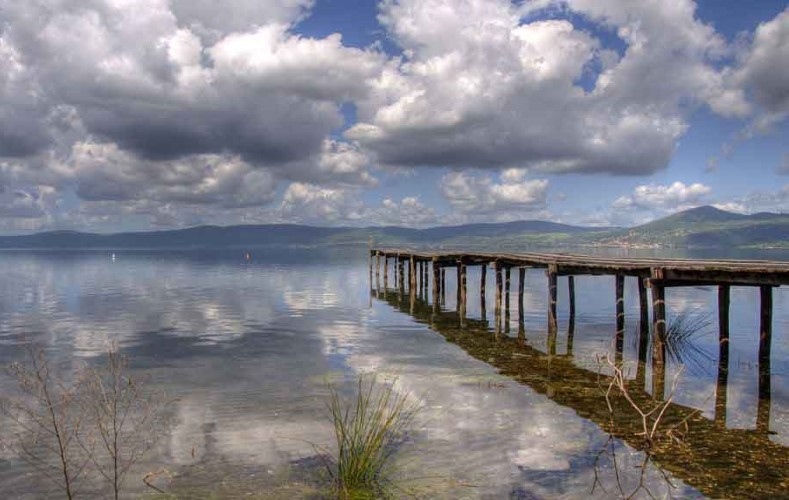
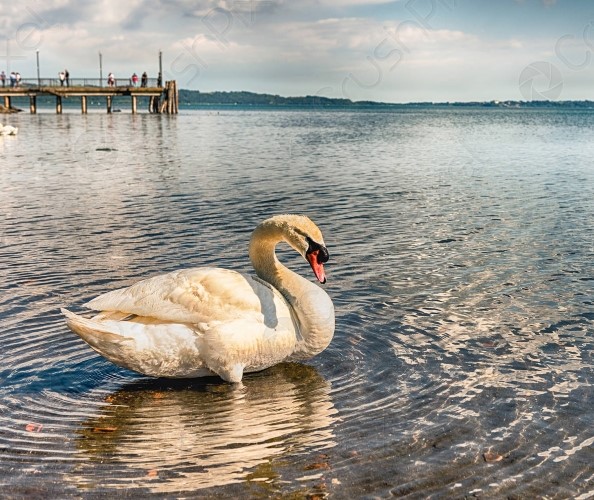
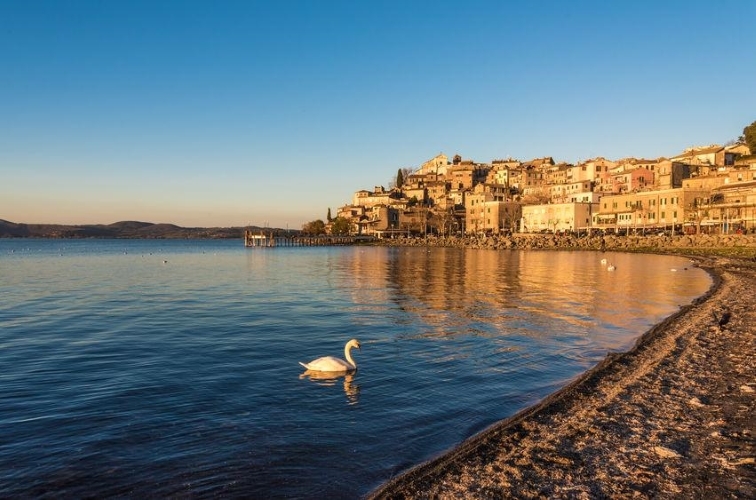
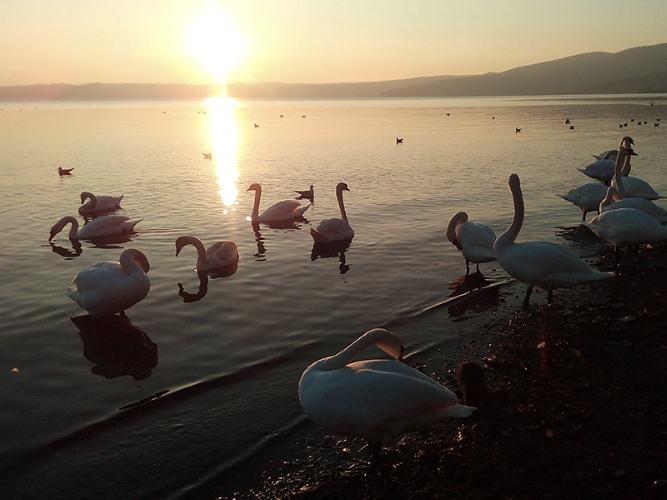
A half-hour drive from Rome, you will reach another volcanic beauty—Lake Bracciano—and feel transported to another world. Romans looking for a quick escape from the city enjoy its exceptionally clean waters and its quietude—powerboats are banned. Surrounded by greenery, olive groves, quaint villages and the imposing Orsini Odescalchi Castle (a popular spot for lux weddings), it is also a favorite spot for bird watchers.
Italy’s lakes are gleaming jewels not to be missed in a country already rich in a multitude of natural treasures!

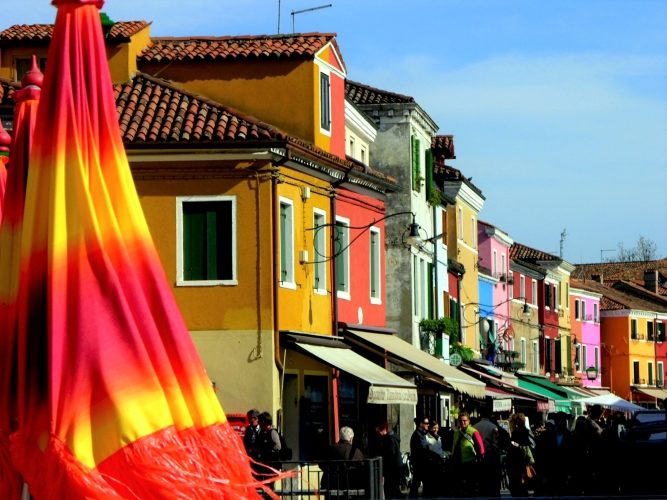
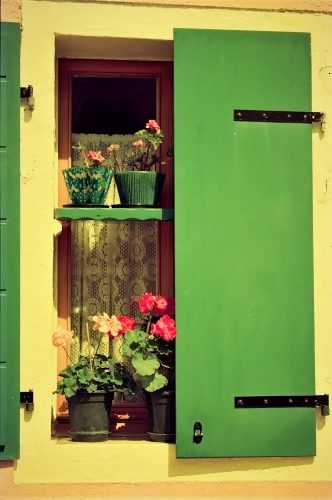
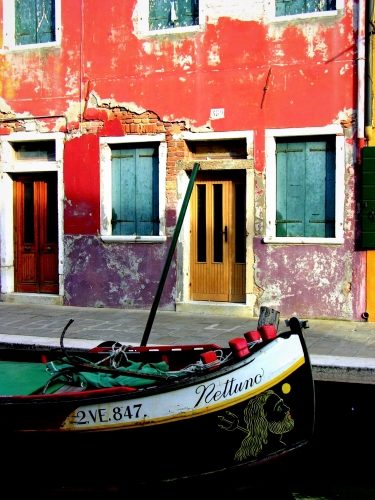
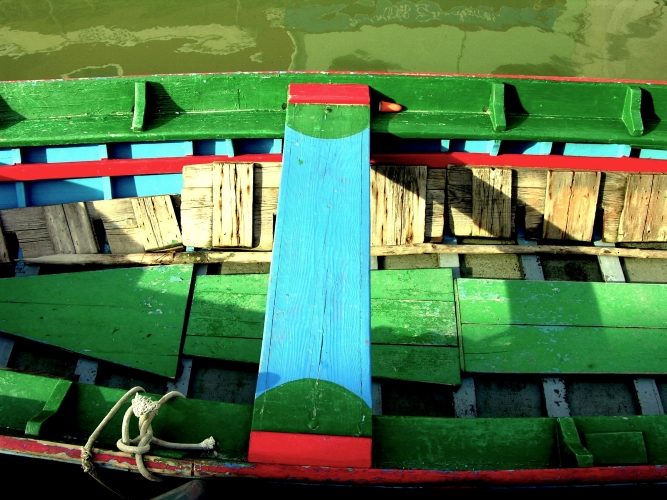
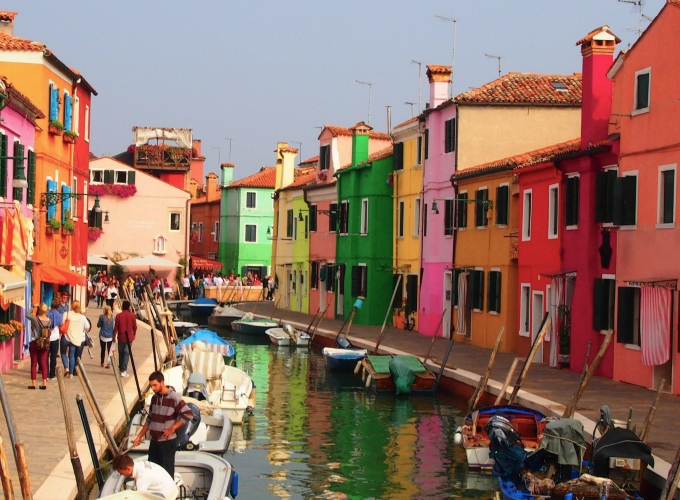
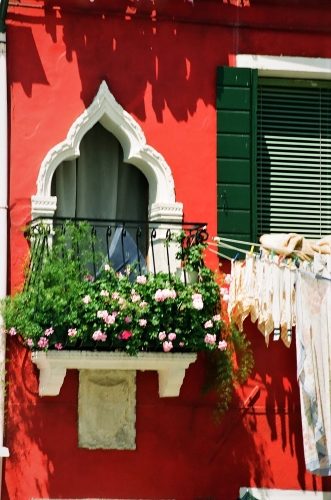
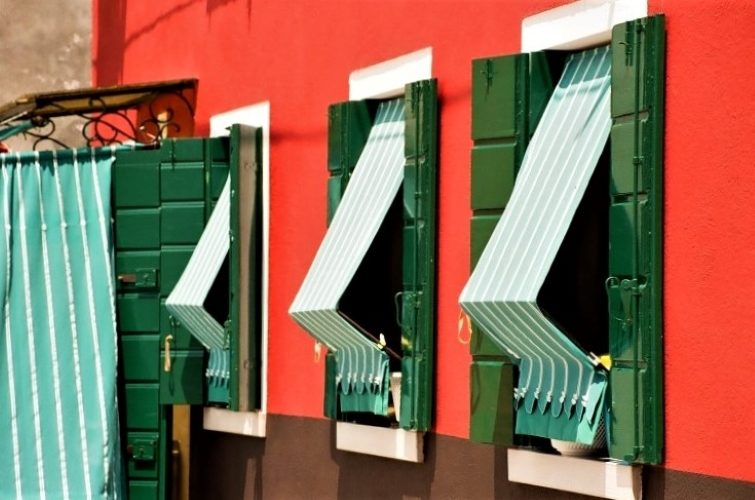
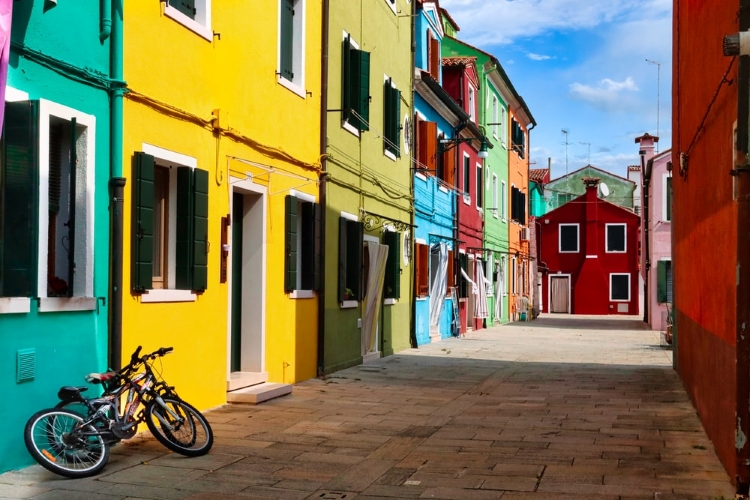
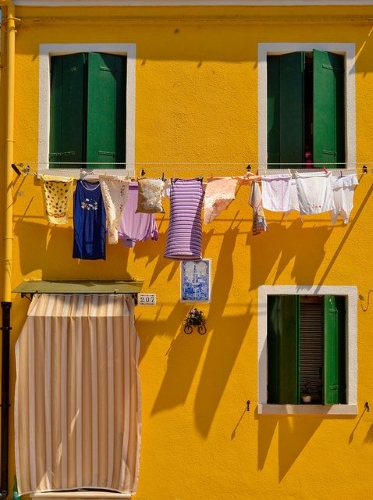
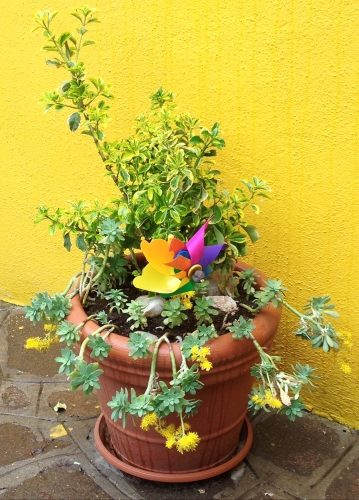
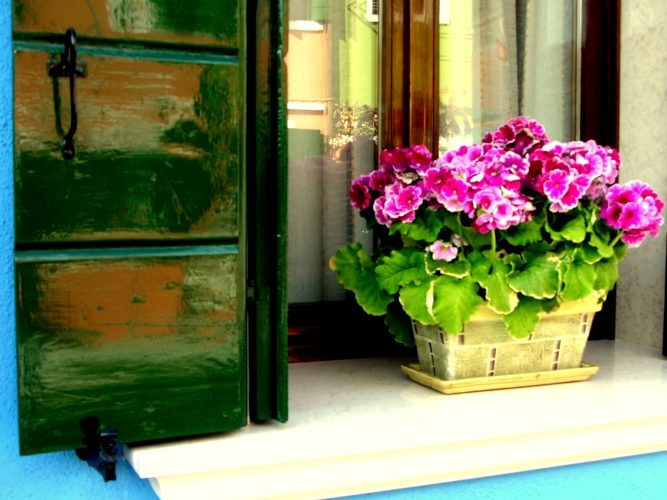
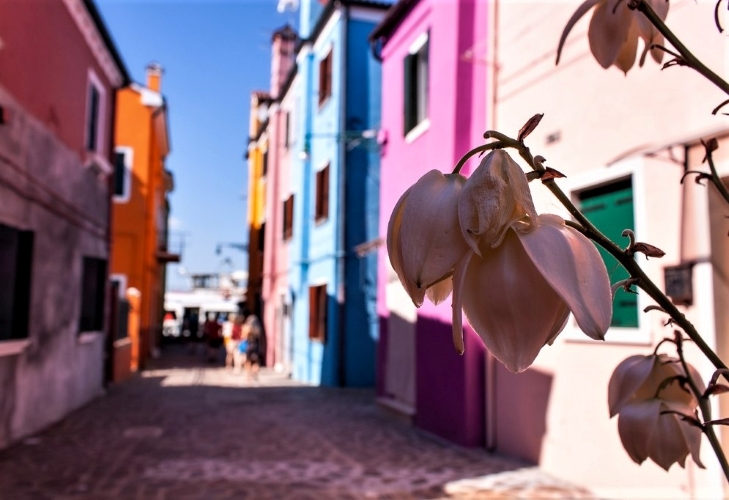
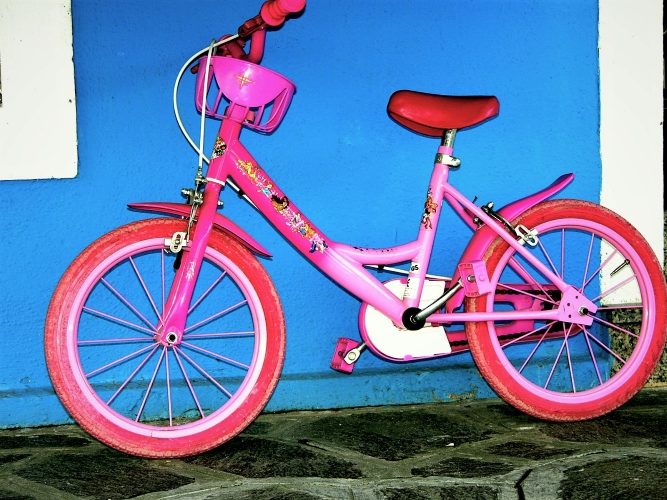
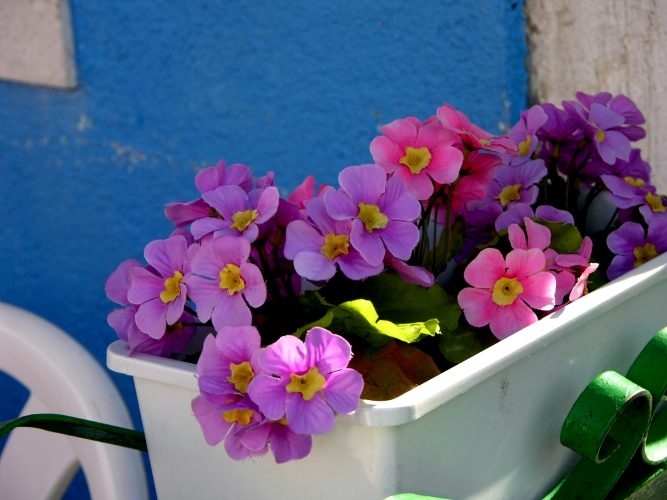
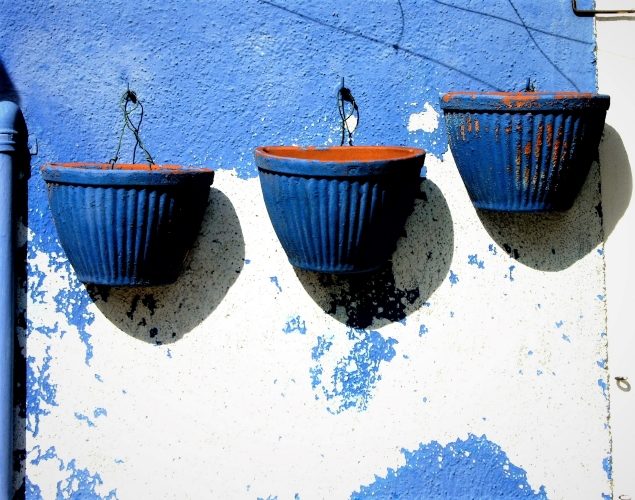
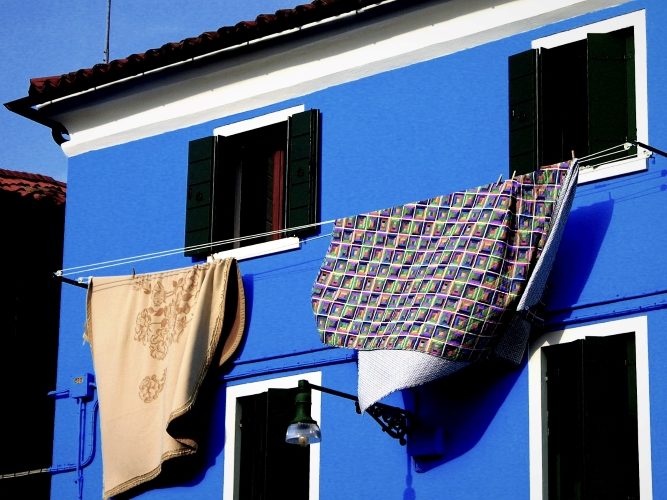
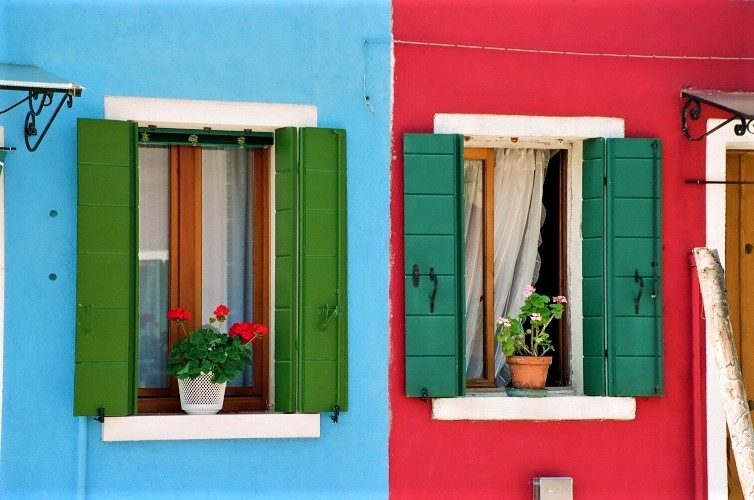
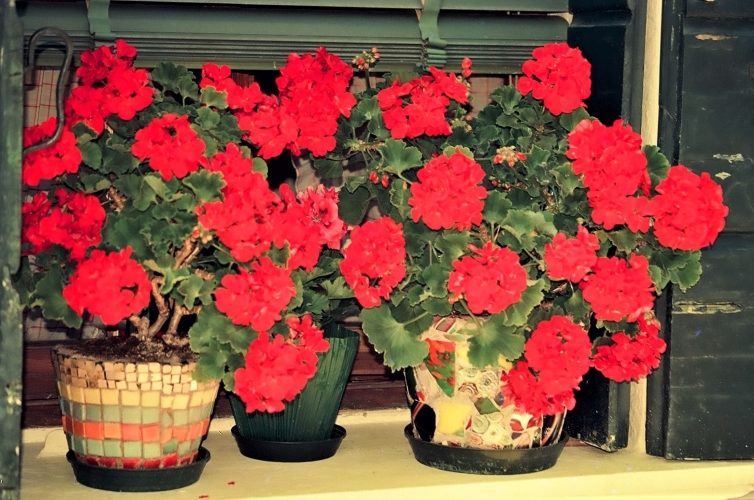
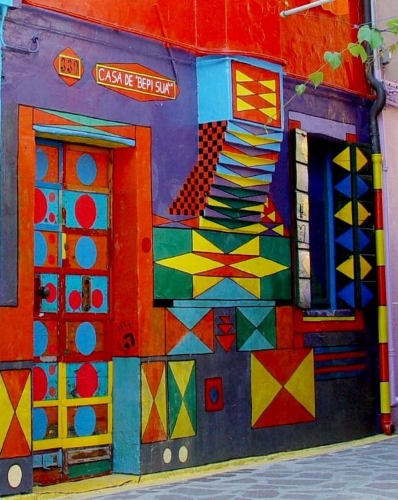
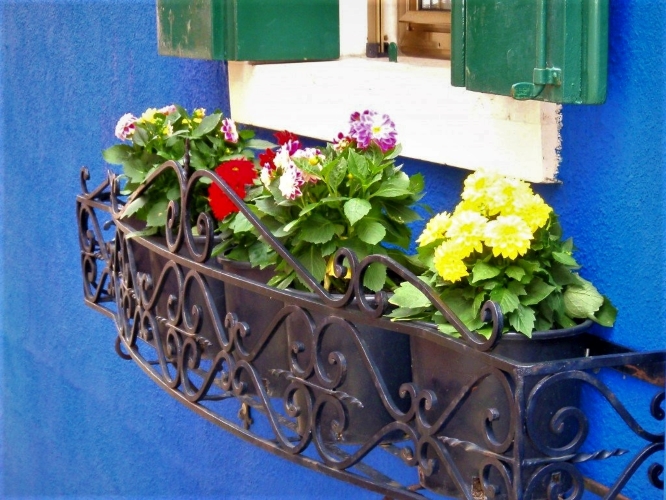
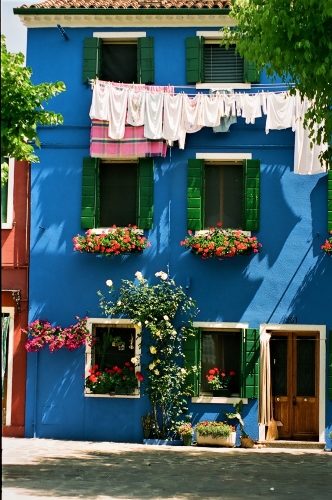
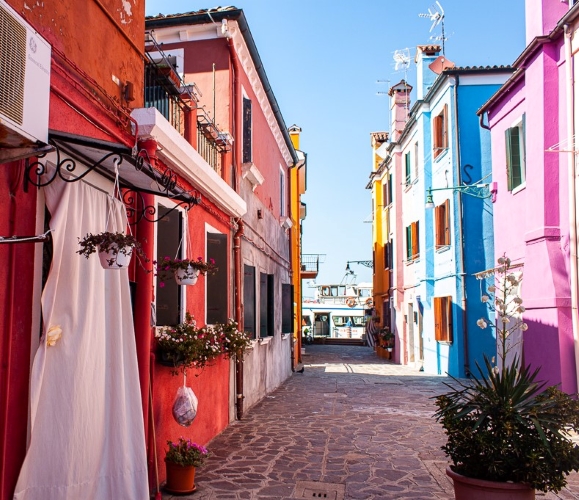
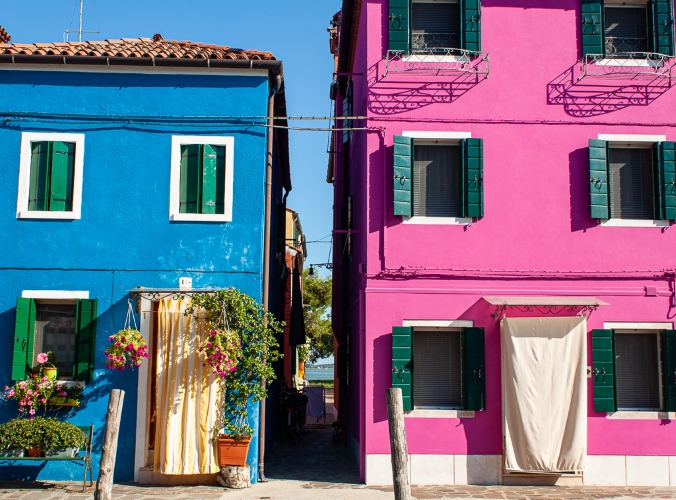
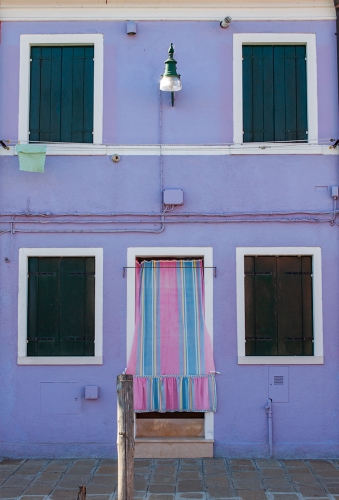
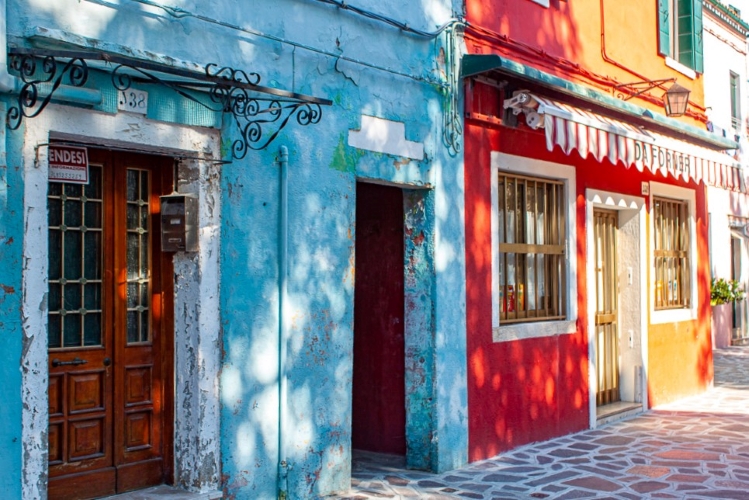
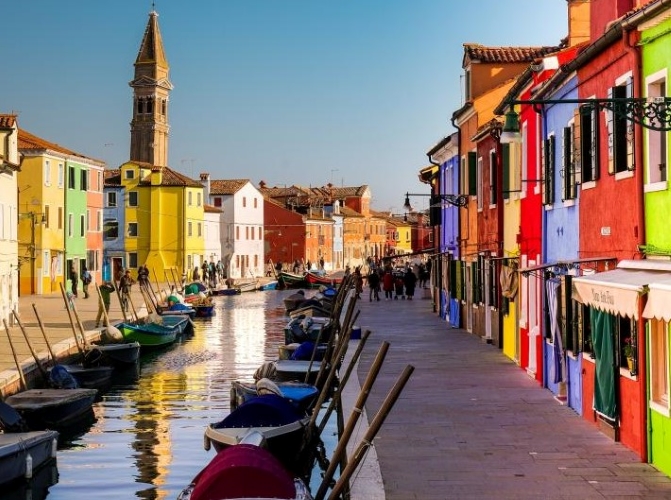
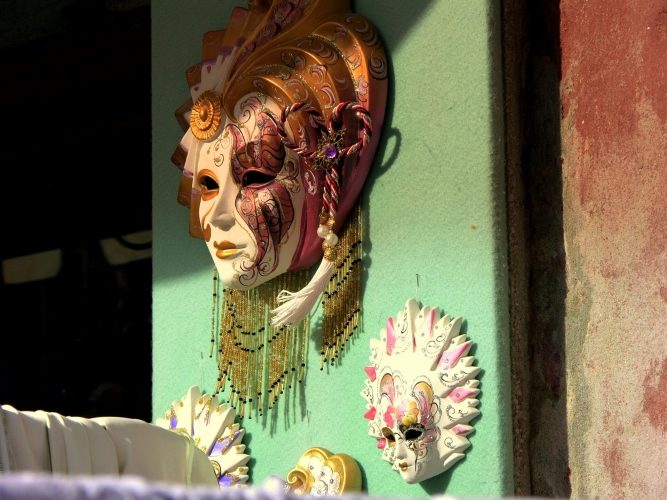
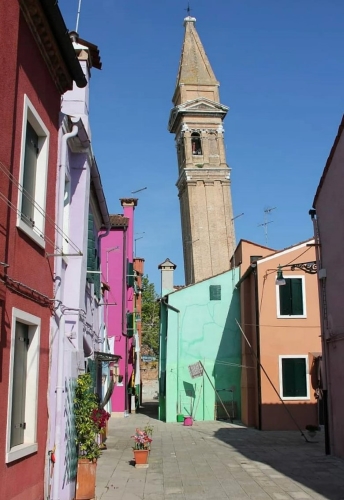
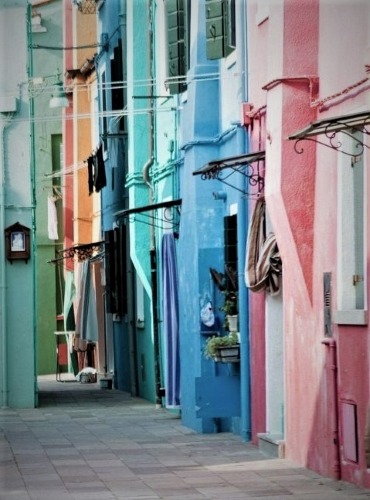
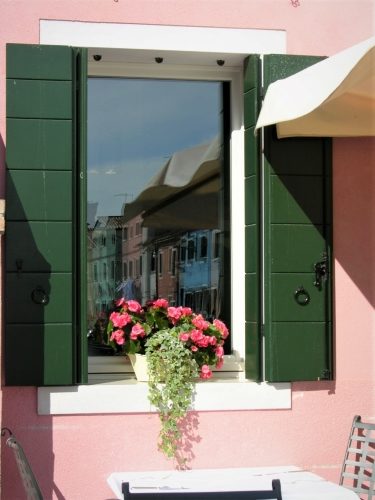
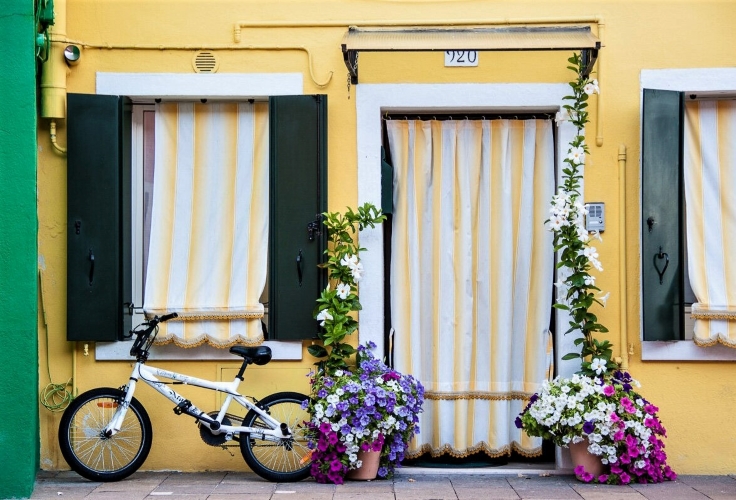
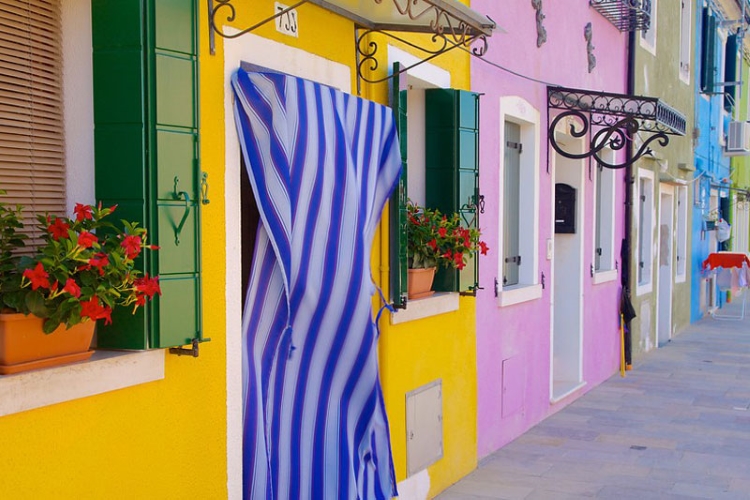
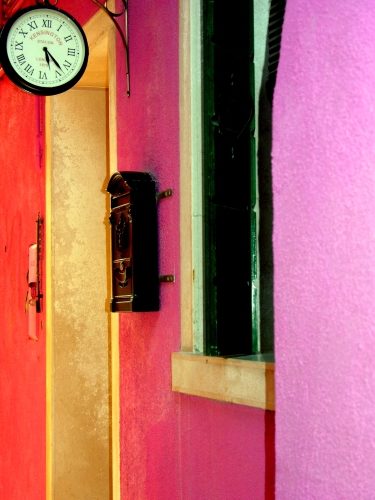
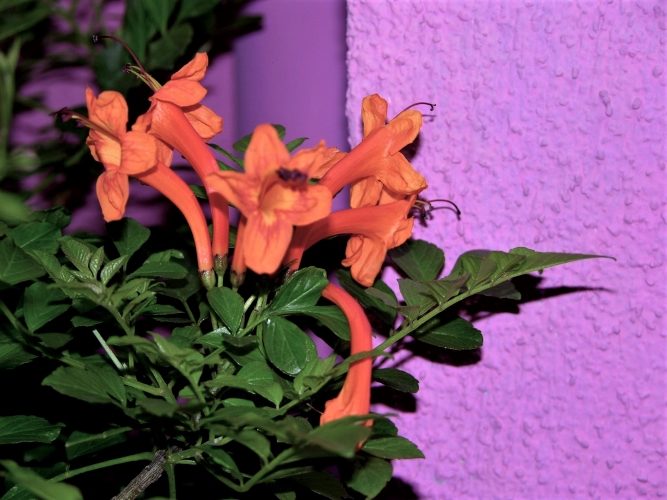
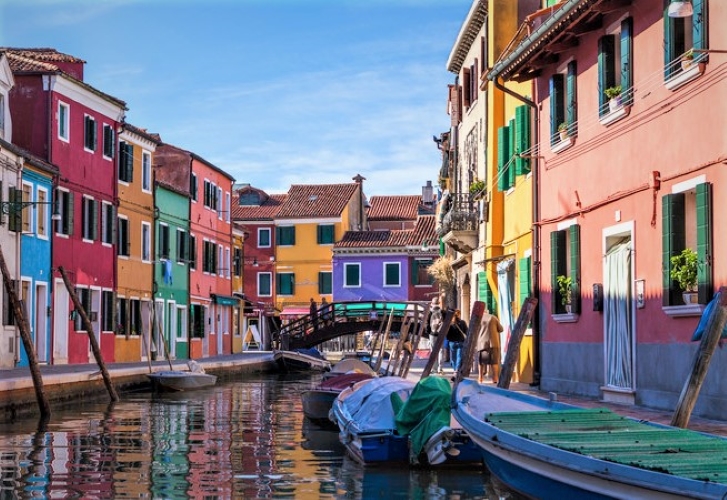
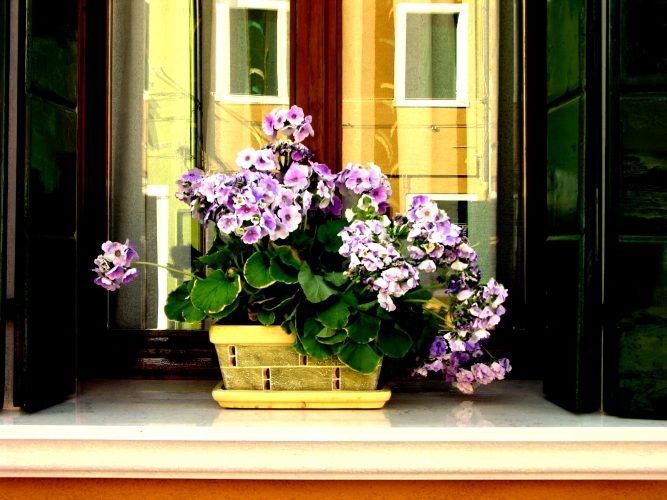
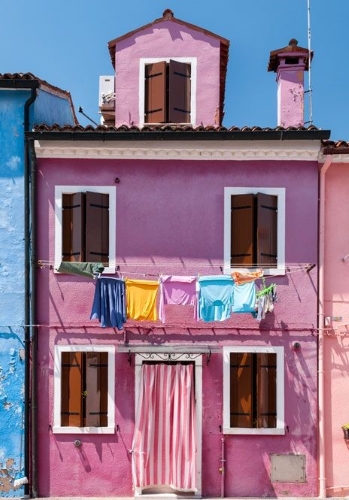
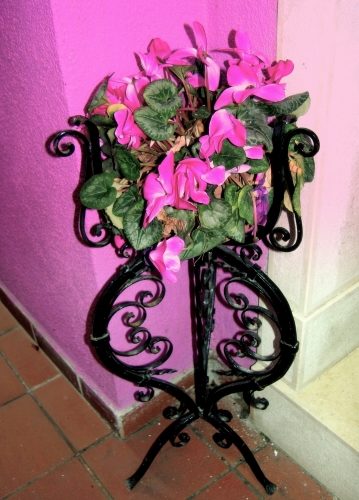
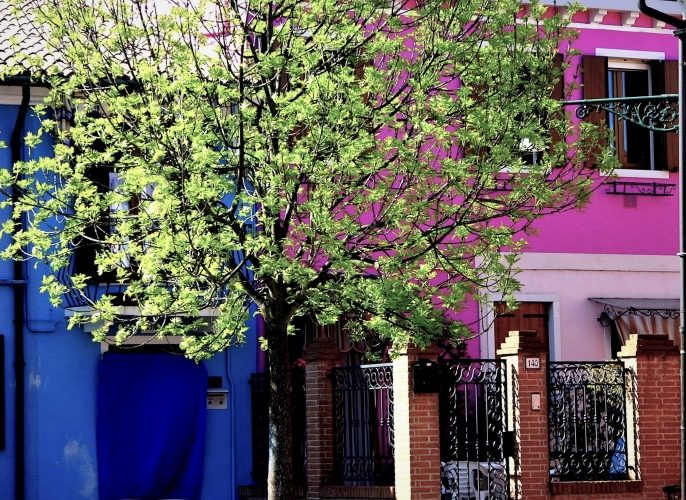
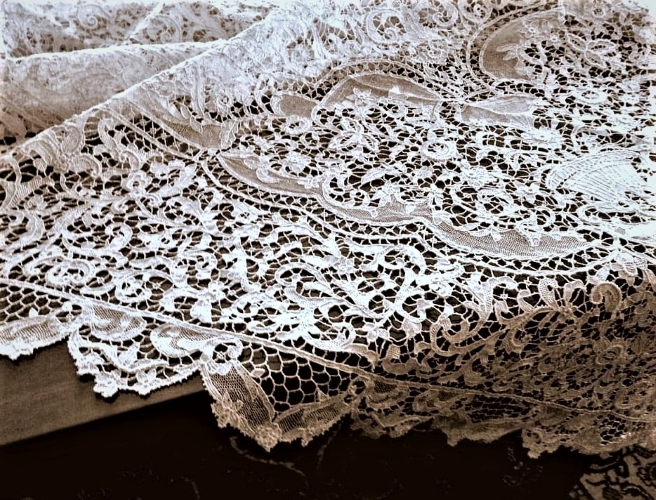
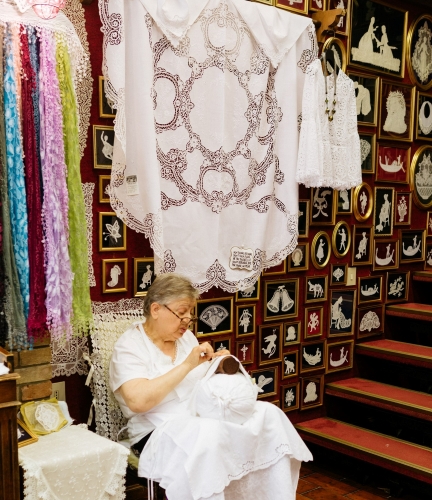
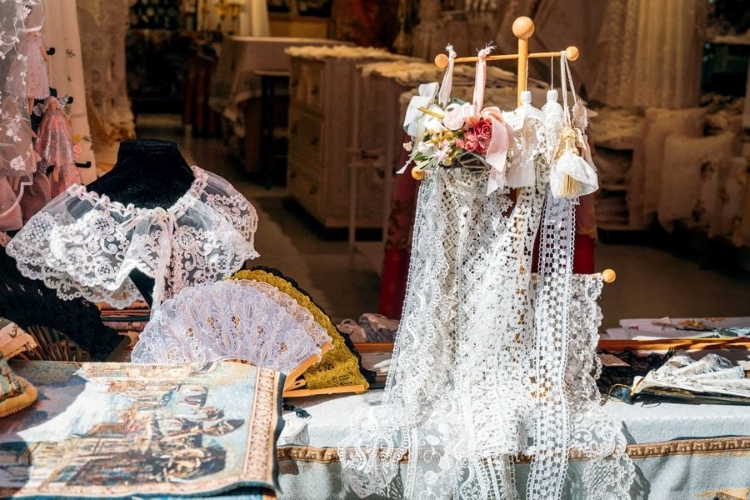
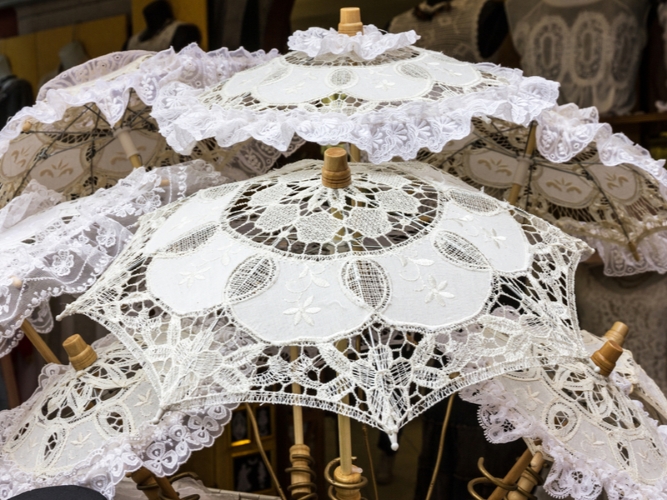
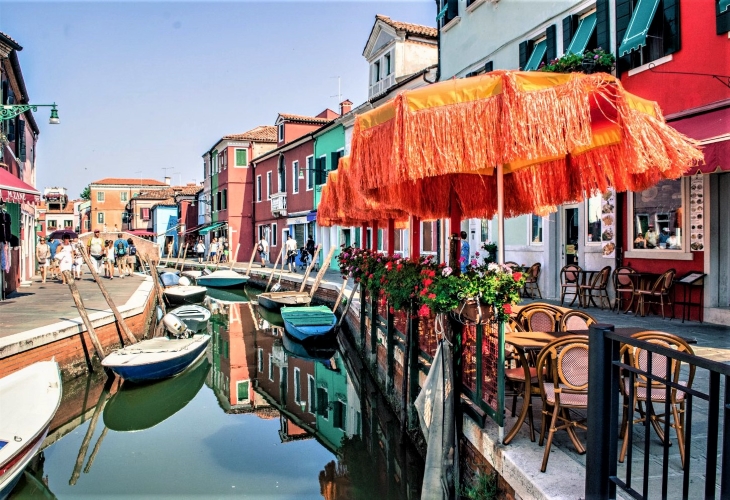
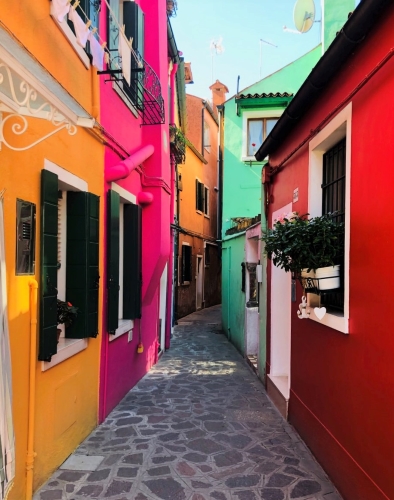
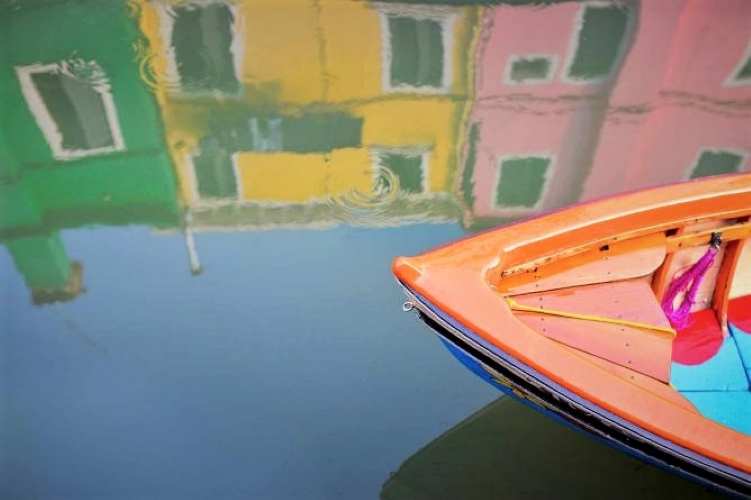
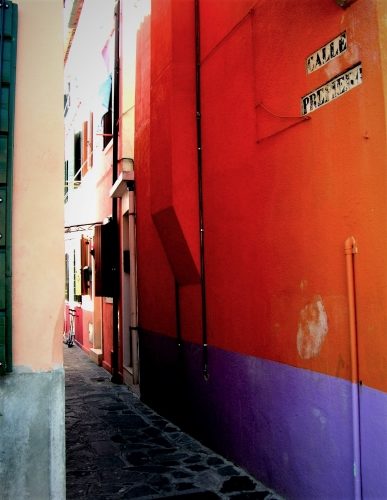
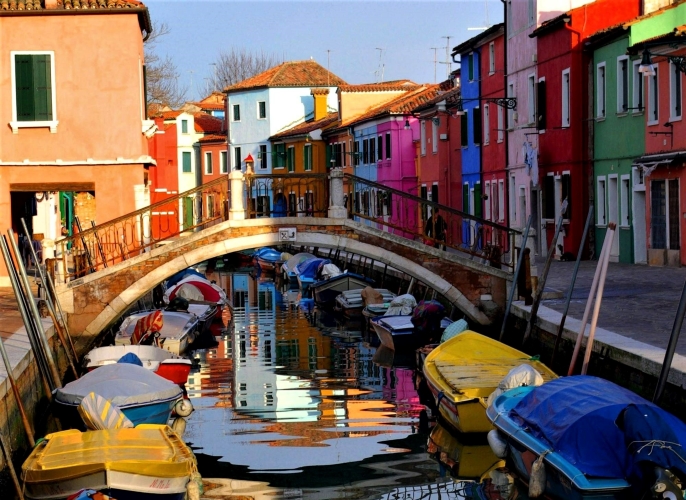
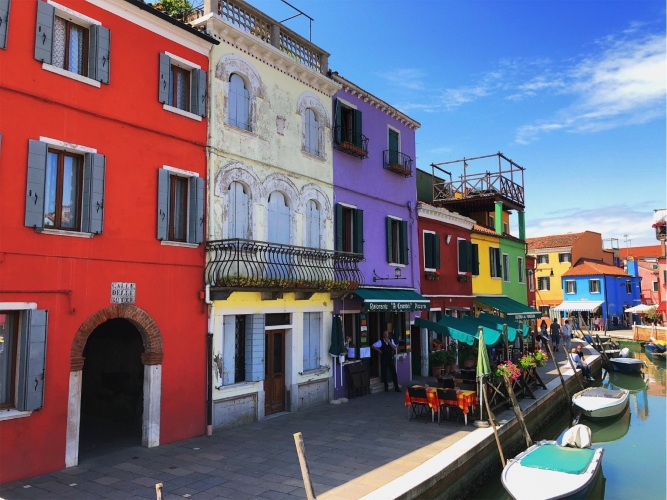
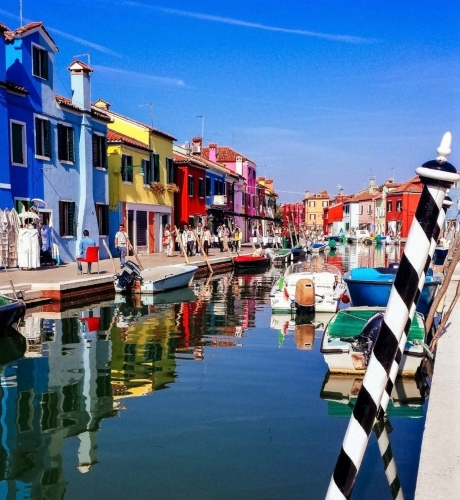
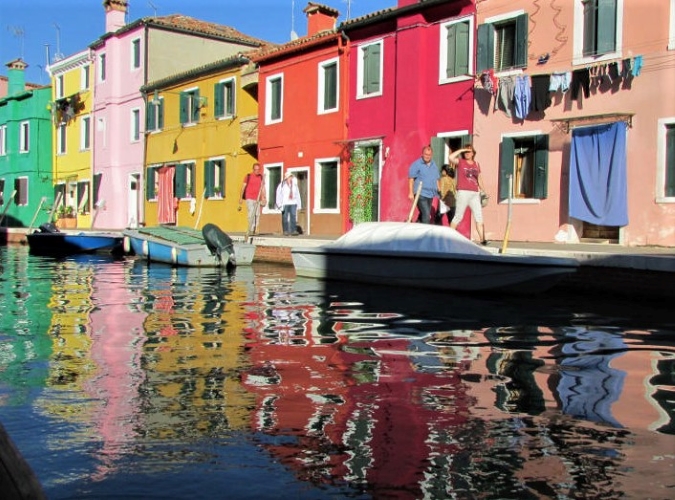
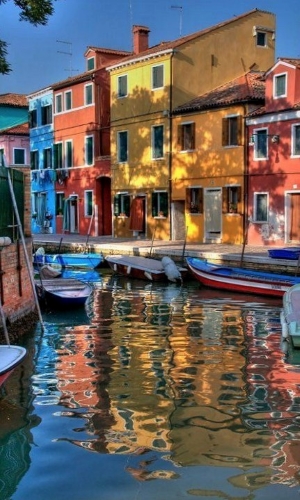
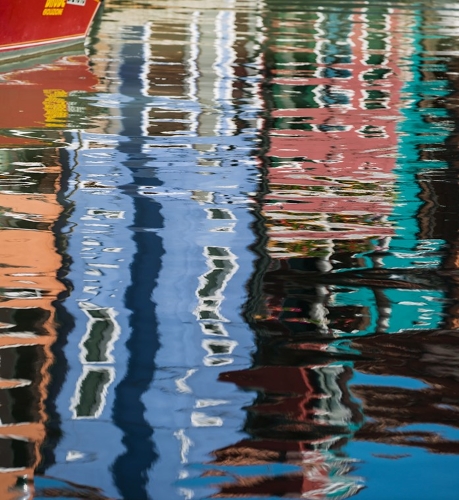
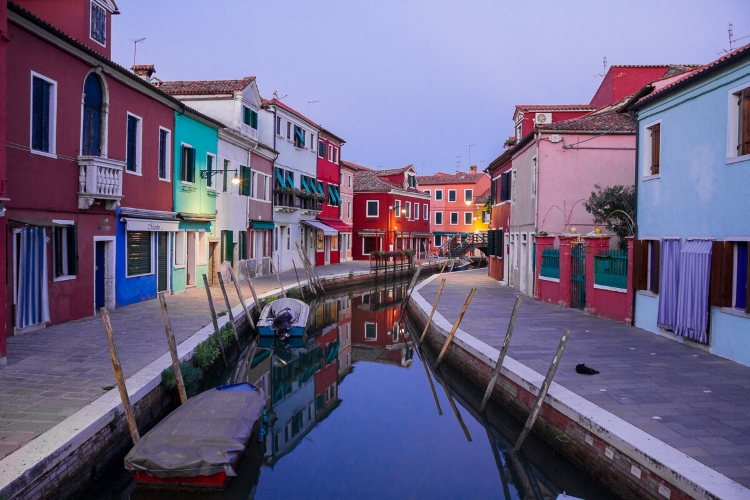
Forty minutes from Murano, world famous for its glass, is the island village of Burano, famous for its lace … and where the dazzling colors of locales like the Caribbean meet the haunting qualities of the Venetian lagoons. Many visitors to Venice, perhaps forgetting one out of confusion with the other, or perhaps due to time constraints, choose to go to Murano and not take the second 40-minute vaporetto journey to its almost-namesake. But those who do are treated to some very yummy eye-candy. Along the canals are charming two-story houses — cherry, pink, chartreuse, azure, tangerine and canary yellow, with contrasting-hued shutters, brightly patterned curtains for doors, window boxes and ceramic pots overflowing with flowers, and some very nicely art-directed clotheslines.
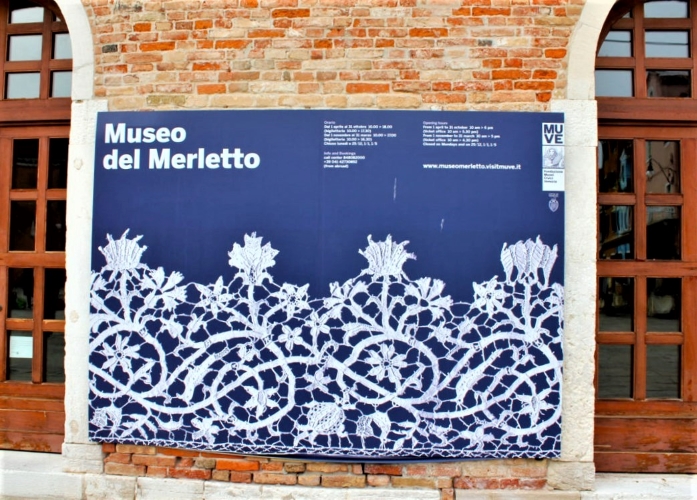
Burano is also famous for its lace known as punto in aria, or “points in the air,” as it is not stitched onto fabric but only onto itself. Demand exploded in the 1600’s and the Venetian government turned lace-making from private production into a lucrative business of the Republic, organizing women into a guild — one of the richest in Venice — and moving most production from Venice to Burano due to the island’s lower costs.
No one really knows how all this exuberance began, but there are, naturally, many stories about the origin of Burano’s vivacious color scheme. One plausible suggestion was that back in the day, painting each house a different color helped define property lines. Another more amusing, though less plausible suggestion is that on days of winter fog or very rough seas, the fishermen could not go fishing and spent their day playing cards and drinking vino. By the evening they were feeling so festive they couldn’t recognize their own houses. So it was decided to paint every house a different color so every wife could be sure the right man would return to the right home after a day on the town.
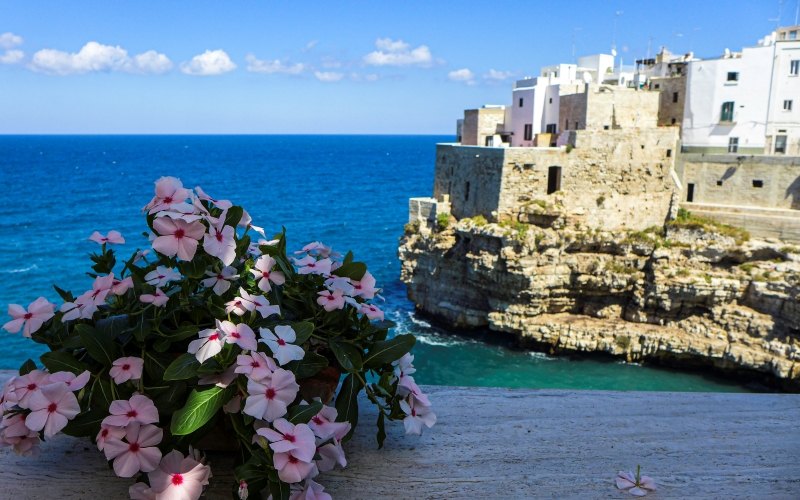
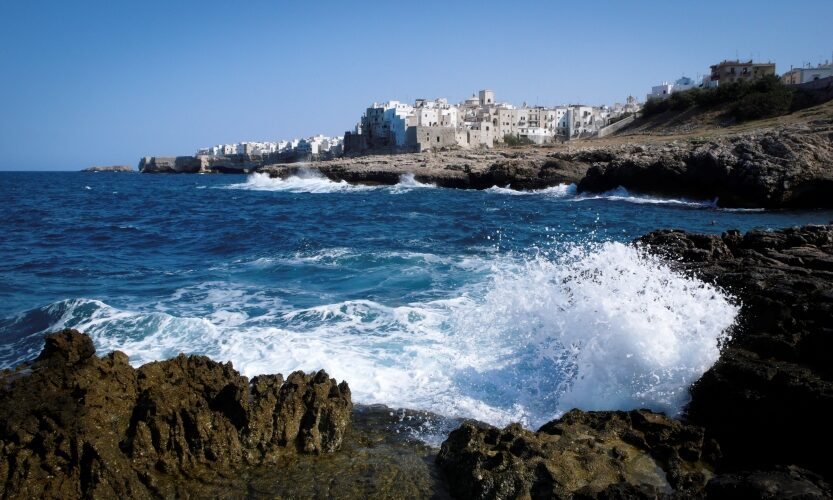
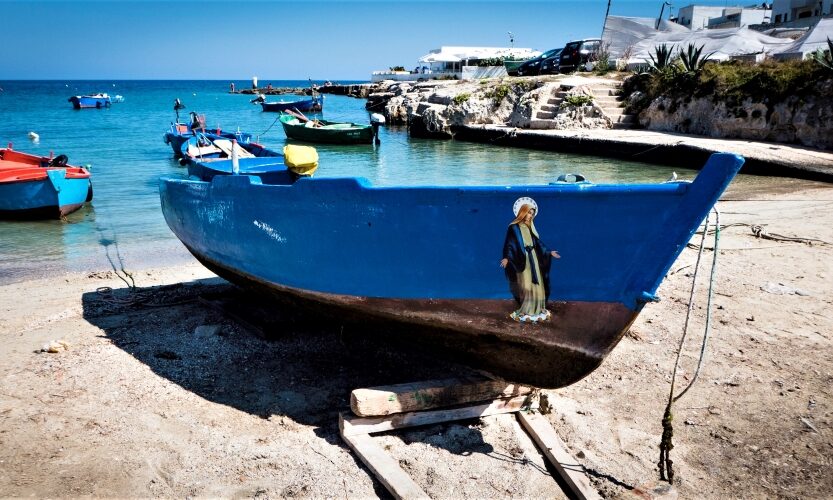
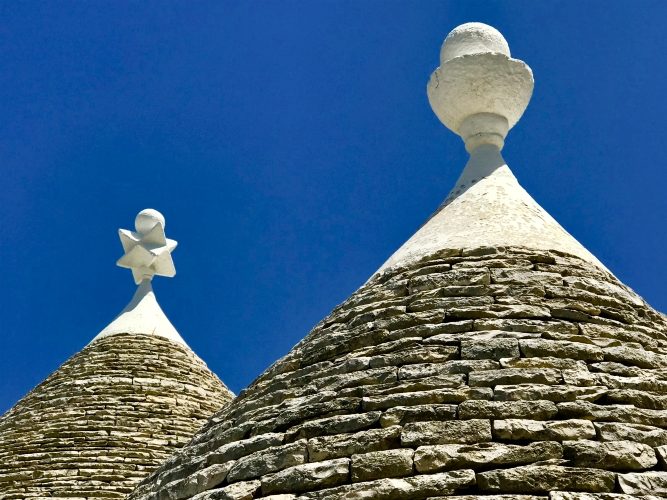
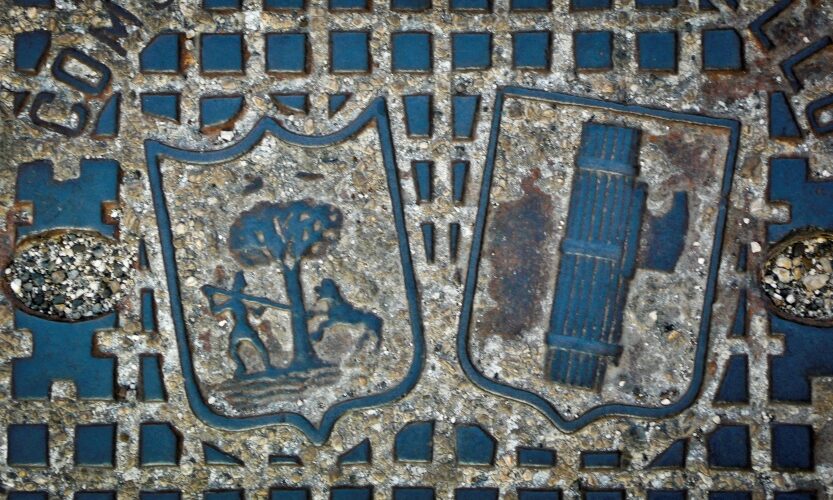
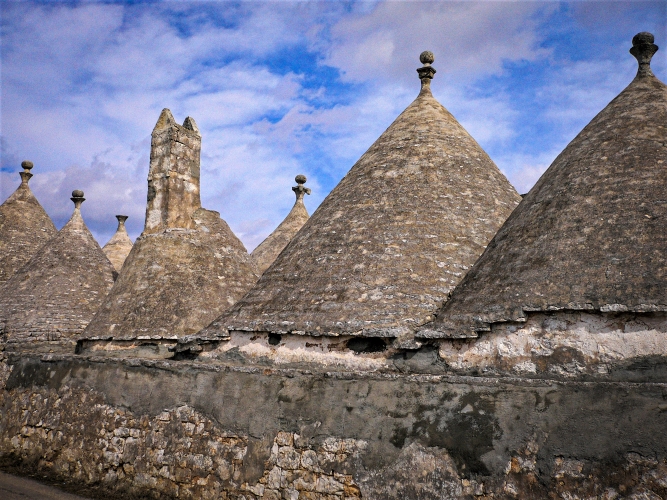
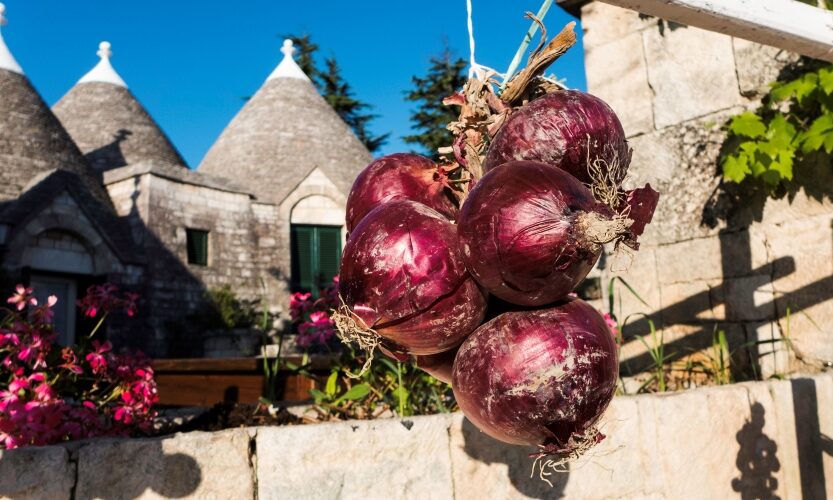
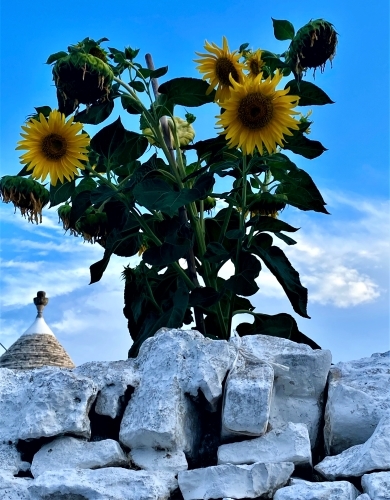
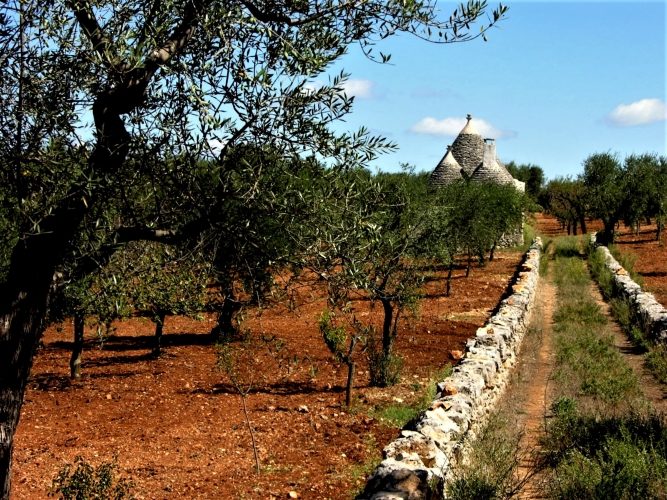
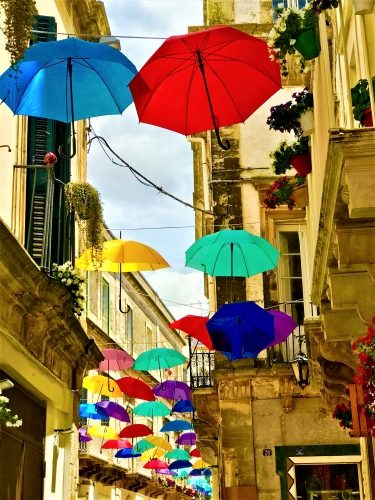
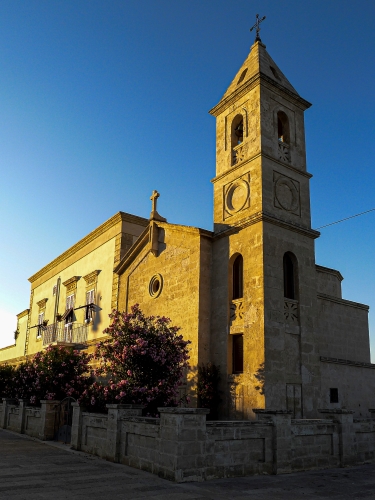
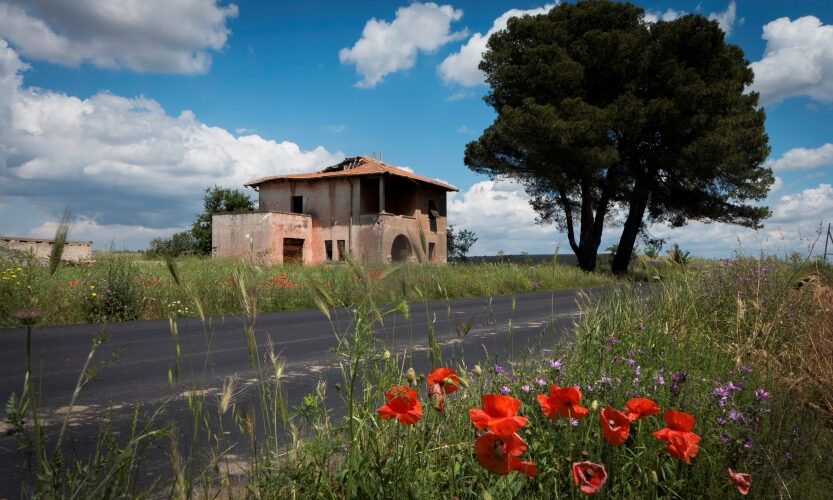
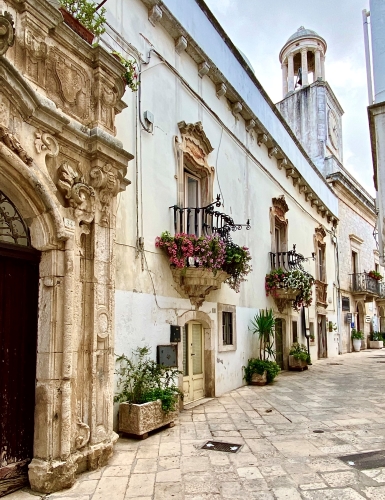
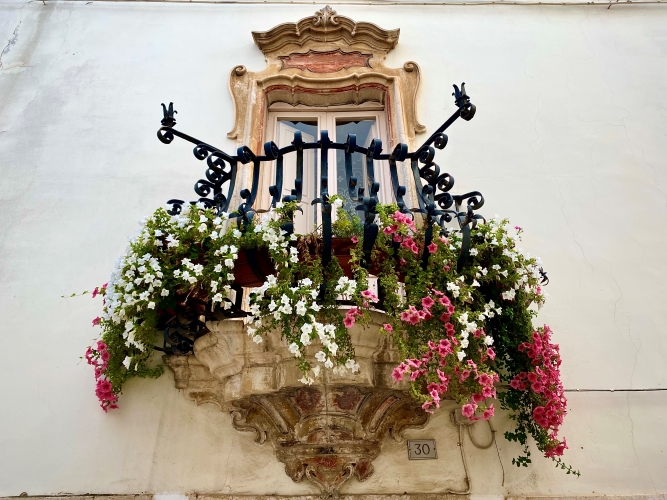
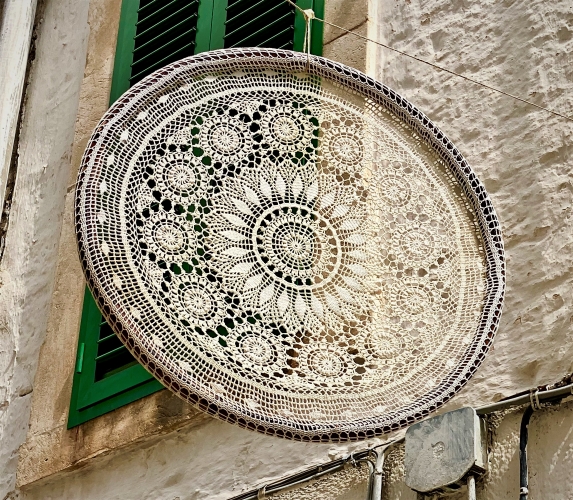
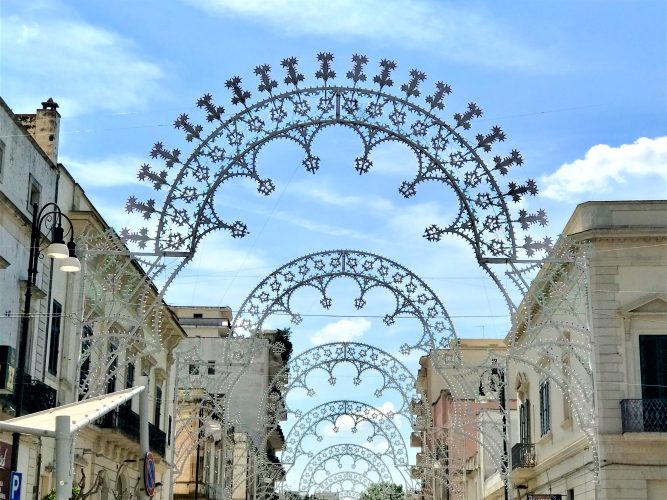
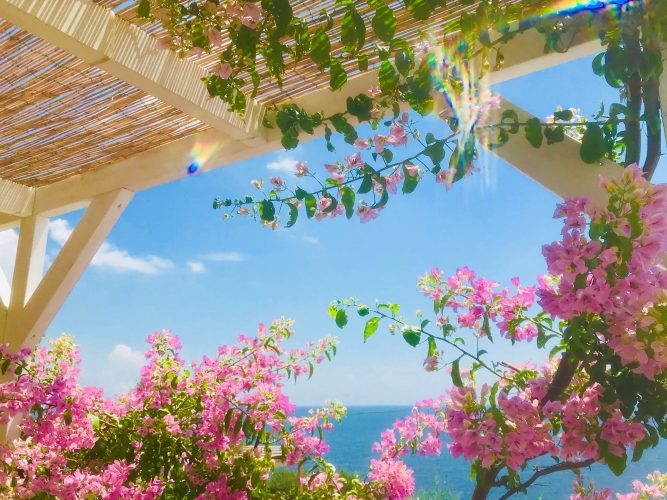
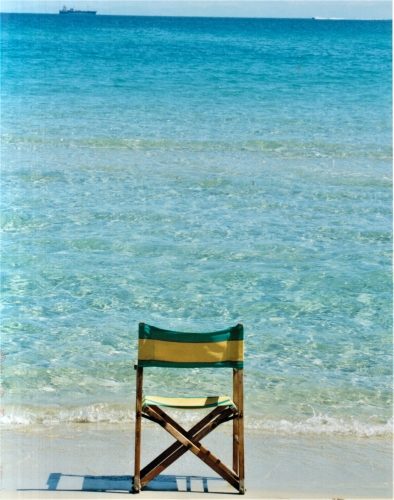
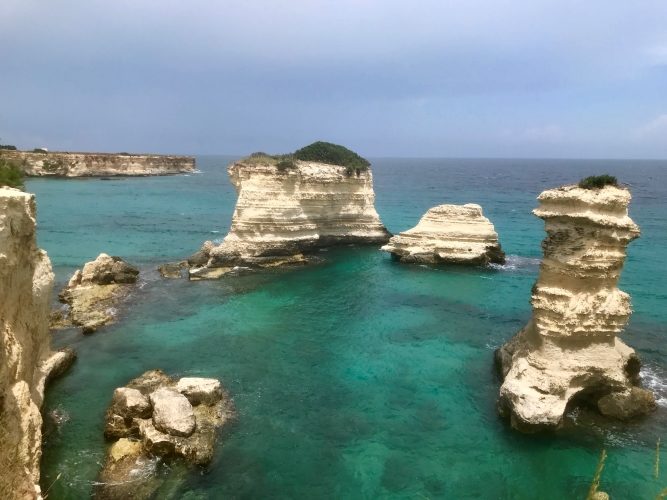
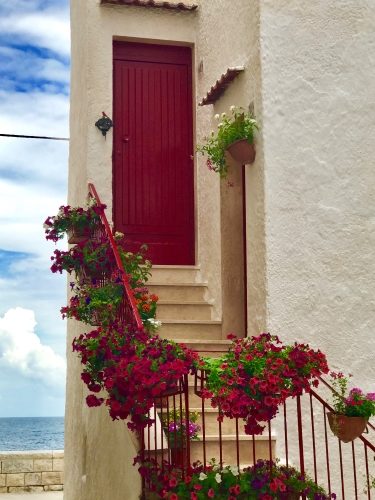
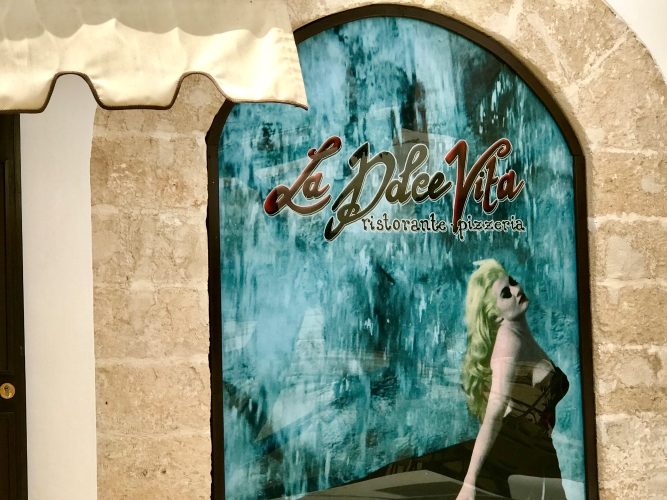
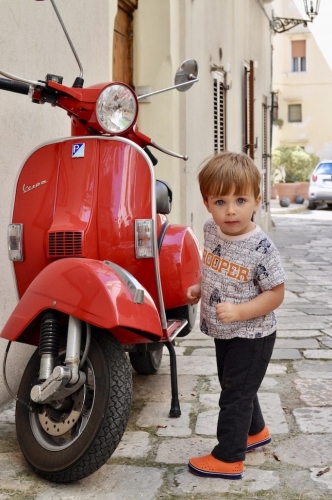
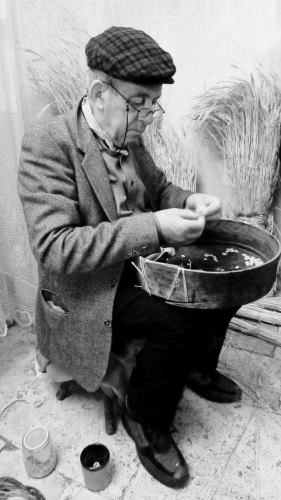
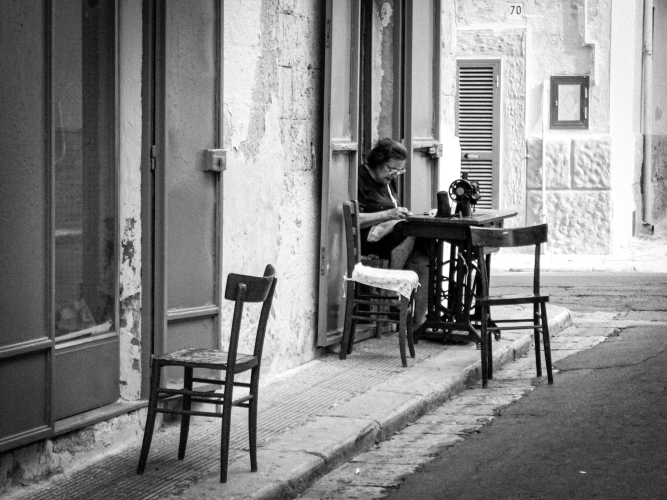
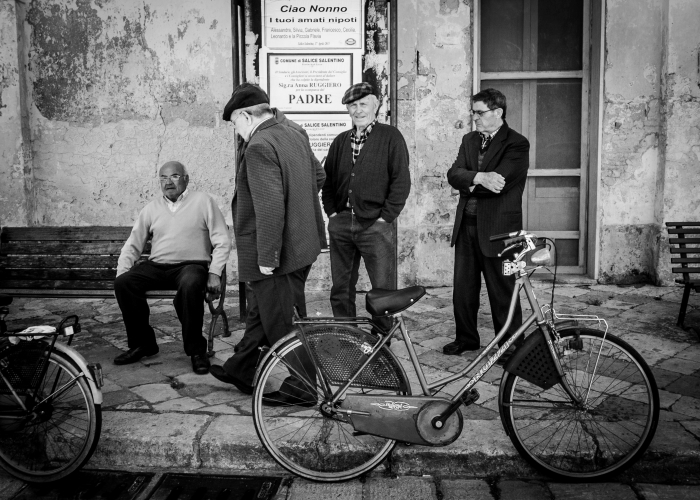
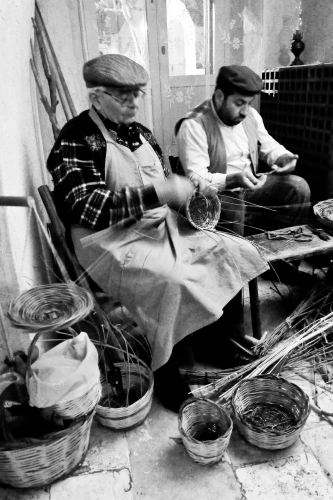
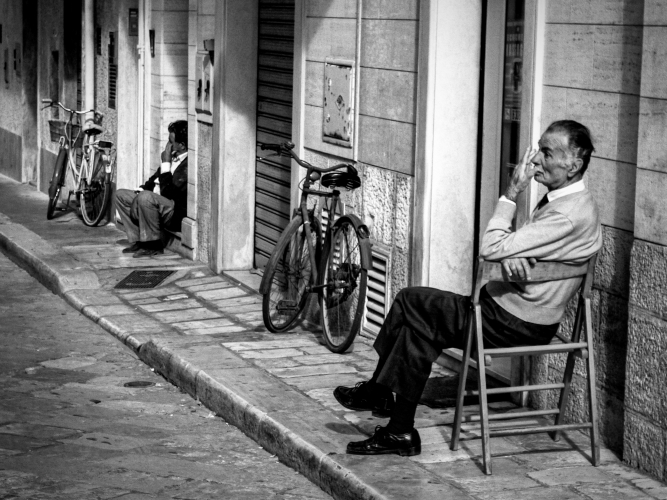
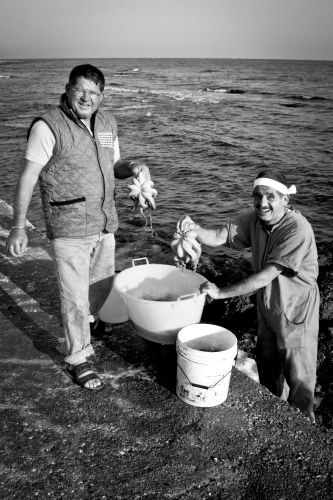
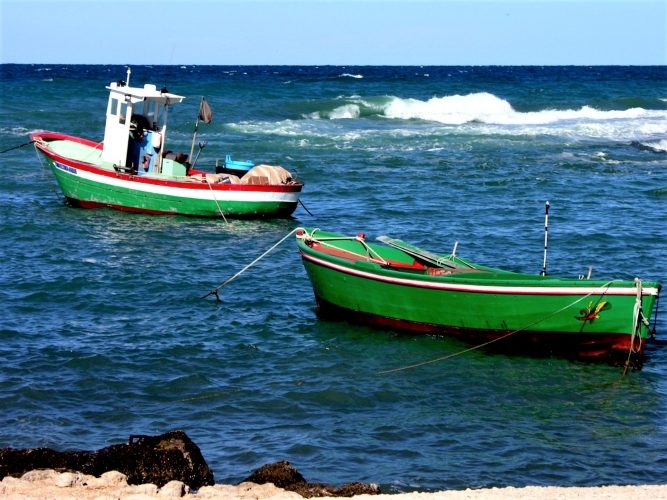
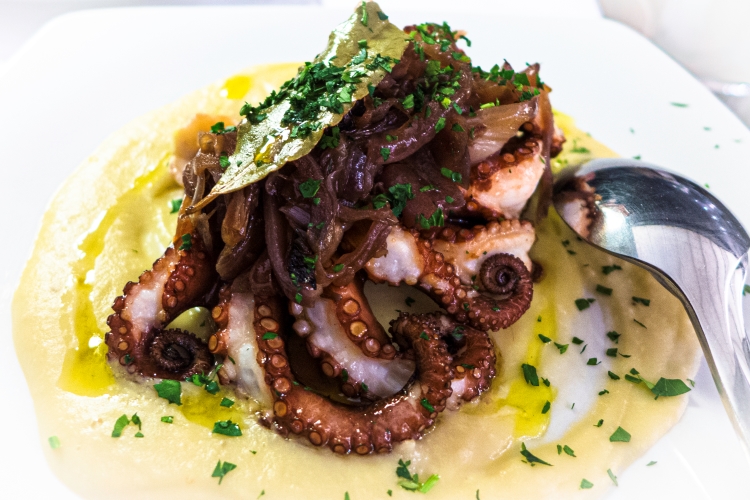
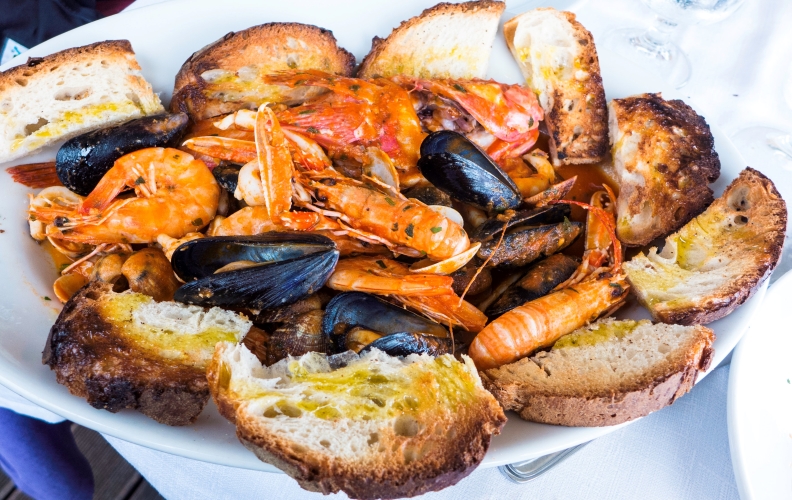
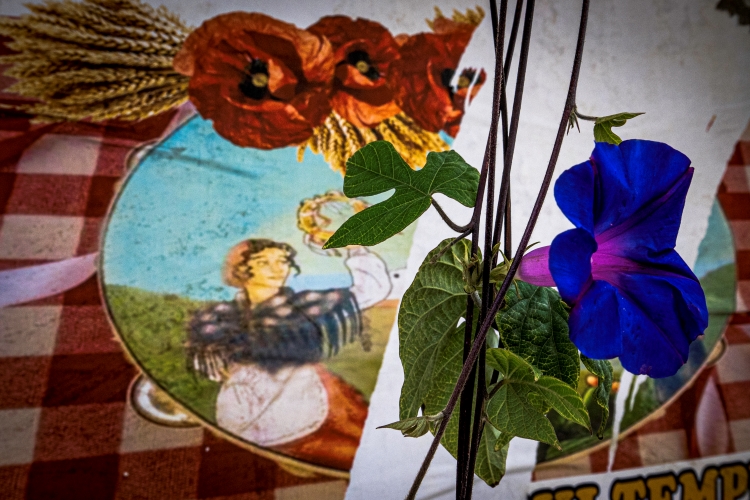
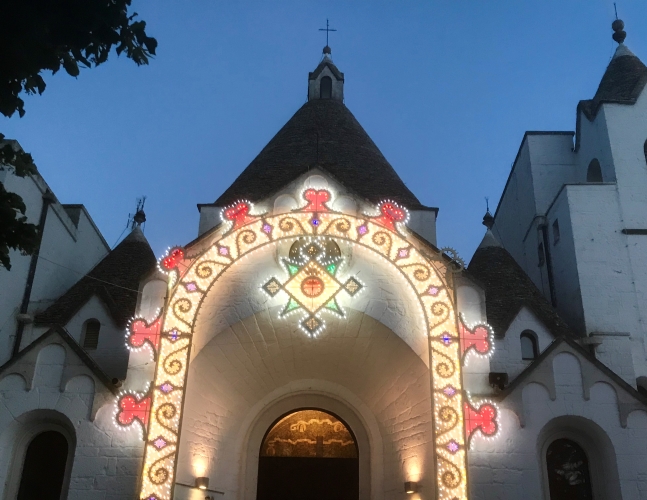
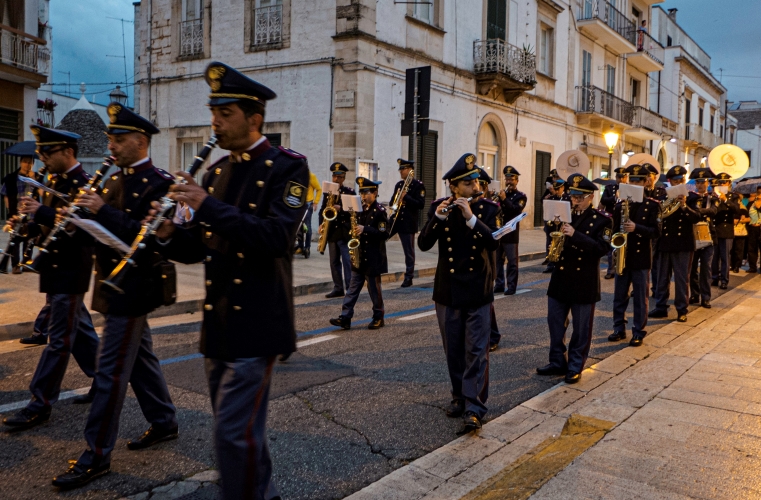
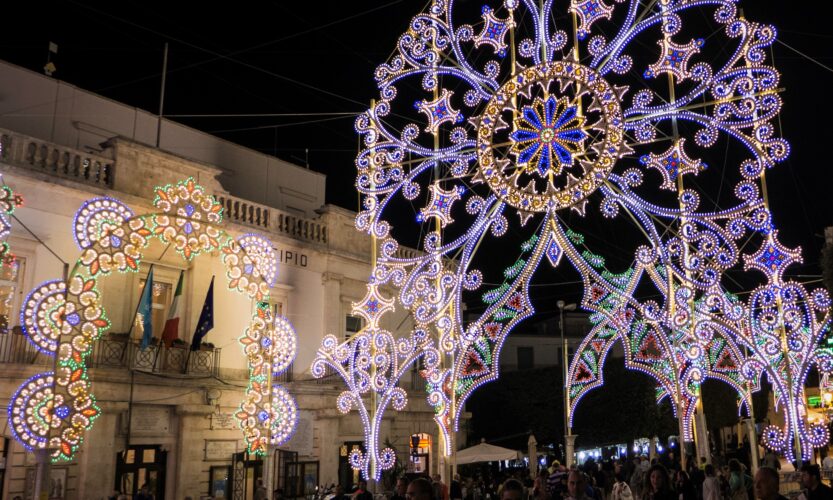
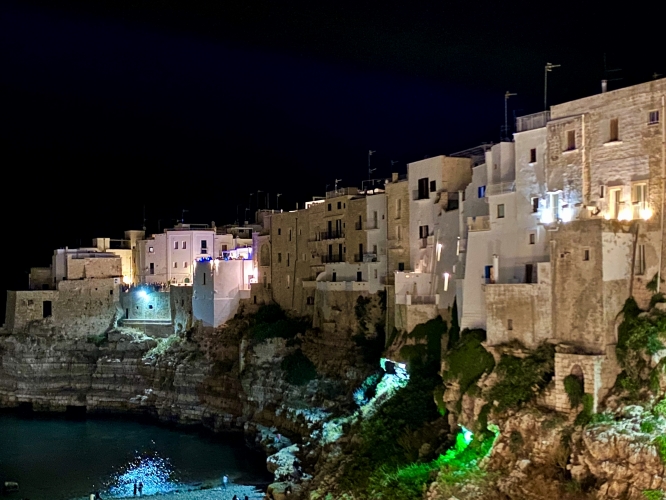
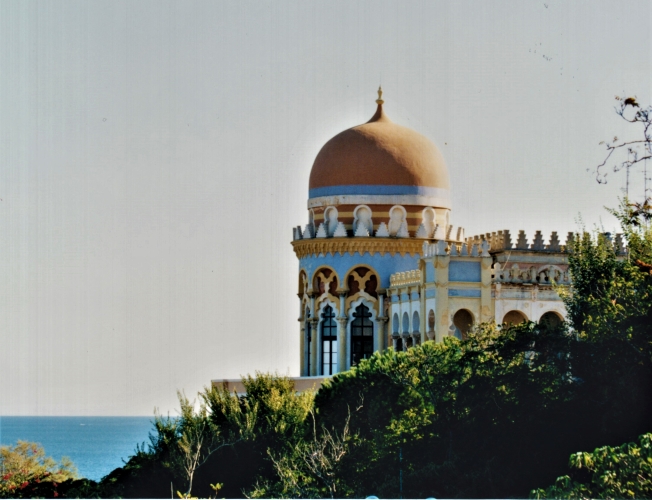
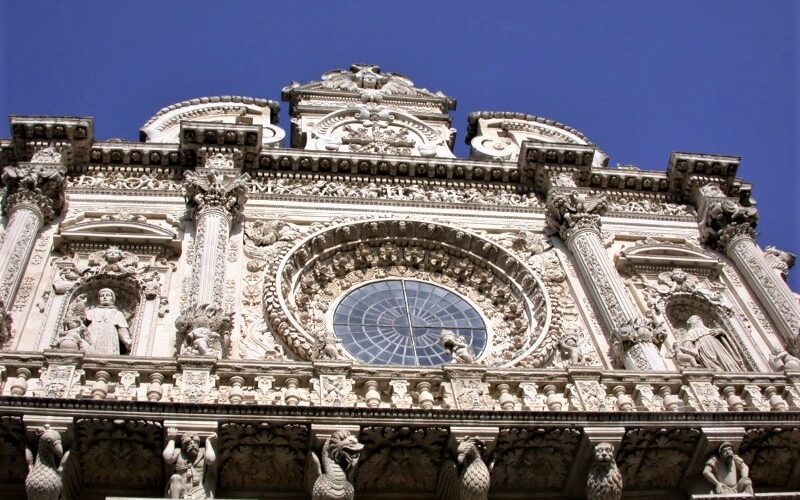
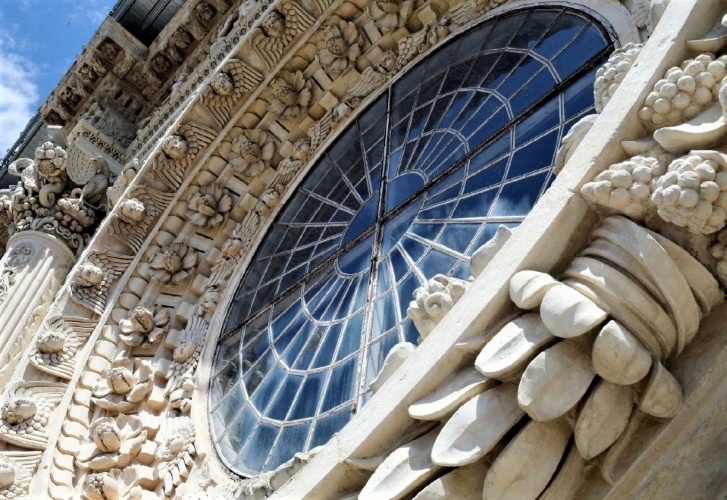
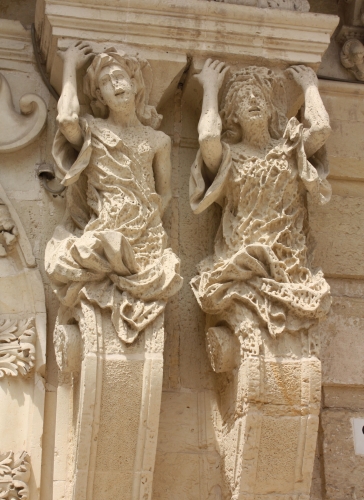
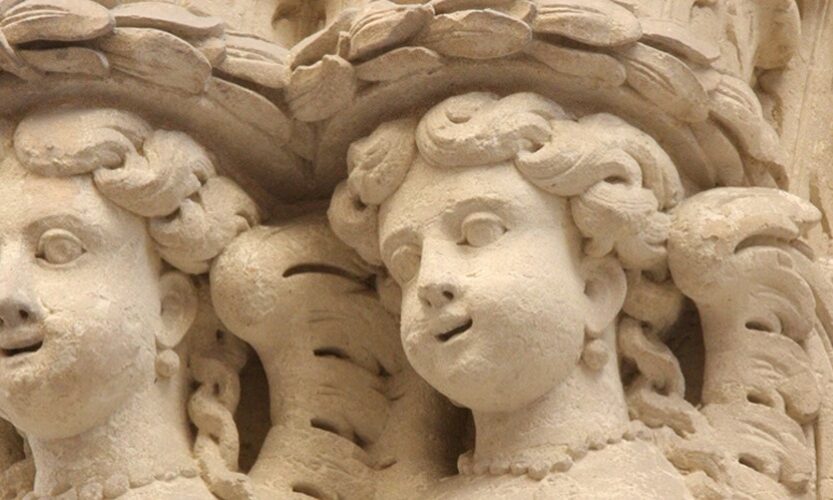
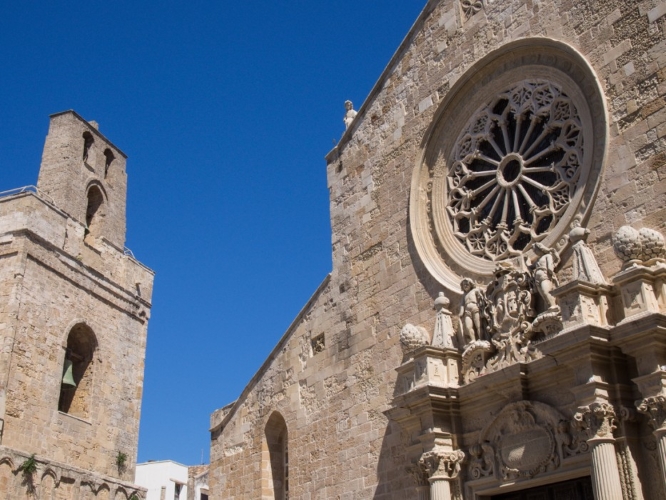
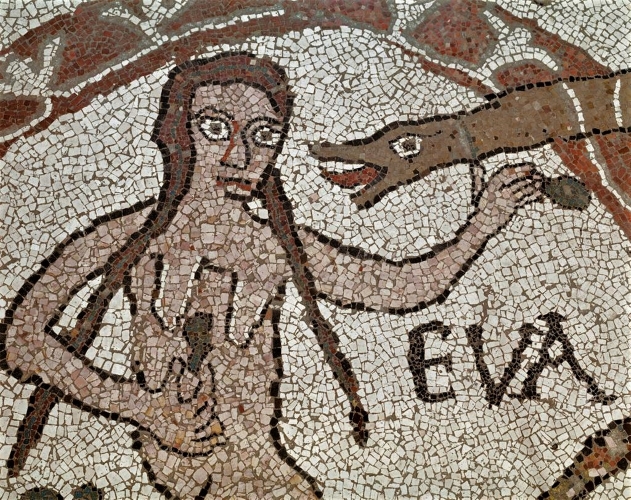
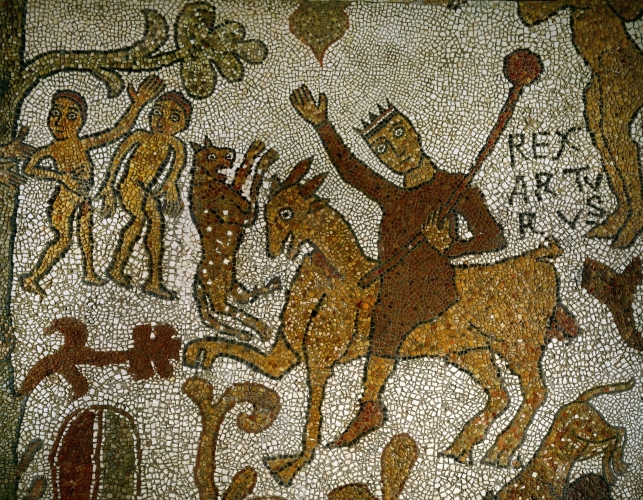
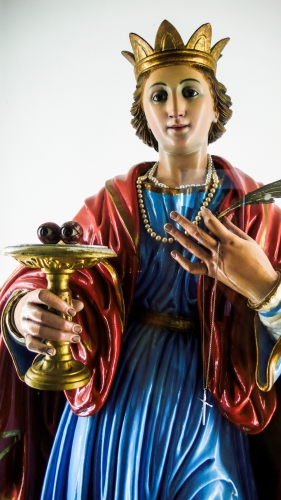
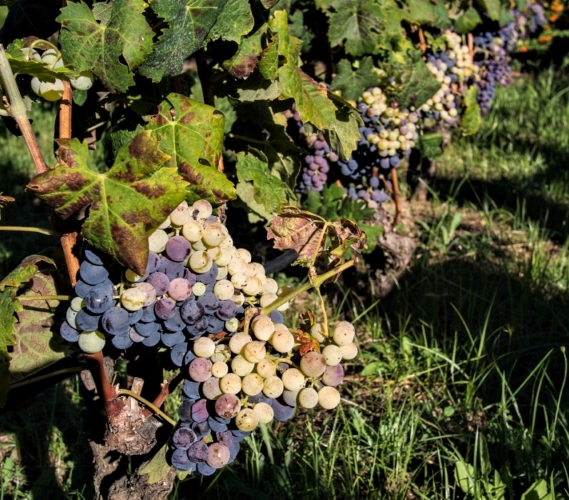
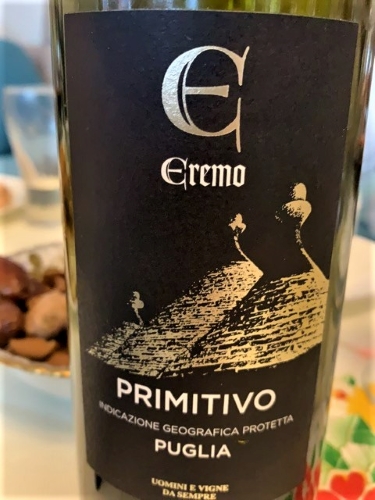
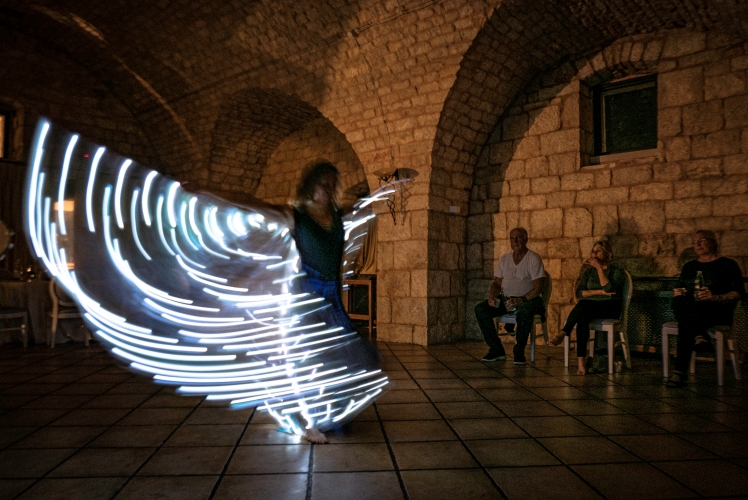
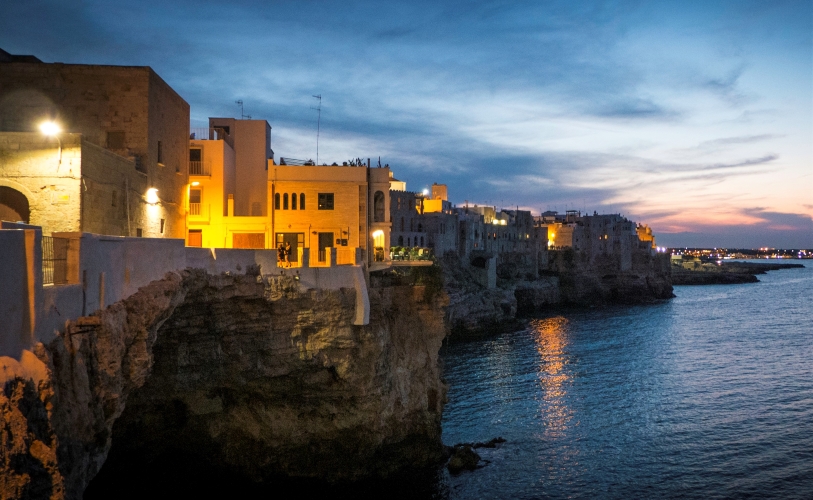
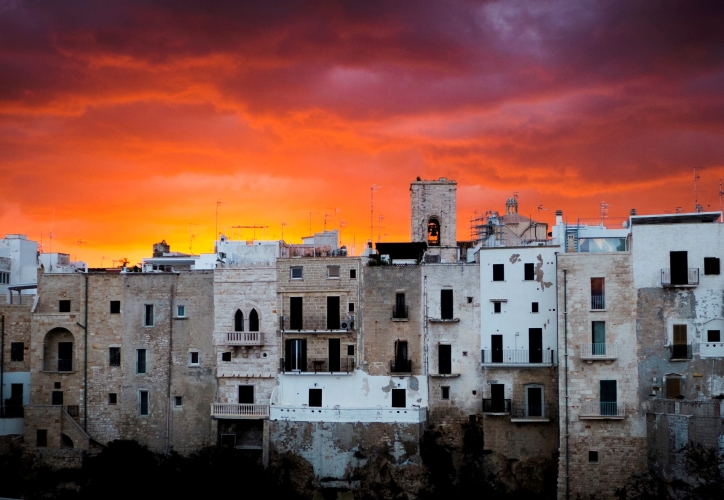
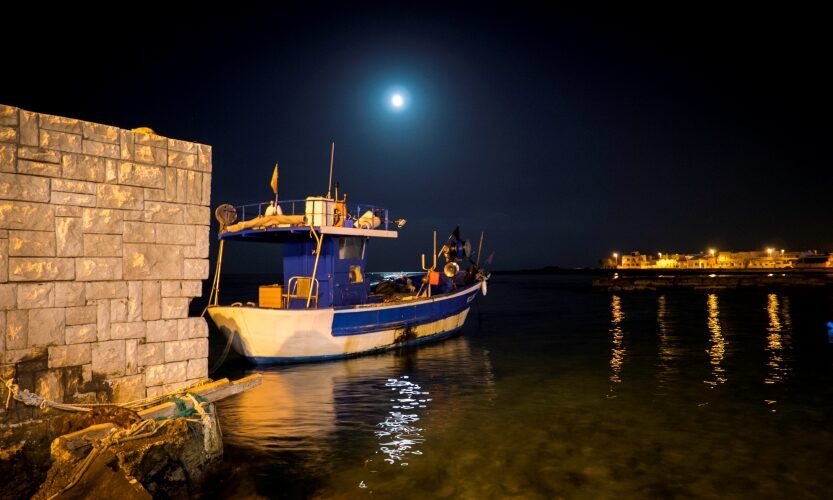
In the deep south of Italy, surrounded by crystal-clear waters and 500 miles of Adriatic and Ionian coastline, is the enclave of Puglia that sits on the sun-baked heel of the Boot. I first visited years ago and fell in love with its sleepy whitewashed villages, colorful folk traditions, its unique trulli set amongst olive trees, endless plates of mouth-watering food and some of the most gracious people in all of Italy.
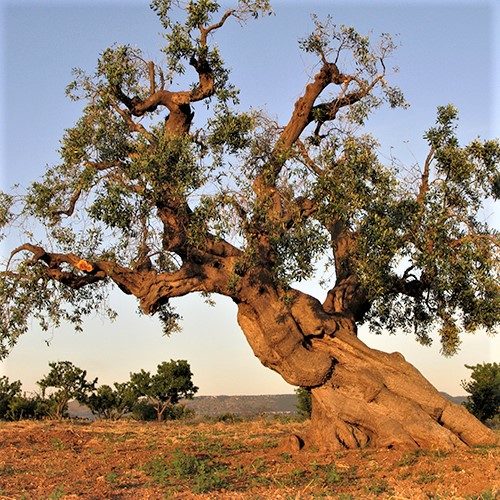
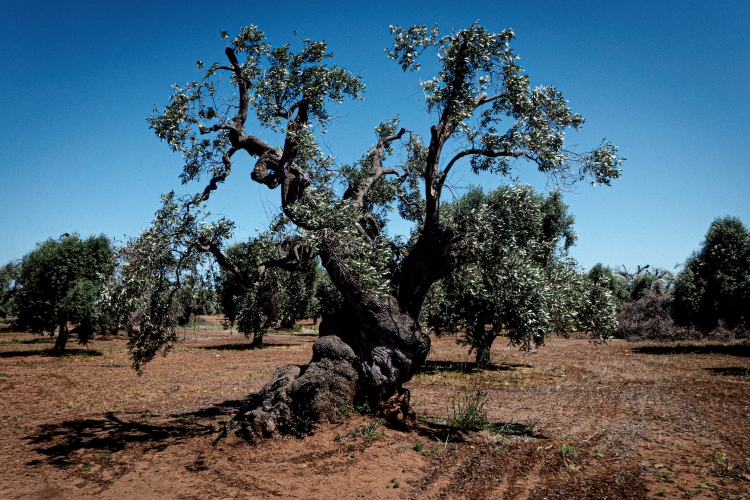
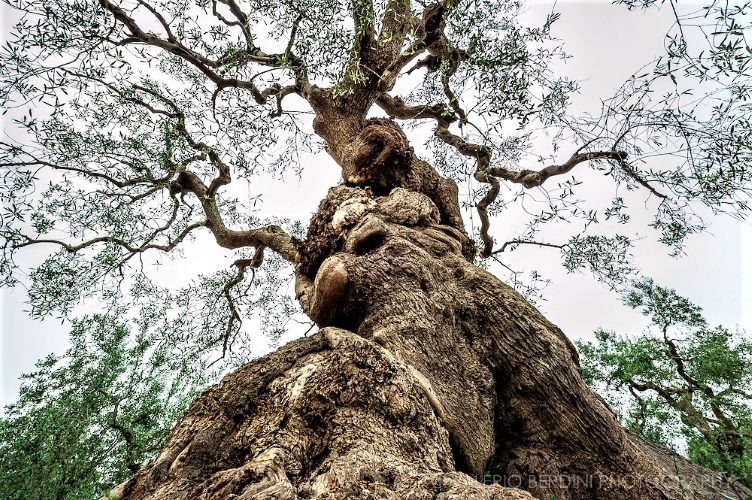
More than 800 of the gargantuan trees at the ancient olive farm, Antica Masseria Brancati, near Ostuni, are considered natural monuments. With their gnarled and knotted trunks, many are upwards of 3000 years old.
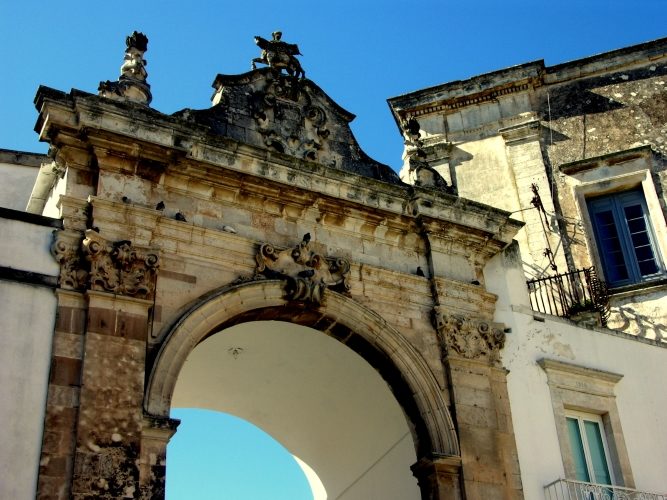
The city of Lecce dates back to Magna Graecia, but because of its exquisite Baroque architecture it is known as the Florence of the South. The architectural style in Lecce is so distinctive that it was given its own name – “Barocco Leccese.“ The city’s opulent palaces and churches are built with Lecce stone, which has been used since ancient times.
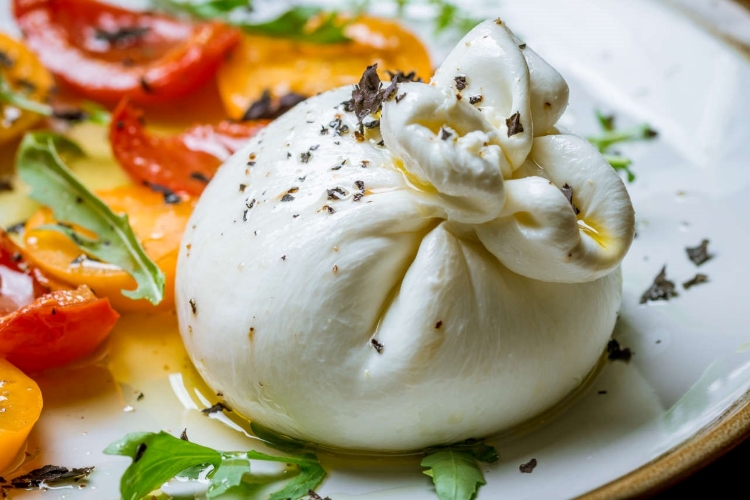
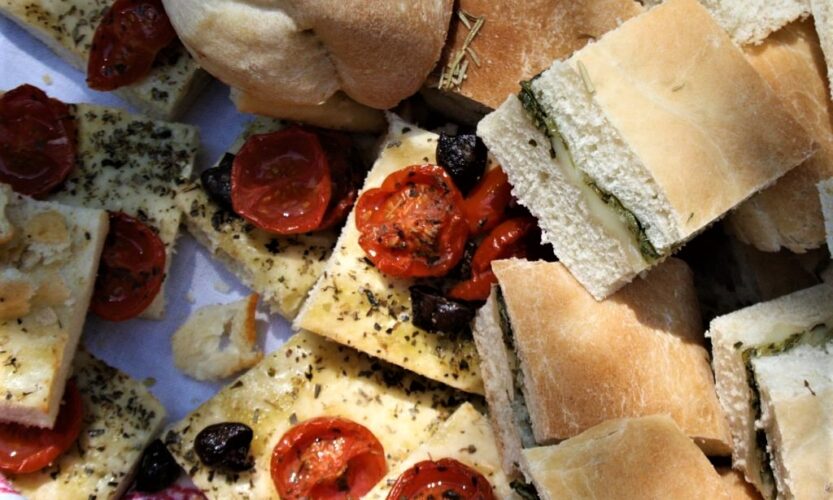
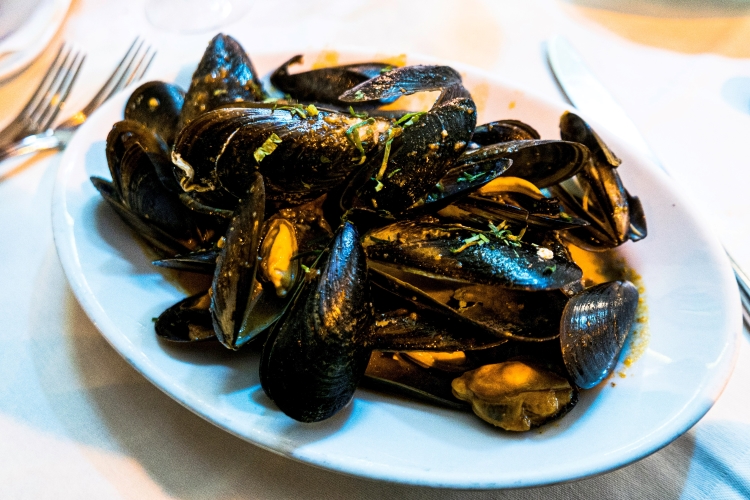
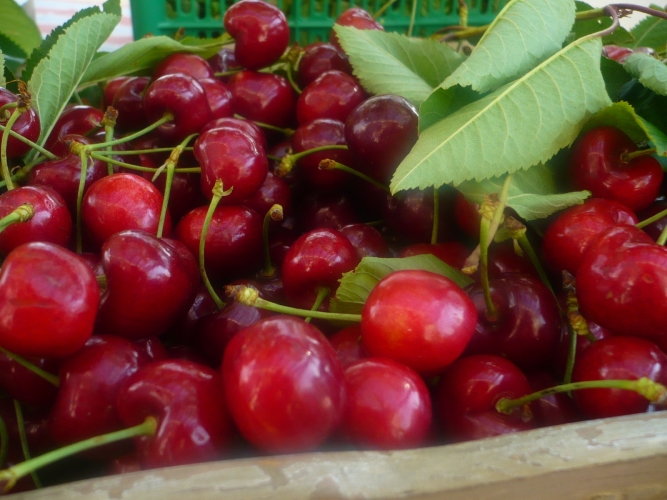
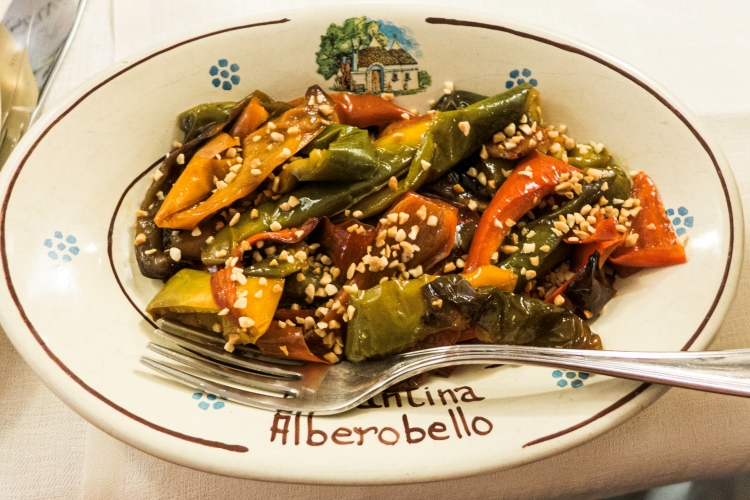
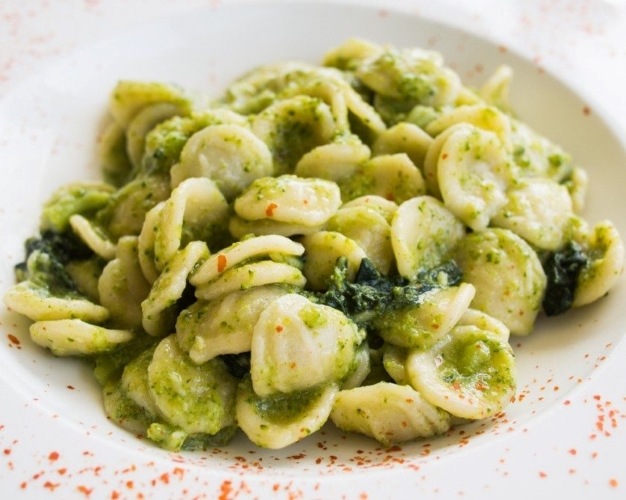
Food is a surefire way to get to the heart of a culture and makes travel to Puglia ever-rewarding. Puglia’s tradition of rustic “cucina povera” centers around freshness and simplicity. The cherries are amazing, as is the burrata, focaccia and the orecchiette con cima di rape (with broccoli rabe), just to mention a few.
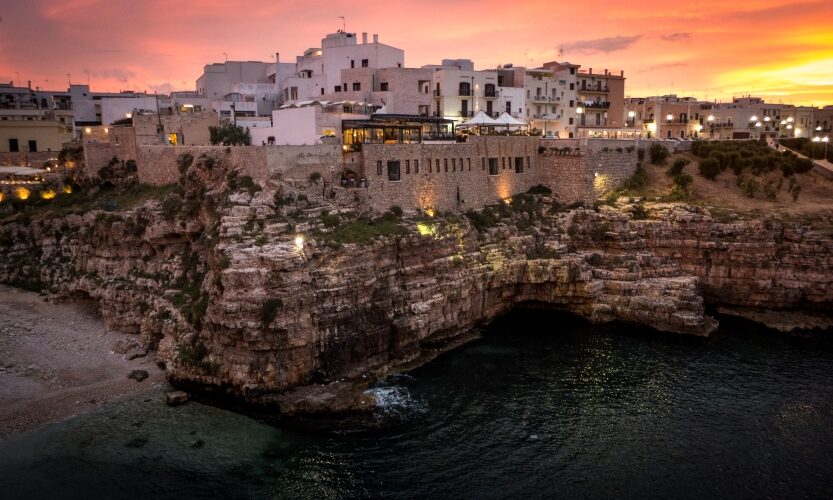
Puglia has plenty of charming towns ideal for leisurely wandering including Martina Franca; the labyrinthine whitewashed streets of Locorotondo and Ostuni; and the hobbit-like trulli of Alberobello (along with the stunning seaside towns of Polignano a Mare, Otranto and Gallipoli).
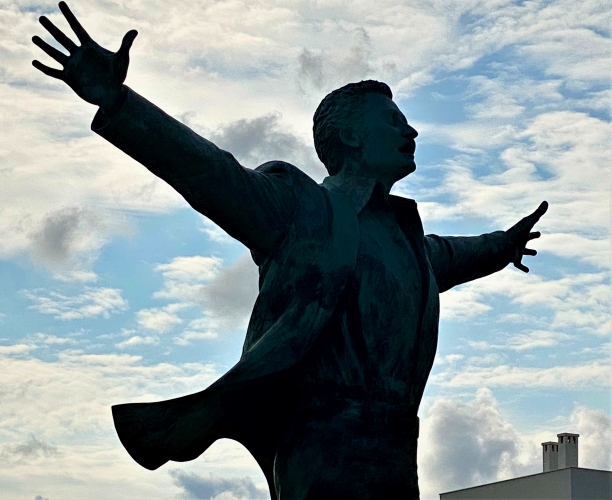
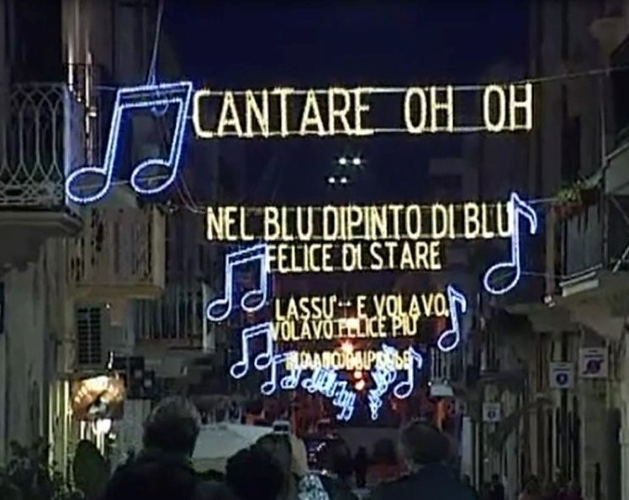
The town of Polignano a Mare has dedicated a statue and waterfront to the great Italian singer Domenico (Mimmo) Modugno (popularly known as Mr. Volare) who was born there in 1928. Mimmo was a singer, songwriter, actor, parliamentarian and three-time Grammy award winner.
His song Nel Blu Dipinto De Blu, popularly known as Volare, became a huge international hit in 1958 and sold over 30 million records. It also won him his first Grammy award (and an appearance on the Ed Sullivan Show 😉
But what makes Puglia so appealing is its authenticity. Things move at a slower pace and people will always make time for you. Everyone is so proud of their region; they don’t mind when you take photos and are keen to help in any way they can.

Copyright - Postcards from the Boot.