
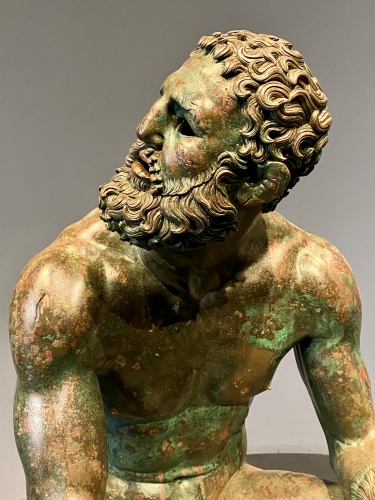
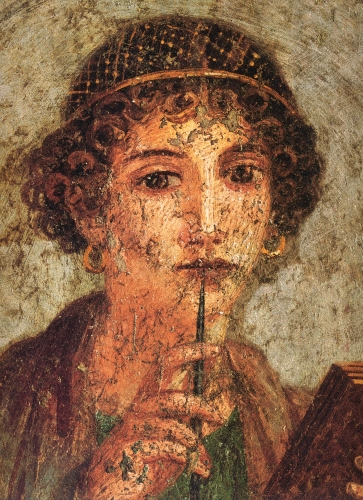
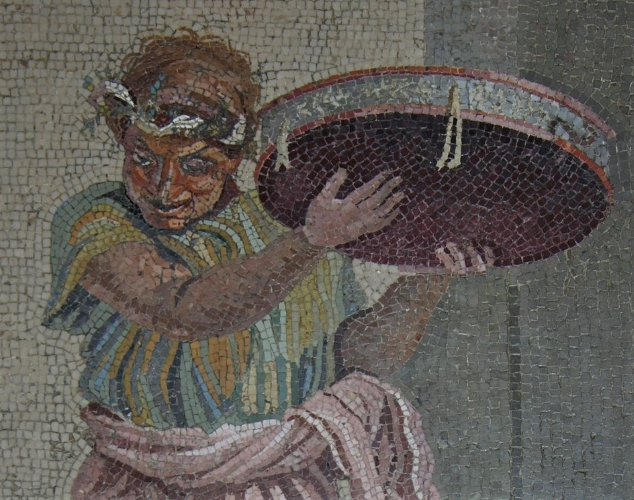
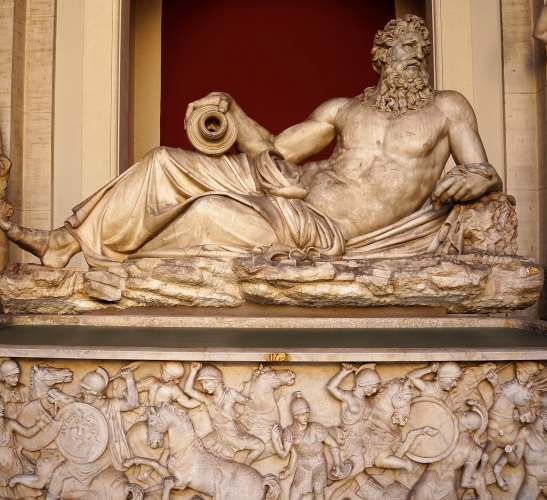

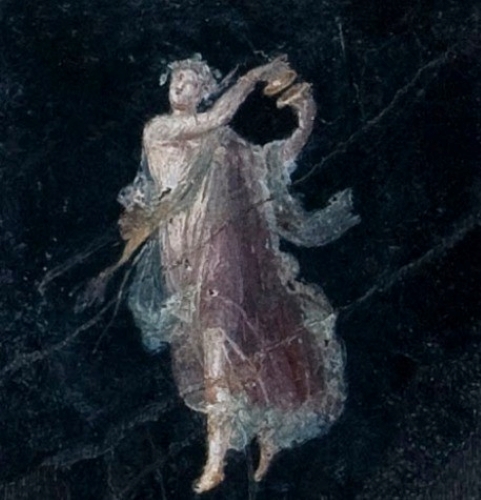
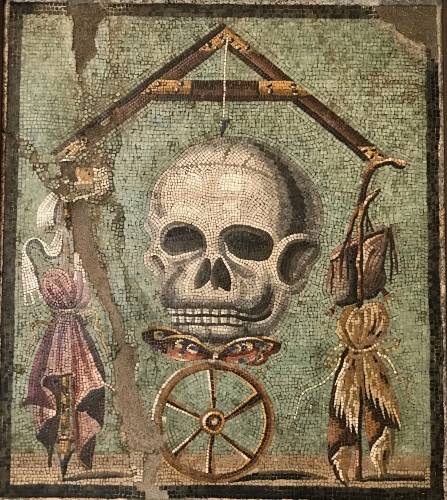
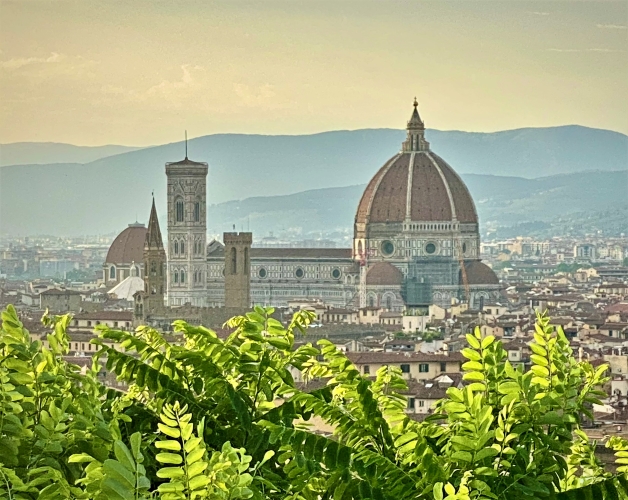


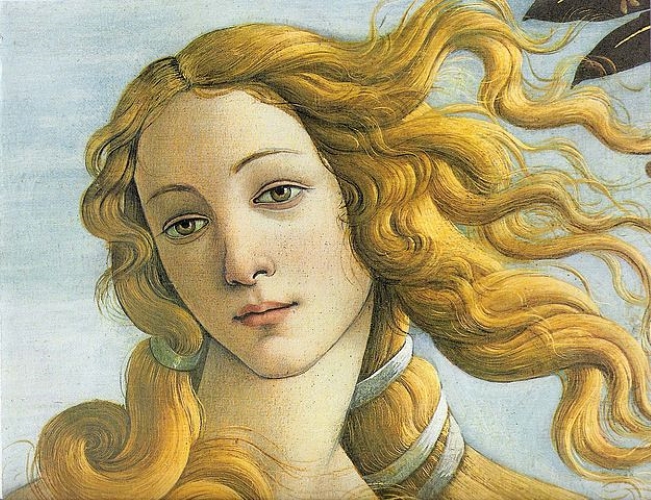
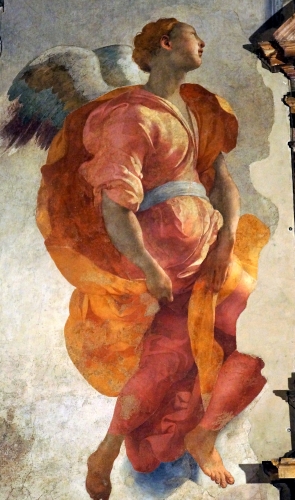
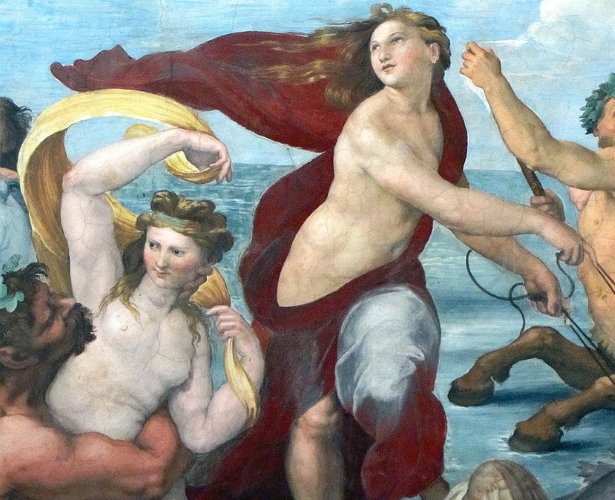
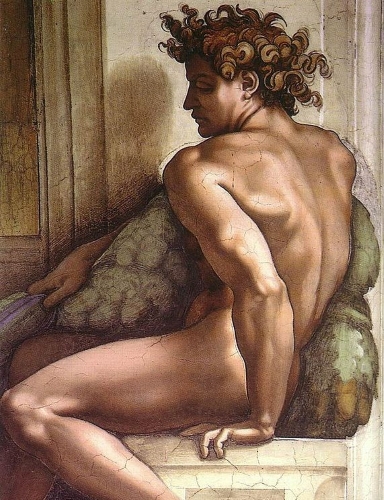
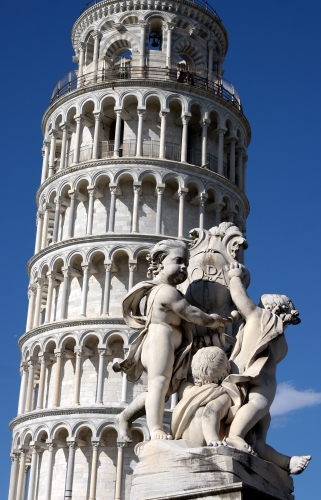



Few countries can boast having ever had a “Golden Age” while Italy is the only country to have experienced not just one or even two but three golden ages!
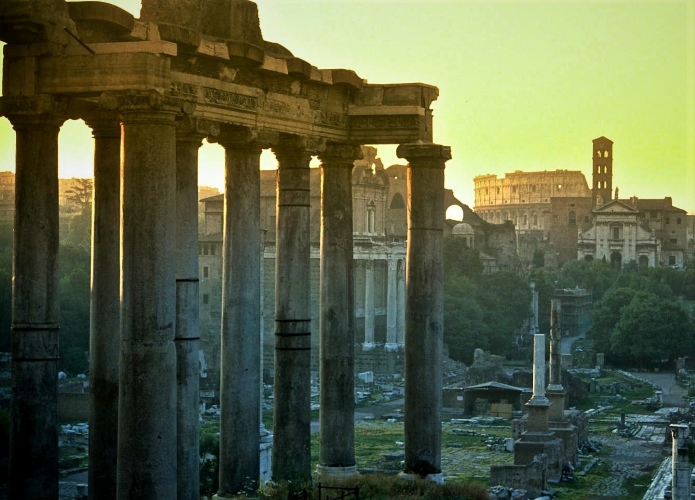
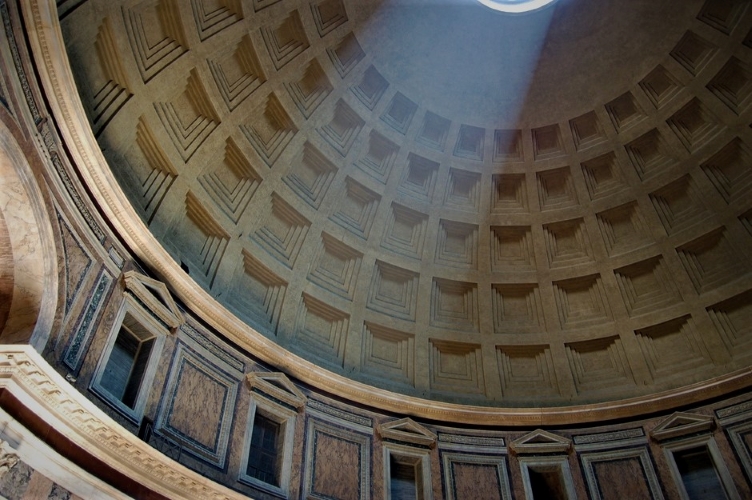
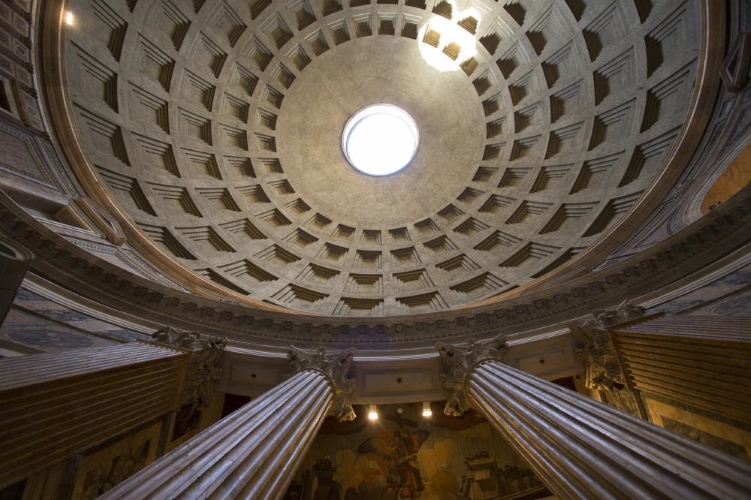
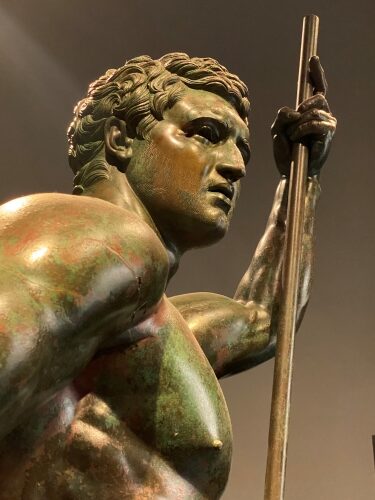
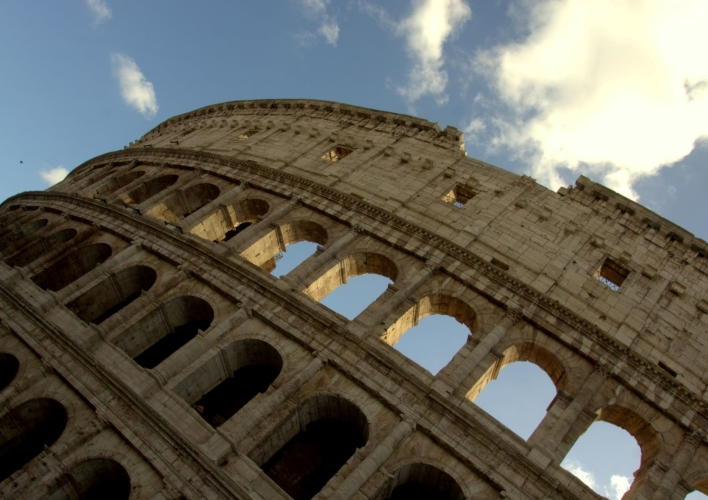
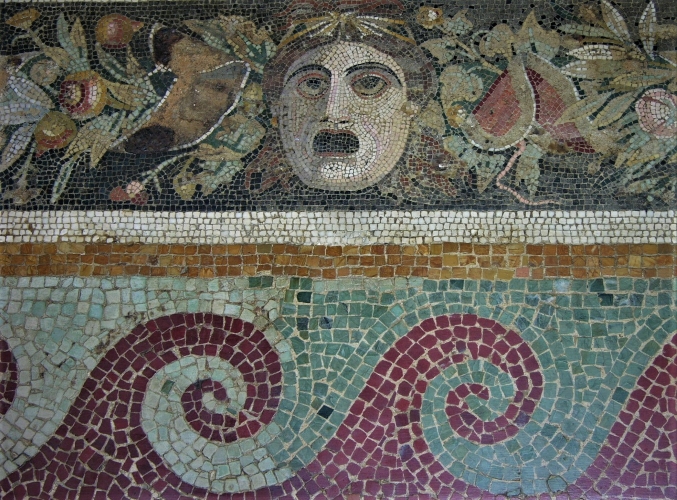
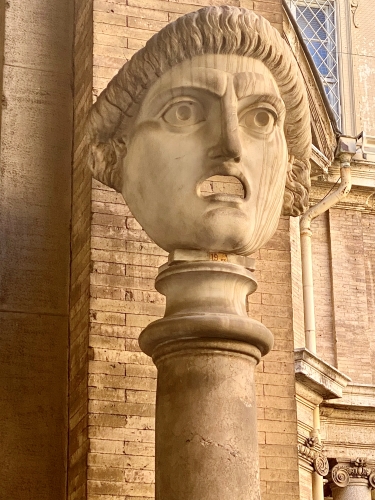
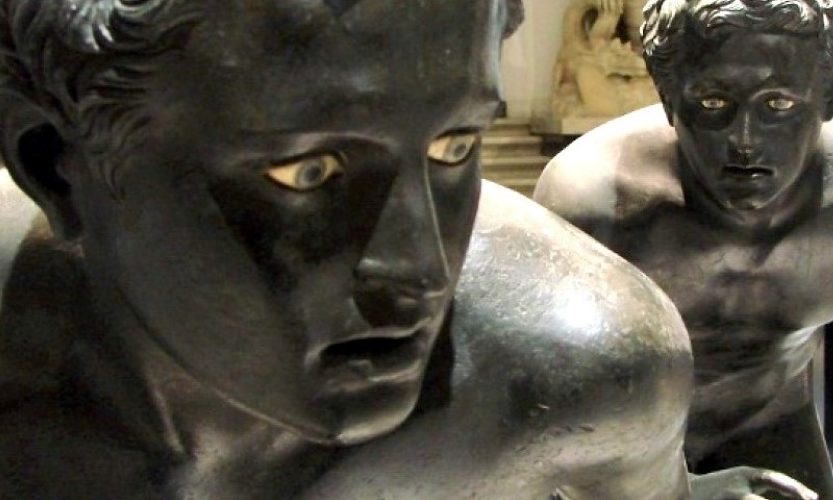
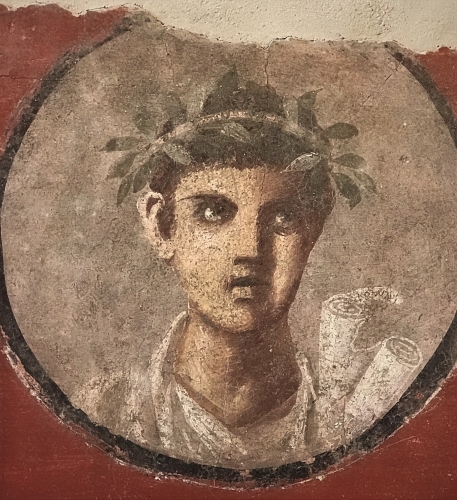
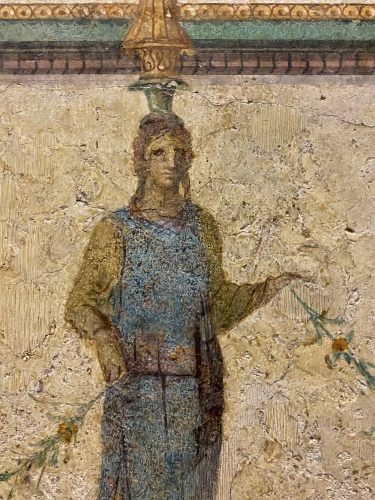
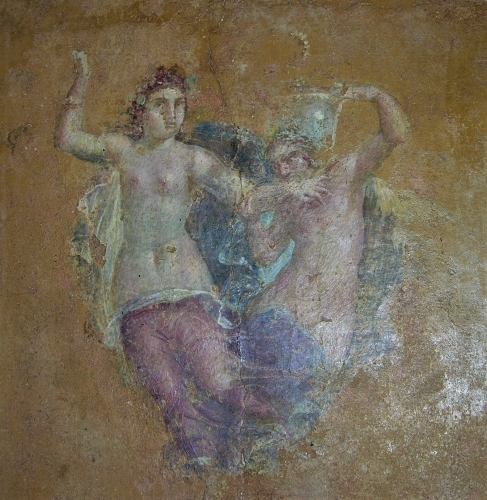
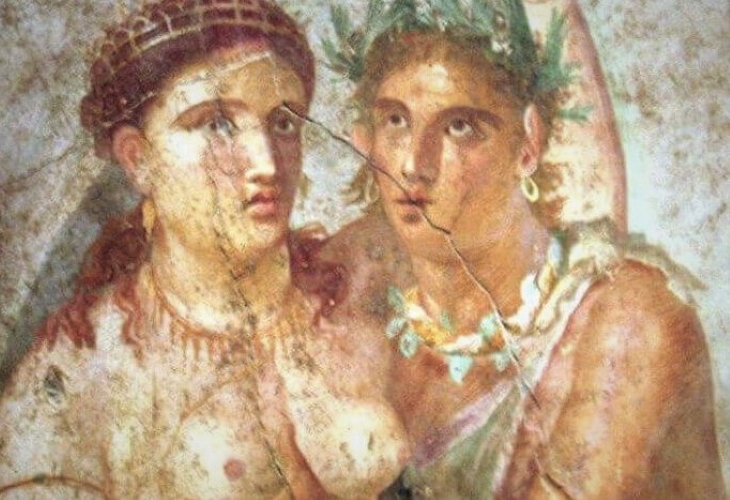
Two thousand years ago Rome created an empire that dominated the Western world for an unprecedented four centuries. It was a triumph of engineering, artistic and organizational genius.Roman engineering genius gave us the longest-lasting monuments and buildings—as well as bridges, paved roads, aqueducts and cities—from antiquity, all of which created a sense of local community and inclusion in their time. Arenas like the Colosseum regularly hosted public entertainments that were impressive even by today’s standards.
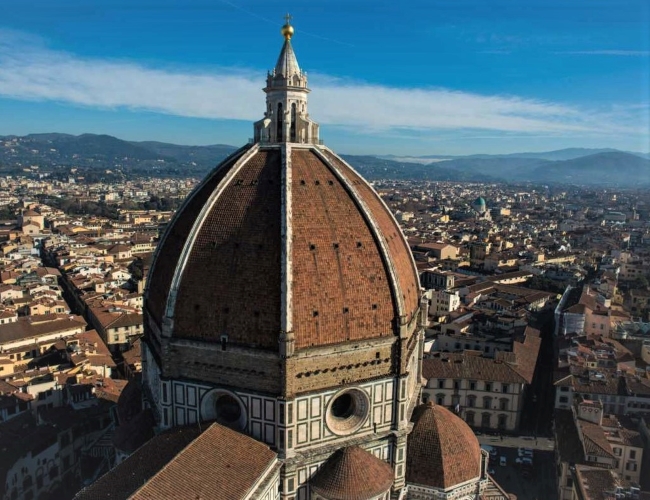
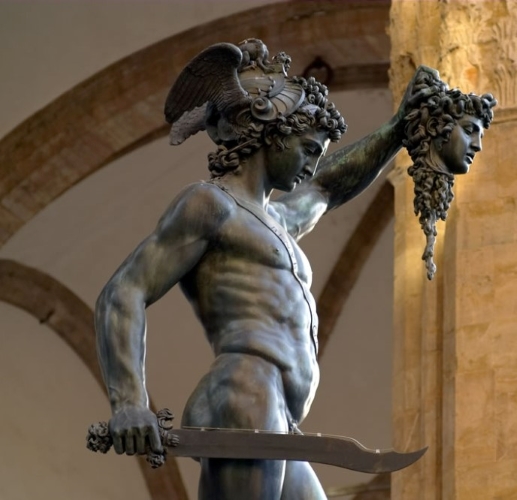
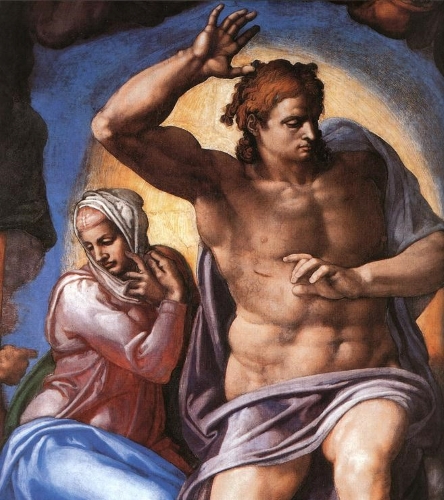
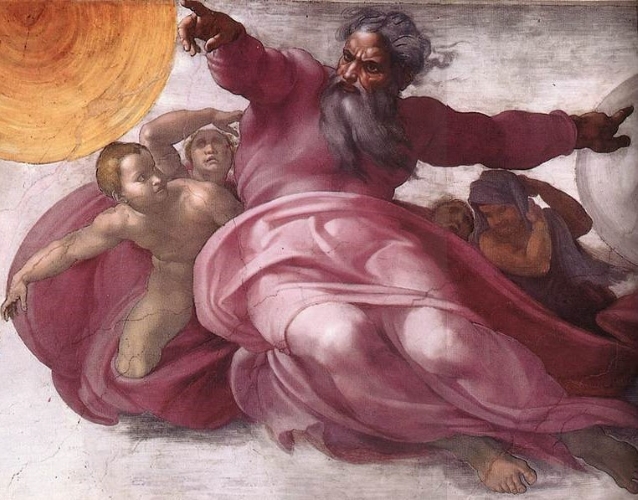
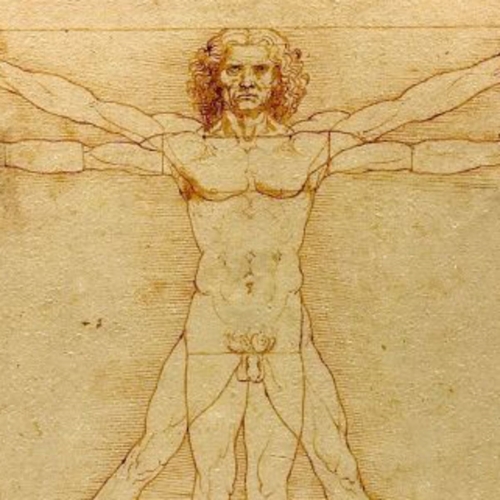
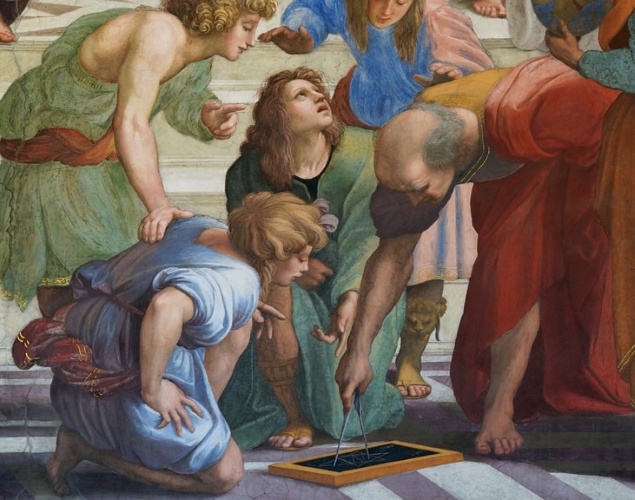
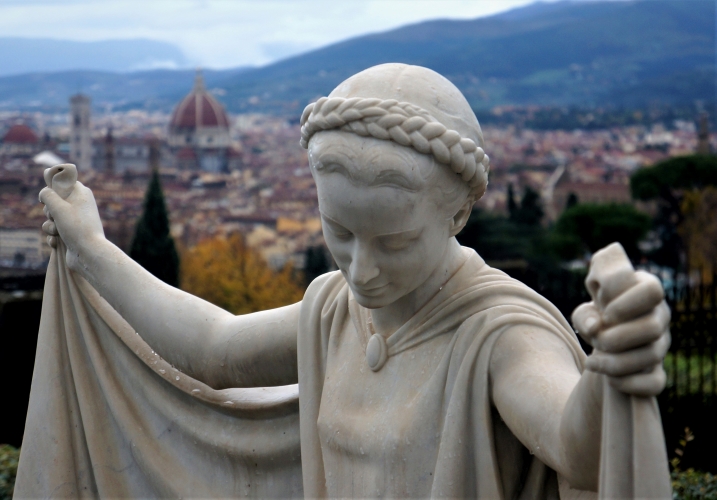
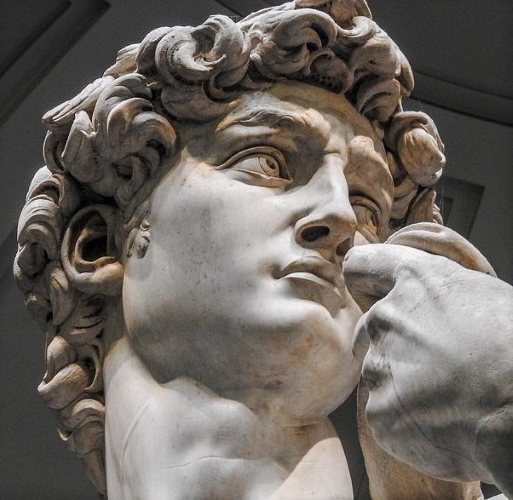
Rome’s great legacy would help inspire Italy’s second Golden Age: the Renaissance, that 250-year creative flowering and intellectual transformation which began in 15th century Florence. Like classical Rome, the Italian Renaissance would spawn timeless artistic treasures and scientific advances. It would also celebrate human agency, an impulse that informs our modern sense of ourselves.
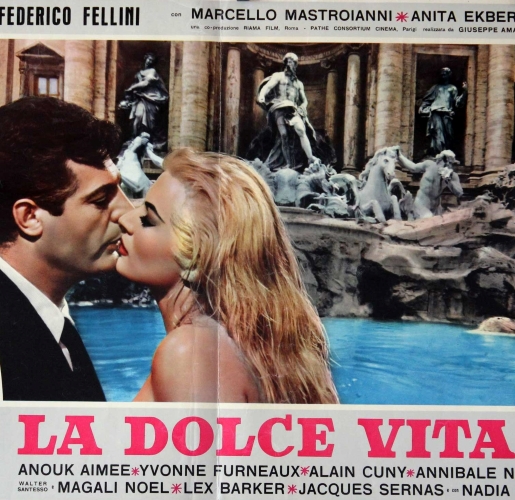
Italy is once again experiencing a Golden Age … though one of an entirely different nature. It’s one that celebrates the good life—La Dolce Vita—in all aspects of beauty and pleasure.
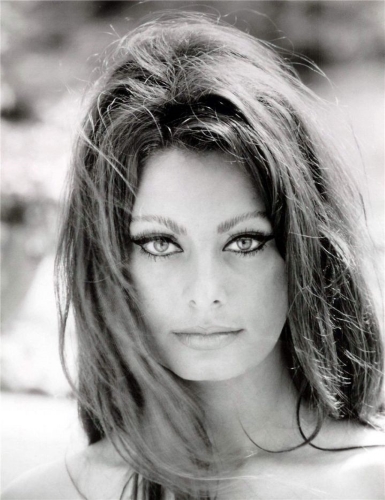
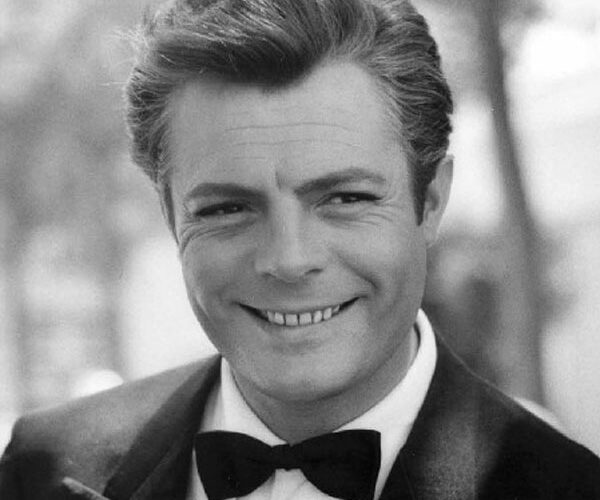
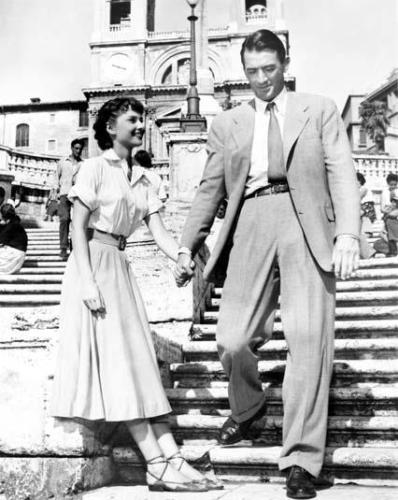
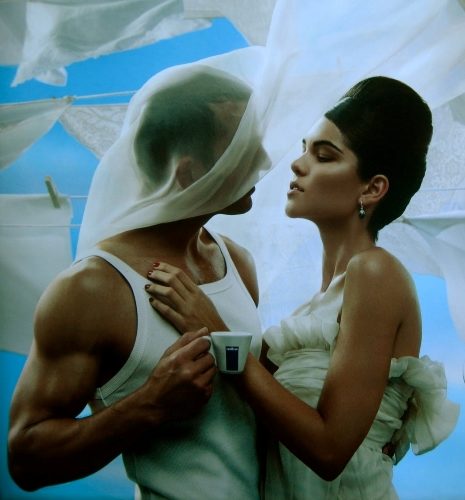
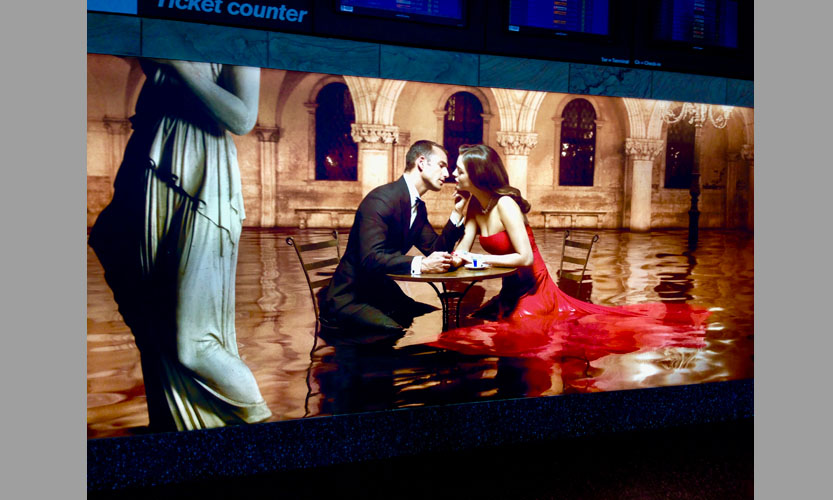
Following World War II, movies like Roman Holiday and gorgeous women like Sophia Loren (not to mention their ubiquitous leading man, Marcello Mastroianni) established Italy as the ultimate destination for romance, soon supplanting Paris as the epicenter of love.
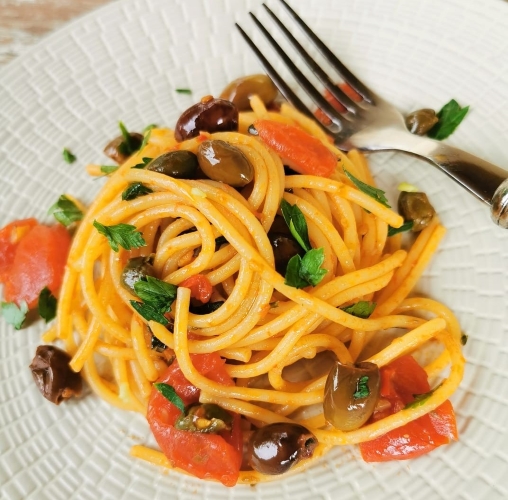
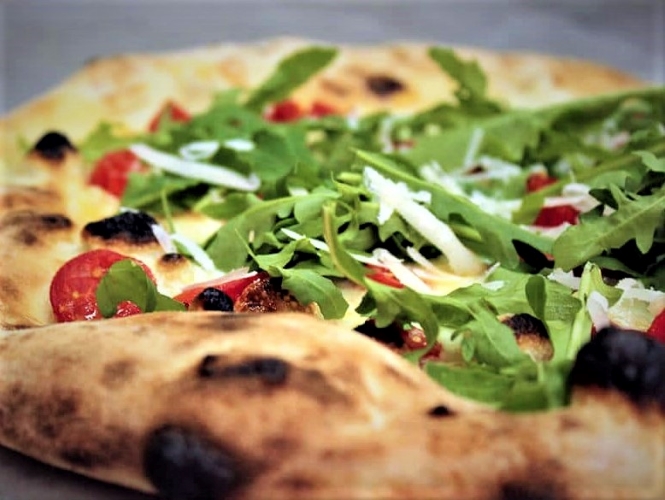
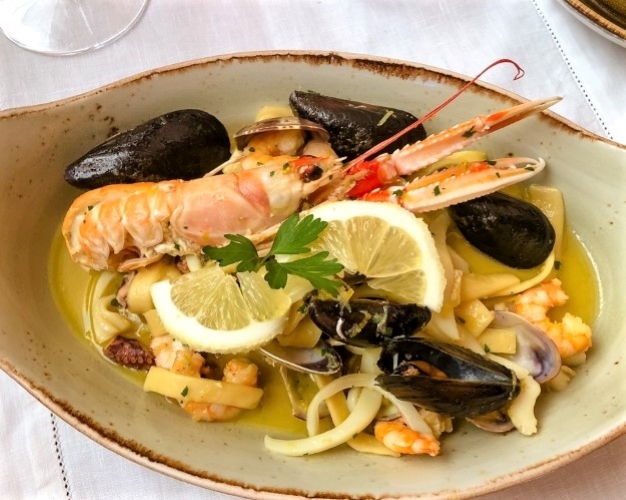
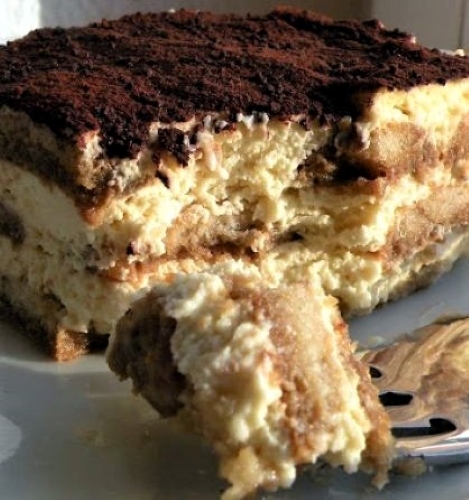
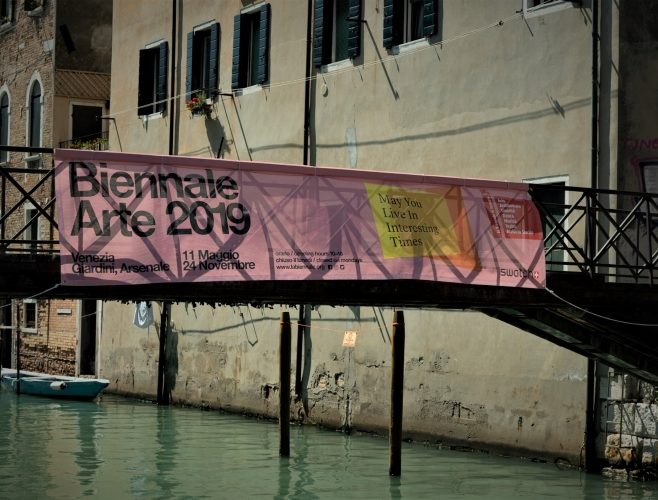
Italy perennially ranks numero uno as people’s most desired place to visit and it’s now synonymous with fashion and design. And, no surprise, Italian cuisine ranks as the world’s most popular! The most important international modern art extravaganza—the Biennial—began in Venice. So did the world’s first film festival.
Today Italy is the world’s undisputed Lifestyle Superpower.

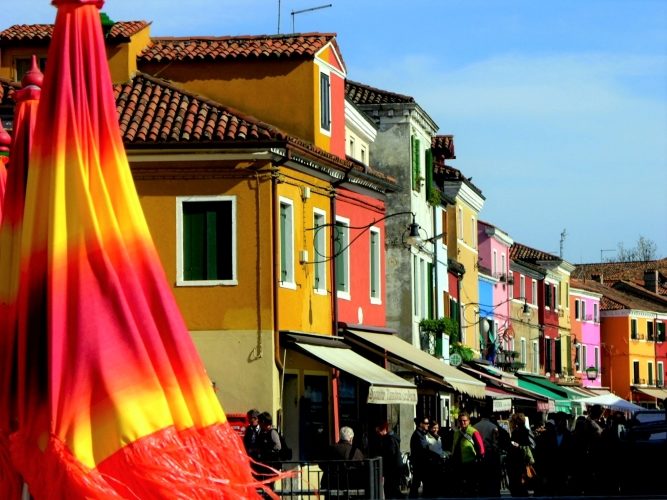
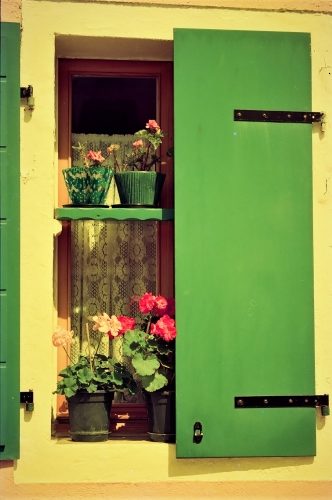
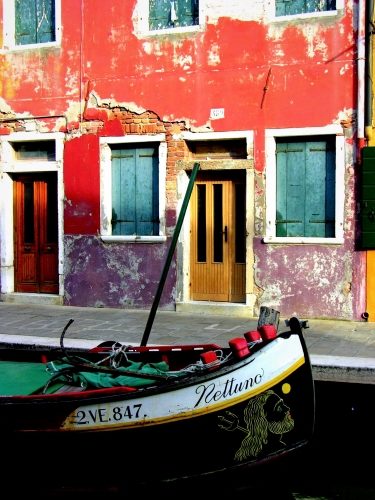
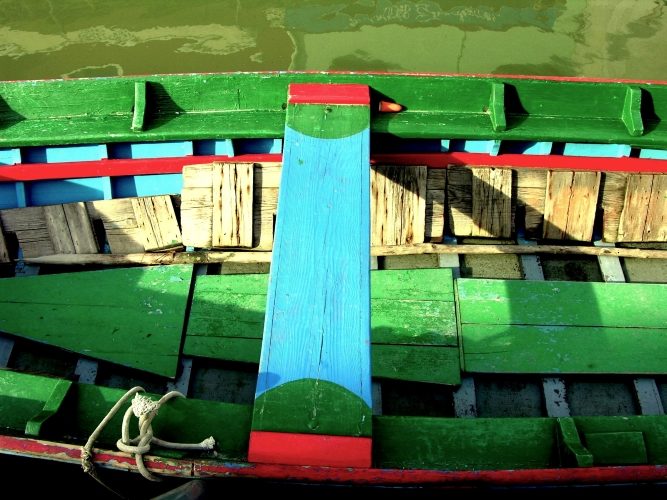
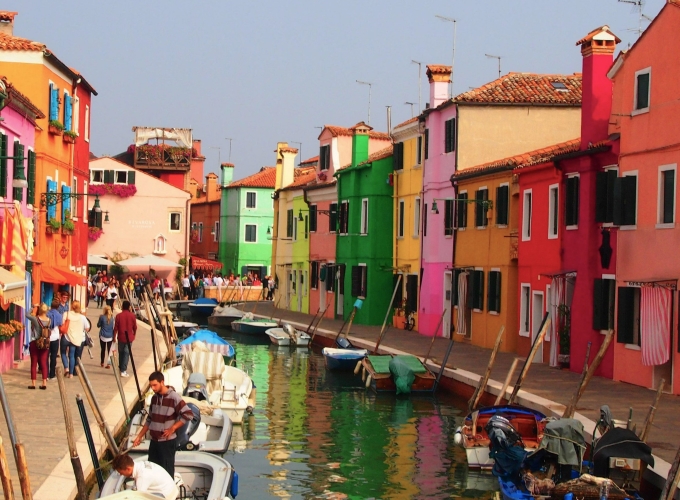
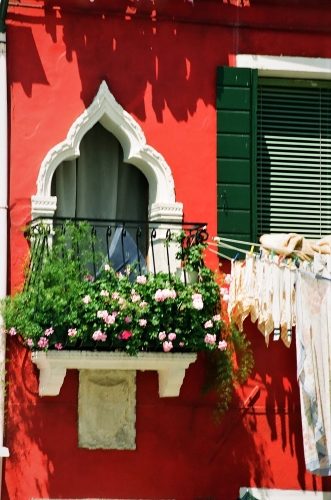
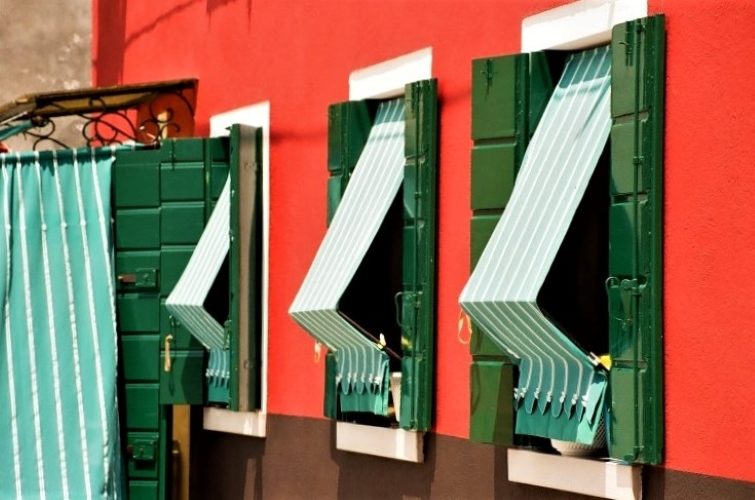
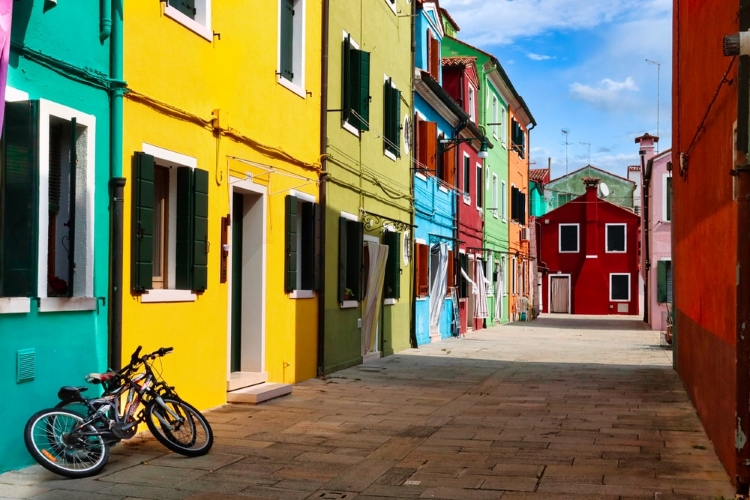
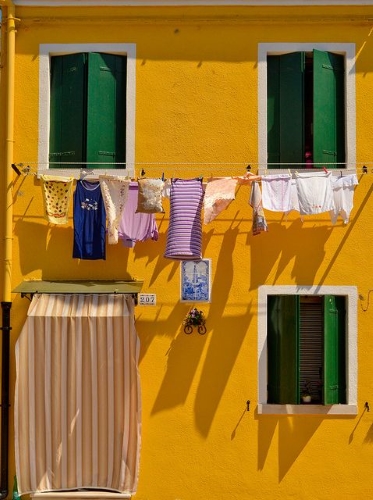
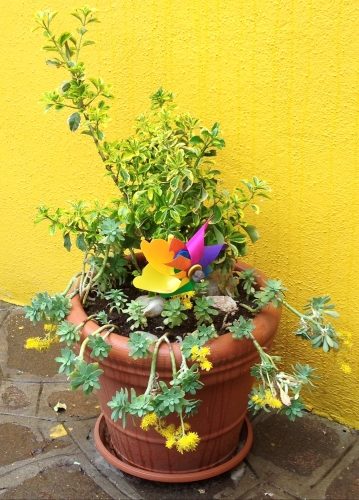
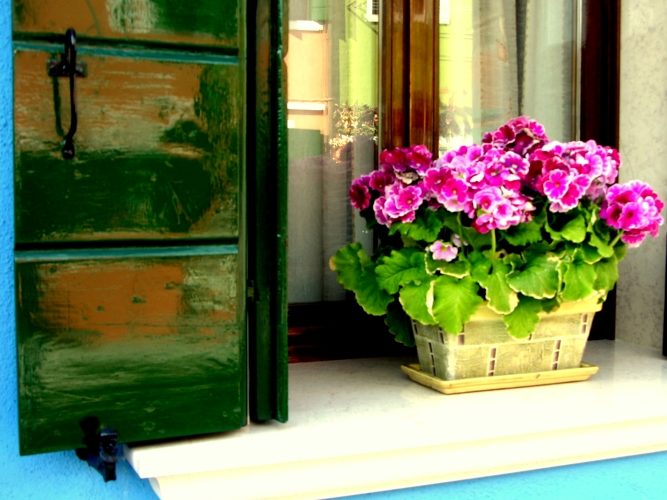
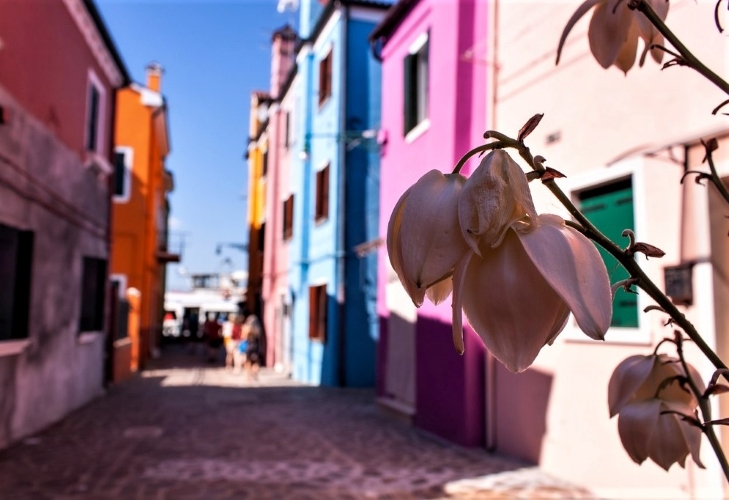
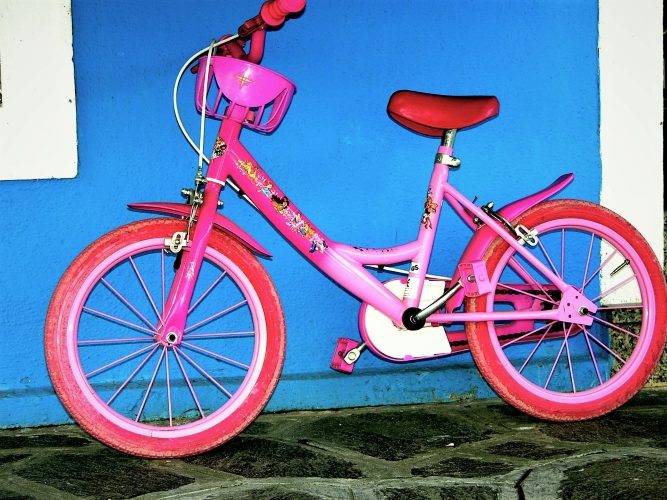
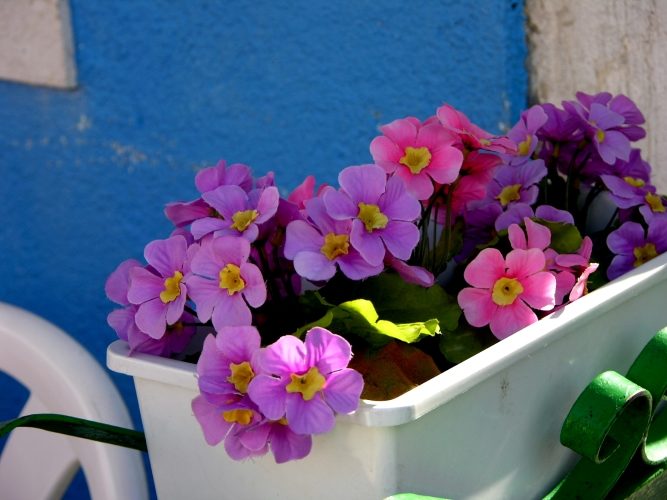
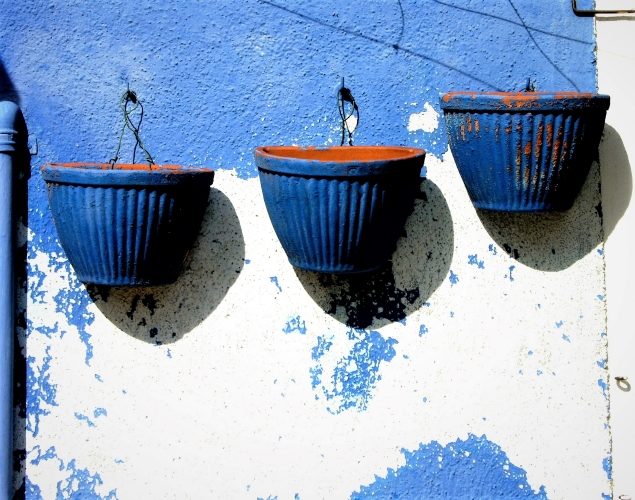
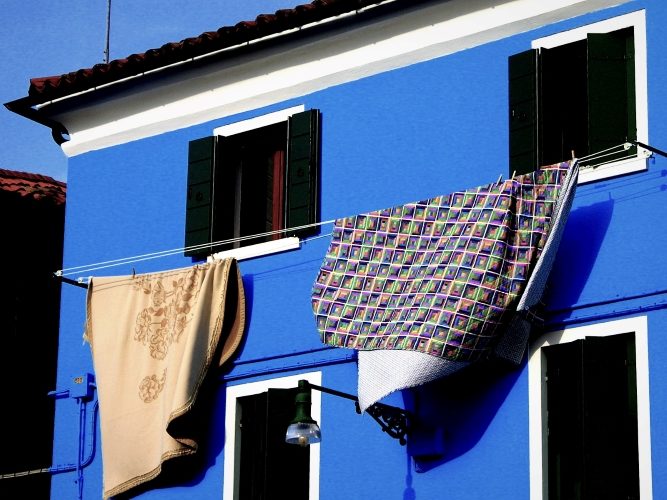
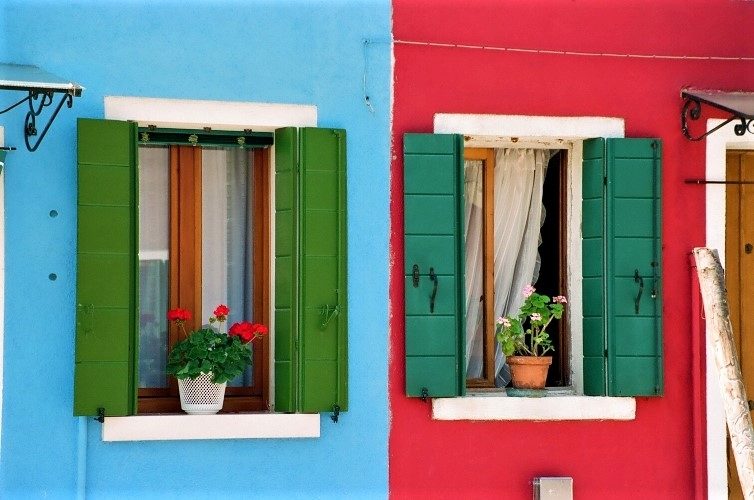
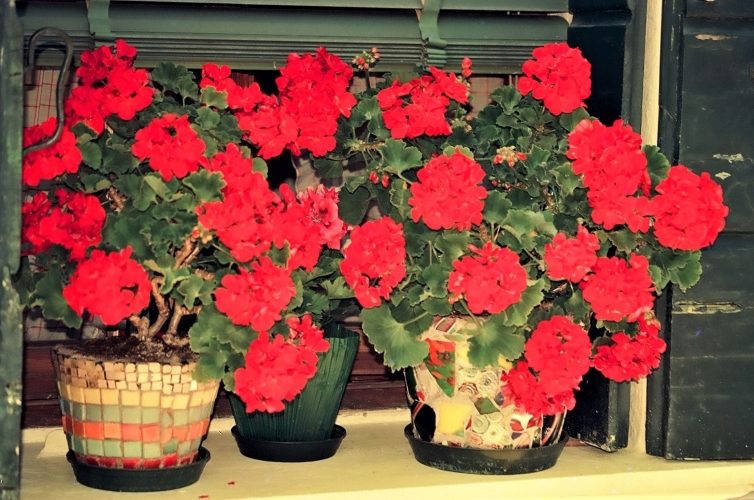
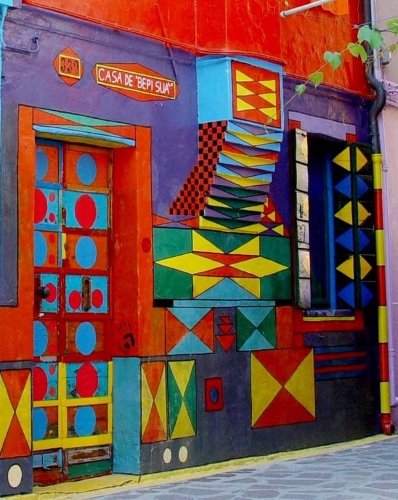
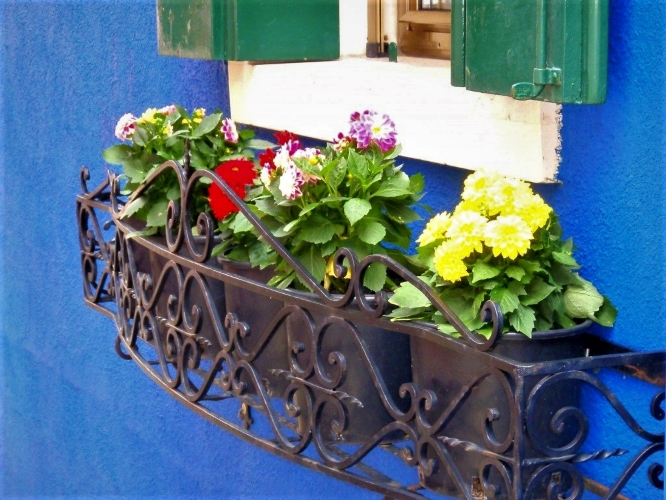
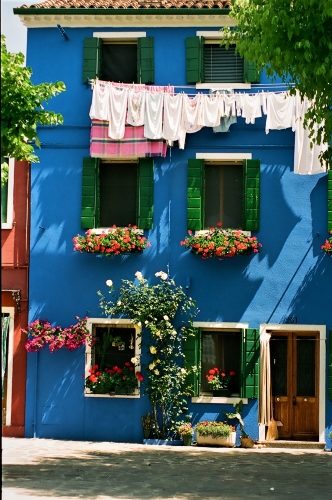
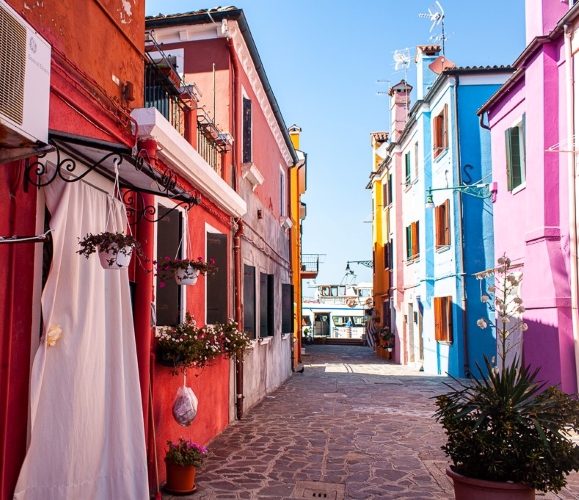
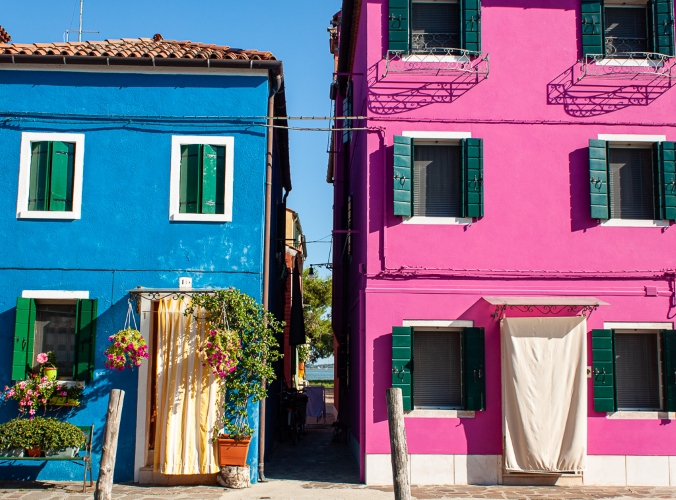
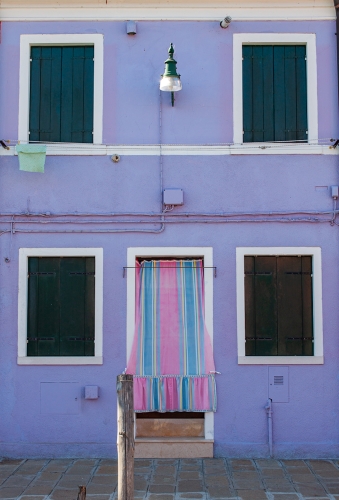
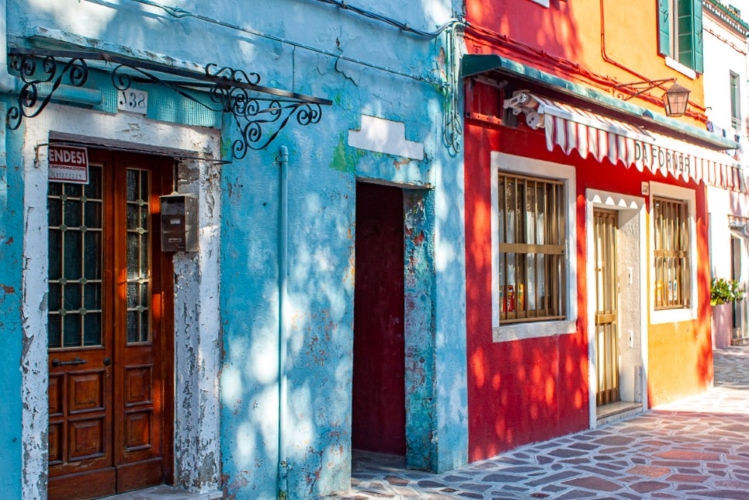
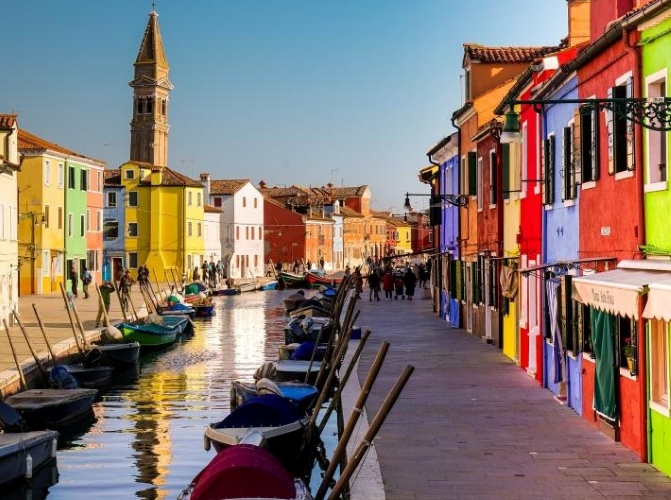
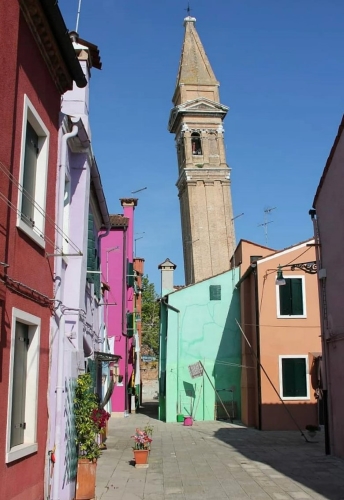
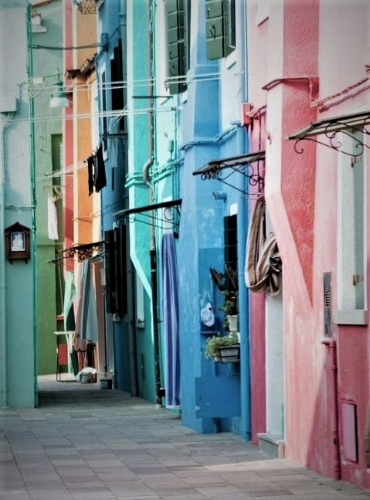
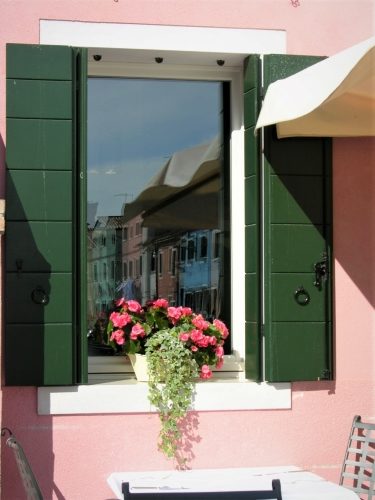
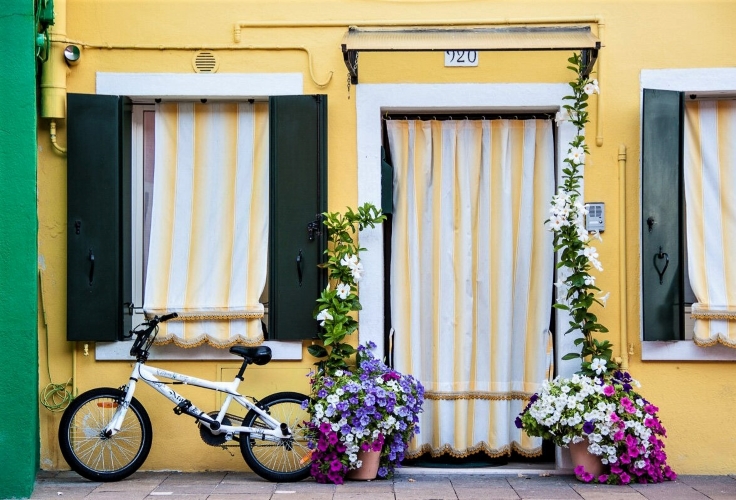
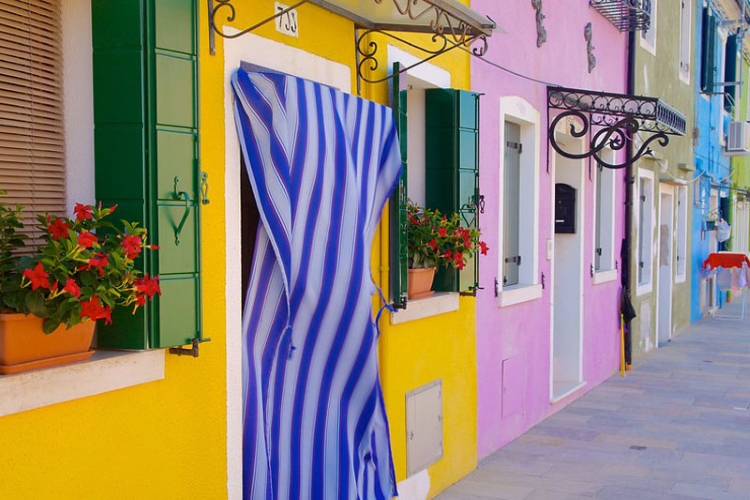
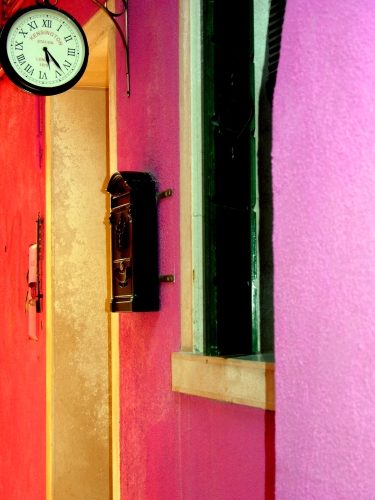
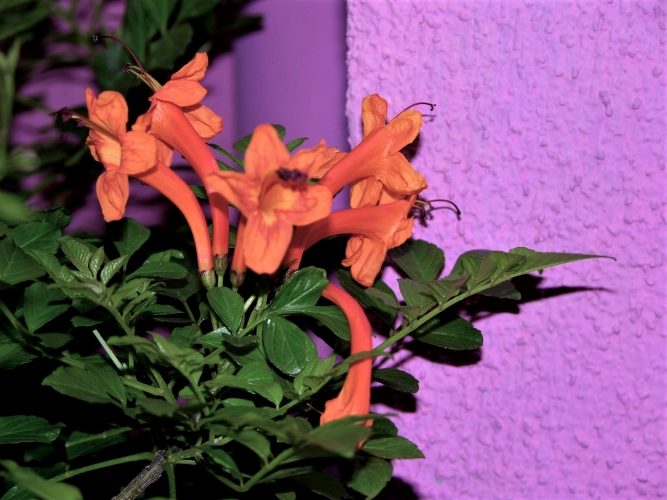
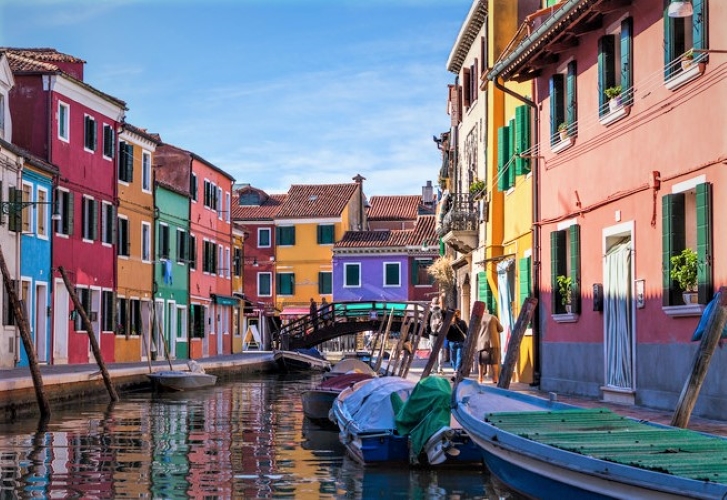
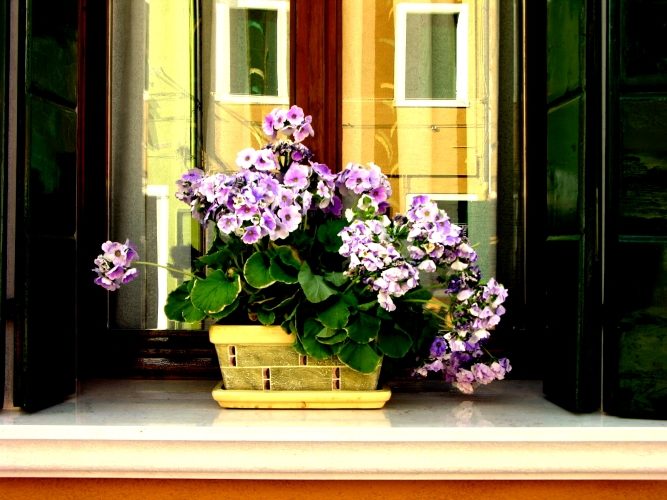
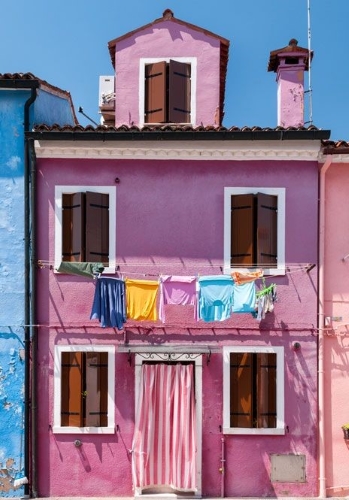
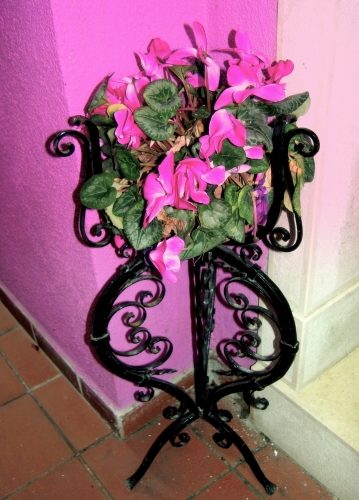
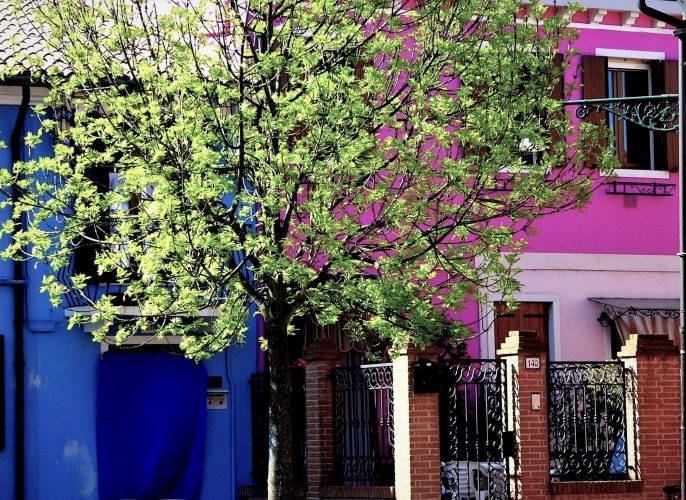
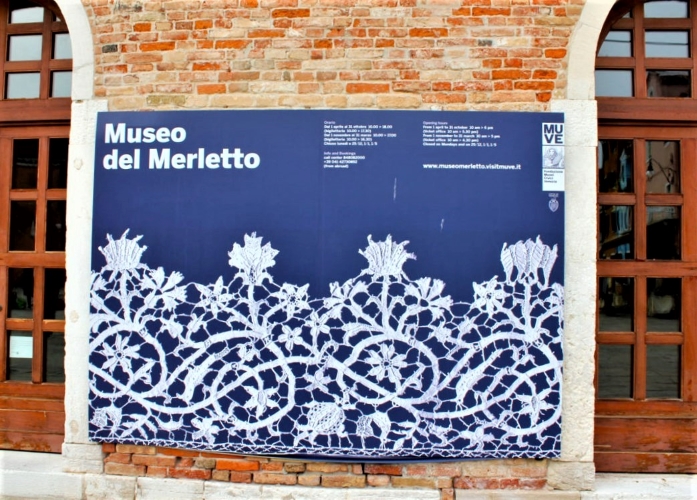
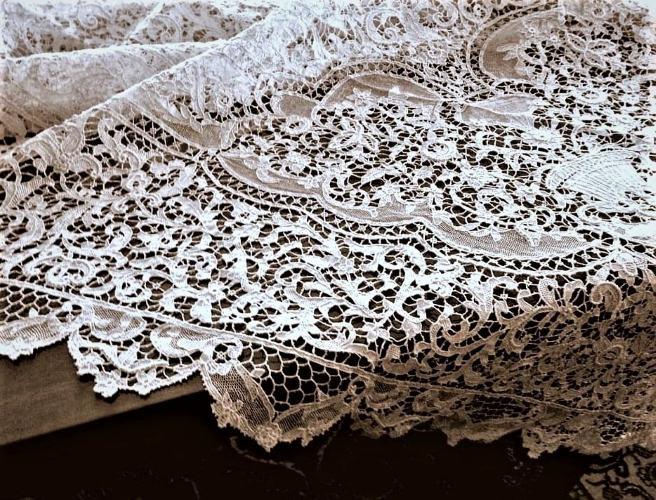
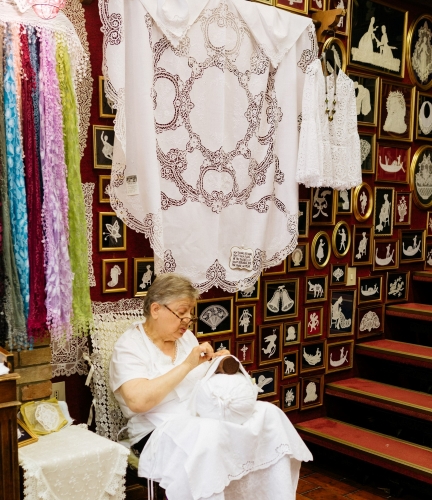
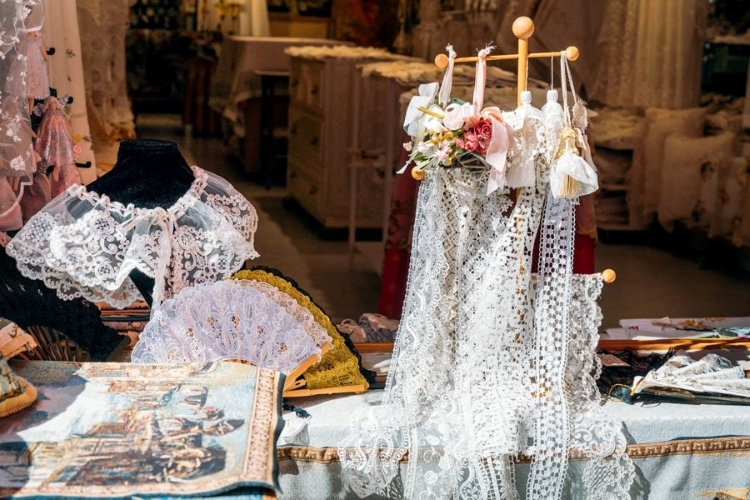
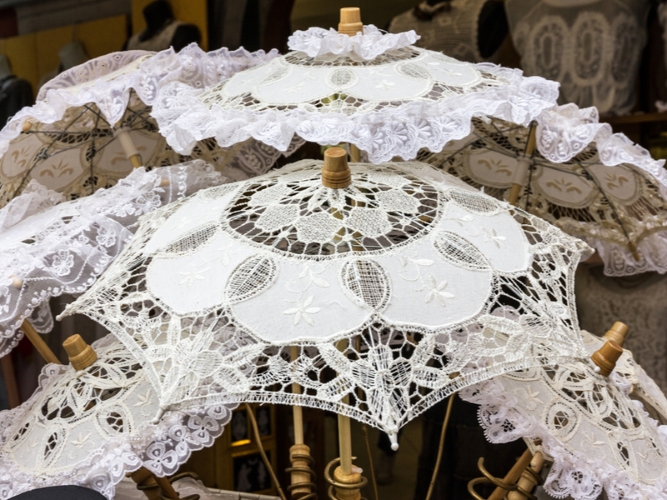
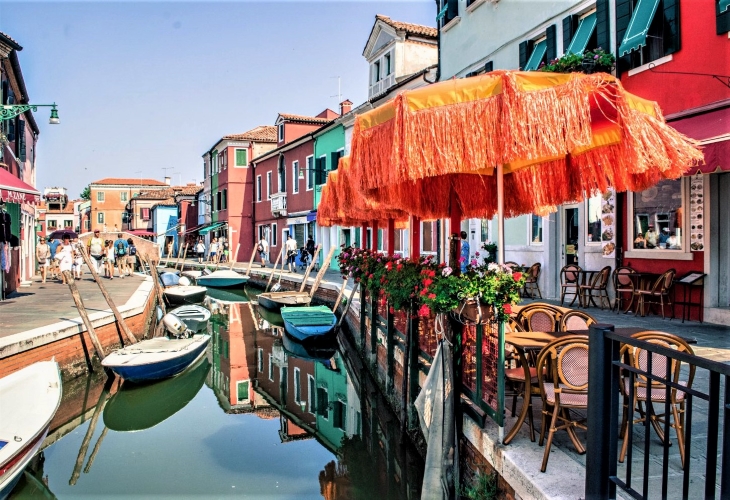
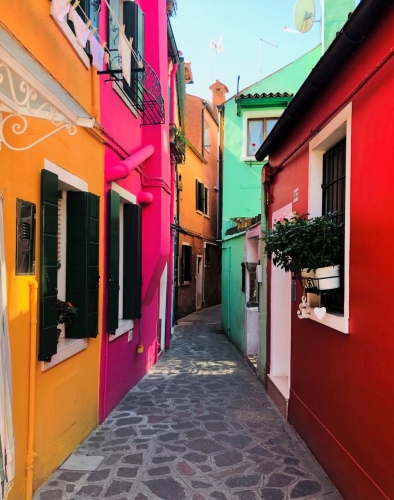
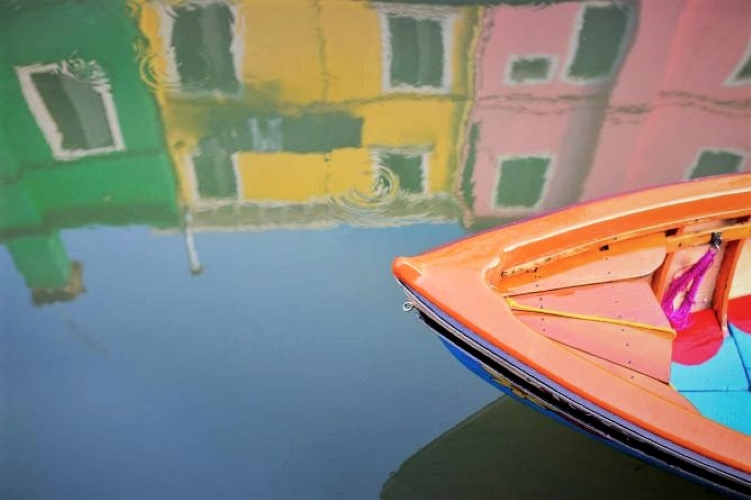
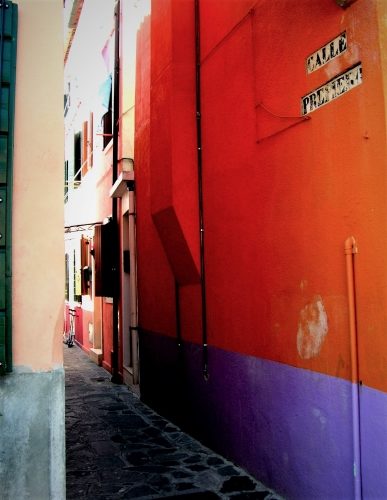
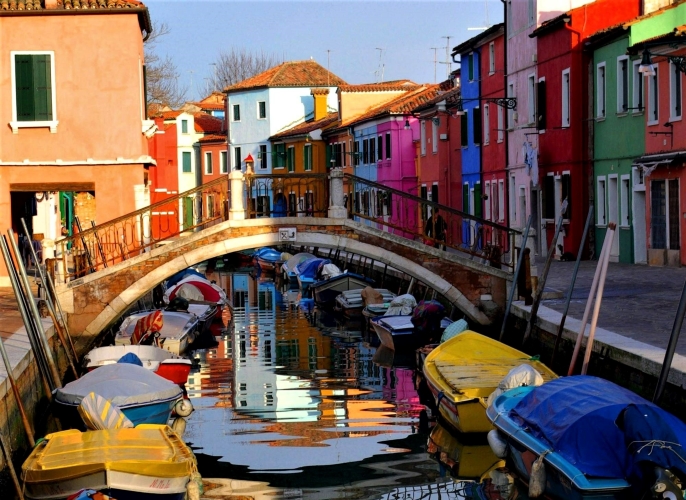
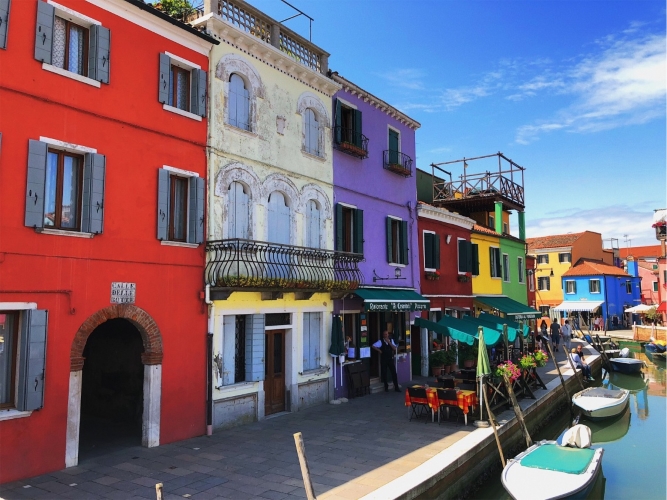
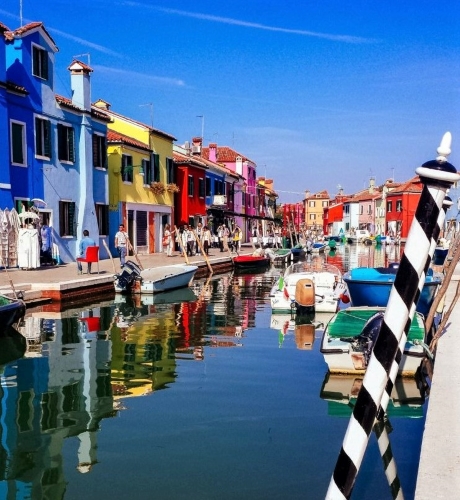
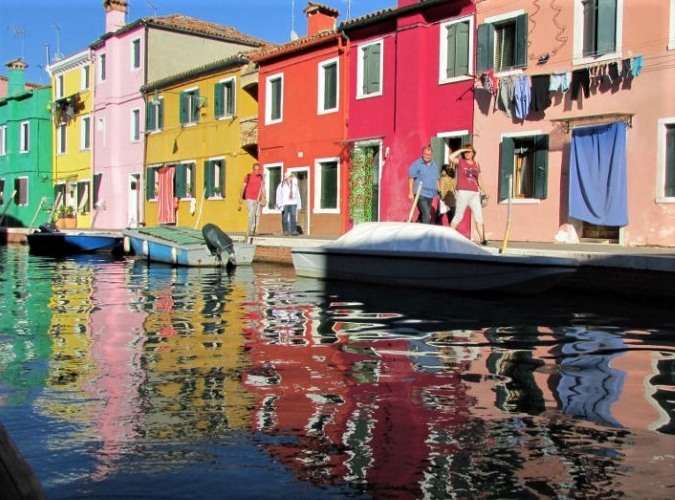
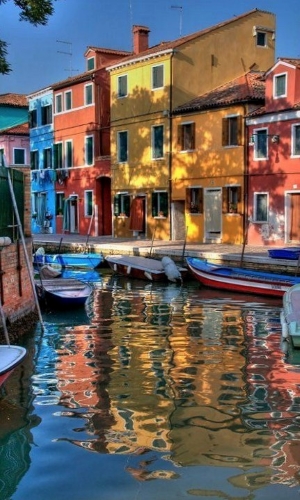
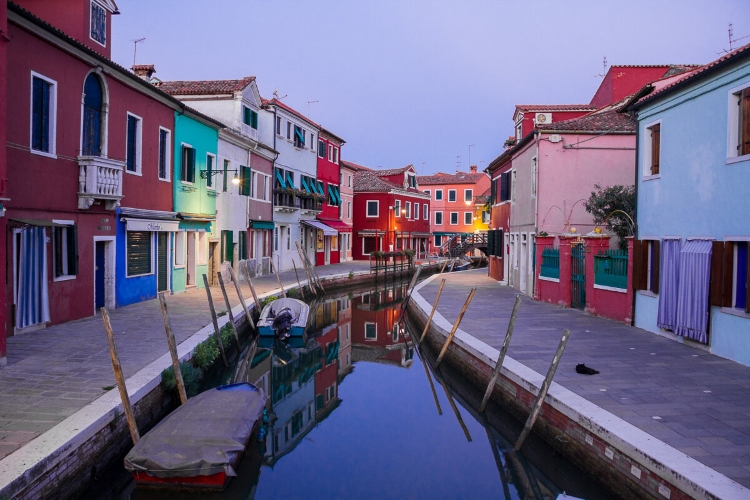
Forty minutes from Murano, world famous for its glass, is the island village of Burano, famous for its lace … and where the dazzling colors of locales like the Caribbean meet the haunting qualities of the Venetian lagoons. Many visitors to Venice, perhaps forgetting one out of confusion with the other, or perhaps due to time constraints, choose to go to Murano and not take the second 40-minute vaporetto journey to its almost-namesake. But those who do are treated to some very yummy eye-candy. Along the canals are charming two-story houses — cherry, pink, chartreuse, azure, tangerine and canary yellow, with contrasting-hued shutters, brightly patterned curtains for doors, window boxes and ceramic pots overflowing with flowers, and some very nicely art-directed clotheslines.
Burano is also famous for its lace known as punto in aria, or “points in the air,” as it is not stitched onto fabric but only onto itself. Demand exploded in the 1600’s and the Venetian government turned lace-making from private production into a lucrative business of the Republic, organizing women into a guild — one of the richest in Venice — and moving most production from Venice to Burano due to the island’s lower costs.
No one really knows how all this exuberance began, but there are, naturally, many stories about the origin of Burano’s vivacious color scheme. One plausible suggestion was that back in the day, painting each house a different color helped define property lines. Another more amusing, though less plausible suggestion is that on days of winter fog or very rough seas, the fishermen could not go fishing and spent their day playing cards and drinking vino. By the evening they were feeling so festive they couldn’t recognize their own houses. So it was decided to paint every house a different color so every wife could be sure the right man would return to the right home after a day on the town.


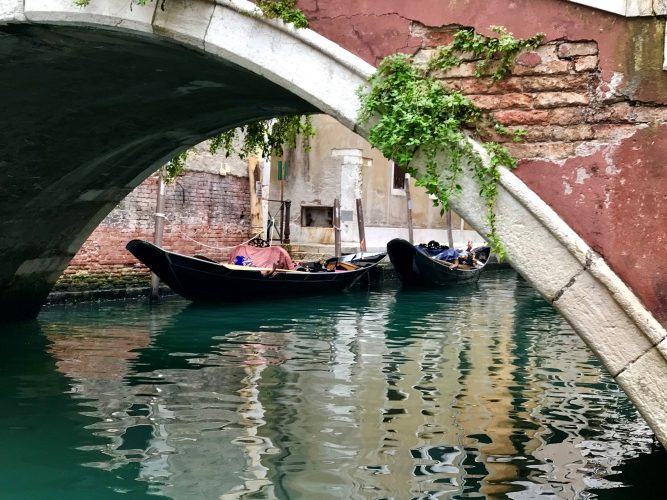


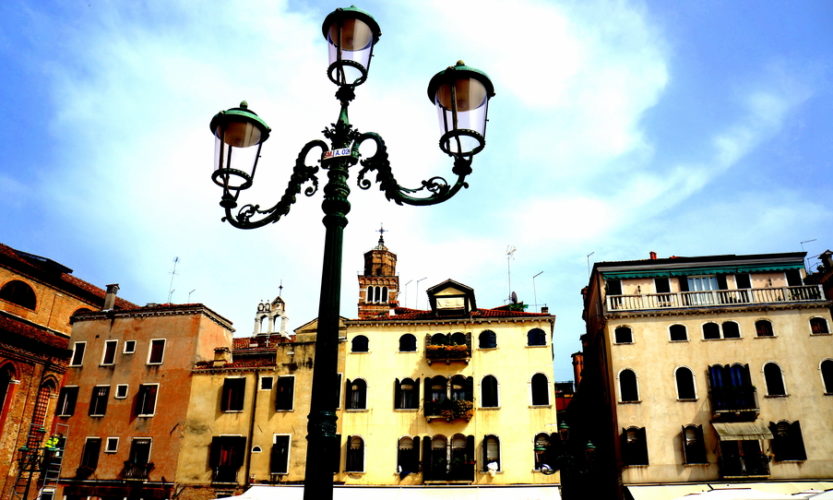
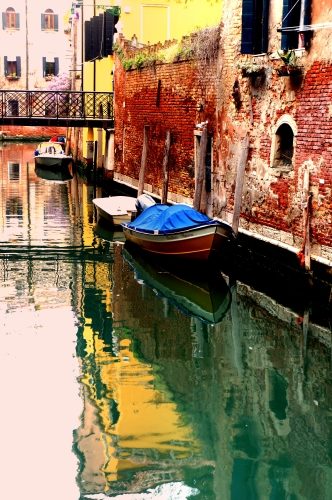


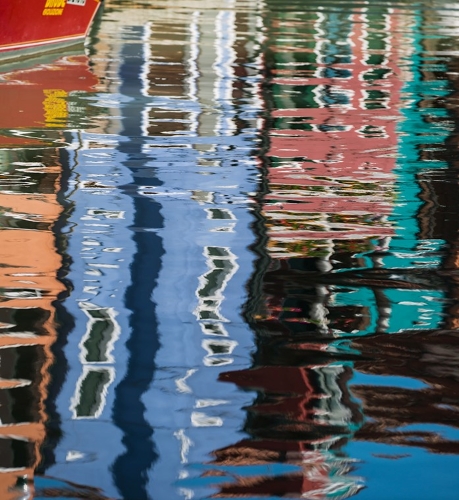
Venice seduces us in so many ways–with her watery, curving reflections; her hidden corners shot through with light; her disguises, her artistic creations inspired by centuries of tradition.
Casanova once walked La Serenissima’s calle and drifted down her canals, on the way to a tryst or an adventure. Let these images take you back into your own Venetian memories, your dreams and your desires. You might spy glittering glass beads through a window or sumptuous Fortuny fabrics sailing overhead. You might peer through doorways into other vistas. You might repose within the cool marble walls of a bright white church or duck your head passing beneath an arching bridge.
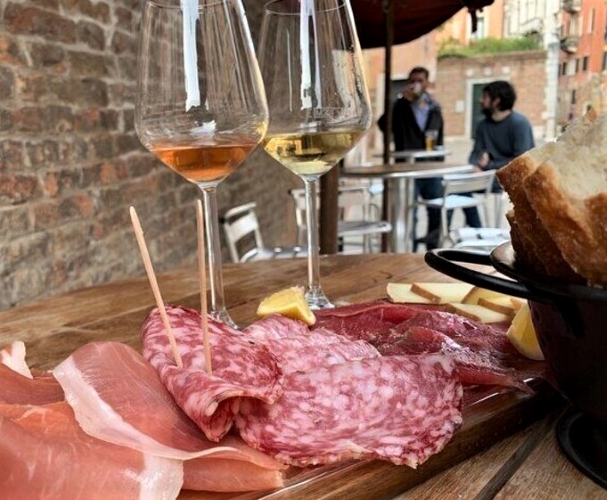
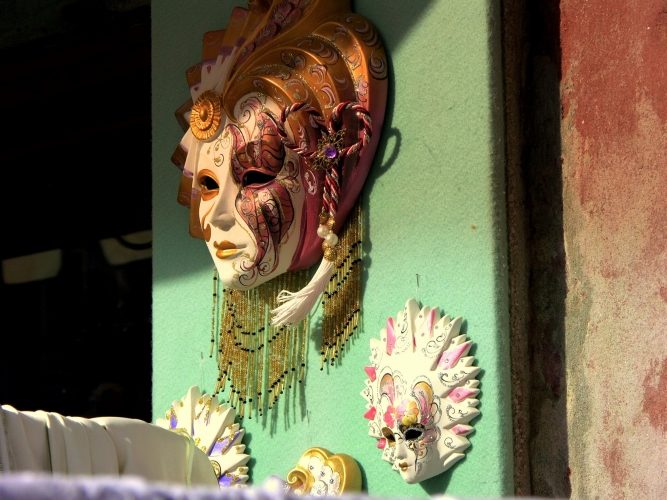
Venice beckons in the shape of gondoliers, maskers, artists, violinists, welcoming you to explore her secret streets and mirrored canals. Play in the shadows and in the light as it bounces off stone and water. Then meet up with your friends for an Aperol Spritz or a cool raboso. As the light closes out the day, toast to love, to beauty, to history, to Venice, grateful that we get to enjoy her charms.
(Grazie mille to Kathleen Gonzalez, author of Seductive Venice: In Casanova’s Footsteps and other books celebrating and revealing Venice’s history and my dear friend Frank Yantorno for several of the dazzling evening photos.)


Copyright - Postcards from the Boot.