
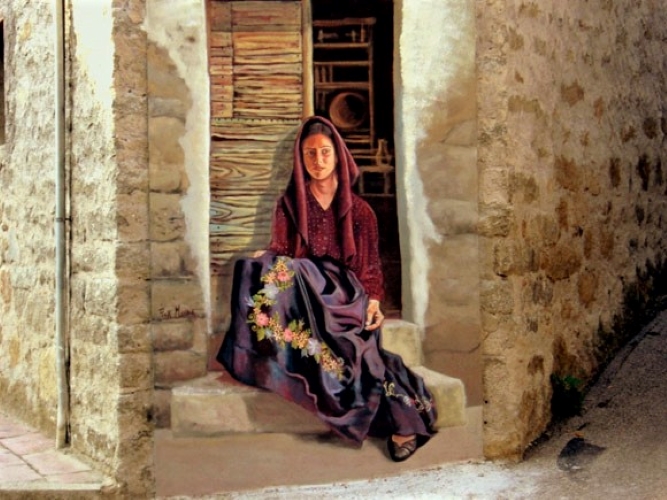
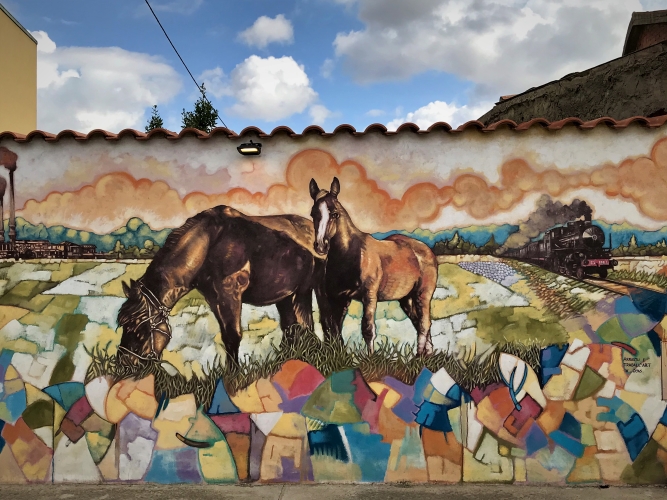
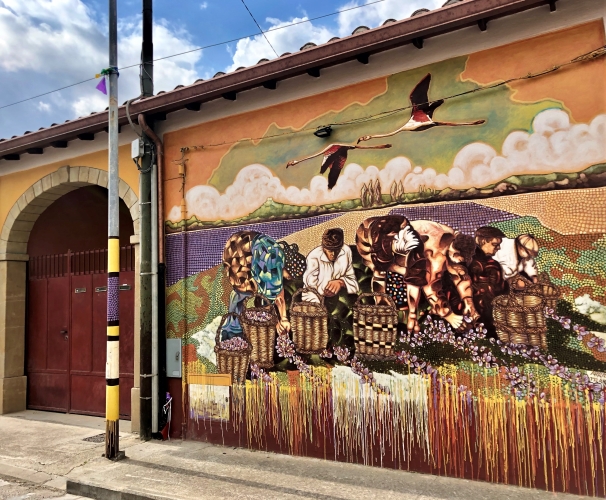

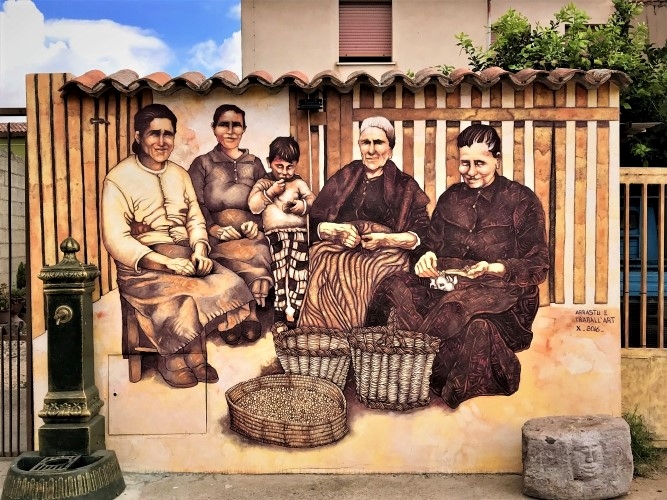
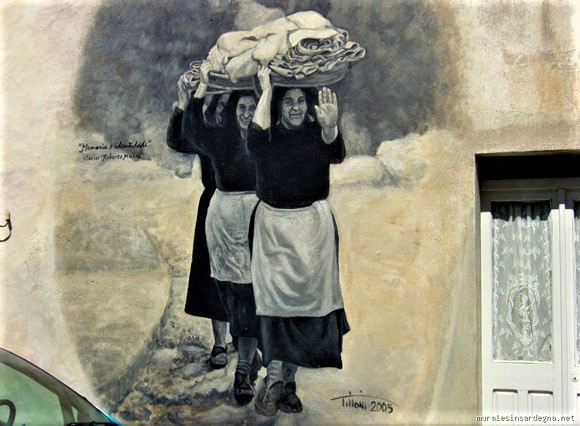
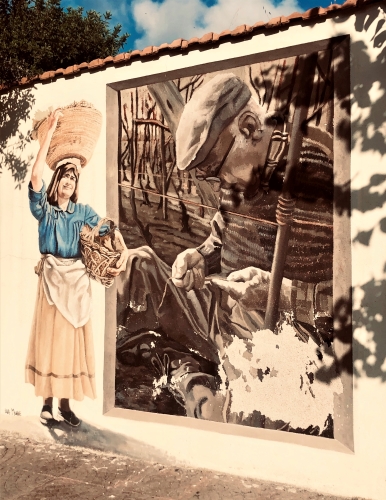

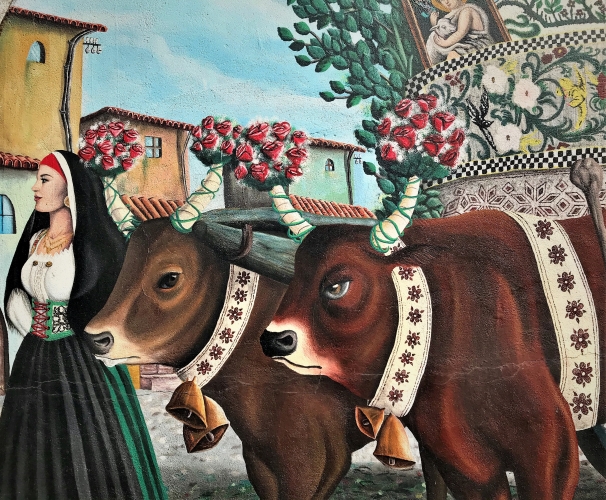
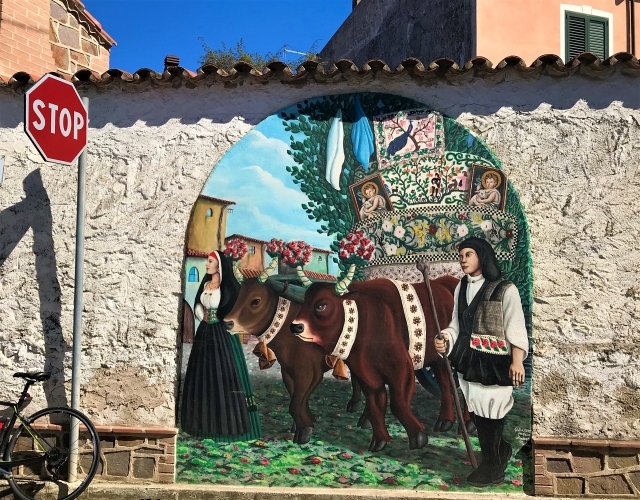
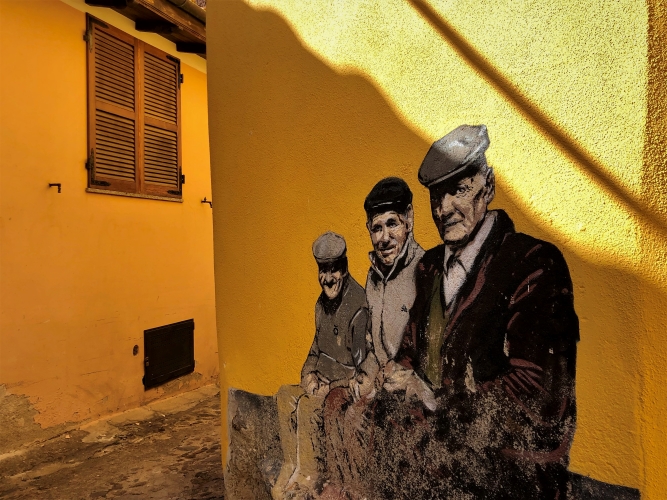
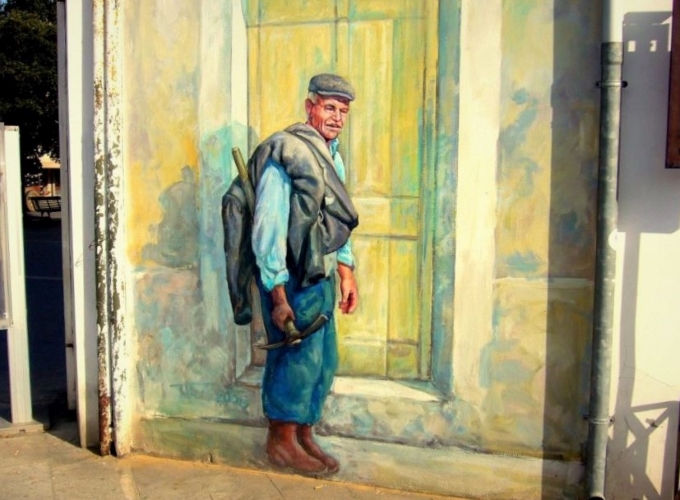

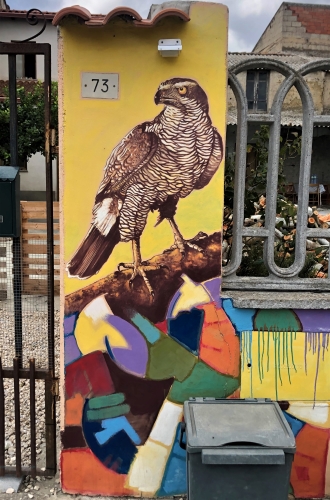
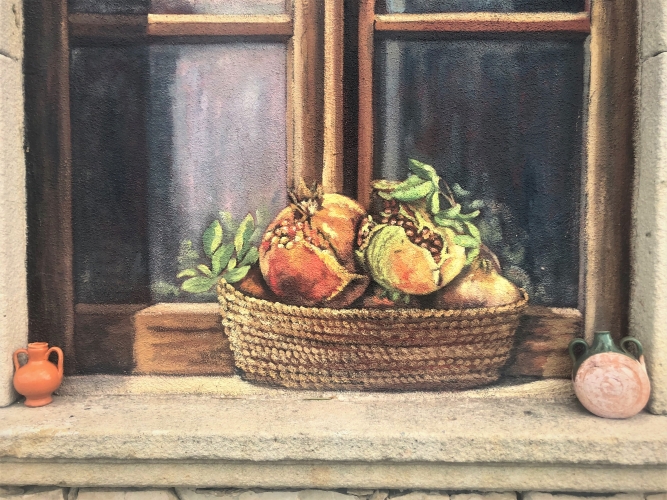
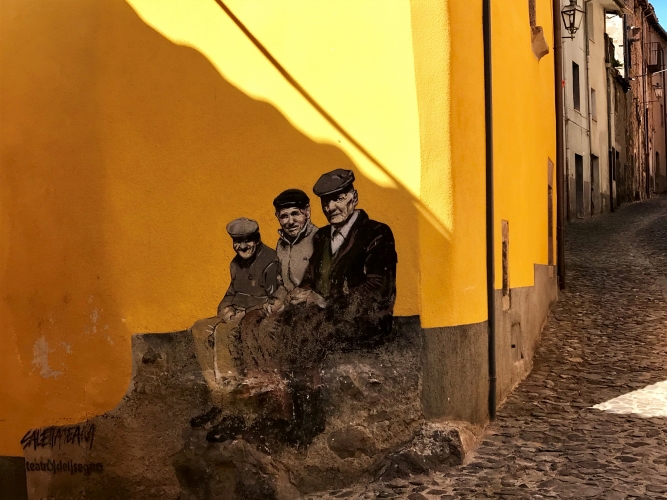
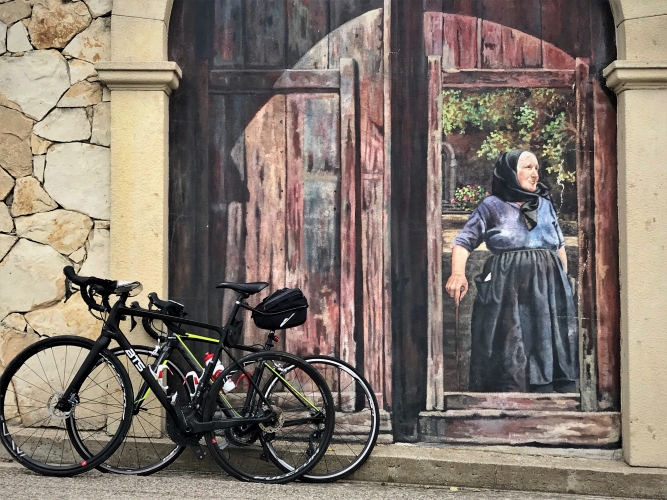
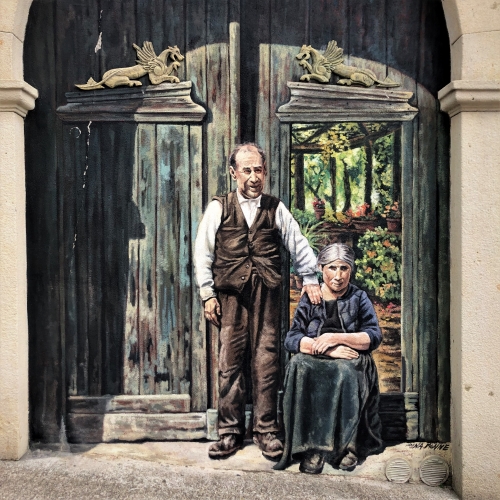
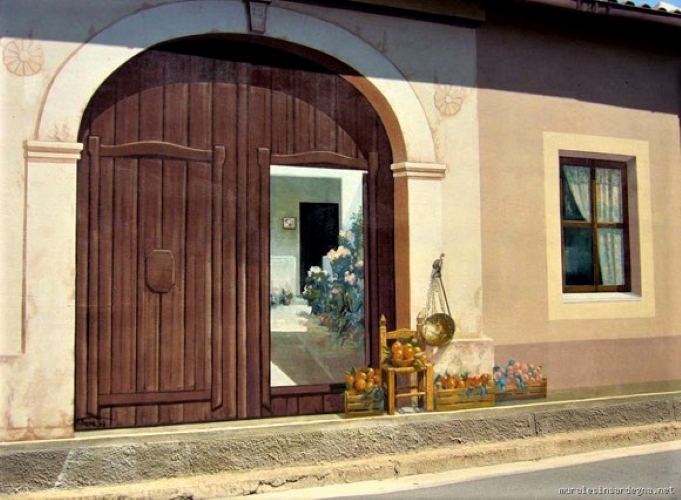
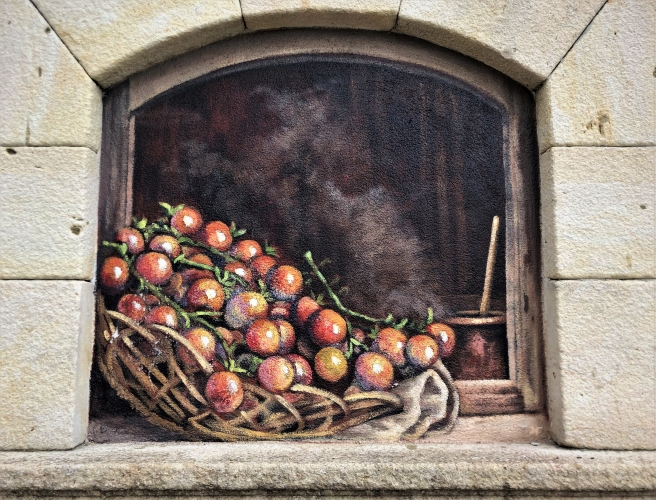
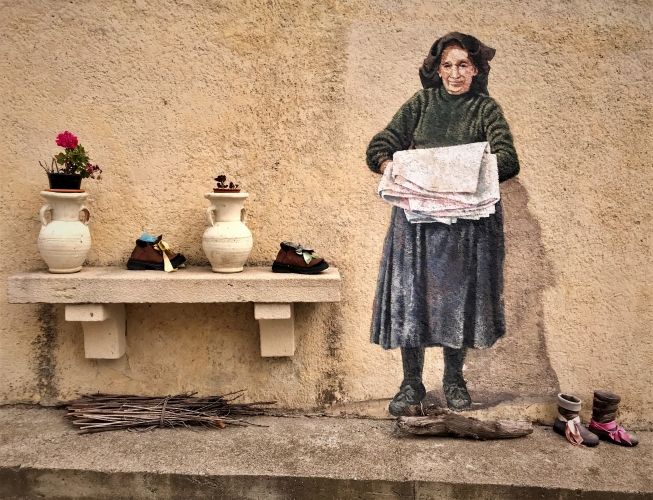
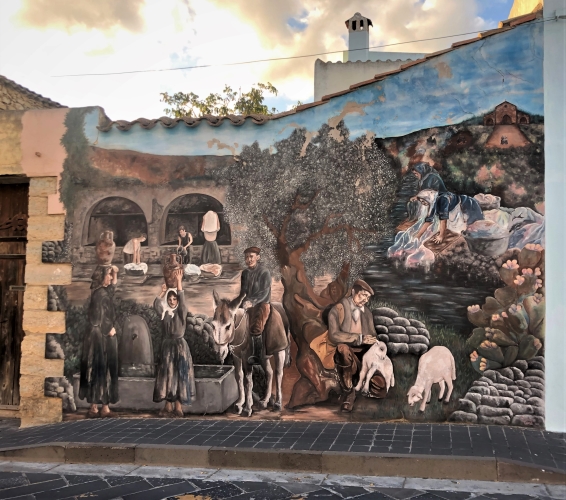
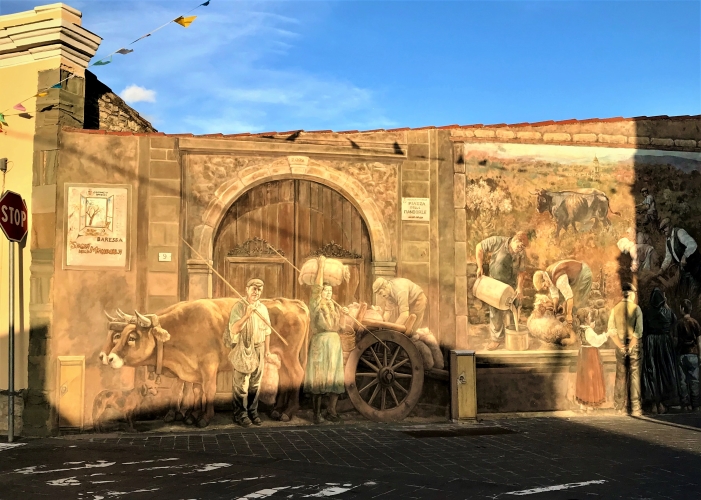
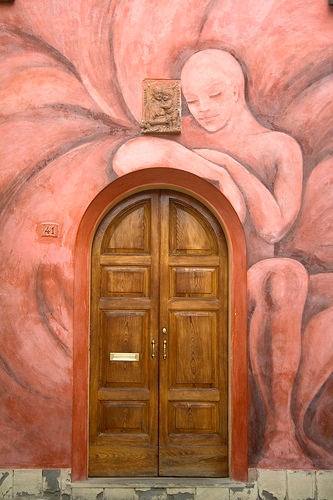
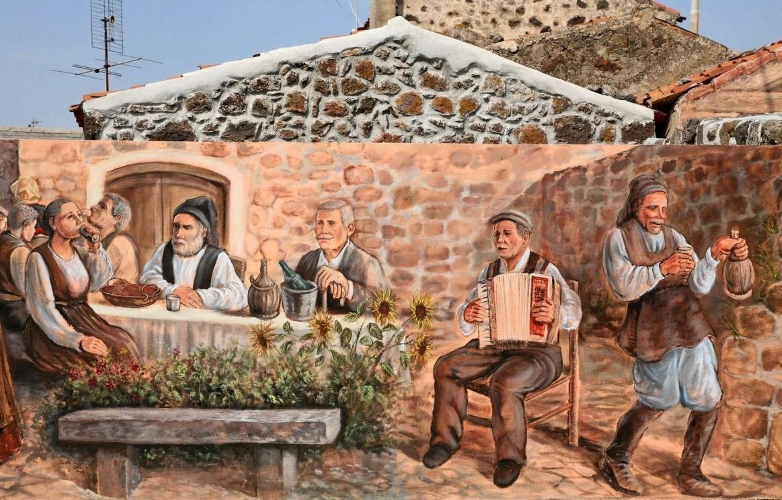
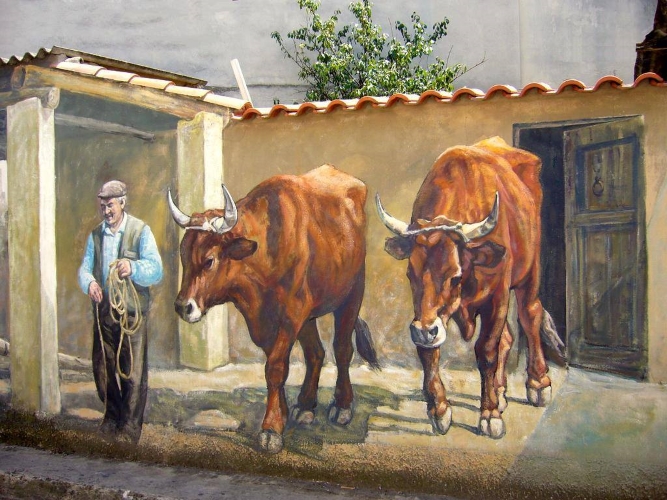
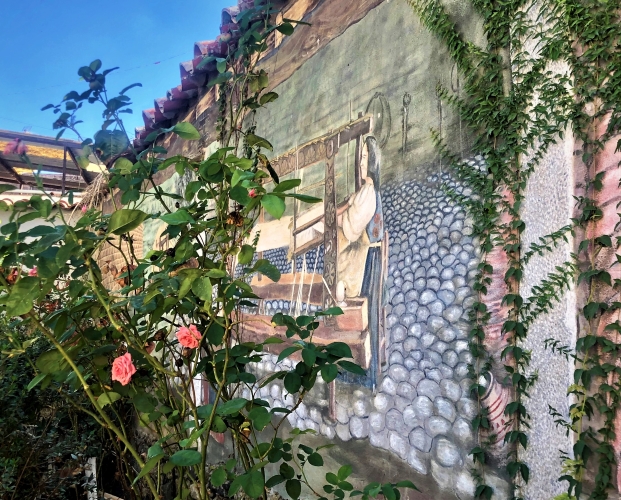
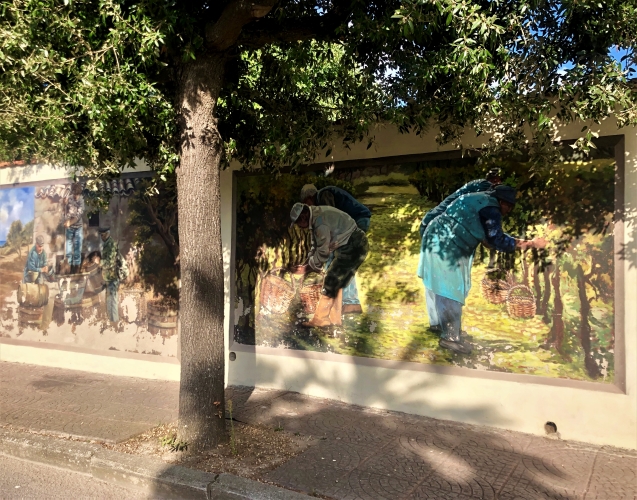
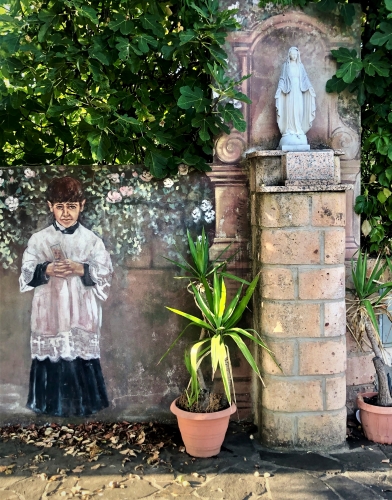
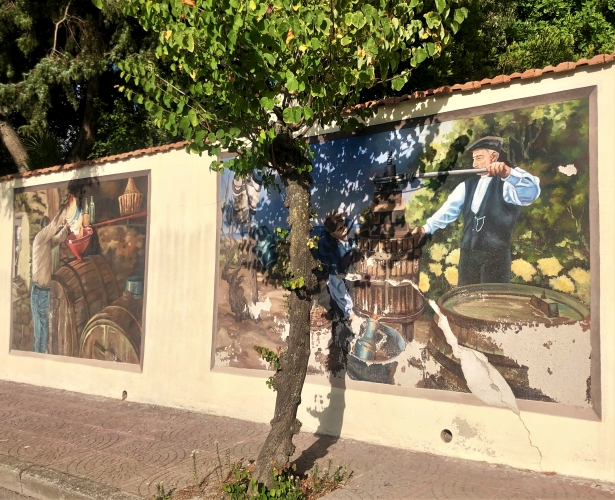
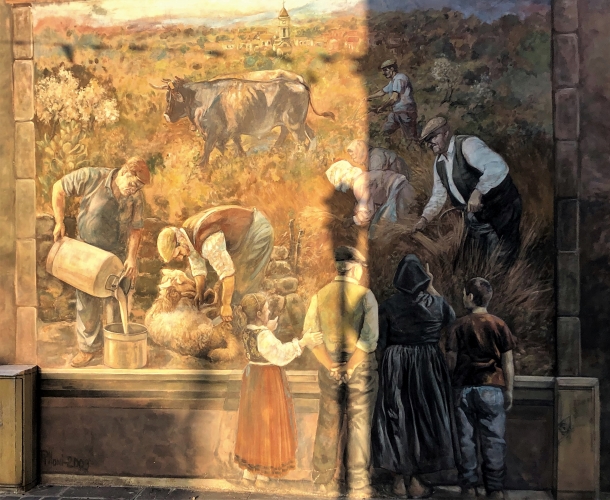

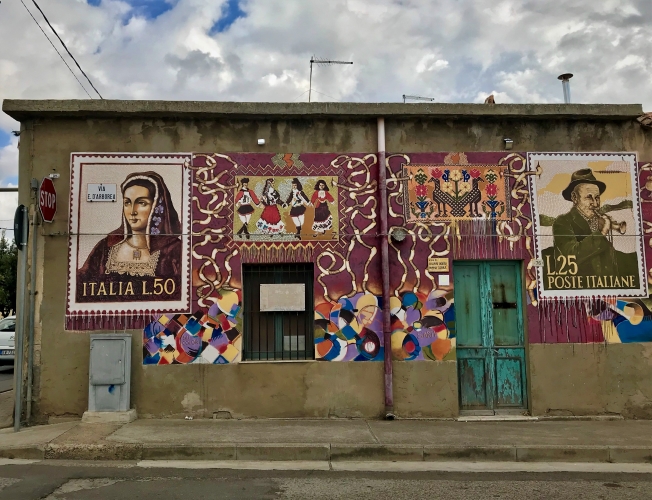
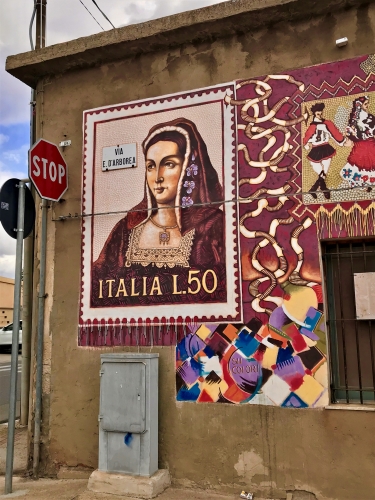
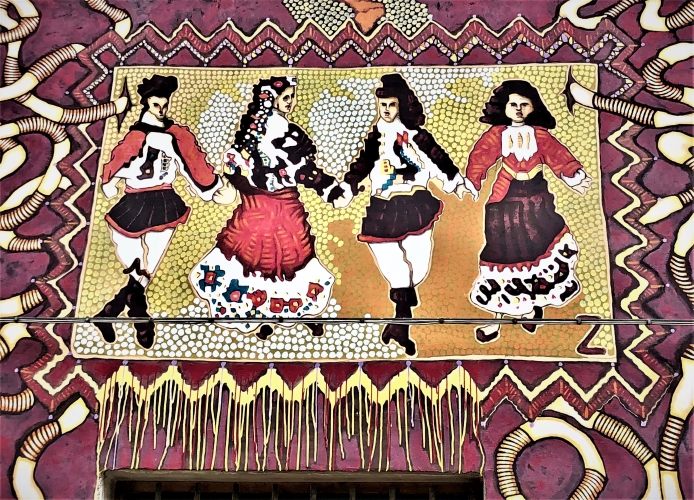
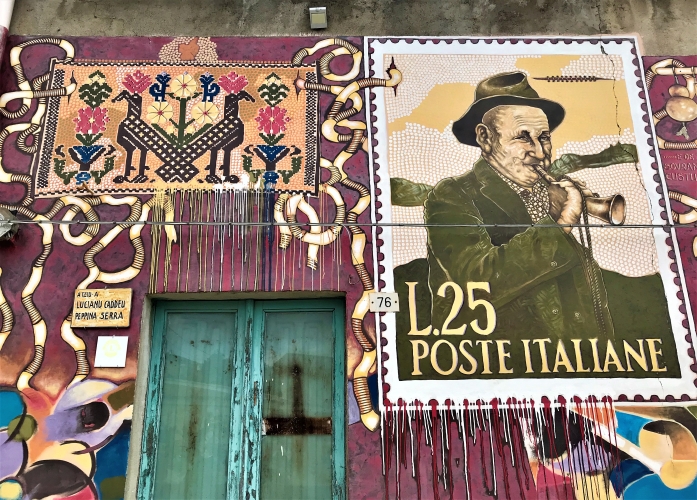
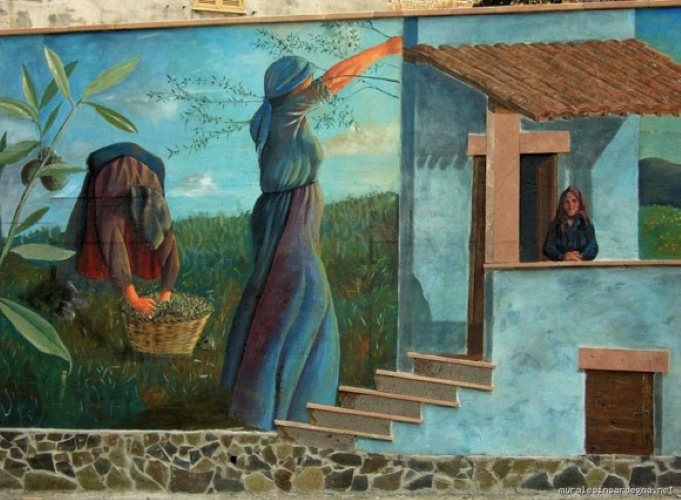
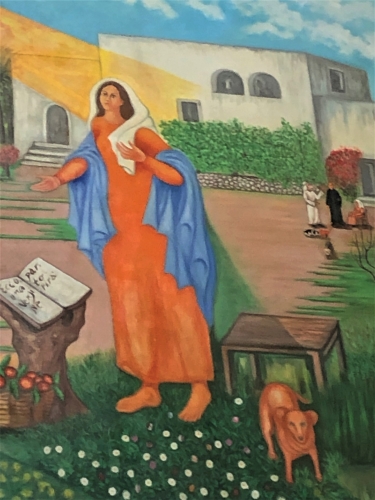
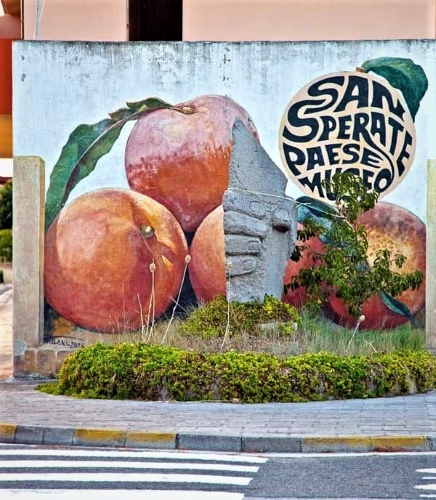

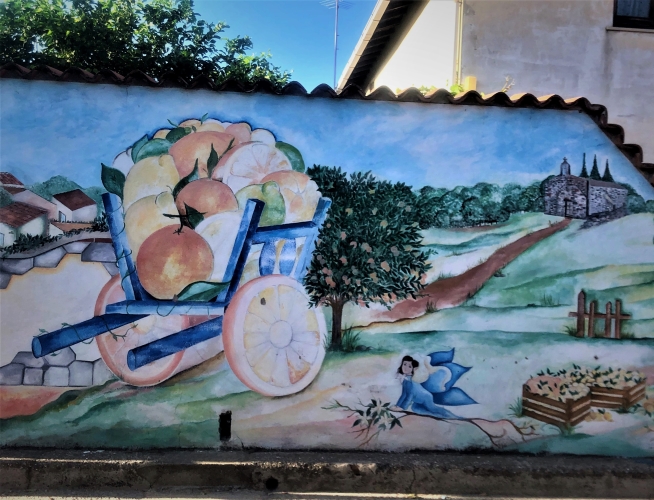
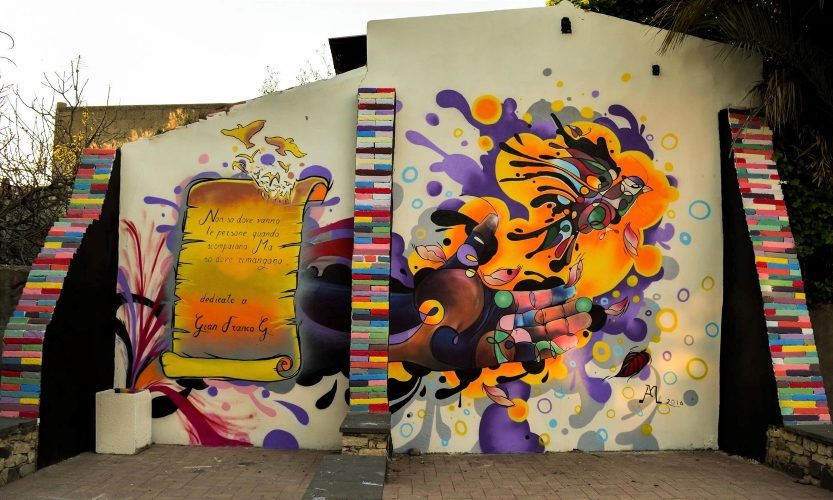
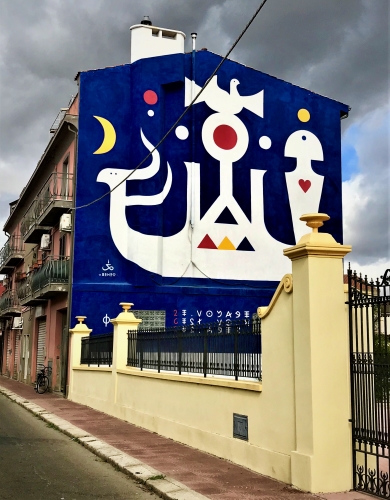
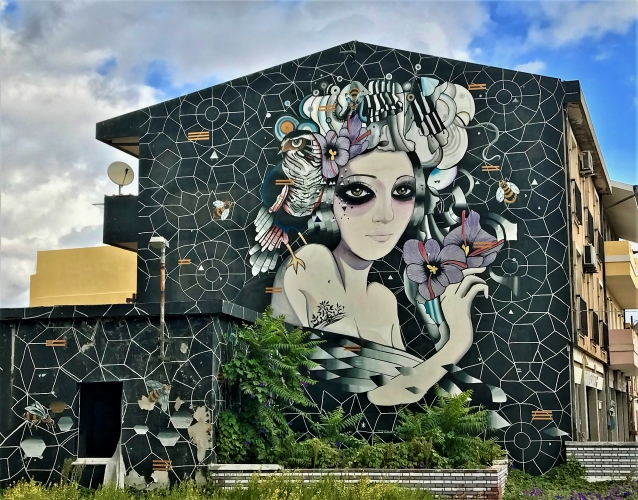
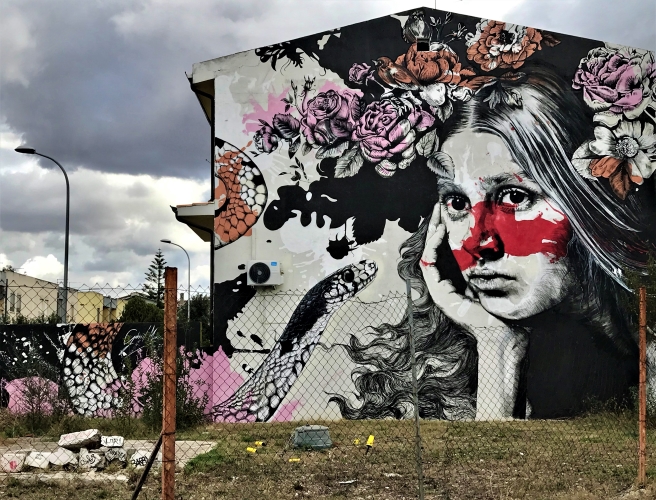
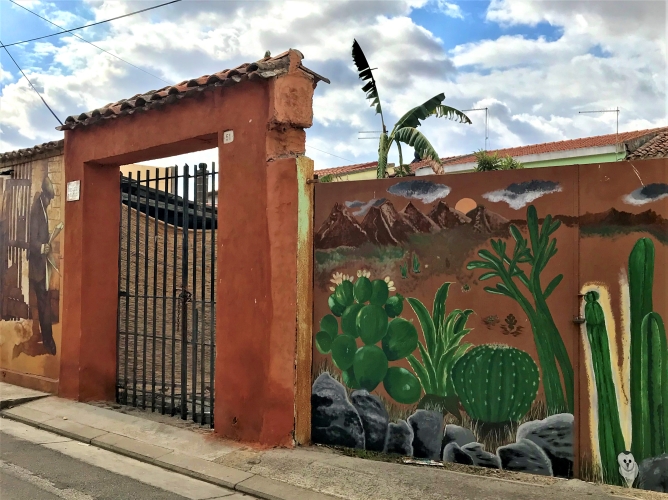

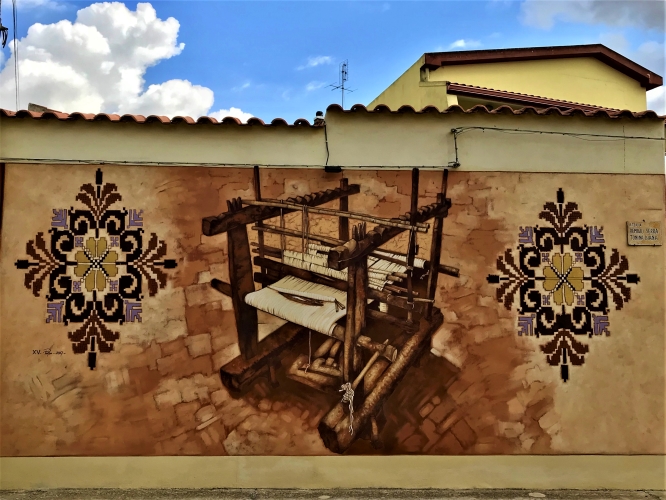
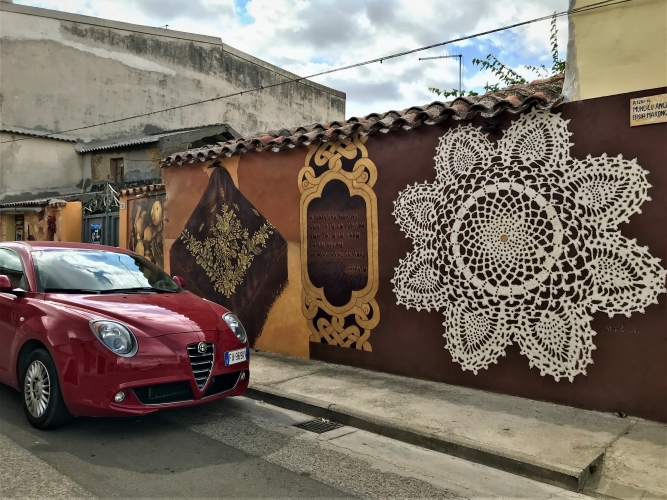
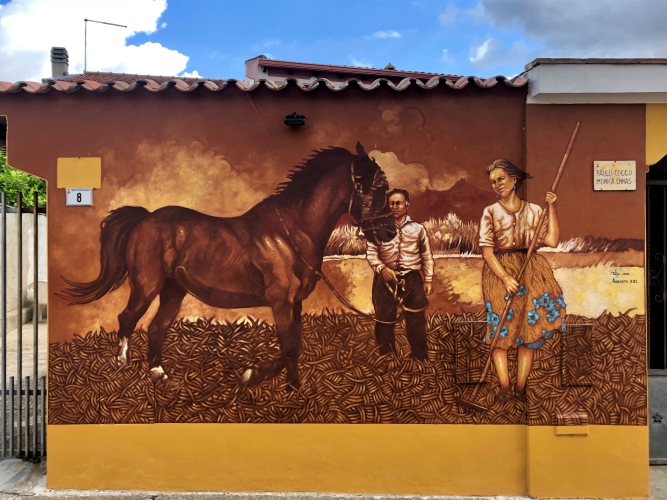
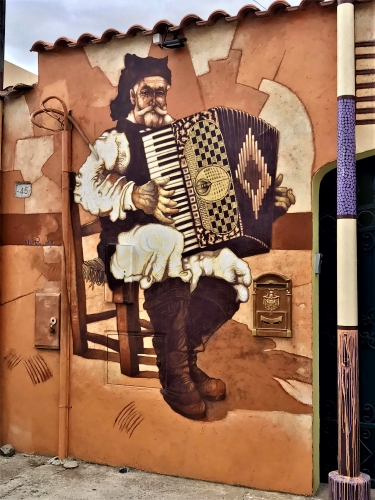
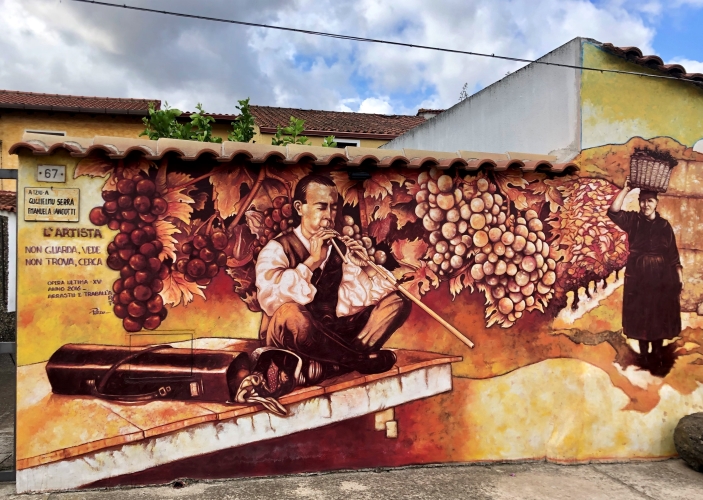
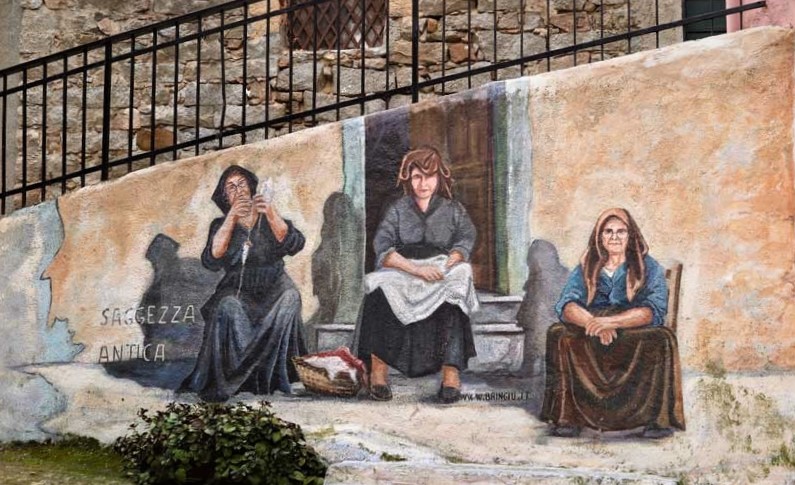
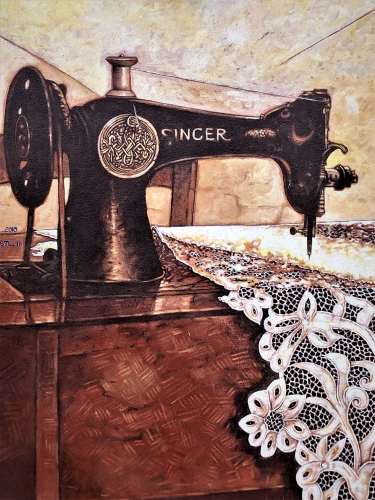
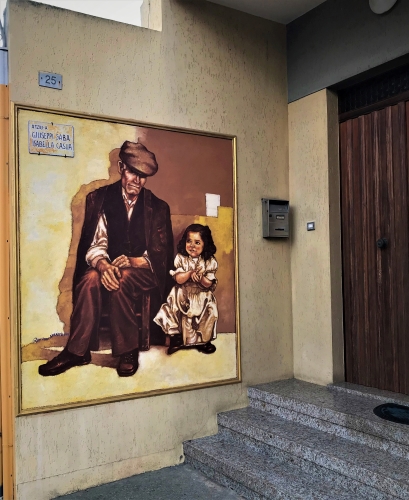
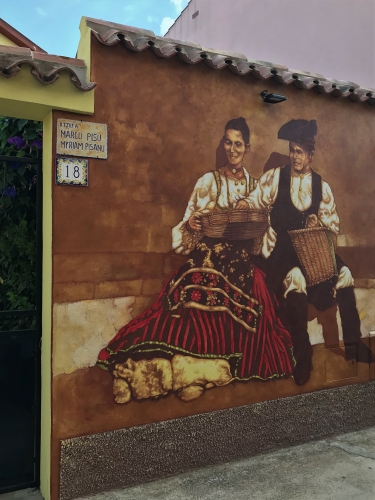
Sardinia, a land of contrasts, intense colors, and bold flavors proudly boasts its own special artistry and priceless cultural heritage. In ancient Rome is was called graffiti; today we call it street art or murals. A unique pleasure of exploring this stunningly beautiful island is to discover captivating and varied murals, even in some of the tiniest villages. These are true open-air masterpieces gifted to us by talented local and international artists, some famous and some completely unknown.
Whatever name we use for them, and whatever the technique used by the artist to decorate a public space, Sardinia’s murales serve as something of a collective memory for the community and a way of expressing the personalities and character of these quiet yet warm and hospitable people.
In surprising and colorful vignettes—often depicting historic scenes of village life 100 years ago, featuring the men’s hard work in the fields, the women’s domestic pursuits, and a menagerie of farm animals—the essence of daily life and the connection the Sards share with their beautiful land, their customs and traditions are all touchingly conveyed.
You will also discover murales with subjects that are more whimsical (even cartoony), riffs of famous paintings, or more serious depictions of political events … which is how the tradition of mural painting first began on the island: as a form of political speech in 1969 and the early 1970’s. Artistic styles vary from community to community—Naive, Realism, Impressionism, trompe l’oeil (e.g., windows, verandahs; lines of wash). Some works depict childhood paintings as well as more contemporary and abstract subjects.
Top mural towns include: Serramanna, San Sperate, Villamar, Tinnaura, Bosa, and the town where it all began, Orgosolo, which I have yet to visit. And even if you miss some of these, be sure to look around closely in any the small towns you visit … more often than not, you’ll discover lots of interesting, individualistic artistic treasures.

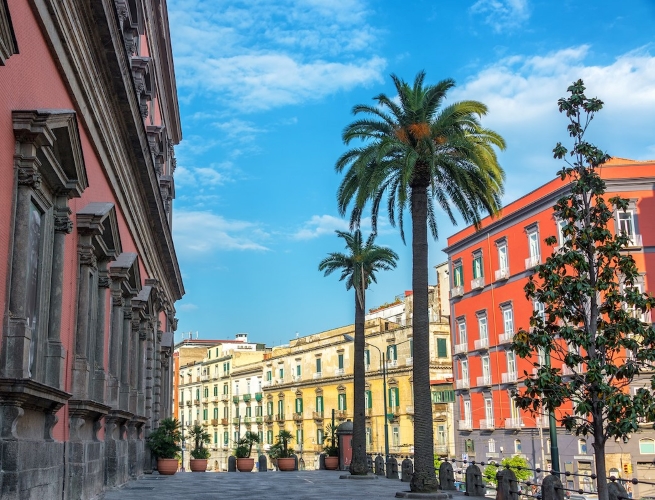
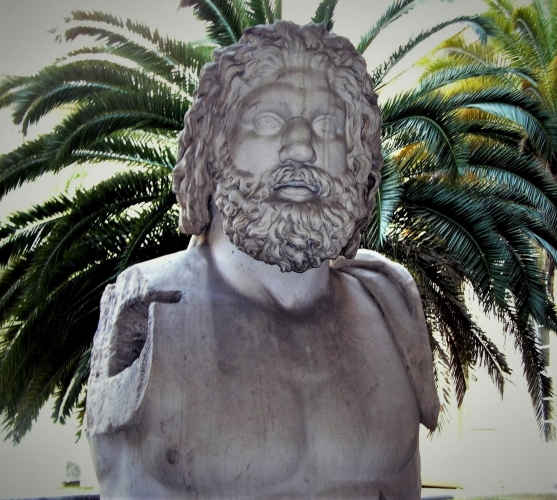
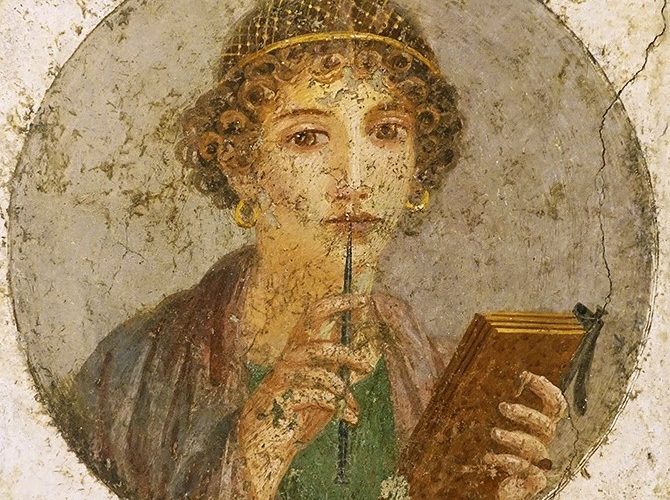
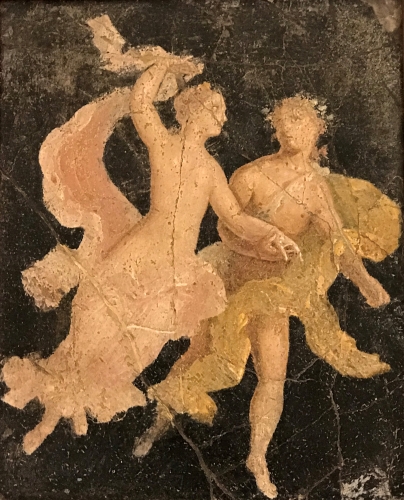
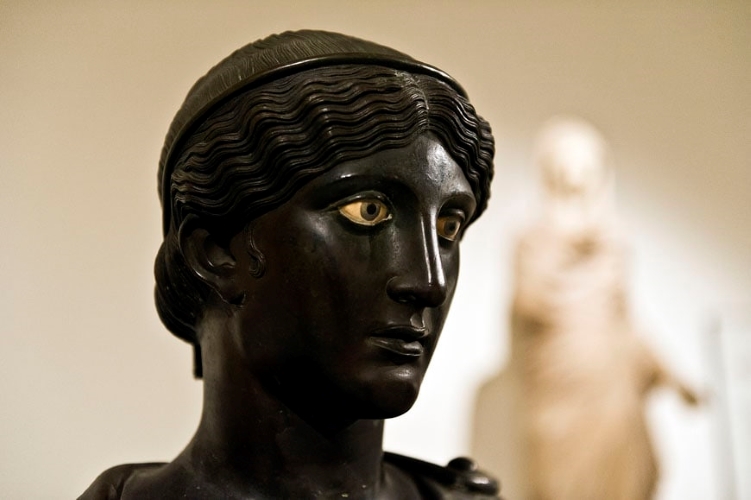
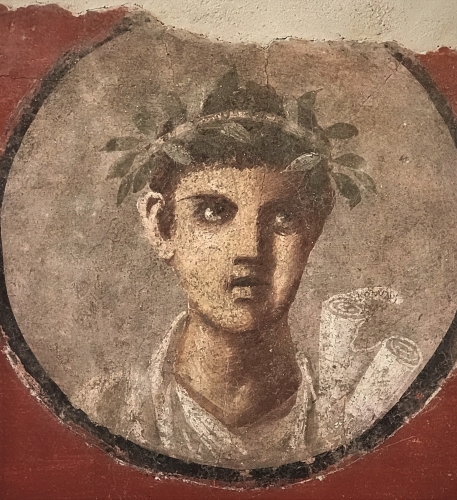
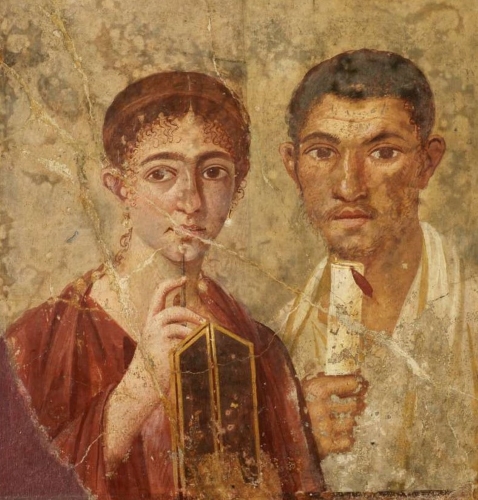
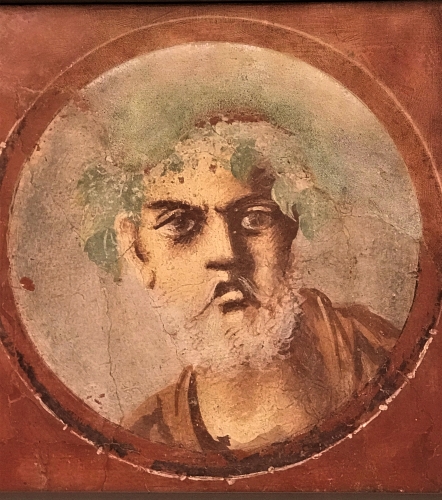
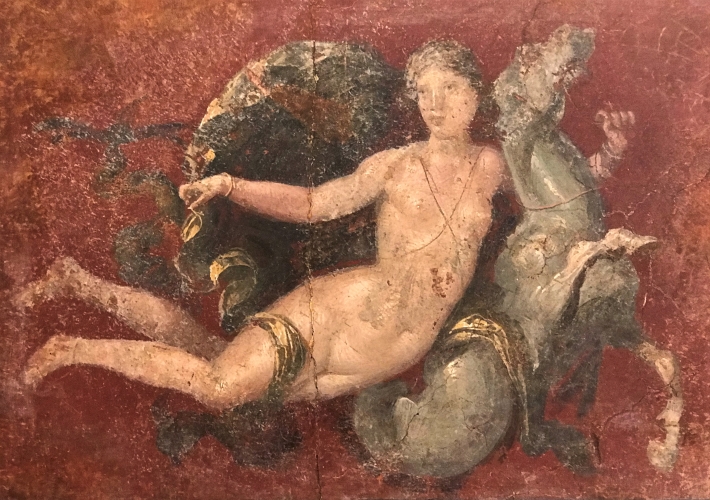
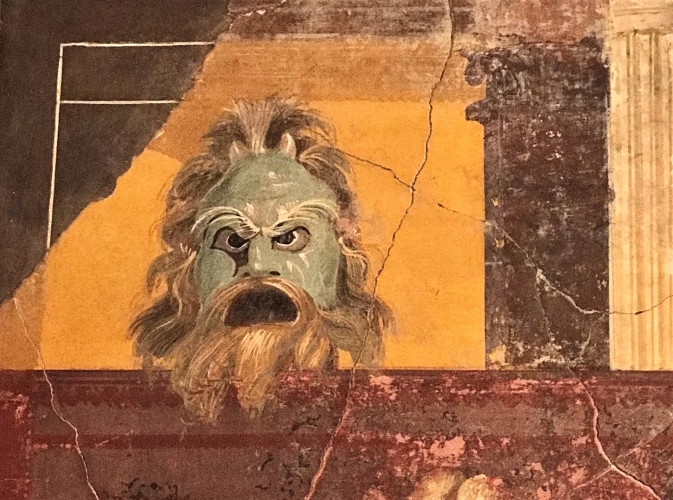
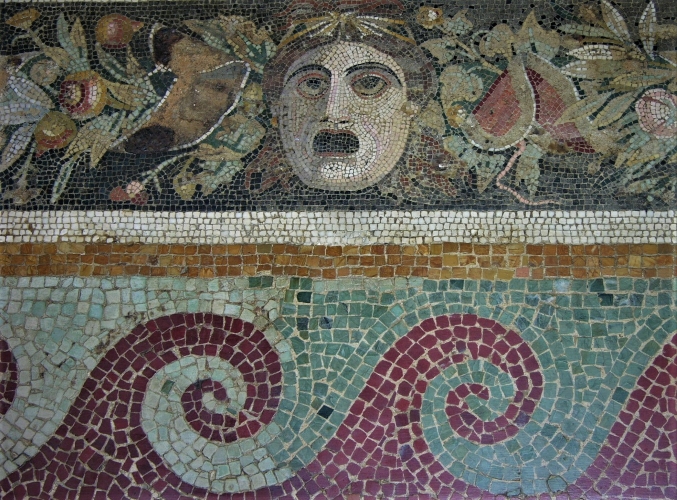
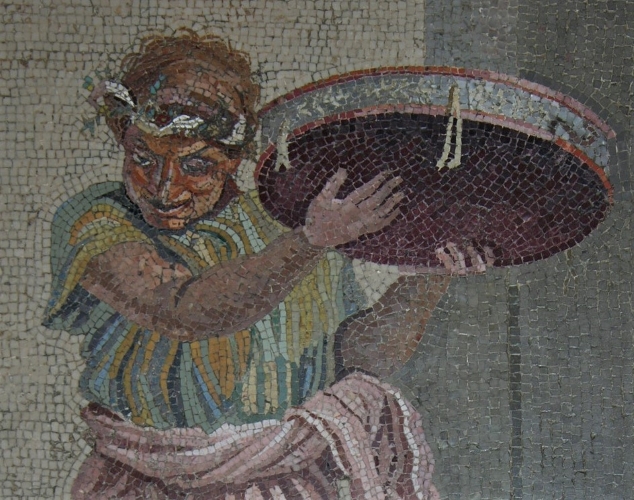
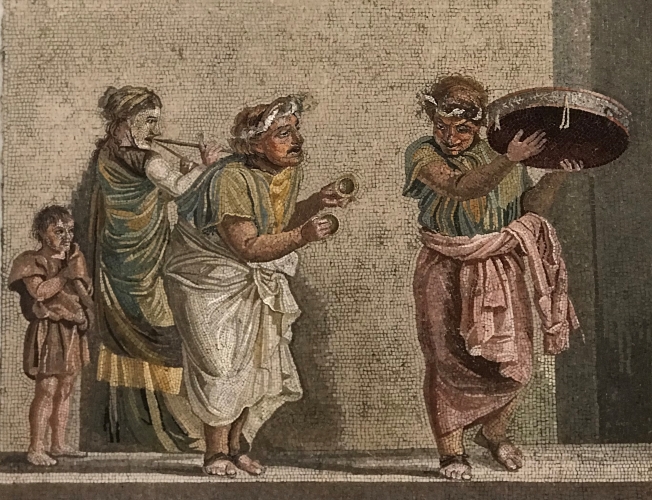
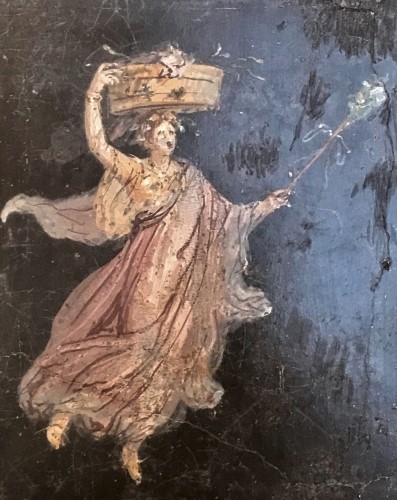
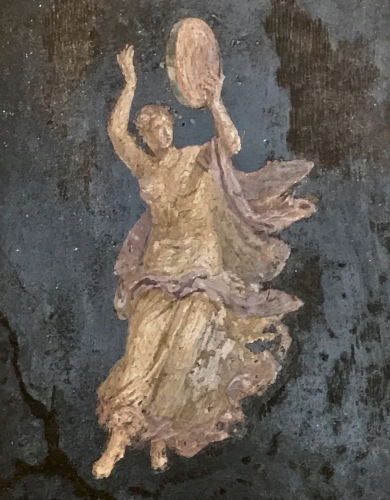
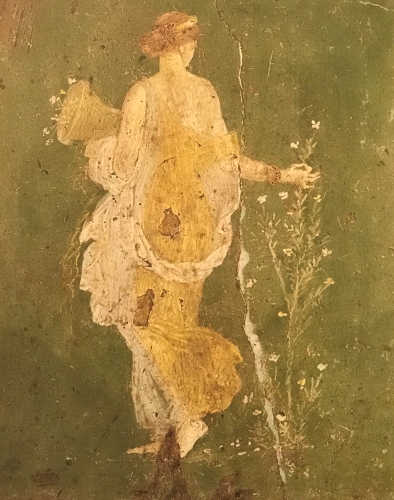

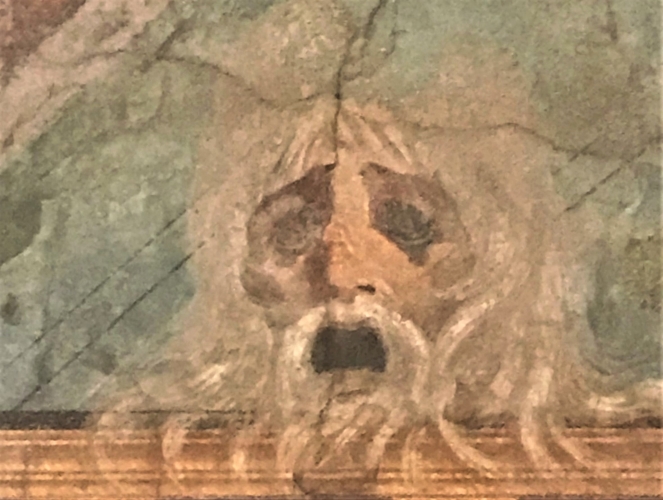
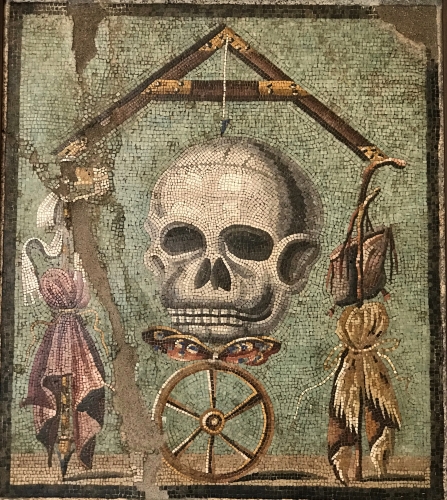
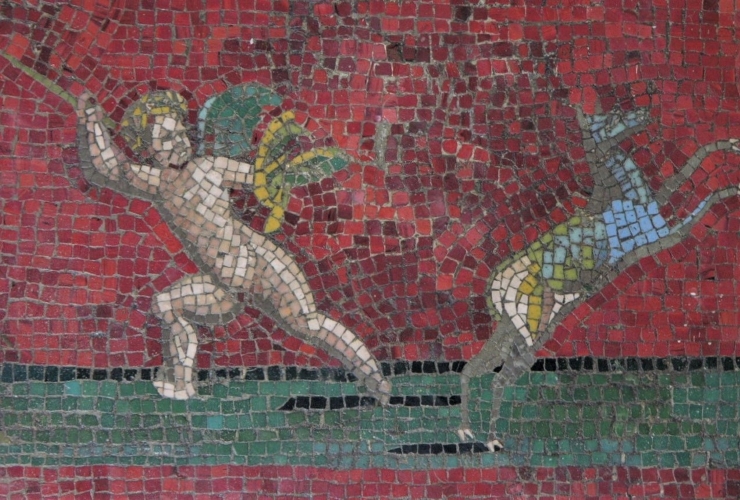
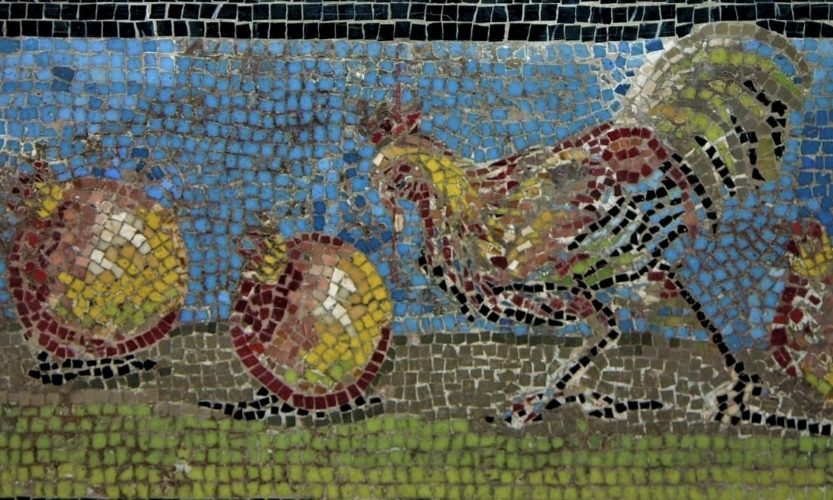
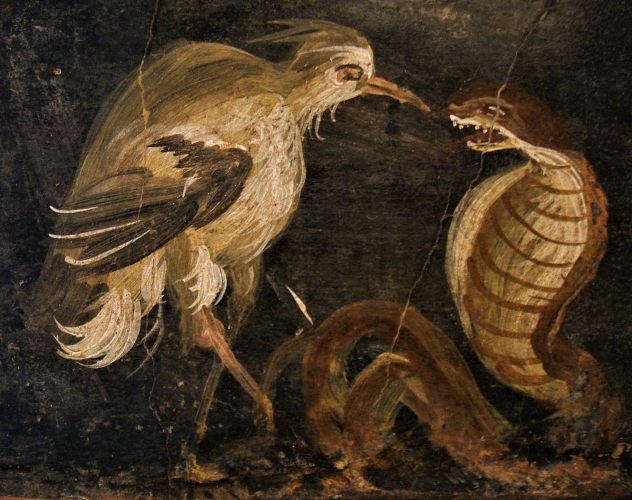
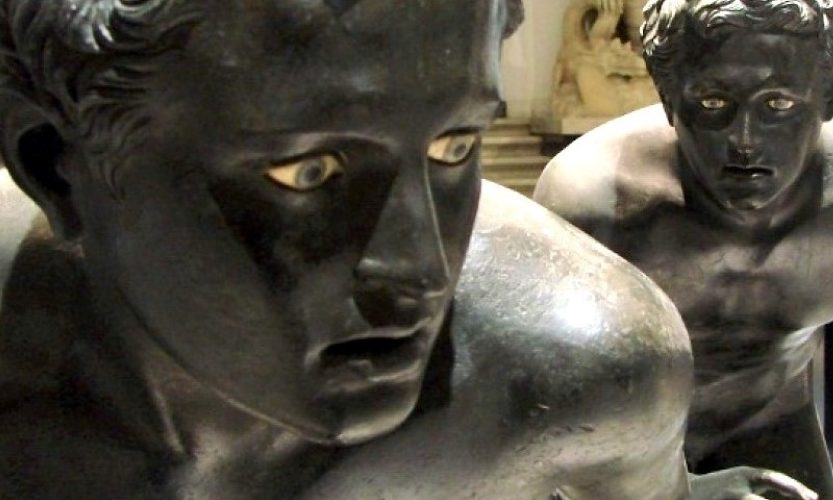
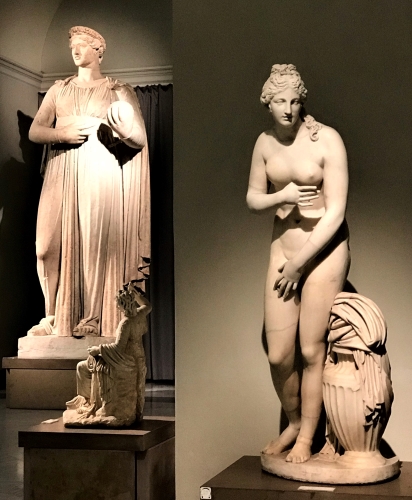
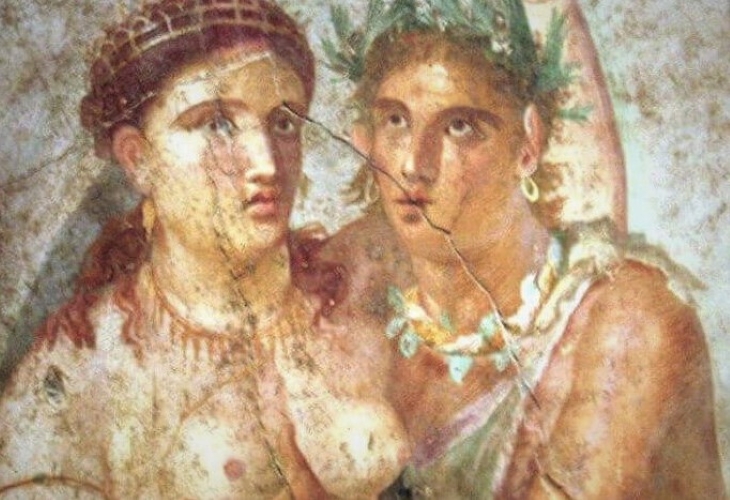
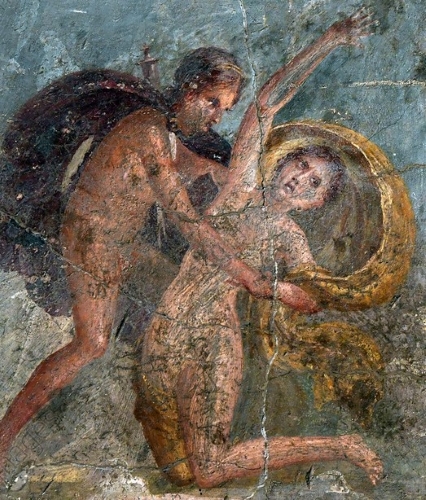
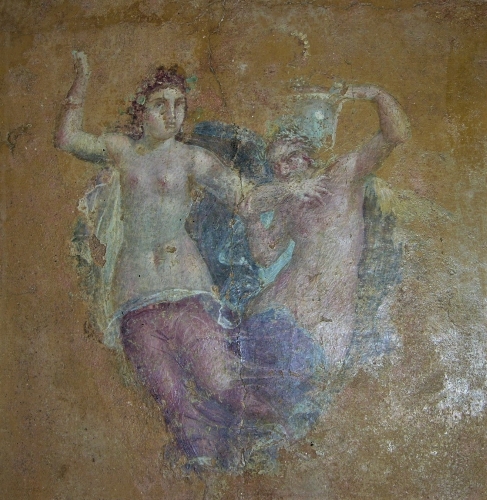
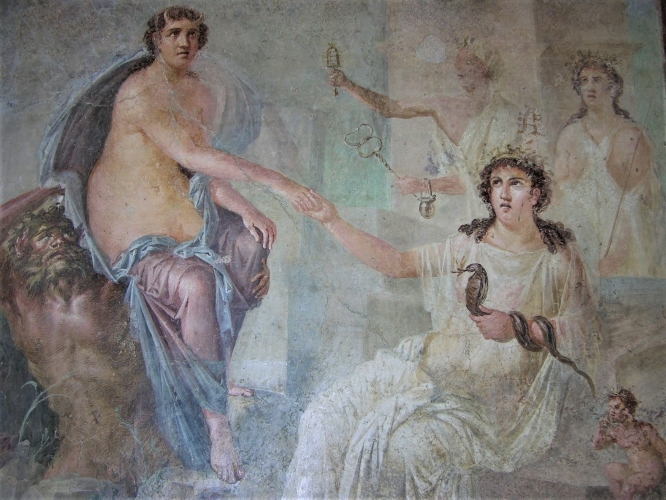
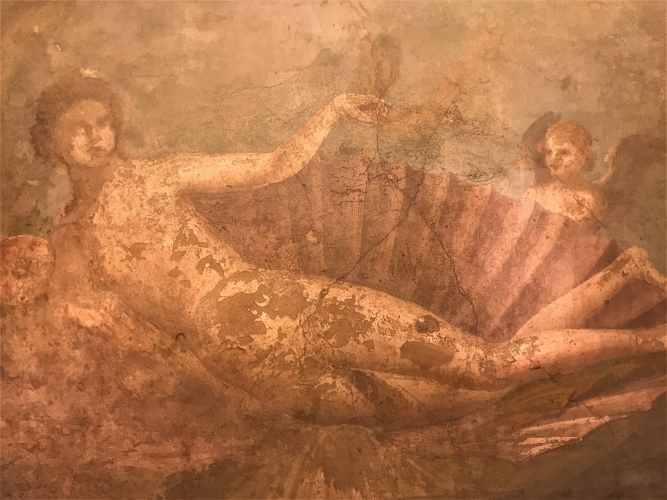
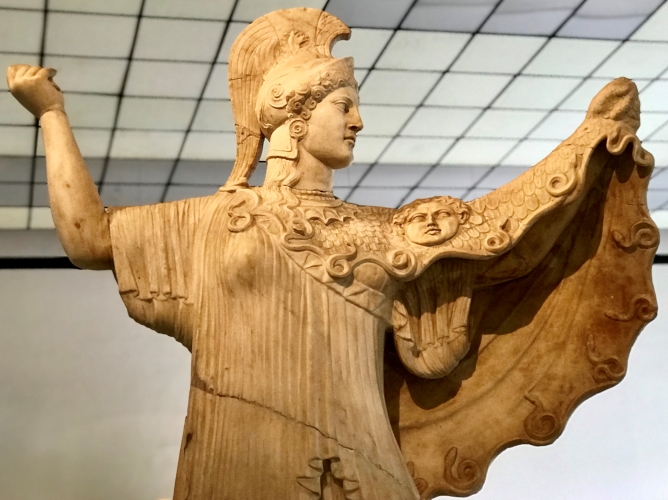
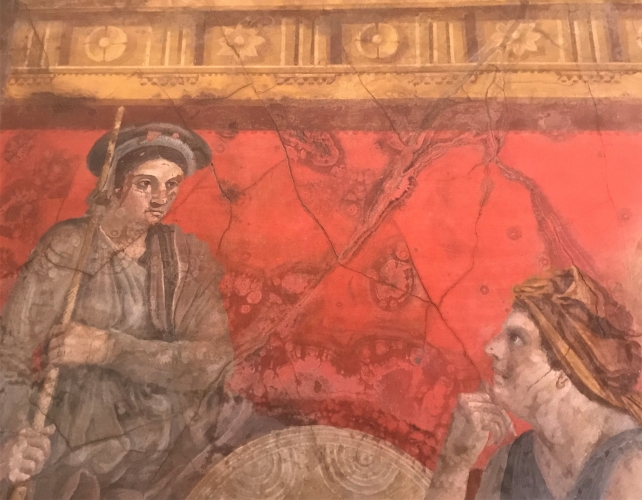
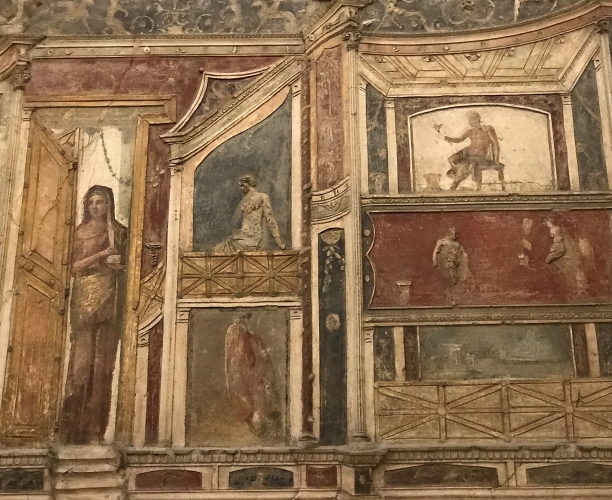
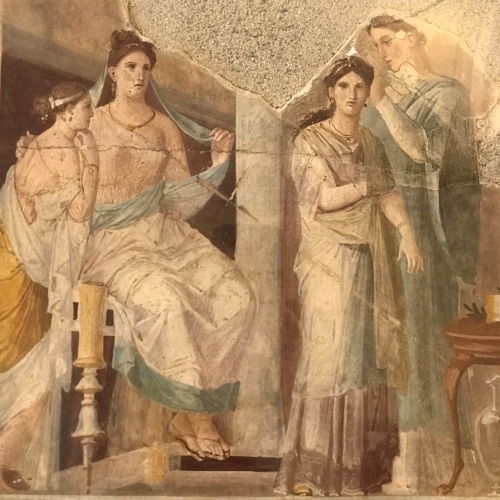
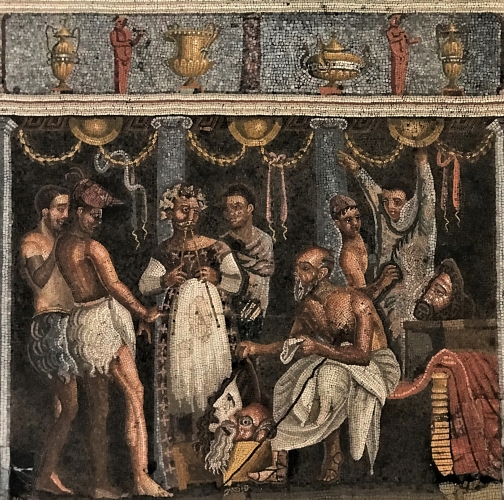
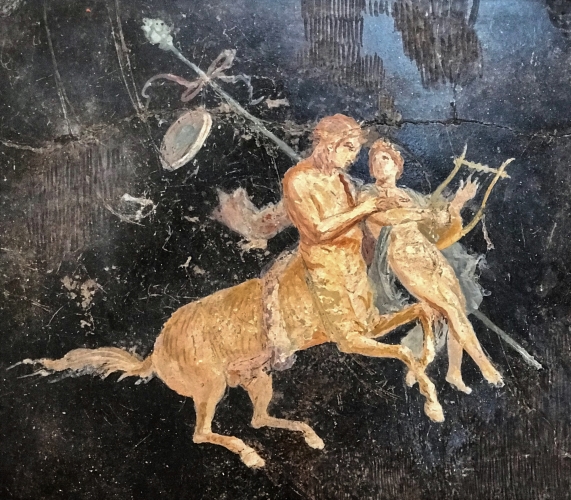
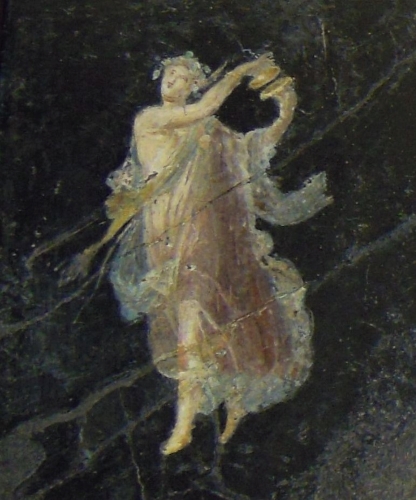
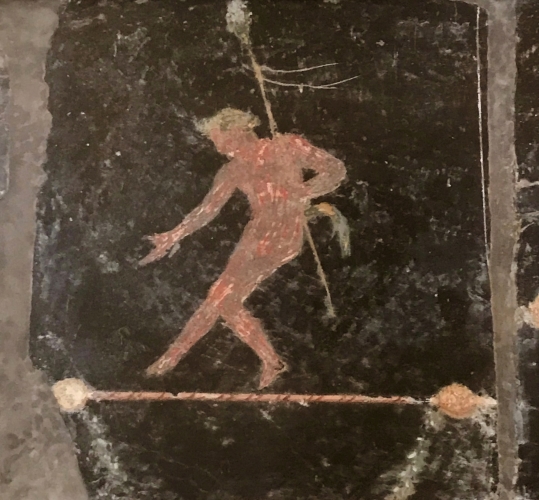
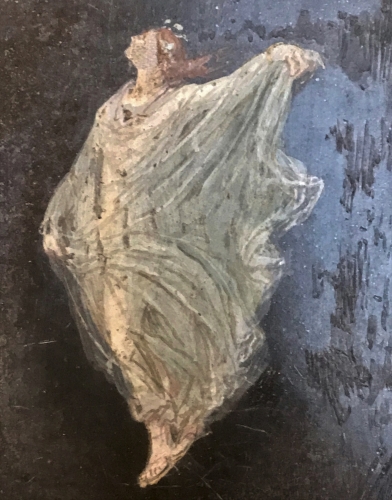
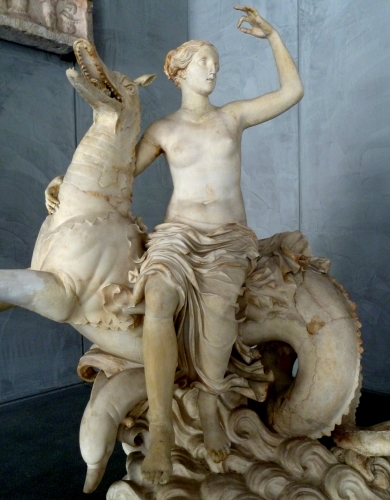
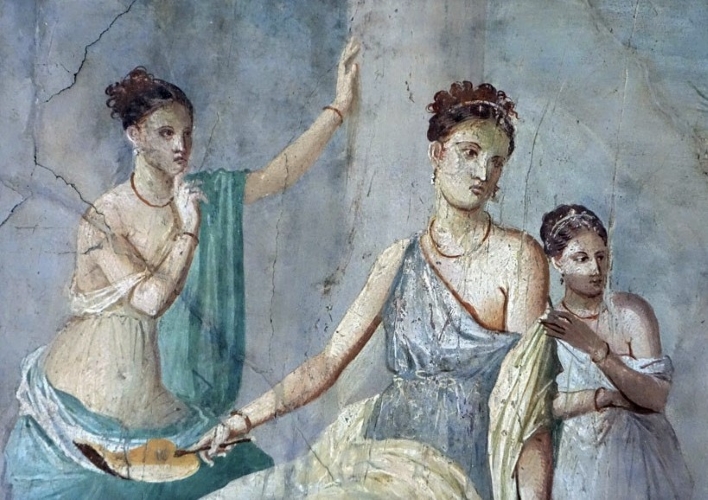

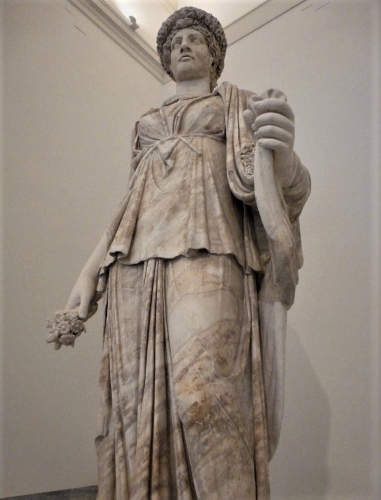
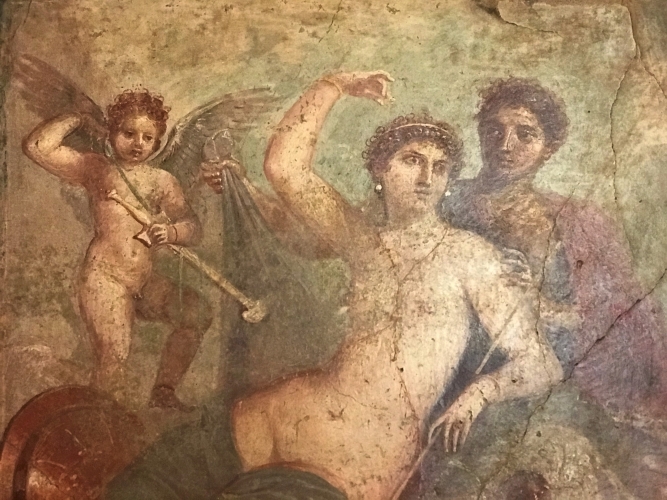
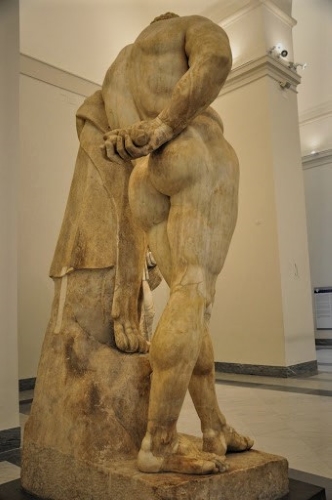
One of the world’s greatest museums (and a favorite of mine) is the National Archaeological Museum in Naples. With over three million objects from antiquity, its collection is packed with Roman empire treasures excavated at Pompeii, Herculaneum and Stabiae, including stunning mosaics and colorful frescoes and the fabulous Farnese collection of classical sculpture. I am always amazed by how few visit this extraordinary museum. If you love art and archaeology, it’s a must, and a MUST for anyone who visits Pompeii or the other sites. It’s like stepping into another world.
The bright pink museum is located in one of Naples’ graffiti-adorned neighborhoods. The building was originally a cavalry barracks, then the seat of the University of Naples. Charles III of Bourbon established the museum, then known as the Real Museo Borbonico, to house the antiquities bequeathed to him by his mother, Elisabetta Farnese, and to showcase the dazzling discoveries unearthed at Pompeii and Herculaneum that he funded to advance the prestige and fame of his Kingdom of the Two Sicilies.
A couple of surprising facts about the museum: it has an excellent collection of Egyptian artifacts (second only to Turin’s phenomenal Museo Egizio, the world’s oldest Egyptian museum). And, if you still aren’t convinced . . . there is one more secret (literally) for you to uncover here. The museum has a ‘secret’ room, known as Gabinetto Segreto, which has a large collection of erotic art and relics from Pompeii. Initially the room had restricted access to those of ‘mature age and known morals,’ but was finally opened to both men and women in 2000; in 2005 it was officially installed into the museum’s permanent gallery space.
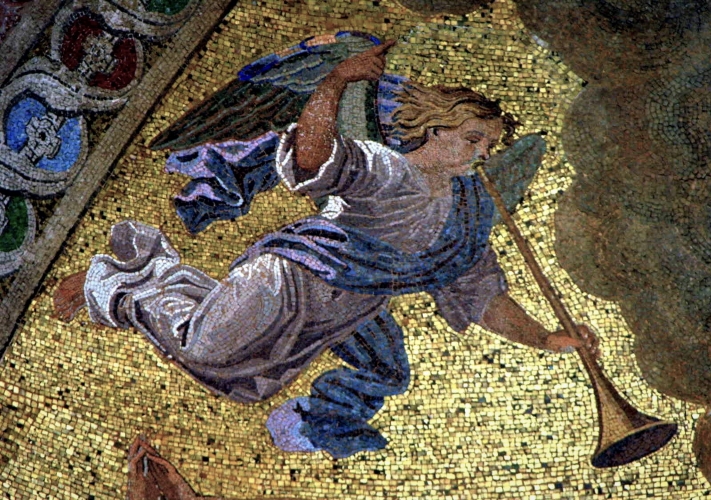
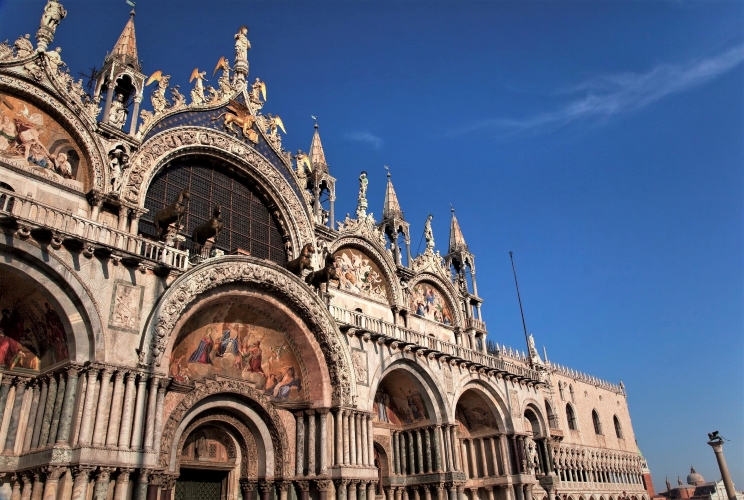
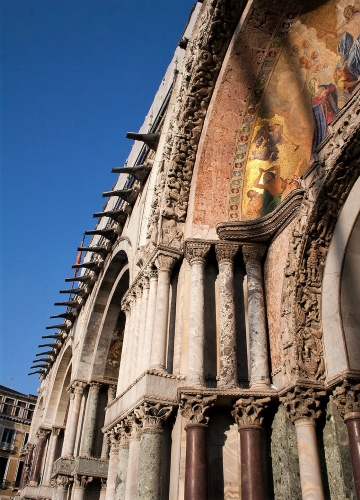
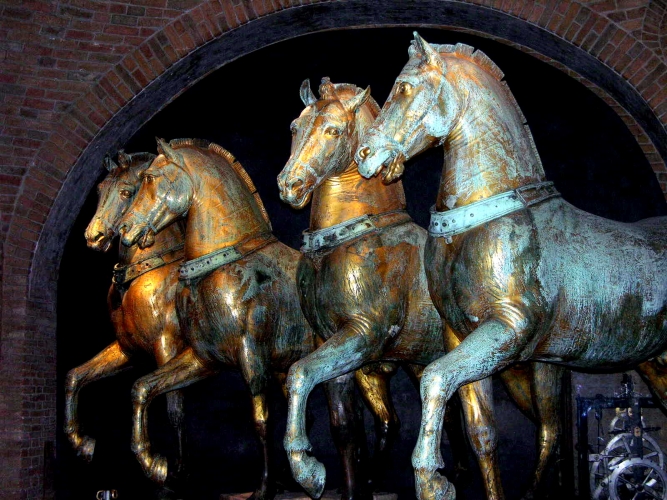
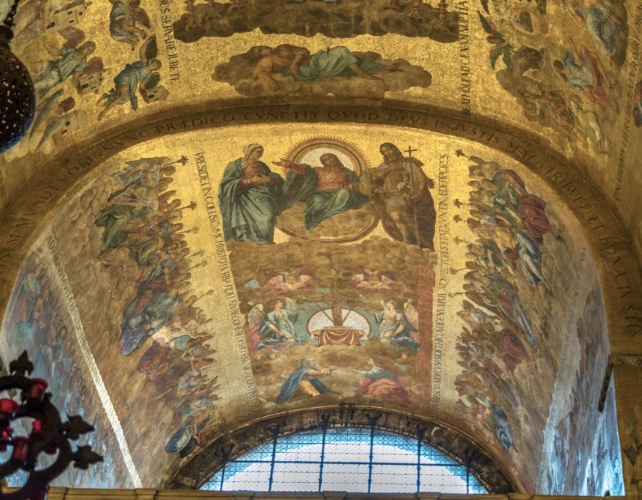
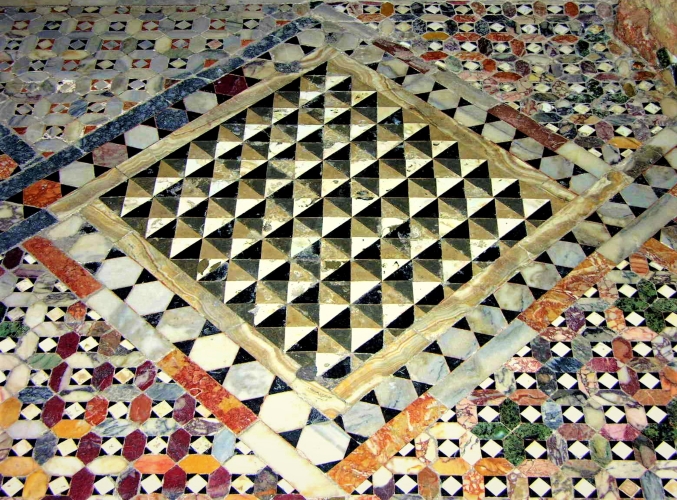
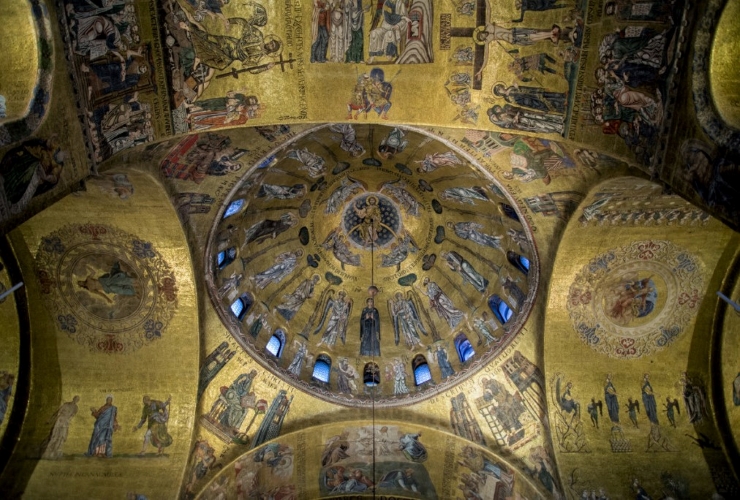
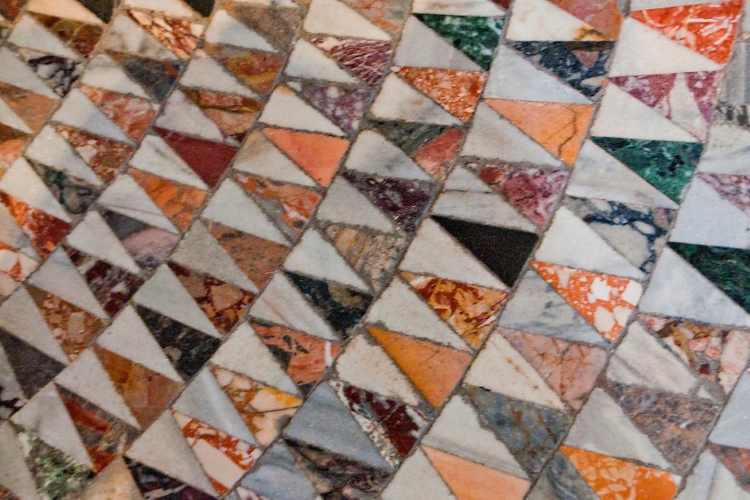
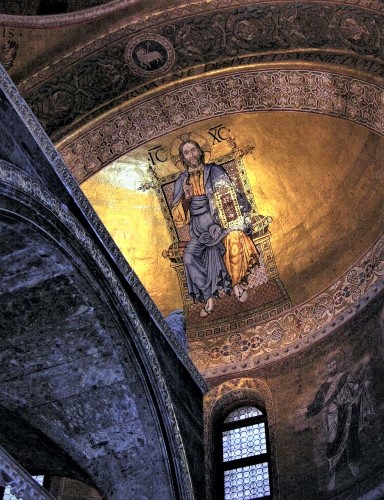
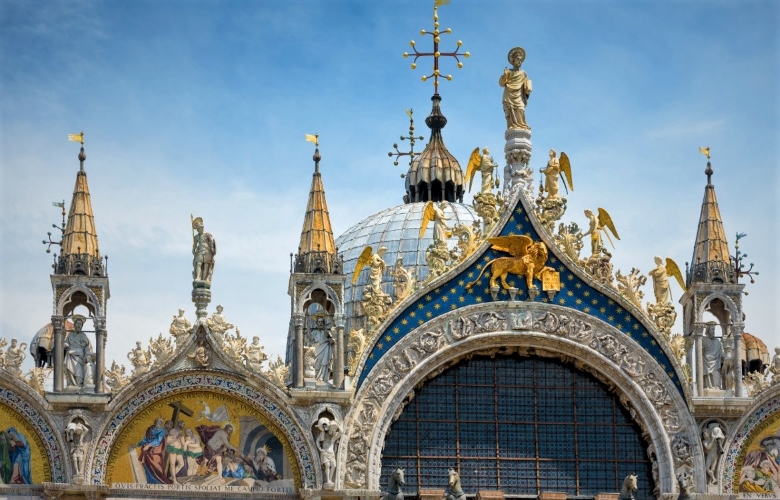
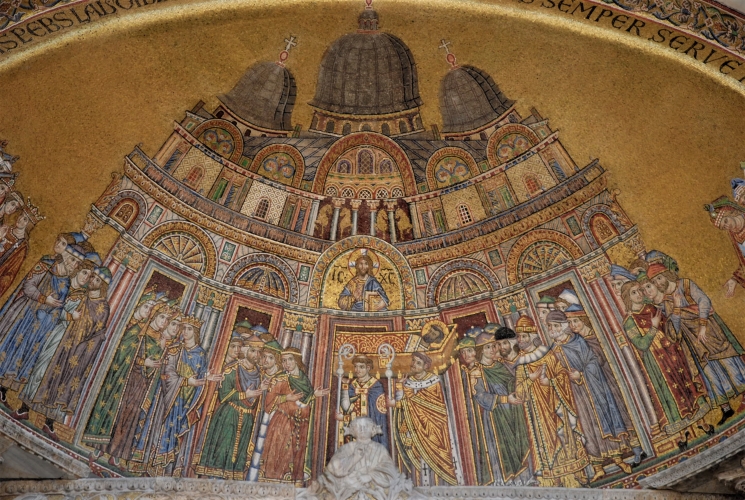
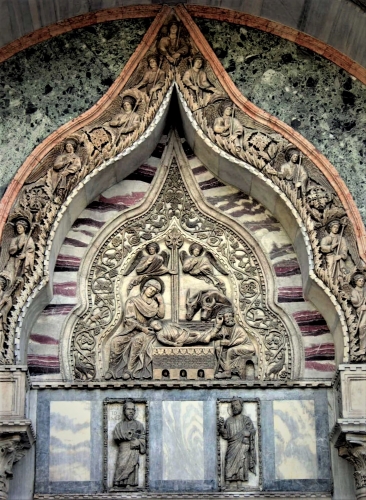
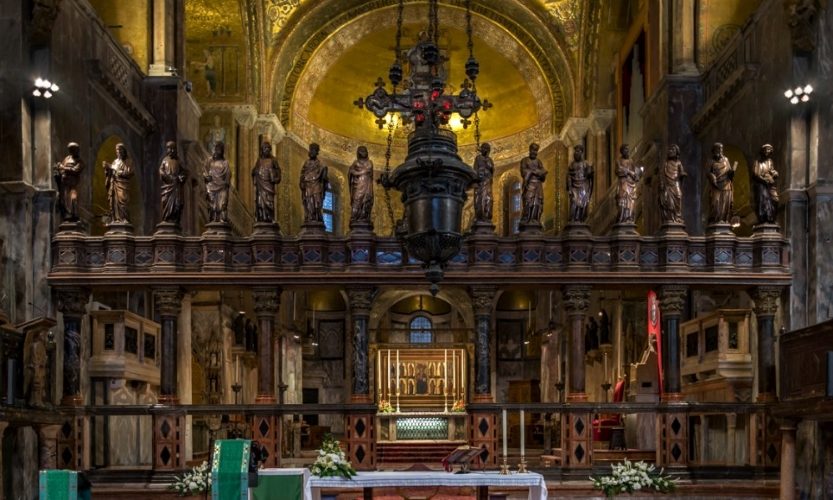
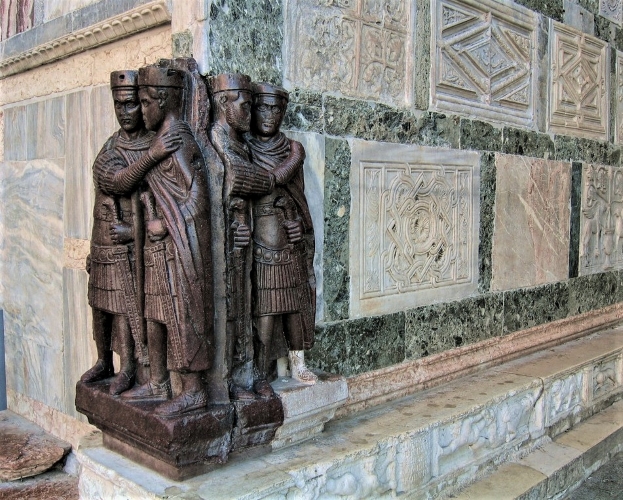
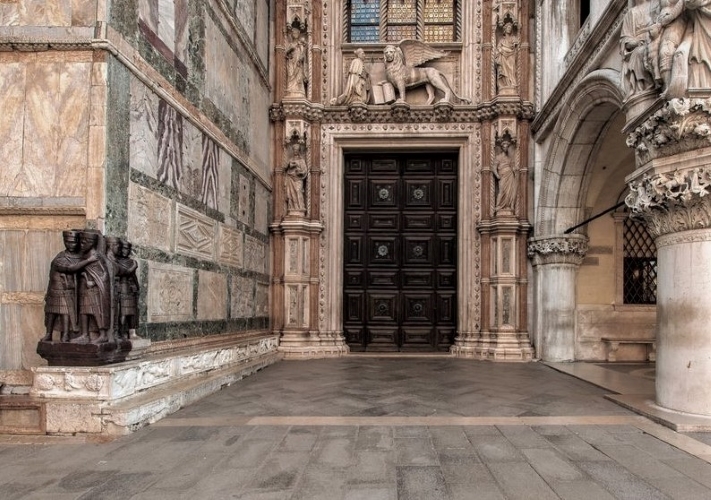
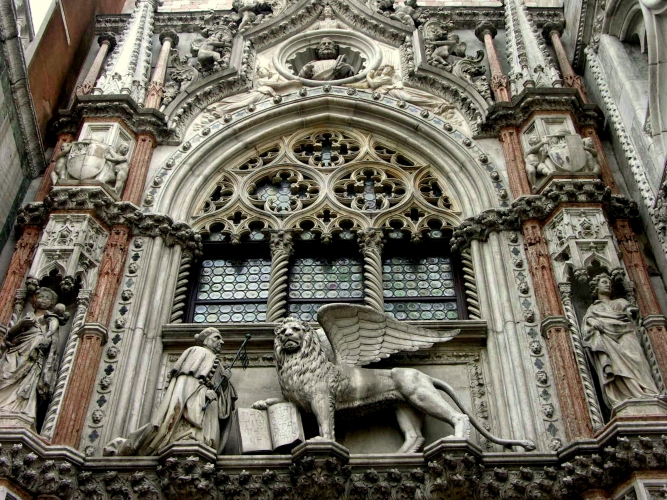
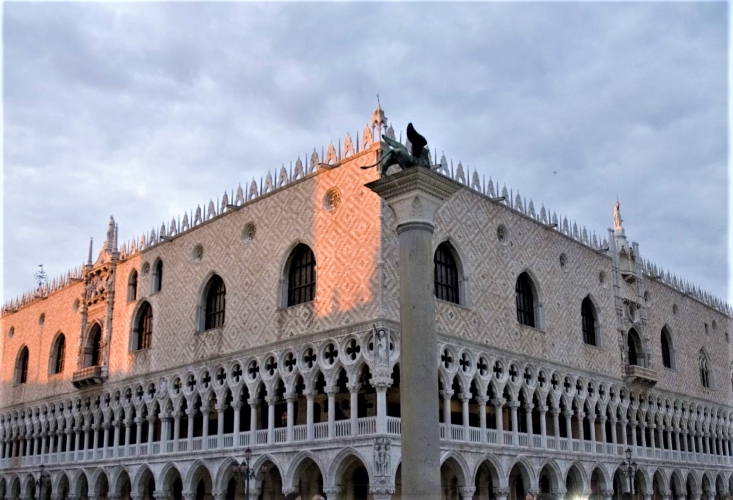
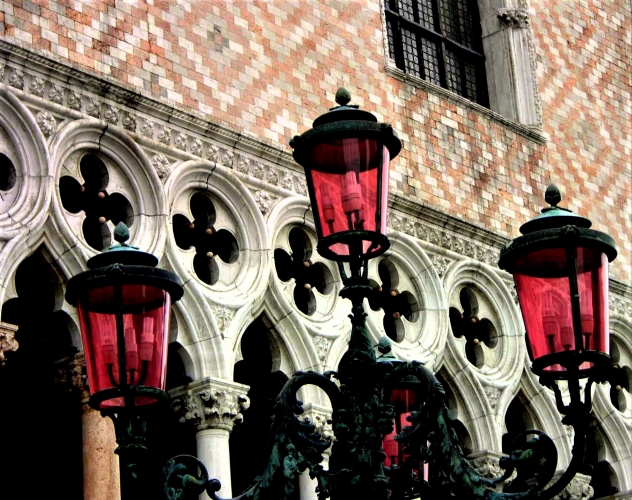
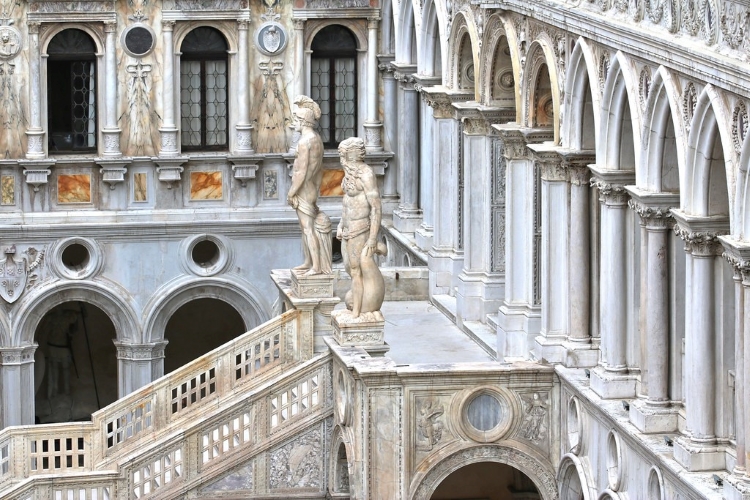
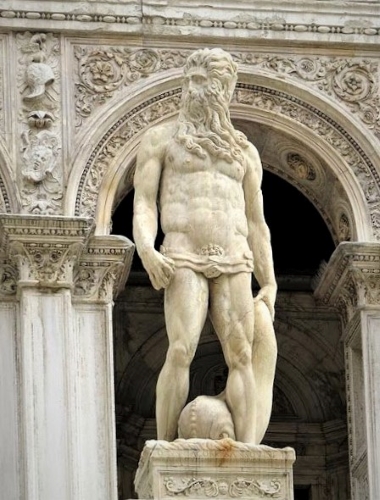
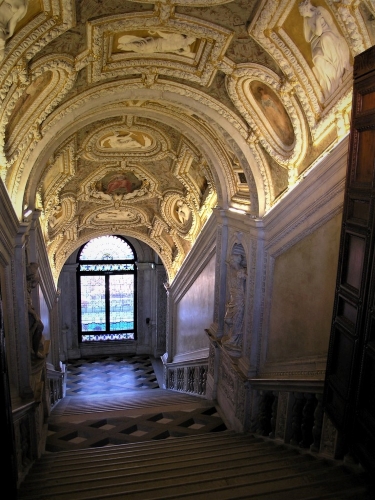
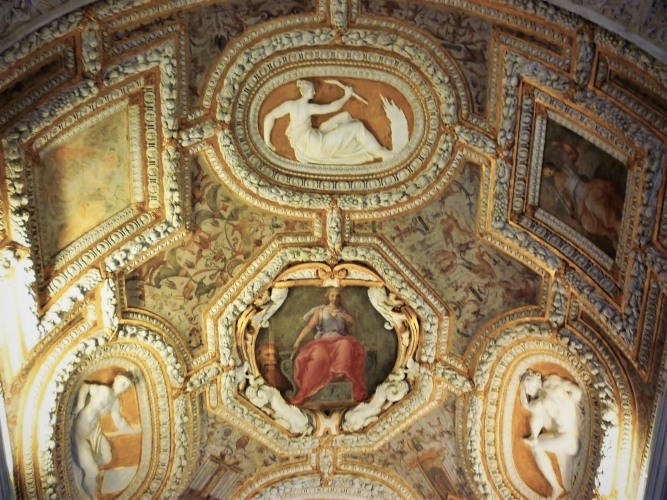
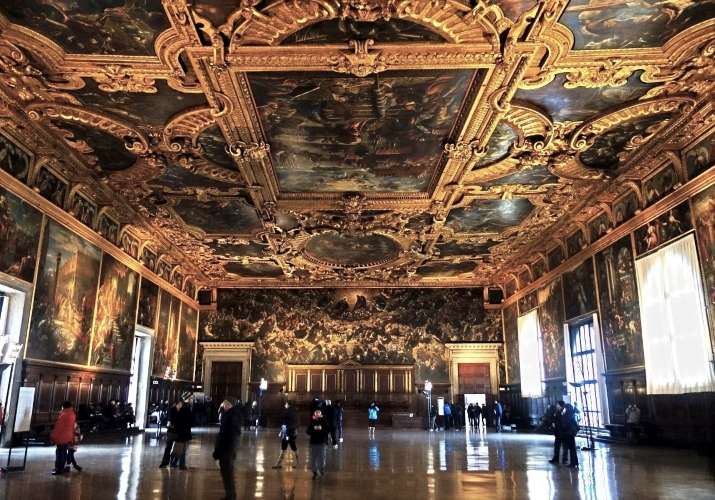
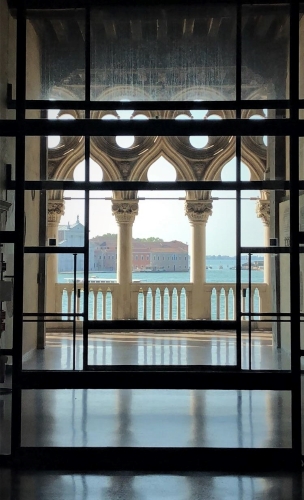
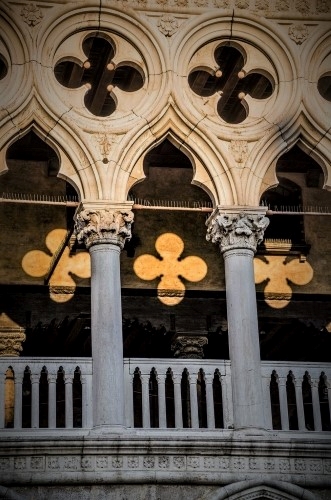
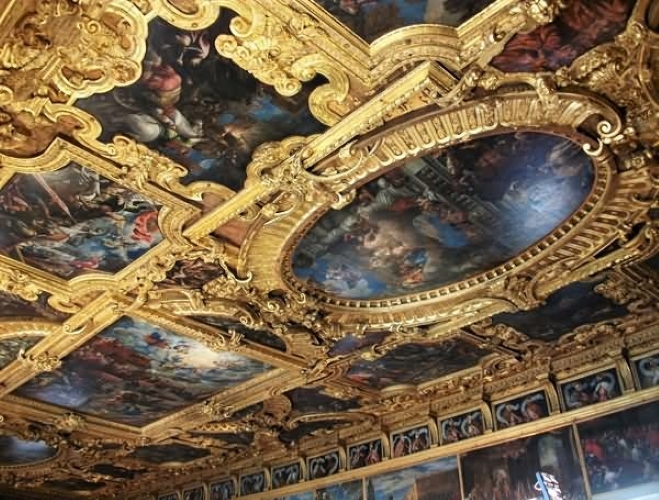
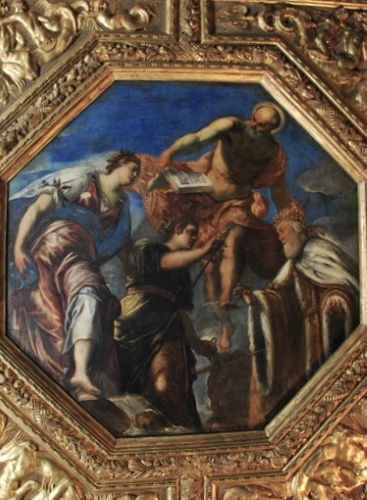
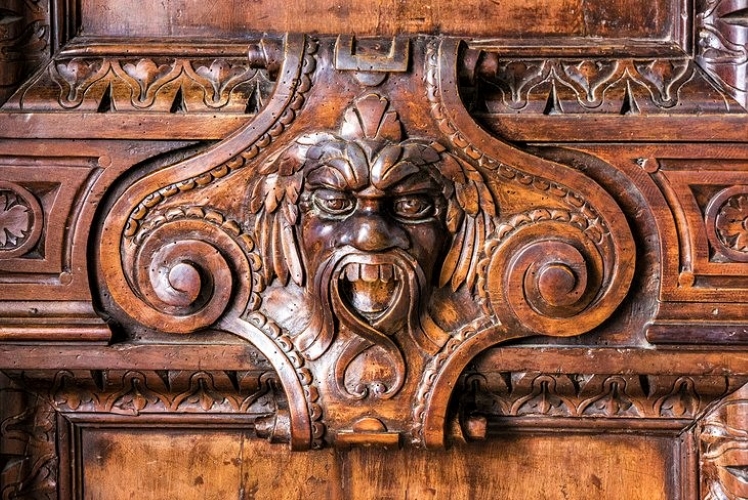
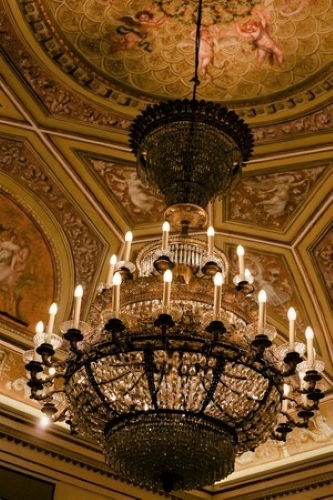
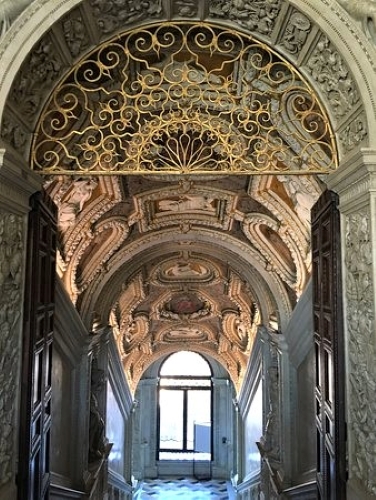
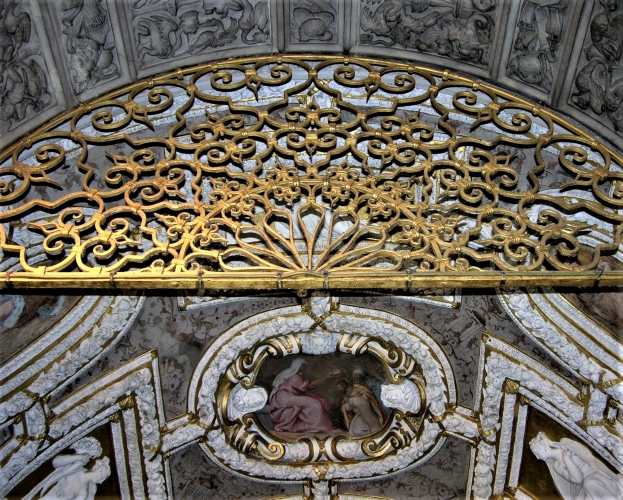
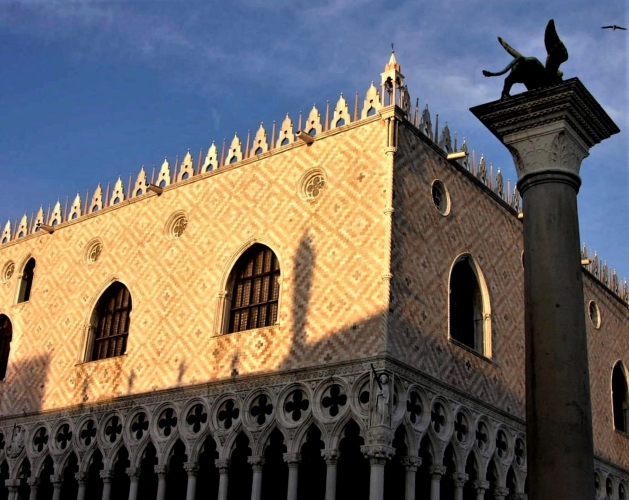
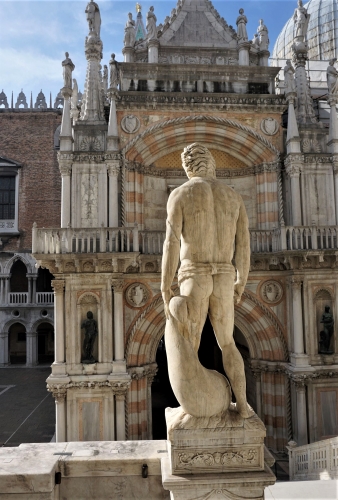
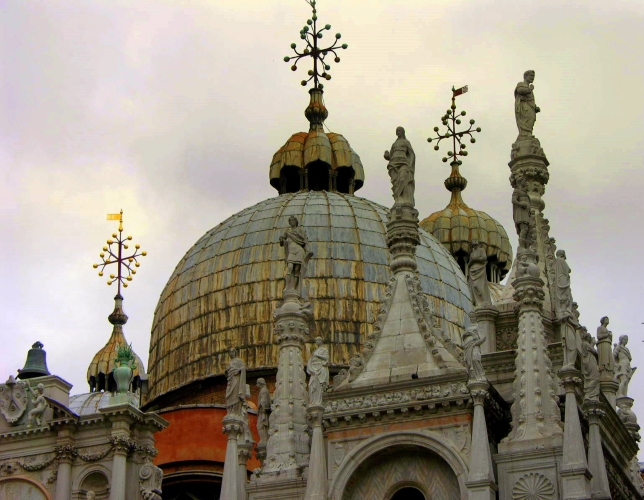
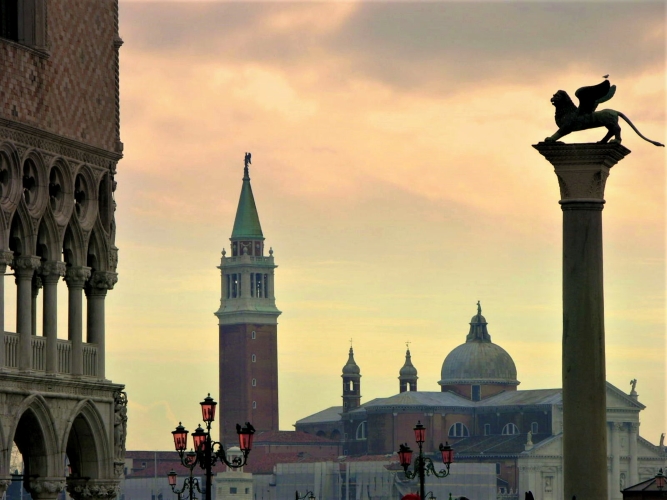

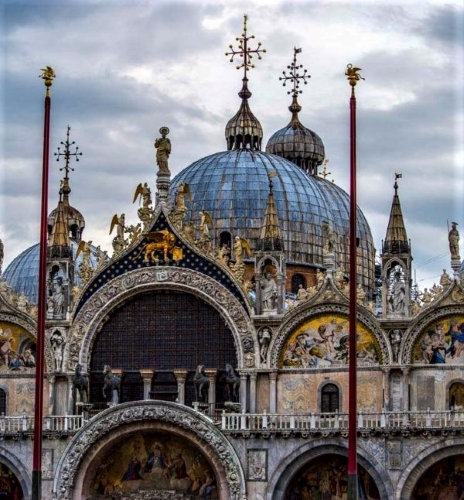
Venice is a city of surprises, filled with contrasts and apparent contradictions that, somehow, fluidly coexist. It is a city of water and of stone, the most pliant and most solid of natural substances. For much of its history Venice has been guided by BOTH church & state and by both honor & profit. And, like the Roman god Janus, Venice has always faced in two directions at the same time: to the West and to the East.
But most improbable of all is Venice’s amazing historic arc . . . over a millennium Venice went from a marshy hideaway for refugees to one of the greatest economic and political powers in the world.
Whenever I visit La Serenissima and revel in the architectural confection of St. Mark’s Basilica and the Gothic grandeur of the Doge’s Palace I am reminded of the twin pillars upon which Venice built its improbable success: an unwavering faith in a higher being and a more earth-bound faith in the ingenuity and resourcefulness of its fellow Venetians to navigate and triumph in a challenging world.
Venice and all of Italy will bounce back and once again astonish and delight us all.
Andra! Tutto Bene!!

Copyright - Postcards from the Boot.