
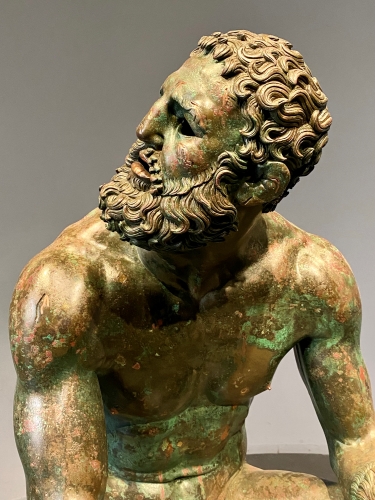
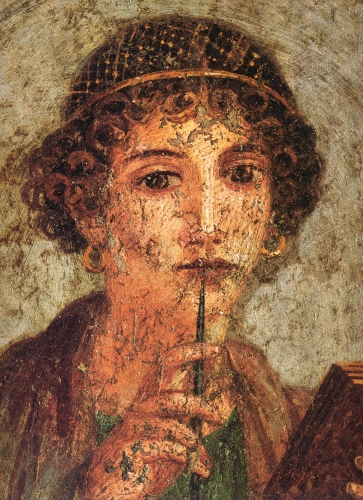
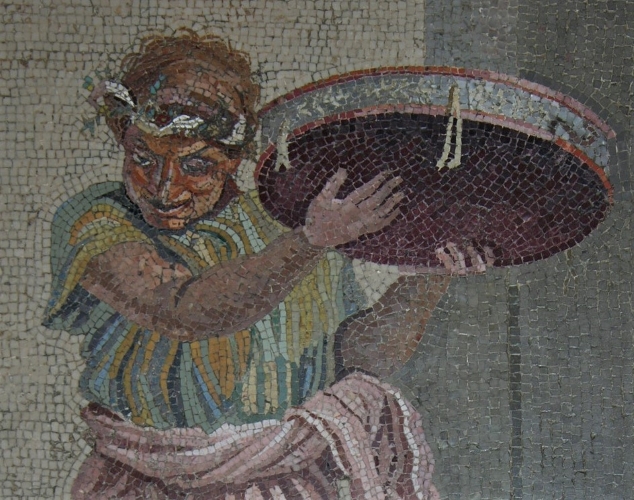
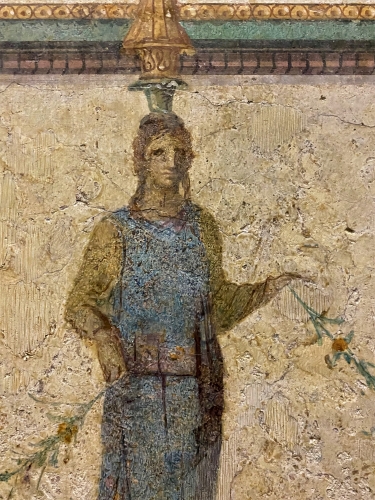
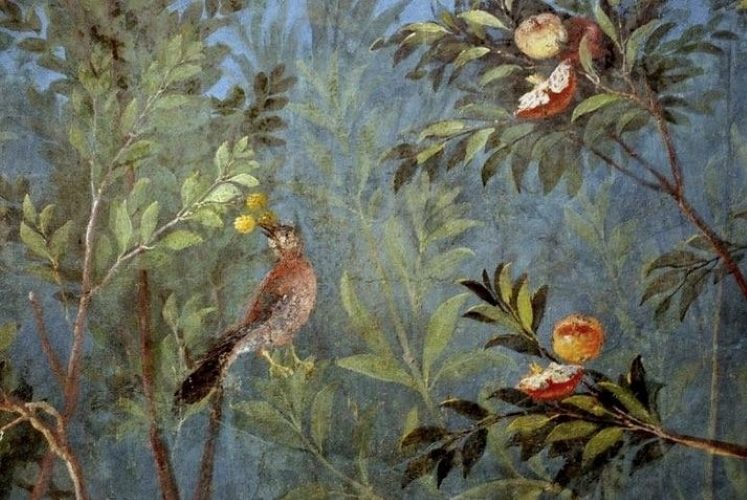
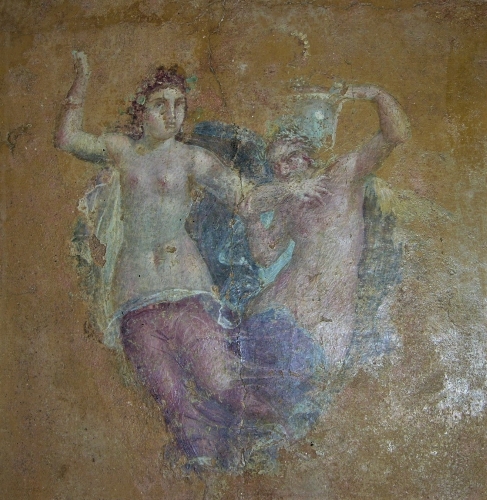
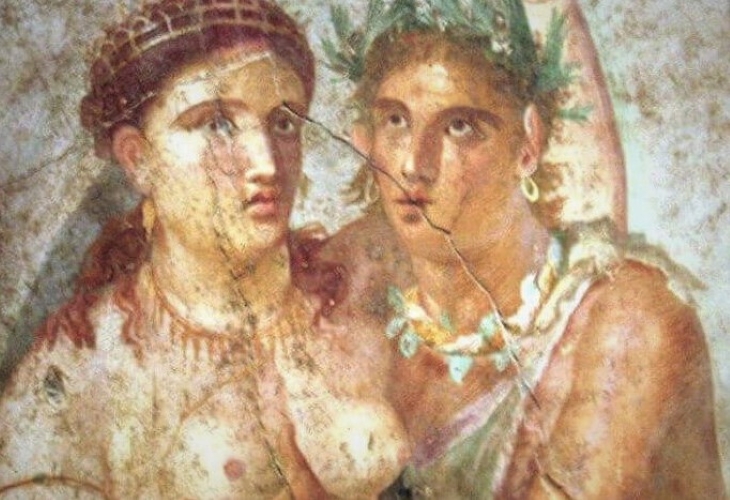


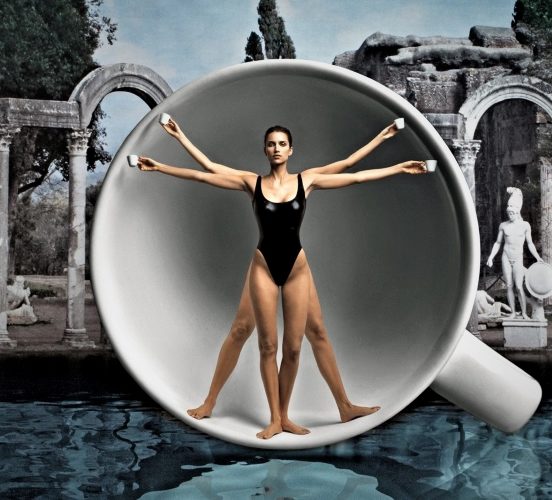
Few countries can boast having ever had a “Golden Age” while Italy is the only country to have experienced not just one or even two but three golden ages!
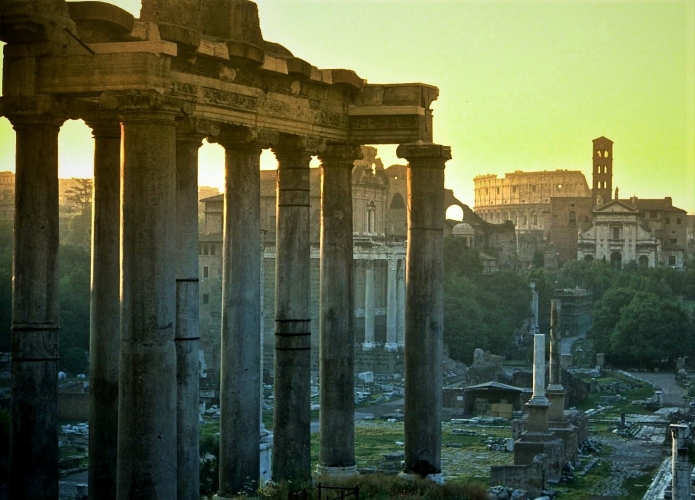
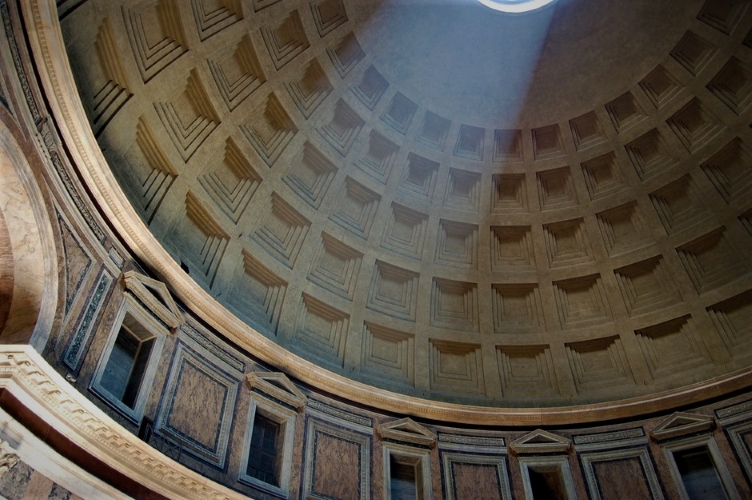
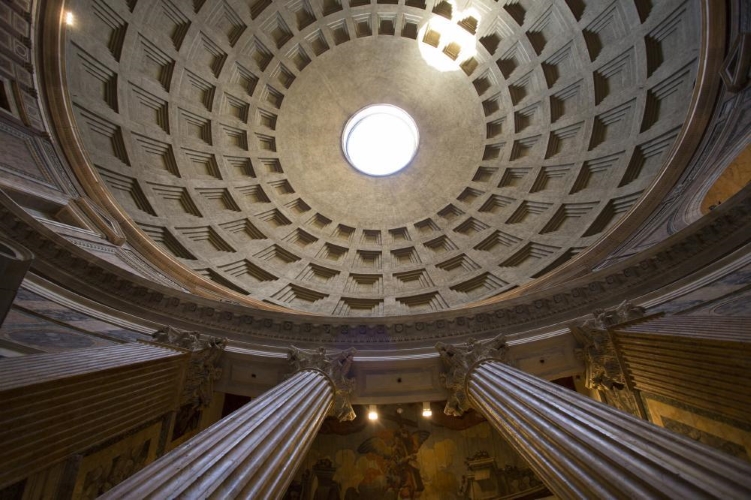
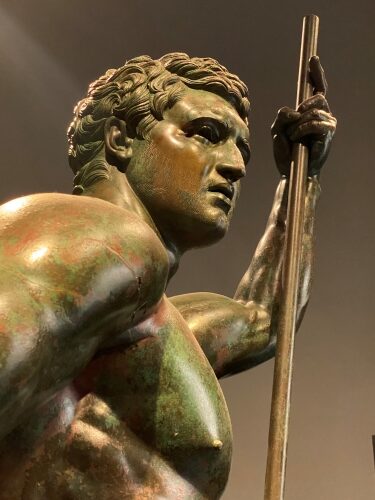
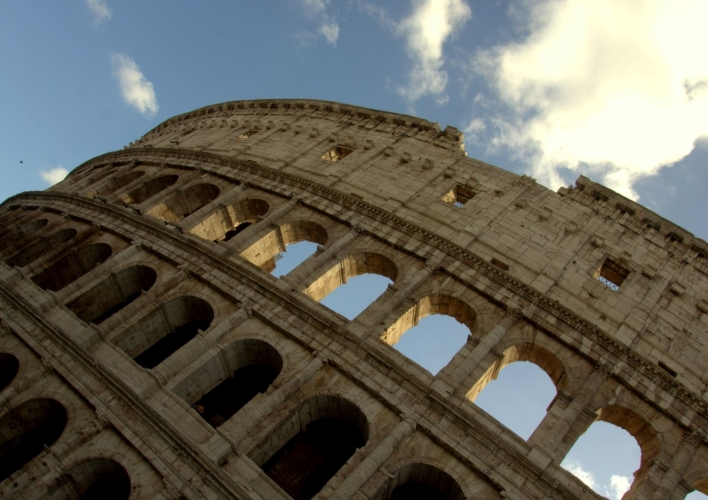
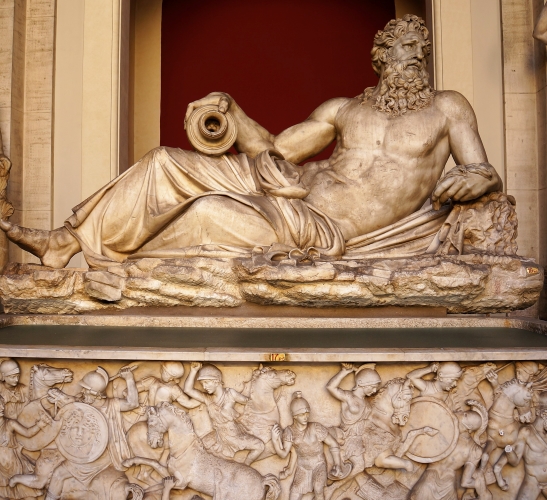
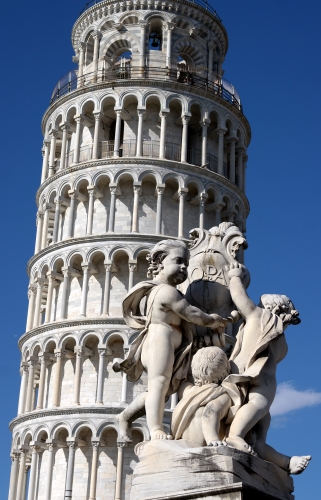
Two thousand years ago Rome created an empire that dominated the Western world for an unprecedented four centuries. It was a triumph of engineering, artistic and organizational genius.Roman engineering genius gave us the longest-lasting monuments and buildings—as well as bridges, paved roads, aqueducts and cities—from antiquity, all of which created a sense of local community and inclusion in their time. Arenas like the Colosseum regularly hosted public entertainments that were impressive even by today’s standards.
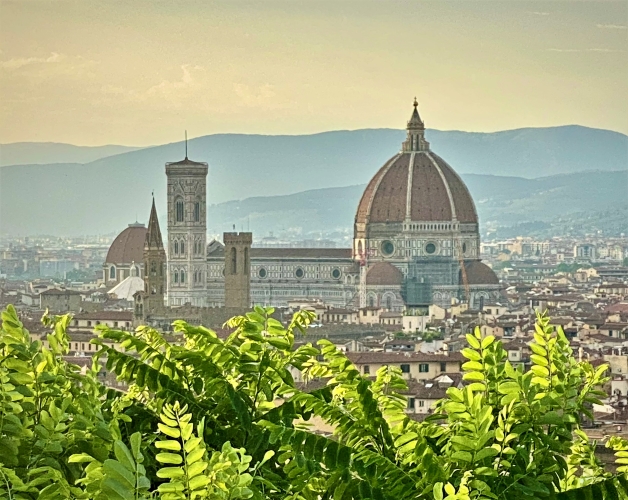
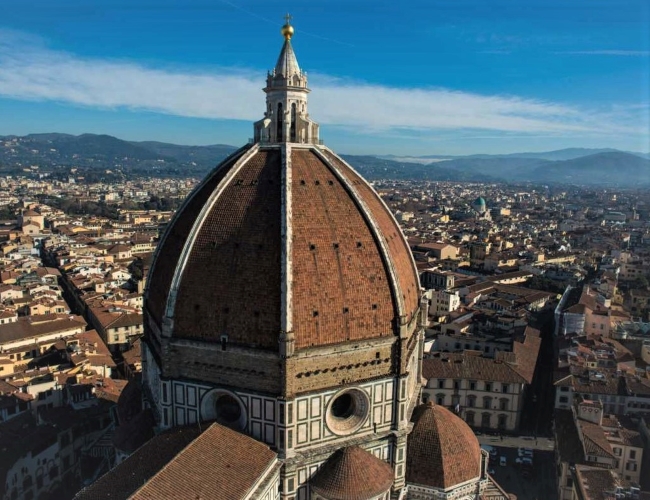
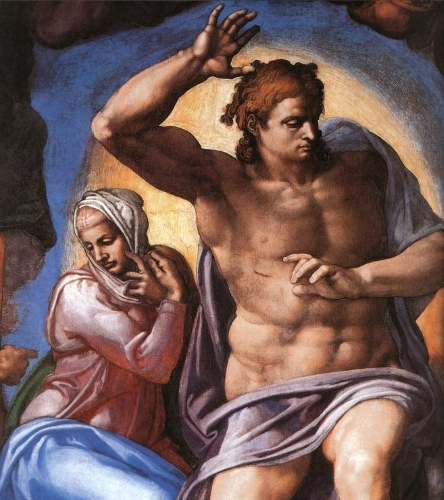
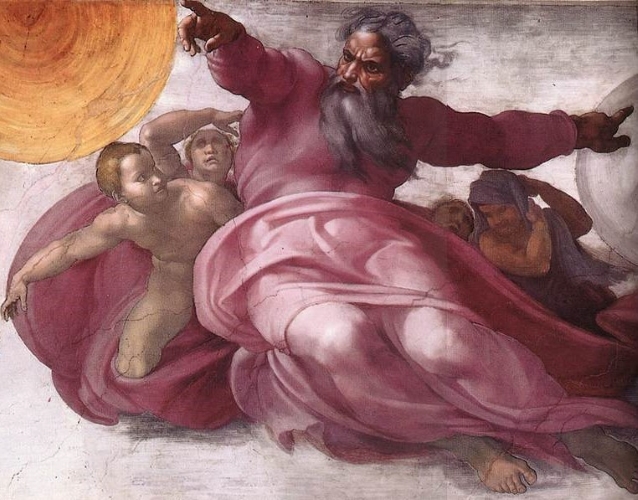
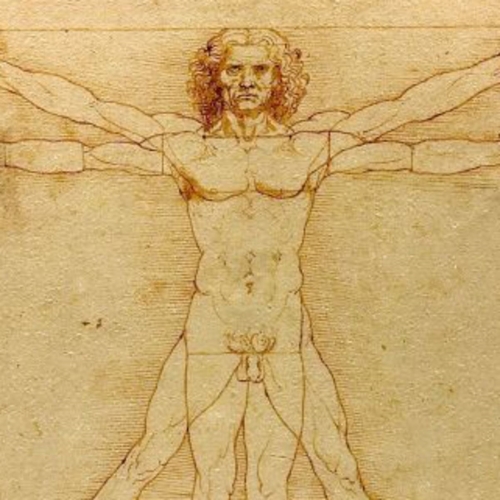
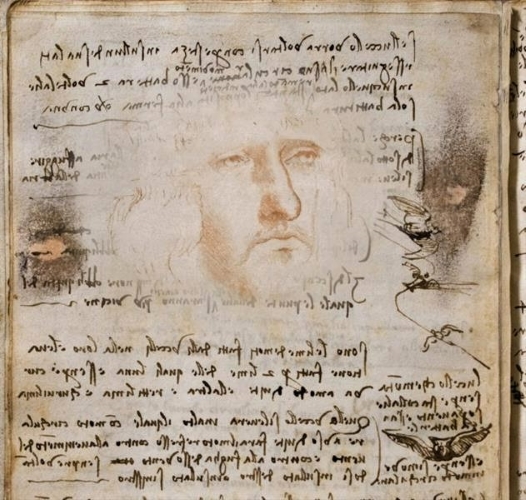
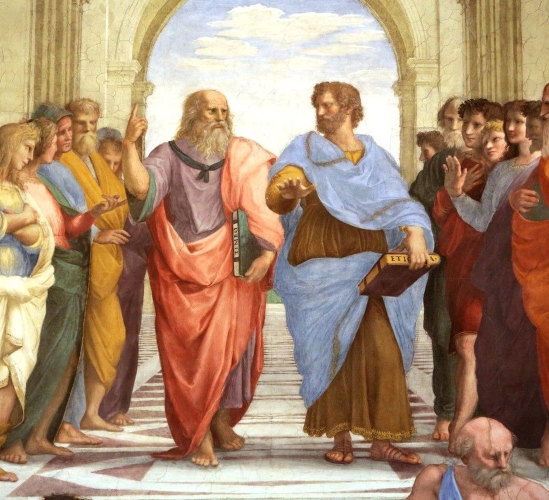
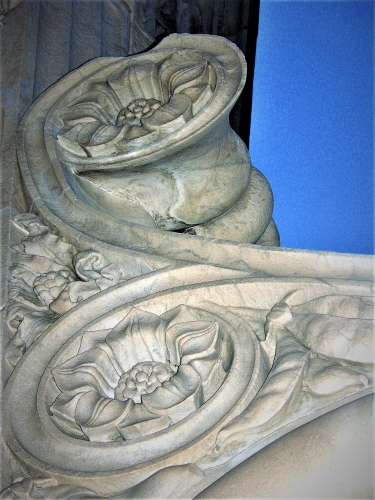
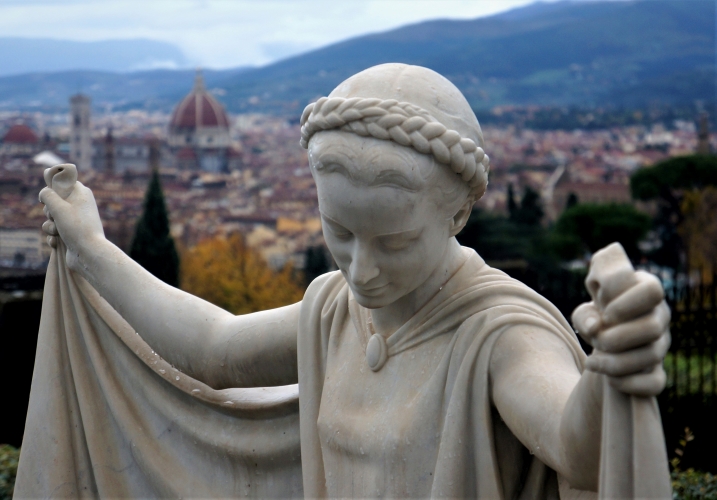
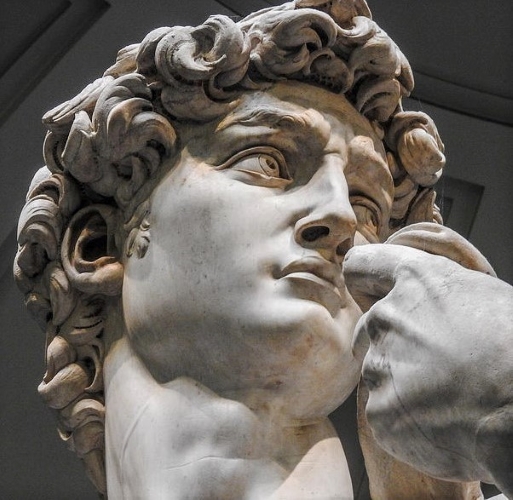
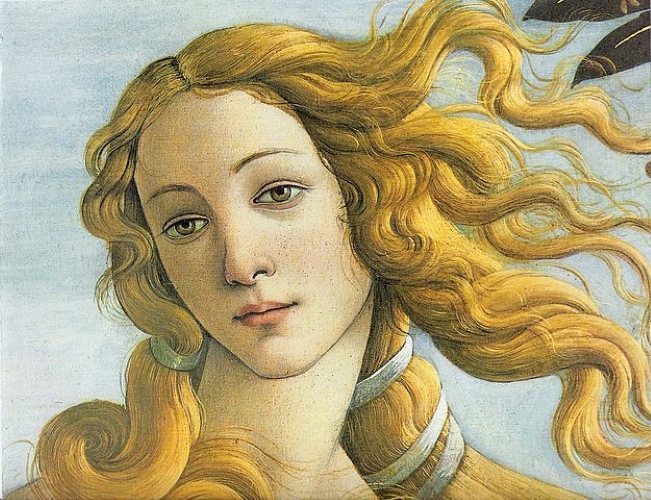
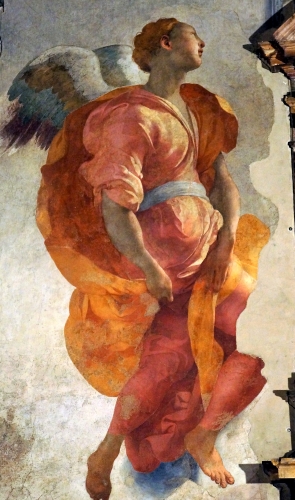
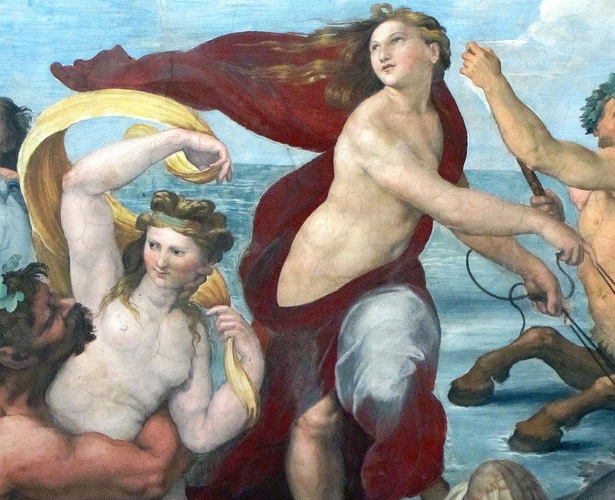
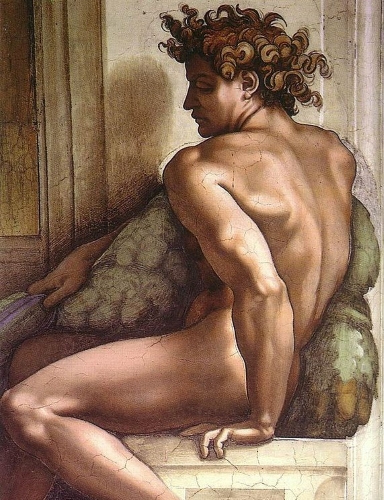
Rome’s great legacy would help inspire Italy’s second Golden Age: the Renaissance, that 250-year creative flowering and intellectual transformation which began in 15th century Florence. Like classical Rome, the Italian Renaissance would spawn timeless artistic treasures and scientific advances. It would also celebrate human agency, an impulse that informs our modern sense of ourselves.
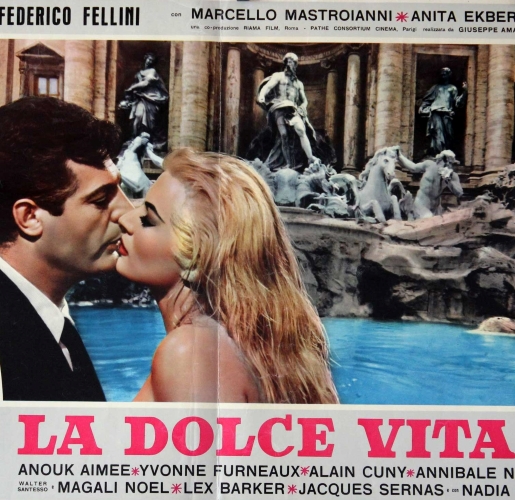
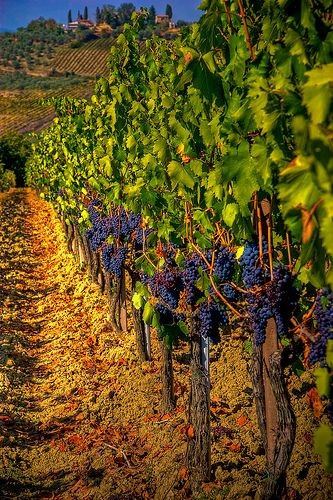
Italy is once again experiencing a Golden Age … though one of an entirely different nature. It’s one that celebrates the good life—La Dolce Vita—in all aspects of beauty and pleasure.
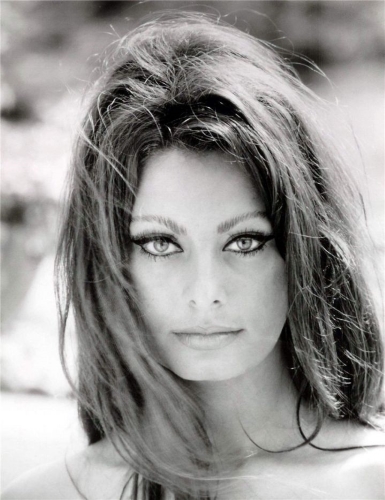
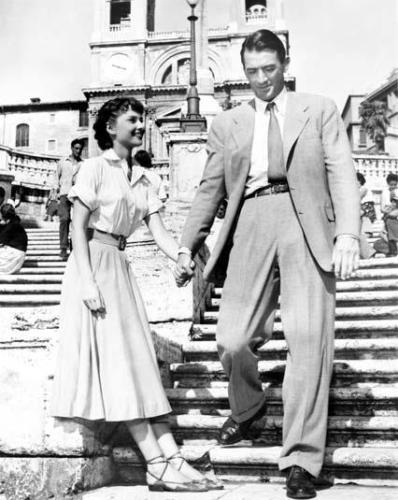
Following World War II, movies like Roman Holiday and gorgeous women like Sophia Loren (not to mention their ubiquitous leading man, Marcello Mastroianni) established Italy as the ultimate destination for romance, soon supplanting Paris as the epicenter of love.
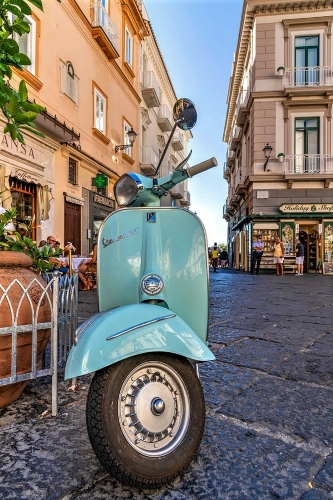
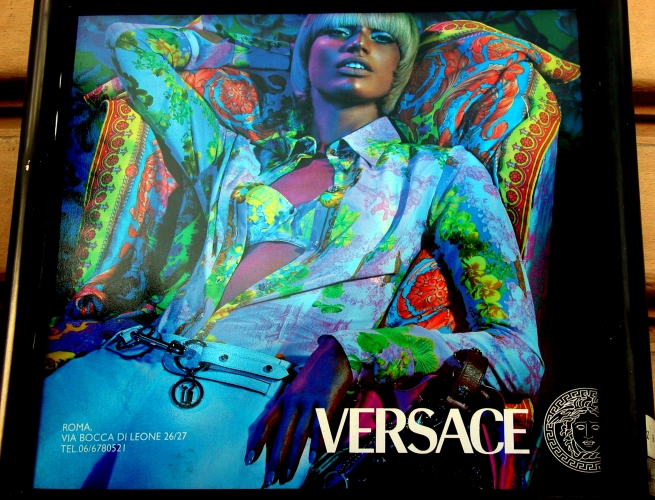
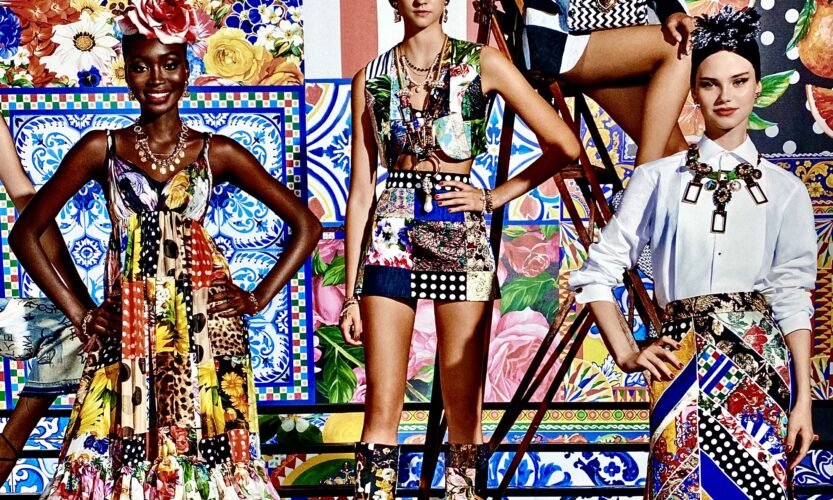
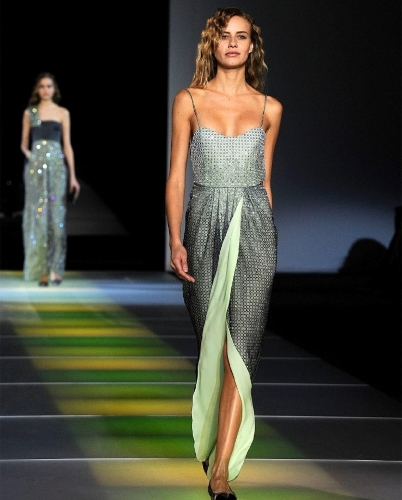
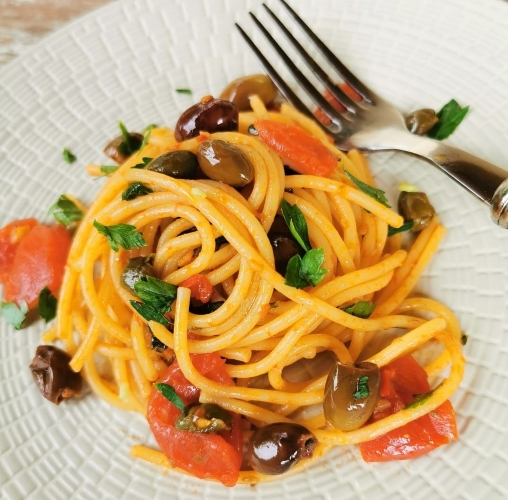
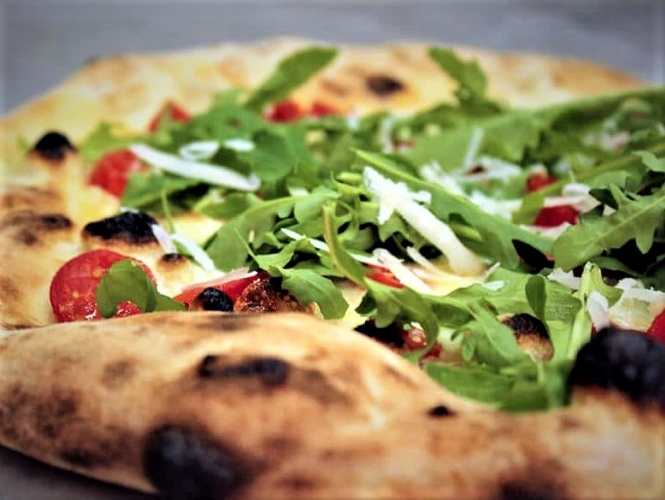
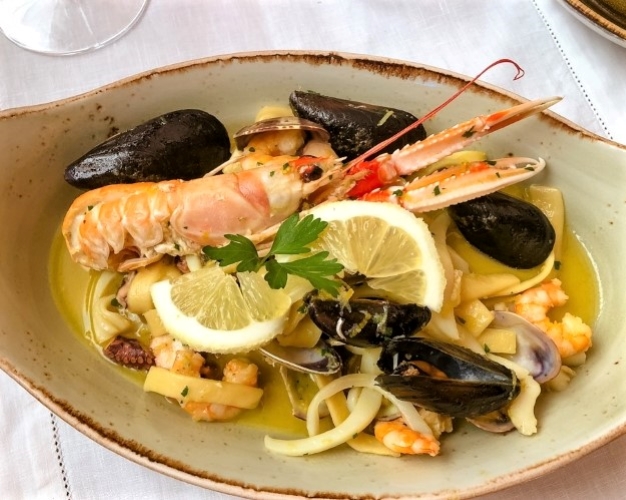
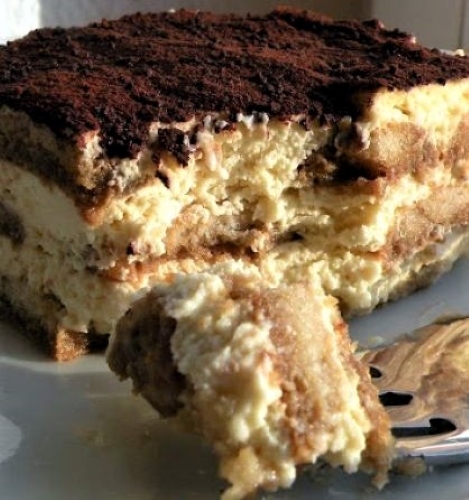
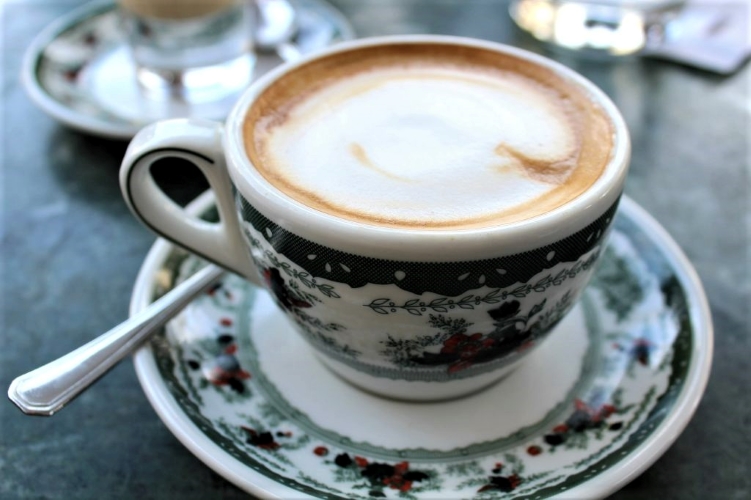
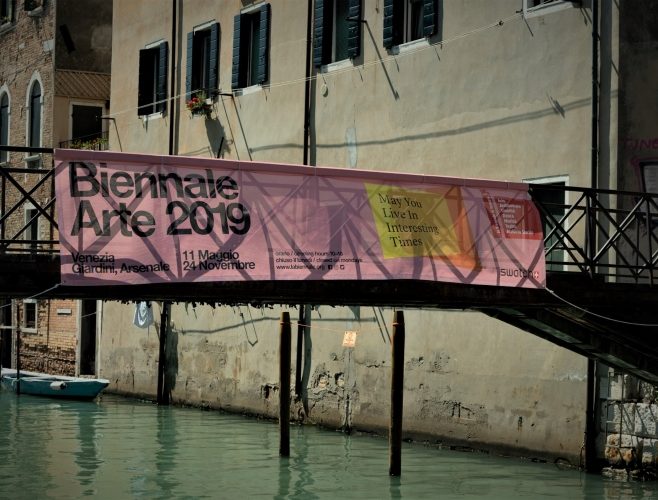
Italy perennially ranks numero uno as people’s most desired place to visit and it’s now synonymous with fashion and design. And, no surprise, Italian cuisine ranks as the world’s most popular! The most important international modern art extravaganza—the Biennial—began in Venice. So did the world’s first film festival.
Today Italy is the world’s undisputed Lifestyle Superpower.

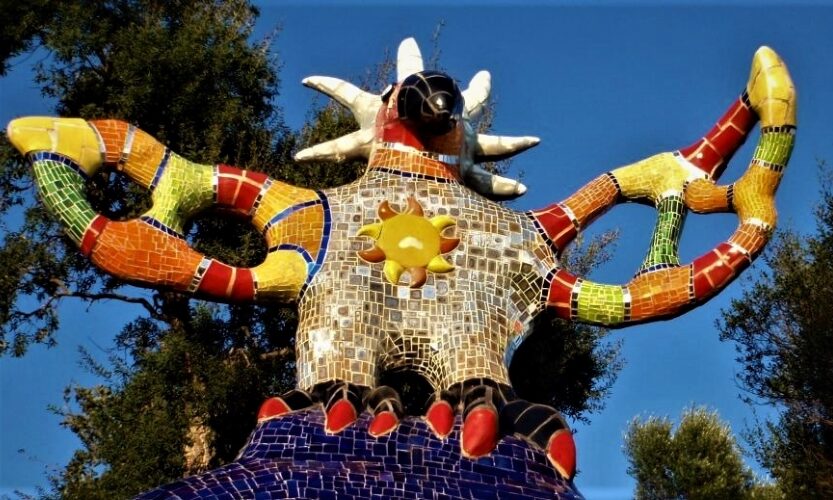
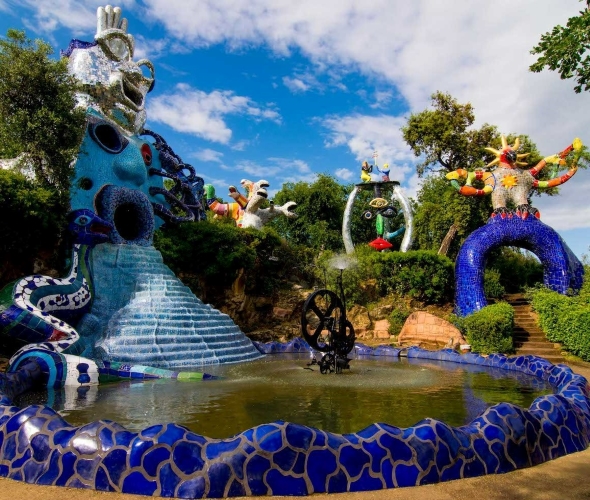
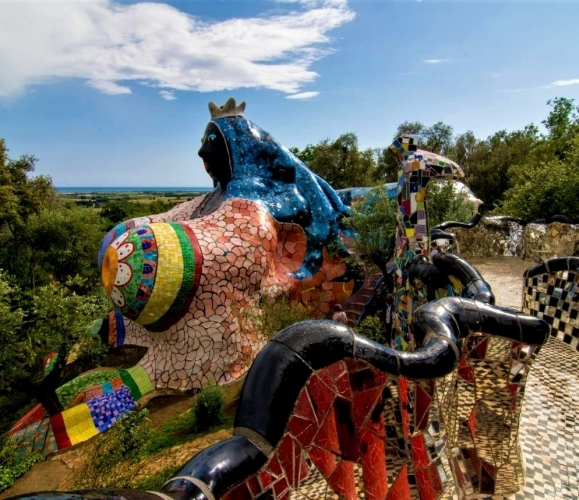
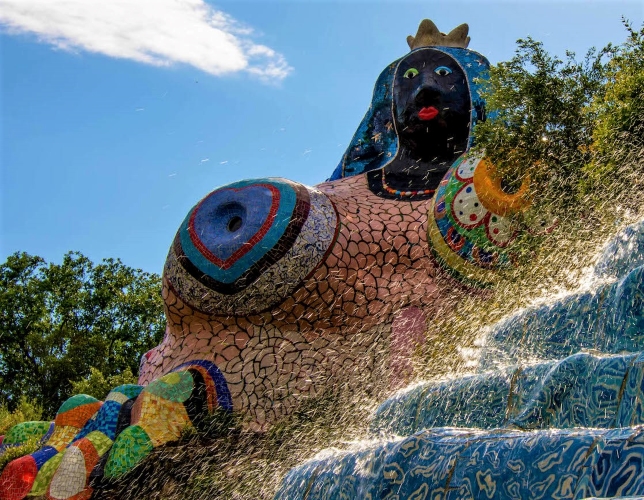
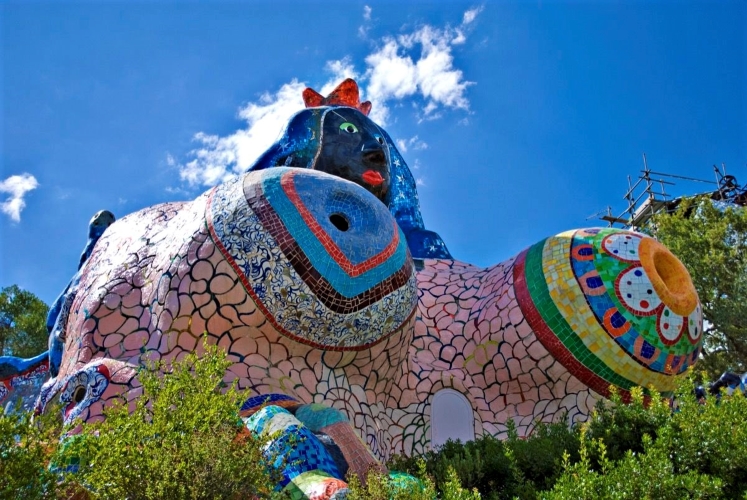
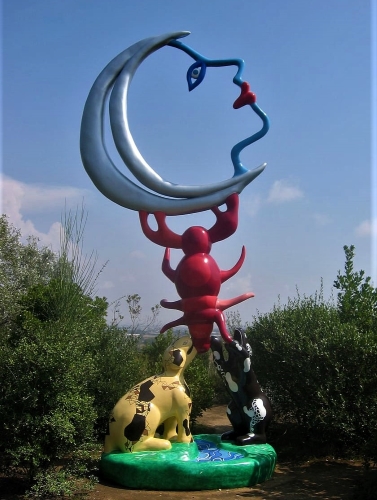
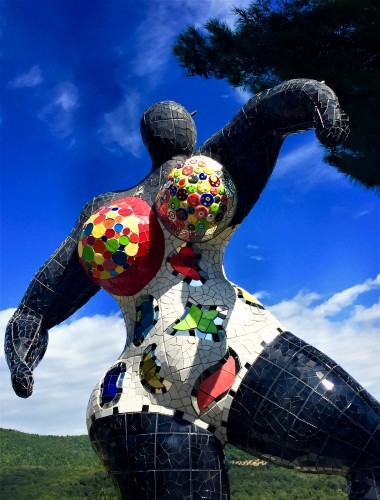
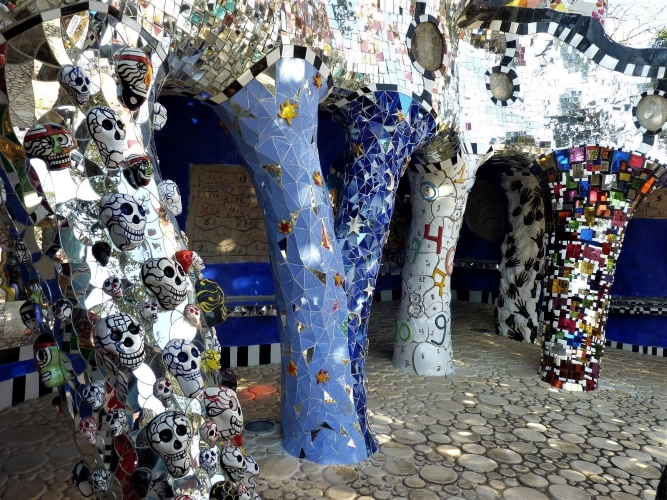
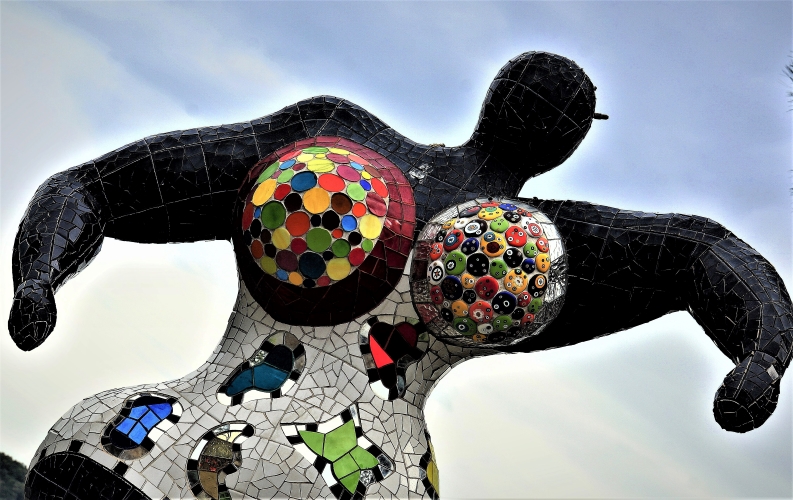
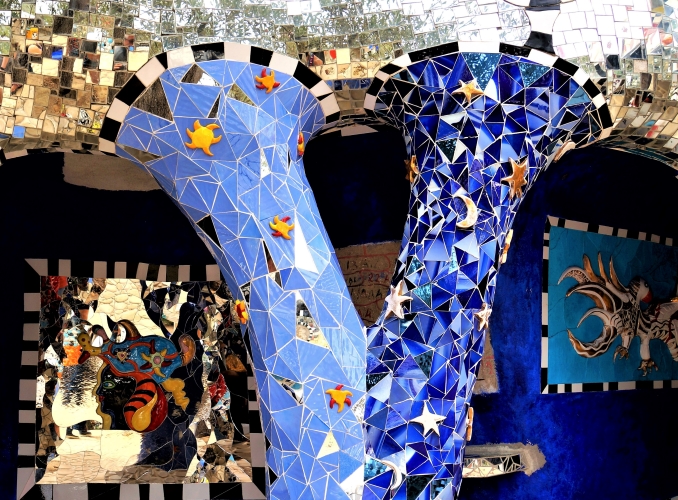

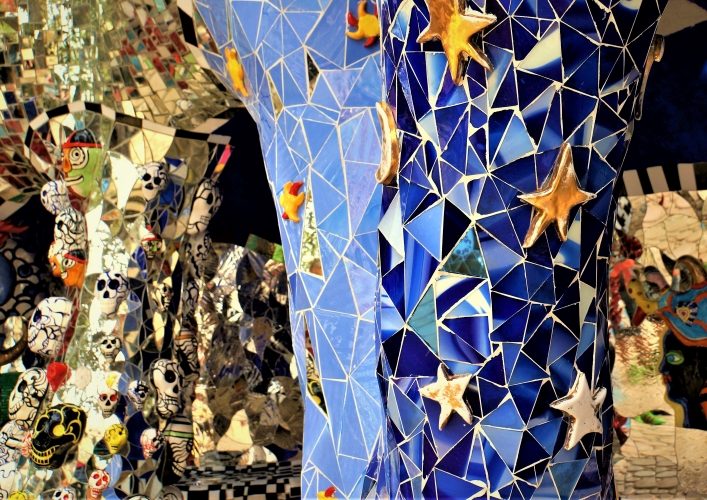
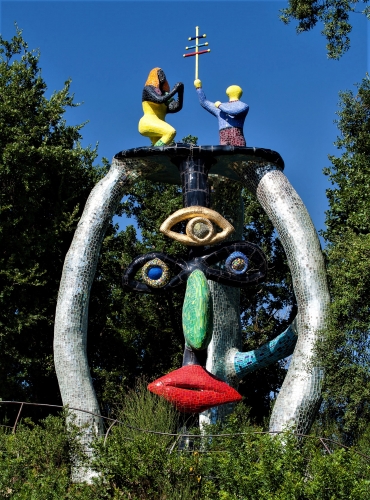
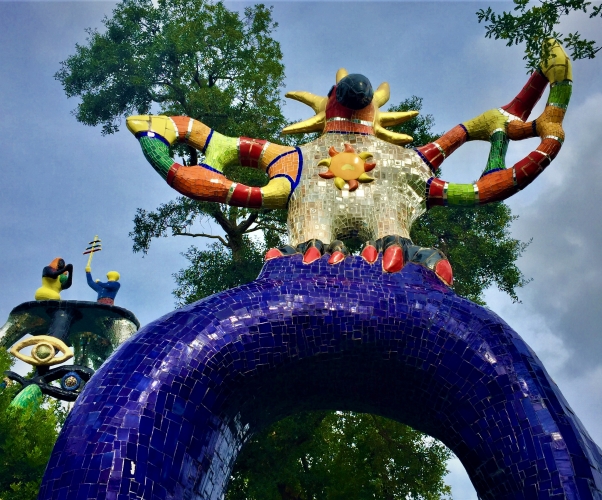
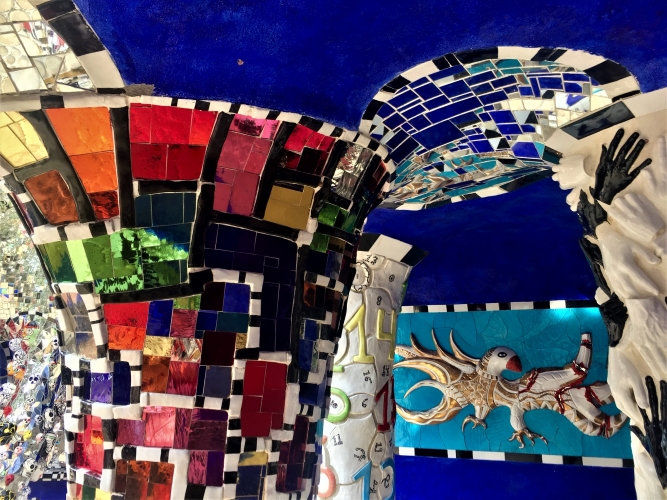
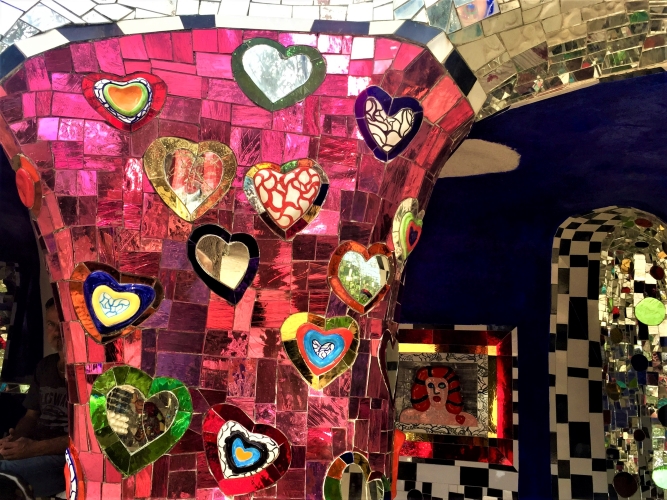
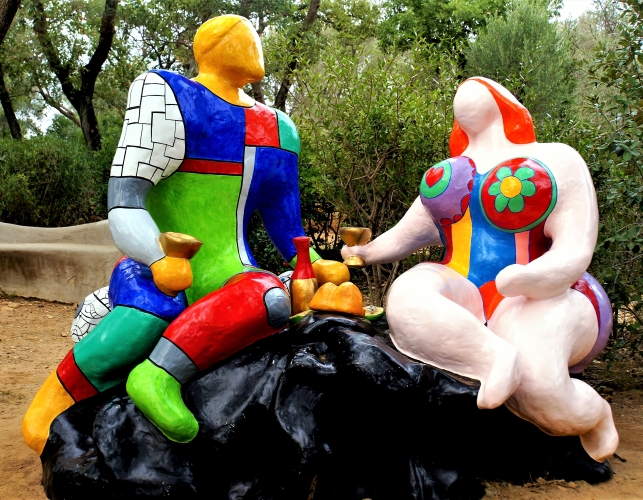
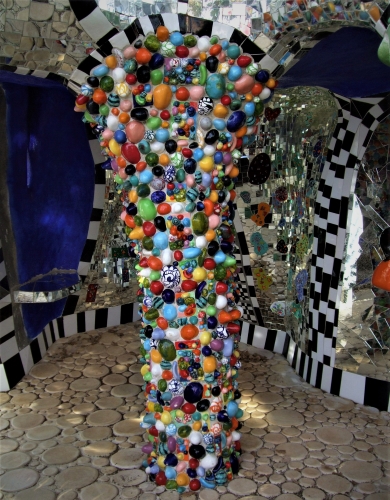
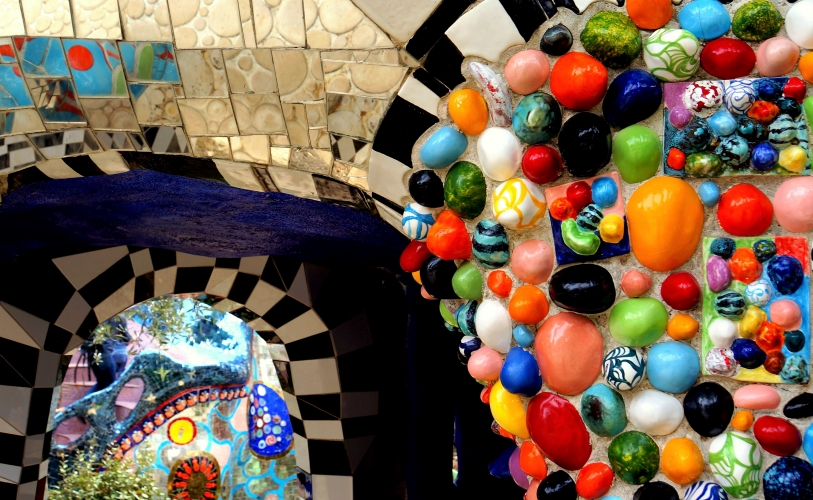
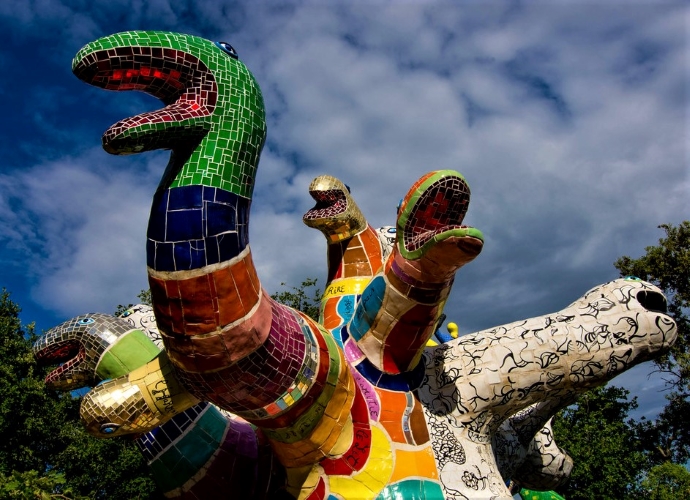
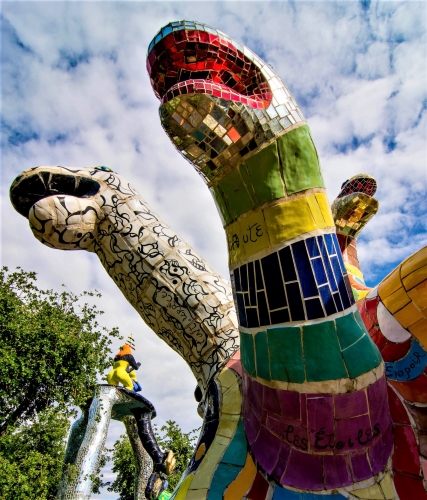
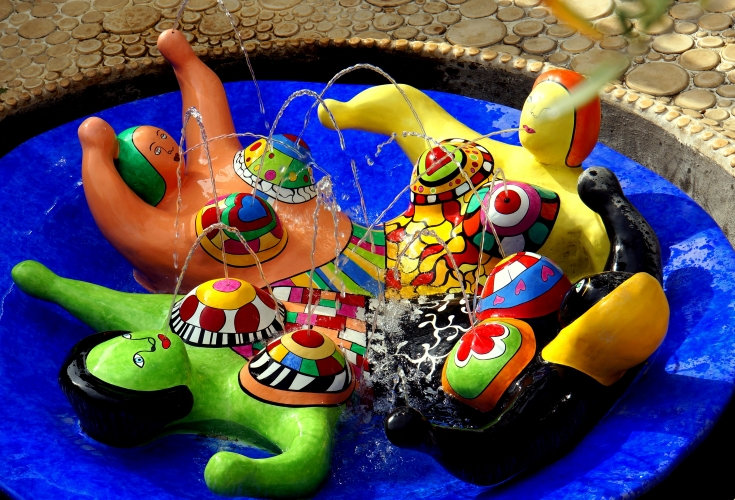
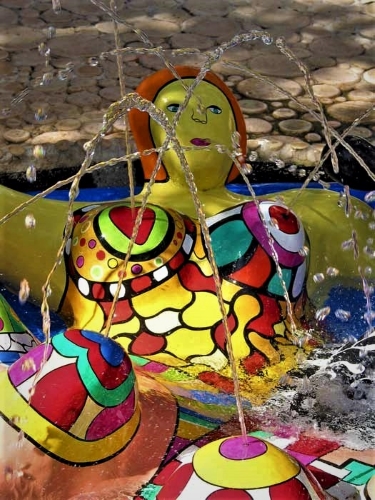
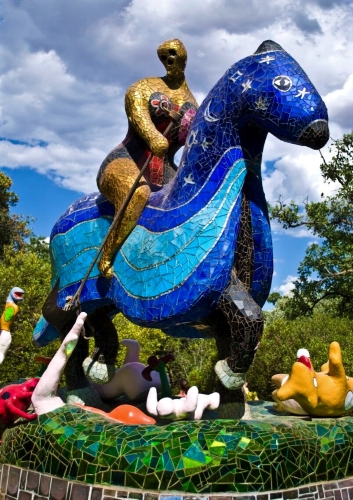
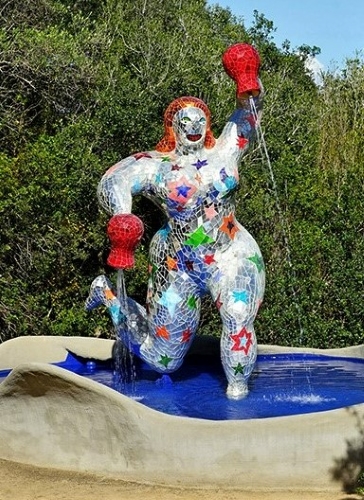
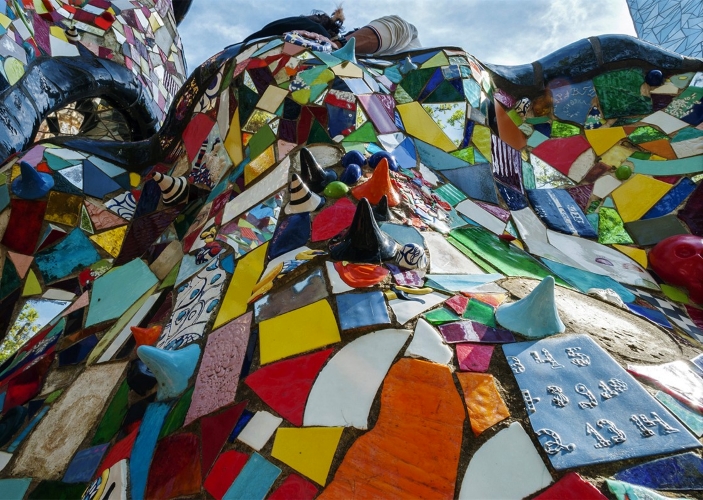
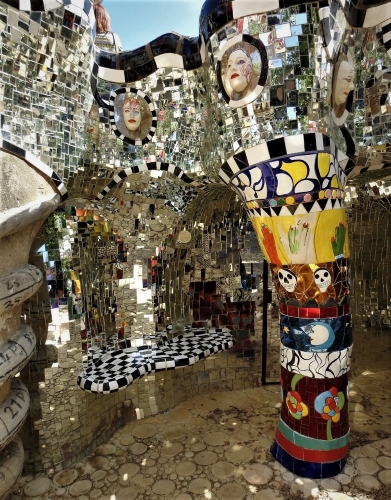
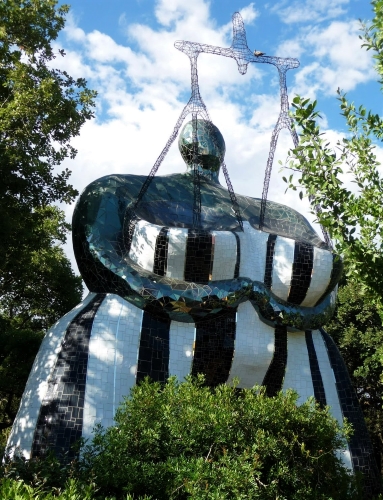
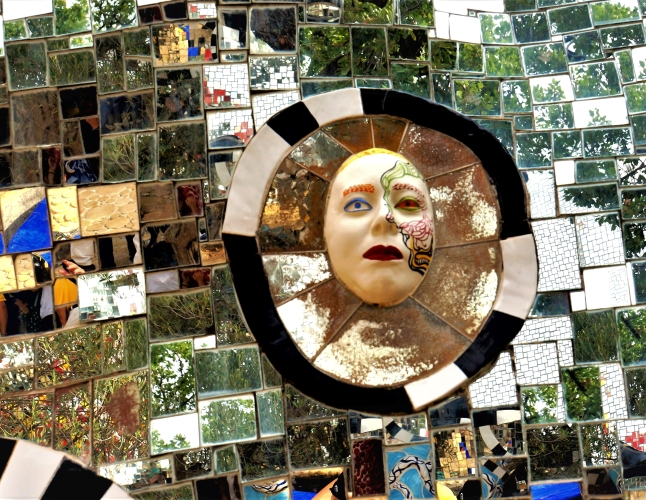
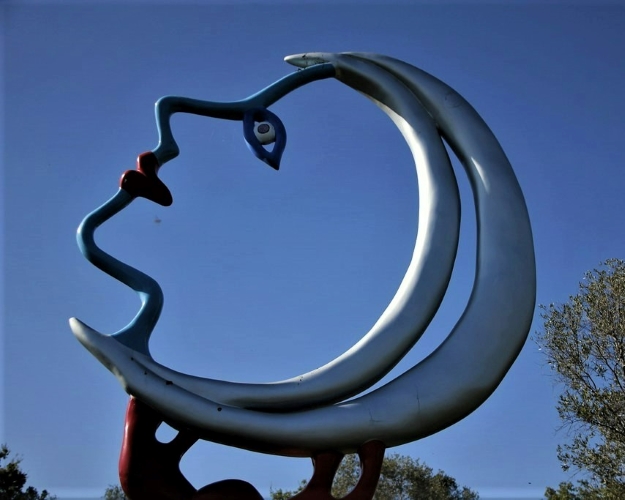
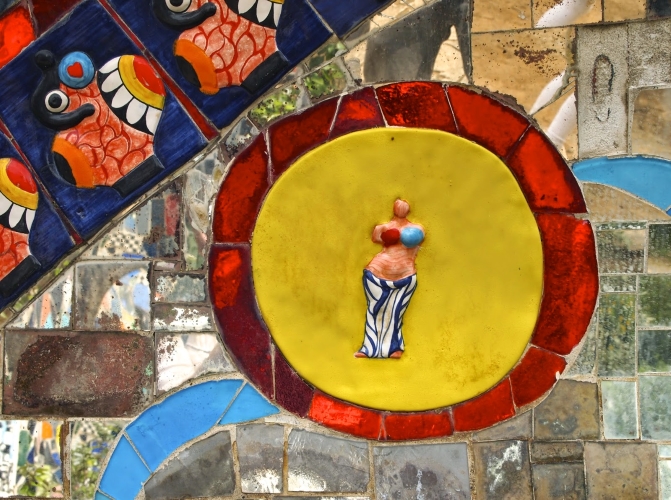
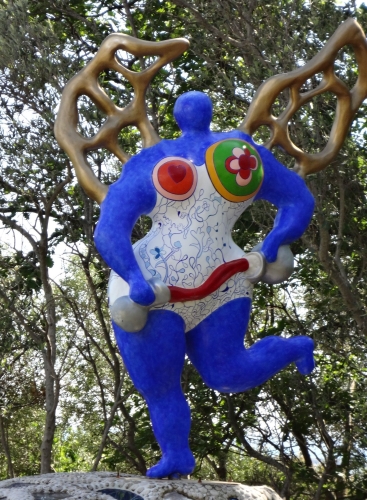
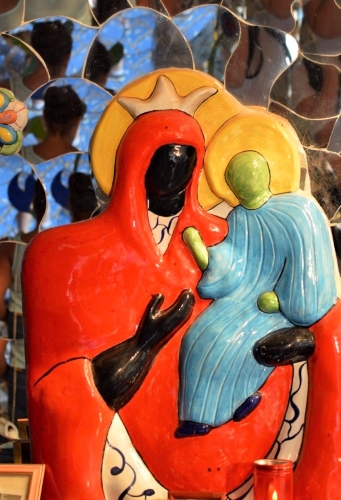
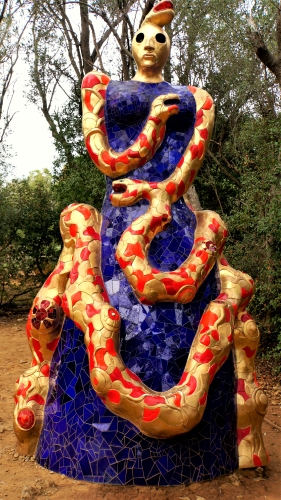
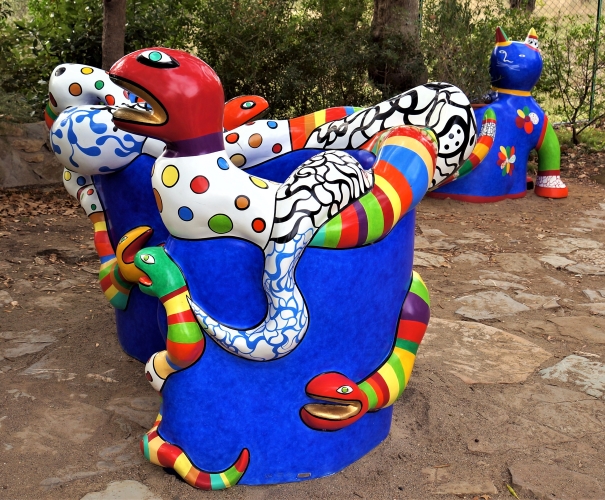
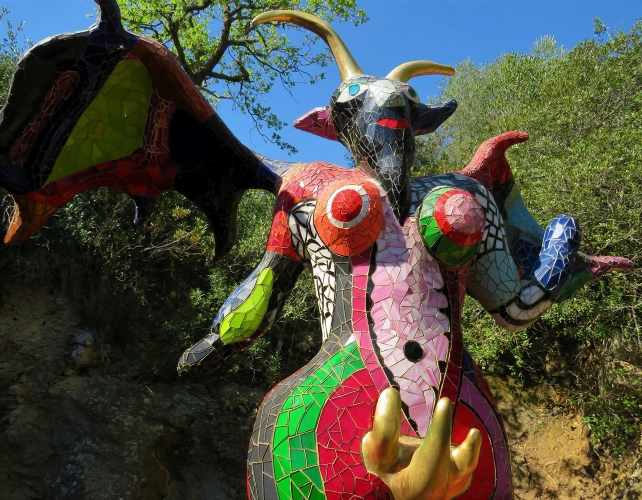
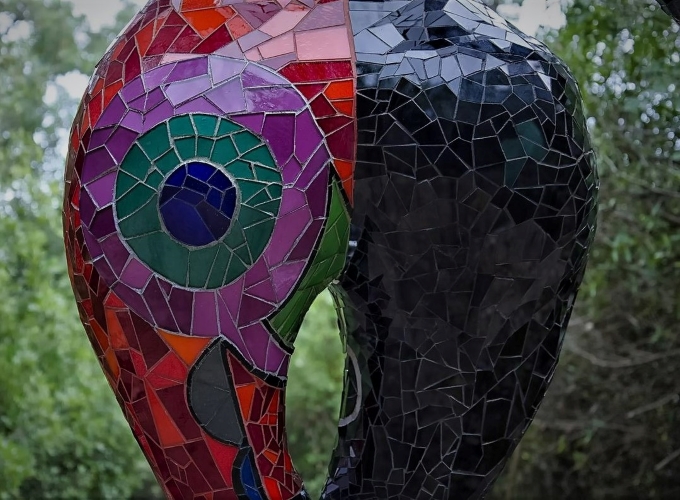
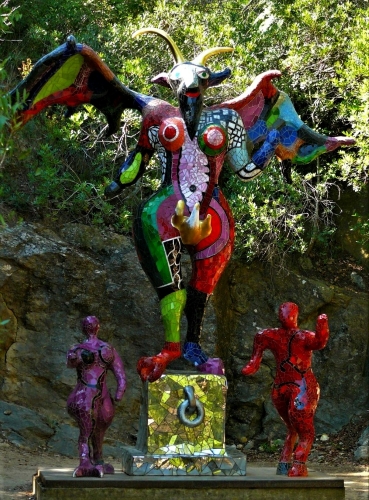
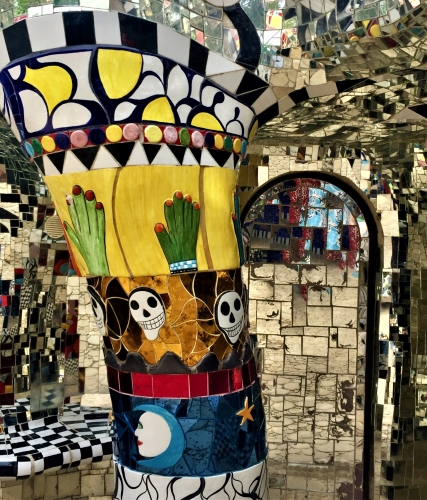
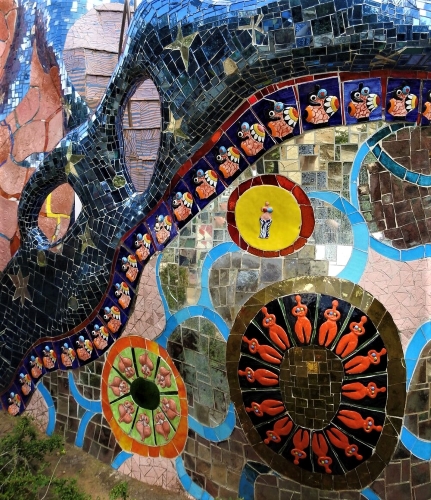
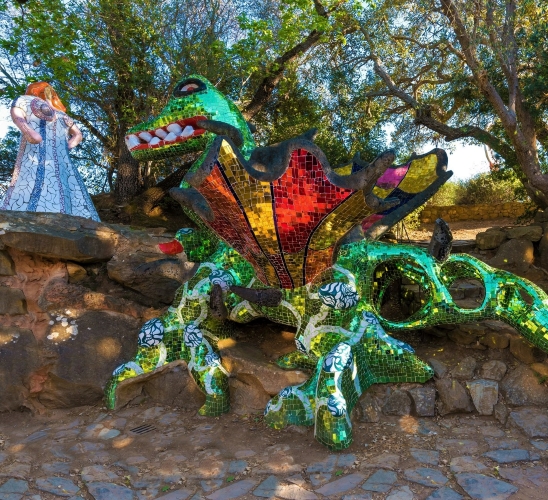
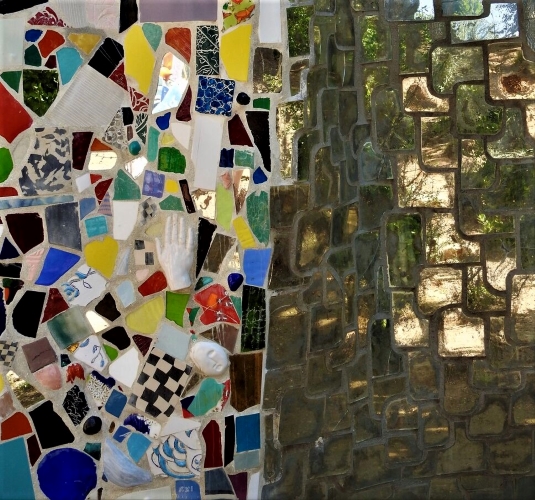
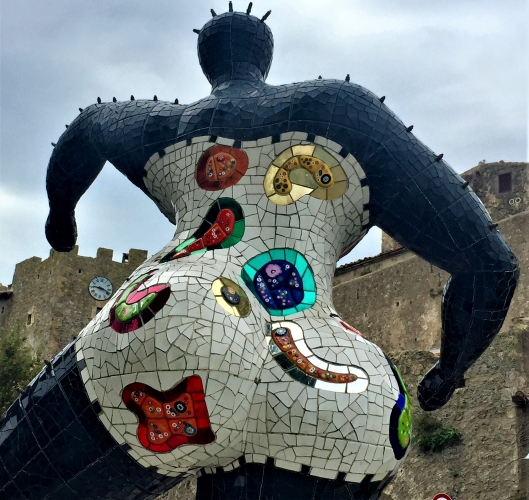
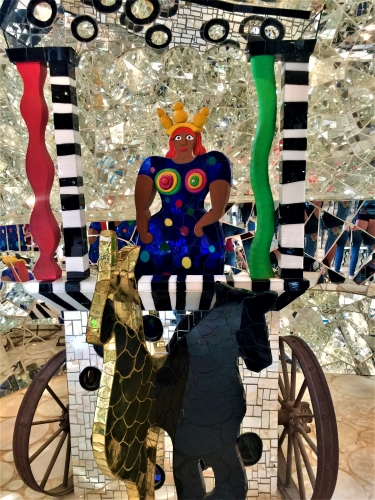
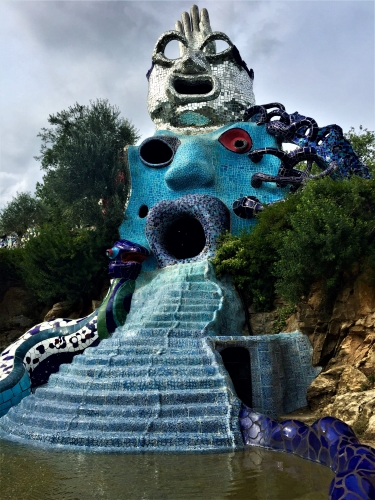
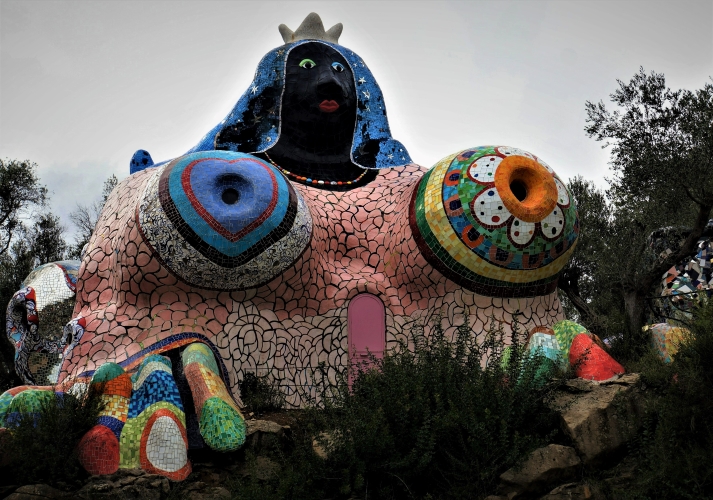
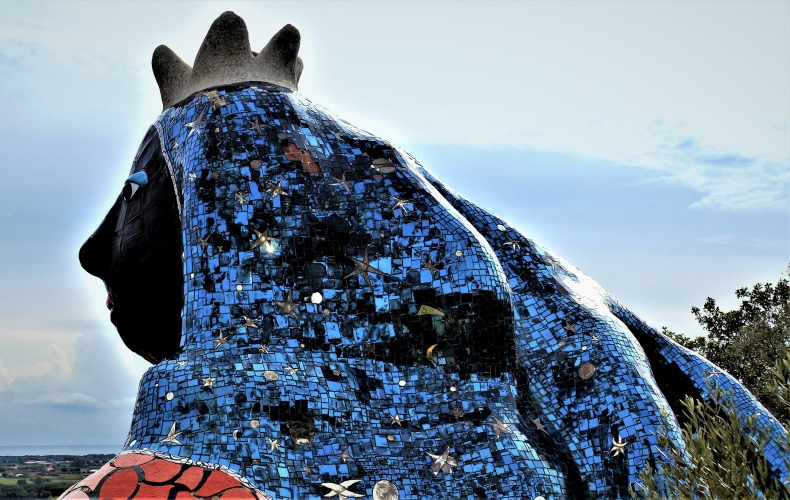
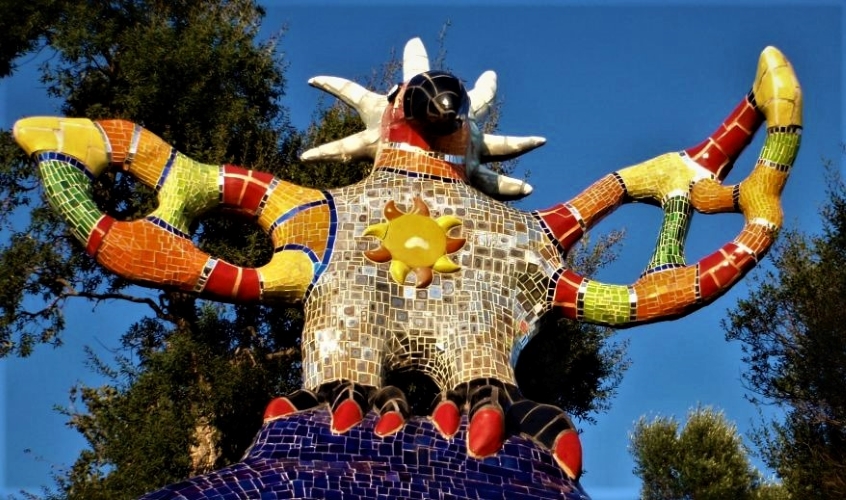
Not far from the fashionable harbor town of Porto Ercole on the Tuscan coast is the little known Giardino dei Tarocchi – The Tarot Garden – where, for an enchanting afternoon, you can experience a whimsical alternative reality. An enchanting modern sculpture garden beckons with a surrealist landscape of twenty-two vibrant, massive, fantastical, multicolored depictions of the Major Arcana depictions of the Major Arcana of the mystical and mythical Tarot cards
The garden is the public art masterwork born of the fertile imagination of self-taught French-American artist Niki de Saint Phalle. A vibrant celebration of feminism, the garden represents a beguiling fusion of pop, folk, outsider art and surrealism. A great lover of Italy, de Saint Phalle was granted the land to create her magical world after a chance encounter with Marcella Agnelli, sister of Fiat industrialist Gianni Agnelli. She began work in 1979 and the colossal project consumed nearly two decades of her life.
Fully immersed in personally designing and building the statues (most measuring between 39 and 49 feet tall), de Saint Phalle hand-painted and decorated each with ornately detailed mirrors, mosaics, multi-colored ceramics and Murano glass, creating a kaleidoscope of colors, textures and shapes. The garden’s largest sculpture is of the Empress, symbolizing the great mother archetype as voluptuous woman-sphinx. An enormous hollow shell, its interior served as de Saint Phalle’s home while she worked on the garden. One of the figure’s breasts housed a lavishly-embellished living, dining and kitchen area and the other, a bedroom and bath.
Throughout the project’s lifespan, the artist enlisted a group of skilled collaborators in her “garden of joy.” Chief among those was her husband, Jean Tinguely, whose mechanical skills helped motorize and breathe life into several of the garden’s features and monumental sculptures. But the overall phantasmagorical design could ultimately be the brainchild of only one supremely gifted individual.
In Giardino dei Tarocchi, a visitor can not only admire the art but interact with it, whether climbing the Tower or playing the Wheel of Fortune. Niki de Saint Phalle meant for her Eden-on-earth to be touched and enjoyed by adults and children alike with all their senses . . . an evocation of – but also a brief respite from – the lifelong game of chance that is the story of the tarot.

Copyright - Postcards from the Boot.