
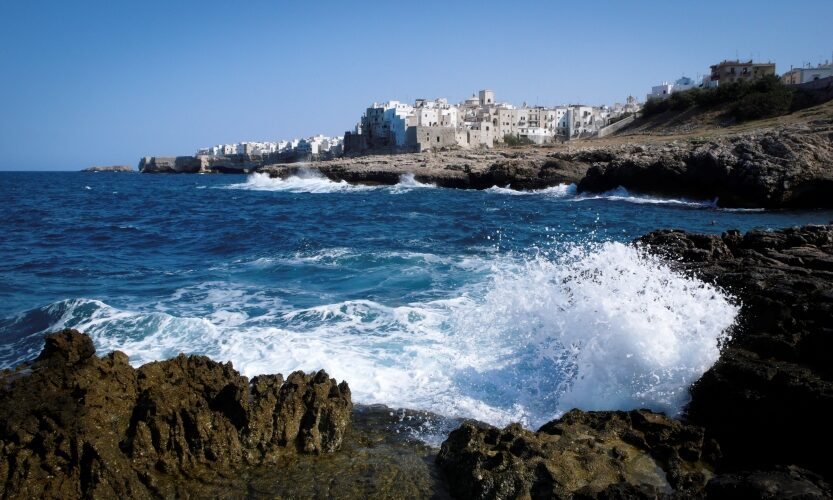
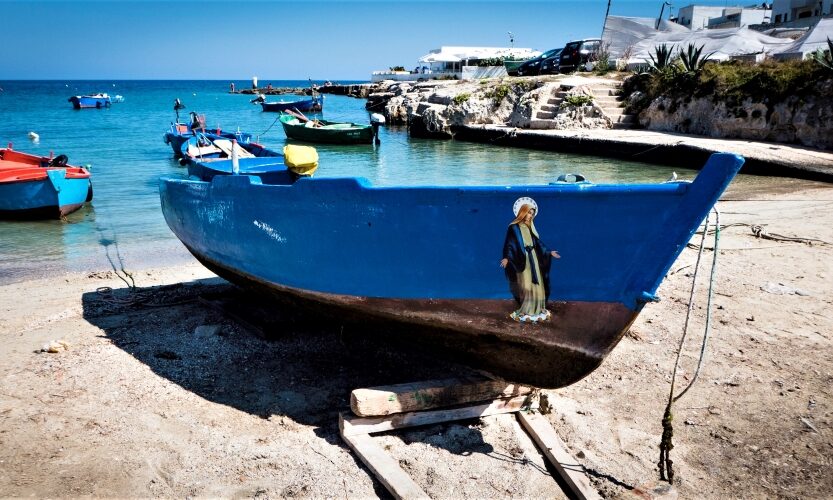
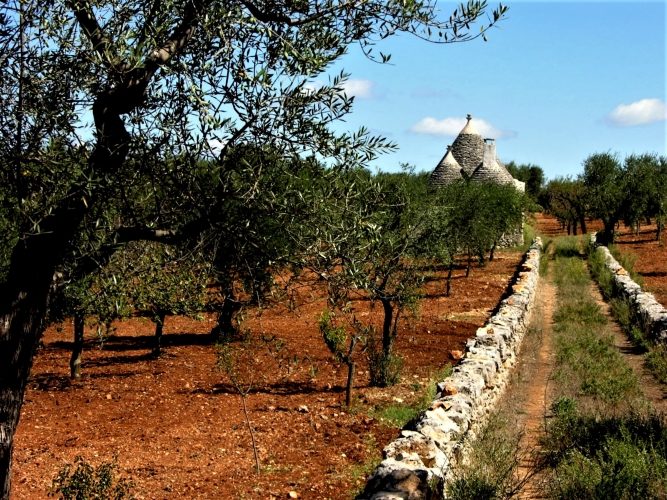
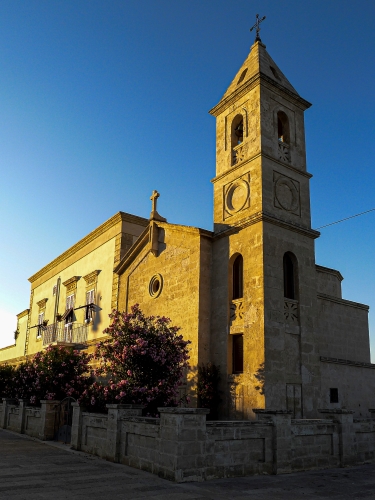
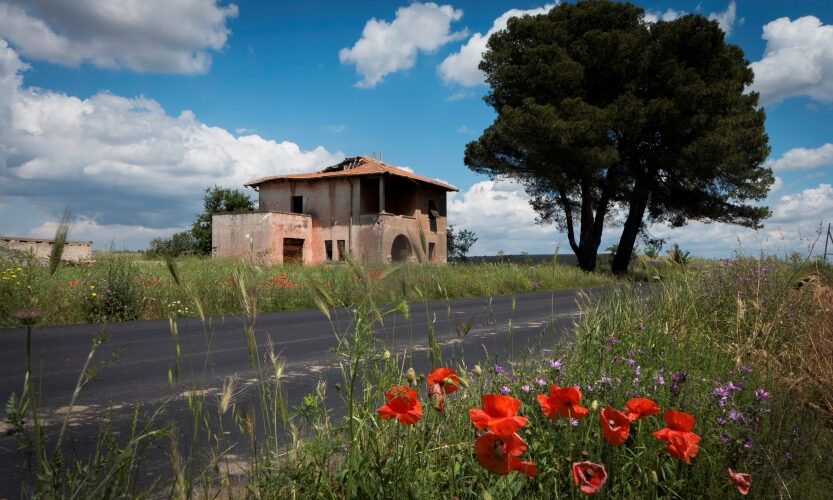
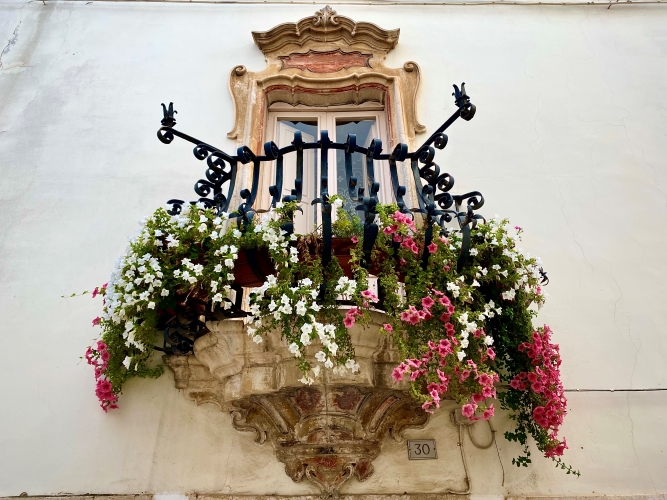
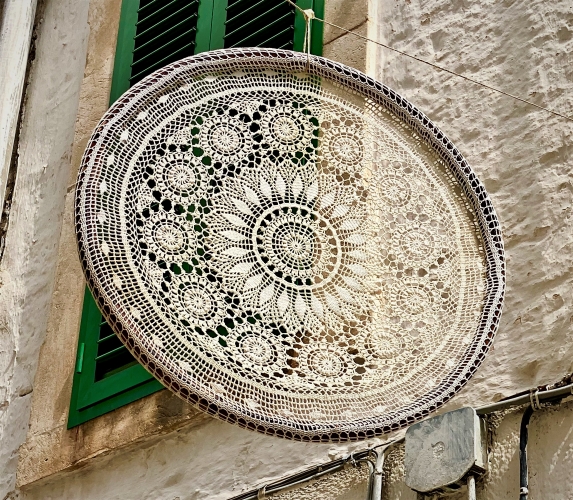
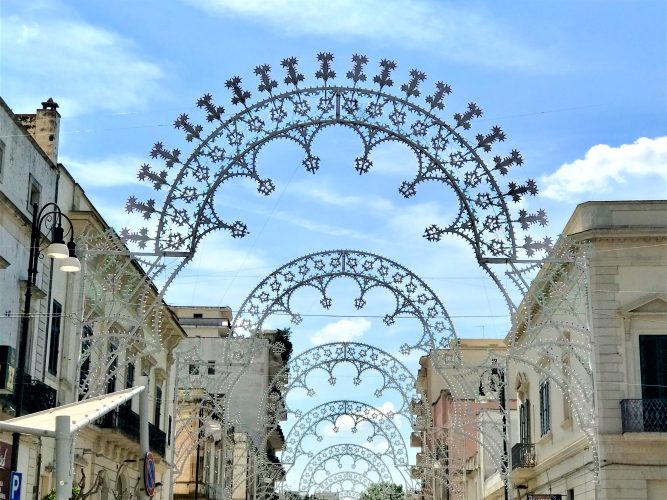
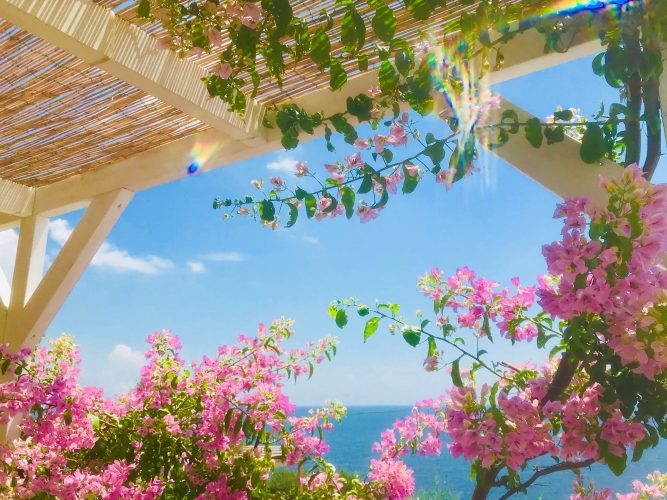
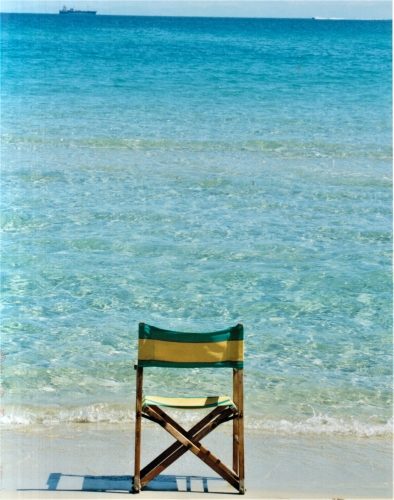
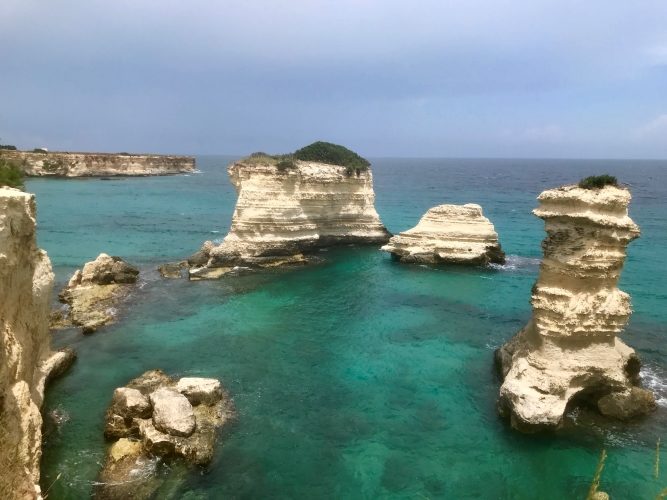
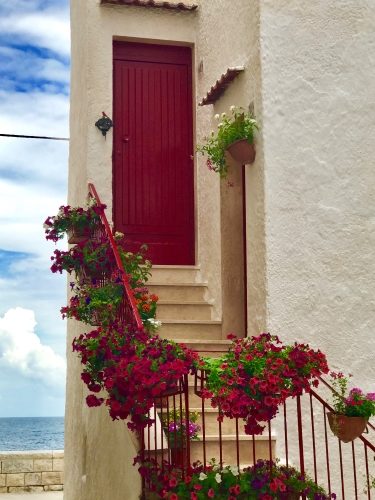
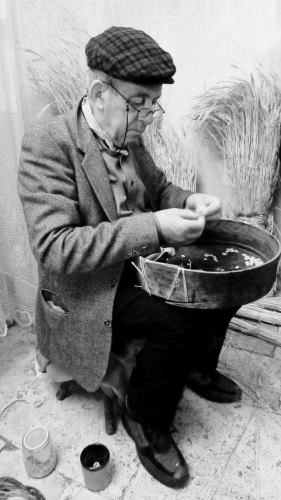
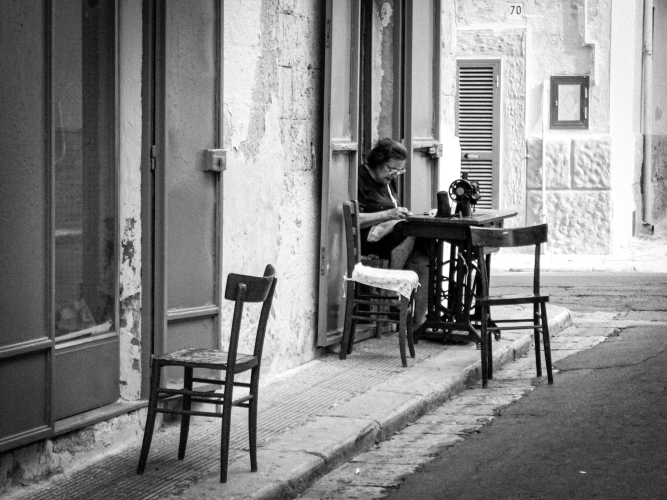
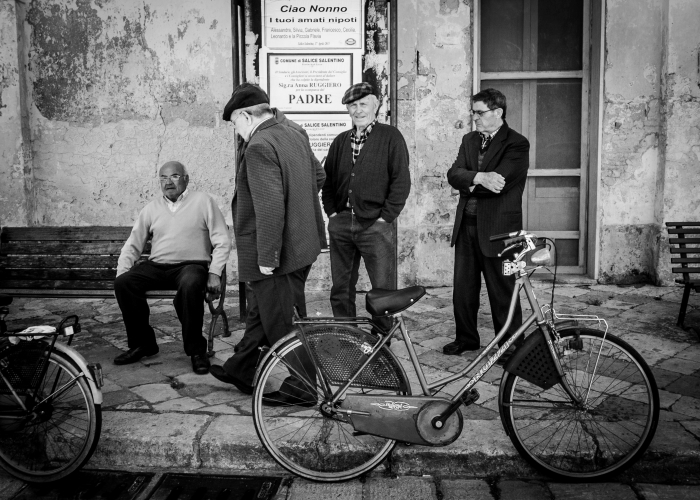
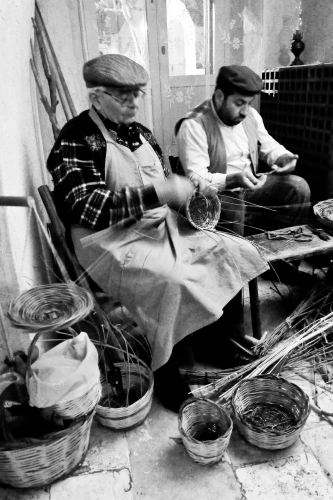
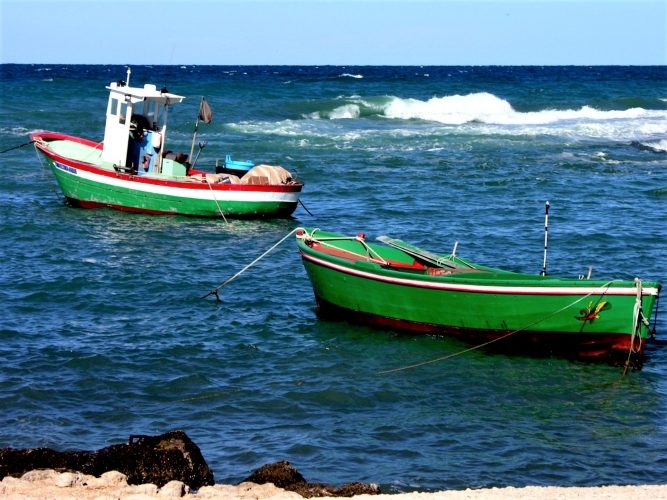
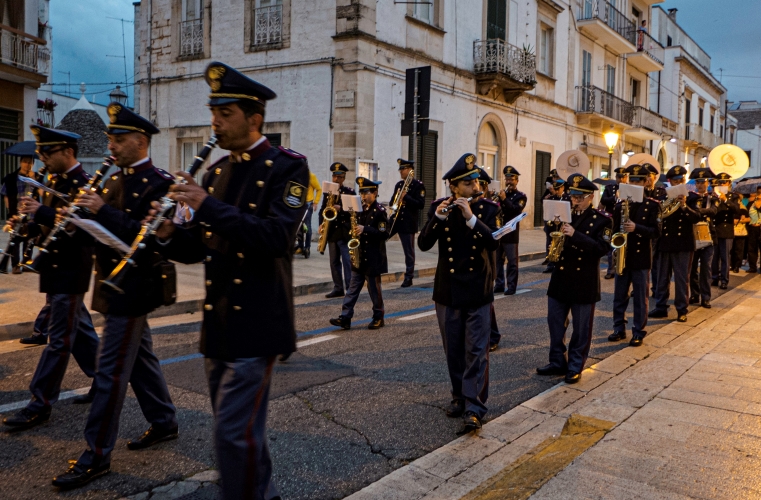
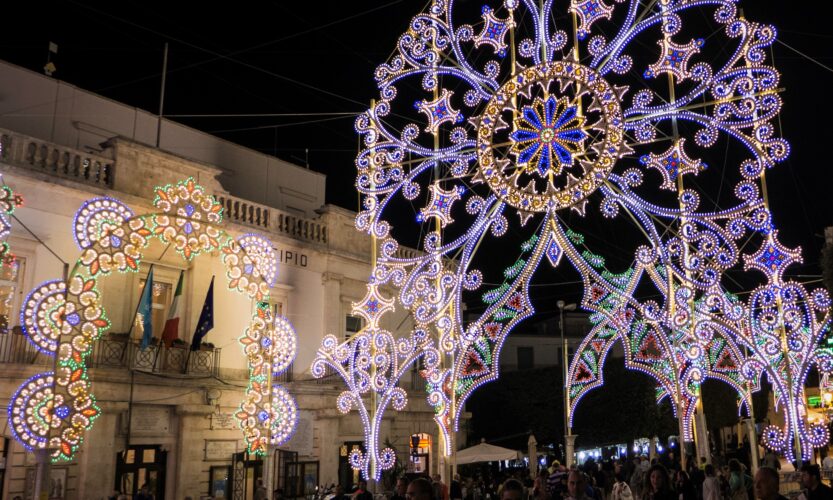
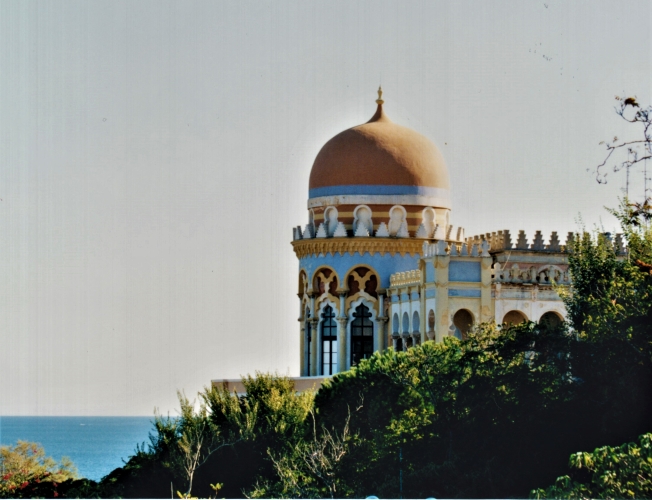
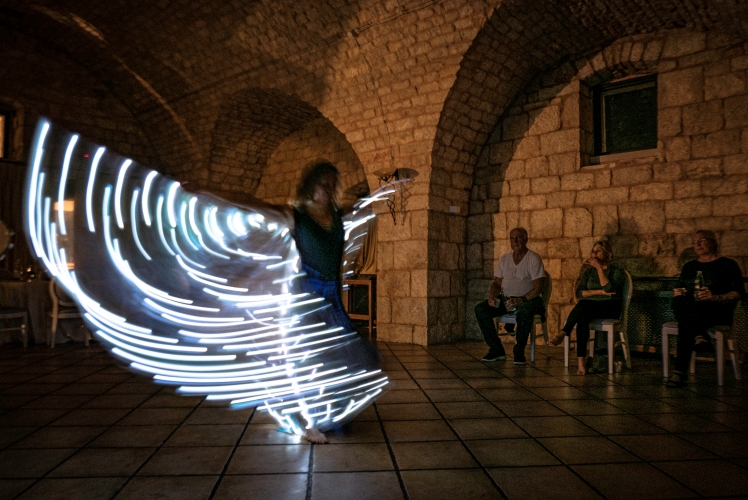
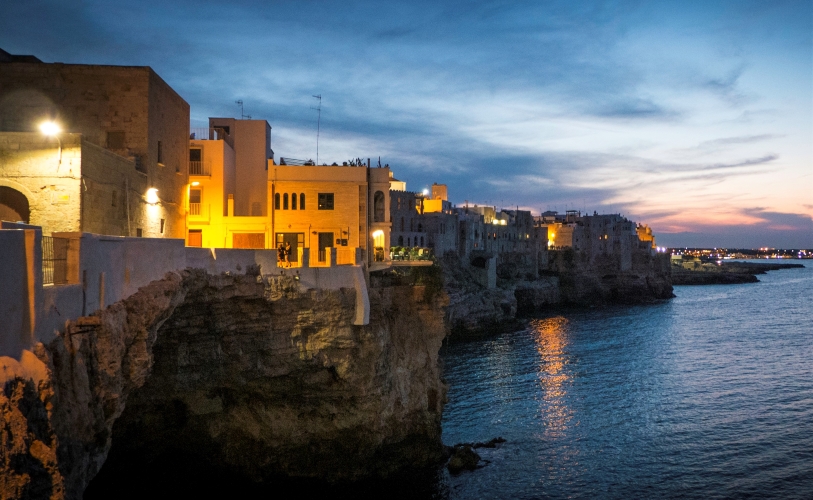
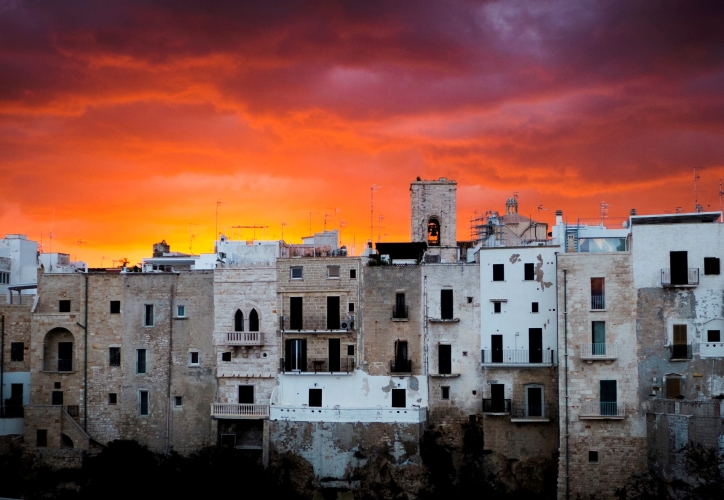
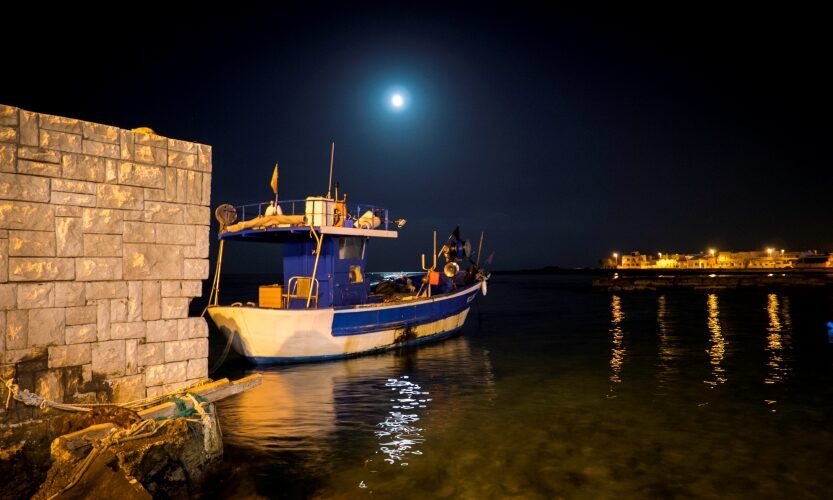
In the deep south of Italy, surrounded by crystal-clear waters and 500 miles of Adriatic and Ionian coastline, is the enclave of Puglia that sits on the sun-baked heel of the Boot. I first visited years ago and fell in love with its sleepy whitewashed villages, colorful folk traditions, its unique trulli set amongst olive trees, endless plates of mouth-watering food and some of the most gracious people in all of Italy.
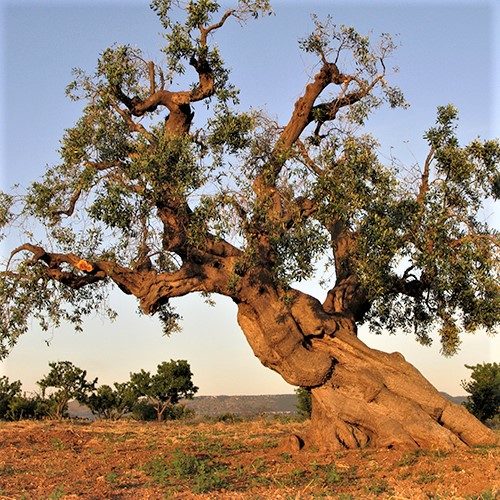
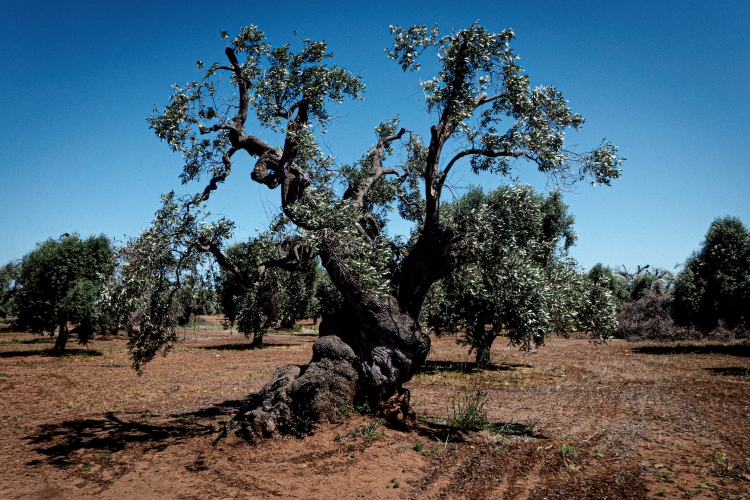
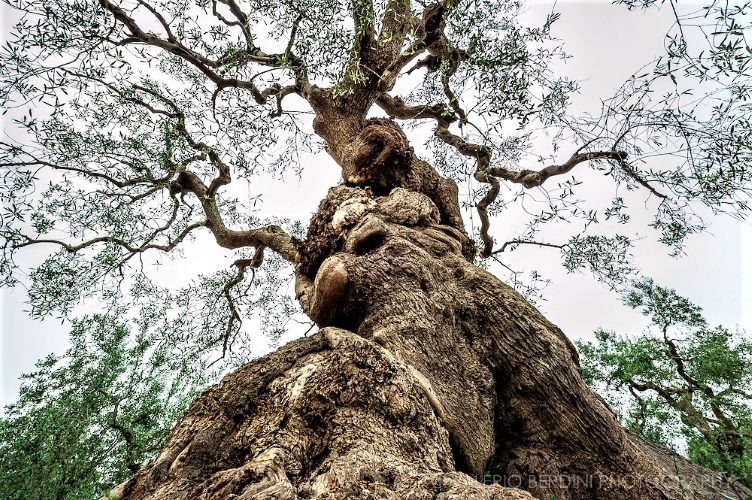
More than 800 of the gargantuan trees at the ancient olive farm, Antica Masseria Brancati, near Ostuni, are considered natural monuments. With their gnarled and knotted trunks, many are upwards of 3000 years old.
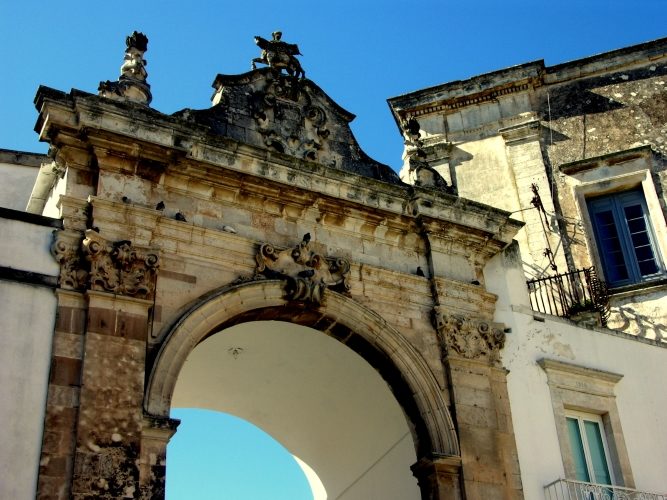
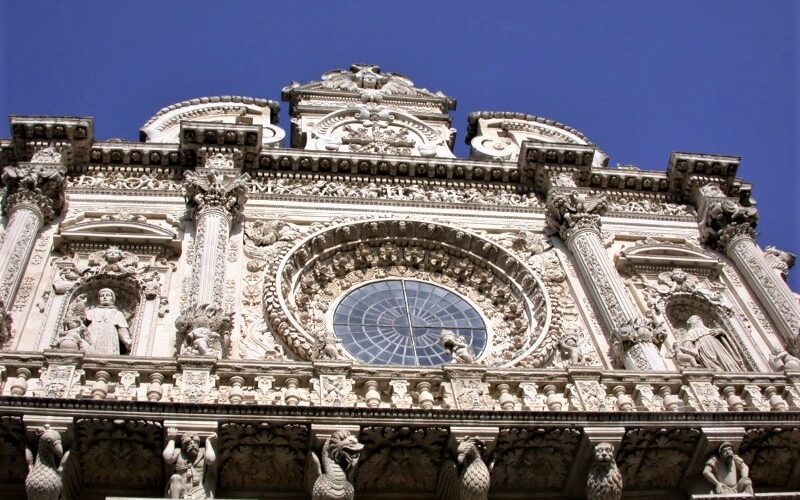
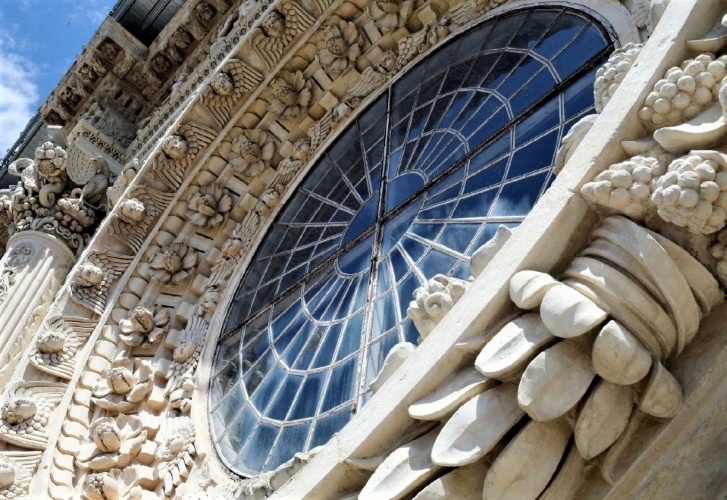
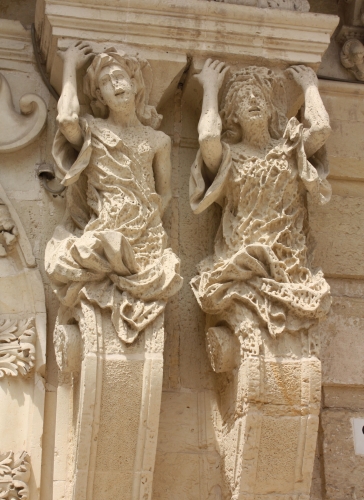
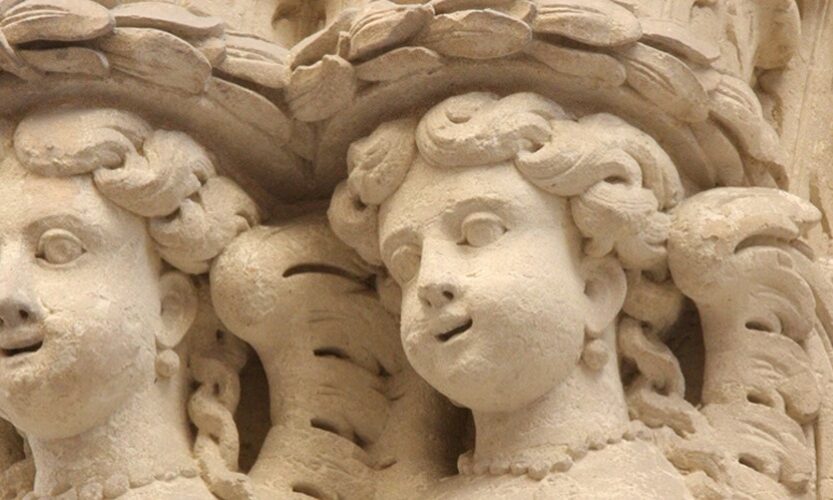
The city of Lecce dates back to Magna Graecia, but because of its exquisite Baroque architecture it is known as the Florence of the South. The architectural style in Lecce is so distinctive that it was given its own name – “Barocco Leccese.“ The city’s opulent palaces and churches are built with Lecce stone, which has been used since ancient times.
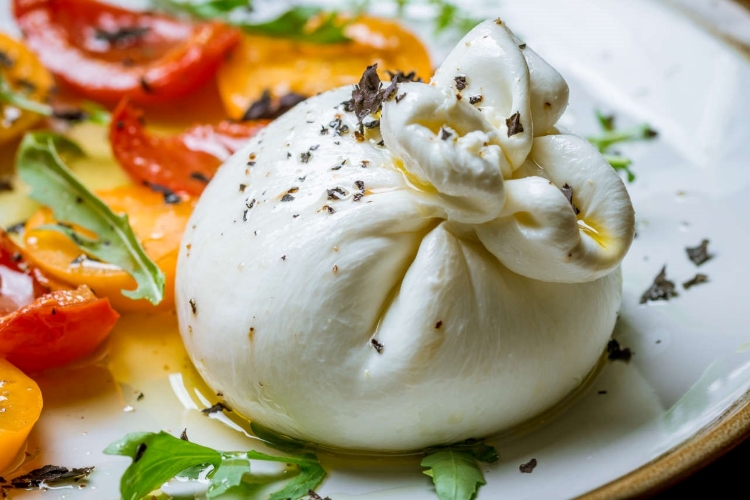
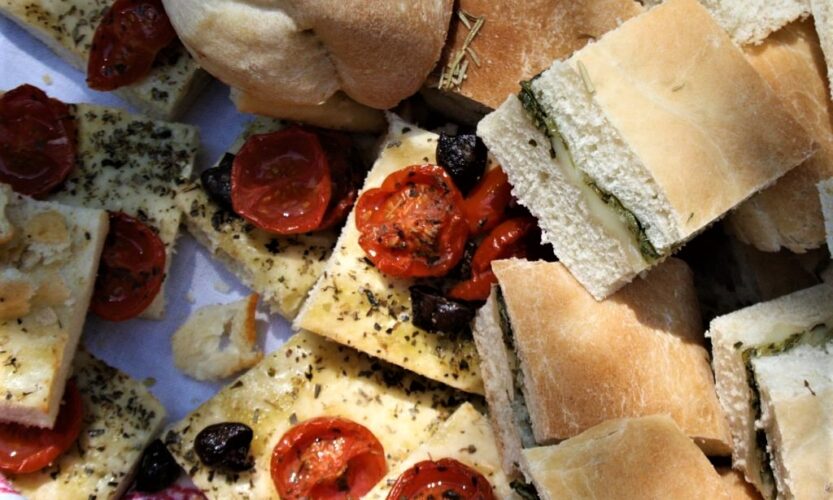
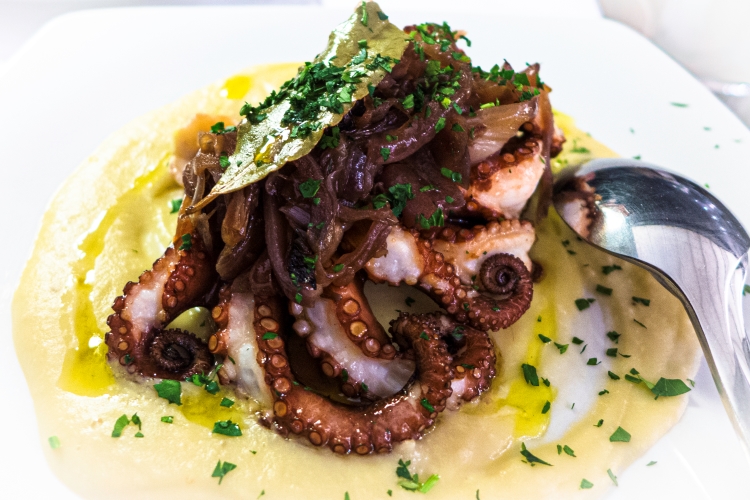
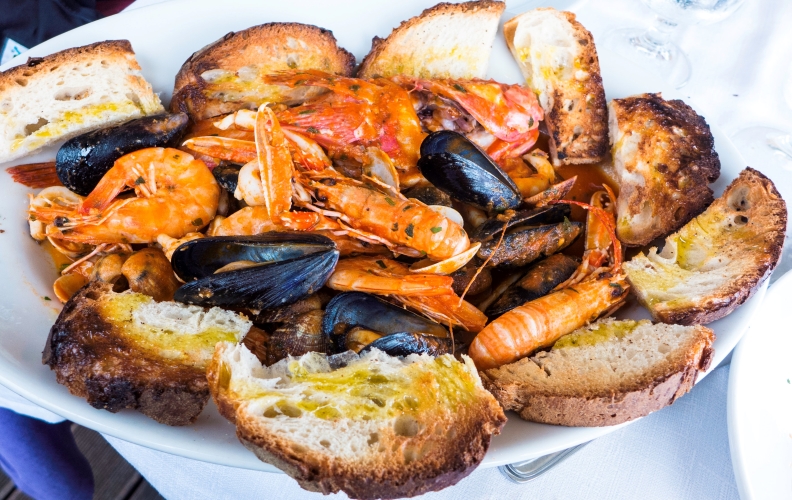
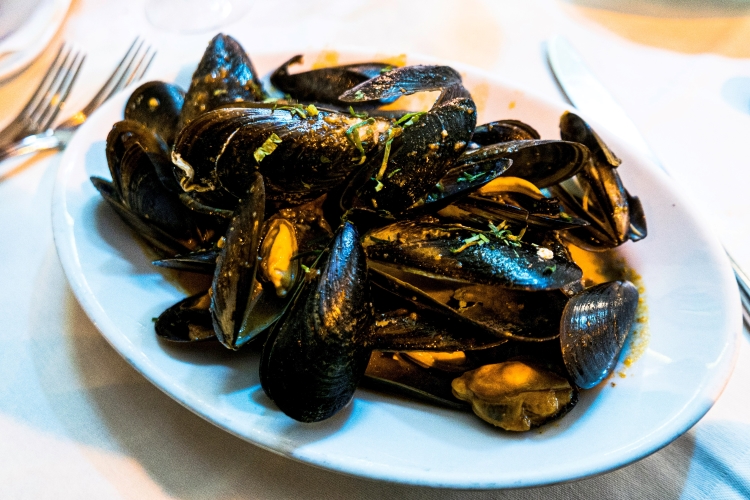
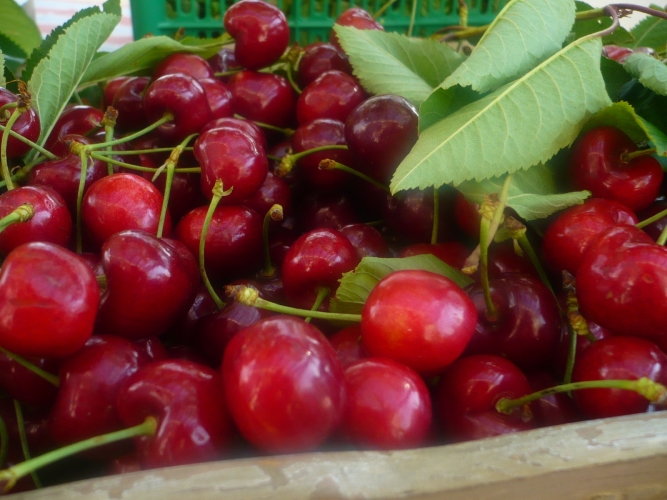
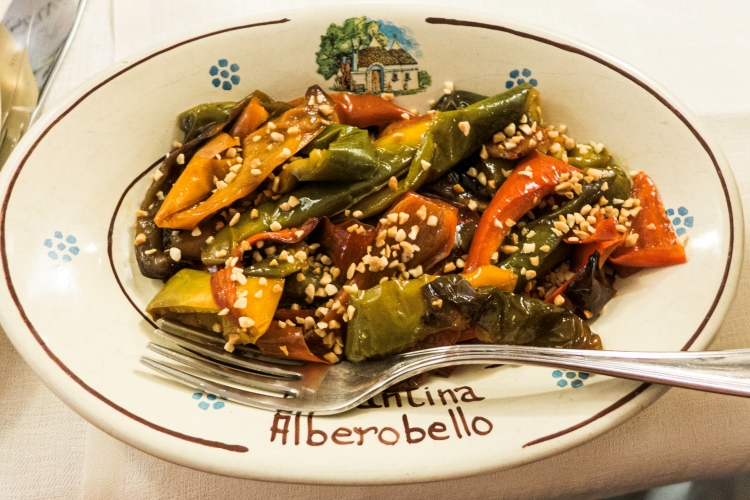
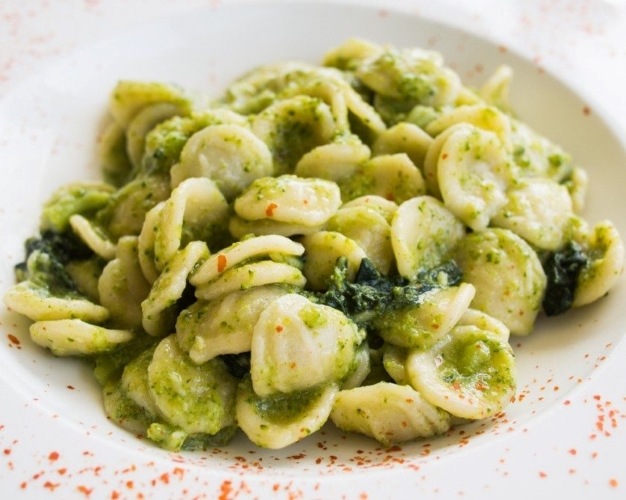
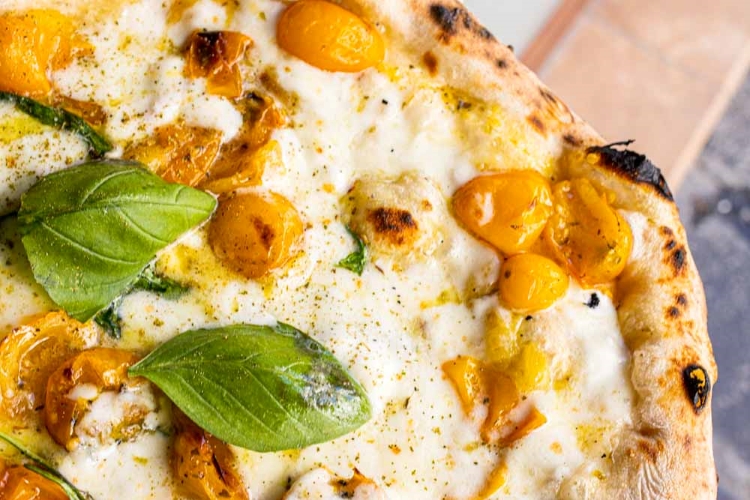
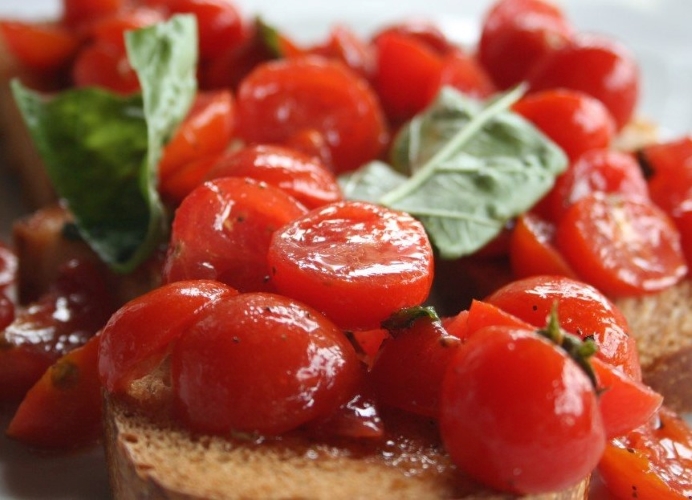
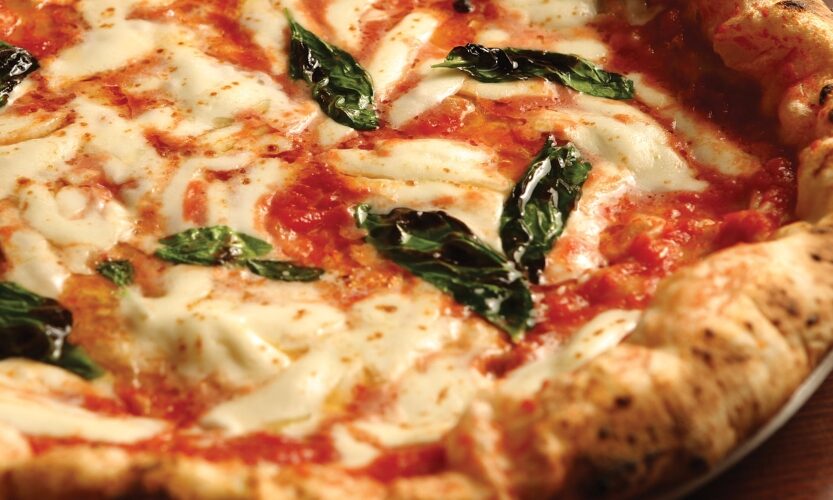
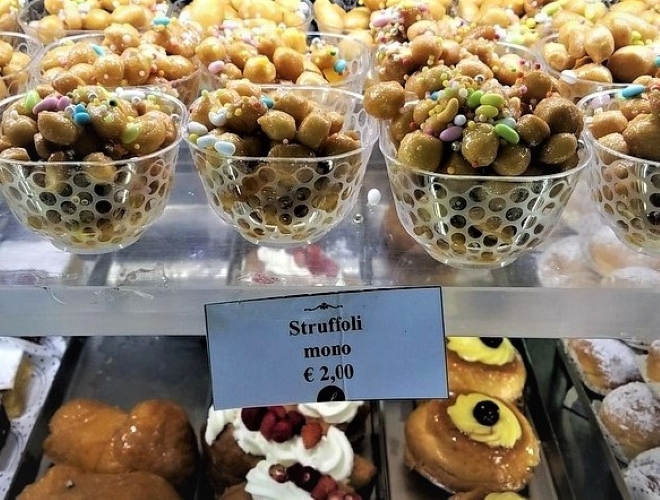
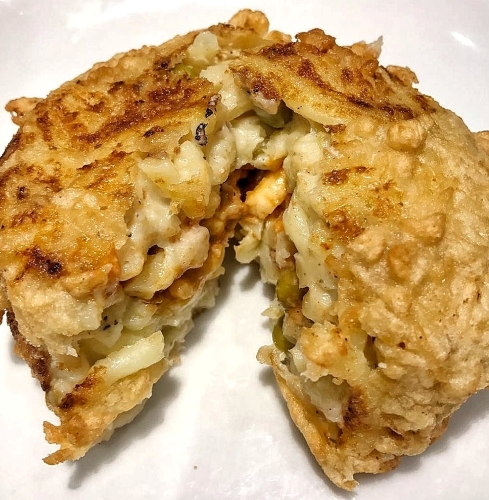
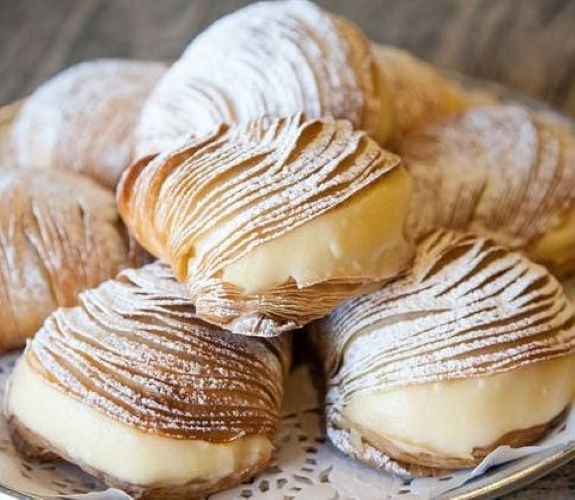
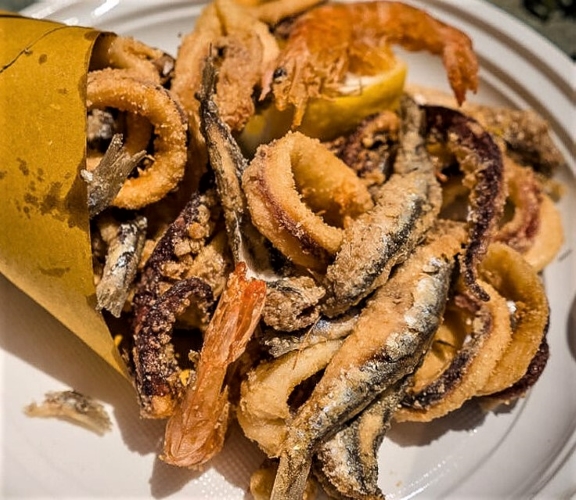
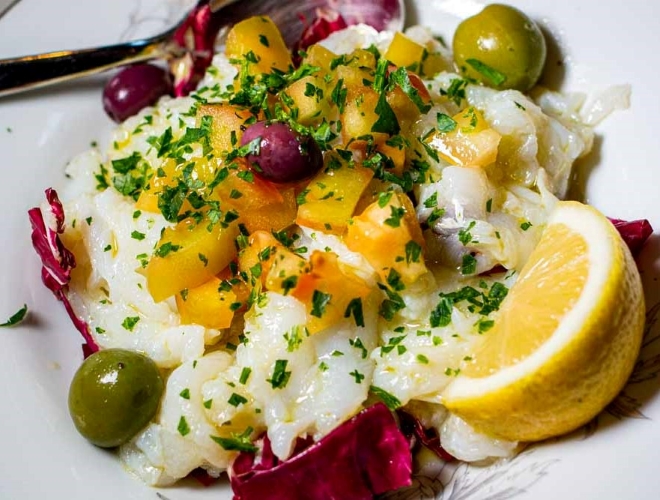
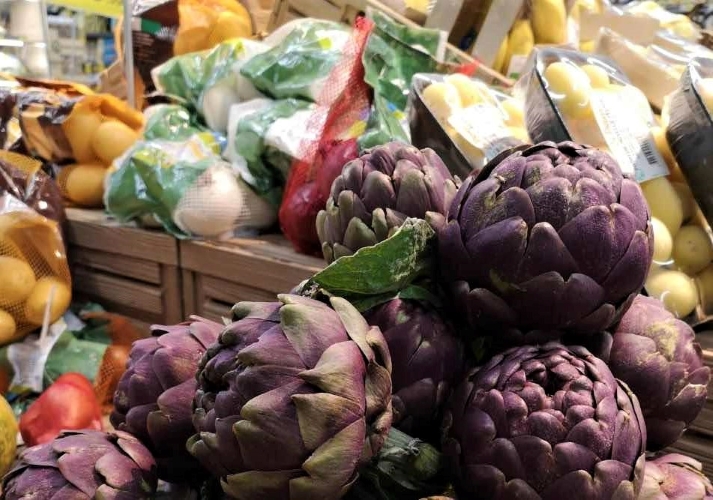
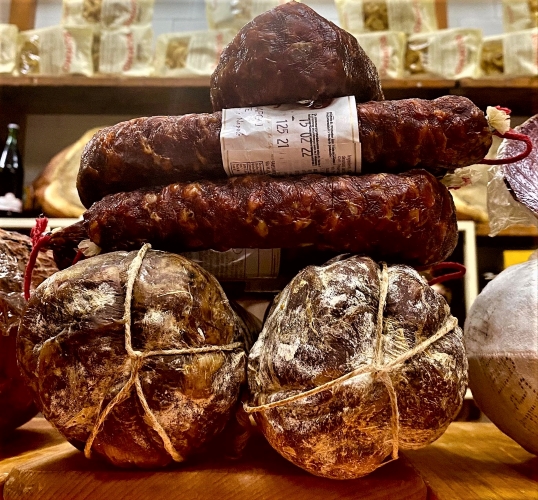
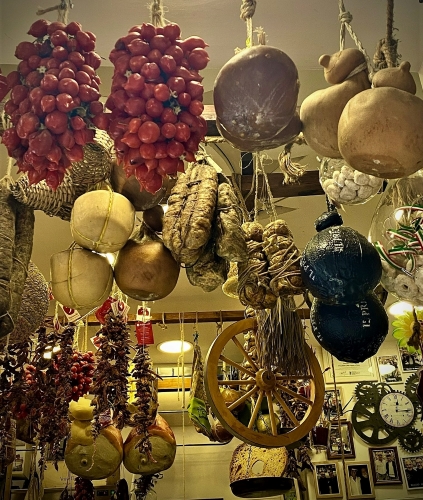
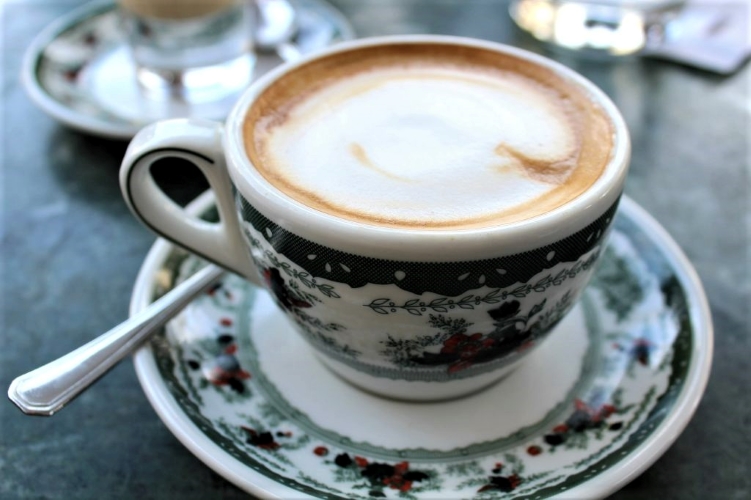
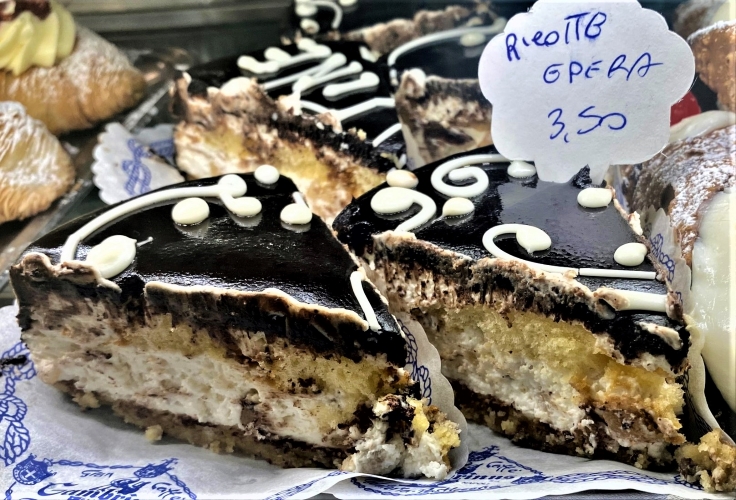
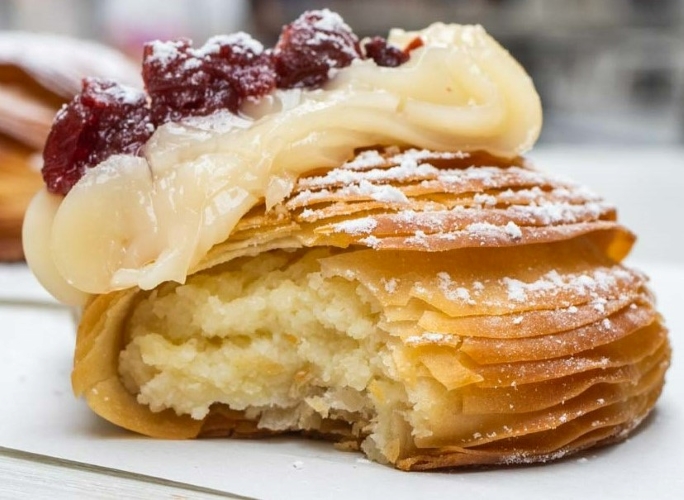
Food is a surefire way to get to the heart of a culture and makes travel to Puglia ever-rewarding. Puglia’s tradition of rustic “cucina povera” centers around freshness and simplicity. The cherries are amazing, as is the burrata, focaccia and the orecchiette con cima di rape (with broccoli rabe), just to mention a few.
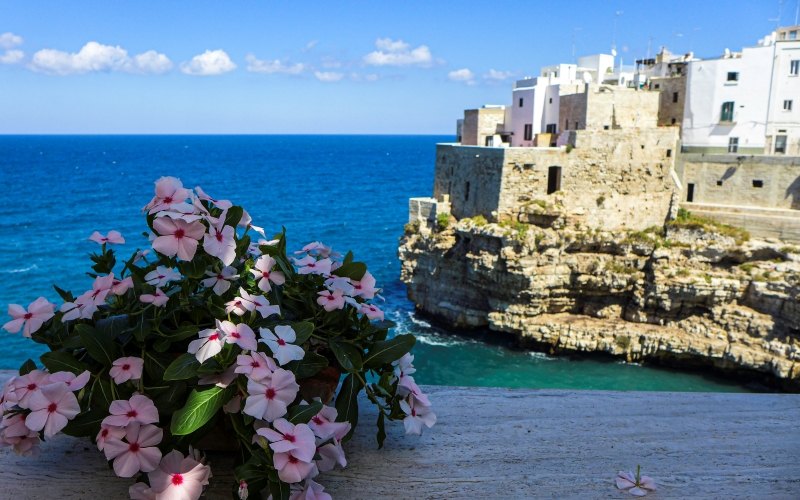
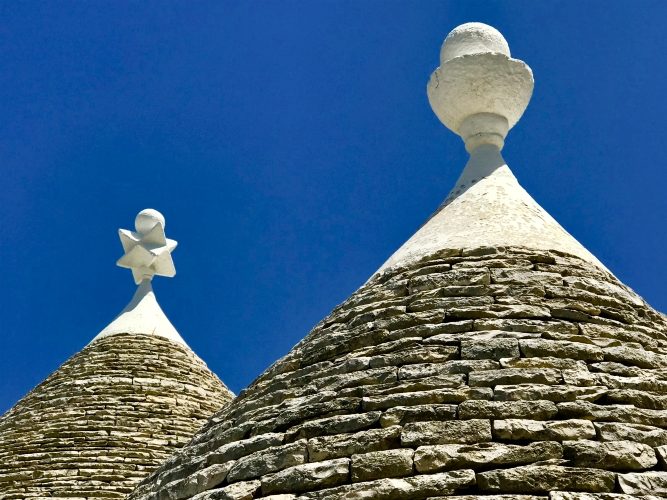
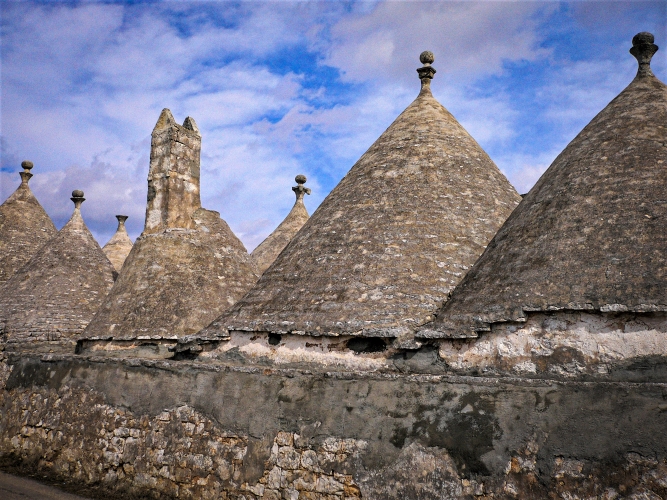
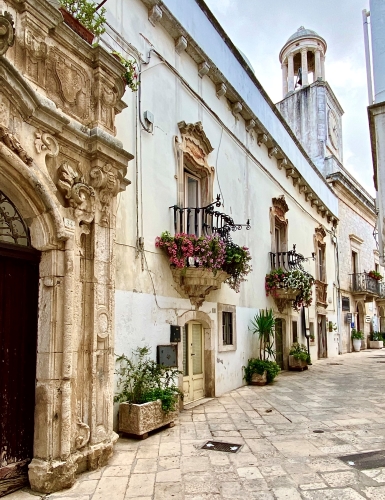
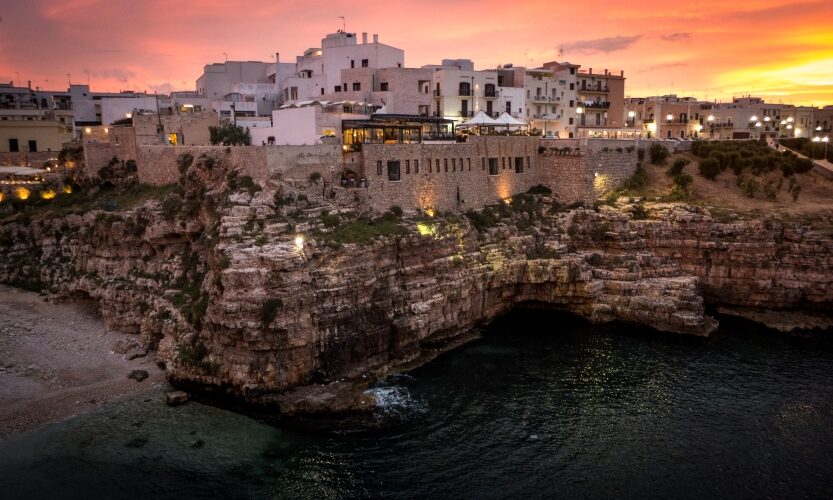
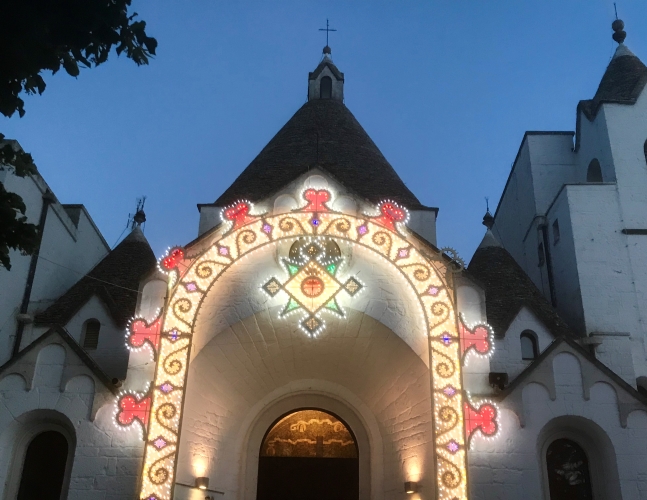
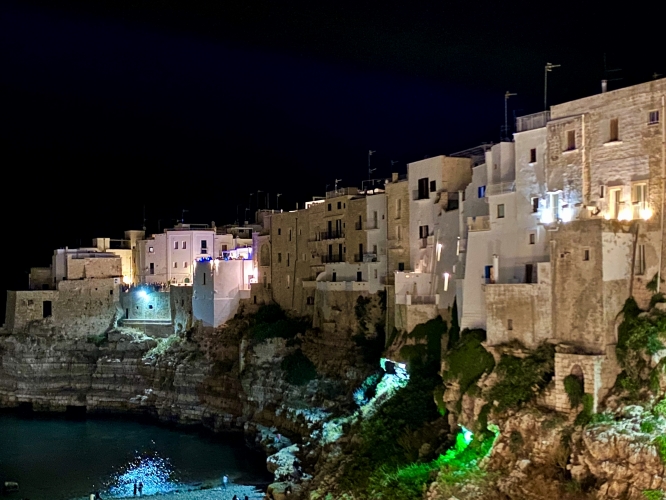
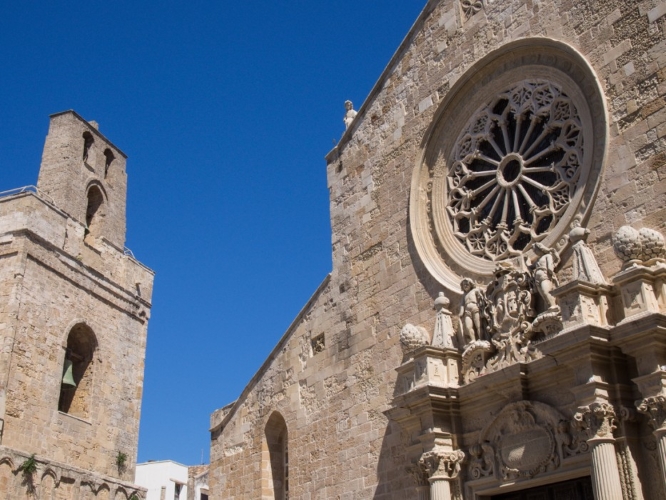
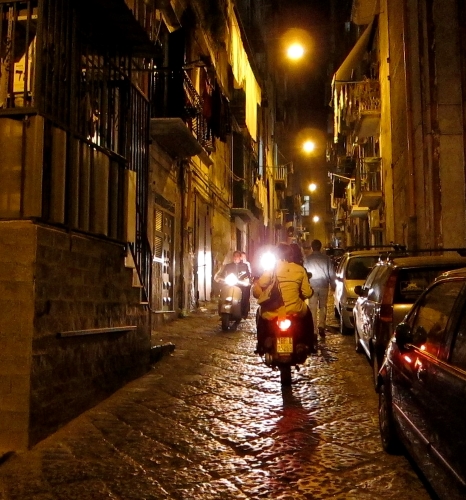
Puglia has plenty of charming towns ideal for leisurely wandering including Martina Franca; the labyrinthine whitewashed streets of Locorotondo and Ostuni; and the hobbit-like trulli of Alberobello (along with the stunning seaside towns of Polignano a Mare, Otranto and Gallipoli).
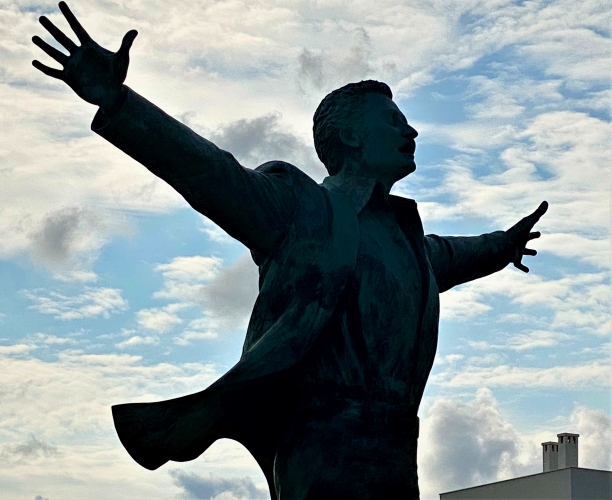
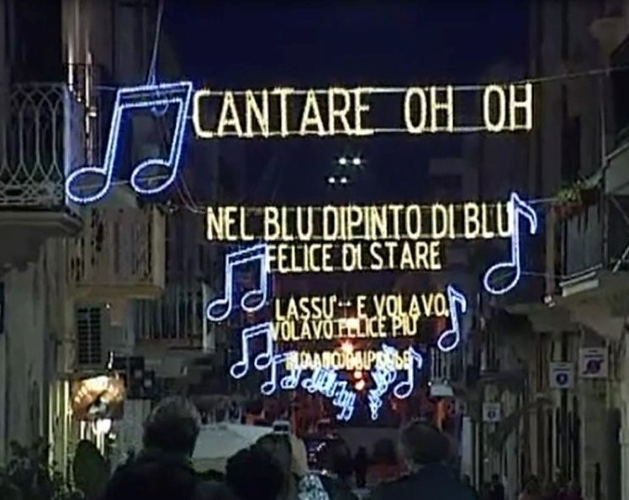
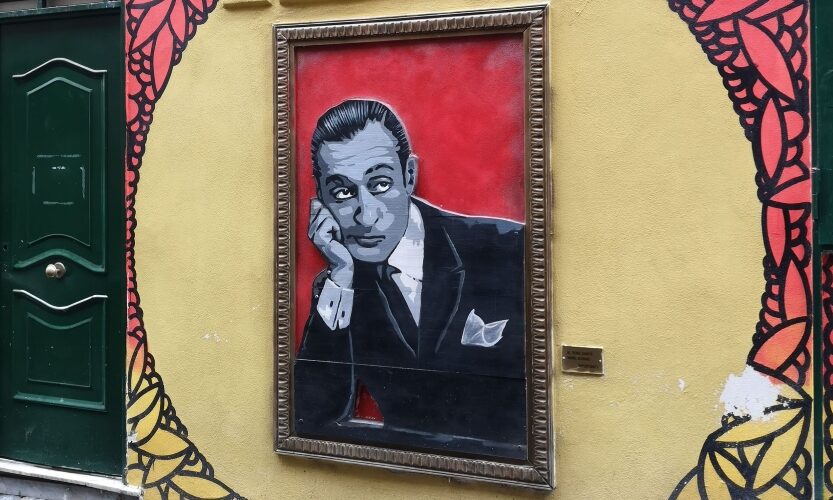
The town of Polignano a Mare has dedicated a statue and waterfront to the great Italian singer Domenico (Mimmo) Modugno (popularly known as Mr. Volare) who was born there in 1928. Mimmo was a singer, songwriter, actor, parliamentarian and three-time Grammy award winner.
His song Nel Blu Dipinto De Blu, popularly known as Volare, became a huge international hit in 1958 and sold over 30 million records. It also won him his first Grammy award (and an appearance on the Ed Sullivan Show 😉
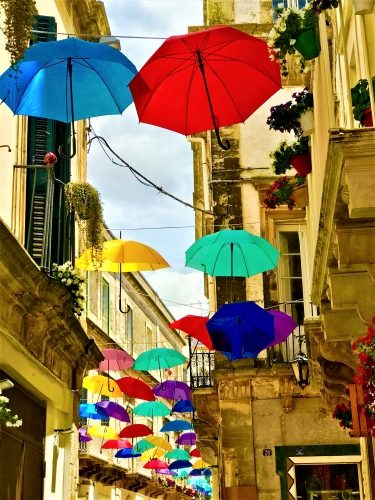
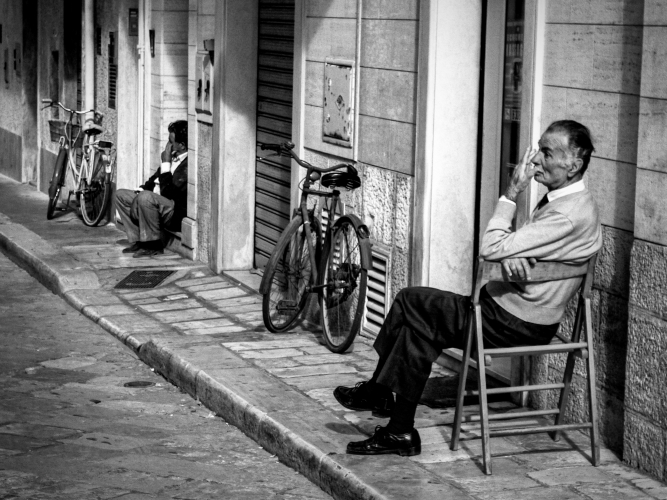
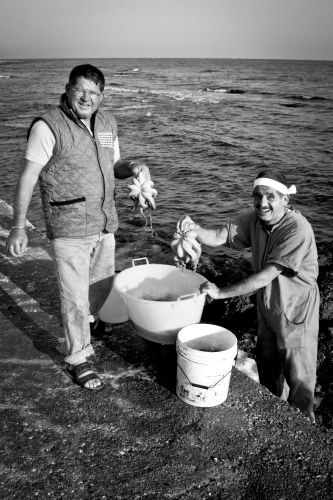
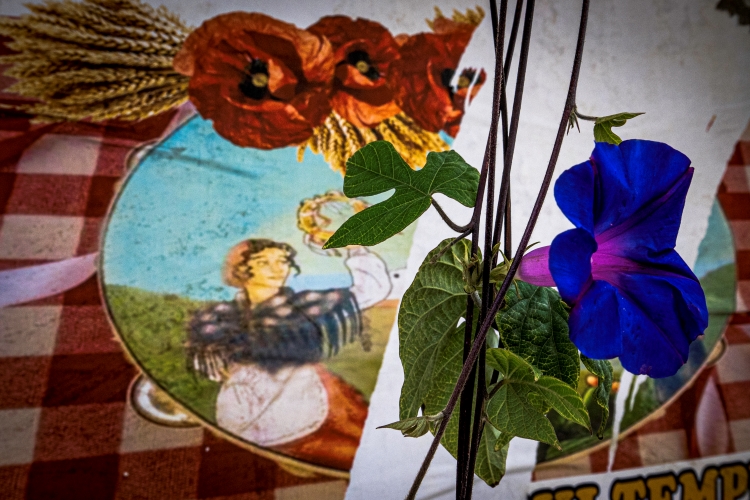
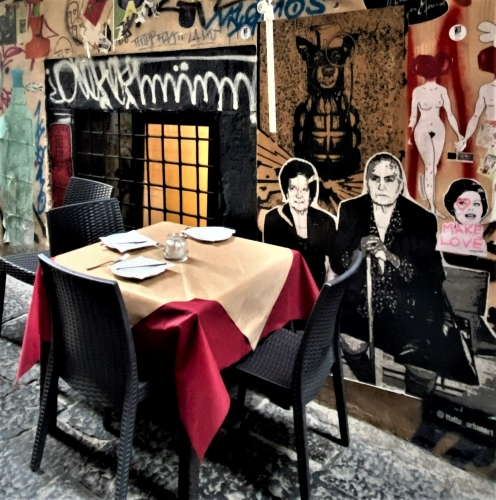
But what makes Puglia so appealing is its authenticity. Things move at a slower pace and people will always make time for you. Everyone is so proud of their region; they don’t mind when you take photos and are keen to help in any way they can.




|
||
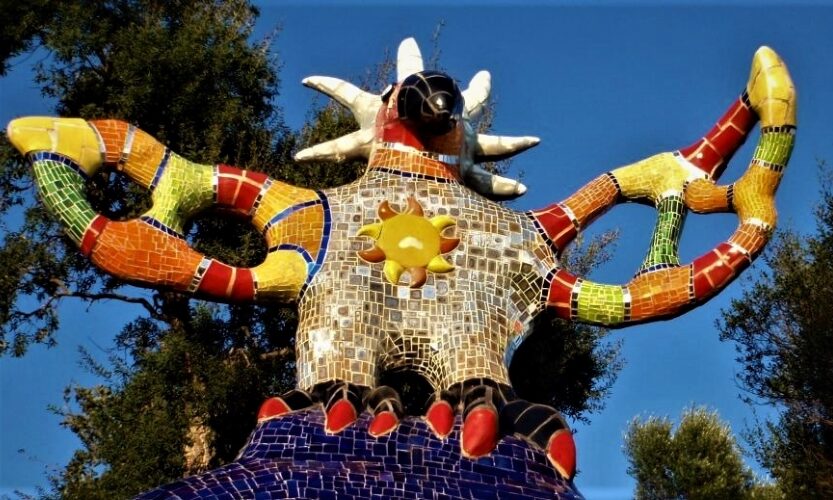
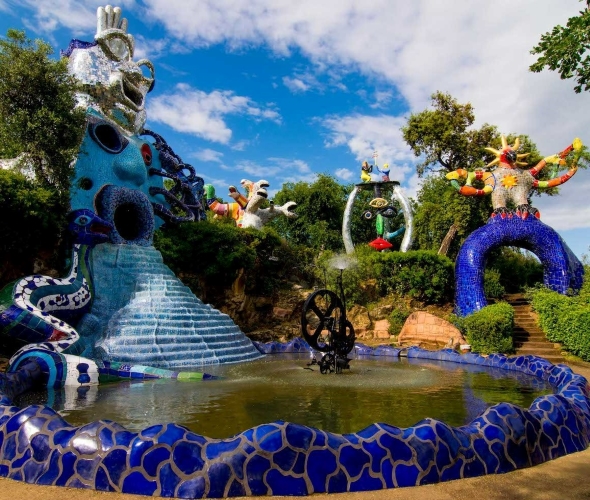
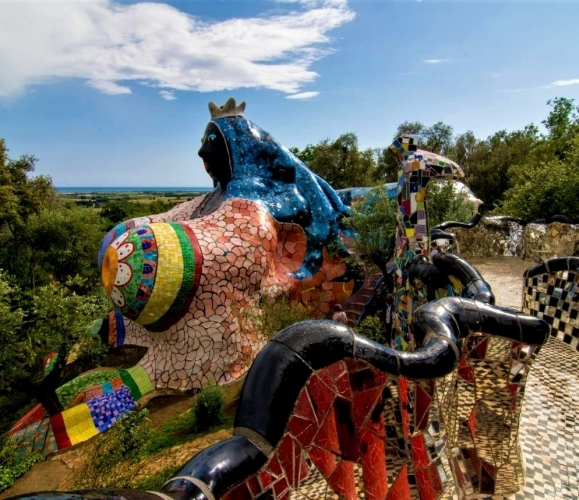
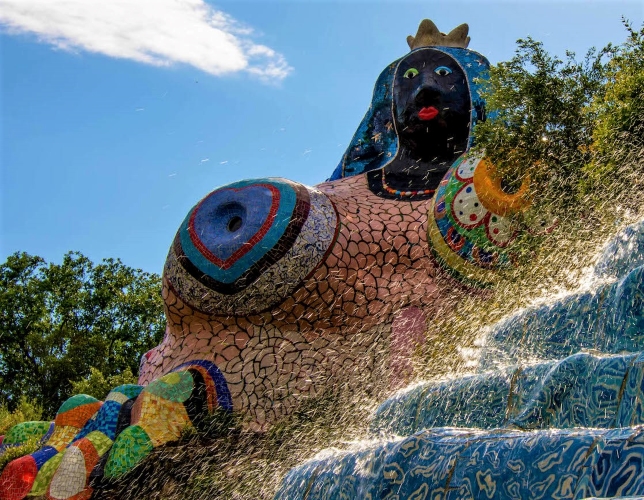
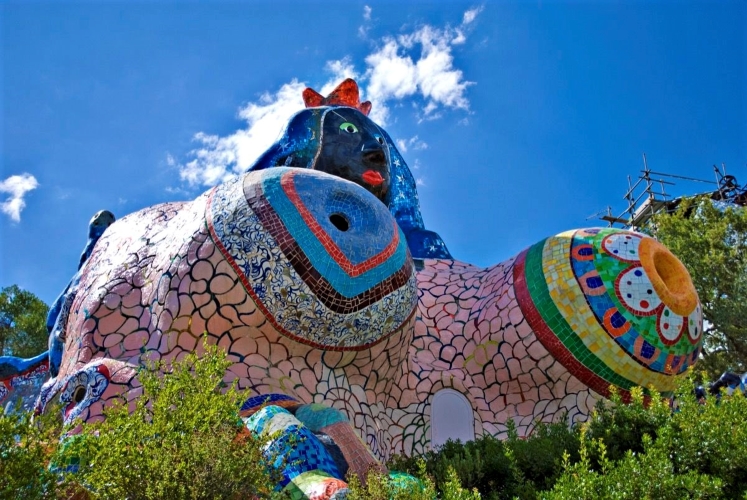
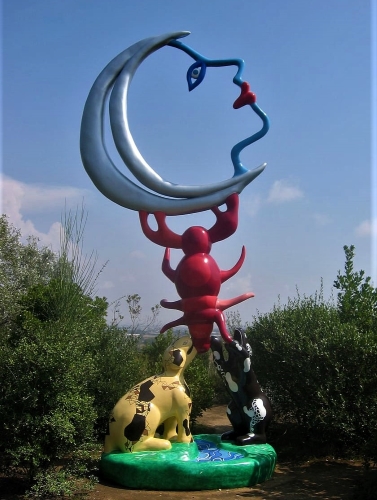
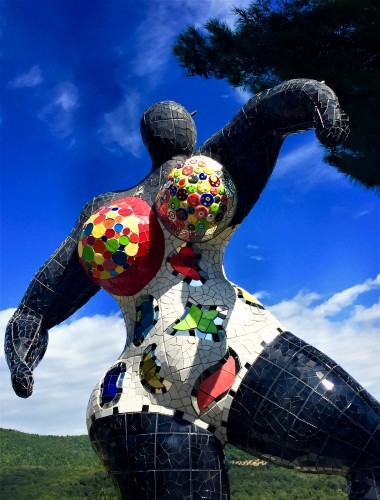
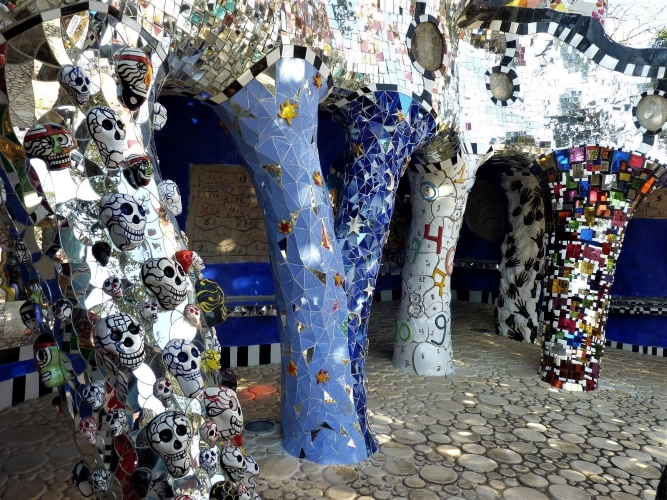
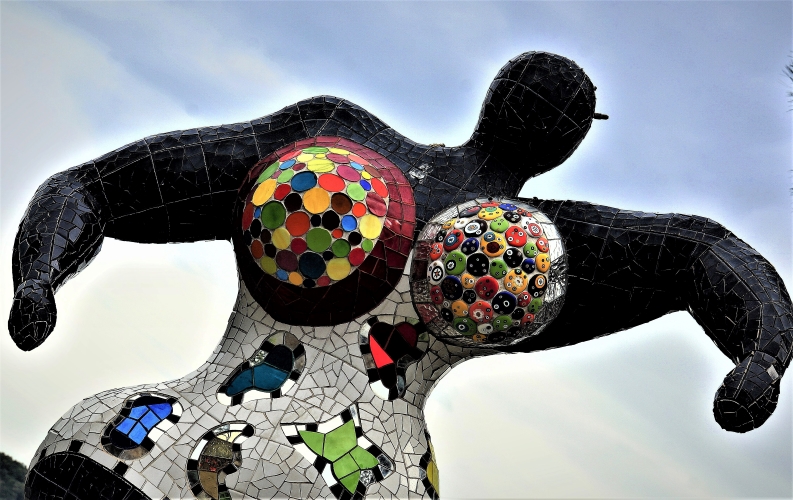
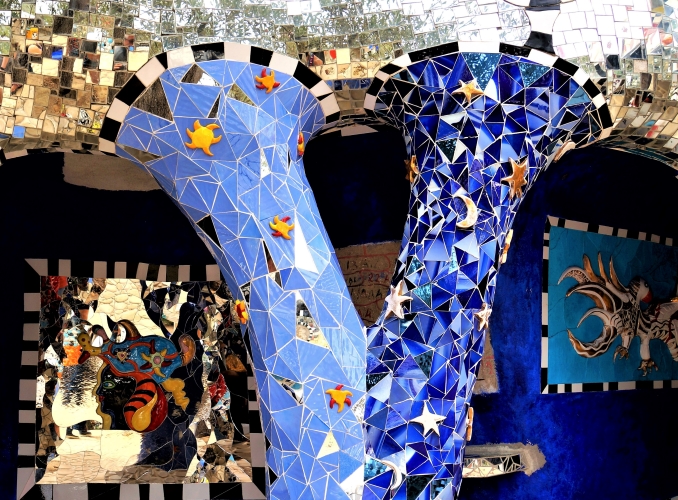

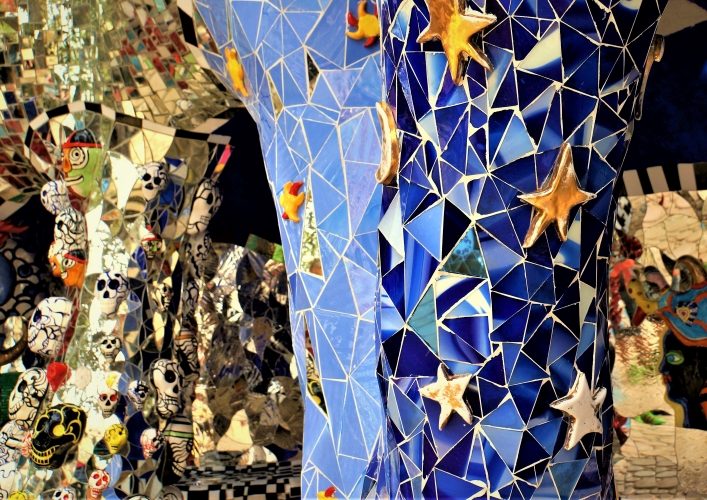
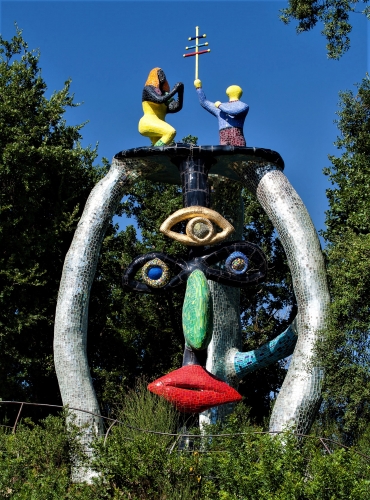
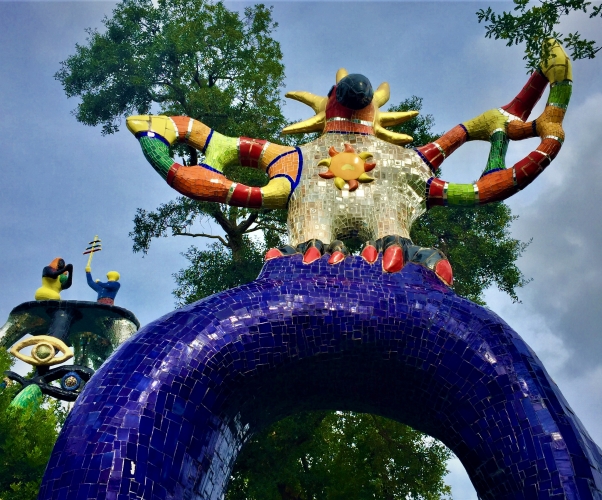
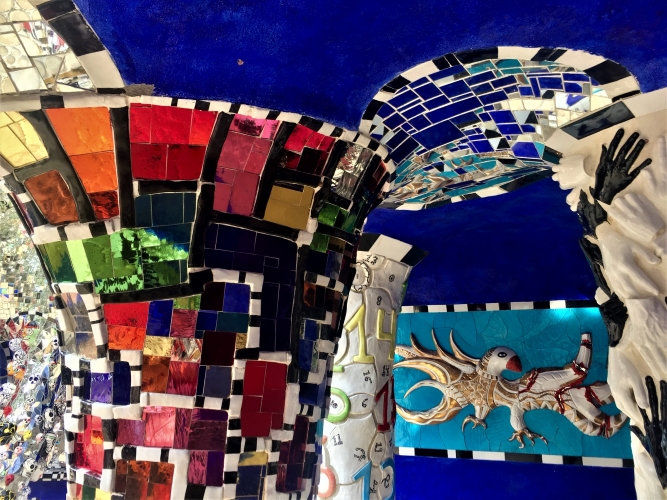
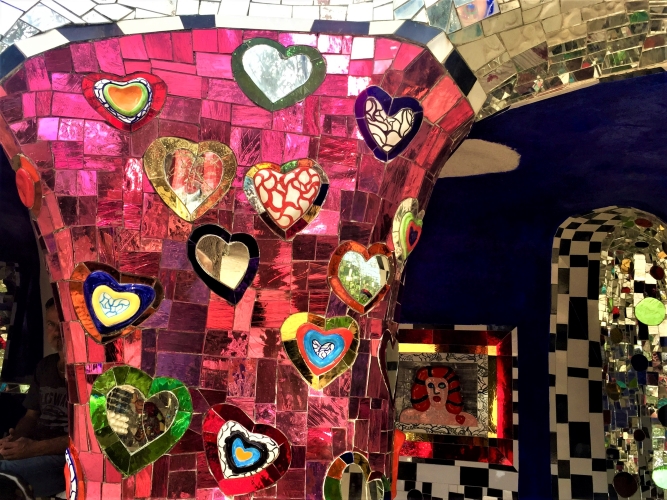
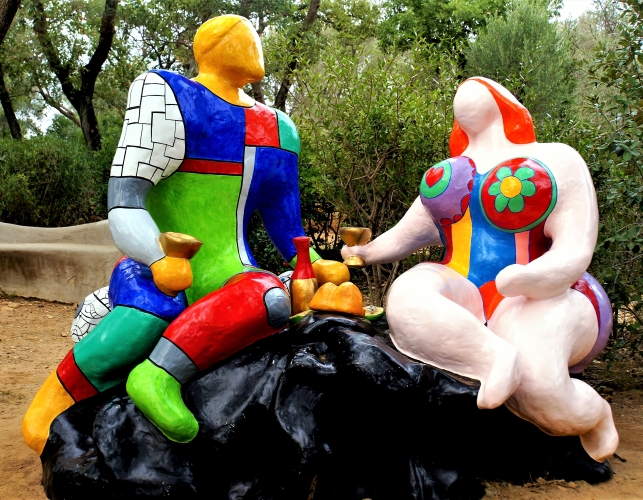
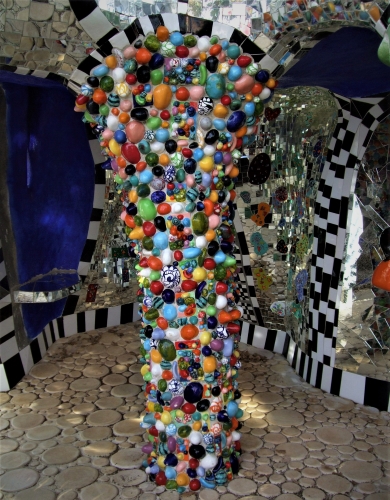
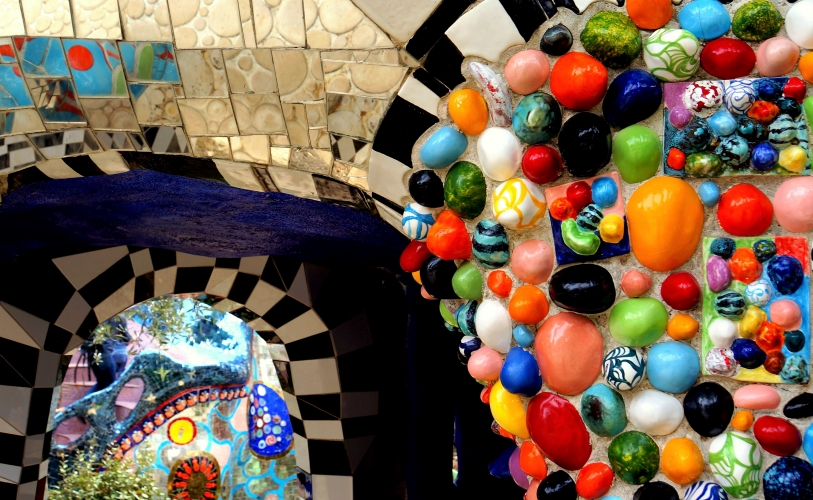
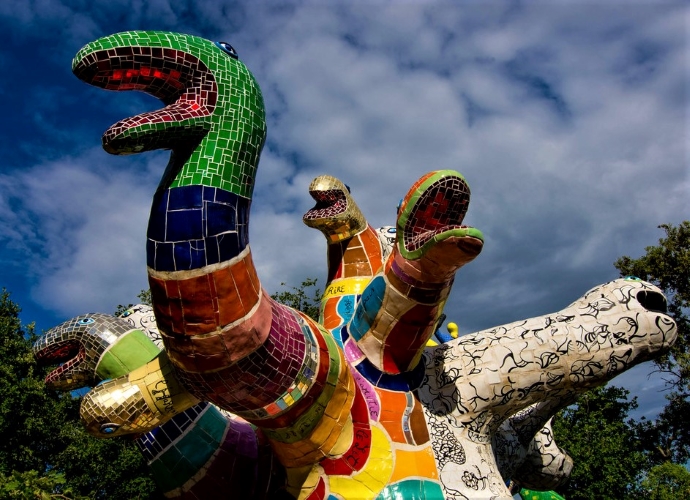
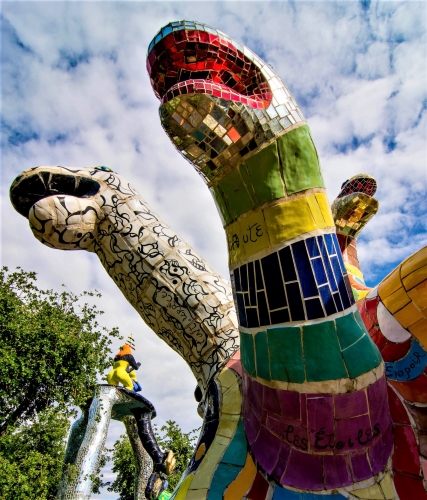
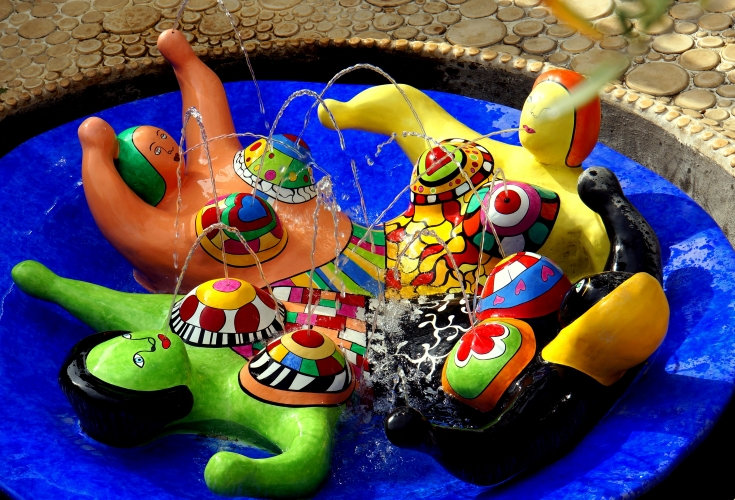
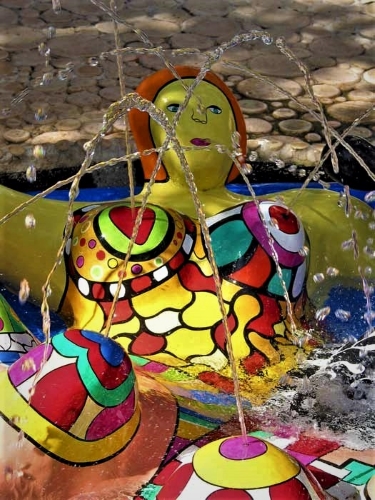
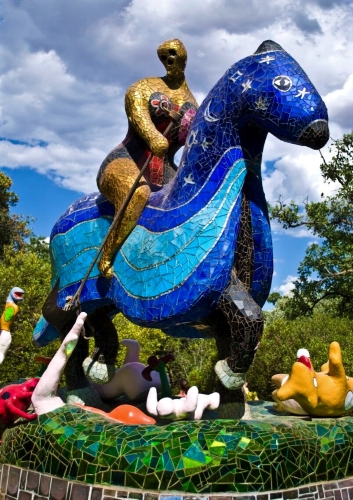
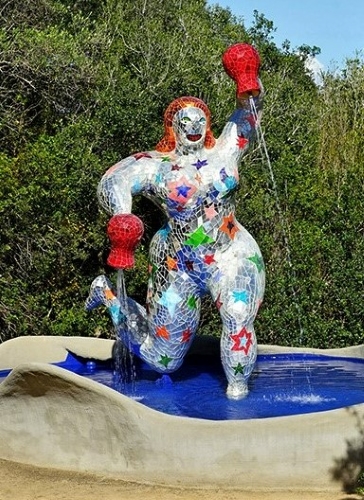
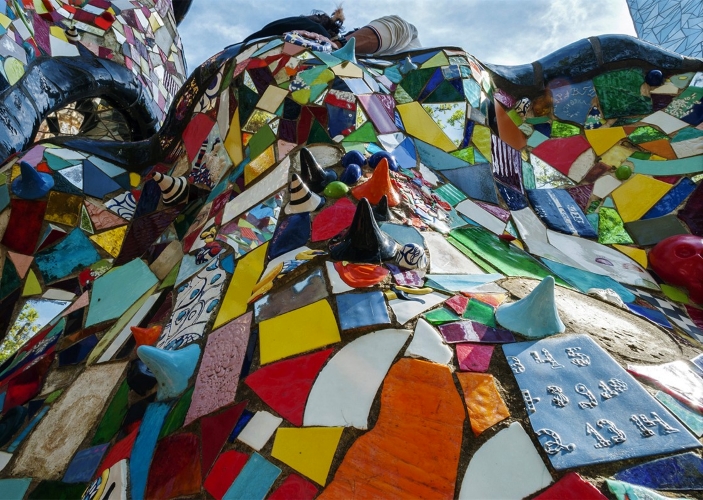
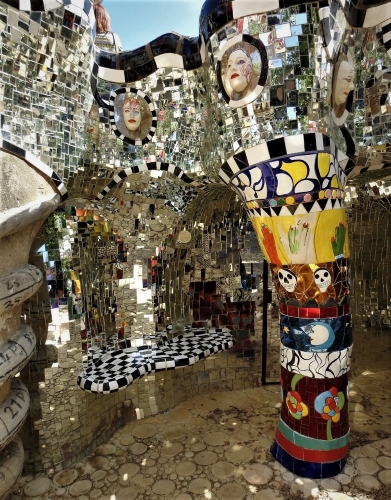
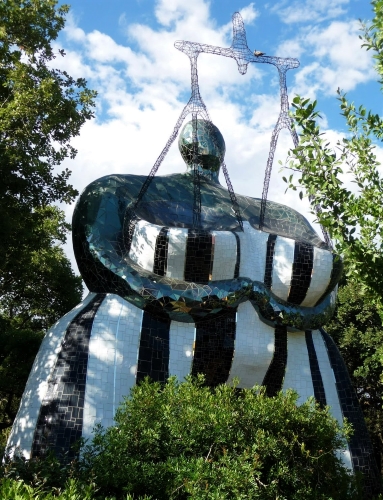
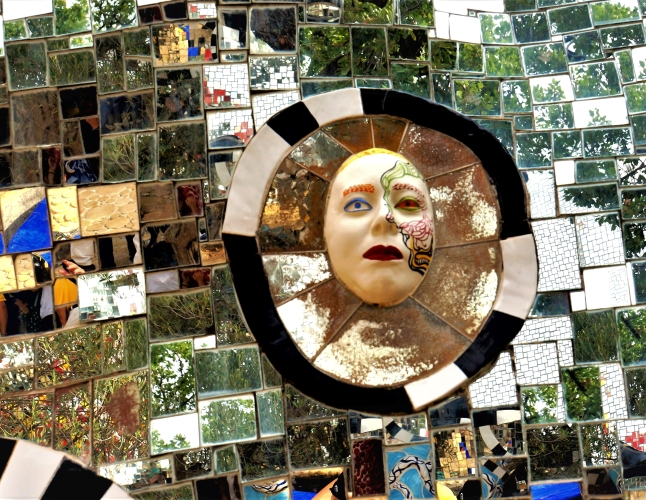
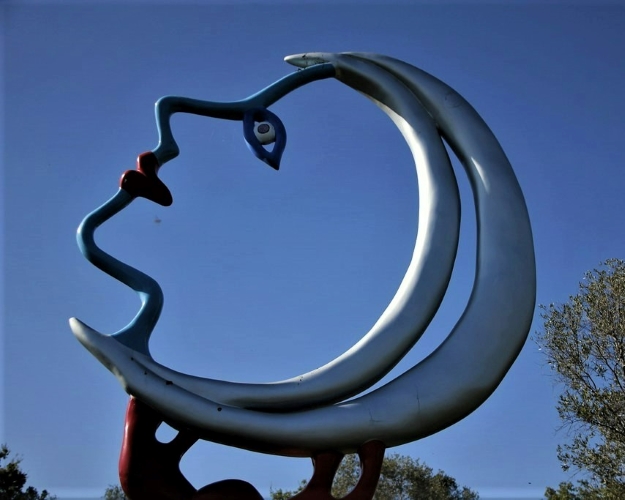
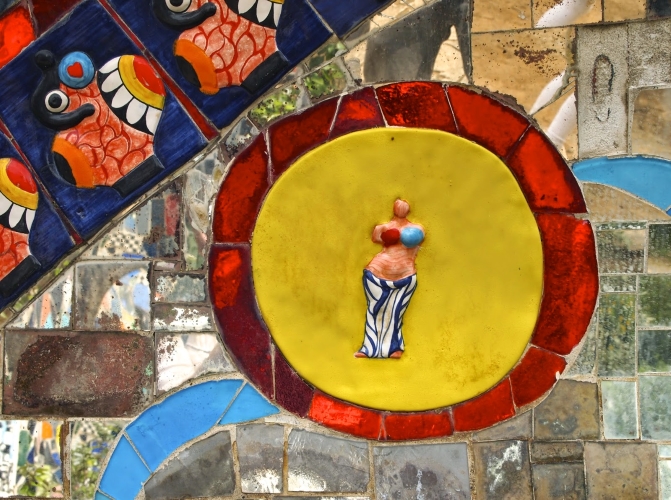
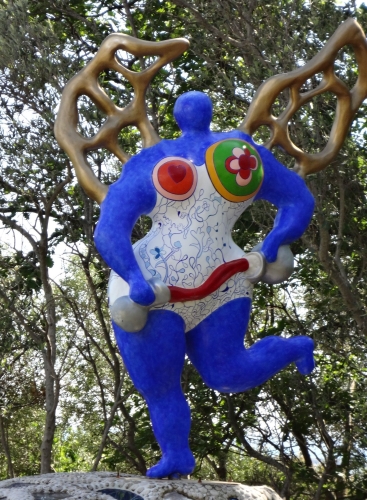
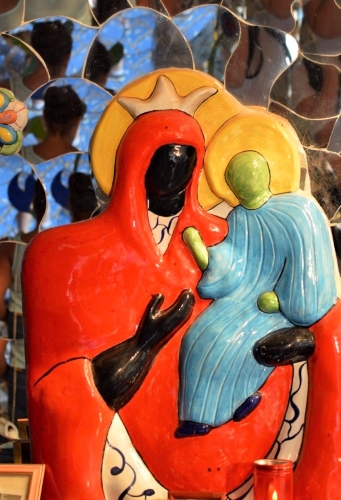
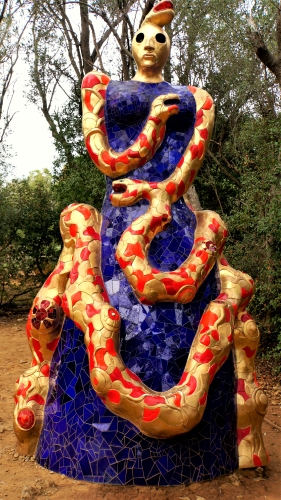
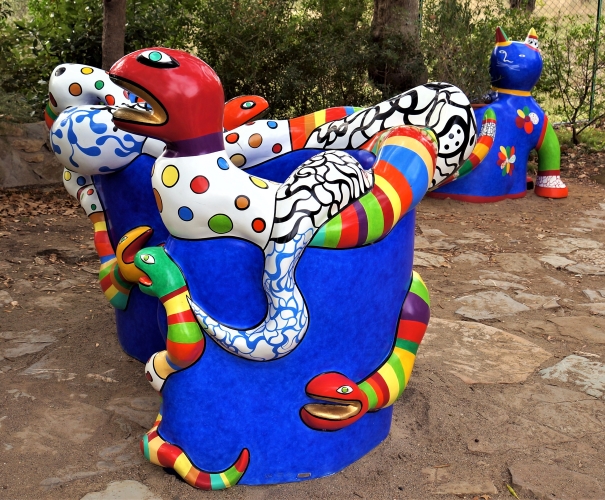
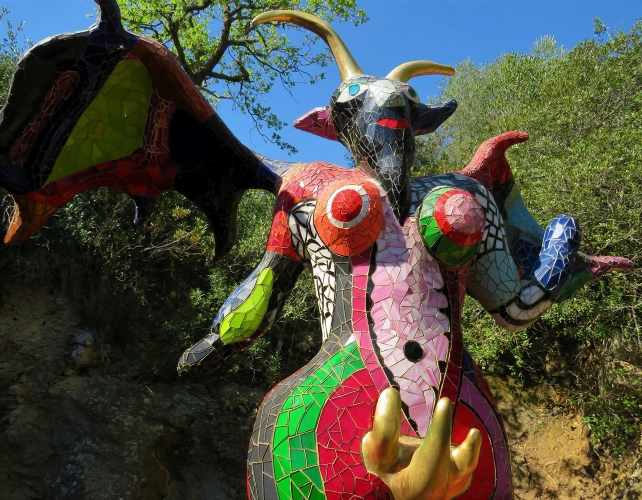
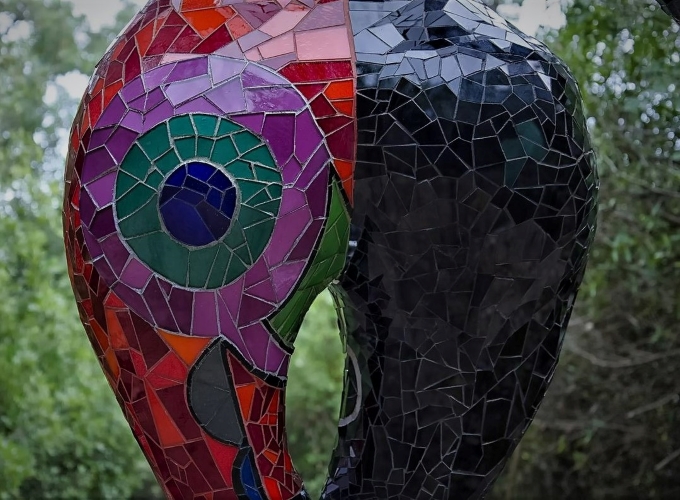
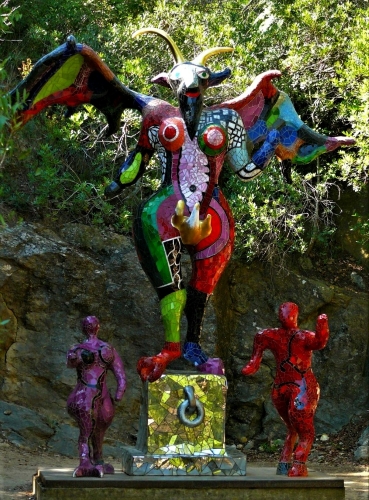
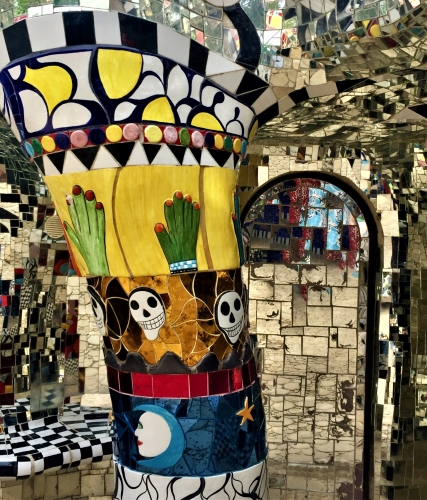
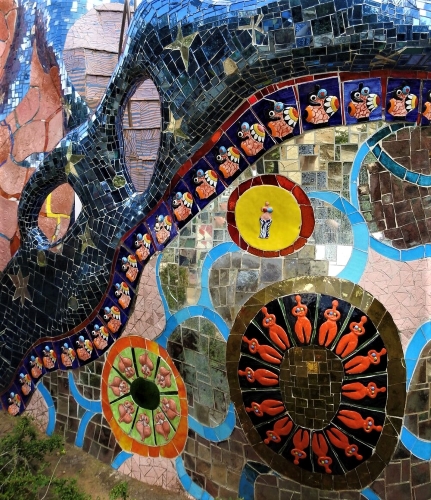
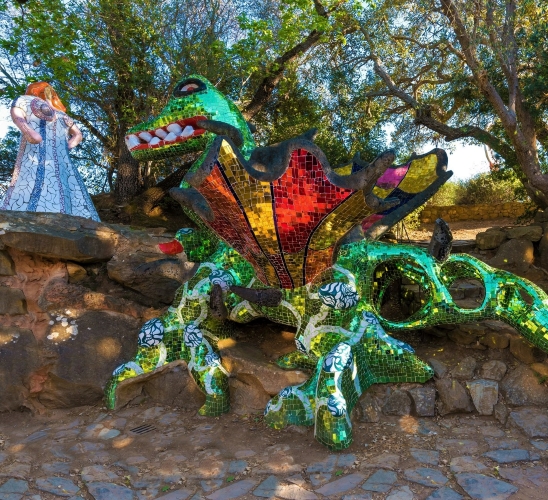
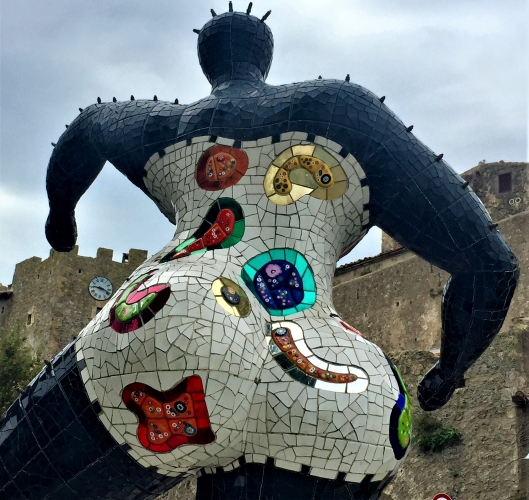
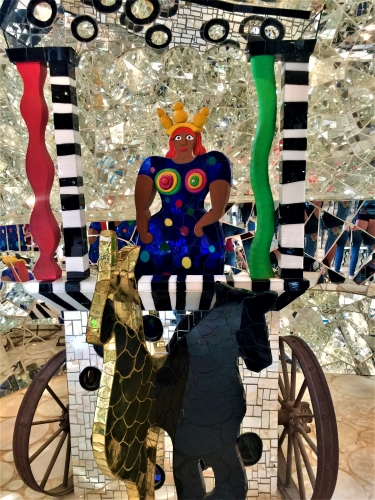
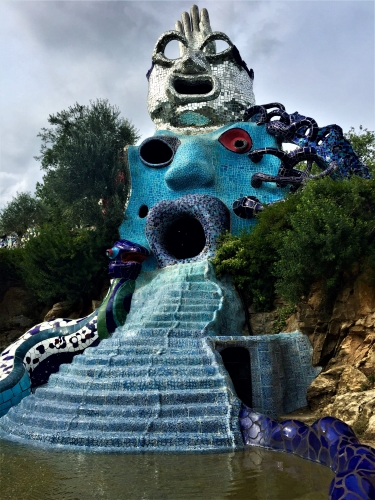
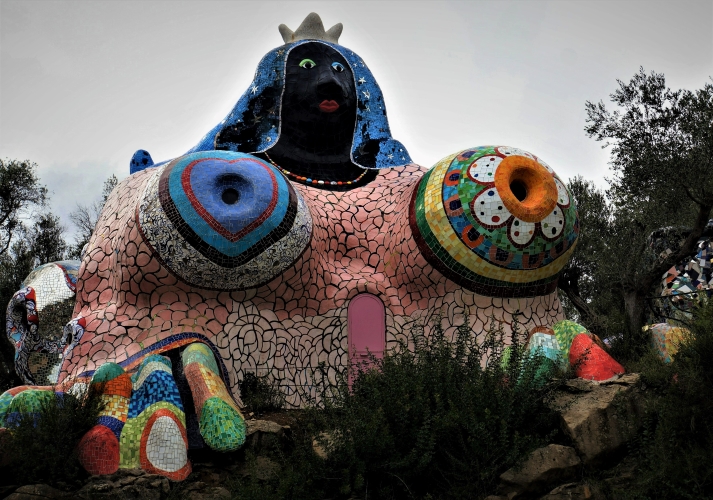
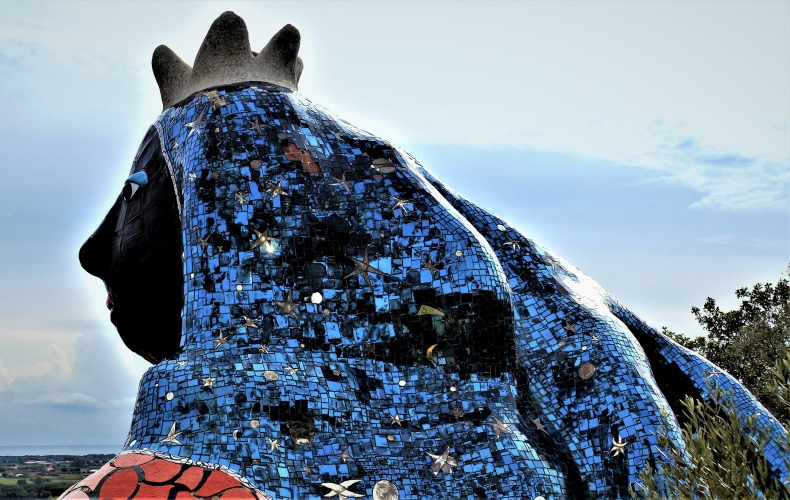
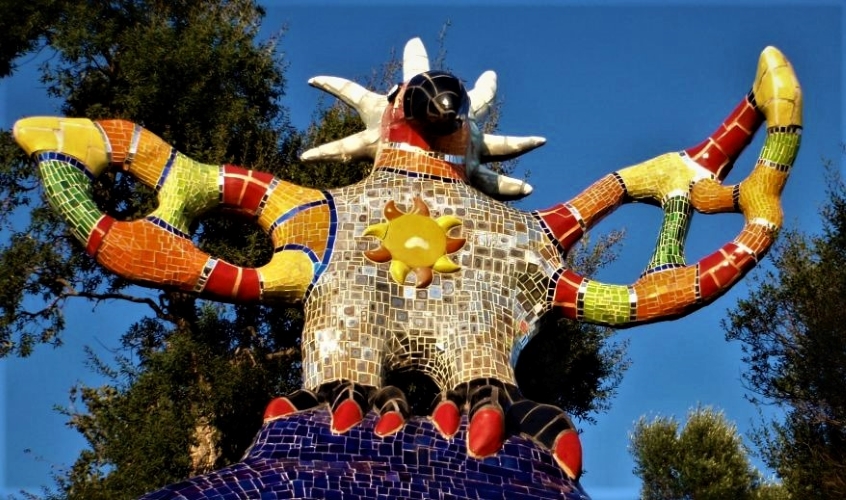
Not far from the fashionable harbor town of Porto Ercole on the Tuscan coast is the little known Giardino dei Tarocchi – The Tarot Garden – where, for an enchanting afternoon, you can experience a whimsical alternative reality. An enchanting modern sculpture garden beckons with a surrealist landscape of twenty-two vibrant, massive, fantastical, multicolored depictions of the Major Arcana depictions of the Major Arcana of the mystical and mythical Tarot cards
The garden is the public art masterwork born of the fertile imagination of self-taught French-American artist Niki de Saint Phalle. A vibrant celebration of feminism, the garden represents a beguiling fusion of pop, folk, outsider art and surrealism. A great lover of Italy, de Saint Phalle was granted the land to create her magical world after a chance encounter with Marcella Agnelli, sister of Fiat industrialist Gianni Agnelli. She began work in 1979 and the colossal project consumed nearly two decades of her life.
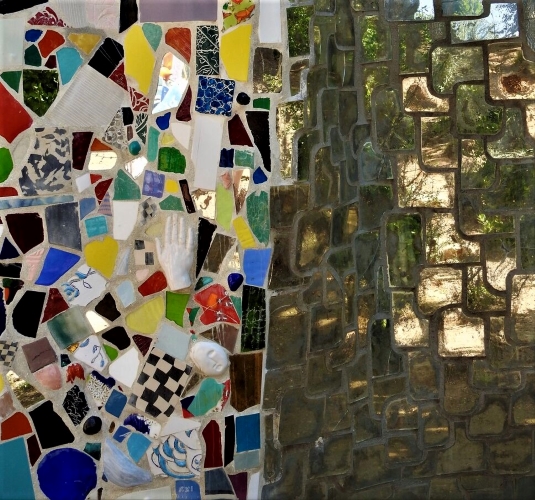
Fully immersed in personally designing and building the statues (most measuring between 39 and 49 feet tall), de Saint Phalle hand-painted and decorated each with ornately detailed mirrors, mosaics, multi-colored ceramics and Murano glass, creating a kaleidoscope of colors, textures and shapes. The garden’s largest sculpture is of the Empress, symbolizing the great mother archetype as voluptuous woman-sphinx. An enormous hollow shell, its interior served as de Saint Phalle’s home while she worked on the garden. One of the figure’s breasts housed a lavishly-embellished living, dining and kitchen area and the other, a bedroom and bath.
Throughout the project’s lifespan, the artist enlisted a group of skilled collaborators in her “garden of joy.” Chief among those was her husband, Jean Tinguely, whose mechanical skills helped motorize and breathe life into several of the garden’s features and monumental sculptures. But the overall phantasmagorical design could ultimately be the brainchild of only one supremely gifted individual.
In Giardino dei Tarocchi, a visitor can not only admire the art but interact with it, whether climbing the Tower or playing the Wheel of Fortune. Niki de Saint Phalle meant for her Eden-on-earth to be touched and enjoyed by adults and children alike with all their senses . . . an evocation of – but also a brief respite from – the lifelong game of chance that is the story of the tarot.


Copyright - Postcards from the Boot.