
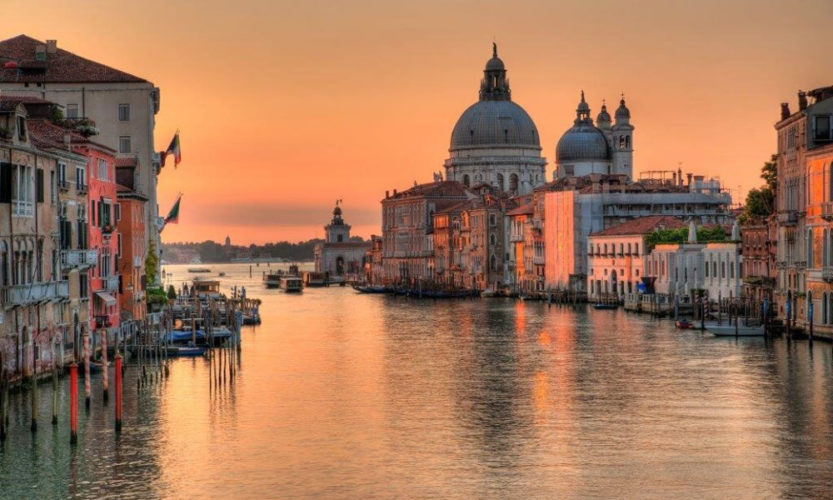
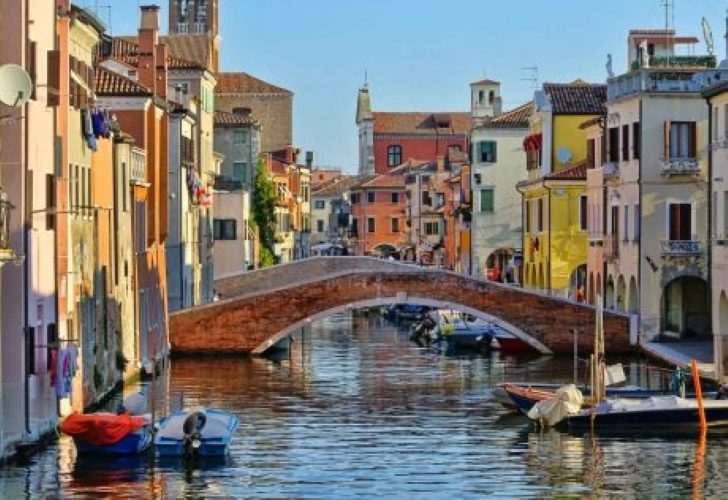
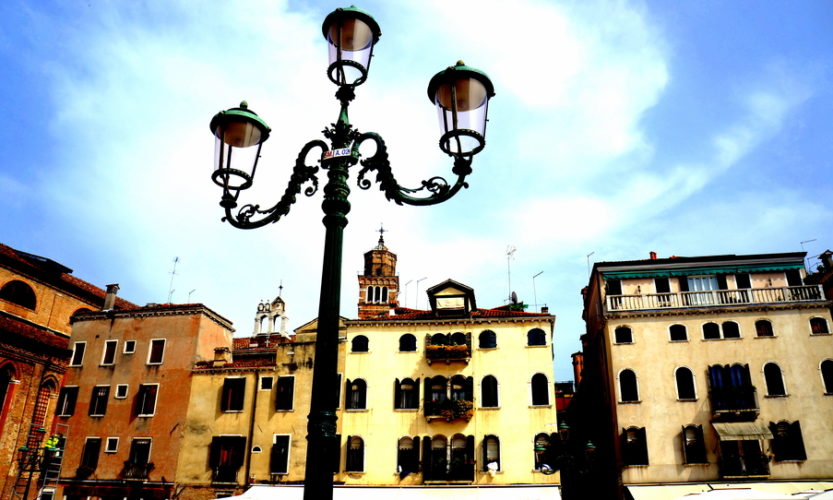
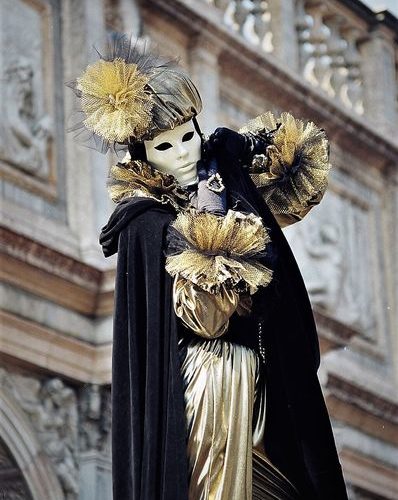
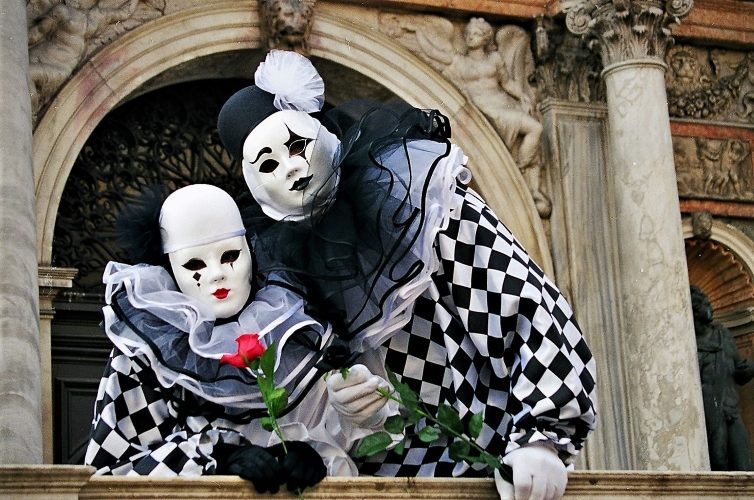
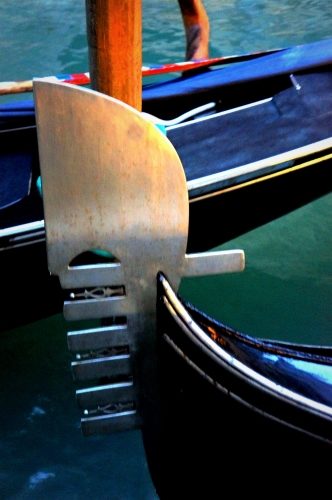
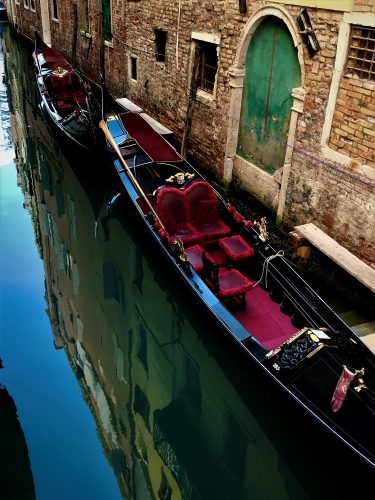
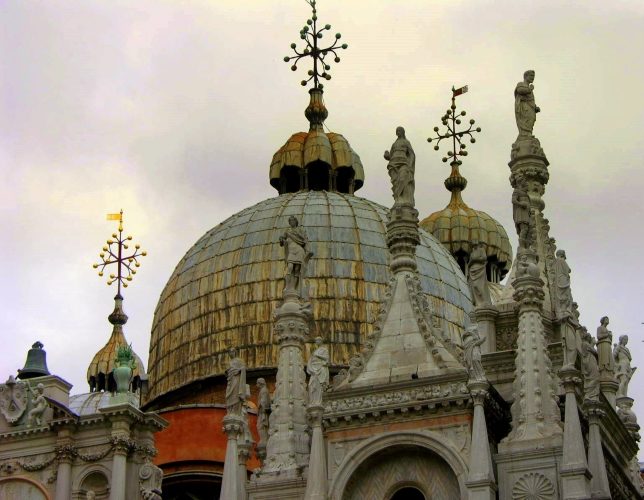
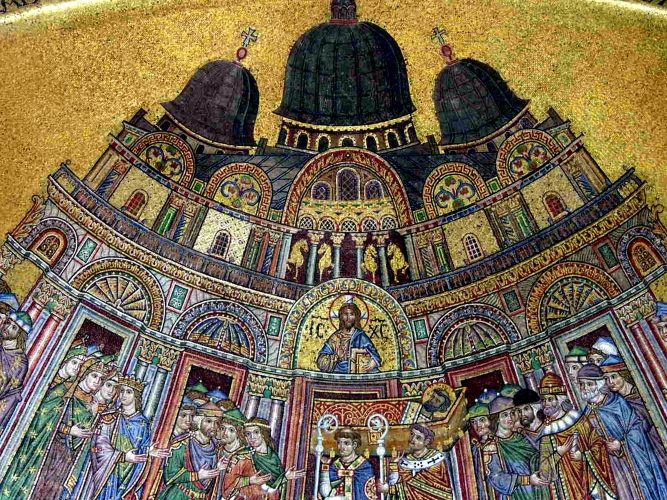
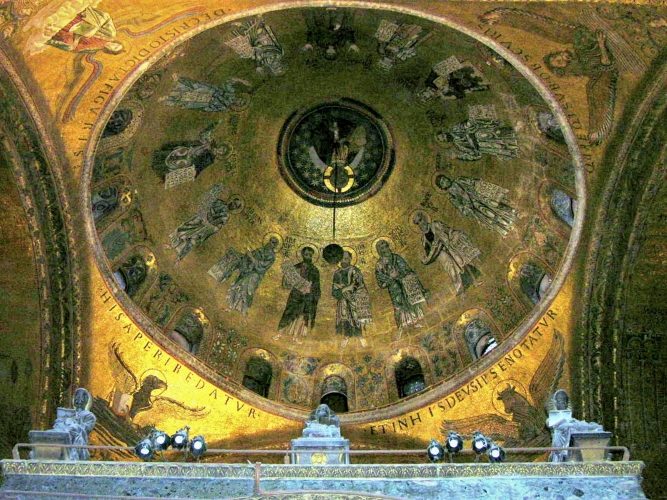
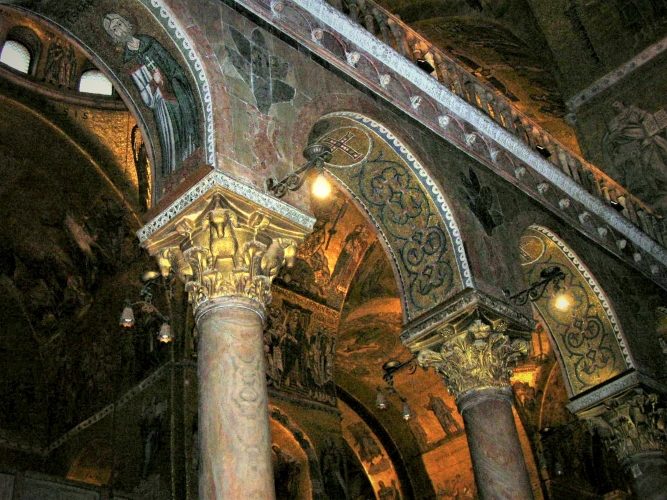
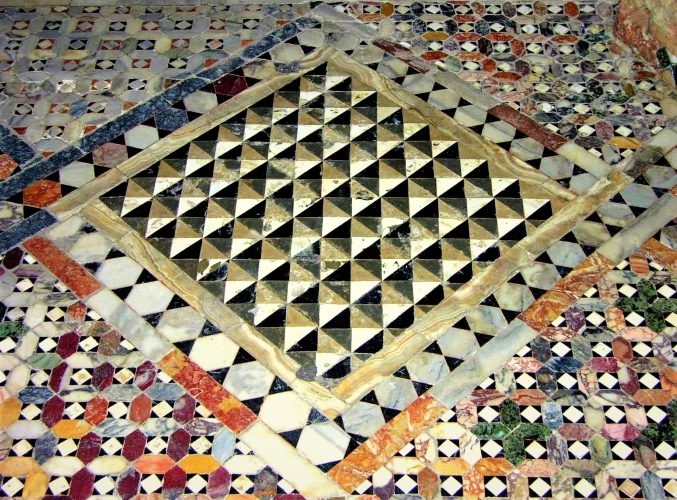
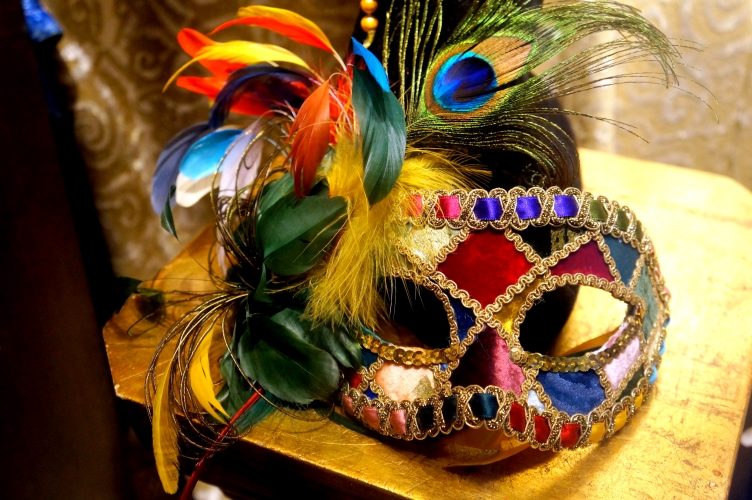
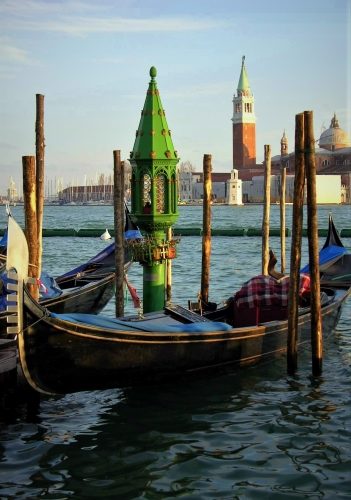
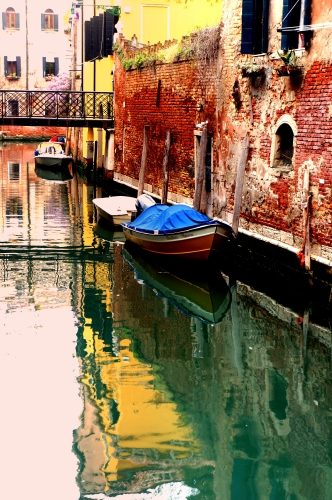
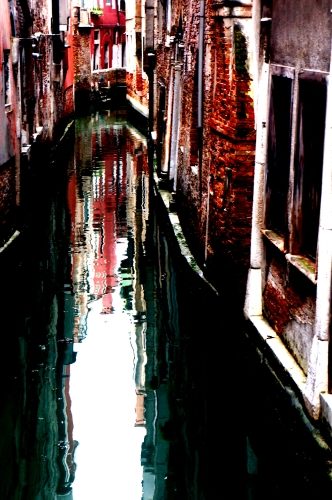
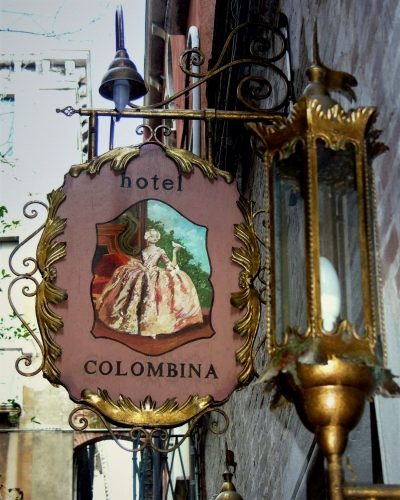
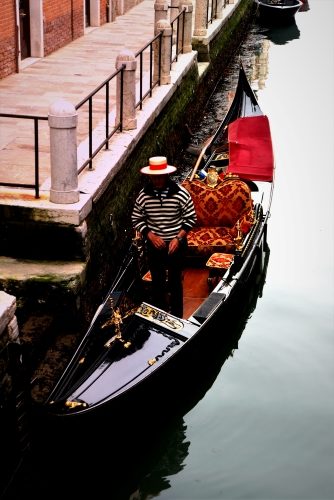
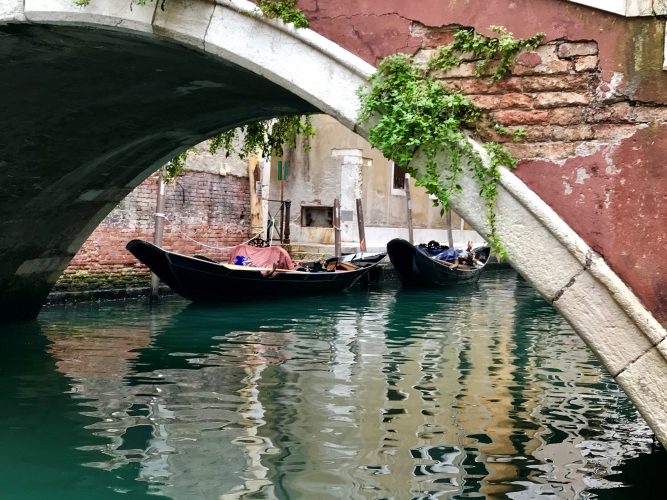
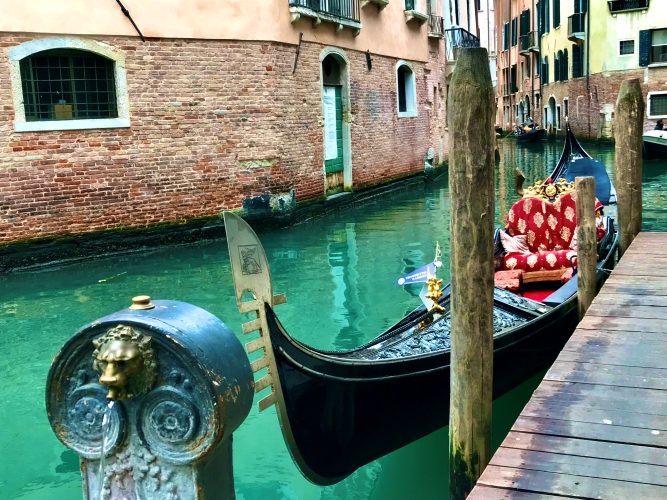
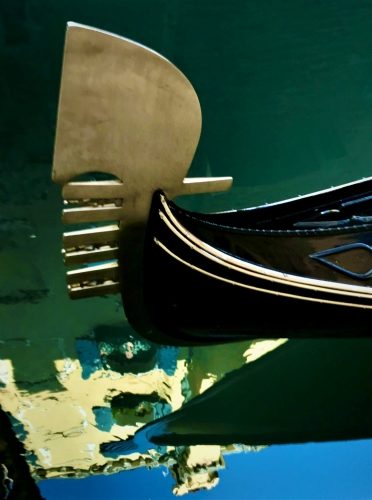
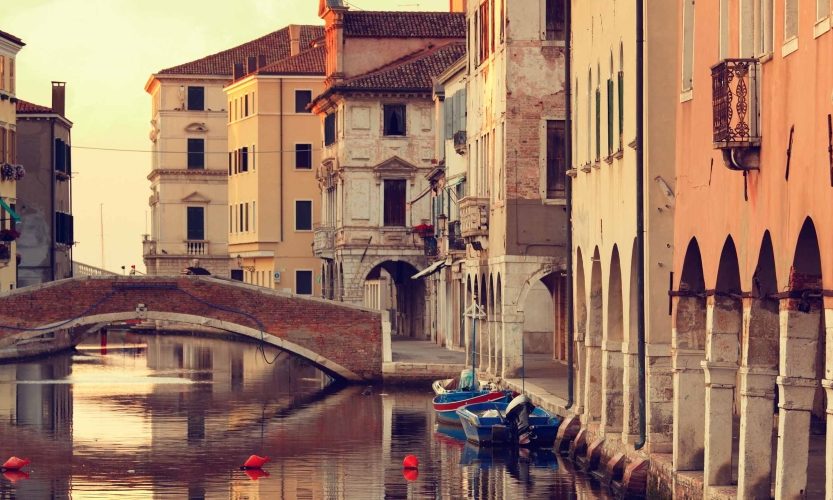
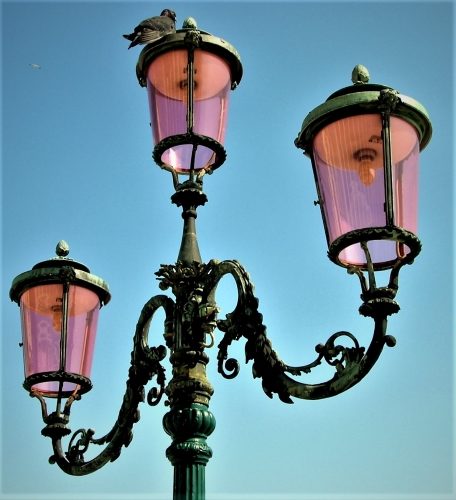
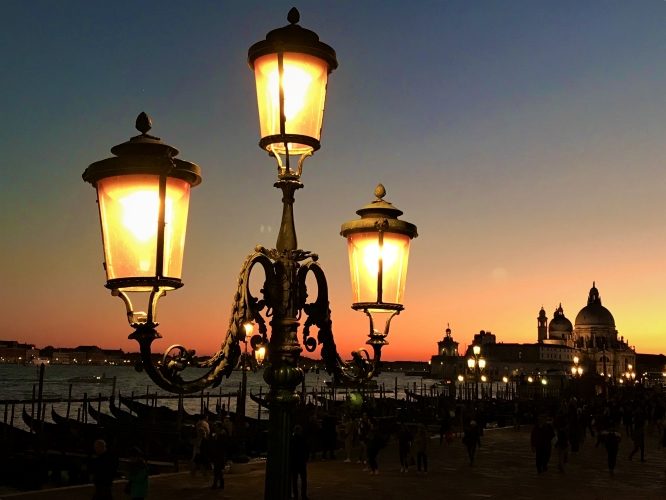
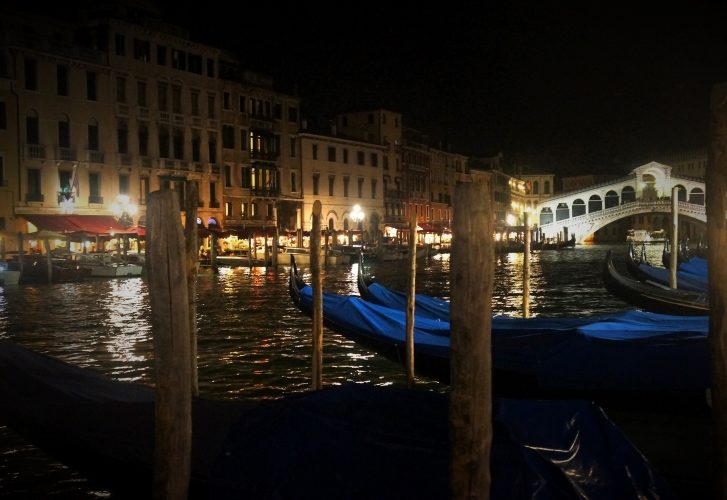
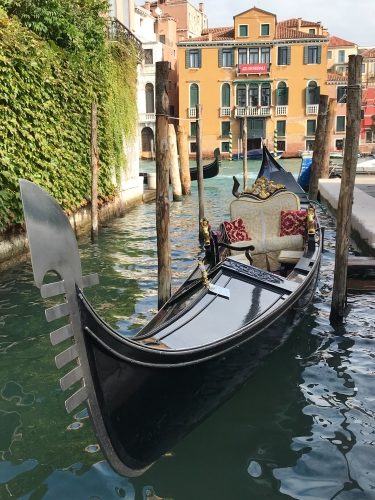
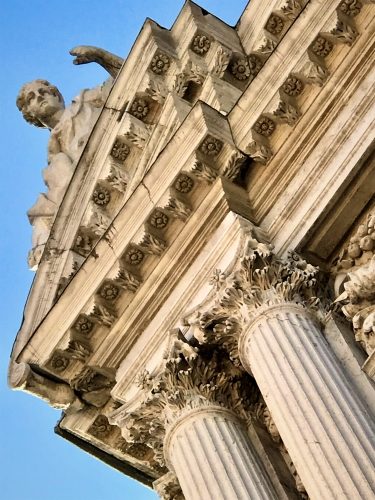
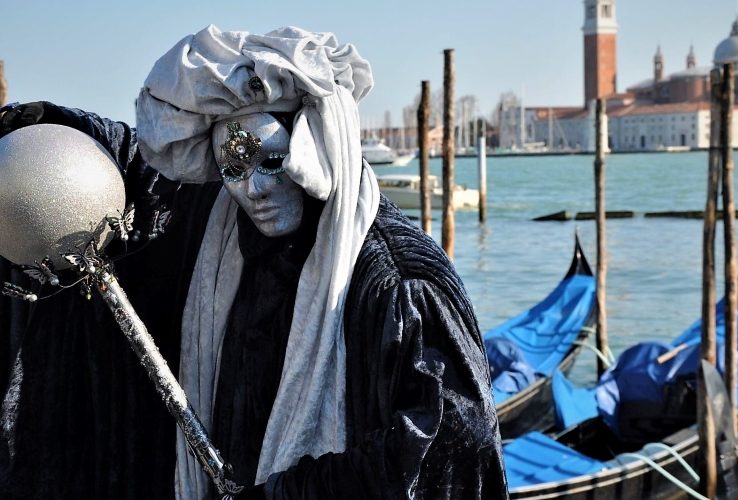
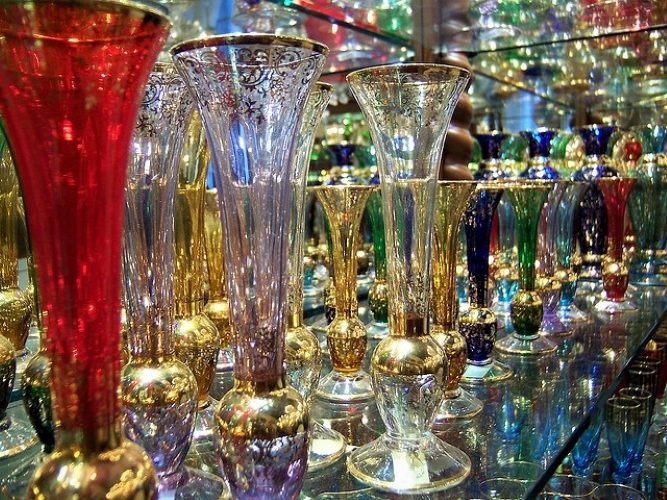
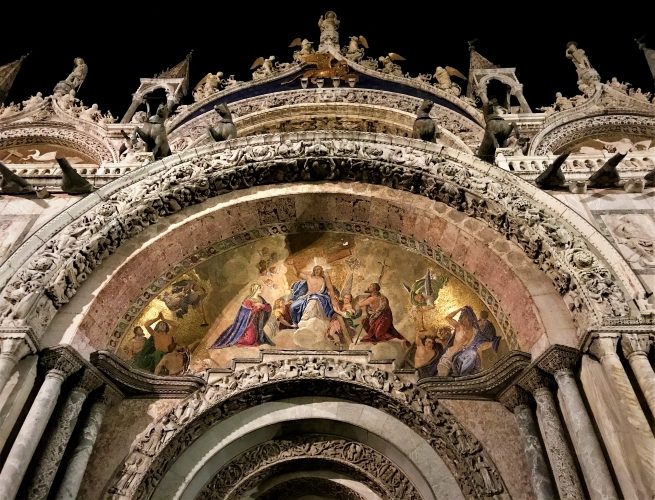
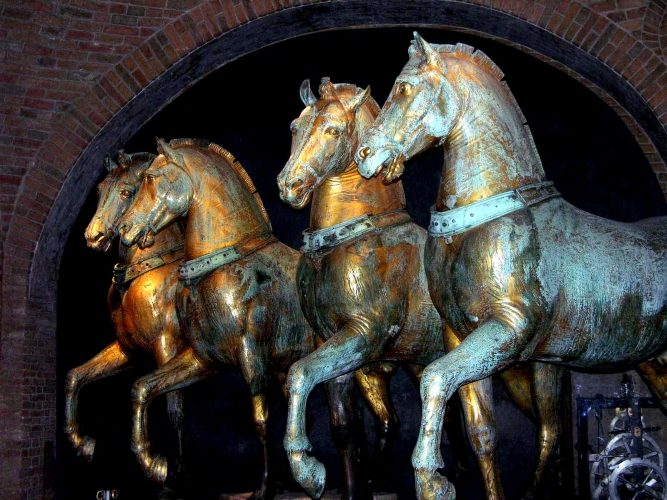
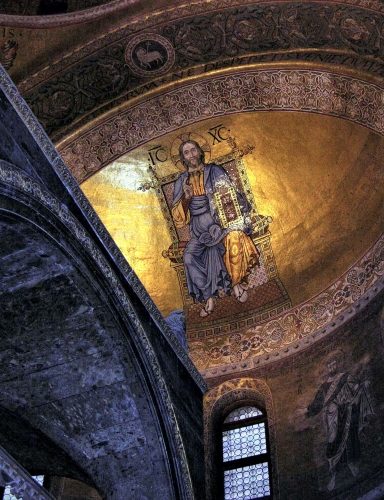
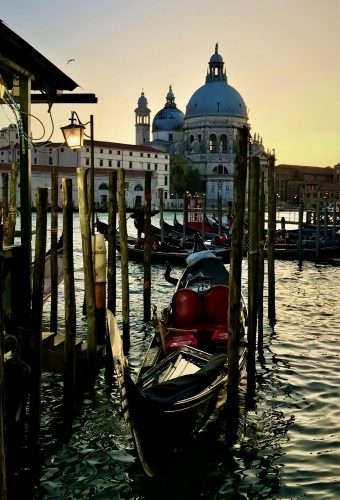
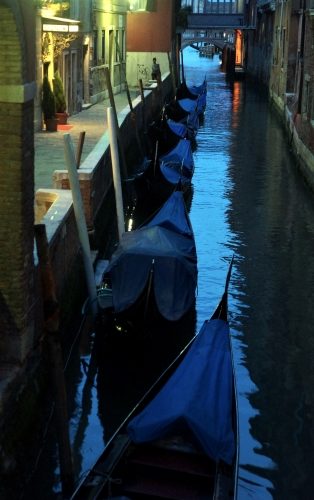
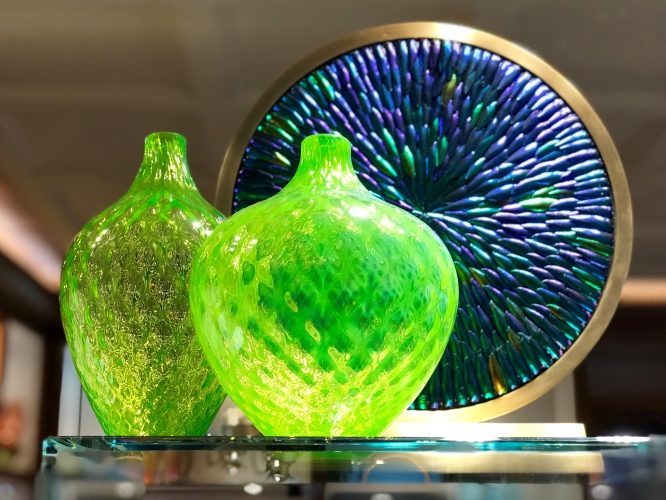
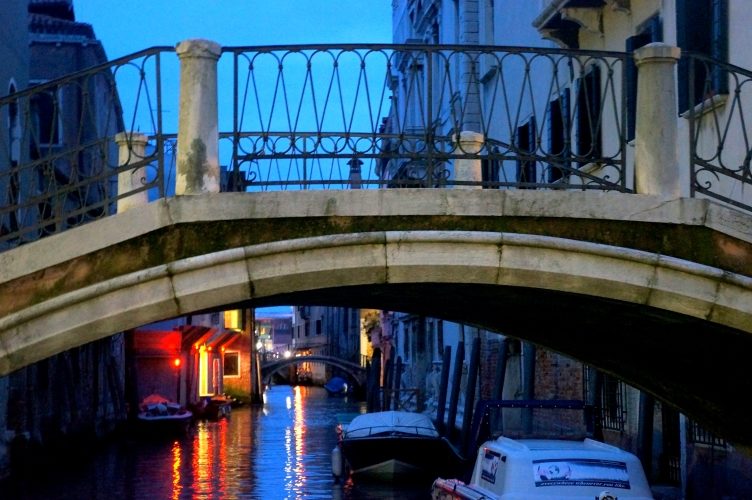
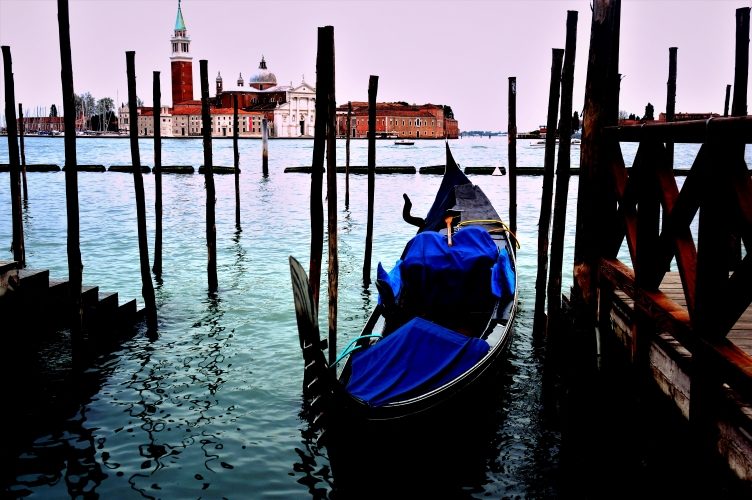
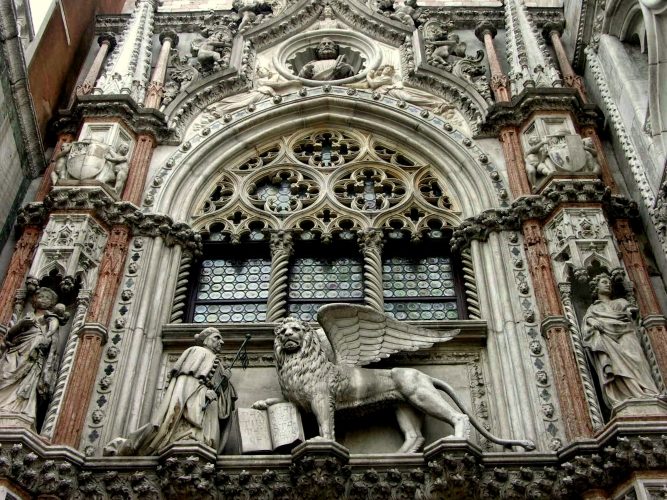
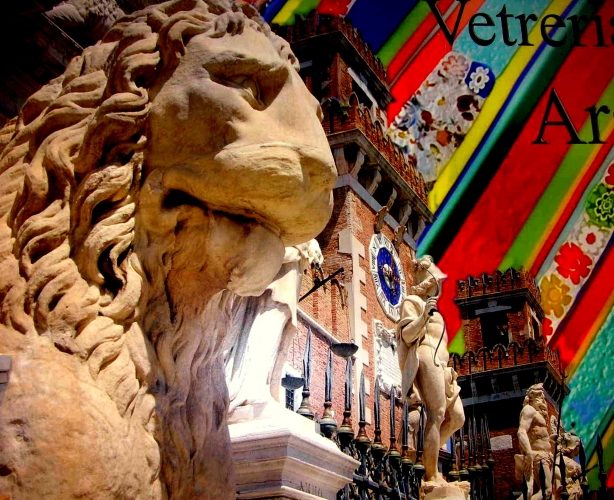
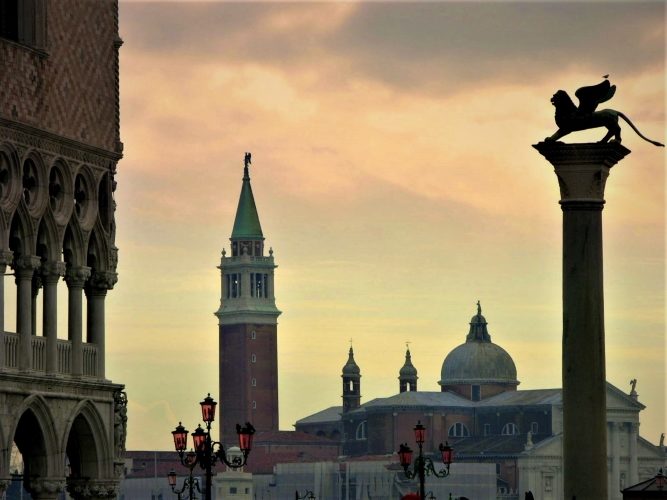
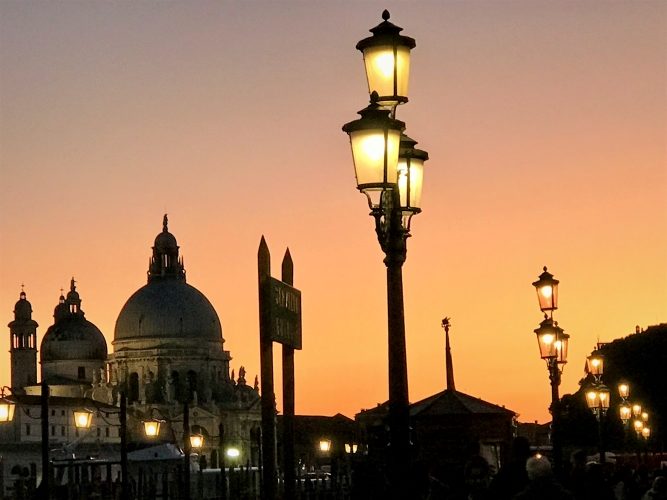
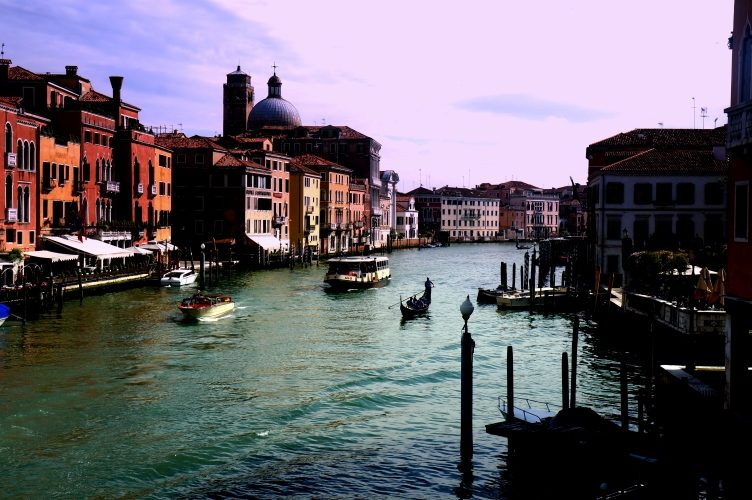
An elegant gondola with its striped-shirt gondolier plying one of Venice’s 177 canals, silently gliding beneath one of its 450 stone bridges. Extravagant carnival masks … simultaneously concealing their wearers’ identities and projecting fantasies. Blown glass … dizzying bouquets of translucent color magically forged from sand. Or, perhaps that architectural confection that feels more like an imagined Xanadu than an inhabited city. No other place on the planet conjures such images! The novelist Thomas Mann called Venice “the most improbable of cities” … and all on a piece of real estate just two times the size of Central Park.
La Serenissima, long may you float. The world’s prayers are with you.
Please donate to SaveVenice.org
To subscribe to Postcards from the Boot, click here

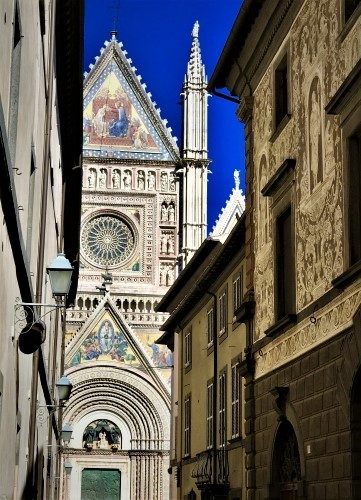
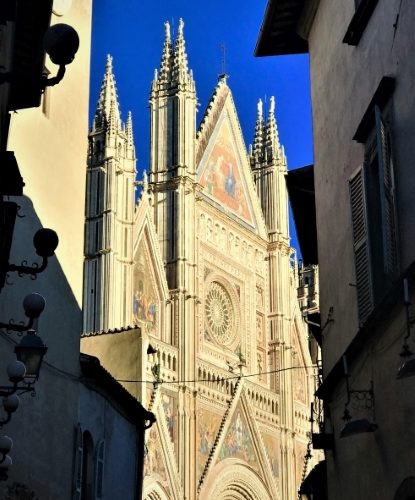
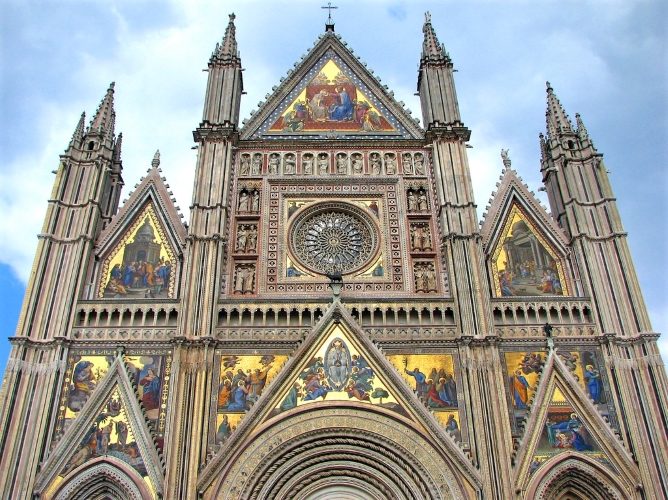
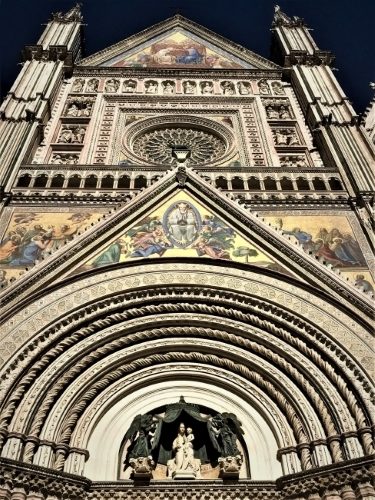
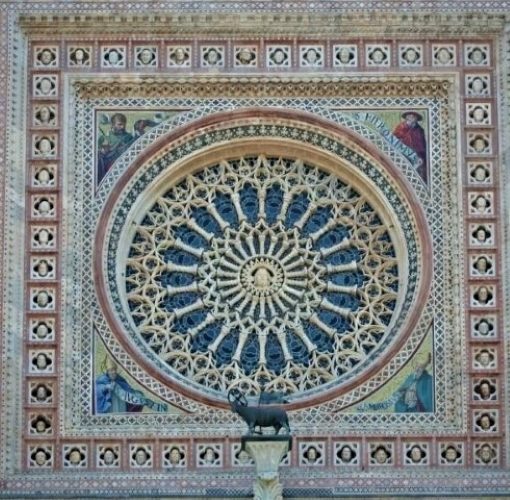
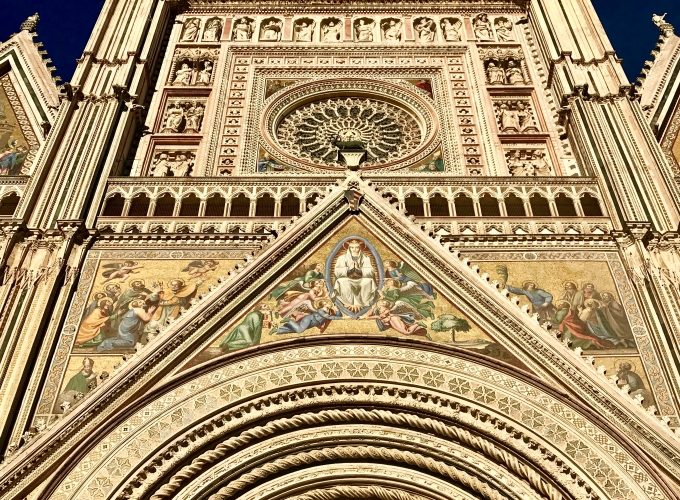
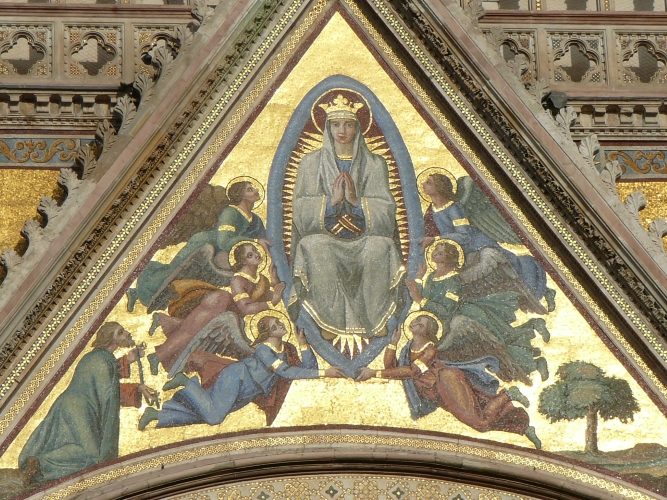
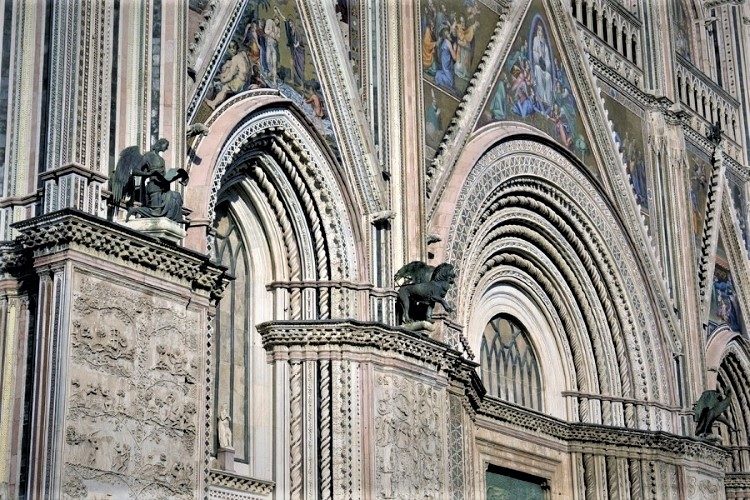
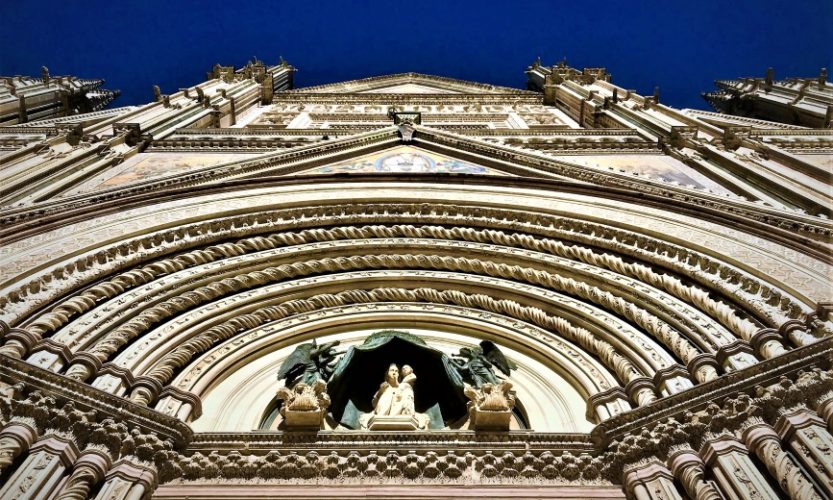
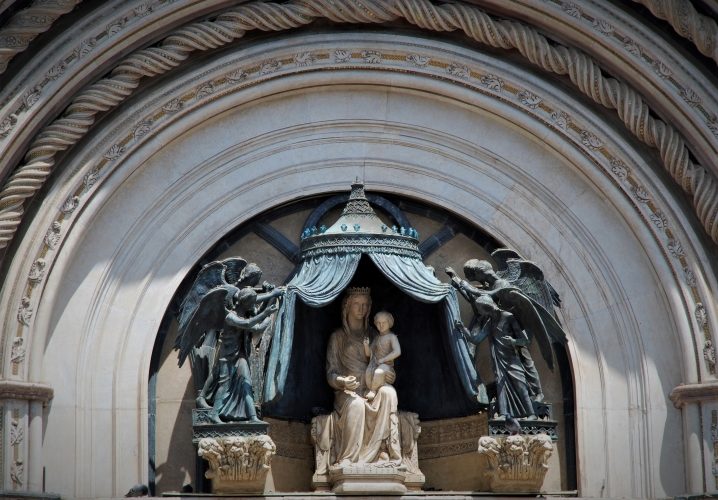
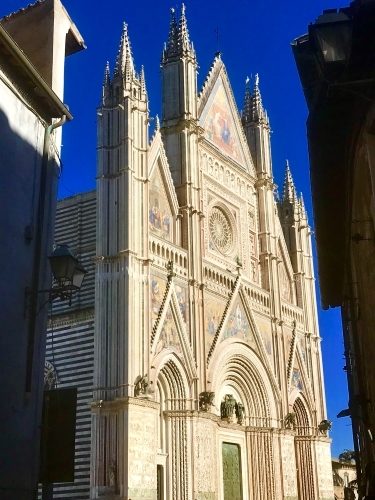
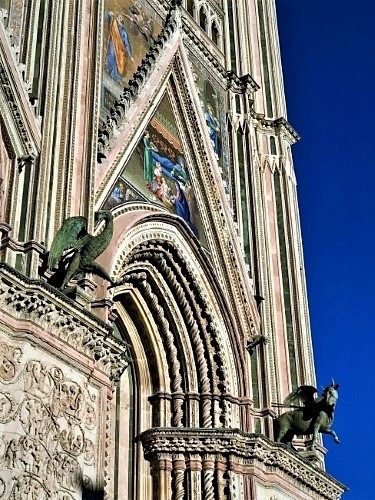
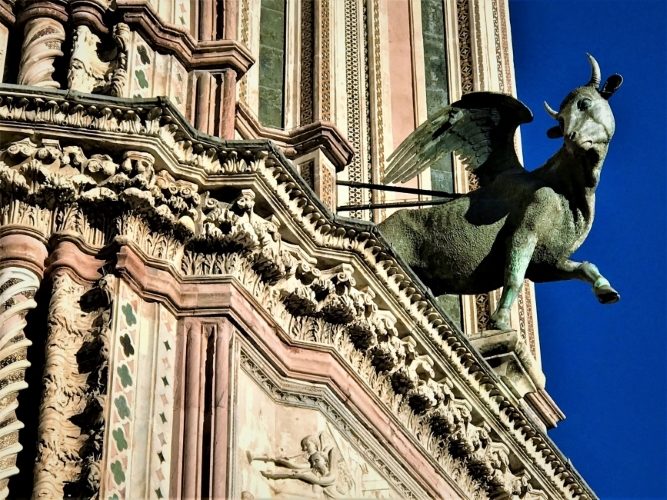
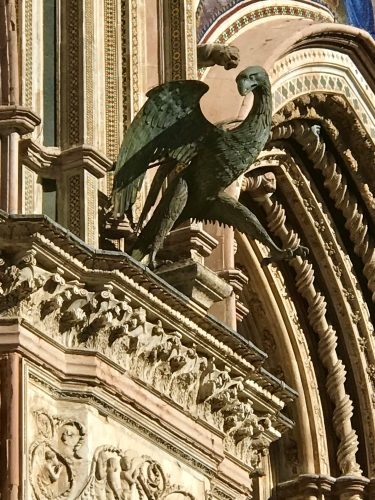
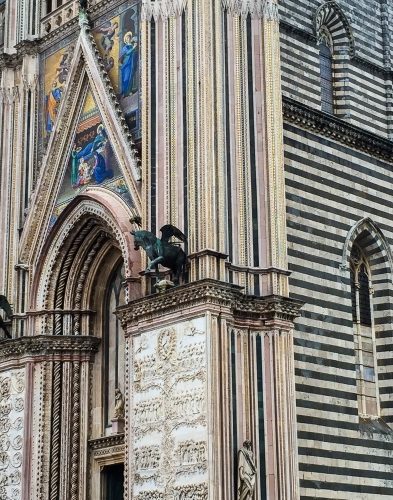
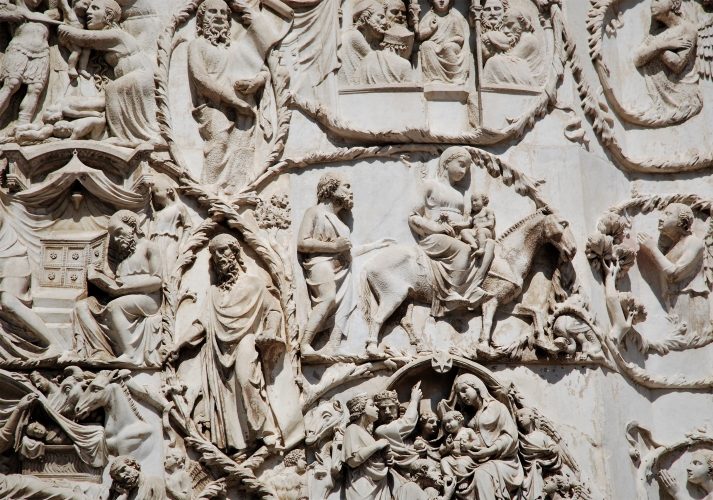
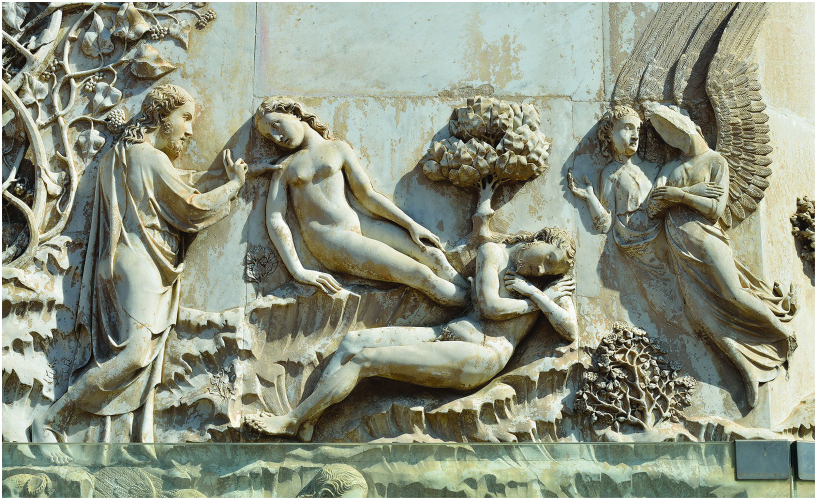
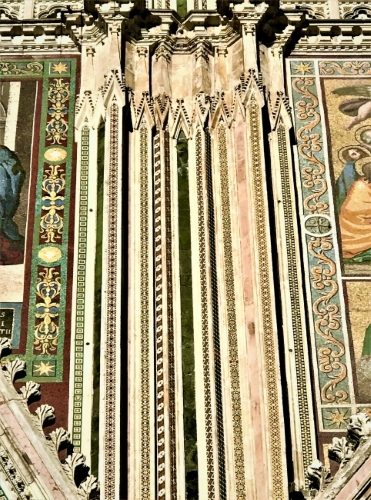
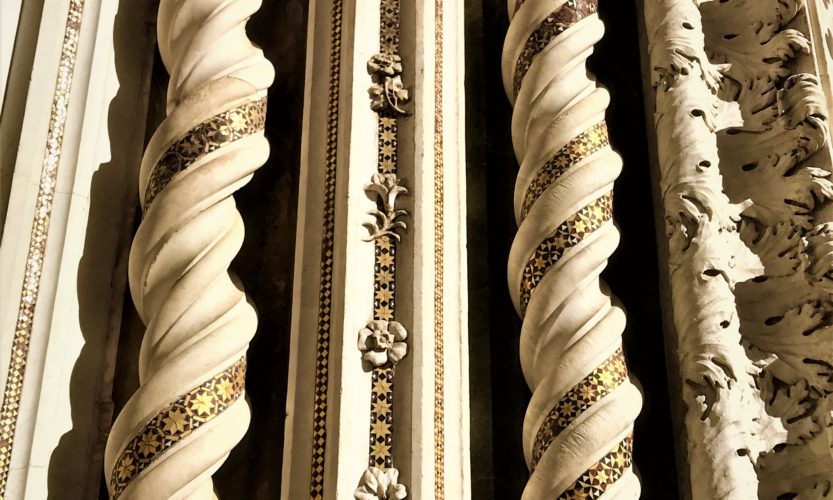
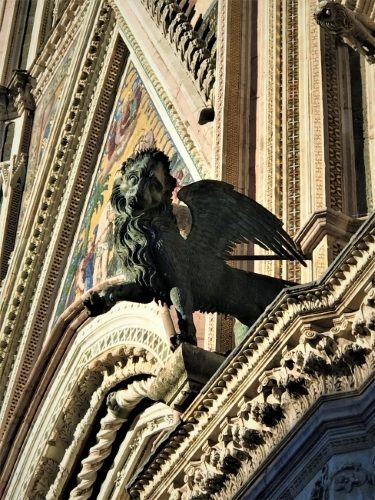
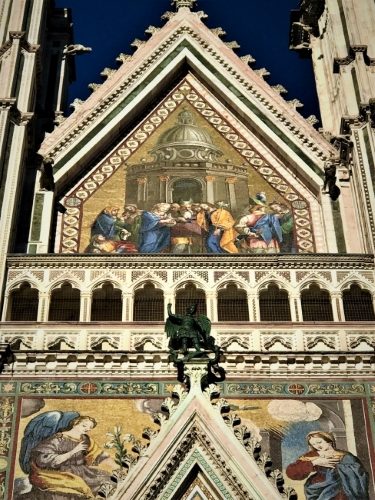
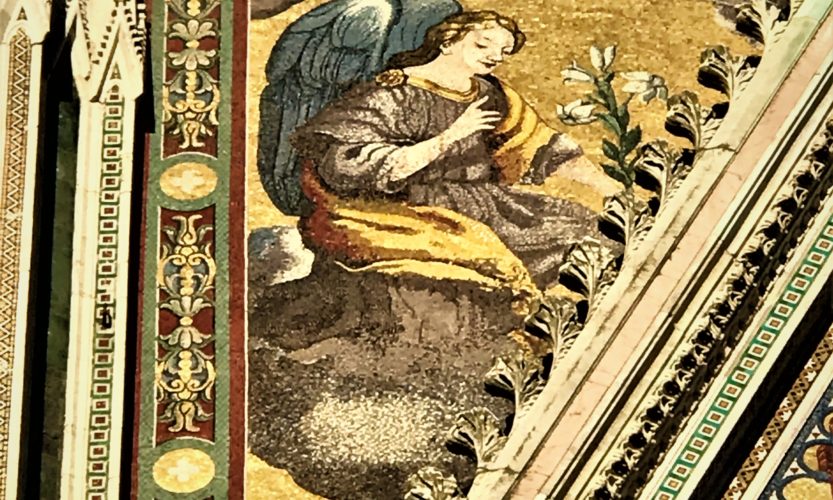
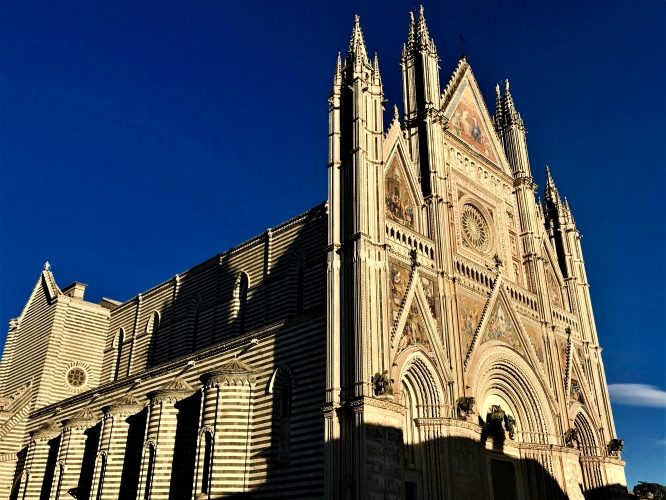
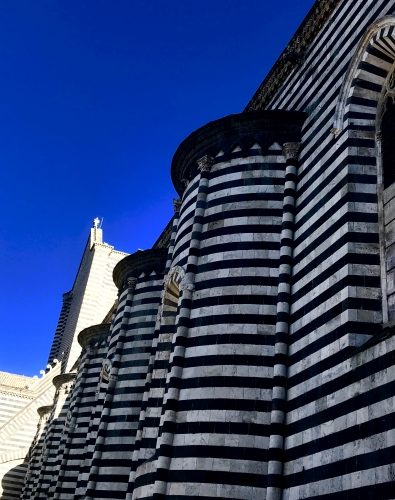
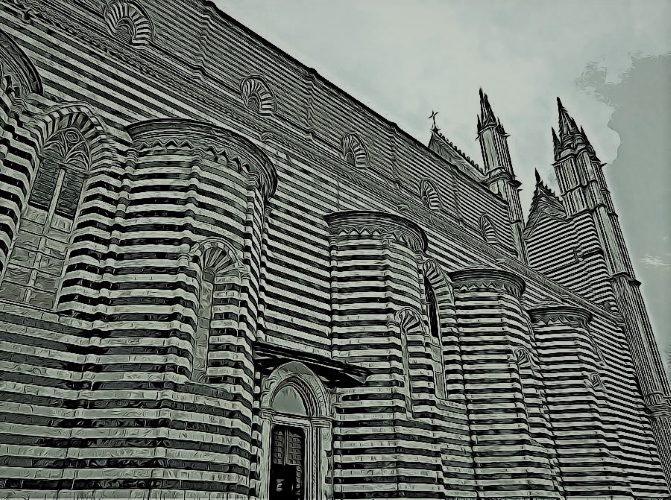

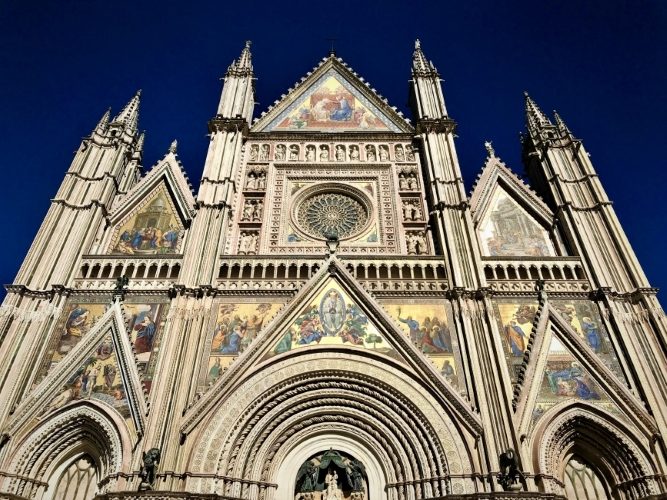
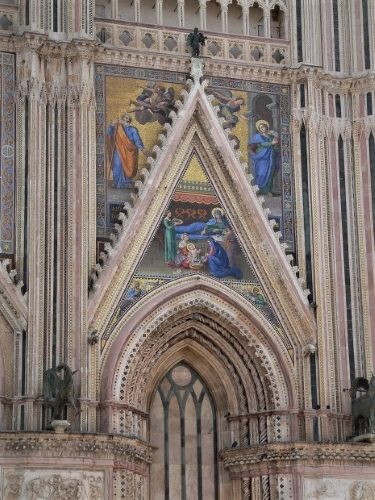
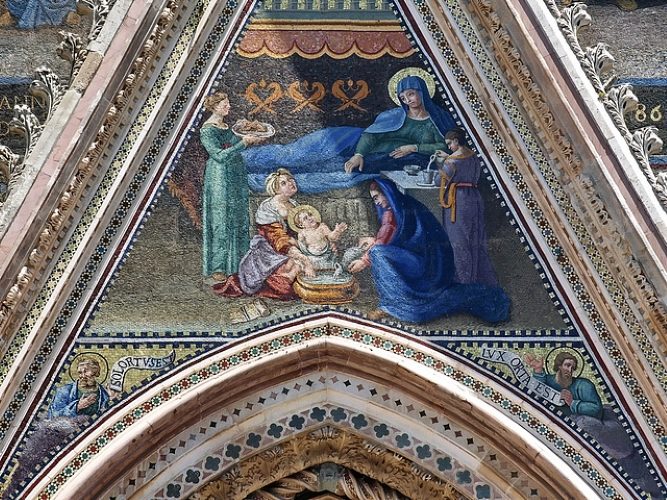
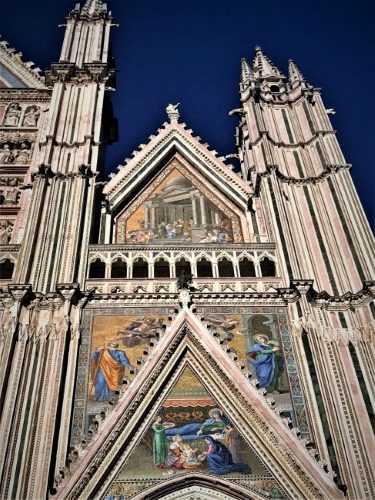
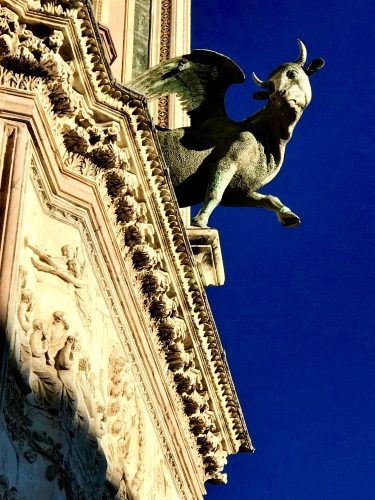
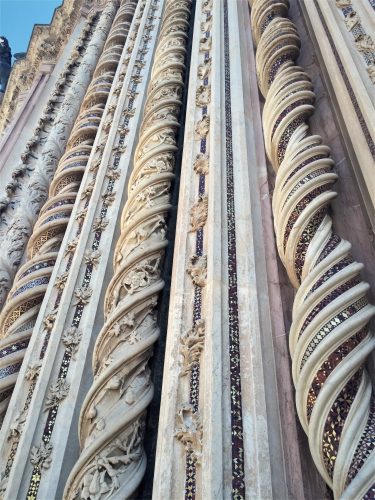
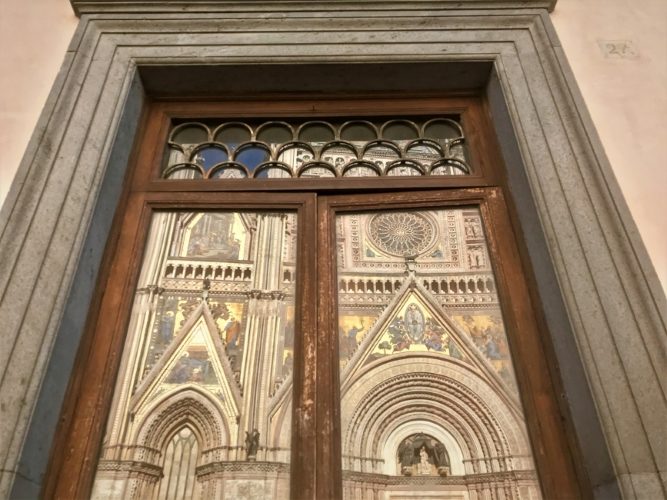
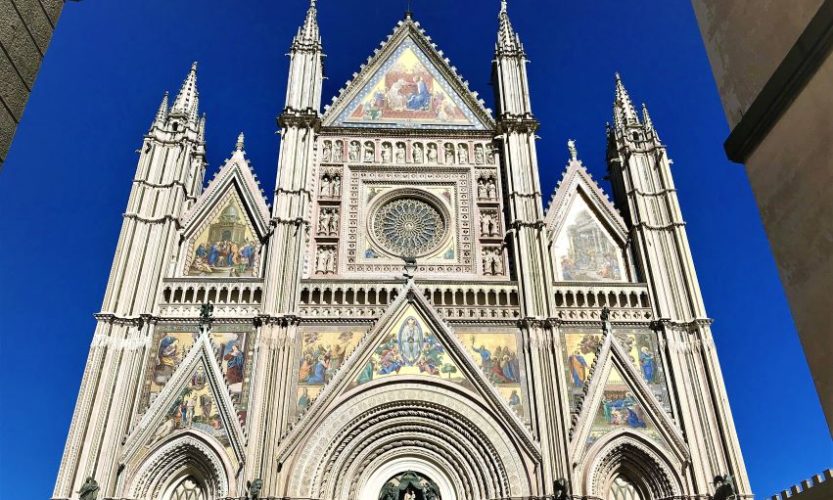
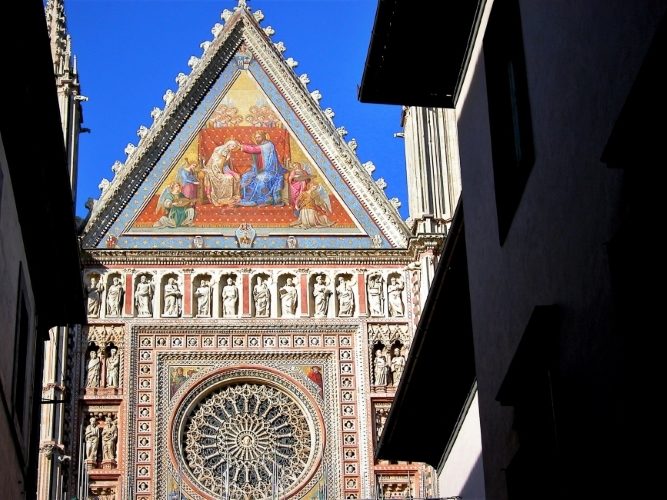
Orvieto’s cathedral doesn’t have the global profile of Saint Peter’s in Rome, Saint Mark’s in Venice or the Duomo in Florence, and if the Catholic church were to do a survey of Italy’s most glorious churches it might even trail Milan’s cathedral or Siena’s stunner. But if you arrive in Orvieto on a blue-skied day and stroll up Via Nebbia, then turn the corner with all the tourist signs and cast your gaze heavenward, there’s a good chance that you’ll forget all the others, at least for a while. There before you is the Duomo, in all its grand Gothic glory. Construction began in 1290 but wasn’t completed until three hundred years later, and by that time, according to one historian’s count, it had become the collaborative product of 33 architects, 152 sculptors, 68 painters and 90 mosaic artisans.
Art historian Jacob Burckhardt called the Duomo “the greatest and richest polychrome monument in the world.” Pope Leo XIII suggested that on Judgment Day the Duomo’s beauty would levitate it straight to heaven … I think so too!



Copyright - Postcards from the Boot.