In celebration of International Women’s Month, today’s Postcards features several trailblazing “Renaissance” women of consequence in Italian culture from Roman antiquity to modern times.
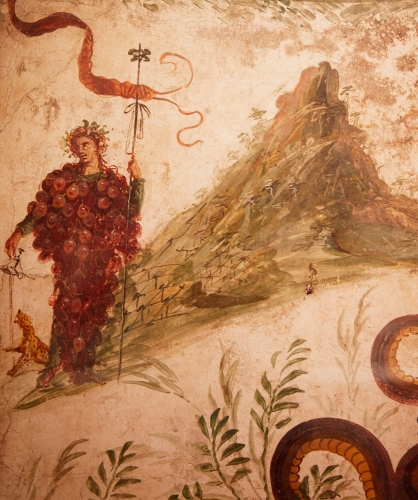
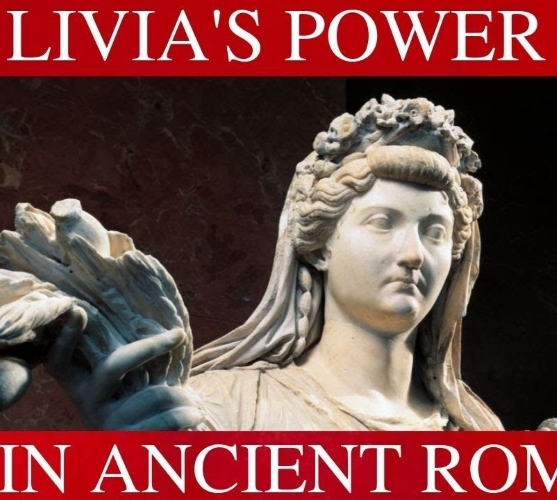
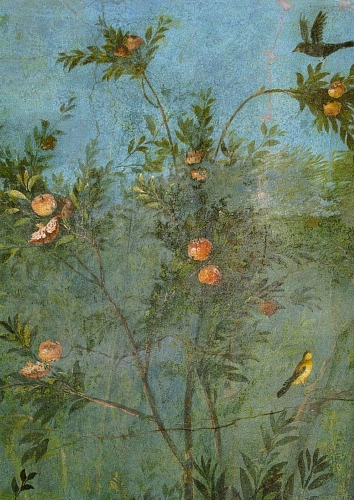
Livia Drusilla, The First “First Lady of Rome” – Arguably the most powerful woman of all Antiquity, Livia was the wife of the first Roman emperor, Augustus. Livia was considered a model of womanly decorum, but also so much more. Beloved by the people, she acted as Augustus’ most trusted confidant and best counselor. Living well into her 80s, Livia received many honors during her lifetime and, after death, was the only woman to be deified for her service to Rome. Livia had considerable personal wealth and the freedom to manage her own affairs. She owned many properties. including a house on the Palatine Hill in Rome, commonly known as the “House of Livia.” Below is a section of an ethereal frescoed room, originally subterranean and often referred to as “Livia’s Garden,” which you can now see at Palazzo Massimo (Rome’s archaeological museum).
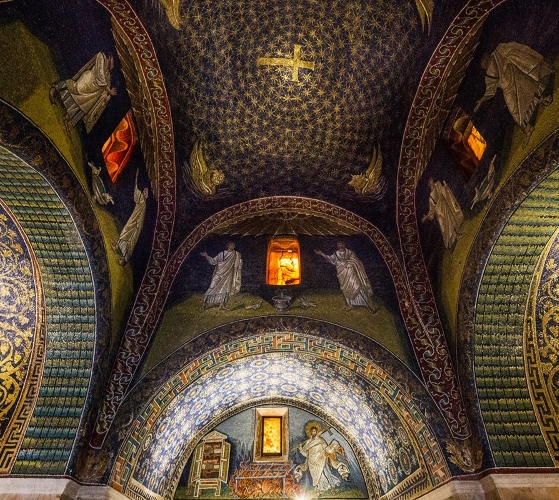
Galla Placidia – Galla Placidia led an amazingly adventurous life. She was a hostage for years and was married twice: first to a Gothic king, then to Rome’s most powerful general. Galla had one child who died, and another who became emperor. She ruled the Western Roman Empire for nearly a decade as regent until her son came of age. Galla was considered a fair and courageous empress and the last significant ruler of the Western Empire. Governing from Ravenna, Galla was responsible for the construction of important buildings there that today enjoy UNESCO World Heritage Site status. Pictured below is the dazzling mosaic interior of a building known as the Mausoleum of Galla Placidia.
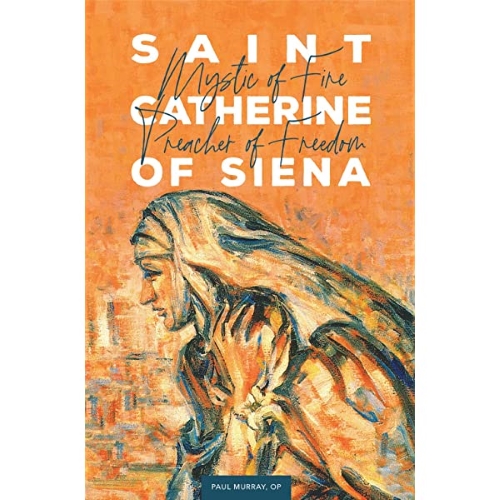
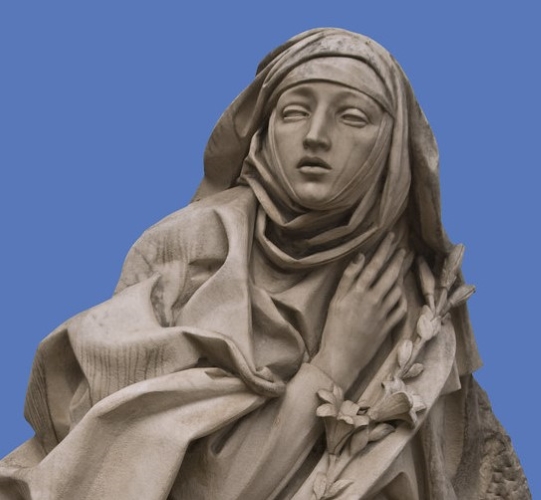
Saint Catherine of Siena – The 24th of twenty-five children, St. Catherine was a charismatic speaker, writer and overall change agent, wielding the Word much as Joan of Arc wielded the sword. She worked tirelessly to help the sick and the poor and was influential in helping to end the papal schism and return the papacy from Avignon to Rome. Even today she is considered one of the most influential writers in Catholicism and is one of only four women to be declared a Doctor of the Church – its highest honor awarded for intellectual and doctrinal contributions.
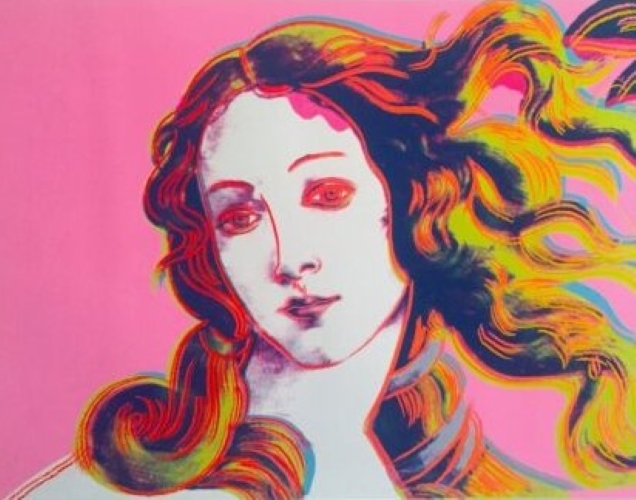
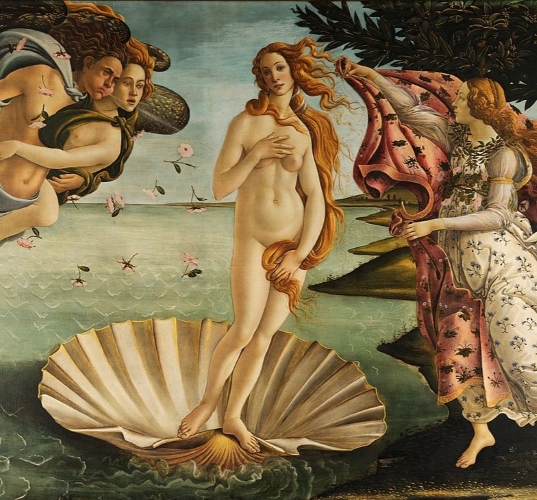
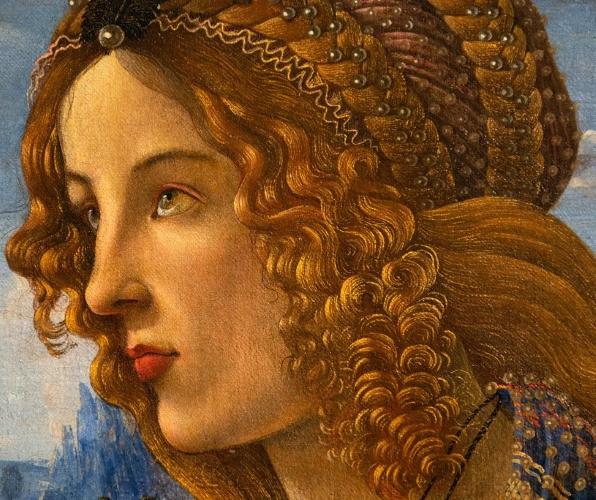
Simonetta Vespucci – Botticelli’s iconic Venus was inspired by a real woman, considered to be the most beautiful woman in Florence – and, later, of the entire Renaissance.Born in a Ligurian town south of Genoa, Simonetta moved to Florence at the age of sixteen to marry a cousin of Amerigo Vespucci. She was an instant hit with the Medici, whose favorite artist at the time was Botticelli. And Botticelli was so taken by Simonetta that, years later, he asked (and was allowed) to be buried at her feet. Below is a portrait of Simonetta by Botticelli.
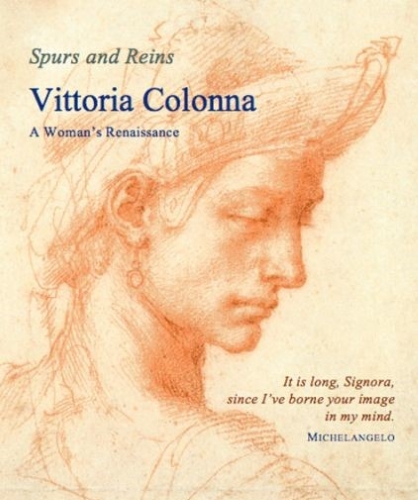
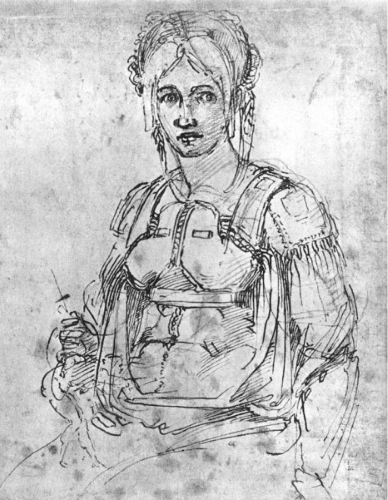
Vittoria Colonna — Marchioness of Pescara, Vittoria was a highly-educated noblewoman and acclaimed poet. She developed relationships within the intellectual circles of Naples and Rome and ultimately became one of the most popular poets of 16th-century Italy. Upon the early death of her husband, she took refuge at a convent in Rome; although she remained a
laywoman, Vittoria experienced a spiritual reawakening and remained devoutly religious for the rest of her life. Colonna is also known to have been a muse and the “spiritual soulmate” of Michelangelo, himself a poet.
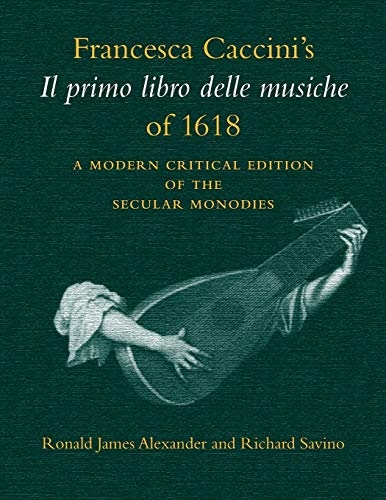
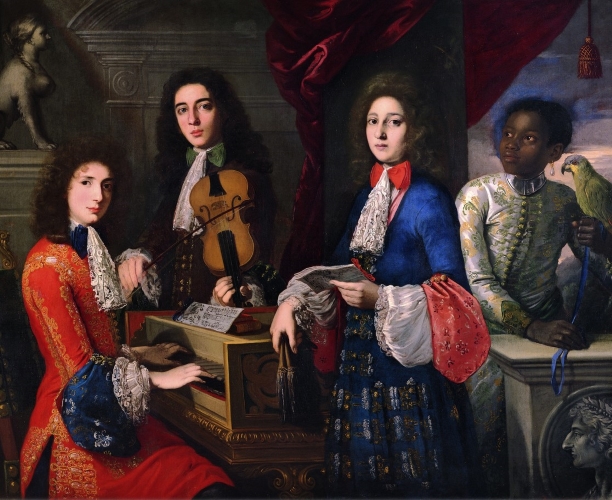
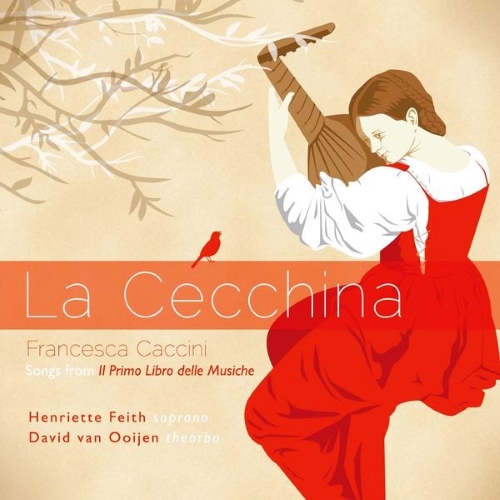
Francesca Caccini – Caccini was born into a musical family in Florence in 1587. Her father was a well-regarded and prolific composer while her mother and younger sister were both talented singers. Together they performed chamber music and provided entertainment for the Medici court. Beyond being a virtuosic singer, Francesca played guitar, lute, harp, and keyboard. She also taught singing, instrumental performance and composition to younger women of the court. Known as La Cecchina, Francesca was a poet and the writer of lyrics for most of her published songs. Caccini also was the first woman to compose opera (La liberazione di Ruggiero dall’isola d’Alcina), and the highest paid of all the Medici court musicians during the 1620s.
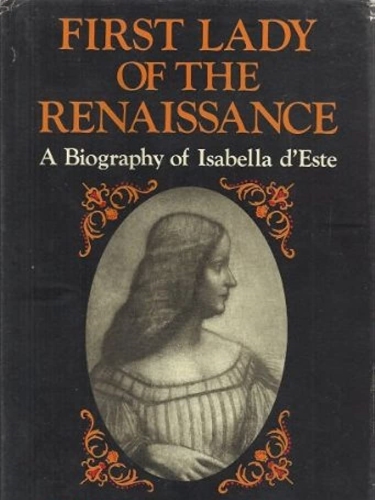
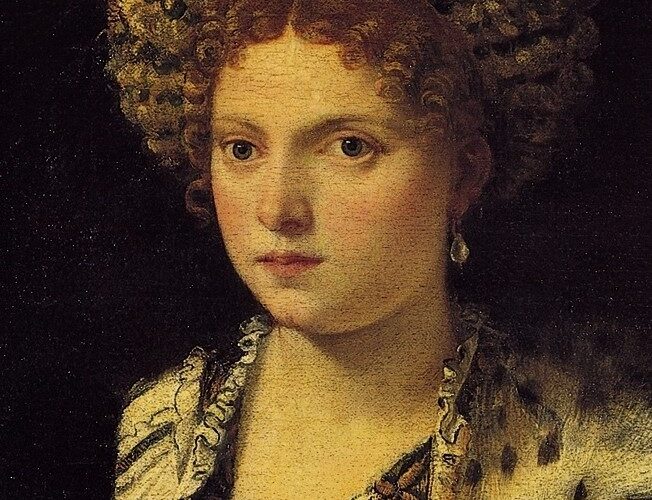
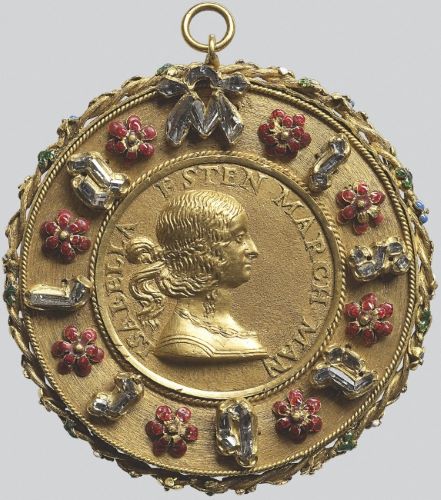
Isabella D’Este – Raised in the sophisticated Este court of Ferrara, center of a rich humanist culture in the arts, literature and philosophy, Isabella would become one of the most fascinating and accomplished individuals in the Italian Renaissance. A clever and practiced diplomat, often under difficult circumstances, she served as regent of Mantua during the frequent absences of her husband, Francesco II Gonzaga, as well as after his death until her son came of age. Isabella was a well-known arbiter of fashion and design, with influence not only in Italy but in many of the European courts. Below is a famous portrait of her by Titian.
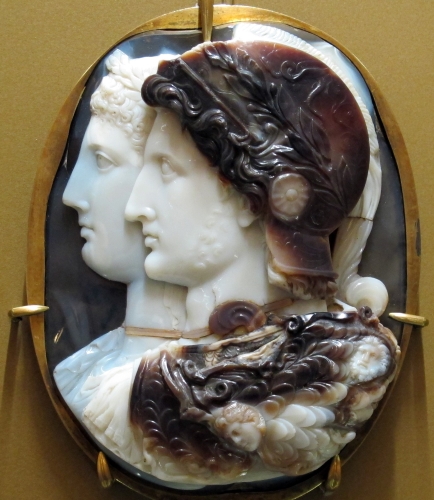
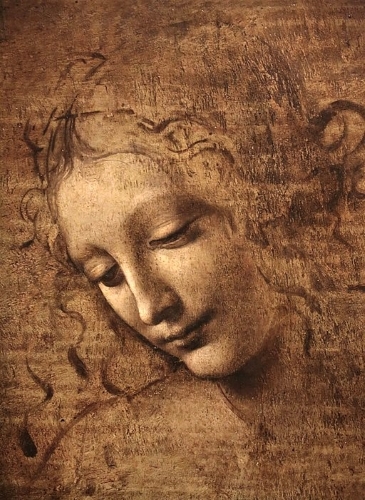
Isabella was a poet, accomplished musician, singer and friend and patron to many of the most distinguished artists, writers and humanists of the High Renaissance . . . as well as a devoted mother of eight! Also, a lover and voracious collector of art and antiquities, she proudly displayed this spectacular ancient double portrait cameo in her private studiolo. Throughout her life Isabella relentlessly pursued the works of Leonardo da Vinci, and she was the original owner of the beautiful sketch of his, below, that is now displayed in the National Gallery of Parma.
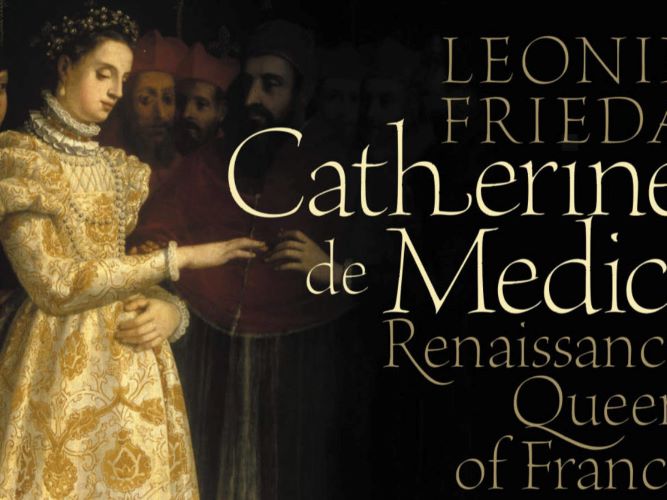
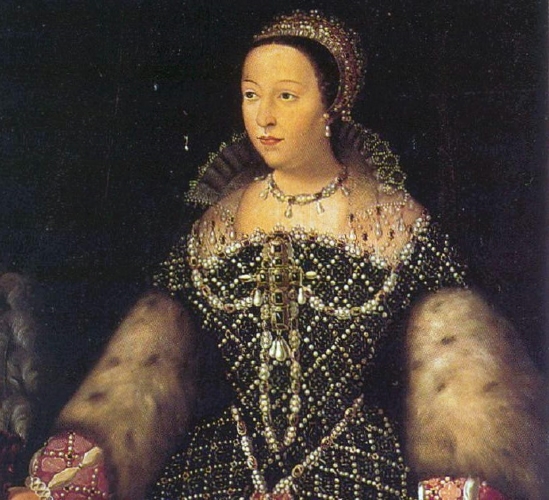
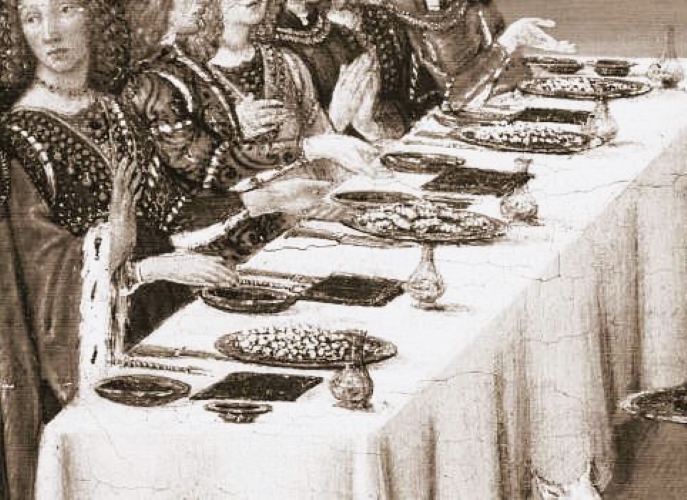
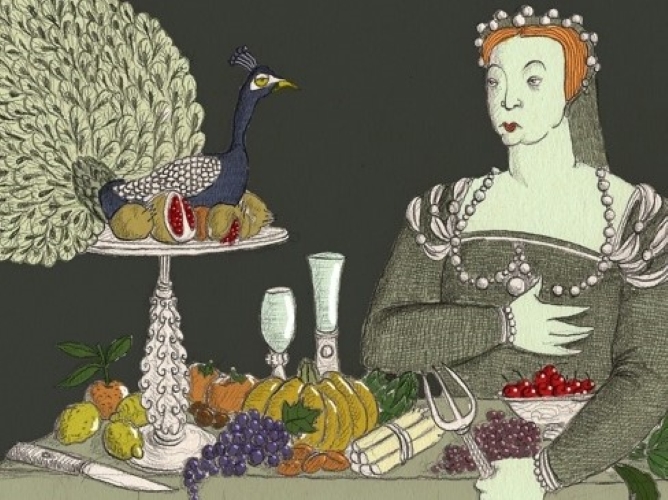
Caterina de’ Medici – Great-granddaughter of Lorenzo the Magnificent, Caterina triggered a revolution in cuisine and culture that would reverberate throughout Europe and, ultimately, the world. After her marriage to the Duke of Orleans at age fourteen, she arrived in France with a dowry that included her chefs along with samples of her favorite vegetables and legumes, many of which had never been seen in France. She also famously brought with her the fork and knife, Venetian glassware, and the practice of written menus, among other innovations. Caterina supported her ladies-in-waiting and insisted that they be allowed to dine together with the men of the court. (She was also a busy mother . . . of ten!)
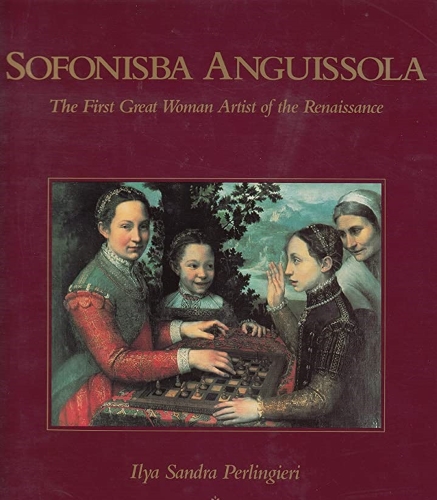
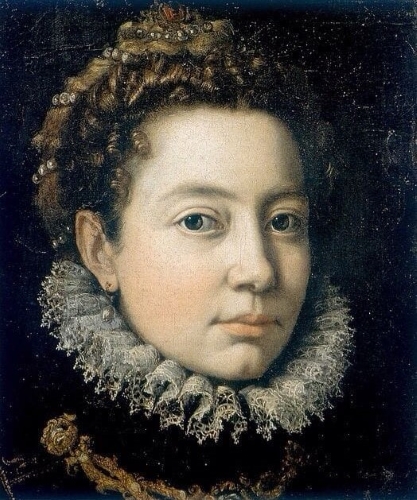
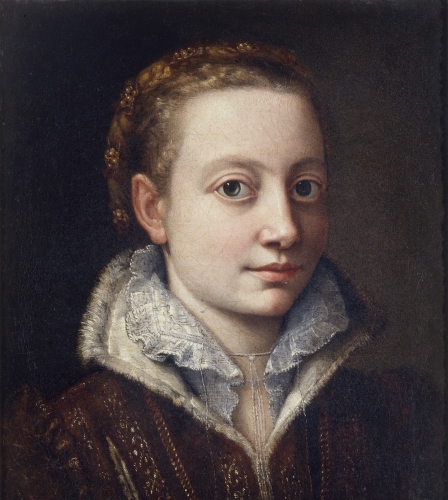
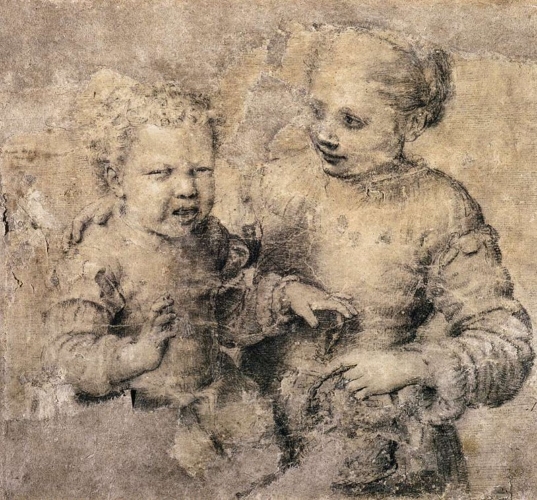
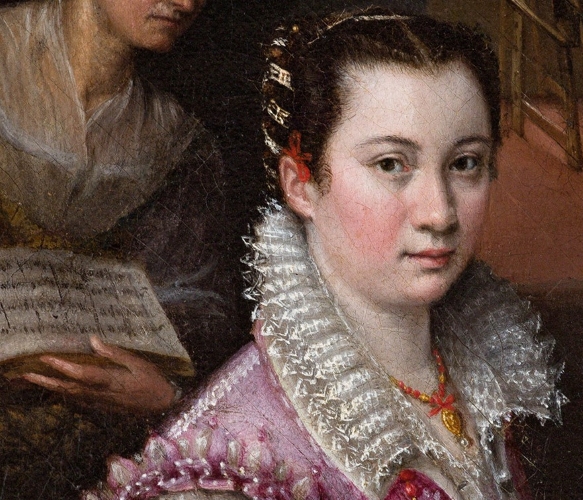
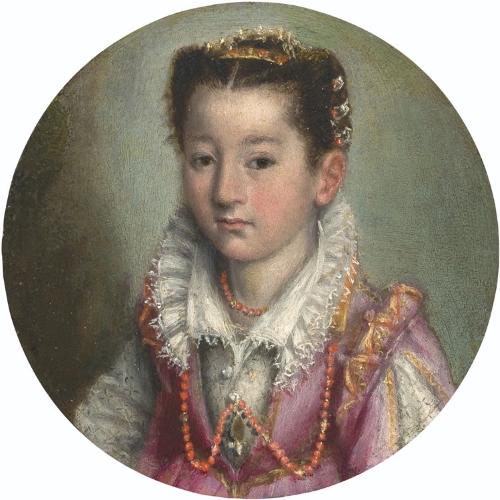
Sofonisba Anguissola – Daughter from a minor noble family in Cremona, Sofonisba Anguissola (1532-1625) at age fourteen convinced her father to place her in the studio of the most renowned local artist. She did not train as an apprentice but instead focused on portraiture – an acceptable activity for a respectable aristocratic woman – initially portraying her siblings, her parents and herself. Her proud Papa actively promoted Sofonisba’s work by giving away her drawings and paintings as if they were calling cards. Her father boldly sent Sofonisba’s sketch of her little brother bitten by a crab (pictured below) to 82-year-old Michelangelo who was so impressed with her talent that he began sending her his own drawings to copy or rework as exercises.
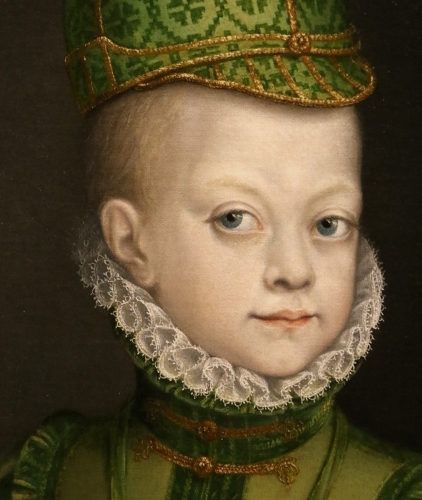
Sofonisba’s work was later brought to the attention of King Philip II of Spain who was looking for both a court artist and lady-in-waiting for his new child bride, aged 14 (one of the daughters of Caterina di Medici). In Sofonisba he found both. She moved to Madrid, spending nearly 20 years at court, and later moved to Genoa where she married a younger nobleman and lived out her life while continuing her painting.
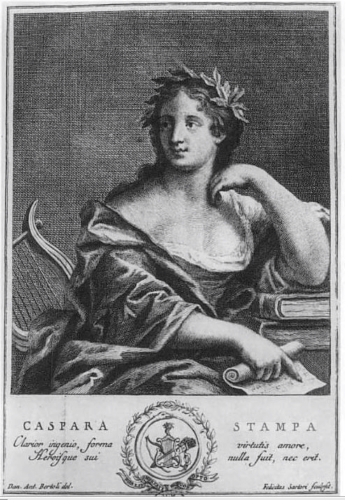
Gaspara Stampa – Born in Padua, Stampa was a poet, musician and singer. Following her father’s death in the 1530s, she and her mother moved to Venice. There her family home became a mecca of Venetian cultural society. She was highly admired for her lyrical verses which often elicited comparisons to those of the illustrious ancient Greek female poet Sappho. Despite her premature death at the age of 31, Gaspara produced more than 300 works (most of which were published posthumously), and today she is considered one of the greatest poets of the Renaissance.
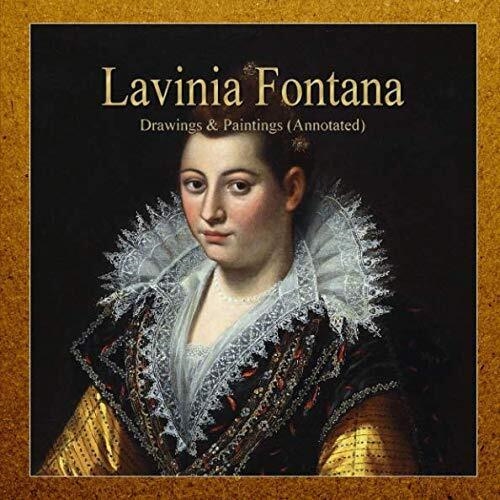
Livinia Fontana – Lavinia Fontana (1552-1614) of Bologna was 20 years younger than Sofonisba and also blessed with a supportive father. Known for her portraits as well as mythological works, Lavinia is regarded as the first female career artist in Western Europe: her family relied on her to ”bring home the bacon.” Livinia’s husband acted as her agent and served as a stay-at-home dad, raising their eleven (!!) children.
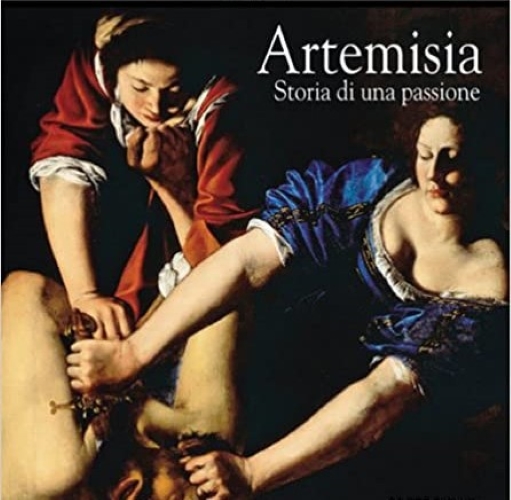
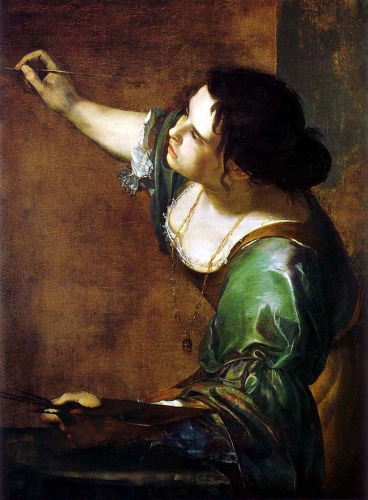
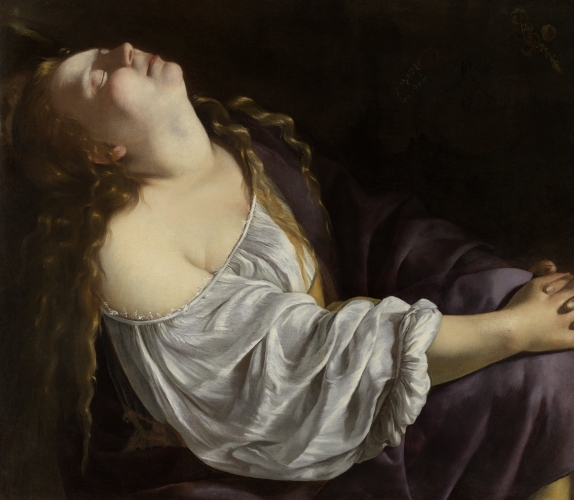
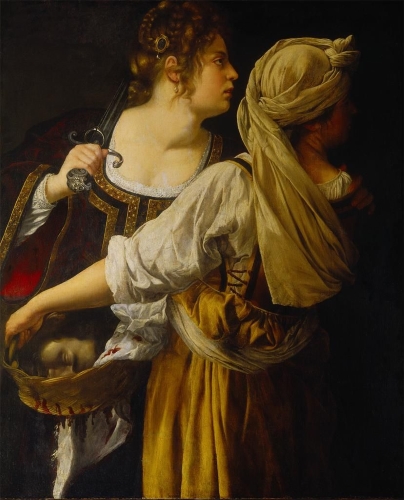
Artemisia Gentileschi – Artemisia was perhaps the most celebrated female painter of the 17th century. Born in Rome, she was the eldest of five children and only daughter of artist Orazio Gentileschi, under whom she trained. At age 18 Artemisia was raped by the painter Agostino Tassi, an acquaintance and collaborator of her father’s. An infamous public trial ensued in 1612. Although Tassi was found guilty and banished from Rome, his punishment was never enforced. With her reputation in tatters, Gentileschi moved to Florence to start anew. She would go on to work in Venice, Naples and London for the highest echelons of European society, and enjoyed considerable success in her own lifetime. Without the support of a wealthy husband Artemisia would nonetheless became a painter to dukes, princes, cardinals and kings. She was the first woman admitted to Florence’s prestigious Accademia del Disegno.
Finally, after years of obscurity, Artemisia is now “hot” and considered by many to be the greatest of Caravaggio’s followers. At long last she is receiving the recognition she always felt she deserved. “The works,” she once declared, “will speak for themselves.”
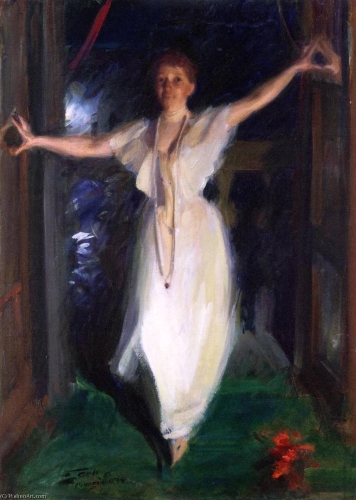
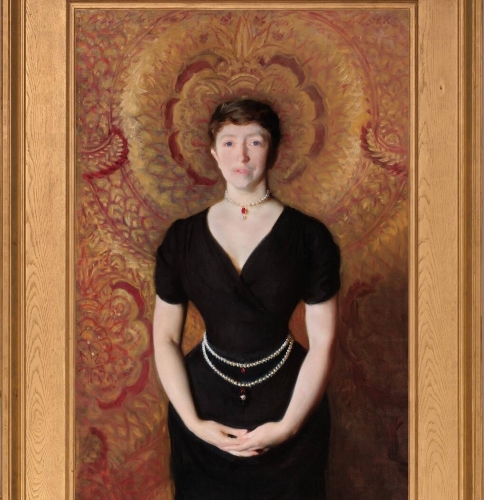
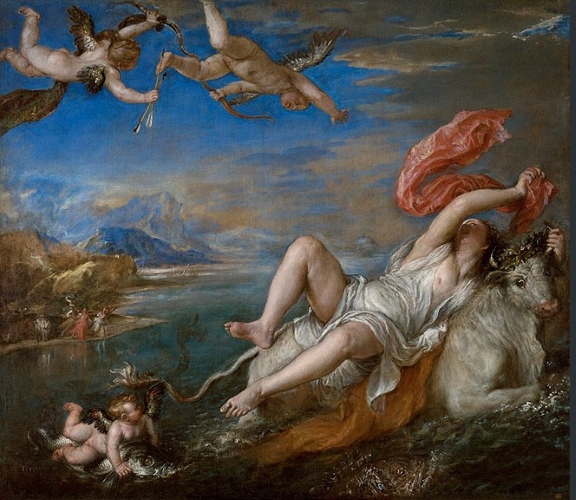
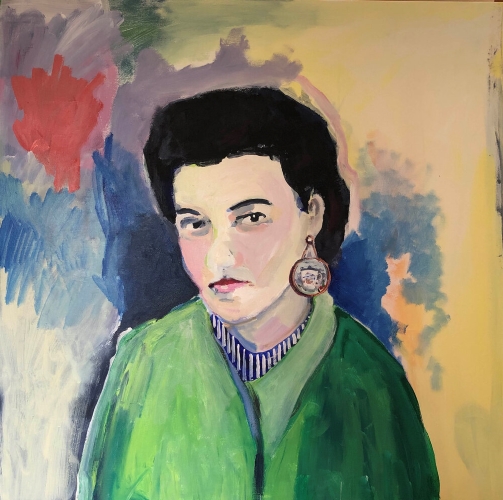
Isabella Stewart Gardner – Known as “Belle” in her youth and “Mrs. Jack” as a married woman, Isabella Stewart Gardner (1840-1924) was a free spirit throughout her life, as brilliantly captured here by one of her many artist friends, Anders Zorn, at the main window of the grand salon in Venice’s Palazzo Barbaro. But she was also an independent-minded and prescient art lover: while most male American collectors of the Gilded Age focused on Dutch and English masters, Isabella also acquired – and soon came to favor and champion – Italian works. Isabella was either the first or one of the first Americans to purchase works by Giotto, Fra Angelico, Botticelli and Crivelli, among others. The crown jewel of her stunning collection is, arguably, the magnificent Rape of Europa by Titian.
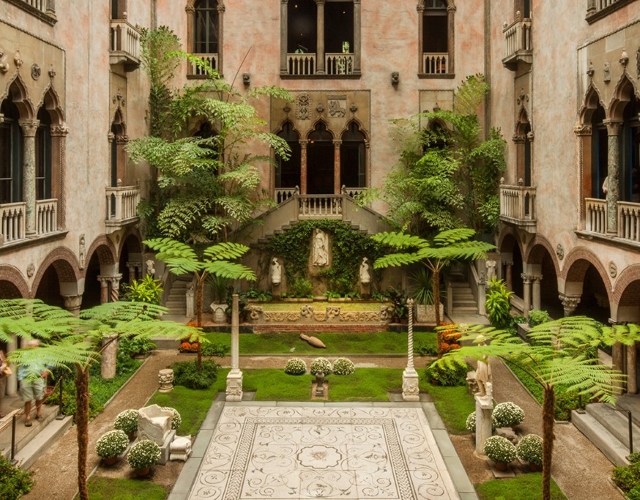
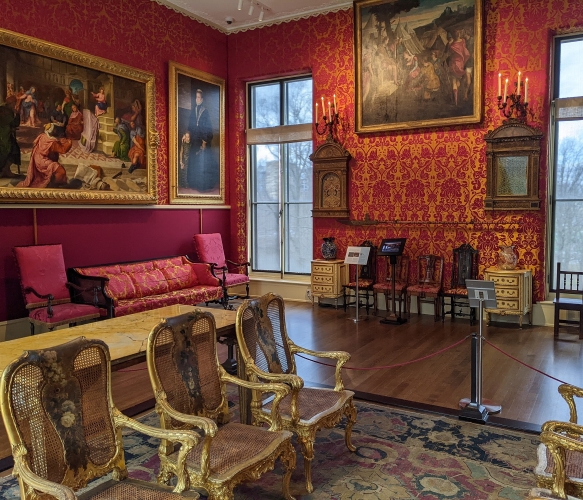
The Isabella Stewart Gardner Museum, situated along the Fenway in Boston, is not just a fabulous and diverse collection of art and artifacts but also an architectural masterwork. It stands as a lasting gift to Gardner’s adopted city, a celebration of world-class (particularly Italian) art, and a tribute to one woman’s vision and amazing imagination.
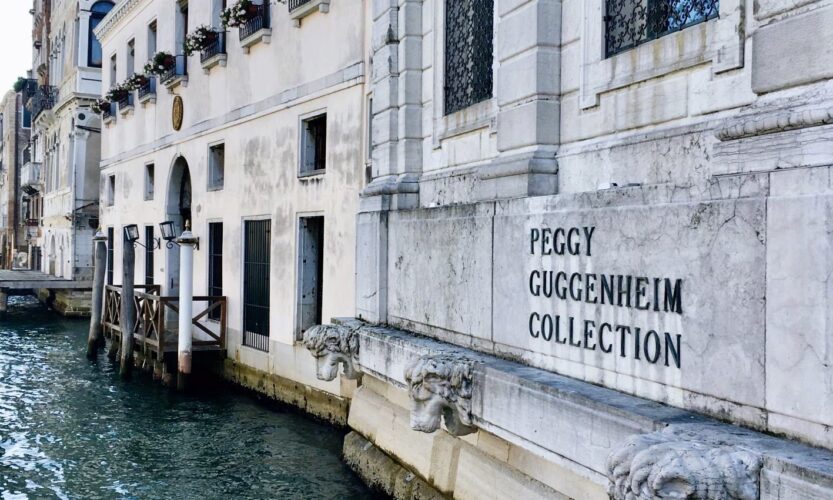
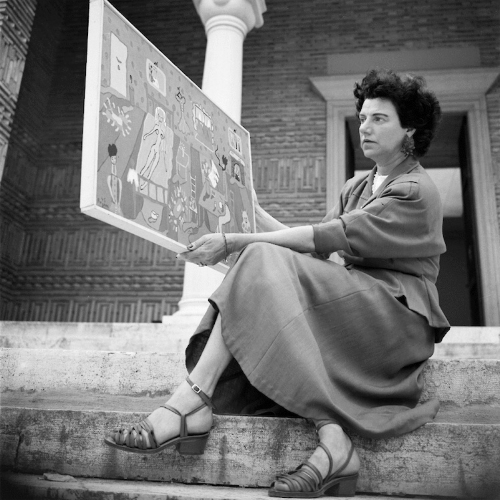
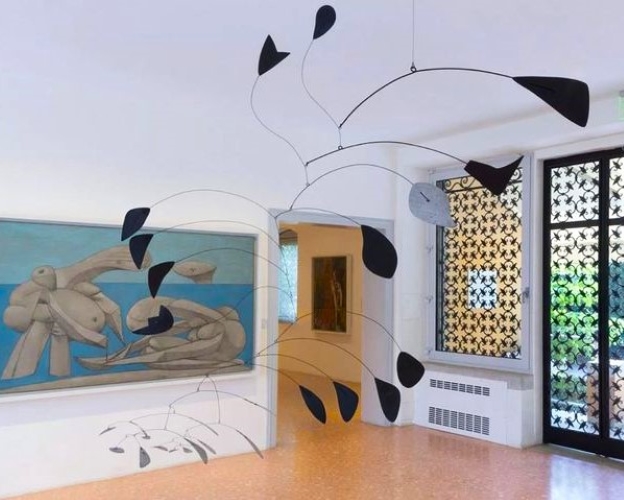
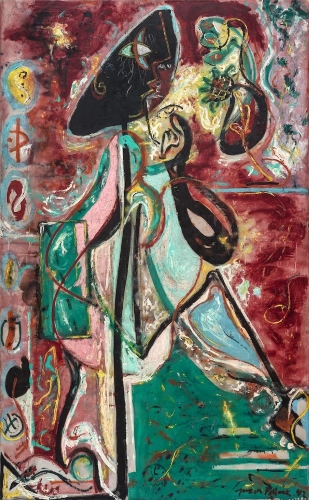
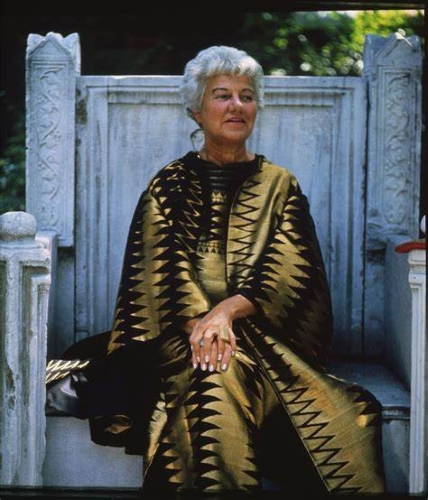
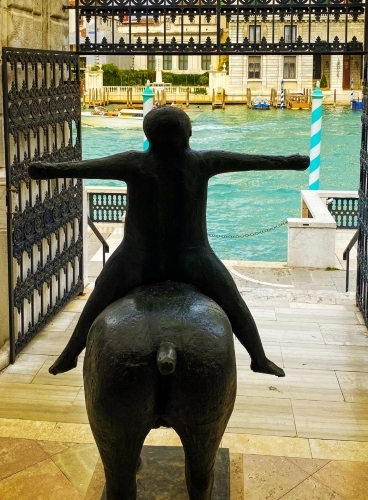
Peggy Guggenheim – Two generations after Isabella Stewart Gardner, Peggy Guggenheim (1898-1979) made waves of her own as an iconoclastic American art collector: in Peggy’s case, as an avatar of modern art in its abstract and surrealist expressions. Not just a collector, she also served as a patron of select living artists of assorted nationalities, but most famously Jackson Pollock. In 1948 the Venice Bienalle invited Peggy to exhibit her collection there – a groundbreaking event which marked that decades-old venue’s first genuine embrace of modern art. Peggy’s love affair with Italy, and Venice in particular, began as a young adult with her travels there, especially her sojourns to visit artworks of the great Italian masters, guided by the books of Bernard Berenson (Isabella Stewart Gardner’s principal art advisor).
When it came time to find a permanent home for her collection years later, La Serenissima beckoned as Peggy’s natural choice. Today, the Peggy Guggenheim Collection is one of Venice’s top tourist destinations – among admission-charging sites, second only to the Doges Palace in St. Mark’s Square. Peggy’s legacy has immeasurably enriched the adopted city she adored and considered magical.