
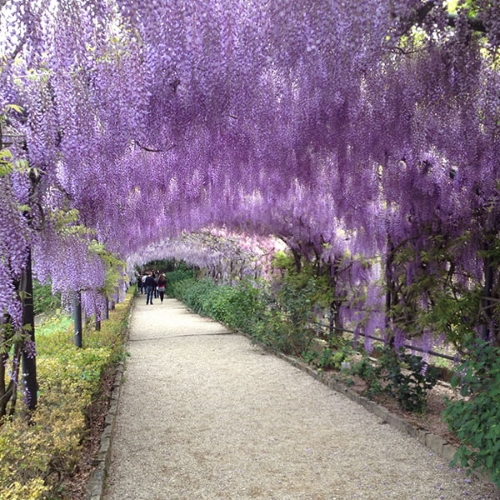
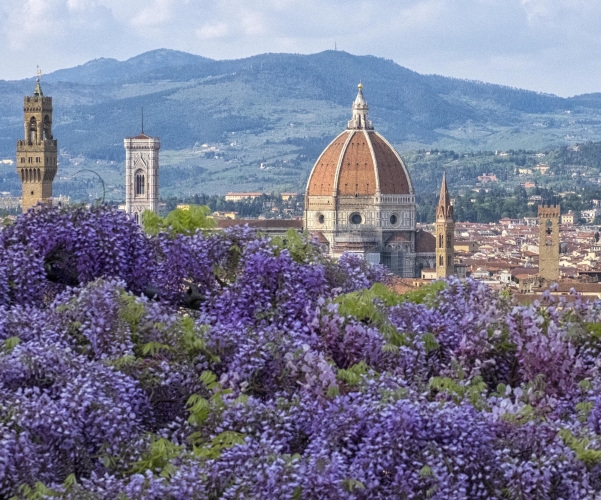
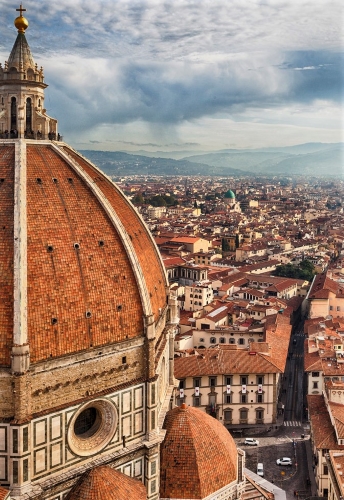
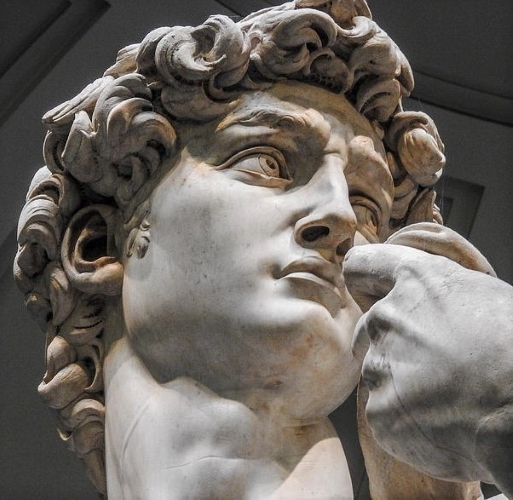
La primavera—can there be a more delightfully pictorial or euphonious word? Derived from two Latin roots: primus meaning “first” and ver meaning “spring” (as a verb “spring” means to well up, leap forth, and to come into existence) and the verb has become a noun that describes the cycle of nature it characterizes. And it sounds as full of life as the season itself.
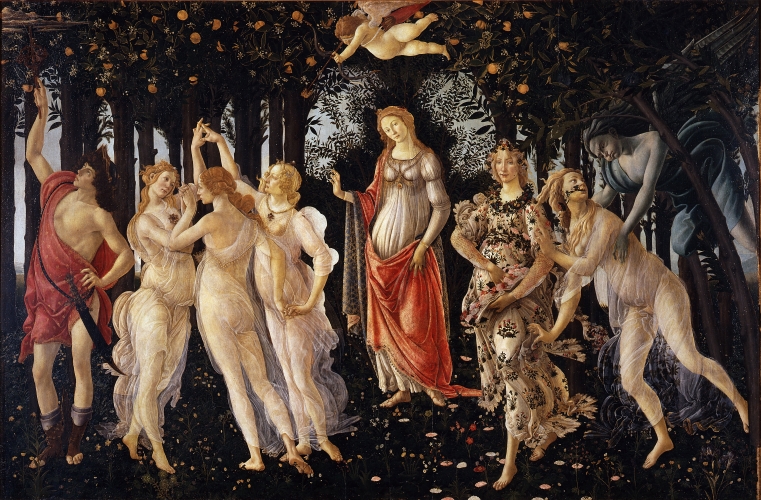
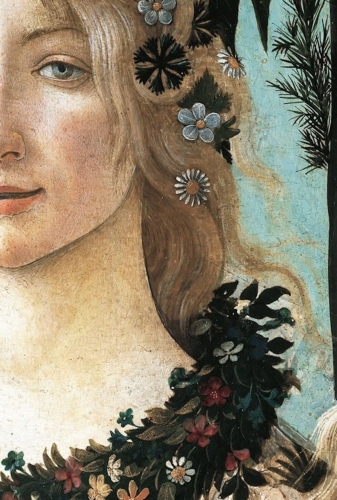
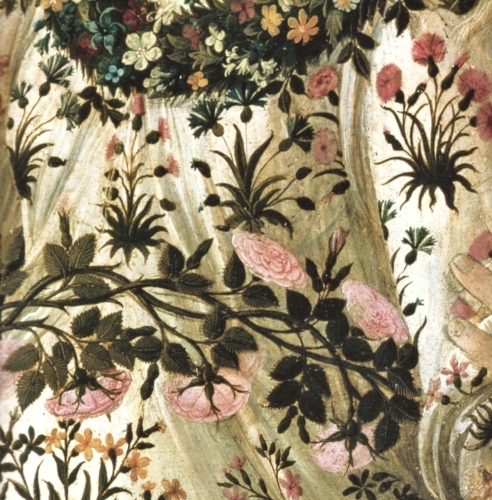
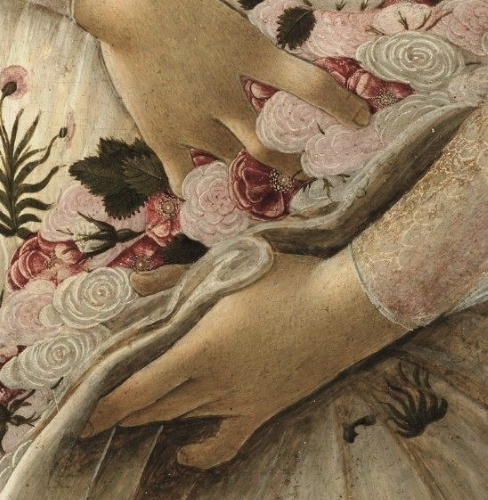
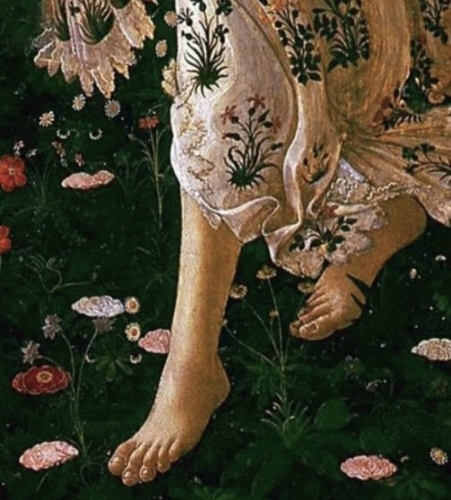
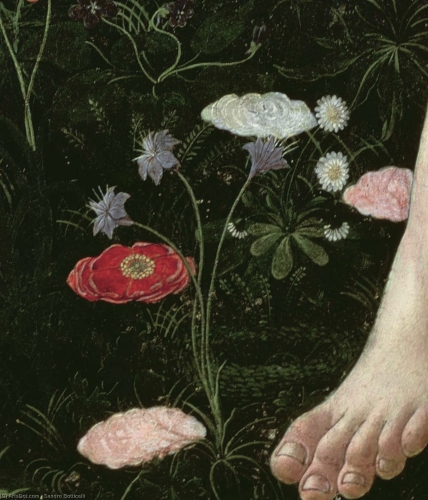
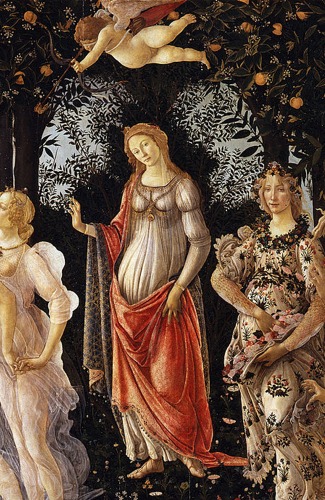
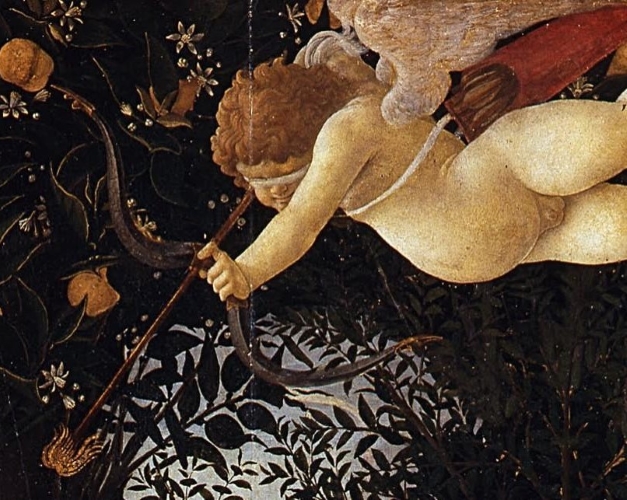
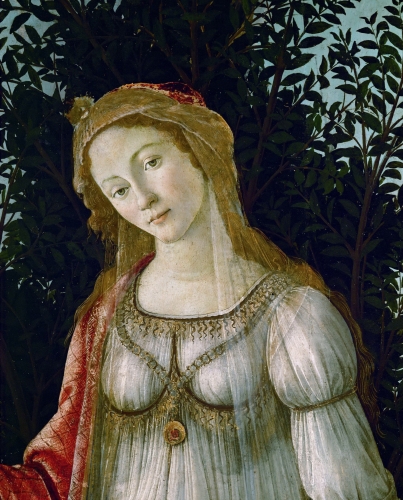
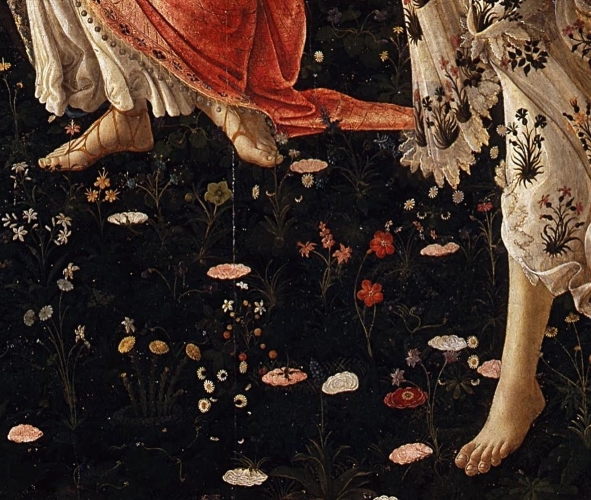
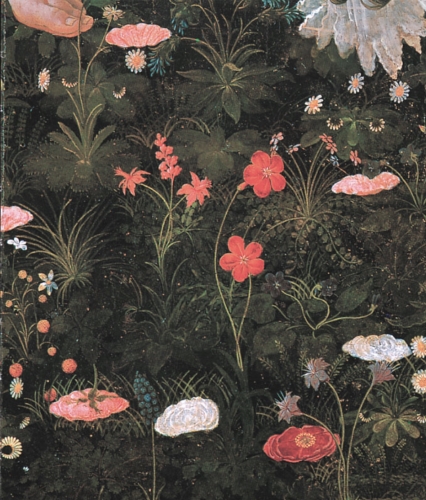
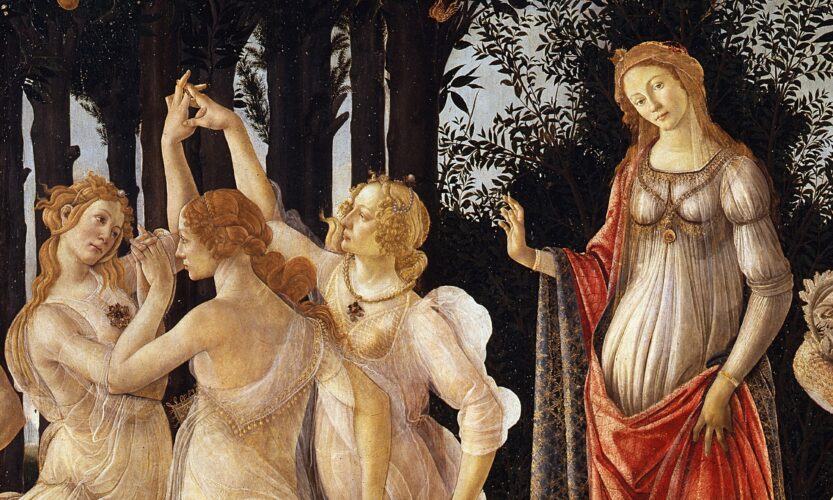
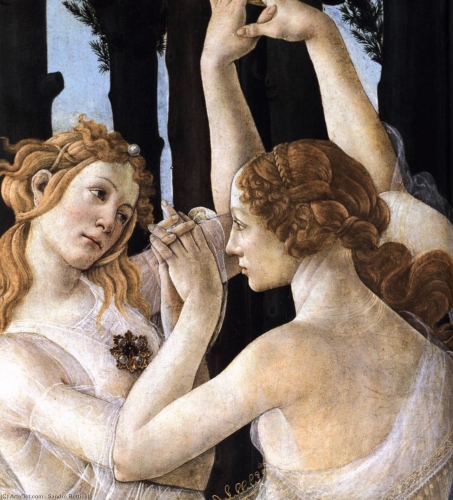
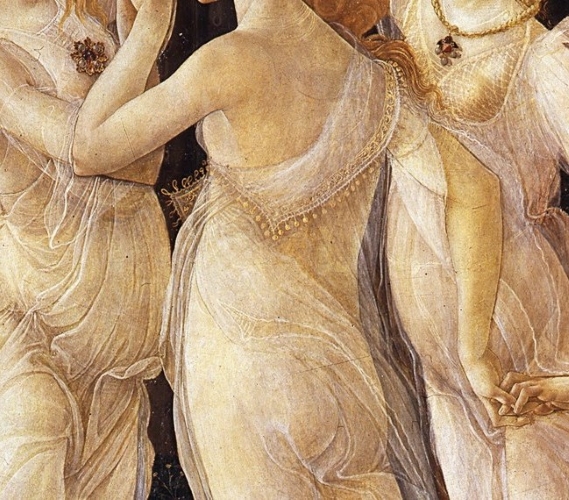
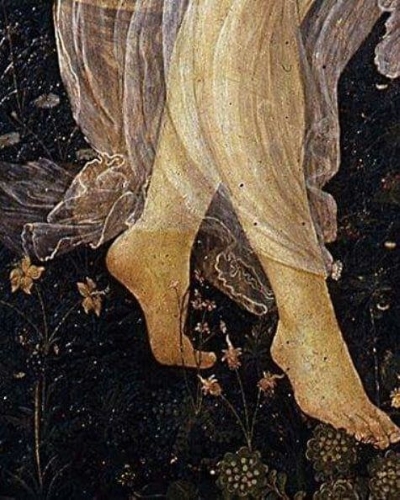
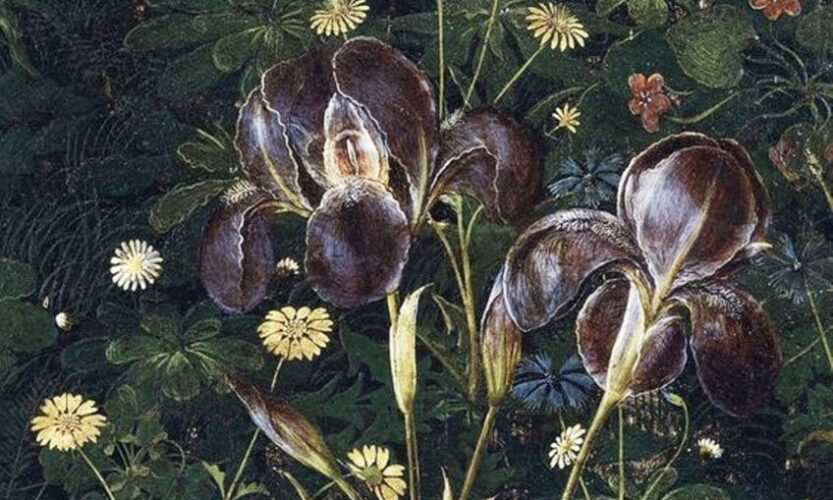
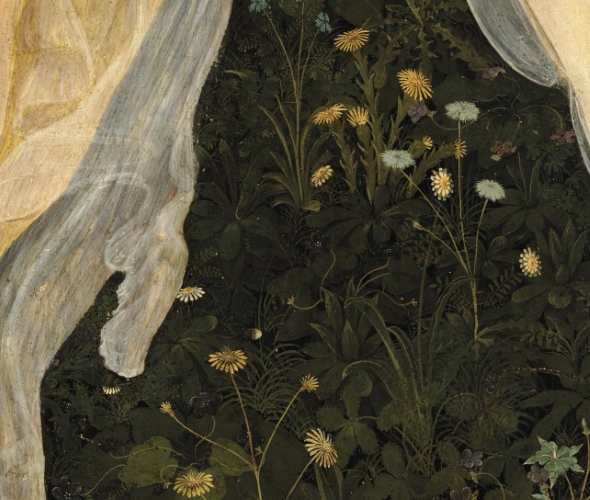
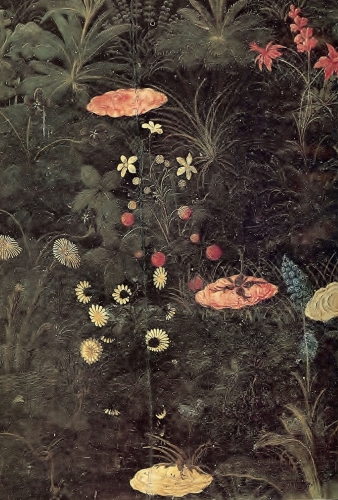
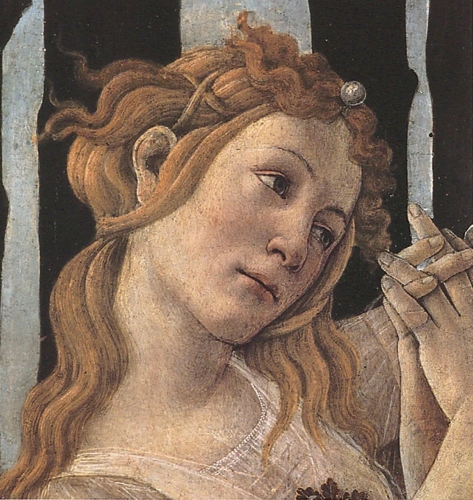
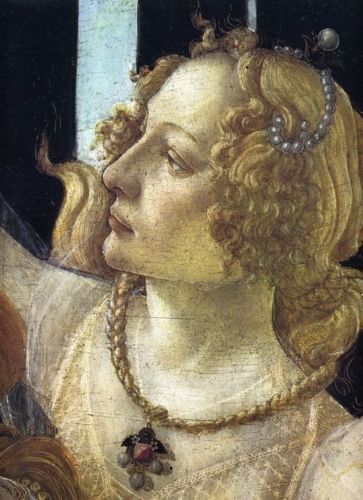
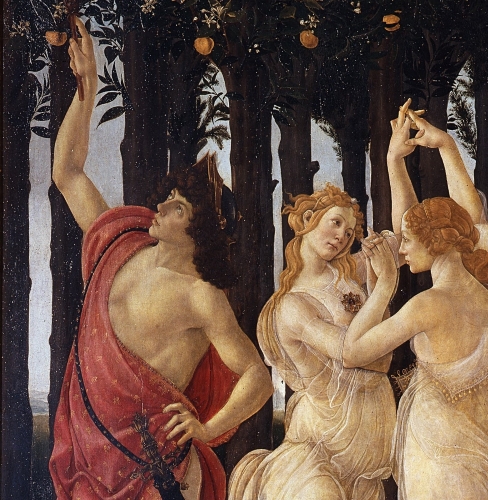
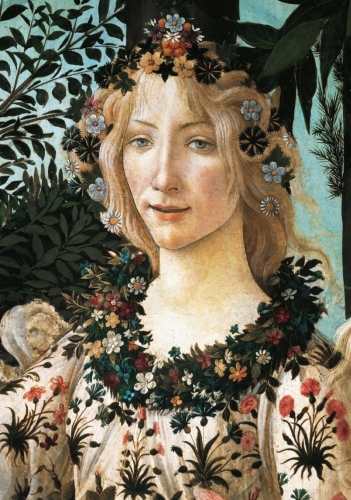
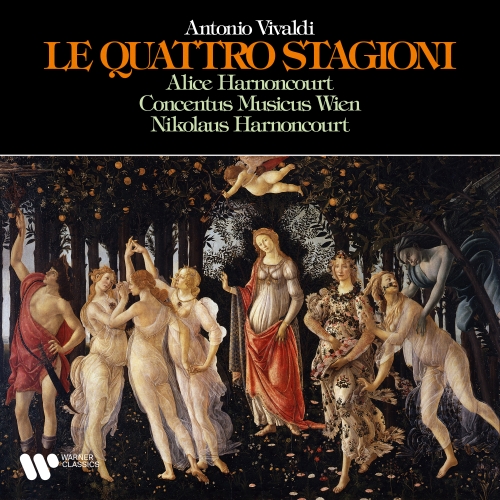
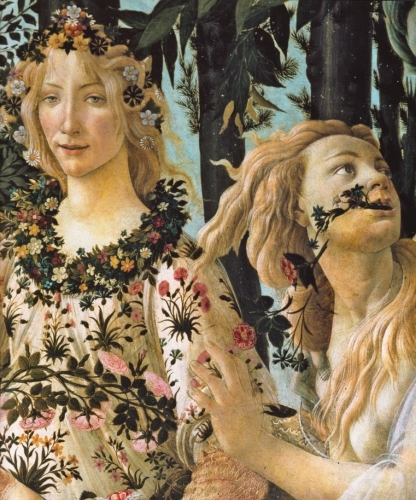
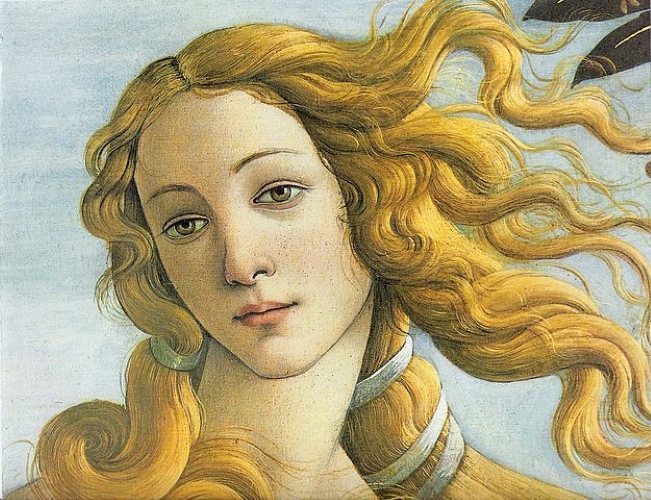
To celebrate spring’s arrival let’s take a close look at the painting, The Allegory of Spring, by Sandro Botticelli which, like his Birth of Venus, has become a beloved icon of Western art. The work depicts a group of mythological figures in a garden and is an allegory for the fecundity of spring.
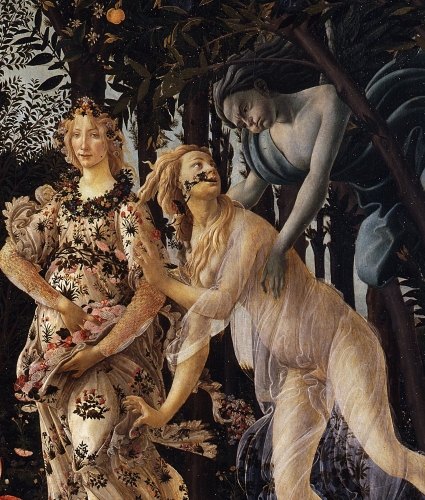
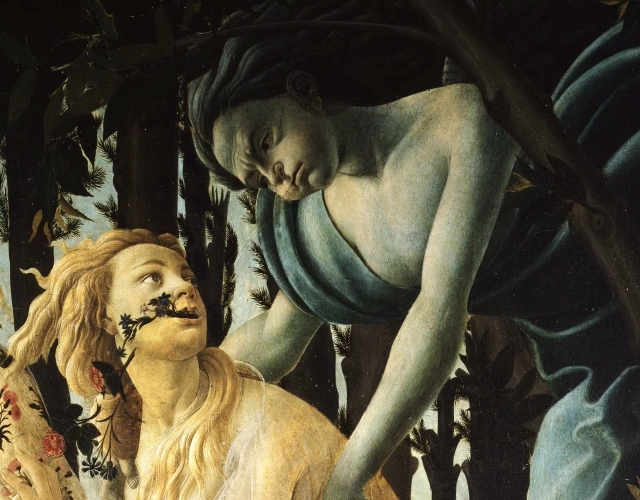
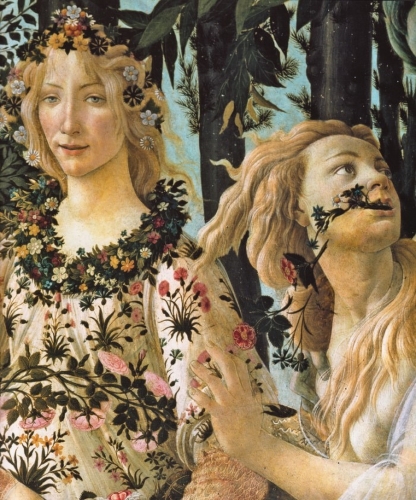
Reading the painting from right to left, the biting March wind Zephyrus, depicted as a bluish male creature with aggressively puffed cheeks, kidnaps wood nymph Chloris, the maiden with flowers springing from her mouth. He then “marries” her and transforms her into the deity Flora, represented by the the flower-crowned figure in a delightful floral-patterned frock scattering the flower petals. The elaborate scenery has been shown by botanists to contain over 500 identified plant species and about 190 different flowers. Clustered on the left, the Three Graces in diaphanous sheaths dance in a circle watched over by Mercury, who holds a staff to usher away the clouds and guard the garden—providing a spiritual balance to nature’s fecundity on the right. Somewhat set apart and above the others, but very much at the heart of all the springtime activity, is Venus (looking a bit like a Blessed Virgin Mary), goddess of love and harmony. Above her is Cupid, her son, and behind him the limbs of the fruiting orange grove form an arch gracefully framing Venus, providing a privileged position to serenely preside over the garden and beckon us to join in the celebration of la primavera.
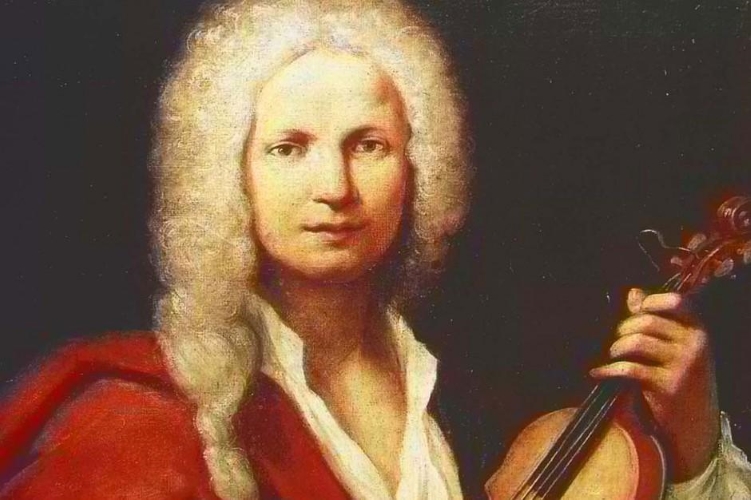
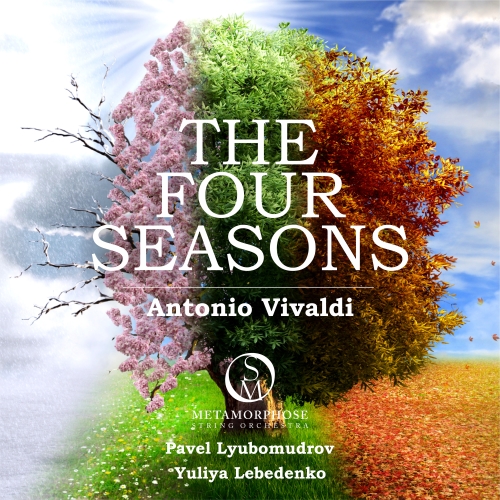
About 140 years later Antonio Vivaldi, composer, conductor, and virtuoso violinist composed his best-known work—a series of 4 violin concertos titled Le Quattro Stagioni, The Four Seasons. The first, “La Primavera”, is the most well-recognized and best loved piece of classical music in the world (with the first bars of “Spring” rivaling the opening of Beethoven’s Fifth Symphony).
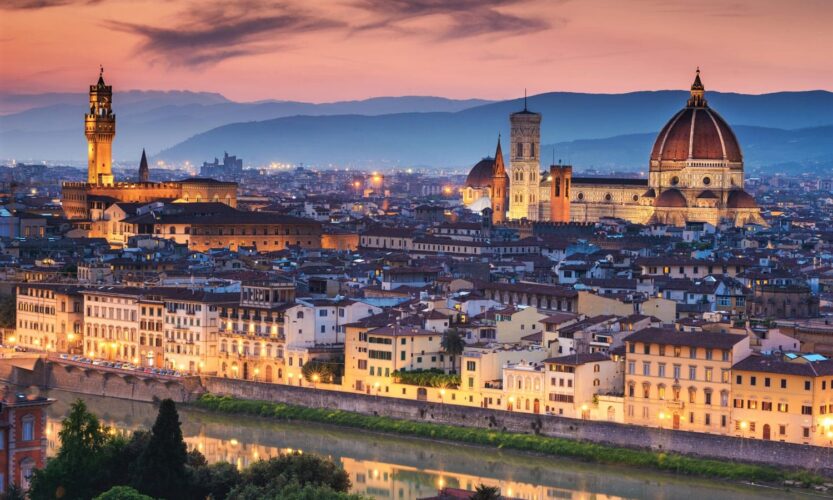
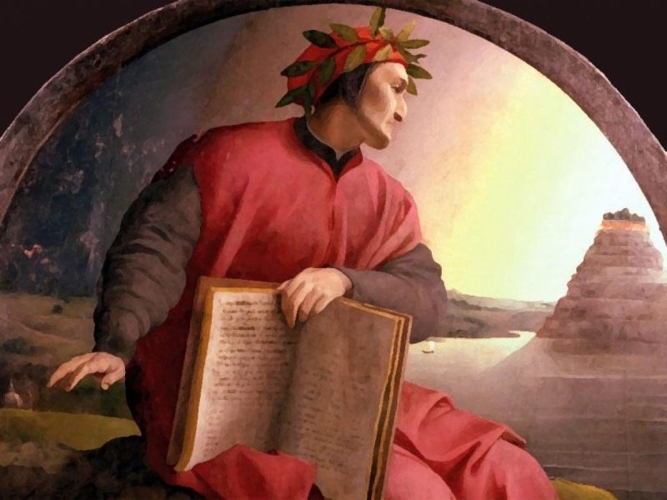
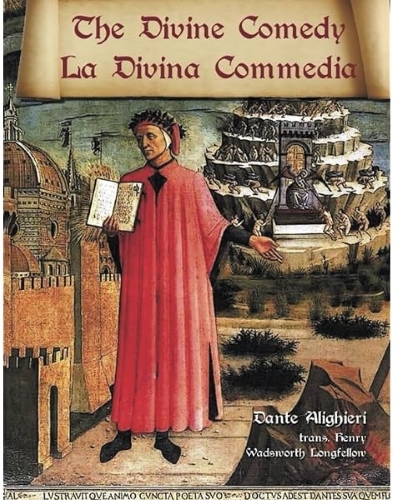
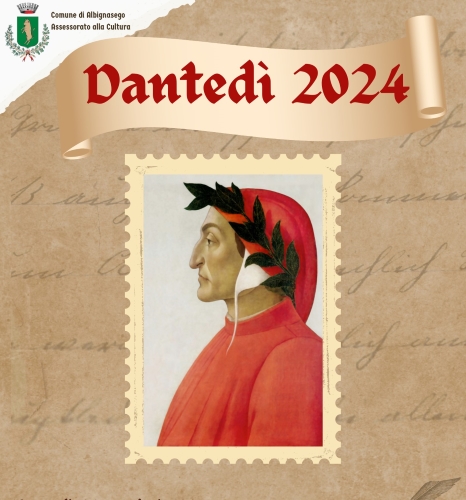
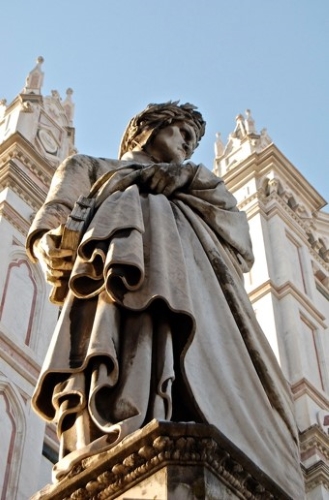
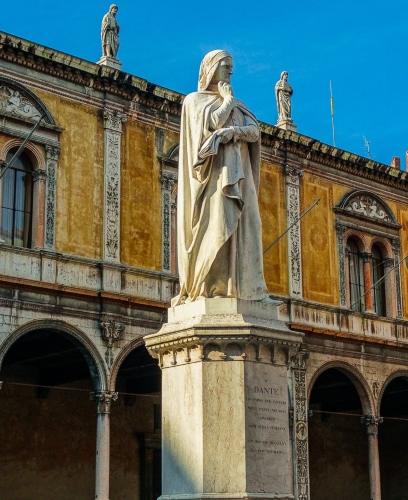
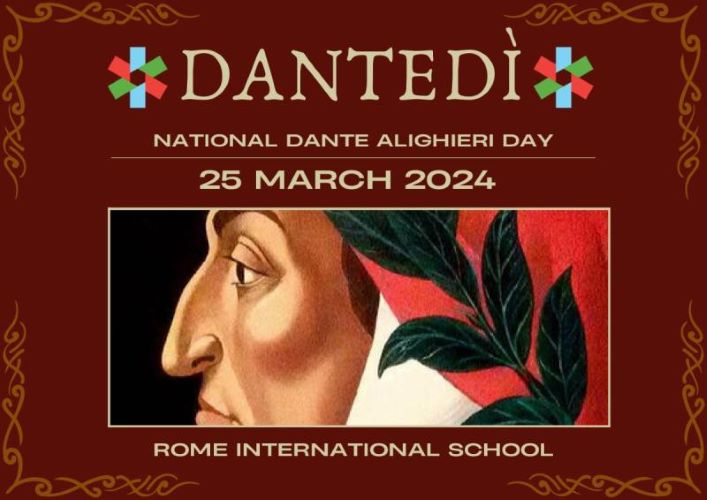
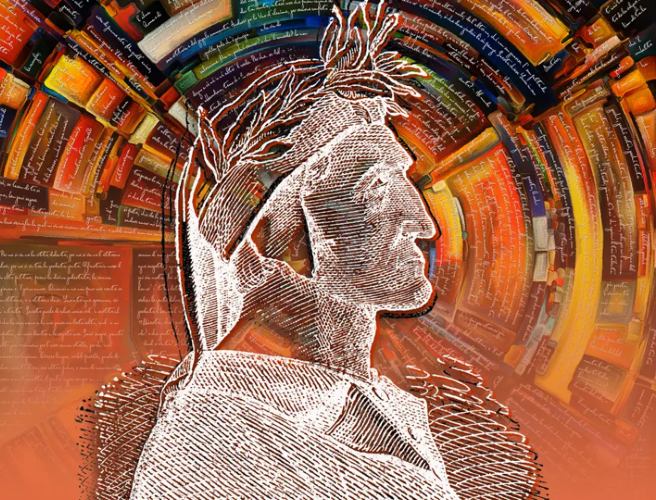
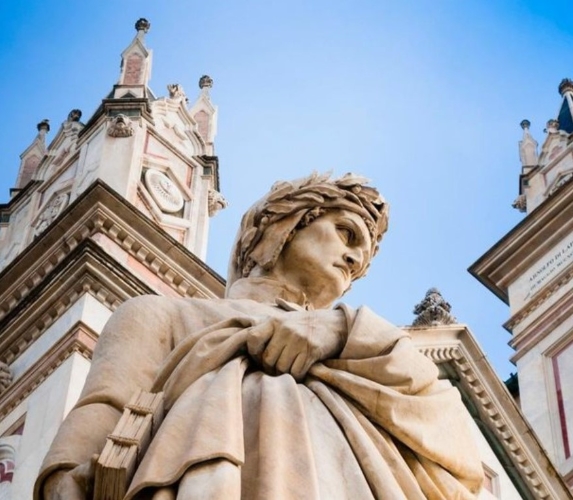
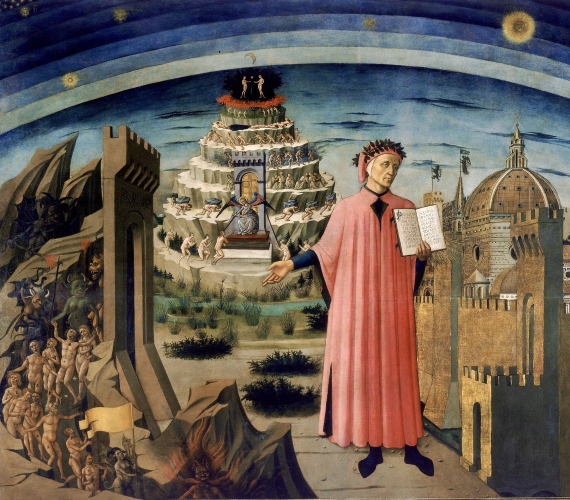
And Florence, birthplace of the Renaissance, is delightfully abuzz with chirping birds and ablaze with colors this glorious time of year. Florence is also the birthplace of Dante, the world’s greatest poet and author of The Divine Comedy. He chose to write his magnum opus in the vernacular rather than Latin and is celebrated as the Father of the Italian Language and revered as national hero on the order of George Washington. Countless Italian cities have erected statues of him or named streets or piazzas after him. And most recently March 25th (this Monday) has been recognized as Dantedi and a national day of celebration of Dante and his towering legacy.
Happy Dantedi and may these early day of la primavera fill you with hope and joy!
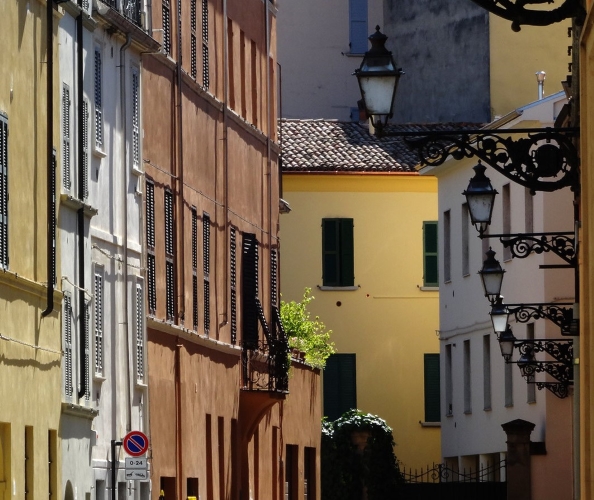
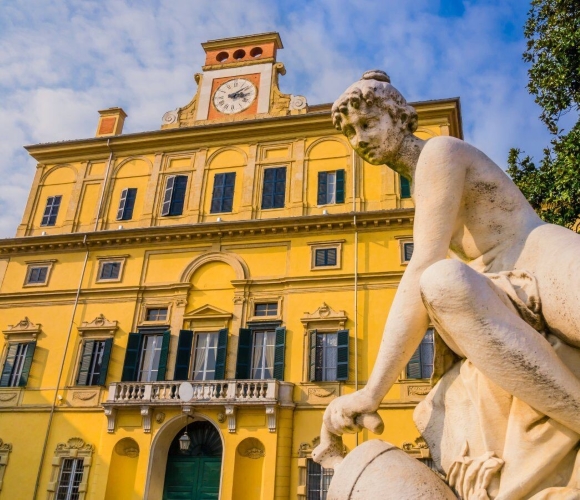
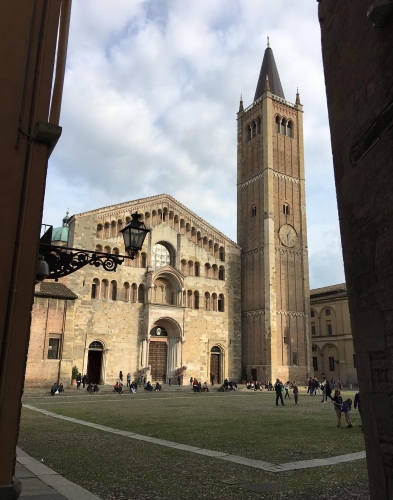
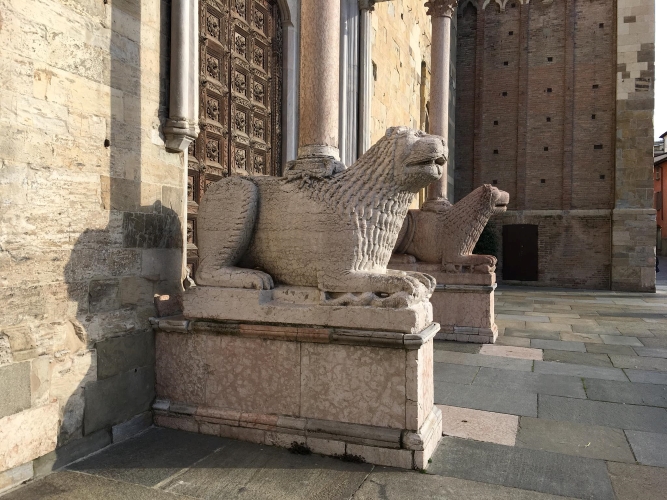
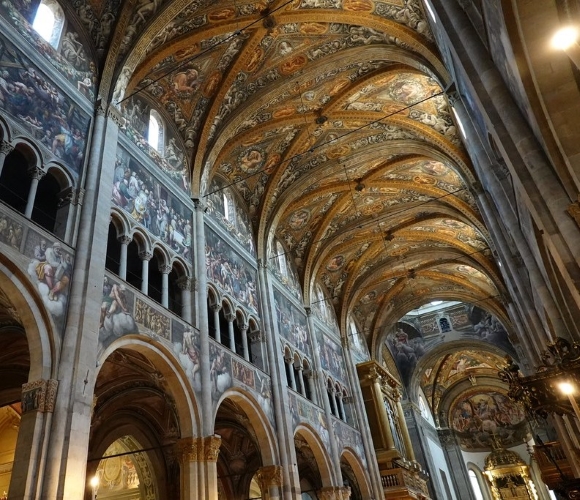
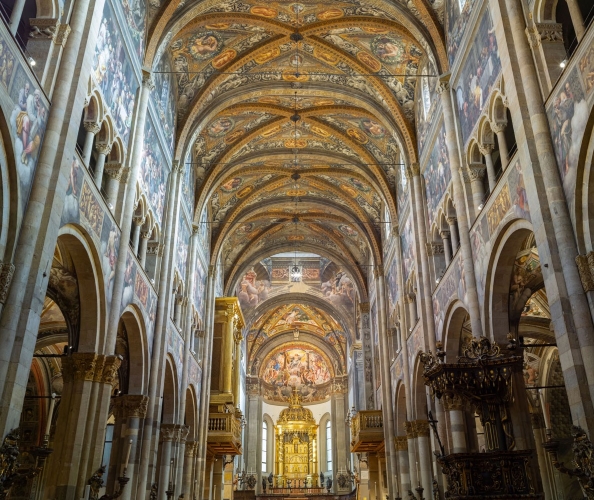
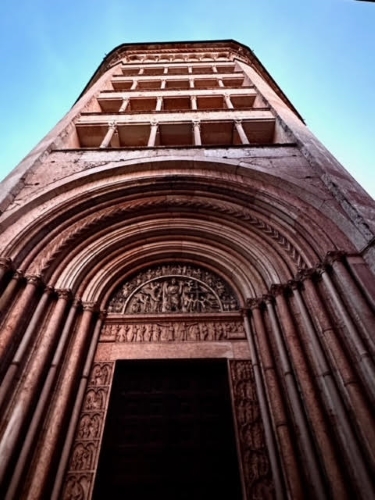
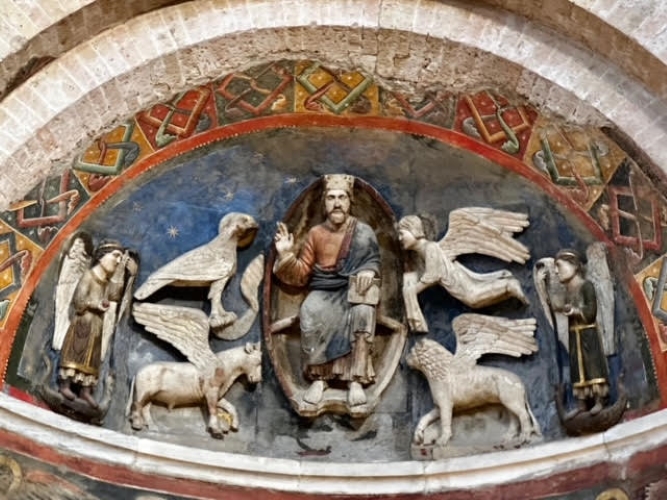
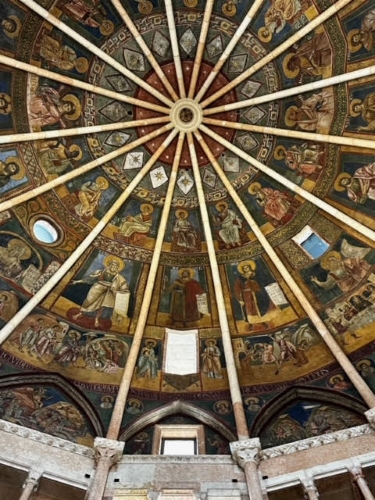
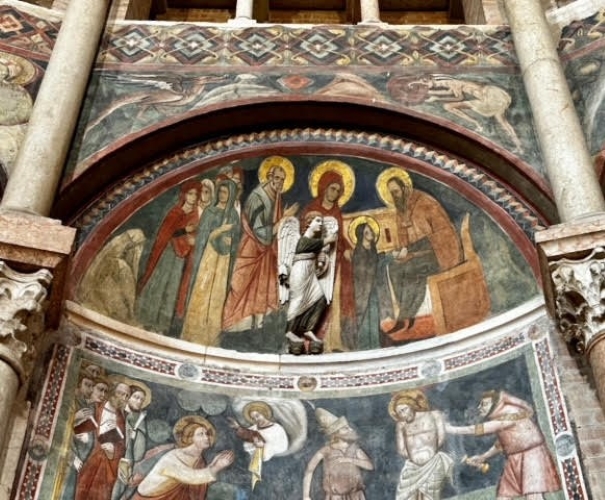
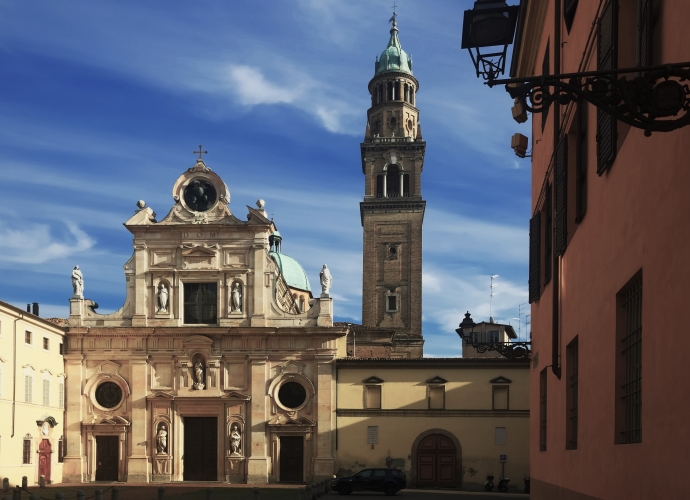
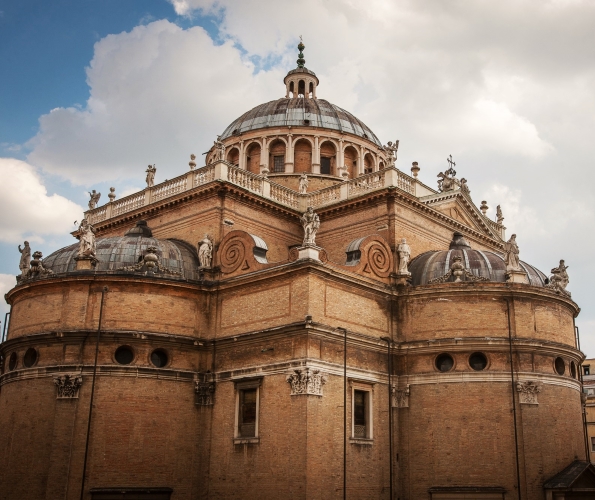
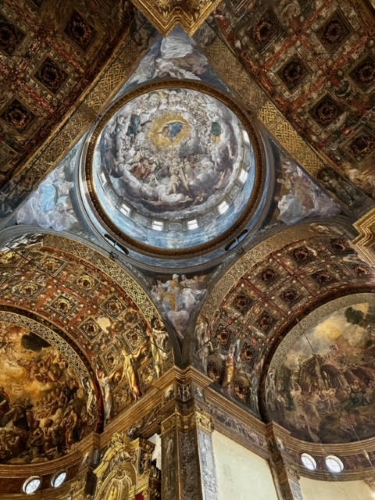
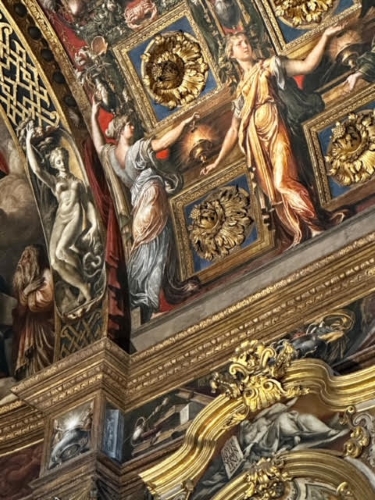
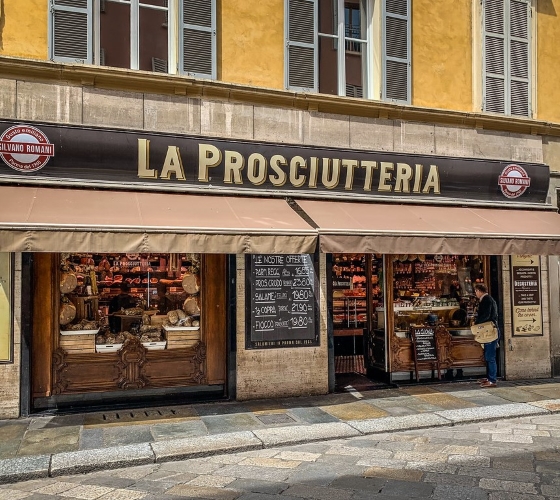
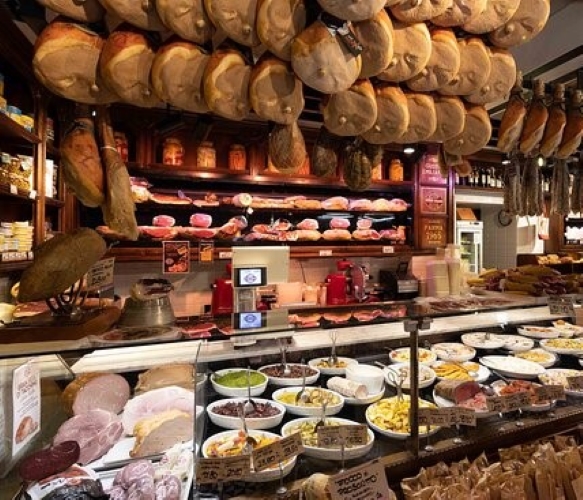
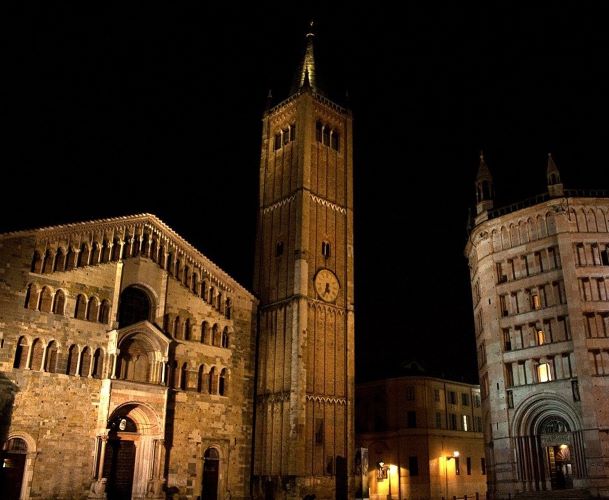
Nestled in Italy’s broad Po valley is the handsome city of Parma, the world’s ham-and-cheese capital, which offers travelers far more than just outstanding gustatory pleasures … there’s far more to Parma than phenomenal ham and cheese!!!
Parma is a city rich with art, culture and a past that reads like a fairy tale. It has beauty, pride and, yes, glorious food!
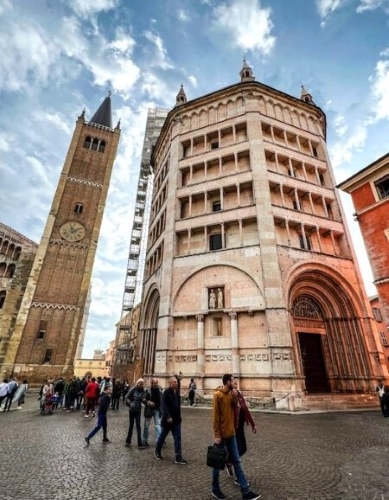
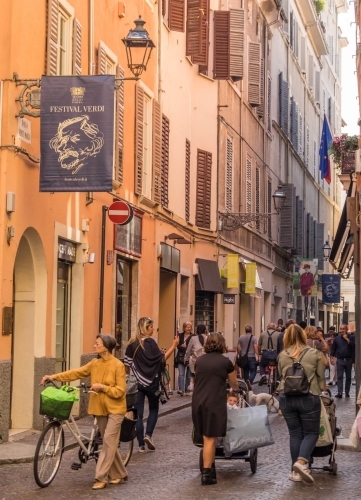
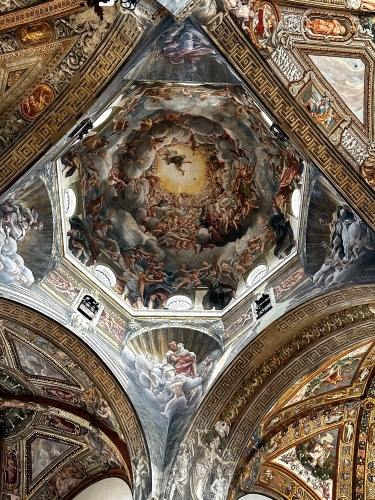
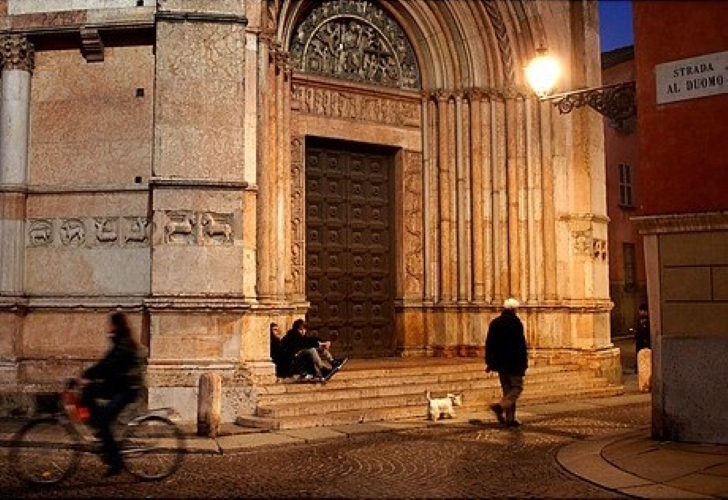
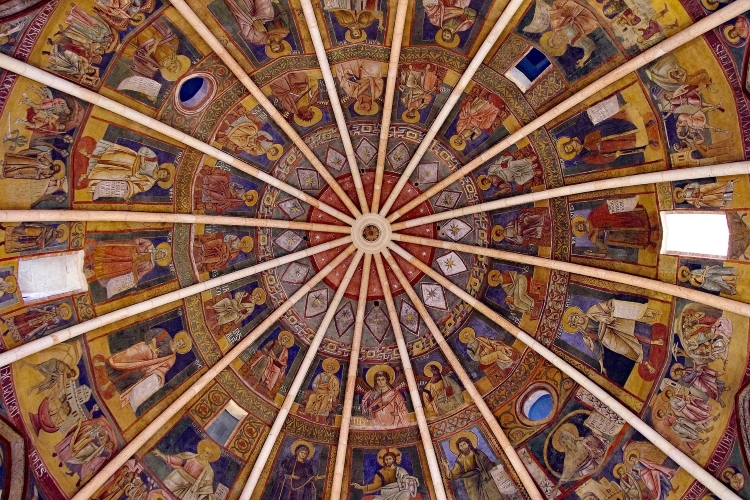
I fell in love with Parma strolling through its narrow flagstone streets last October. The old part of town is a maze of buildings colored in soft yellows and deep ochres. The Piazza Duomo and the Baptistery are fine examples of 11th- and 12th-Century architecture. Two major artists contributed their talents to this remarkable center of religious life: Benedetto Antelami, to the Baptistery pictured below, and Antonio Allegro, better known as Correggio, to the city’s spectacular Santa Maria Assunta Cathedral.
Soaring above the Duomo’s apse is Correggio’s masterpiece, the Assumption of the Virgin (1526-1530). It would become the catalyst for the dramatically-illusionistic, di sotto in su (from the bottom up) ceiling paintings of the 17th-century Baroque period. The cupola is portrayed as the vault of heaven; the figures appear to protrude into the viewer’s space, an audacious and astounding effect at the time.
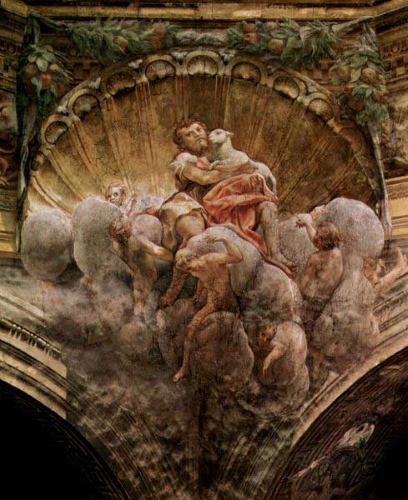
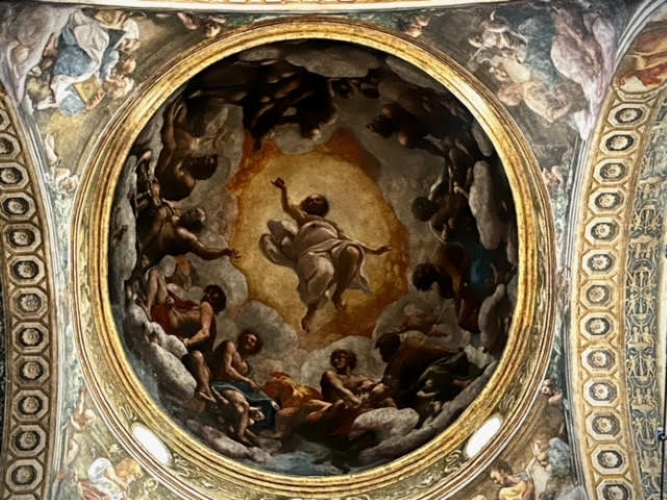
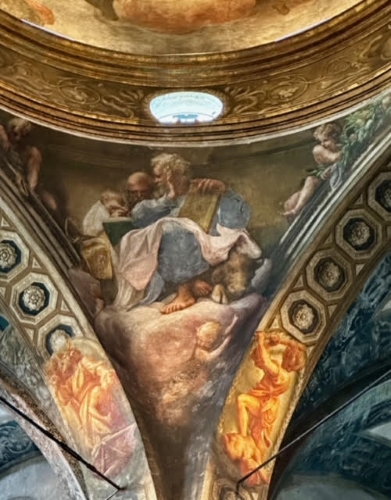
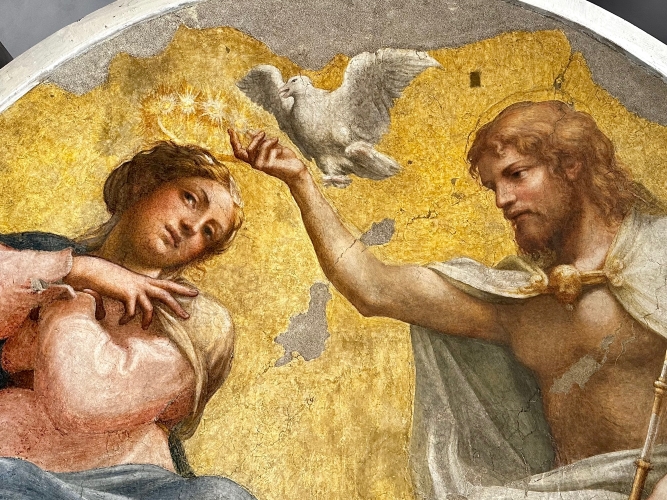
In the Benedictine church of San Giovanni Evangelista, directly behind the Duomo, you can view the cupola fresco and pendentives Correggio painted prior to the Assumption; (1520-1522); these led to his now historical Santa Maria Assunta commission.
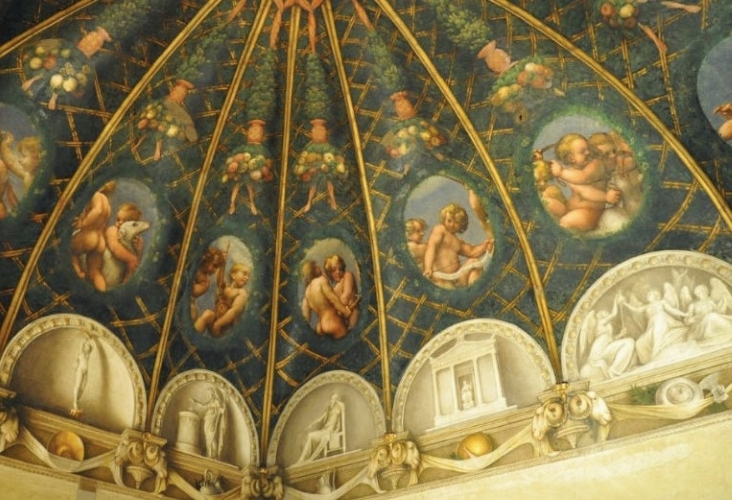
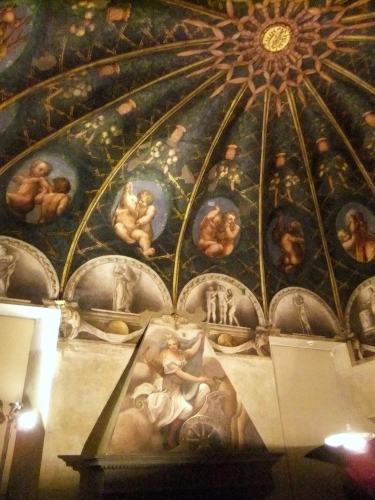
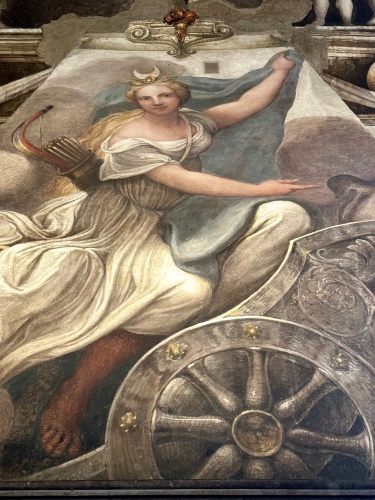
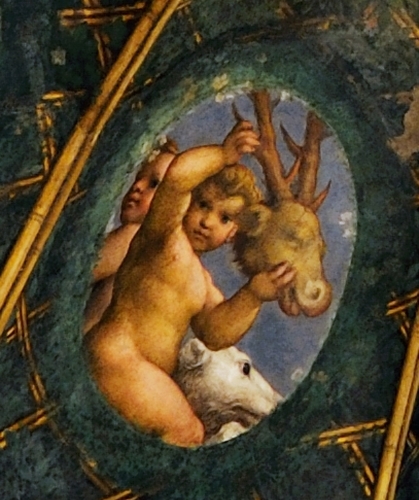
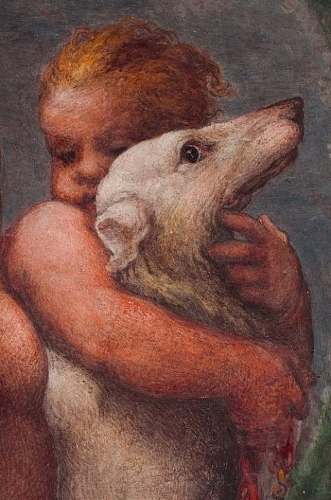
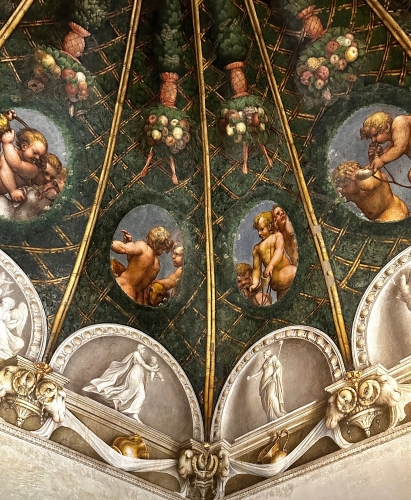
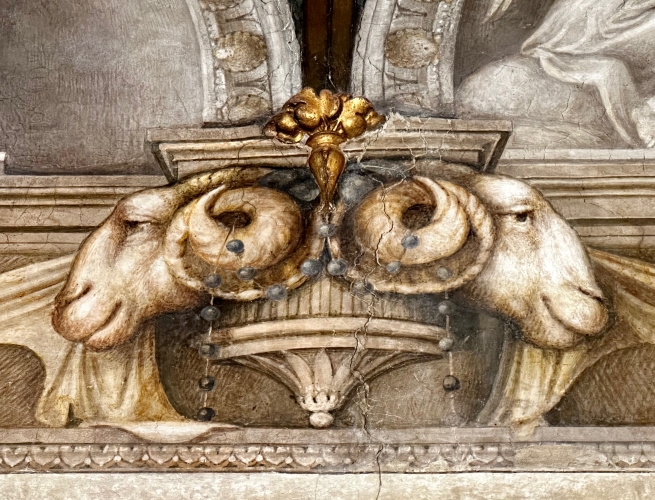
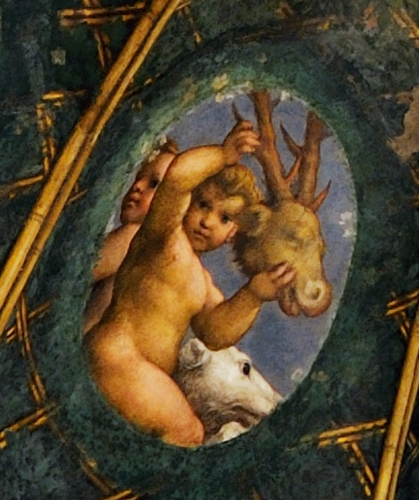
Correggio was born not far from Parma — in the town of, you guessed it, Correggio. His first major commission (completed in 1519) was for a woman, the Abbess Giovanna Piacenza, to decorate the domed ceiling of her private apartment’s sitting room, now called the Camera di San Paolo. Here Correggio painted between the ribs to simulate a pergola with small pierced windows featuring smiling putti and scenes of the hunt. The fireplace is frescoed with a depiction of the goddess Diana. Photos cannot begin capture the impact and intimacy of this truly enchanting room. Trust me, it is jaw-dropping, plus it has the advantage of being off the radar of most tourists.
The frescoes have spurred a debate as to the significance of the iconography of pagan and hunting scenes in a nunnery! The convent was known for the laxity of its rules and had been embroiled, along with its abbess, in various local land disputes.
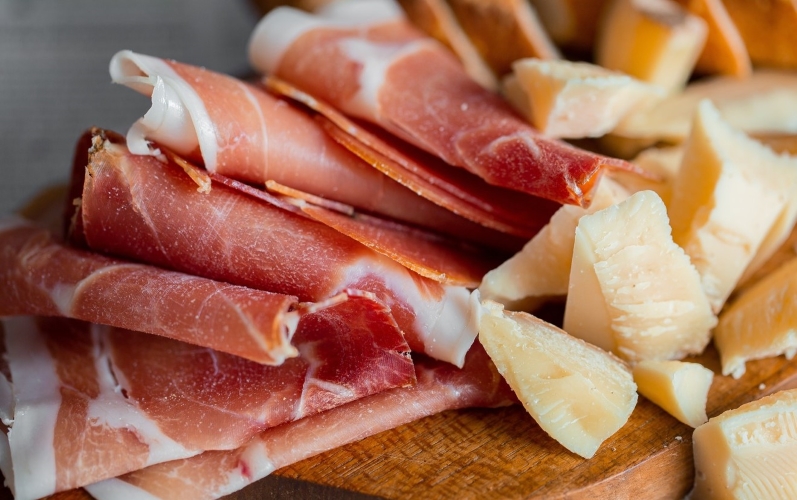
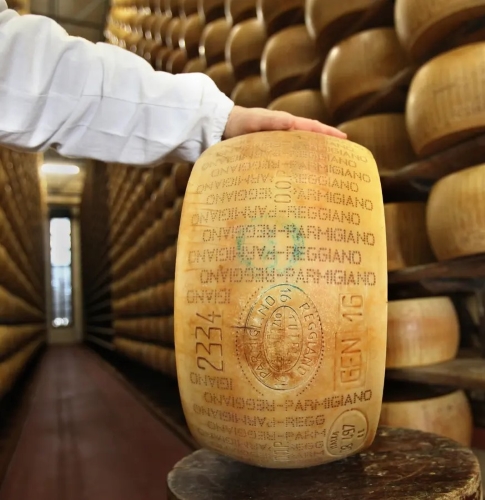
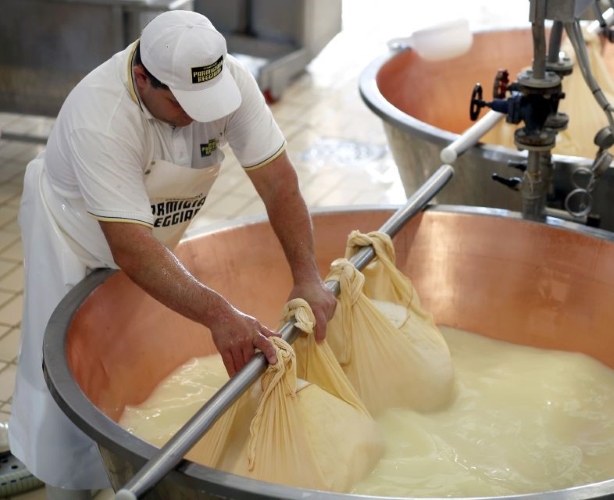
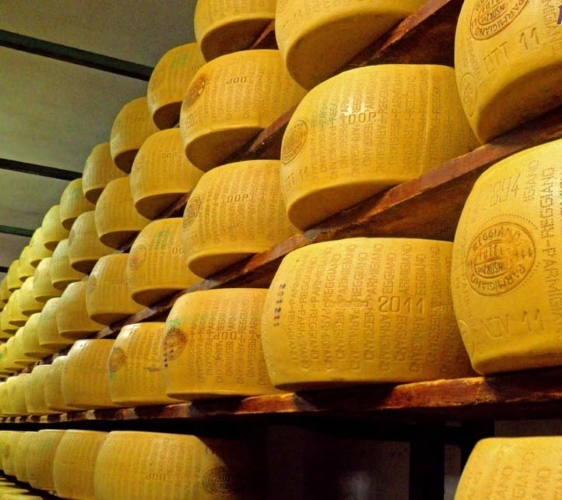
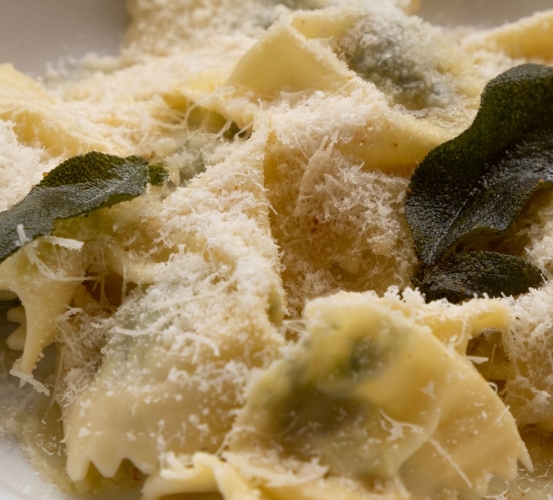
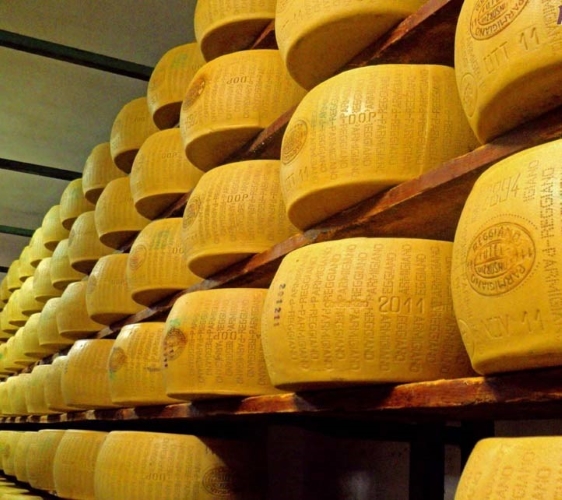
A symbol of “Made in Italy” gastronomy renowned all over the world is Parmigiano Reggiano: a cooked, hard parmesan cheese made from partially skimmed cow’s milk and classified under the protected designation of origin (PDO) category. About 3 million whole cheeses are produced every year; you can take a tour and watch it being made (as well as visit a museum dedicated to this Italian culinary icon).
Aged between 12 – 24 months before being sold, whole cheeses are inspected one by one and tested using a special hammer-diapason. The vibrations generated indicate whether or not the cheese is perfectly intact. (A wheel of parmesan weighs about 70 lbs.)
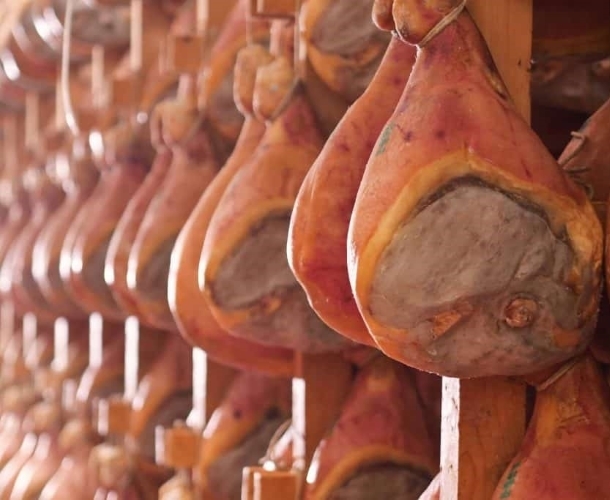
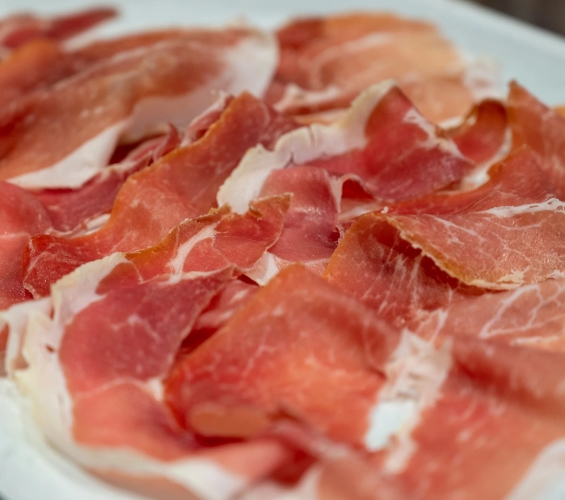
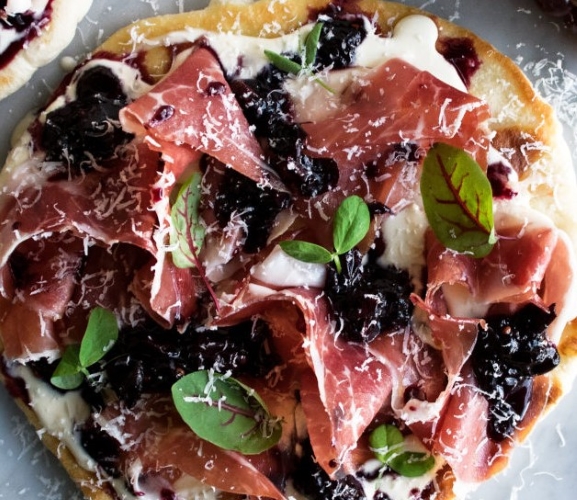
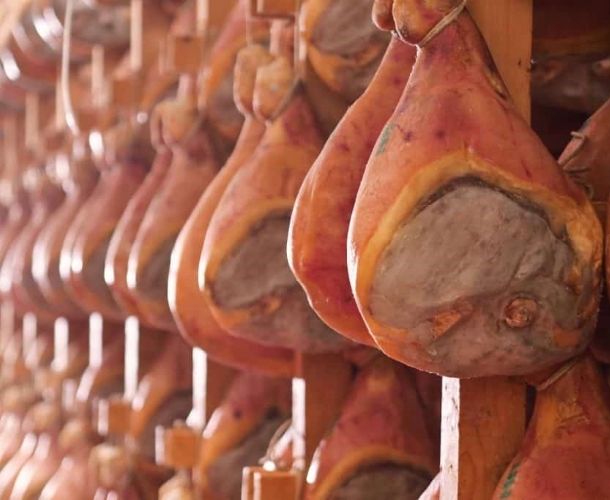
Prosciutto di Parma originated in ancient Roman times when Cato first mentioned the extraordinary flavor of the air-cured ham made around the town of Parma. Prosciutto di Parma can only be produced from pigs born and bred around Parma.The rear haunches of Parma pigs are carefully cured with moist salt so that the ham absorbs only enough to preserve it. The meat becomes tender and the distinctive aroma and flavor of Parma ham emerge.
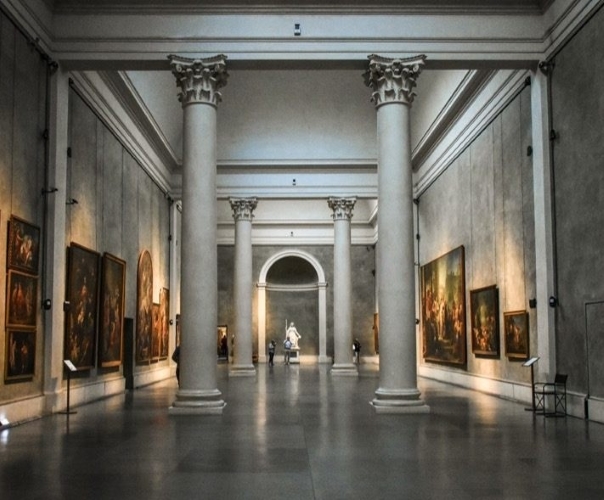
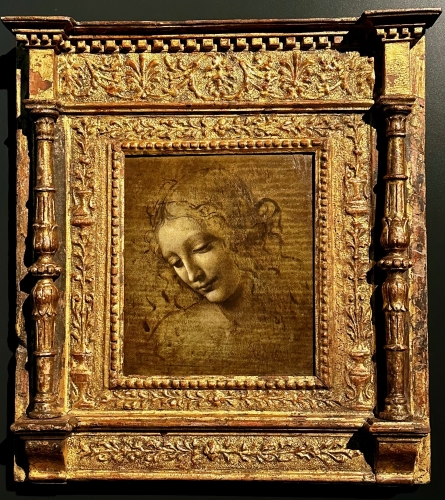
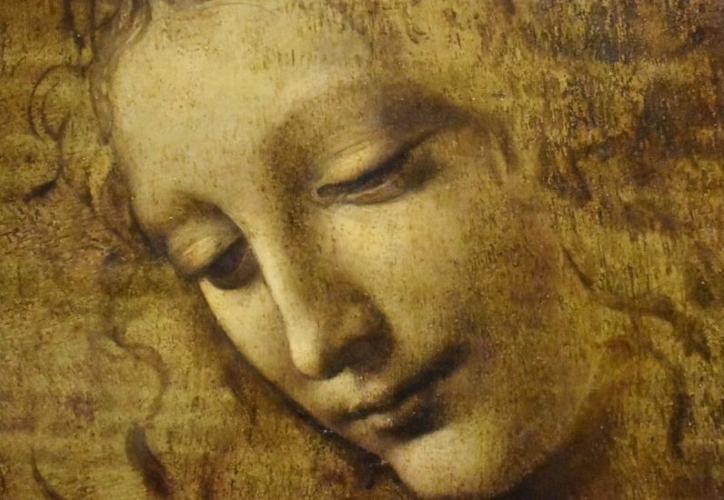
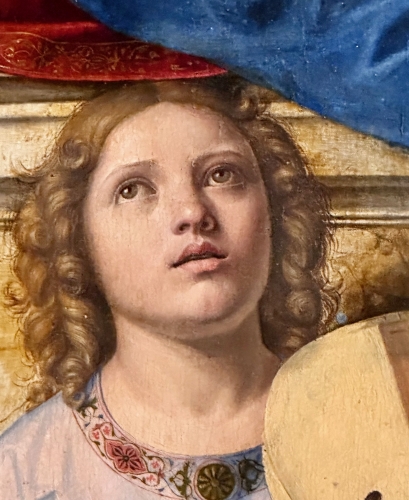
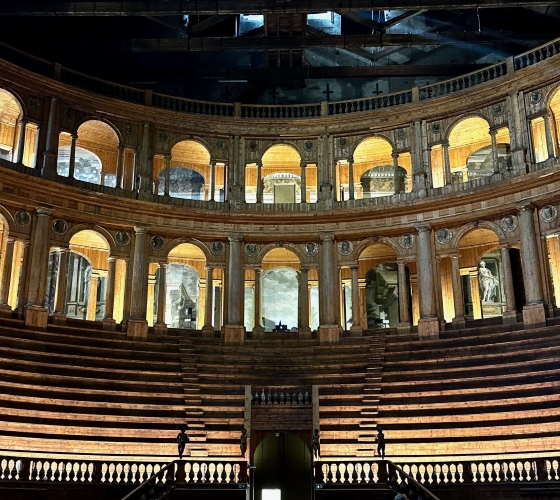
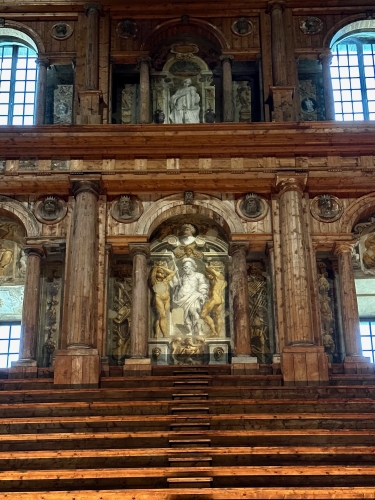
The Galleria Nazionale di Parma has vast collections paintings and antiquities and was established in Renaissance times by the powerful ruling Farnese family. Here you will find marvelous paintings featuring Northern Italian painters and other Renaissance masters including the breathtaking Leonardo da Vinci is known as La Scapigliata meaning “The Lady with Dishevelled Hair.” The museum complex also includes Teatro Farnese built in 1618 and one of the largest Baroque theatres in Europe. It was conceived for the opera-tournament, in honor of the Medici, which never took place.
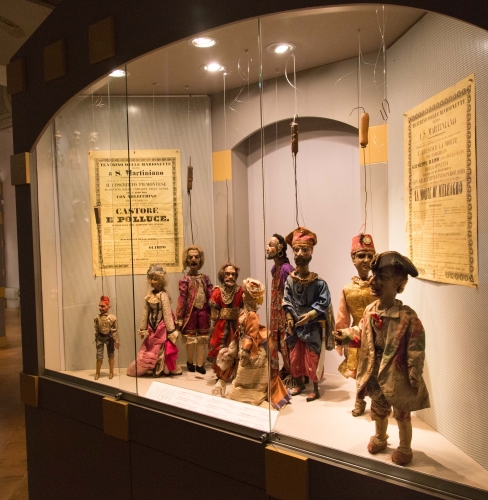
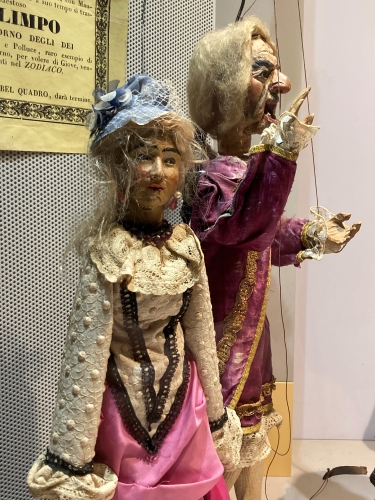
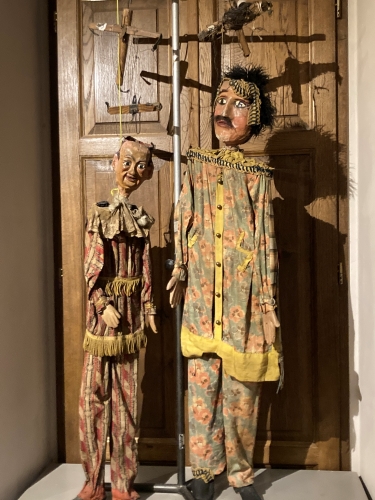
And for those of you who want a break from high culture, there is the quirky Il Castello dei Burattini Museo Giordano Ferrari (The Castle of the Puppets, Museum Giordano Ferrari). All the typical characters from Italian puppet theater are represented — princes and princesses, villains, devils, ghosts, monsters, servants, merchants, workers, society folk, priests and policemen. The faces are amazingly expressive and the elaborate costumes are fascinating.
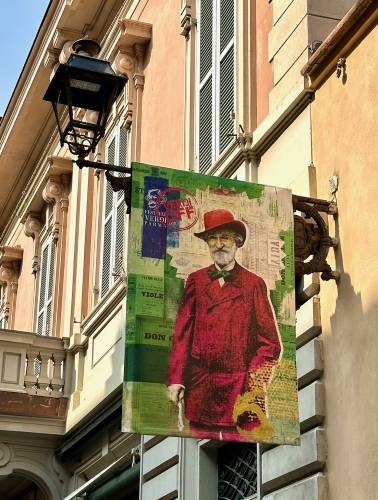
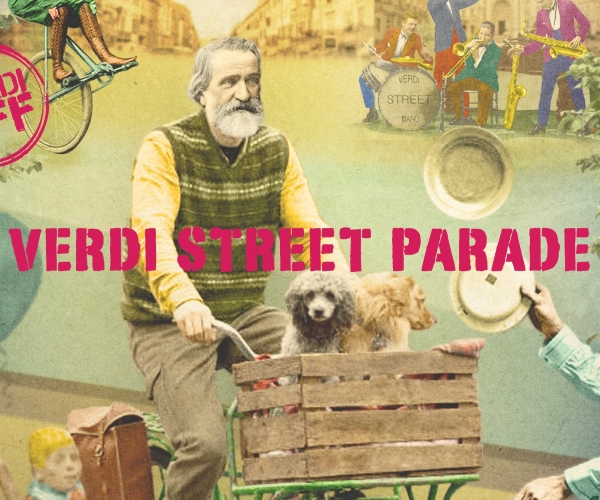
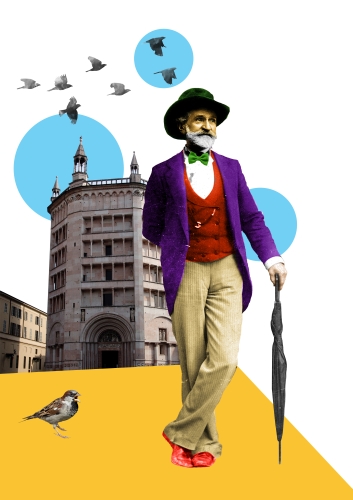
Guiseppe Verdi grew up in the Duchy of Parma and today Parma is also a great city of music. Its annual Verdi Festival was conceived in 2001, the centennial of his death. Each October thousands make the pilgrimage for a multi-week immersion in Verdi’s music and legacy.
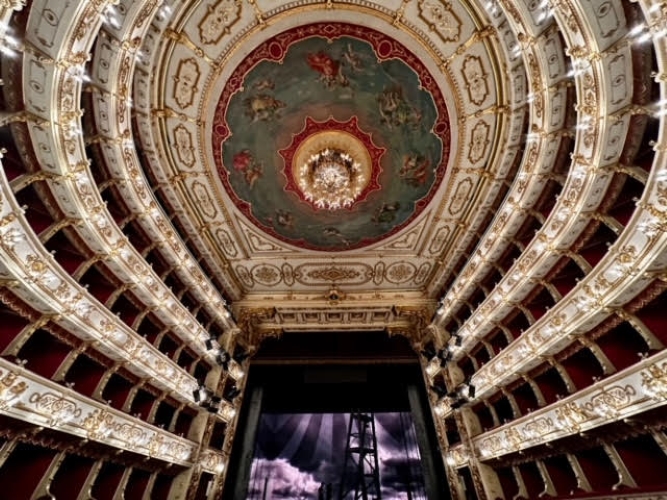
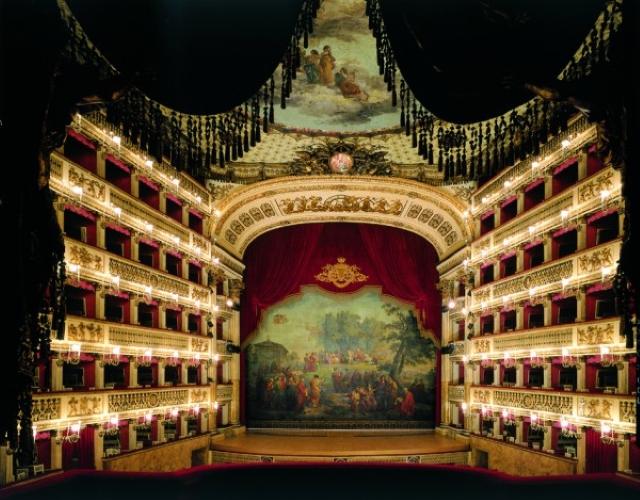
Parma’s Teatro Regio di Parma is renowned among the world’s most famous opera houses for the elegance of its neoclassical style and its near perfect acoustics.
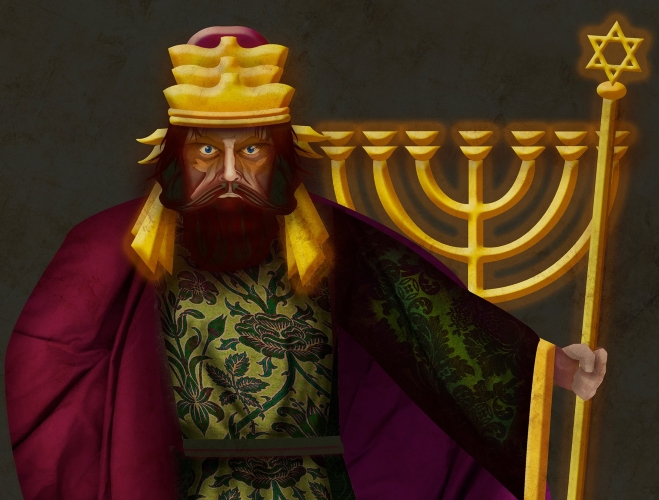
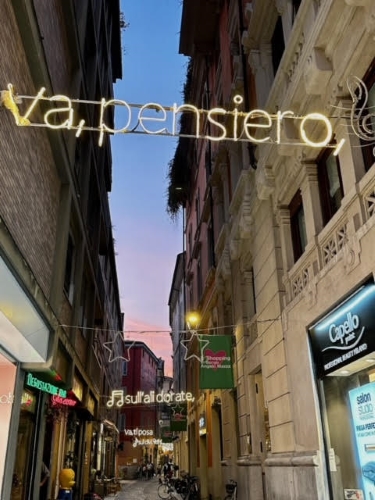
In his career-making opera, Nabucco, about Hebrews in Babylonian exile, Verdi gave voice to the sentiment of longing for a land once known and now lost. Its signature aria “Va, pensiero” (“Go, My Thoughts” … on golden wings) would become the unofficial anthem of the Risorgimento, and even Verdi’s name became a rallying cry for unification.
I hope these Postcards have peaked your interest in discovering the many sensory allures this truly captivating city.






Specially for Thanksgiving …
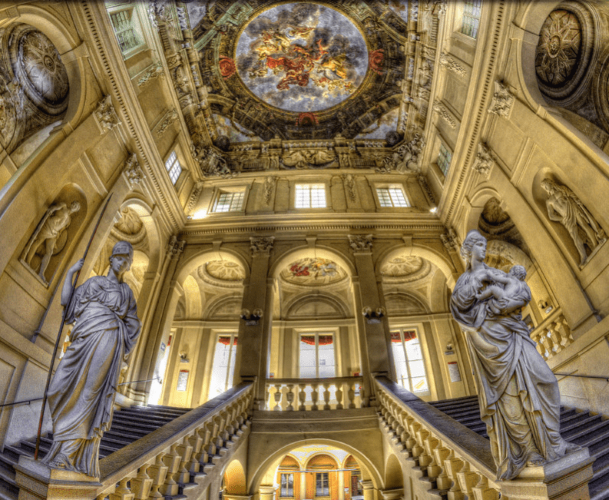
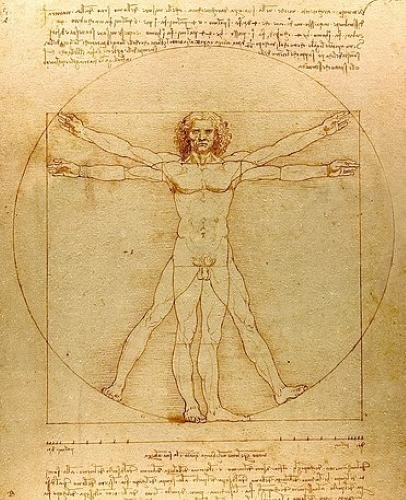
A is for art. Art is to Italy what oxygen is to the human blood stream. It’s been estimated that 60% of the world’s art treasures are in Italy.
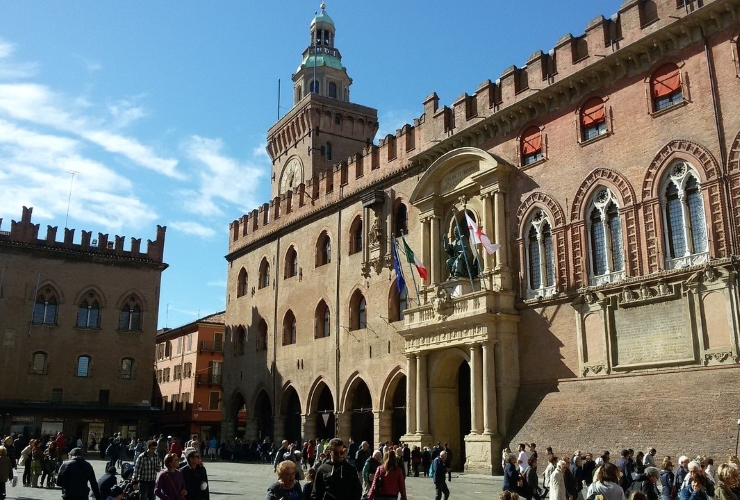
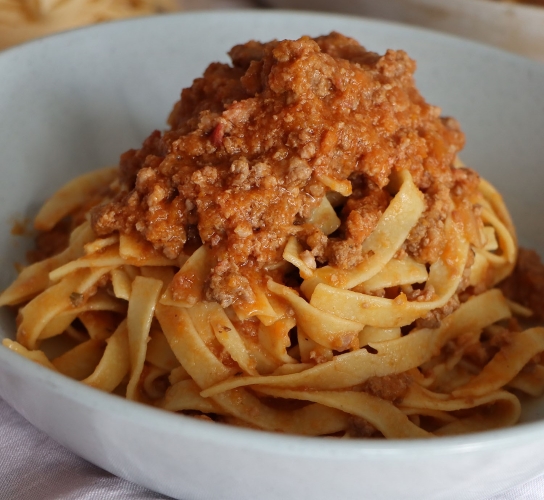
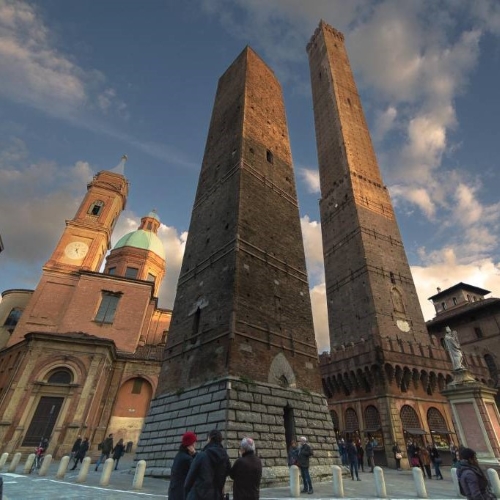
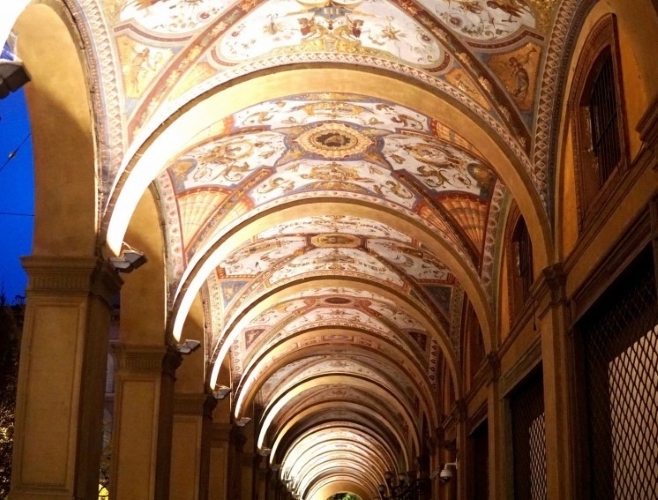
B is for Bologna — famous for its gastronomy, the world’s first university, established in 1088, and miles of its harmonious renaissance porticoes.
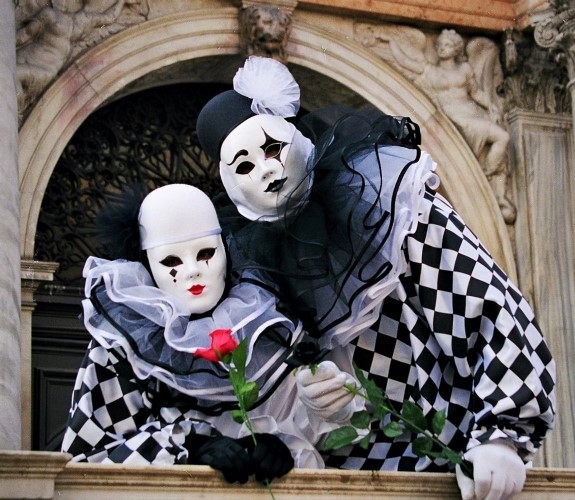
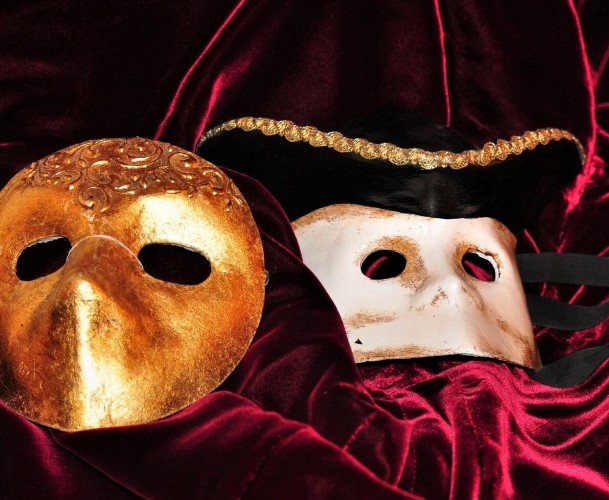
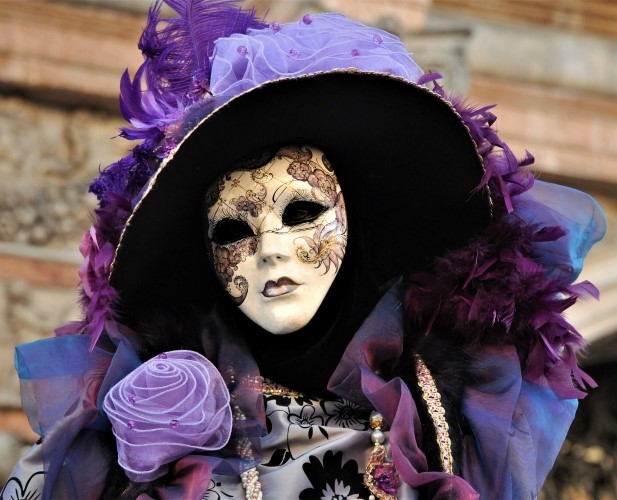
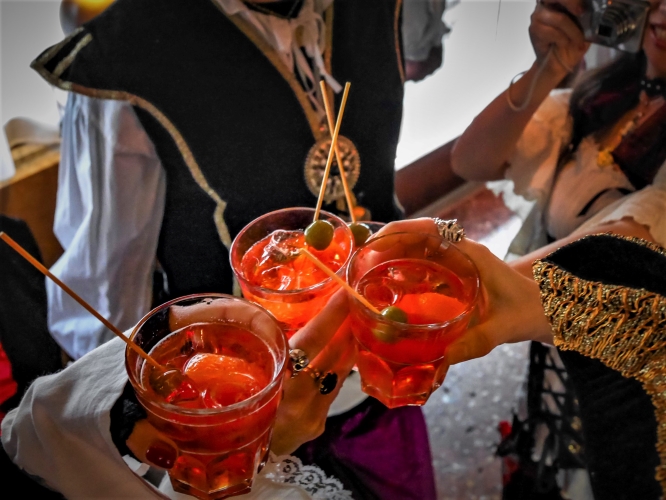
C is for Carnevale—its balls, masks and revelry.
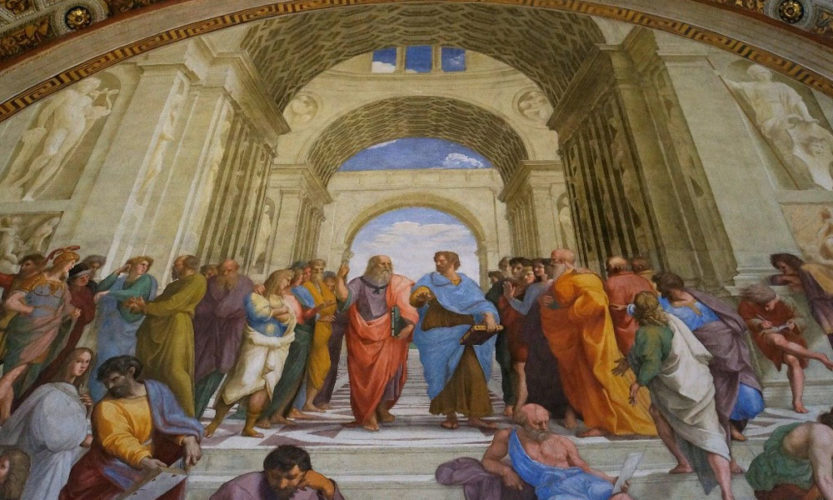
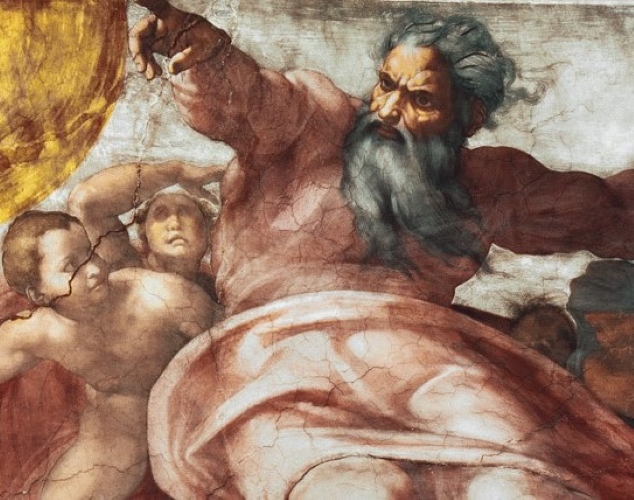
D is for Dante, one of the greatest poets to have ever lived, and father of the world’s most beautiful language.
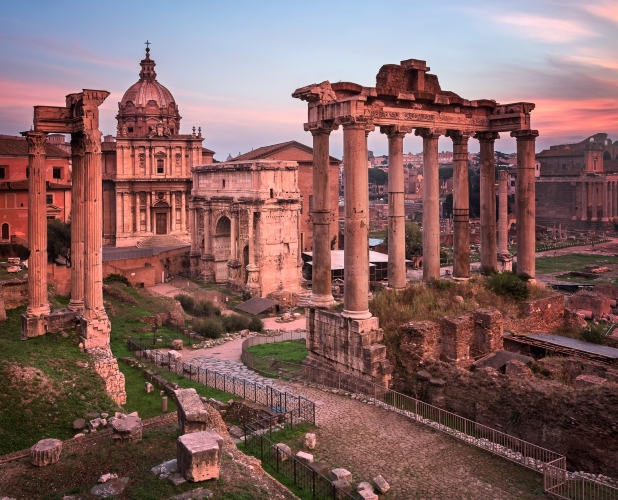
E is for Empire. The Roman Empire dominated the Western world for nearly four centuries, leaving a lasting legacy of art, architecture, engineering, literature, language and law.
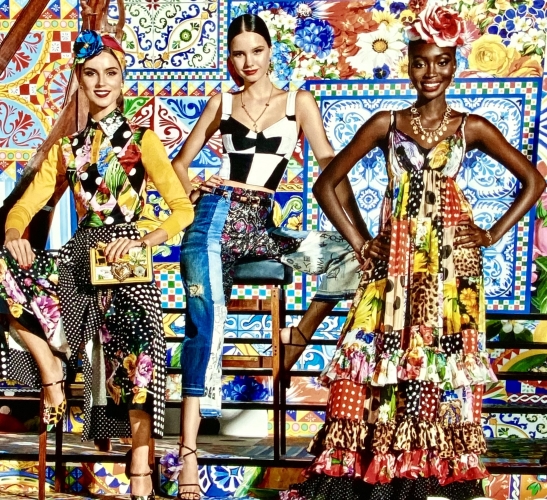
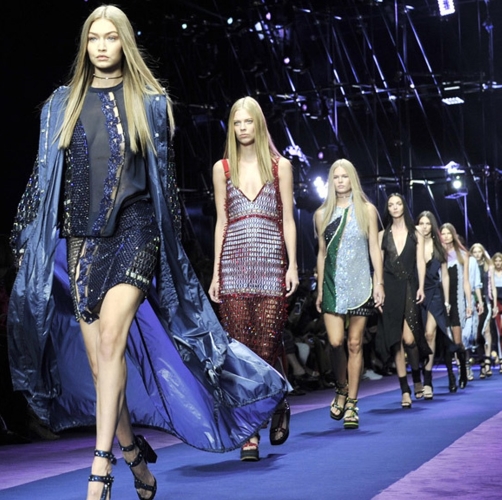
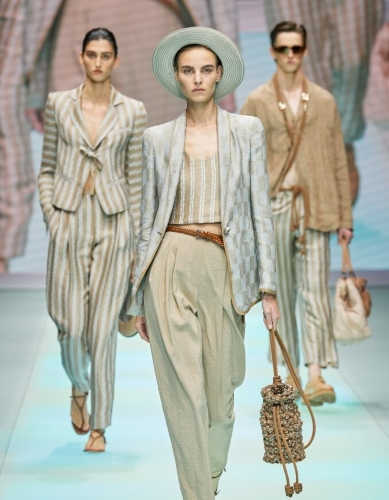
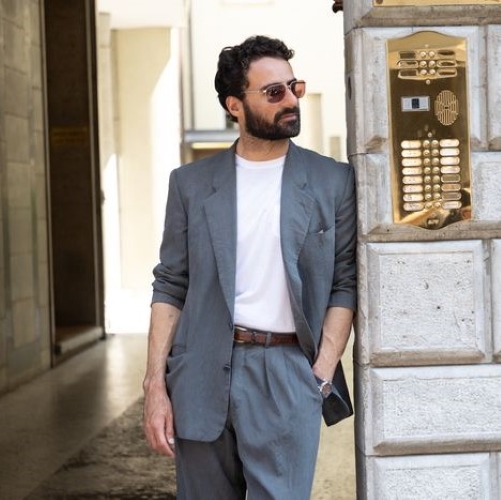
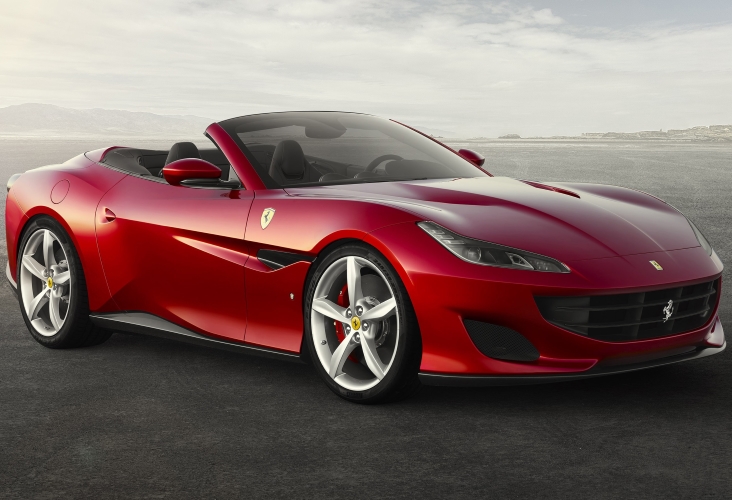
F is for fashion capital of the world. And, let’s not forget the incomparable Ferrari.
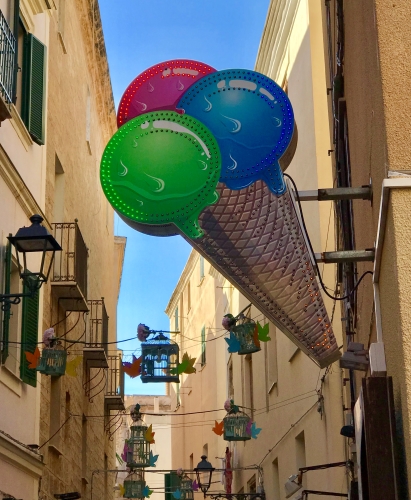
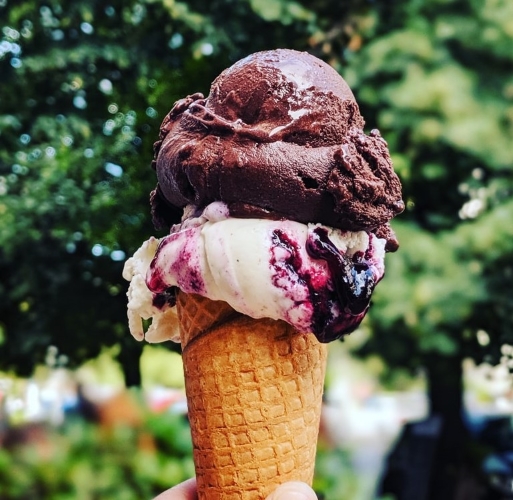
G is for Gelato, the ambrosia of the boot and the luscious refreshment of granita.
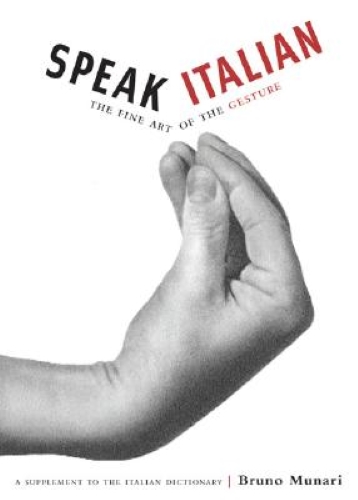
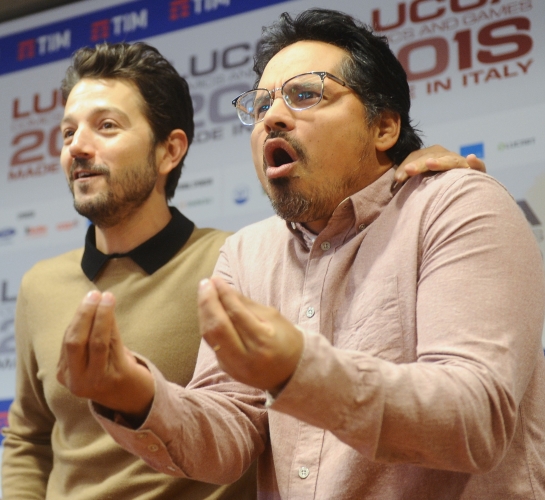
H is for hand gestures. Hand gestures are to Italian conversation what punctuation is to writing. Italian gestures are a huge part of what makes an Italian, well, an ITALIAN!
I is for the “inner Italian” — that part of us we all share, regardless of ethnicity, which falls in love most easily and is most spontaneous, expressive and joyful.
L is for living La Dolce Vita, a lifestyle aspiration shared by people the world over.
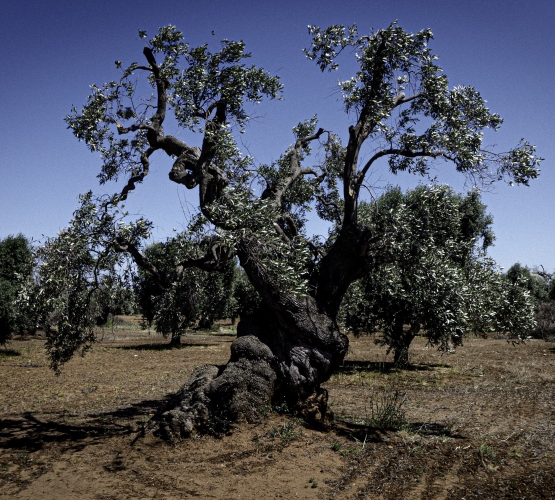
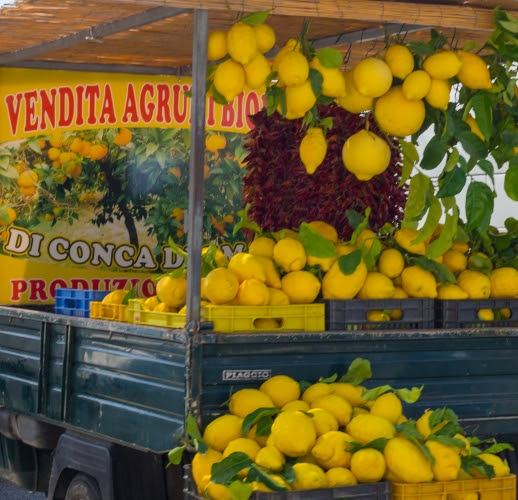
M is for the Mezzogiorno —sunny, sensual Southern Italy, land of the midday sun and the birthplace of the Mediterranean diet with extra virgin olive oil at its foundation
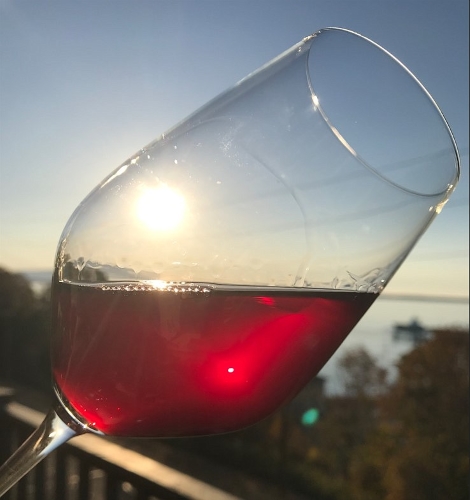
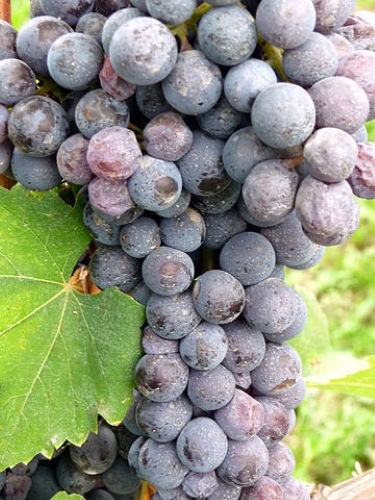
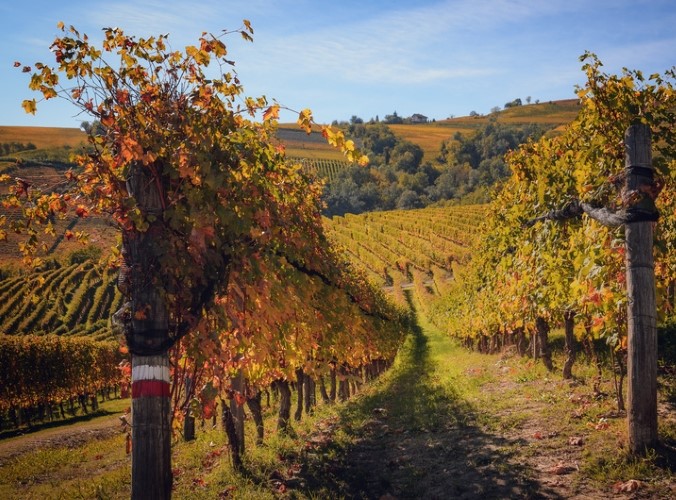
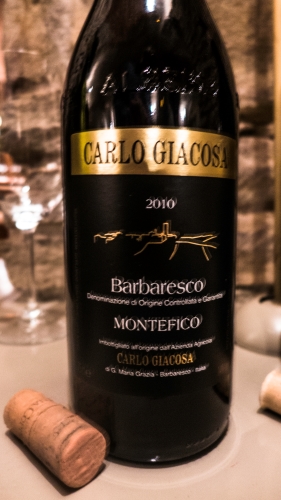
N is Nebbiolo, the iconic grape hailing from Piemonte, and just one of the countless varietals produced from Italy’s unmatched terroir and numerous fertile micro-climates.
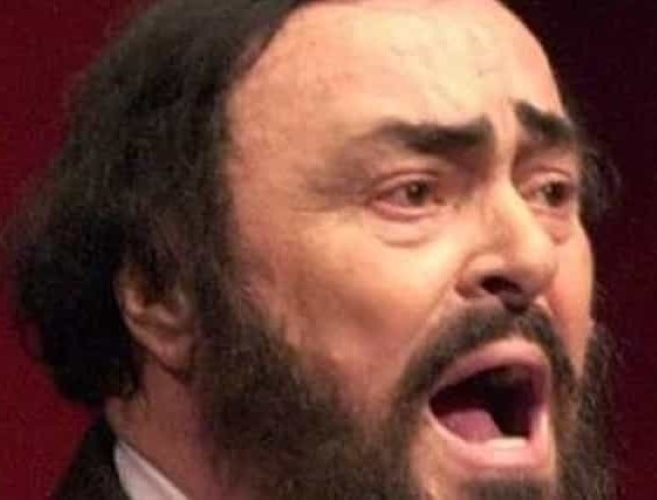
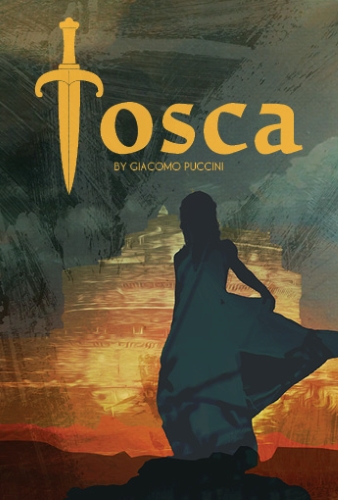
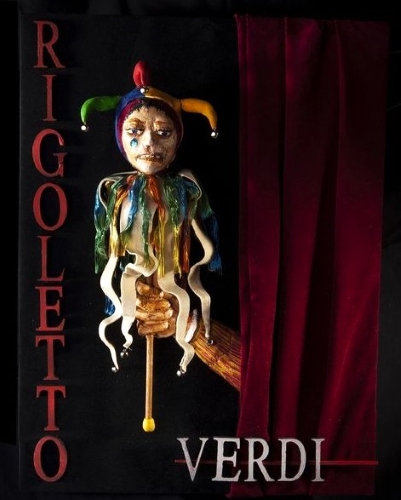
O is for Opera, with all its passion, emotion and theatricality . . . which could only have been invented by Italians! 🙂
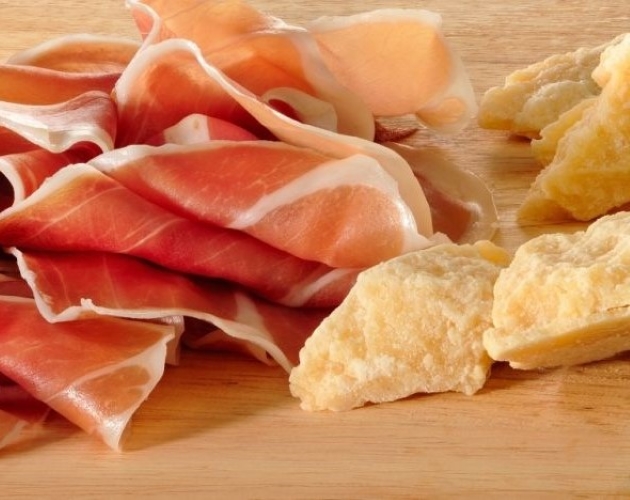
P for Parma, the ham and cheese capital of the planet (ha!) with its legendary Proscuitto di Parma and Parmigiano Reggiano as well as a city with an exceptional trove of artistic treasures.
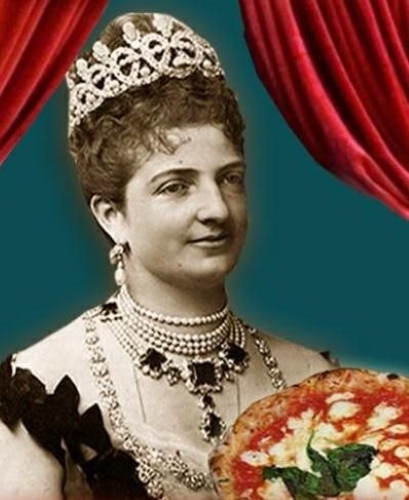
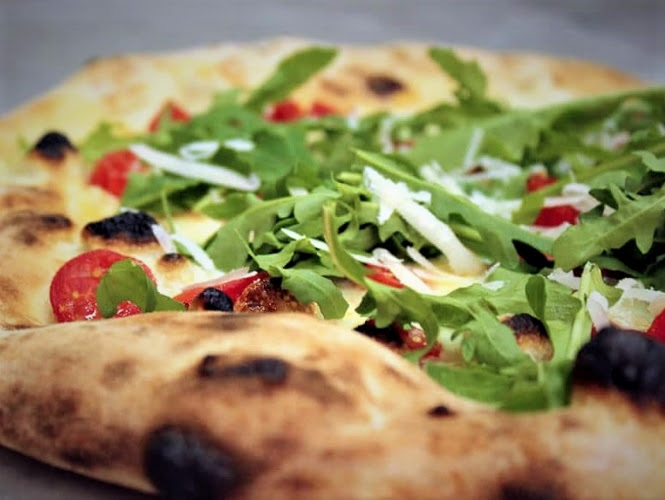
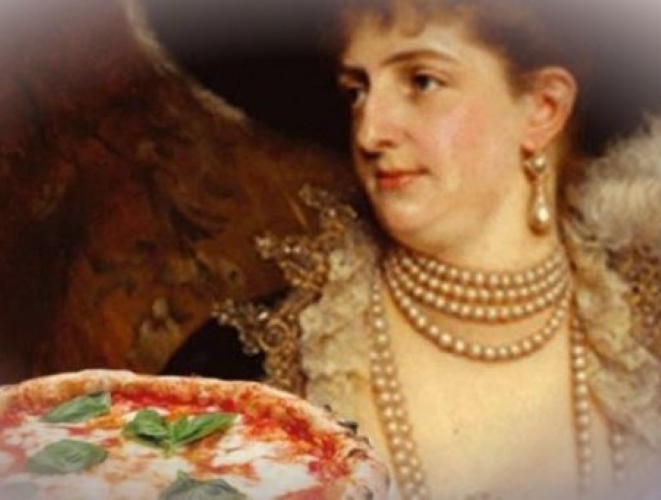
Q is for the Queen Margarita, for whom the margarita pizza was named … and for pizza in general (who could live without it?).
R is for the Renaissance: begun in Florence, and the single greatest intellectual and cultural transformation in world history.
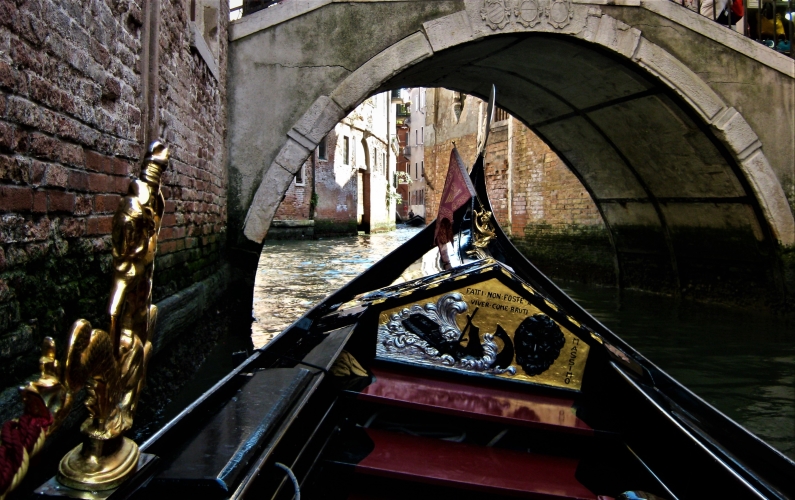
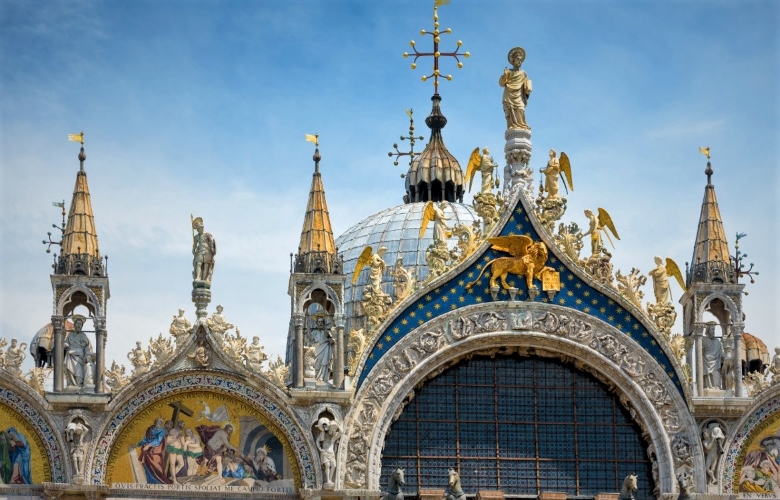
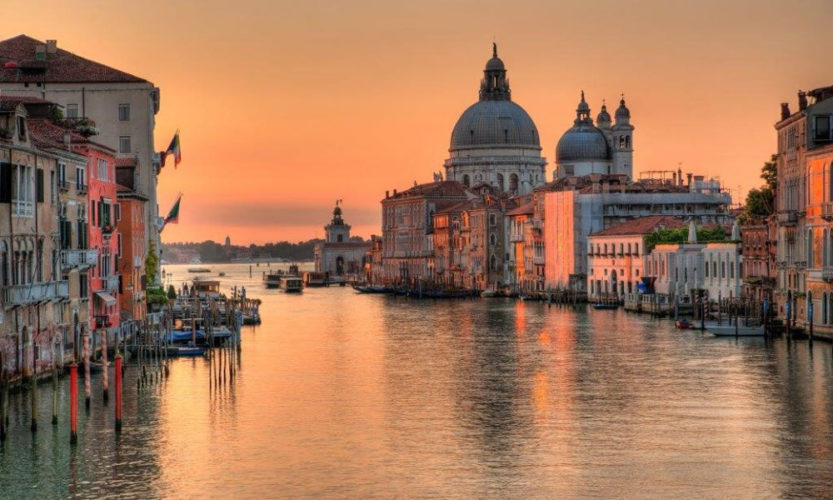
S is for La Serenissima, that place of watery reflections, intrigue, mist and magic.
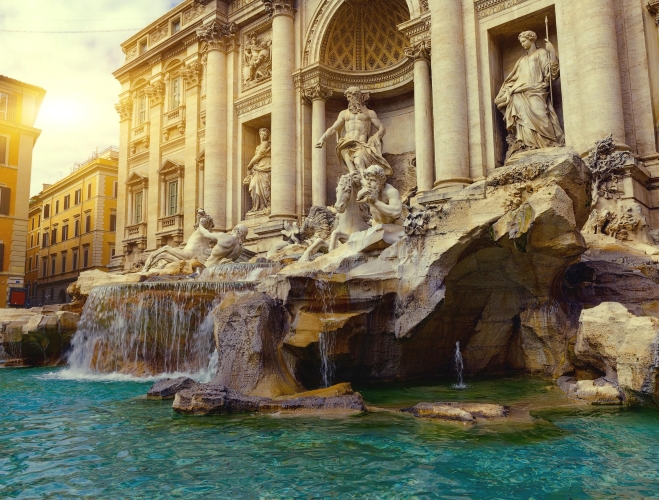
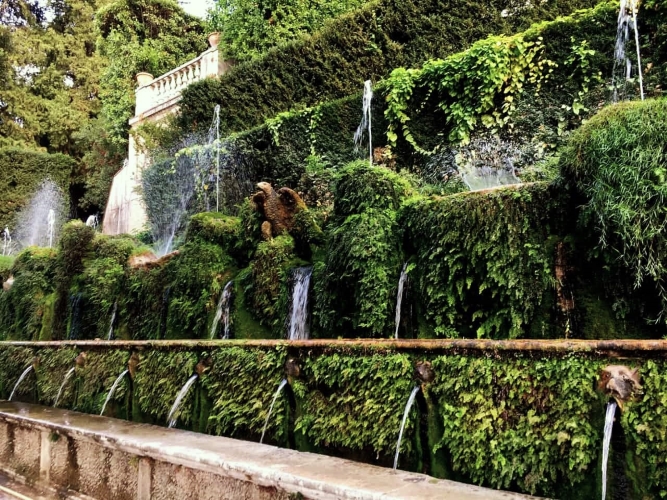
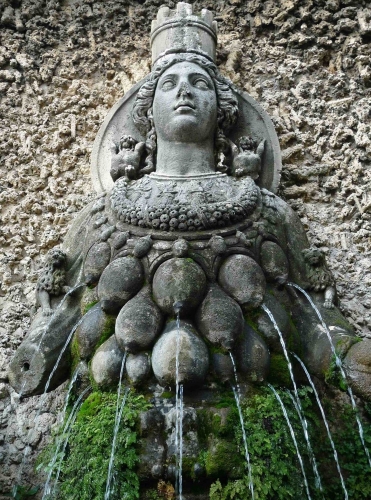
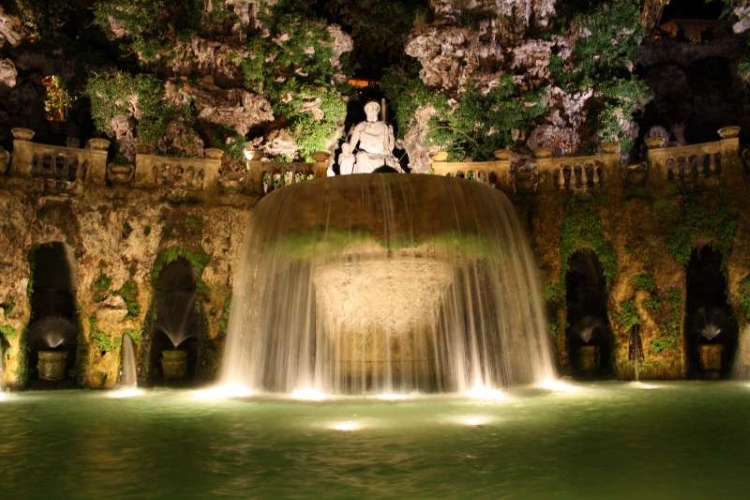
T is for the Trevi Fountain, Tivoli Gardens and for Roman engineers’ illustrious relationship with water … and all the extraordinary waterworks that grace the Eternal City.
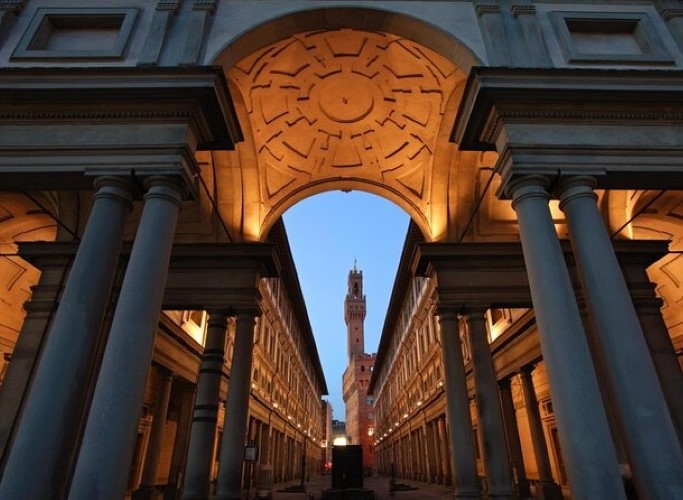
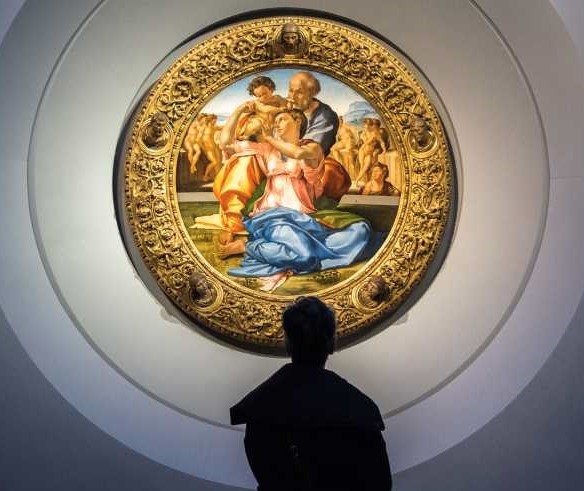
U is for the Uffizi Gallery and its priceless treasury of artistic masterpieces.
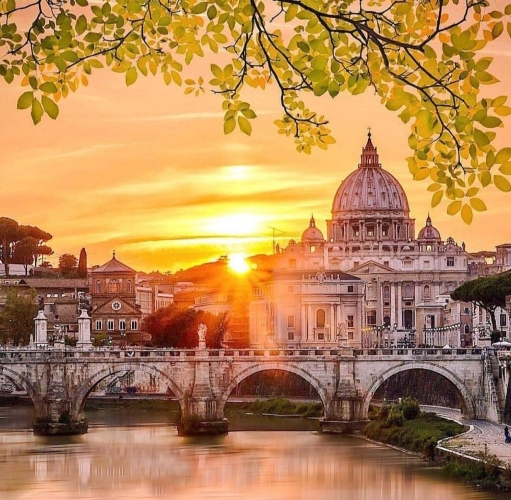
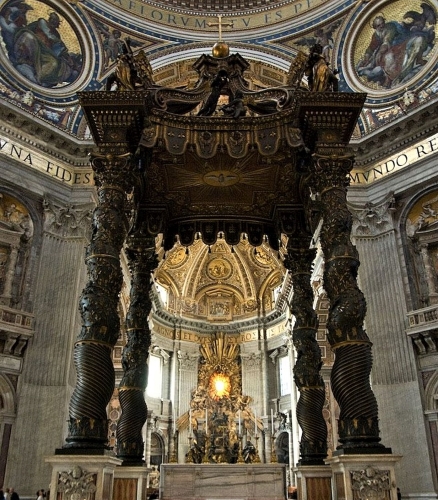
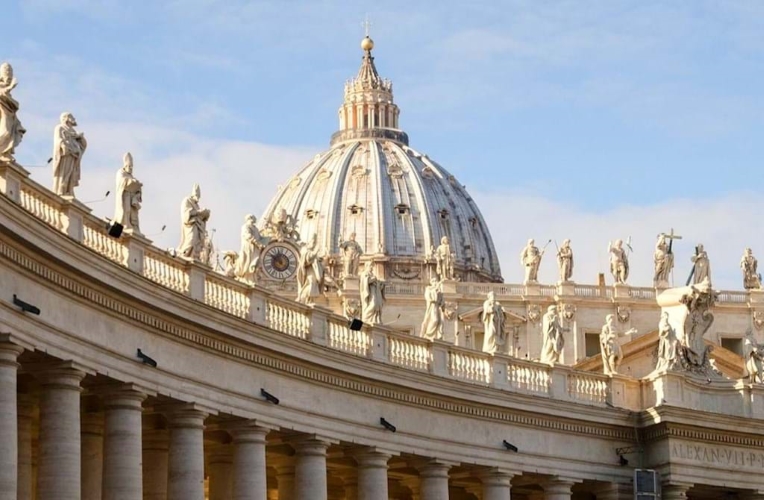
V is for the Vatican—its own jurisdiction but nonetheless Italian in, well, spirit.
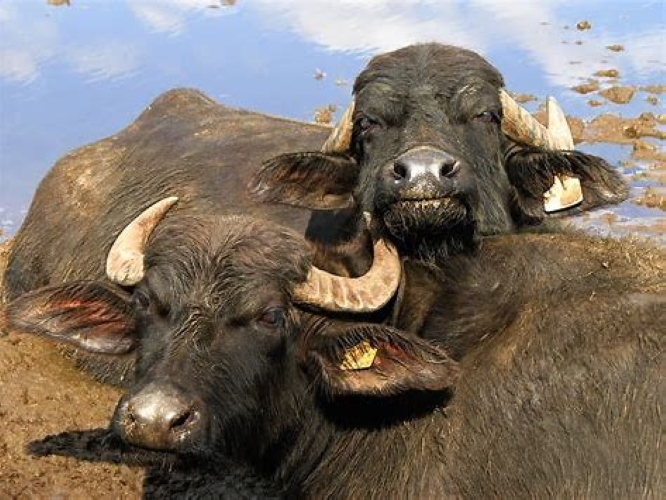
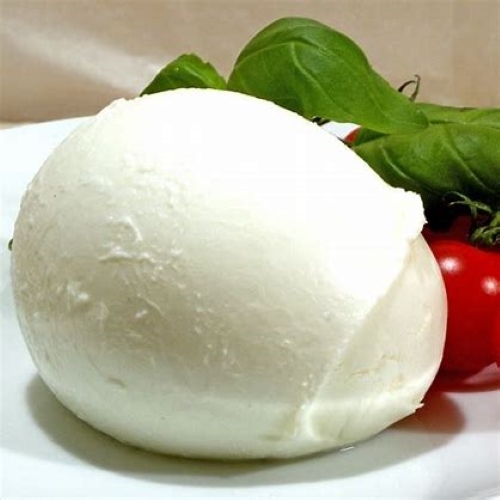
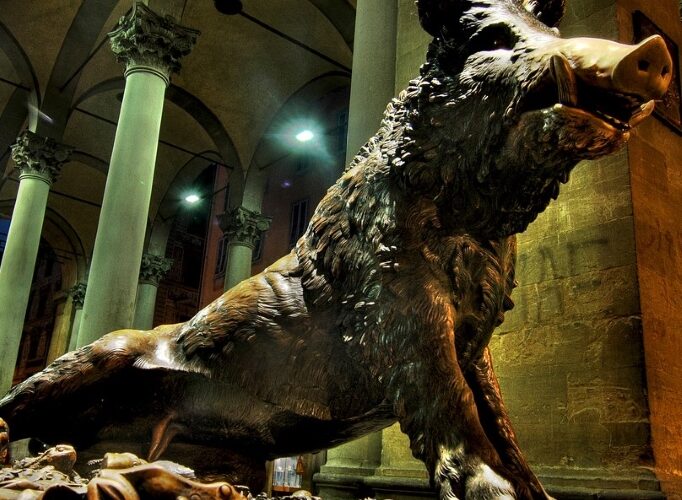
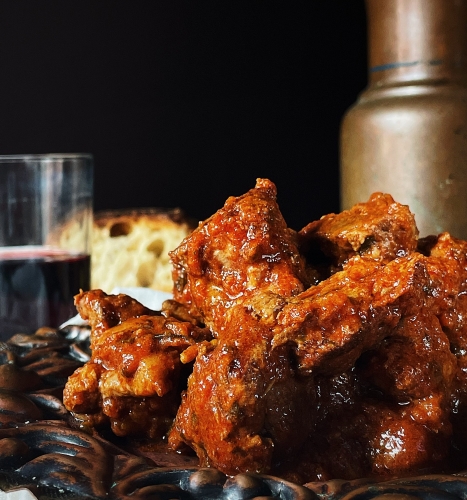
W is for water buffalo and the creamy rich mozzarella it (she) produces . . . also for wild boar, cinghiale, with its unmistakable savage, almost smoky flavor.
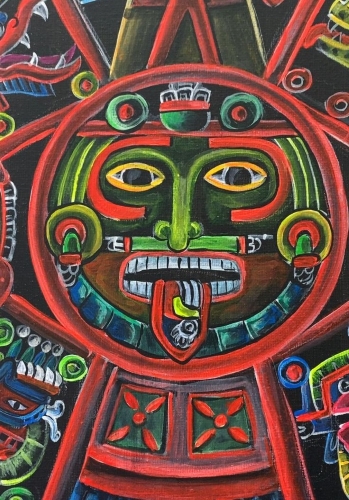
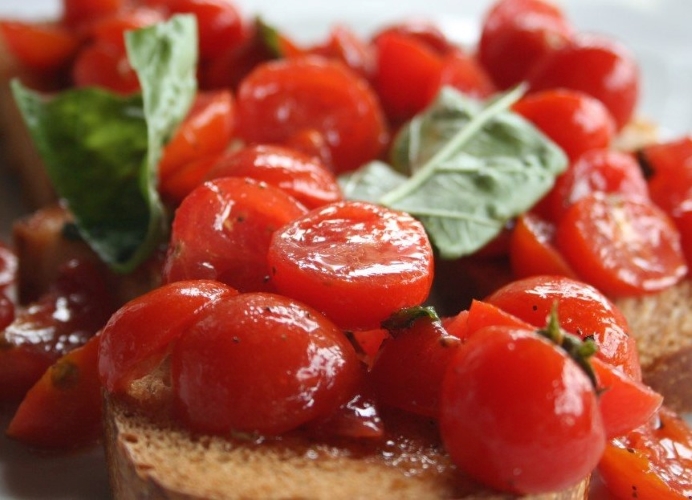
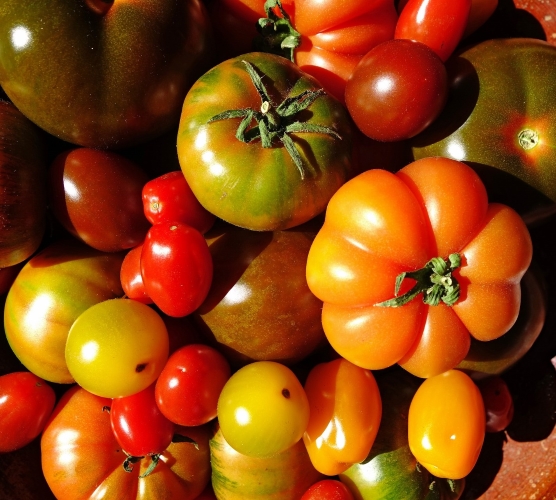
X is for “xitomati” which in Aztec means “plump thing with a navel.” Although no single ingredient conveys Italian cuisine more instantly, the tomato was first cultivated in the New World.
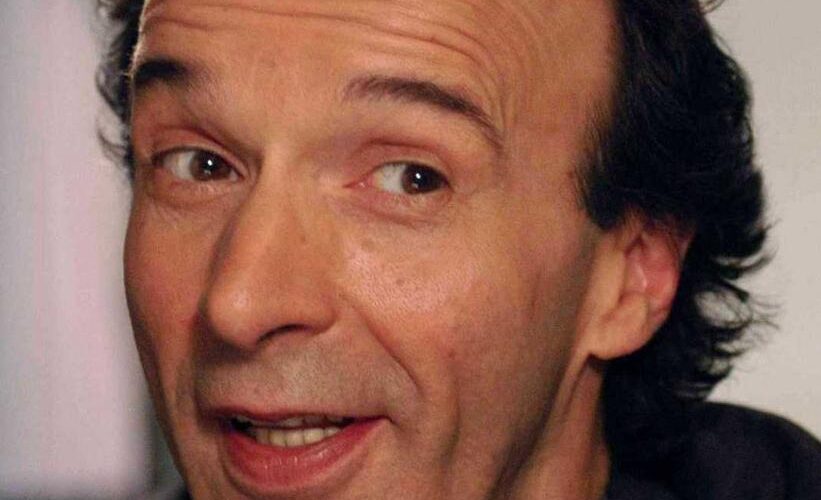
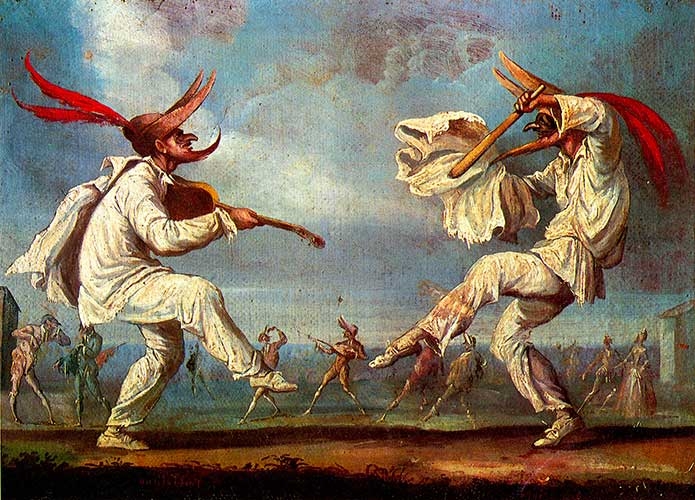
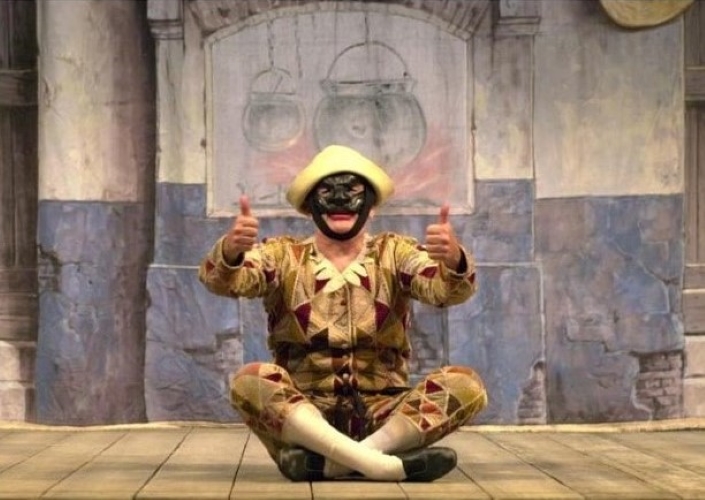
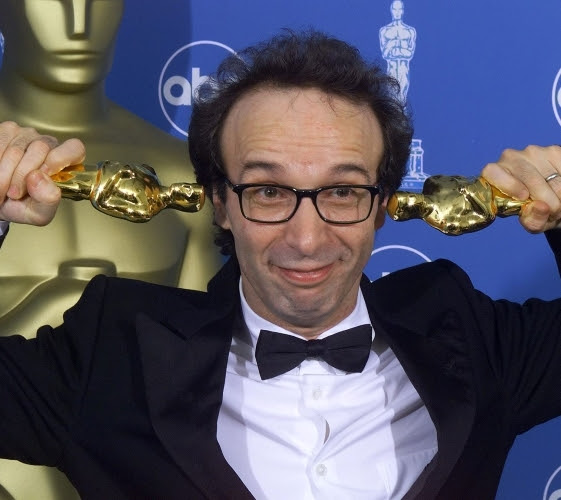
And Z is for Zanni — the clowns of Venice’s Commedia del’Arte. Our word zany comes from Zanni. Nobody represents the spirit of the Zanni better than Roberto Benigni. His very essence invites us to kiss the joy of living, to savoy life’s silly moments, and to embrace our “Inner Italian”.
Copyright - Postcards from the Boot.